Month: June 2023

The Complex Interplay Between TB and Liver Problems

Tuberculosis bacteria. Credit: CDC

By Tiyese Jeranji for Spotlight

People in South Africa who fall ill with tuberculosis (TB) often also have other health issues. HIV, which drives much of the TB epidemic in South Africa, is the most obvious co-infection, but people who fall ill with TB are also more likely to have diabetes and mental health problems than the general public.

Another issue that is often mentioned at conferences and in journal articles, but that doesn’t often make the headlines, is the complex set of links between TB and liver problems. With the World Health Organization estimating that in the region of 300 000 people fall ill with TB in South Africa every year, the scale of the issue is likely to be substantial, although we do not have particularly good data on liver problems in South Africa, and even less so on people experiencing TB and liver problems together.

Complex interactions

Broadly speaking, the link between TB and the liver can be divided into two categories. First, there are the liver-related side effects of some TB treatments, and second, there is the interaction between TB and liver conditions such as viral hepatitis. In some cases, TB itself can also cause liver problems directly.

Start with hepatitis. Dr Louisa Dunn, Think TB Provincial TB Technical Lead in KwaZulu-Natal, explains that hepatitis is a general term meaning inflammation of the liver. She says that there are many causes of hepatitis, such as infections, alcohol, or an overdose of certain medications. There is also autoimmune hepatitis, where a person’s own immune system is attacking the liver. “Even lifestyle can cause inflammation in the liver from a build-up of fatty tissue, which is more common in people who are overweight and obese,” she says.

Infection with hepatitis B virus (HBV) and hepatitis C virus (HCV) are thought to cause significant illness and death in South Africa. According to a study published in 2022, over 1.9 million people in South Africa are living with chronic HBV infection – earlier research put the number at 3.5 million. HBV can be treated and there is an effective childhood vaccine for it that has been used in South Africa since 1995.

Estimates for HCV are less certain than for HBV – an estimate of 400 000 chronic infections was quoted in an HBV and HCV investment case for South Africa. Highly effective cures for HCV infection have been developed over the last decade, although access to these cures remains limited. The Department of Health published viral hepatitis treatment guidelines in December 2019.

Given these numbers, some people in South Africa would simply, by chance, get both TB and hepatitis. But since there are common risk factors, co-infection will be higher than what one would expect purely through chance. HIV infection, for example, increases both a person’s risk of TB and HCV.

“There is no data from South Africa about viral hepatitis and TB co-infection that I am aware of,” says Dr Andrew Scheibe, a Technical Advisor for TB HIV Care and an infectious disease specialist at the University of Pretoria. He points out that people who use drugs and other groups of people who are marginalised, including people experiencing homelessness or people in prison, are at increased risk for these co-infections. The risk of HCV transmission is particularly high when people who inject drugs share needles.

In addition, as Dunn points out, TB itself can also cause hepatitis.

Hepatotoxicity

The picture is further complicated by the fact that several of the medicines used to cure TB have liver-related side effects. Drug-sensitive TB is treated with a combination of four different medicines, while drug-resistant TB is treated with anything from three to eight different medicines.

“Medications used to treat both drug-sensitive and drug-resistant TB can cause hepatitis through drug-induced liver toxicity (hepatotoxicity),” says Dunn. “The presence of other risk factors may further increase the risk of hepatitis in TB patients. These risk factors could be alcohol use, older age, malnutrition, co-infection with HIV or viral Hepatitis B, and taking other potentially hepatotoxic drugs with TB treatment.”

Wieda Human, project coordinator and communications officer at TB advocacy group TB Proof says 3 to 28% of people with TB may experience hepatotoxicity and other side effects. “Those who are already infected with the hepatitis B infection are at an increased risk for hepatotoxicity,” she says.

She refers to a study done in Ethiopia that found having hepatitis B and hepatitis C infection made having TB disease more severe. “This study also found that people with TB who have hazardous alcohol use have a 1.5 times increased risk of developing hepatitis C,” says Human.

What it means for treatment

Dunn says although it is less straightforward to treat a person with TB and hepatitis than a person with just TB, it is important to understand treatment is still available. “It involves establishing the cause for hepatitis and treating this where possible, for instance, treating a viral hepatitis [and TB] co-infection at the same time or [providing] support to reduce alcohol intake. It may involve closer monitoring and follow-up, changes to medications, including stopping treatments either permanently or temporarily, and using alternative more ‘liver-friendly’ treatment regimens,” she says.

“If the hepatitis is stable, then TB can be treated,” Scheibe says. He explains hepatitis B requires long-term treatment (there is no cure), while hepatitis C can be cured with direct-acting antivirals (recently registered in SA, but not yet on the Government Essential Medicines List, so not easily available in the public sector). He says HCV treatment may be delayed until the TB is cured.

No routine screening

South Africa’s National Strategic Plan for HIV, TB, and STIs 2023-2028  under Goal 2 sets out to reduce viral hepatitis morbidity through scale-up of prevention, diagnostic testing, and treatment. However, according to Dunn, screening for viral hepatitis infections, such as HBV, is not part of the current drug-sensitive or drug-resistant TB guidelines.

But she says everyone should be assessed for symptoms and risk factors for liver disease at the start of TB treatment – a sentiment Scheibe shares. According to them, these screenings are however performed at diagnosis of HIV infection before a person is commenced on antiretroviral treatment for HIV, as chronic hepatitis B infection has specific implications for HIV treatment.

“During [TB] treatment, it is critical that clinicians assess people for signs and symptoms that may suggest hepatitis at each visit and educate them on recognising these side effects as well,” says Dunn. “This includes loss of appetite, feeling tired and unwell, nausea, vomiting, abdominal pains, yellowing of the eyes and skin, and darkening of urine.”

Treatment guidelines for drug-induced liver injury are available here. The guidelines focus on the management of suspected drug-induced rash, kidney injury, and liver injury for patients on TB treatment and or antiretroviral treatment.

Scheibe adds that people at high risk for HCV should receive TB screening regularly due to potential exposure to TB (eg if living in closed settings with many people in contexts of high TB prevalence and /or with HIV co-infection).

Republished from Spotlight under a Creative Commons 4.0 Licence.

Source: Spotlight

Combination Therapy for Patients with Advanced Classic Hodgkin Lymphoma Boosts 1-year Survival

Photo by National Cancer Institute on Unsplash

Results from a Phase 3 trial of patients with advanced Stage (3 or 4) classic Hodgkin lymphoma who underwent initial treatment with nivolumab, a PD-1 checkpoint inhibitor, and AVD chemotherapy (N-AVD) showed that they had a significantly lower risk cancer worsening than patients treated with brentuximab vedotin, a monoclonal antibody, and AVD (BV-AVD) a year after starting treatment.

Ninety-four percent of adolescent and adult patients in the N-AVD group had progression-free survival compared with 86% in the BV-AVD arm. N-AVD was also well-tolerated as there were few serious immune-related side effects in the S1826 trial. The median follow-up was 12.1 months.

These late-breaking findings were presented by lead investigator Alex Herrera, MD, at ASCO’s 2023 Plenary Session.

“The results are remarkable. The combination of nivolumab and chemotherapy is potent and safe in patients with Stage 3 or 4 classic Hodgkin lymphoma as an initial treatment,” said Herrera. “The therapy is poised to be a standard for treatment of advanced Hodgkin lymphoma. This is indeed great news for patients with this cancer as there is another effective and safe treatment option for them.”

The S1826 trial is the largest classic Hodgkin lymphoma study ever conducted in the NCI’s National Clinical Trials Network and is also representative of a diverse patient population. About a quarter of the enrolled patients were Black or Hispanic. A partnership with the Children’s Oncology Group (COG) helped ensure the trial included young adolescents, and a quarter of enrolled patients were younger than 18 years old. Nearly two-thirds of all patients had Stage 4 cancer.

“This study speaks to the power of the National Clinical Trials Network and is an excellent example of the transformative work that the NCI funds,” said senior author Jonathan Friedberg, MS, MMSc. “Hodgkin lymphoma is not a common disease and the NCTN enabled a large network of more than 200 paediatric and adult community providers and academic medical centres to work together. Because of that, we were able to get data very quickly and directly impact patient care. This was a critical investment in cancer research and treatment.”

Patients with Stage 3 or 4 classic Hodgkin lymphoma who had not been previously treated and were age 12 or older were eligible for the trial. Of a total of 976 eligible patients, 489 were enrolled in the N-AVD arm (nivolumab plus Adriamycin, vinblastine and dacarbazine), while 487 were part of the BV-AVD group. Each group received six infusion cycles of each combination therapy.

As expected with combination chemotherapy, the most common side effects included gastrointestinal and hematologic toxicities, and fatigue. However, less than 1% of patients needed radiation after trial treatment, which is a dramatic reduction in the proportion of patients being initially treated for Hodgkin lymphoma who need radiation, especially among paediatric patients.

“The ability to maintain high rates of relapse-free survival with minimal use of radiation therapy in children with newly diagnosed advanced stage Hodgkin lymphoma will be a paradigm shift,” said Sharon Castellino, MD, MSc, chair of the COG Hodgkin lymphoma committee and director of the Leukemia and Lymphoma Program at the Aflac Cancer and Blood Disorders Center, Children’s Healthcare of Atlanta, Winship Cancer Institute at Emory University.

Brentuximab vedotin was the first antibody-drug conjugate developed for classic Hodgkin lymphoma. Several studies have demonstrated that incorporating the therapy into frontline treatment improves progression-free survival and overall survival. Despite improved outcomes, there are still serious side effects; relapses can occur.

“There is definitely a need to improve frontline therapies for Hodgkin lymphoma, particularly because a disproportionate number of patients with this disease are teens and young adults,” Herrera added.

Next steps for the trial include following patients to measure the durability of progression-free survival, overall survival and other patient outcomes.

Source: PR Newswire

Low Sexual Satisfaction in Middle Age Linked to Cognitive Decline

Photo by Ketut Subiyanto on Pexels

Low sexual satisfaction in middle age may serve as an early warning sign for future cognitive decline, according to a new study. The researchers, who tracked associations between erectile function, sexual satisfaction and cognition in hundreds of men aged 56 through 68, found that declines in sexual satisfaction and erectile function were correlated with future memory loss.

The study, published in Gerontologist, is the first to longitudinally track sexual satisfaction in tandem with sexual health and cognition, the researchers state, and its findings point to a potential novel risk factor for cognitive decline.

“What was unique about our approach is that we measured memory function and sexual function at each point in the longitudinal study, so we could look at how they changed together over time,” said Martin Sliwinski, professor of human development and family studies at Penn State and co-author on the study. “What we found connects to what scientists are beginning to understand about the link between life satisfaction and cognitive performance.”

The study explored the relationship between physical changes like the microvascular changes relevant for erectile function, and psychological changes, such as lower sexual satisfaction, to determine how the changes relate to cognition. They examined the shifts starting in middle age because it represents a transition period where declines in erectile function, cognition and sexual satisfaction begin to emerge.

Sliwinski added that while the team discovered a strong correlation between the three health factors, they can only speculate as to the cause.

“Scientists have found that if you have low satisfaction generally, you are at a higher risk for health problems like dementia, Alzheimer’s disease, cardiovascular disease and other stress-related issues that can lead to cognitive decline,” he said. “Improvements in sexual satisfaction may actually spark improvement in memory function. We tell people they should get more exercise and eat better foods. We’re showing that sexual satisfaction also has importance for our health and general quality of life.”

For the study, the researchers used survey data from 818 men who participated in the Vietnam Era Twin Study of Aging. Through neuropsychological tests, such as tests of memory and processing speed, they examined cognitive changes of participants over the 12-year span from age 56 to 68, adjusting for participants’ cognitive ability in young adulthood. Their erectile function and sexual satisfaction were measured alongside cognition, using the International Index of Erectile Function, a self-reported assessment for male sexual health. The researchers then built a statistical model to understand how the three variables changed as individuals aged.

“Research on sexual health has historically focused on quantifiable facets of sexuality like number of sexual partners or frequency of sexual activity,” said Riki Slayday, a doctoral candidate at Penn State and lead author on the study. “What we were interested in is the perception of that activity, how someone feels about their sex life, and how that influences cognitive function, because multiple people could be in the same situation physically but experience completely different levels of satisfaction.”

The study found that decreases in erectile function and sexual satisfaction were both associated with memory decline, which the researchers say points to a connection between psychological and physical health.

“When we mapped the relationship over time, we found increases or decreases in erectile function and sexual satisfaction were associated with concurrent increases or decreases in cognitive function,” Slayday said. “These associations survived adjustment for demographic and health factors, which tells us there is a clear connection between our sex lives and our cognition.”

Prior studies have found a link between microvascular changes and changes in erectile function over time. In fact, the active ingredient in Viagra (Sildenafil) was originally developed to treat cardiovascular problems, Sliwinski explained, so the connection between vascular health and erectile function is well understood. How erectile function connects to other aspects of health should be an area of focus for future research, he added.

Increasing the assessment and monitoring of erectile function as a vital sign of health may help identify those at risk of cognitive decline before their 70s, he said. The researchers note that the older adult population in the US is expected to double over the next 30 years, which means twice as many people will likely enter their 60s and experience declines in erectile function and sexual satisfaction.

“We already have a pill for treating erectile dysfunction. What we don’t have is an effective treatment for memory loss,” Sliwinski said. “Instead of the conversation being about treating ED, we should see that as a leading indicator for other health problems and also focus on improving sexual satisfaction and overall well-being, not just treating the symptom.”

Source: Penn State University

Memory Killer Cells can Improve Melanoma Survival

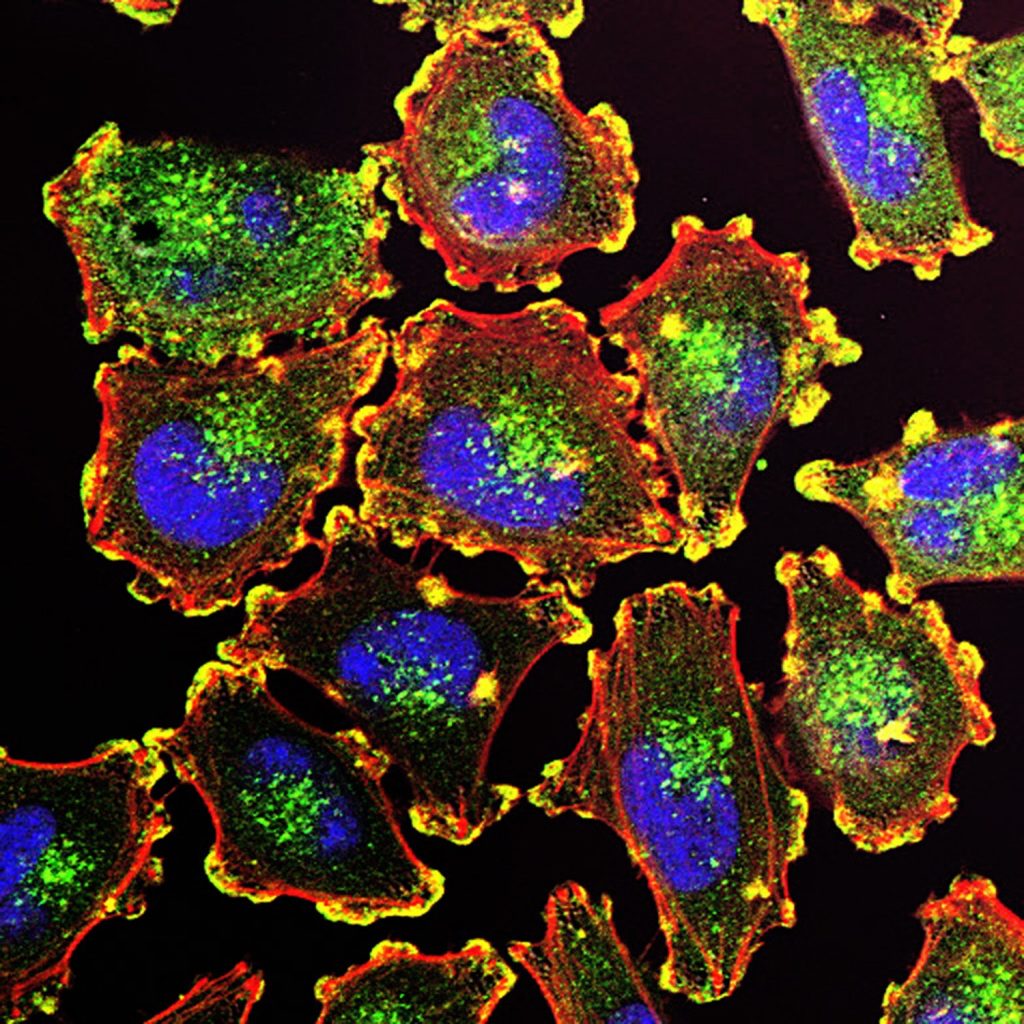
Melanoma Cells. Credit: National Cancer Institute

In a study published in the journal Immunity, Researchers at Karolinska Institutet and the University of Copenhagen shown that high levels of memory killer cells in cancer tissue correlate with a better survival rate in people with melanoma.

Certain immune T cells called tissue-resident memory cells are formed locally in the skin and other tissue, and protect against infections that they have encountered before. Some of them express proteins that enable them to kill infected cells. These “memory killer cells” can also contribute to the inflammatory skin disorders vitiligo and psoriasis. Recent research has shown that they are also involved in the body’s immune response to various cancers.

Varying responses to treatment

The memory killer cells have been shown to respond to immunotherapy, a Nobel Prize-winning cancer therapy involving the tweaking/activation of the immune system. Immunotherapy is normally administered as a complement to other cancer treatments, and there is considerable variation in how patients respond to it.

“We don’t know so much about how and why memory killer cells are formed in the skin and what it means for cancer patients,” says Professor Yenan Bryceson at Karolinska Institutet. “Finding out how these cells develop enables us to contribute to the development of more efficacious immunotherapy for diseases like melanoma.”

The study charted the development of memory killer cells in human skin, performed as a collaborative effort between KI researchers Beatrice Zitti and Elena Hoffer. The researchers isolated T cells from the skin and blood of healthy volunteers and used advanced techniques to examine gene activity and expression of different proteins. This allowed them to identify T cells in the blood with the potential to develop into memory killer cells in skin or other tissues. After knocking out specific genes, they could also demonstrate which genes are required for the maturation of memory killer cells in tissue.

More effective immunotherapy

The researchers then went on to study tumour samples from melanoma patients and found that those with a higher rate of survival also had a larger accumulation of epidermal memory killer cells.

We’ve been able to identify several factors that control the formation of memory killer cells, which play an important part in maintaining a healthy skin,” says dermatologist Liv Eidsmo, professor at the University of Copenhagen in Denmark and researcher at Karolinska Institutet, who led the study with Professor Bryceson. “There’s a fine balance between effective protection against tumours and infections in the skin and contribution to inflammatory diseases like vitiligo and psoriasis.”

The researchers now aim to harness their findings to optimise the immunotherapy-induced T-cell response to make it even better at eliminating cancer cells in tissues.

Source: Karolinska Institutet

Court Dismisses MEC’s Attempt to Quash Inquiry into her ‘Killing my Health System’ Remark

Photo by Bill Oxford on Unsplash

By Tania Broughton for GroundUp

Limpopo MEC for Health Dr Pophi Ramathuba has failed in her attempt to put a stop to a Health Professions Council of South Africa (HPCSA) inquiry into comments she made to a Zimbabwean patient when she visited Bela Bela Hospital last year.

A disciplinary inquiry had been set down for July to probe complaints against her emanating from the conversation which was widely broadcast.

While Pretoria High Court Judge Anthony Millar, in his judgment refusing to grant Ramathuba an interdict, did not detail the complaints, it is public record that she told the patient that Zimbabweans were putting a huge strain on the provincial health system.

She said: “You are killing my health system. It’s unfair.”

Ramathuba brought the application in her capacity as the MEC for health, in two parts, divided into Part A and Part B.

Part A was for an interdict pending Part B – a review application in which she would seek an order declaring the decision of the HPCSA issued against her on 9 February 2023 as unconstitutional, unlawful and invalid, and declaring that the HPCSA lacks jurisdiction over the conduct of the applicant as an MEC.

Only Part A was considered by Judge Millar this week and he ruled on Friday.

In his judgment, he said many complaints had been laid against Ramathuba with the HPCSA as a result of the conversation.

Ramathuba disputed the complaints, both in her capacity as the MEC for Health and as a medical practitioner.

“It is not in issue that the applicant has at all material times been registered as a health professional and remains so and the HPCSA is the custodian of the medical profession,” Judge Millar wrote.

The judge explained that the HPCSA has a two stage complaints procedure. The first is a preliminary inquiry, which may result in the complaint being resolved. If it is not, it is referred to a formal inquiry.

Judge Millar said a preliminary committee had considered the complaints at a meeting at the end of January. The committee had resolved that the applicant was guilty of unprofessional conduct but that it was only a “minor transgression” and that she should be cautioned for unprofessional behaviour, unbecoming of a medical professional for “shouting at a patient’s bedside as the patient was vulnerable at the time”.

The HPCSA, in a letter to Ramathuba, said the acceptance of this penalty would not constitute a conviction and would not be reflected against her name. The matter would be regarded as finalised.

But Ramathuba refused to accept the finding. She wrote to the HPCSA in February this year, challenging it on the basis that it had no jurisdiction over her.

The HPCSA disagreed with this, and set the formal hearing dates.

“The applicant does not want the inquiry to proceed or to attend it … she says she conducted the conversation in her capacity as an MEC and not as a medical practitioner,” Judge Millar said.

“The crisp question is, is the applicant in her capacity as MEC a separate persona from the applicant as a medical practitioner. The office of the MEC is a political one whereas her status as a medical practitioner is a professional one.

“The holding of political office and remaining registered as a medical practitioner are not mutually exclusive. The one hallmark of both is that the individual concerned accepts that they are, and subject themselves to being accountable for their actions.

“It seems to me to be a wholly contrived and self-serving assertion that conduct is determined depending upon ‘which hat a person is wearing at the time’,” the judge said.

“This is simply not consistent with our constitutional values or the law. There is to my mind no distinction to be drawn between the different offices a person holds and their conduct.”

He said Ramathuba had maintained her registration with the HPCSA so she had no right to avoid its jurisdiction. If she had de-registered then the situation would be different.

“Her refusal to accept the finding of the preliminary committee means that the entire matter will serve before a different committee … she will have the opportunity to raise whatever challenge she wishes at the inquiry.

“Delaying the matter unnecessarily ending a review does not serve the interests of any of the parties.”

Judge Millar dismissed the application and ordered Ramathuba to pay the HPCSA’s costs.

Republished from GroundUp under a Creative Commons Attribution-NoDerivatives 4.0 International License.

Source: GroundUp

Hospital Association of South Africa Joins Chorus of Criticism Against NHI Bill

The Hospital Association of South Africa (HASA) has added its objections to the proposed National Health Insurance (NHI) Bill to the growing volume of objections from professional medical organisations. In common with them, HASA strongly supports universal health coverage but stands against the NHI Bill in its current form.

Their statement reads: “We believe that approving the Bill without substantive consideration of the many valid and significant recommendations and contributions made by many participants during the Parliamentary hearing is deeply regrettable and a missed opportunity by the Committee.”

Chief among their objections were the potential for corruption and mismanagement in the centralisation of medical funds as well as the many legal objections to the Fund.

Despite serious, credible concerns being raised at every turn, the NHI Bill continues to progress, with Parliamentary Portfolio Committee for Health recently giving the Bill its approval on 26 May, moving it forward to debate within the National Assembly. To support healthcare professionals, Quicknews will be running a series of articles discussing the Bill and providing resources to help them take positive action to protect healthcare services for all of their patients. The Gauteng e-toll saga has already shown that ill-conceived and damaging legislation can be brought down if there is sufficient, coordinated public opposition.

With HASA’s statement, three of the largest medical associations in South Africa have now spoken out against the controversial bill. The South African Medical Association (SAMA) and South African Private Practitioners Forum (SAPPF) have both unequivocally stated their opposition to the Bill as it is currently formulated.

In addition to other risks, South Africa faces a potential exodus of healthcare professionals. Indeed, the UK’s National Health Service has for some time been actively poaching nurses and midwives from lower-income countries like South Africa.

HASA urges National Assembly and the National Council of Provinces in their deliberations on the Bill “to insist on a multi-payer model to mitigate against the concentration of risk, an iterative rollout based on milestones rather than dates and to pay heed to the nation’s concerns that the proposed National Health Insurance Fund is susceptible to theft and corruption by proposing and approving alternate and appropriate governance structures.”

.

Scientists Strengthen Evidence Linking Autoimmunity and Schizophrenia

Image by Pikisuperstar On Freepix

Links have been reported between schizophrenia and autoimmunity. In a study published in Brain Behavior and Immunity, Japanese researchers identified autoantibodies that target a ‘synaptic adhesion protein’, neurexin 1α, in a subset of patients with schizophrenia. When injected into mice, the autoantibodies caused many schizophrenia-related changes.

What is a synaptic protein, and why might it be linked to schizophrenia? Synaptic adhesion proteins are specialised proteins that bind to create physical connections between brain cells. These connections, called synapses, allow the cells to communicate by passing molecules back and forth. Both synapses and autoimmunity are known to be associated with schizophrenia, so the research team from Tokyo Medical and Dental University (TMDU) decided to investigate autoantibodies that target synaptic proteins in patients with schizophrenia.

“In around 2% of our patient population, we identified autoantibodies against the synaptic protein neurexin 1α, which is expressed by one cell in the synapse and binds to proteins known as neuroligins on the other cell in the synapse,” says lead author of the study Hiroki Shiwaku. “Once we had identified these autoantibodies, we wanted to see if they were able to cause schizophrenia-related changes.”

To do this, the researchers isolated autoantibodies from some of the patients with schizophrenia and injected them into the cerebrospinal fluid of mice, so that the autoantibodies would travel into the brain. In these mice, the autoantibodies blocked neurexin 1α and neuroligin binding and altered some related synaptic properties. The administration of these autoantibodies also resulted in fewer synapses in the brains of mice and schizophrenia-related behaviours, such as reduced social behaviour toward unfamiliar mice and reduced cognitive function.

“Together, our results strongly suggest that autoantibodies against neurexin 1α can cause schizophrenia-related changes, at least in mice,” explains Hiroki Shiwaku. “These autoantibodies may therefore represent a therapeutic target for a subset of patients with schizophrenia.”

Schizophrenia has a wide variety of both symptoms and treatment responses, and many patients have symptoms that are resistant to currently available treatment options. Therefore, the identification of possible disease-causing autoantibodies is important for improving symptom control in patients with schizophrenia. It is hoped that the results of this investigation will allow patients with autoantibodies that target neurexin 1α – all of whom were resistant to antipsychotic treatment in the present study — to better control their symptoms in the future.

Source: Tokyo Medical and Dental University

The Geometry of the Brain May Influence Brain Functions

Photo by Robina Weermeijer on Unsplash

For over 100 years, scientists have thought that the brain activity patterns that define human consciousness arose from how different brain regions communicate with each other through trillions of cellular connections.

Now, by examining more than 10 000 different maps of human brain activity, Monash University-led researchers found that the overall shape of a person’s brain has a much greater influence on thought and behaviour than its neuronal connectivity. This may sound like the old pseudoscience of phrenology, which based theories of personality and cognition on the shape of the head and its bumps.

Not so for this study, which combines approaches from physics, neuroscience and psychology to overturn the century-old model revolving around complex brain connectivity, instead revealing a relationship between brain shape and activity. The researchers published their ground-breaking findings in the journal Nature.

Lead author Dr James Pang said the findings were significant because they greatly simplified the way that we can study how the brain functions, develops and ages.

“The work opens opportunities to understand the effects of diseases like dementia and stroke by considering models of brain shape, which are far easier to deal with than models of the brain’s full array of connections,” Dr Pang said.

“We have long thought that specific thoughts or sensations elicit activity in specific parts of the brain, but this study reveals that structured patterns of activity are excited across nearly the entire brain, just like the way in which a musical note arises from vibrations occurring along the entire length of a violin string, and not just an isolated segment,” he said.

Using magnetic resonance imaging (MRI), the researchers studied eigenmodes, which are the natural patterns of vibration or excitation in a system, where different parts of the system are all excited at the same frequency. Eigenmodes are normally used in areas such as physics to study physical systems only recently have they been applied to studying brain.

Their study focused on developing the optimal way to construct the eigenmodes of the brain.

“Just as the resonant frequencies of a violin string are determined by its length, density and tension, the eigenmodes of the brain are determined by its structural – physical, geometric and anatomical – properties, but which specific properties are most important has remained a mystery,” said co-lead author, Dr Kevin Aquino, of BrainKey and The University of Sydney.

‘Like the shape of a drum influences the sounds that it can make’

The team, led by Professor Alex Fornito, compared how well eigenmodes derived from models of brain shape could account for different patterns of activity as opposed to eigenmodes from models of brain connectivity.

“We found that eigenmodes defined by brain geometry – its contours and curvature – represented the strongest anatomical constraint on brain function, much like the shape of a drum influences the sounds that it can make,” said Fornito.

“Using mathematical models, we confirmed theoretical predictions that the close link between geometry and function is driven by wave-like activity propagating throughout the brain, just as the shape of a pond influences the wave ripples that are formed by a falling pebble,” he said.

“These findings raise the possibility of predicting the function of the brain directly from its shape, opening new avenues for exploring how the brain contributes to individual differences in behavior and risk for psychiatric and neurological diseases.”

The research team found that, across over 10 000 MRI activity maps, obtained as people performed different tasks developed by neuroscientists to probe the human brain, activity was dominated by eigenmodes with spatial patterns that have very long wavelengths, extending over distances exceeding 40 mm.

“This result counters conventional wisdom, in which activity during different tasks is often assumed to occur in focal, isolated areas of elevated activity, and tells us that traditional approaches to brain mapping may only show the tip of the iceberg when it comes to understanding how the brain works,” Dr Pang said.

Source: MedicalXpress

Scientists Find that The Sweetener Sucralose Breaks up DNA

Photo by Sharon Mccutcheon on Unsplash

A new study published in the Journal of Toxicology and Environmental Health, Part B, found that a chemical formed during the digestion of widely used sweetener is “genotoxic,” meaning it breaks up DNA. The chemical is also found in trace amounts in the sweetener itself, and the finding raises questions about how the sweetener may contribute to health problems.

At issue is sucralose, a widely used artificial sweetener. Previous work by the same research team established that several fat-soluble compounds are produced in the gut after sucralose ingestion. One of these compounds is sucralose-6-acetate.

“Our new work establishes that sucralose-6-acetate is genotoxic,” says Susan Schiffman, corresponding author of the study and an adjunct professor at North Carolina State University. “We also found that trace amounts of sucralose-6-acetate can be found in off-the-shelf sucralose, even before it is consumed and metabolised.

“To put this in context, the European Food Safety Authority has a threshold of toxicological concern for all genotoxic substances of 0.15 micrograms per person per day,” Schiffman says. “Our work suggests that the trace amounts of sucralose-6-acetate in a single, daily sucralose-sweetened drink exceed that threshold. And that’s not even accounting for the amount of sucralose-6-acetate produced as metabolites after people consume sucralose.”

For the study, researchers conducted a series of in vitro experiments exposing human blood cells to sucralose-6-acetate and monitoring for markers of genotoxicity.

“In short, we found that sucralose-6-acetate is genotoxic, and that it effectively broke up DNA in cells that were exposed to the chemical,” Schiffman says.

The researchers also conducted in vitro tests that exposed human gut tissues to sucralose-6-acetate.

“Other studies have found that sucralose can adversely affect gut health, so we wanted to see what might be happening there,” Schiffman says. “When we exposed sucralose and sucralose-6-acetate to gut epithelial tissues – the tissue that lines your gut wall – we found that both chemicals cause ‘leaky gut.’ Basically, they make the wall of the gut more permeable. The chemicals damage the ‘tight junctions,’ or interfaces, where cells in the gut wall connect to each other.

“A leaky gut is problematic, because it means that things that would normally be flushed out of the body in feces are instead leaking out of the gut and being absorbed into the bloodstream.”

The researchers also looked at the genetic activity of the gut cells to see how they responded to the presence of sucralose-6-acetate.

“We found that gut cells exposed to sucralose-6-acetate had increased activity in genes related to oxidative stress, inflammation and carcinogenicity,” Schiffman says.

“This work raises a host of concerns about the potential health effects associated with sucralose and its metabolites. It’s time to revisit the safety and regulatory status of sucralose, because the evidence is mounting that it carries significant risks. If nothing else, I encourage people to avoid products containing sucralose. It’s something you should not be eating.”

Source: NC State University

New Podcast Series Reflects on Childhood in South Africa Through and Beyond COVID-19

Photo by Hush Naidoo Jade Photography on Unsplash

The ‘Phezulu: Looking Up’ podcast series launched today by UNICEF South Africa (https://www.UNICEF.org/SouthAfrica/) tells the stories of the impact of the COVID-19 years on children and young people and how, with the right support and opportunities, children and young people are determined to build a safer, fairer and better post pandemic South Africa.  

The eight-part series delves into issues such as mental wellbeing, disrupted education and access to child healthcare; including routine childhood immunisations, through the voices of children and young people and experts working to mitigate the impact.

Children and adolescents were affected by every aspect of the COVID-19 pandemic and this podcast series tells their stories of resilience,” said Muriel Mafico, UNICEF South Africa Deputy Representative. “Importantly, the episodes also reflect on the response to share learnings, including how the roll-out of the COVID-19 vaccine saved countless lives and re-opened our world,”

The podcast series features expert analysis and voices, including contributions from academics, all of whom continue to play a critical role in the ongoing recovery for every child. The series not only highlights the indirect impact of COVID-19 on children and youth, but also how COVID-19 vaccinations changed the trajectory of the crisis by enabling children and adolescents to resume their childhoods.

The series will be available on a weekly basis, on all major podcast platforms from 23rd May 2023. Listeners can now subscribe and join the conversation. This production was made possible thanks to the generous support of the German Federal Foreign Office and other partners.

For more information, please see the following links:
https://www.UNICEF.org/southafrica/
https://apo-opa.info/42dIxHD