Year: 2022

Dozens of Healthcare Facilities Damaged in KZN Floods

A destroyed house in eThekwini. Credit: Nokulunga Majola/GroundUp

The floods which have inundated KwaZulu-Natal this week and prompted the declaration of a national state of disaster, have damaged at least 58 healthcare facilities. So far, the floods have claimed the lives of 443 people, with 63 still missing.

Damage has been sustained to the roofs, floors and fencing of healthcare facilties, the KwaZulu-Natal health department said. Water shortages from infrastructure damage had forced some hospitals to divert patients elsewhere. Environmental health practitioners are monitoring clinical data for early identification of any waterborne diseases.

Health MEC Nomagugu Simelane said there had been an influx of patients due to the torrential rains.

“We can confirm that our hospitals and clinics have been seeing a higher number of trauma and emergency patients than usual, particularly in the densely populated districts,” she said.

Simelane thanked the courage and dedication of the province’s healthcare workers, noting that many had simply put in extra hours to compensate. Damage to infrastructure such as roads meant that some healthcare workers have had to sleep at the facilities, she noted. Other facilities will try and provide accommodation for them.

To cope with the strain on morgues, KZN Premier Sihle Zikalala said: “We have mobilised additional resources, including seven doctors, to ensure that post mortems are completed speedily, in order to avoid congestion and to enable those who are grieving to bury their loved ones. Our officials are constantly monitoring the situation and sending bodies to those facilities that do have space.”

“All the resources allocated for flood relief and the recovery and rebuilding process will be utilised in line with fiscal rectitude, accountability, transparency and openness. We want to emphasise the fact that, having learnt lessons of Covid-19, no amount of corruption, maladministration and fraud will be tolerated or associated with this province,” Premier Zikalala said.

Source: IOL

How the Brain Blocks out Unwanted Memories

Bald man
Photo by Brett Sayles on Pexels

In order to prevent the mind becoming flooded with unwanted memories, a brain region determines when a person is about to think of an unwanted memory and then signals other regions to suppress it. The discovery was recently published in JNeurosci.

Preventing unwanted memories from coming to mind is an adaptive ability of humans. This ability relies on inhibitory control processes in the prefrontal cortex to modulate hippocampal retrieval processes. How and when reminders to unwelcome memories come to trigger prefrontal control mechanisms remains unknown.

Crespo García et al. measured participants’ brain activity with both EEG and fMRI while they completed a memory task. The participants memorised sets of words (ie, gate and train) and were asked to either recall a cue word’s pair (see gate, think about train) or only focus on the cue word (see gate, only think about gate). During proactive memory suppression, activity increased in the anterior cingulate cortex (ACC), a brain region involved in cognitive control, within the first 500 milliseconds of the task. The ACC relayed information to the dorsolateral prefrontal cortex (DLPFC), which then inhibited activity in the hippocampus, a key region for memory recall. The activity levels in the ACC and DLPFC remained low for the rest of the trial, a sign of success — the memory was stopped early enough so no more suppression was needed. If the memory was not suppressed in time, the ACC generated a reactive alarm, increasing its activity to signal to the DLPFC to stop the intrusion.

Source: EurekAlert!

Pump up the Volume: Killing Cancer with Ultrasound

Sound waves
Image by Pawel Czerwinski on Unsplash

University of Michigan scientists have developed an ultrasound technology that uses high-powered pulses to break down liver tumours in rats, kill cancer cells and stimulate the immune system to destroy the remaining tumour and prevent metastasis.

The researchers reported in Cancers that, by destroying just 50% to 75% of liver tumour volume, the rats’ immune systems were able to clear away the rest, with no evidence of recurrence or metastases in more than 80% of animals.

“Even if we don’t target the entire tumour, we can still cause the tumour to regress and also reduce the risk of future metastasis,” said Professor Zhen Xu, corresponding author of the study.

The treatment was also found to spur the rats’ immune responses, possibly contributing to the eventual regression of the untargeted portion of the tumour and preventing further spread of the cancer.

The noninvasive technique, called histotripsy, focuses ultrasound waves to mechanically destroy target tissue with high precision. The relatively new technique is currently being used in a human liver cancer trial in the US and Europe.

Often, a tumour cannot be directly targeted for certain treatments due to the mass’ size, location or stage. To investigate the effects of partially destroying tumours with sound, this latest study targeted only a portion of each mass, leaving behind a viable intact tumour. It also allowed the team to demonstrate the technique in less ideal conditions.

“Histotripsy is a promising option that can overcome the limitations of currently available ablation modalities and provide safe and effective noninvasive liver tumour ablation,” said Tejaswi Worlikar, a doctoral student in biomedical engineering.

Liver cancer ranks among the top 10 causes of cancer related deaths worldwide, with poor prognosis despite multiple treatment options. Tumour recurrence and metastasis after initial treatment is common, demanding improved treatments.

The ultrasound approach comes without the side effects from present treatments such as radiation and chemotherapy.

“Our transducer, designed and built at U-M, delivers high amplitude microsecond-length ultrasound pulses – acoustic cavitation – to focus on the tumour specifically to break it up,” Prof Xu said. “Traditional ultrasound devices use lower amplitude pulses for imaging.”

The microsecond pulses create microbubbles within targeted tissues that rapidly expand and collapse, tearing up cancer cells and disrupting the tumour’s structure.

Source: University of Michigan

Report Finds One in Four Preschool Children in SA Malnourished

Photo by Gautam Arora on Unsplash

One in four preschool children (aged four to five years) shows signs of long-term malnutrition, according to a new survey.

The Thrive by Five Index, released on 8 April, was produced by First National Bank and Innovation Edge in collaboration with the Department of Basic Education (DBE). The study surveyed more than 5000 children enrolled in early learning programmes across the country.

The study found about 25% of children were physically stunted, as a result of malnutrition in pregnancy and the early years of life. About 65% of children are either cognitively delayed, physically stunted, or both. This means they are not meeting the learning or growth standards expected of a child their age, and will start school at a disadvantage.

“Children from poorer households tended to perform worse,” said Sonja Giese, the lead researcher in the study. Giese is the founder of Innovation Edge, which was set up to support innovation in early childhood development. The rates of stunting were highest among the poorest children.

She said each child was assessed for about an hour. Children were assessed for things such as early mathematical skills, literacy and communication, motor development and coordination, among other things.

But Giese also drew attention to the positive outcomes of the study, saying that even within the poorest group of children there were some children who performed very well, causing a kind of “positive deviance”.

“I think there are some really interesting lessons we can learn from these outliers …Some children just thrive in difficult circumstances,” said Giese. She said more research could help to figure out how and why these children are thriving.

Giese said as the DBE had just taken over responsibility for early childhood education from the Department of Social Development, the study could show where attention should be focused.

In a statement about the survey, the DBE said that the first five years of the child’s life are the most important and stressed the importance of physical development during this stage.

Data for the survey was collected in late 2021 from a nationally representative sample of children aged 50-59 months enrolled in early learning programmes. The final weighted sample used for analysis included 5,139 children from 1,247 programmes across the country. The school quintile system was used to measure the probable socio-economic background of the children who were assessed. School quintiles are based on the income, education and unemployment levels of households in the school catchment area and for the purposes of the Thrive by Five study, the researchers assumed that the income level of children attending early learning programmes within each school cluster matched the income level of children attending the nearest school.

The researchers included more children from quintile 1 – the poorest – in order for the study to be representative of the country and each province. “That’s how we tried to make sure that it really provides a window into the world of children today in South Africa, exactly where they are and how they’re living,” said Giese.

Giese said that some of the data had not yet been analysed and further findings would be released over the next year.

This story was written by Liezl Human for GroundUp and is reproduced under a Creative Commons 4.0 Licence.

Source: GroundUp

Low Sex Hormone Levels Linked to Rotator Cuff Tears

Photo by Harlie Raethel on Unsplash

Patients with lower levels of sex hormones are more likely to need to undergo surgery for rotator cuff tears, suggests a study in The Journal of Bone & Joint Surgery

Sex hormone deficiencies “was associated with a significantly increased incidence of RCR within [two] independent databases,” according to the new research by Peter N. Chalmers, MD, and colleagues at University of Utah. These findings add to previous evidence that hormone levels may be a systemic factor contributing to the development of rotator cuff tears, a common condition that is a major cause of shoulder pain.

The study used health insurance data for nearly 230 000 adults under age 65 who underwent surgery to repair a torn rotator cuff from 2008 through 2017. Patients were matched for age, sex, and type of insurance to patients who did not undergo rotator cuff surgery.

Patients undergoing rotator cuff repair had an average age of 54 years, and 58% were men. Most patient characteristics were similar between those who underwent rotator cuff repair and those who did not, except tobacco use, which was more common in the surgical cohort.

Dr Chalmers and colleagues found that 27% of women and 7% of men undergoing rotator cuff surgery had diagnosed sex hormone deficiency, compared with 20% and 4% respectively in the control group. Controlling for other factors, rotator cuff repair likelihood was 48% higher in women with oestrogen deficiency and 89% higher in men with testosterone deficiency.

To confirm their findings, the researchers then accessed the Veterans Administration Genealogy database which has data on millions of individuals. Here, they found that rotator cuff repair was about 2.5 times more likely for women with oestrogen deficiency and three times more likely for men with testosterone deficiency.

This study builds on a prior study by the same research group, which demonstrated that women with mutations in an oestrogen receptor gene were more likely to develop rotator cuff disease, with higher rates of failed rotator cuff surgery.

Despite limitations such as not accounting for hormone replacement therapy, the observed association between sex hormone deficiency and rotator cuff repair strongly supports the theory that low oestrogen and testosterone levels may contribute to the development of rotator cuff tears. The researchers concluded that “Future prospective studies will be necessary to understand the relationship of sex hormones to the pathophysiology of rotator cuff disease.”

Source: EurekAlert!

Kids are a Significant Source of COVID Spread in Households

COVID spreads extensively in households, with children being a significant source of that spread. These are the findings from an antibody surveillance study published in CMAJ Open, which also shows that about 50% of household members were infected from the first-infected individual during the study period.

Although kids were less likely to spread the virus compared to adults, children and adults were equally likely to become infected from the first-infected individual.

The antibody surveillance study included 695 participants from 180 households in the Canadian city of Ottawa in Ontario, between September 2020 and March 2021. Included households had at least one member having had a confirmed COVID infection and at least one child within their household.

“Our study was conducted when we were dealing with a less transmissible virus and pandemic restrictions were strongly in place, and we still had a 50% transmission rate within households. Flash forward to where we are today with an extremely transmissible variant of COVID and the majority of pandemic restrictions lifted; it’s safe to say transmission rates will be higher even though we have a high vaccination rate amongst those who are eligible,” said Dr Maala Bhatt, the study’s lead author. 

“I know many want to ‘live with COVID’ and abandon the layers of protection that were previously mandated, but it’s important to be aware of the high transmissibility of this virus in closed, indoor settings, such as schools,” she cautioned.  “Our most vulnerable and our youngest children who are not yet able to be vaccinated are still at risk for COVID infection.”

In the Canadian province of Eastern Ontario, where the study was done, COVID is on the rise once again. Three-quarters of all children admitted to CHEO with COVID have come during the Omicron wave. Since the beginning of January this year a third of the roughly 4900 monthly visits to the Emergency Department were for COVID-related symptoms.

The study hypothesised that children would act as “an even greater source of spread within households with the emergence of more infectious variants.” Children also have “considerable potential to spread” in settings such as school and daycare, where they congregate indoors for long periods, especially now when masking is not required in many jurisdictions.

“While we’re lucky hospitals aren’t currently overloaded, emergency departments are and positivity rates are on the rise, even amongst children,” said Dr Bhatt, paediatric emergency physician and Director of Emergency Medicine Research at CHEO and an Investigator at the CHEO Research Institute.

“We continue to learn more about COVID and its potential long-term health impacts, and we still aren’t clear about how long immunity lasts; these are all things researchers continue to study.”

Source: University of Ottawa

Thoracic Aorta Diameter Can Predict Cardiovascular Risk

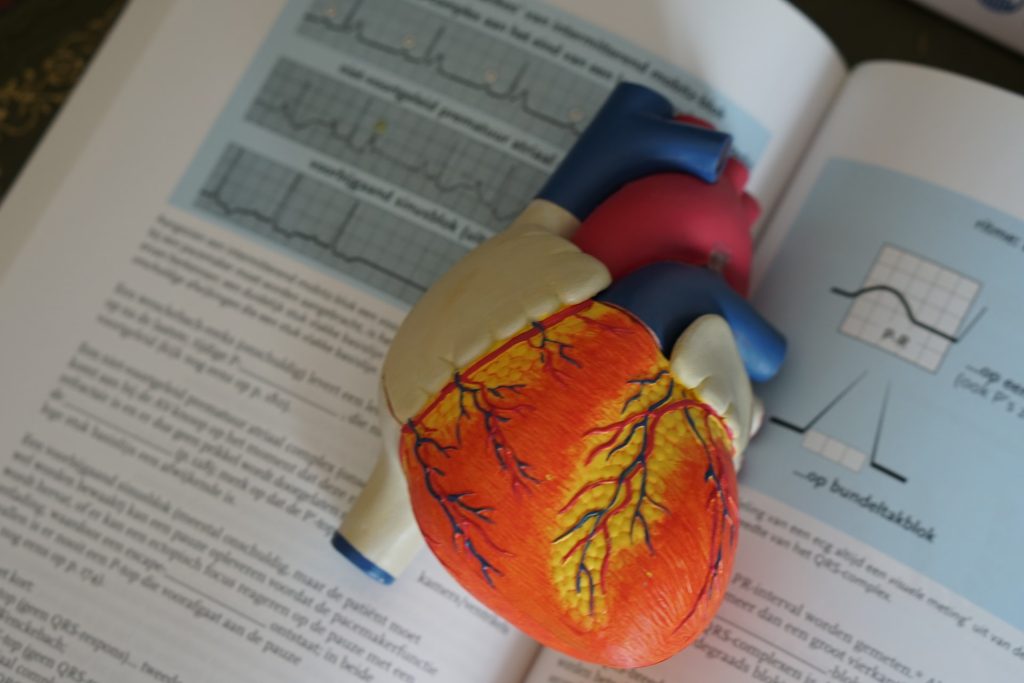
Anatomical model of a human heart
Photo by Robina Weermeijer on Unsplash

A new study in the journal Radiology has found that the diameter of the thoracic aorta can be a biomarker for heart attacks and other adverse cardiovascular events in women and men, and has the advantage of being simple to add on to existing screening.

The thoracic aorta is divided into an ascending aorta that rises from the left ventricle of the heart and a descending aorta in the back of the chest.

While the thoracic aorta grows with age, but changes of vessel size and structure, a phenomenon known as vascular remodelling, have a systemic nature involving haemodynamic and biological processes that are also linked to cardiovascular disease.

“While enlargement of the thoracic aorta is a frequent finding in clinical practice, few longitudinal data regarding its long-term prognosis for major cardiovascular disease outcomes at the population level exist,” said study senior author Maryam Kavousi MD, PhD, from University Medical Center Rotterdam.

Dr Kavousi and colleagues assessed these associations in 2178 participants from the population-based Rotterdam Study. Participants underwent multi-detector CT scans between 2003 and 2006 and were followed for an average of 9 years. Thoracic aorta diameters were indexed for body mass index (BMI).

Larger BMI-indexed ascending and descending thoracic aortic diameters were significantly associated with increased risk of adverse cardiovascular outcomes like stroke and death in both women and men.

“Our results suggest that imaging-based assessment of diameter of thoracic aorta can be considered as a risk marker for future cardiovascular disease,” Dr Kavousi said.

In women, greater ascending aortic diameter was associated with 33% higher cardiovascular mortality risk. There seems to be a sex difference in remodelling of the ageing aorta, with faster deterioration in women.

“Ageing could affect aortic health and structure more adversely in women than in men,” Dr Kavousi said.

The study findings suggest that cardiovascular risk assessment associated with thoracic aortic size among asymptomatic women and men could lead to effective, sex-specific prevention strategies.

“As the aortic diameter is significantly related to body size, use of aortic diameters indexed for body measurements could improve its prognostic value for cardiovascular outcomes,” Dr Kavousi said.

Measurement of thoracic aorta size is an easy addition to current screening, the researchers said. The study made use of cardiac CT scans that are already commonly used to assess coronary calcium. Thoracic aortic diameter could also be measured routinely, for example as part of CT-based lung cancer screening.

The current study was based on a single CT-based assessment of thoracic aorta among a large group of participants from the general population, followed up for nine years for incidence of cardiovascular outcomes and mortality. The researchers have recently repeated the CT-based assessment of thoracic aorta among these participants after a median of 14 years.

“This provides an exciting and unique opportunity to study sex-specific risk profiles and patterns of growth in thoracic aorta in the general population,” Dr Kavousi said.

Source: Radiological Society of North America

Greater Concussion Risk in Fighters Who Cut Weight for a Bout

Photo by Hermes Rivera on Unsplash

There is more risk of suffering concussions or being misdiagnosed with head trauma is greater among fighters who rapidly cut weight before bouts, usually by dehydrating, researchers have revealed for the first time.

More than 60% of athletes in combat sports such as boxing and mixed martial arts (MMA) reported that their symptoms worsened after they dehydrated to make strict weight classes.

These controversial weight cutting techniques involve stop drinking water and endure long periods in saunas.

MMA athletes reported concussion severity to be 40% higher compared to other sports, particularly boxing – believed to be due to the mix of striking and contact with the ground.

Published in the Clinical Journal of Sports Medicine, the study comes after a series of tragedies associated with weight cuts, with some athletes even dying in the attempt to achieve a perceived competitive edge, by competing in a smaller weight class.

They found that as competitors dramatically dehydrate themselves to meet stringent weight classes, the associated symptoms may ‘muddy the waters’ of baseline concussion testing, due to similar symptoms.

This is because the symptoms of hypohydration – where competitors enter a water deficit – match concussive signs, such as dizziness, headaches, and lethargy.

This study has spurred further probes into the neurological implications of rapid weight loss. The researchers have called on governing bodies to check fighters’ hydration levels before fights.

Researcher Nasir Uddin, from St Mary’s University, said: “This study shows that current concussion testing does not account for the crossover of symptoms from being dehydrated, and is potentially putting fighters at risk.

“Not only is cutting weight through dehydration in and of itself dangerous, but it might actually exacerbate concussion symptoms and, even more concerningly, means medical professionals may actually misdiagnose it.

“Going forward, governing bodies should ensure hydration and baseline concussion symptoms are taken into account before and after bouts.”

The study surveyed more than 130 anonymous athletes representing six combat sports, all aged 18 or above and who had previously cut weight.

It also found that 65% of the fighters had an experience of a weight cut “not going to plan”, suffering a lack of energy, strength, power, coordination or increased susceptibility to being ‘rocked’ during a bout.

This means the dangerous practice may not offer a competitive advantage after all.

Dr Jamie Tallent, from the University of Essex, said: “This is perhaps the most surprising finding that not only are weight cuts dangerous – they leave fighters at a disadvantage more often than not and may exacerbate the risks of being further injured.”

Source: University of Essex

Why Some Lung Cancer Patients Stop Responding to Treatment

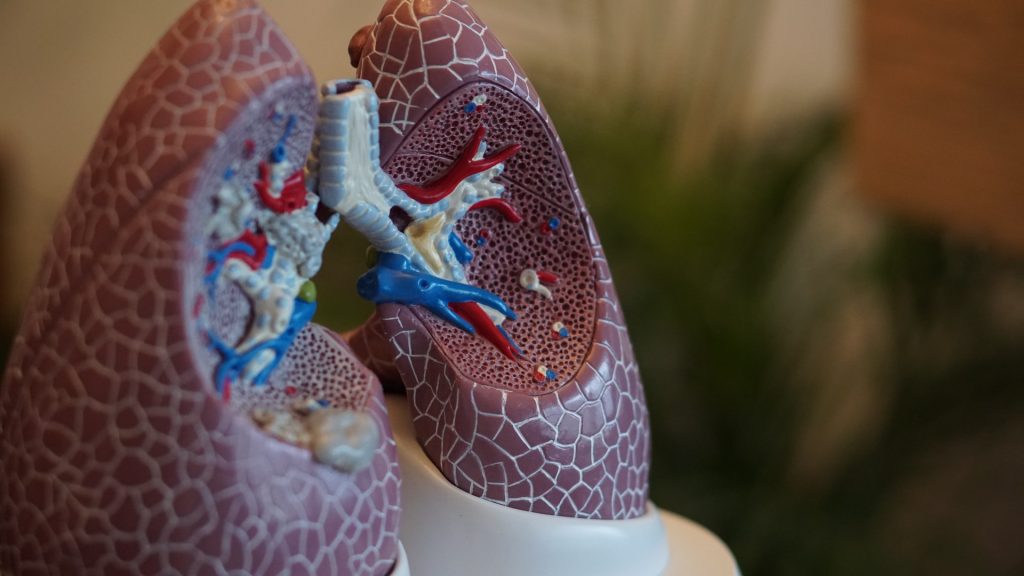
Anatomical model of lungs
Photo by Robina Weermeijer on Unsplash

Published in Cancer Research, researchers have discovered why some patients with nonsmall cell lung cancer stop responding to treatment with tyrosine kinase inhibitors (TKIs): an epigenetic switch is flipped, reactivating genes that inhibit the effect of these drugs.

TKIs, specifically epidermal growth factor receptor inhibitors, are typically used to treat people with nonsmall cell lung cancer, a prevalent and usually incurable type of cancer that accounts for 80–85% of lung cancers. About 15–20% of these patients will become resistant to these standard treatments, resulting in their eventual death. This is because the cells develop a mutation that leads to resistance. But about half of the remaining resistant patients remain unexplained. 

Cellular biologist Andrea Kasinski and her lab have found that the cause involves epigenetics. When cells lose a histone called methyltransferase (KMT5C), genes that KMT5C were repressing instead become expressed, leading to resistance to epidermal growth factor receptor inhibitors. This could open up development of new therapeutics and gives researchers and doctors a deeper insight into the biology and progression of cancers, especially the role that epigenetic-modifying proteins play in drug resistance, a poorly understood phenomenon.

“For the majority of genes that contribute to cancer, we’re not sure how they work yet,” Kasinski said. “And for many, we don’t have a way to therapeutically target them. Research like this, that helps us understand how those genes work to determine cancer outcomes, adds to our understanding of the network. This knowledge will ultimately lead us to better therapeutics.”

Source: Purdue University

For Some, It may be Daydreaming – not ADHD

Photo by Elia Pellegrini on Unsplash

Maladaptive daydreaming (MD) may be a better diagnosis for some people than ADHD, researchers argue in a paper in the Journal of Clinical Psychology. MD is a condition whereby people slip into involved highly detailed and realistic daydreams that can last hours at the cost of normal functioning – but it is not yet recognised as a psychiatric disorder.

Dr Nirit Soffer-Dudek of the Consciousness and Psychopathology Laboratory in the Department of Psychology at BGU is one of the leadings experts on the condition and wants to have MD added to the next edition of the Diagnostic and Statistical Manual of Mental Disorders (DSM VI), by promoting rigorous research into this condition.

Explaining the concept of MD, Dr Soffer-Dudek said: “Some individuals who become addicted to their fanciful daydreams experience great difficulty in concentrating and focusing their attention on academic and vocational tasks, yet they find that an ADHD diagnosis and the subsequent treatment plan does not necessarily help them. Formally classifying MD as a mental disorder would enable psychological practitioners to better assist many of their patients.”

Previous studies had found high levels of ADHD in those also presenting with MD, thereby raising the question of whether MD was separate from ADHD. In the current study, the investigators assessed 83 adults diagnosed with ADHD for inattention symptoms, MD, depression, loneliness, and self-esteem. Of those, about 20% met the proposed diagnostic criteria for MD, with significantly higher rates of depression, loneliness, and lowered self-esteem, compared to those with ADHD that did not meet criteria for MD.

“Our findings suggest that there is a subgroup of those diagnosed with ADHD who would benefit more from a diagnosis of MD,” concluded Dr Soffer-Dudek.

Source: Ben-Gurion University of the Negev