“For patients with allergic disorders, routine evaluation of blood pressure and routine examination for coronary heart disease should be given by clinicians to ensure early treatments are given to those with hypertension or coronary heart disease,” said Yang Guo, PhD, the study’s lead author.
An association between allergic disorders and cardiovascular disease was detected in prior research, findings which remained controversial, Dr Guo explained. The present study sought to determine whether an increased cardiovascular risk exists in adults with allergic disorders.
The study used 2012 data from the National Health Interview Survey (NHIS), a cross-sectional survey of the US population. In the allergic group were adults with at least one allergic disorder, including asthma, respiratory allergy, digestive allergy, skin allergy and other allergy. The study included a total of 34 417 adults, over half of whom were women, average age 48.5 years. The allergic group included 10 045 adults. The researchers adjusted for age, sex, race, smoking, alcohol drinking and body mass index; they also examined subgroups stratified by demographic factors.
Having a history of allergic disorders was found to be associated with increased risk of developing hypertension and coronary heart disease. Further analysis showed that individuals with a history of allergic disorders between ages 18 and 57 had a higher risk of hypertension. An increased risk of coronary heart disease was seen in male Black/African American participants between ages 39-57. Asthma was the largest contributor of risk of hypertension and coronary heart disease.
Dr Guo said that to confirmed these findings, large cohort studies with long-term follow-up are required. Discovering the underlying mechanism could also help with management.
A drug screen on various cancer cell lines revealed hundreds of compounds with inhibitory effects on cancer, and one in particular, the leukaemia drug clofarabine, showed effectiveness in two specific types of bladder cancer. The study was published in the journal European Urology.
A joint study group conducted a drug screen which investigated the effects of over 1700 chemical compounds on 23 cell lines representing different stages and subtypes of bladder cancer. From this, the researchers identified more than 470 substances with inhibitory effects. These included a large number of drugs already used for cancers, but also medications for other diseases, such as malaria, parasitic diseases and various mental disorders.
One of these compounds, clofarabine, an antimetabolite drug currently used to treat childhood leukaemia, was studied in more detail. For this purpose, the researchers developed models from patient material representing different types of bladder cancer. Besides ‘conventional’ urothelial carcinoma, they were also able to establish an animal model for sarcomatoid carcinoma – a rare subtype of bladder cancer, for which there is currently no effective chemotherapy.
Describing the results, first author Iris Ertl said: “We found that clofarabine induced complete remission in mice with conventional urothelial carcinoma and massive, sustained tumour shrinkage in animals with sarcomatoid carcinoma, while not causing any apparent side effects.”
Next steps will be clinical trials in which patients with metastatic bladder cancer who cannot receive cisplatin-based therapy, will be treated with clofarabine prior to radical cystectomy. Shahrokh Shariat explains: “Our discovery was made possible by the close interdisciplinary collaboration with CeMM and the Center of Cancer Research. We very much look forward to continuing to work with our partners to incorporate our findings into clinical practice.”
Researchers have found that Zika virus has the potential to mutate and increase its infectivity, potentially breaking through pre-existing immunity.
“The world should monitor the emergence of this Zika virus variant,” said LJI Professor Sujan Shresta, PhD, who co-led the La Jolla Institute for Immunology (LJI) study which is published in Cell Reports.
A mosquito-borne virus, symptoms of Zika infection are usually mild in adults. However, in a developing foetus, infection can cause birth defects such as microcephaly.
Zika virus and dengue virus occur together in a number of countries. Both viruses are a mosquito-borne flavivirus, sharing biological similarity: similar enough that prior dengue exposure can offer immune protection against Zika.
“In areas where Zika is prevalent, a vast majority of people have already been exposed to dengue virus and have both T cells and antibodies that cross-react,” said Prof Shresta.
Unfortunately, both viruses share the trait of rapid mutation. “Dengue and Zika are RNA viruses, which means they can change their genome,” she further explained. “When there are so many mosquitoes and so many human hosts, these viruses are constantly moving back and forth and evolving.”
To study Zika’s fast-paced evolution, the researchers simulated infection cycles that repeatedly switched back and forth between mosquito cells and mice. This painted a picture of how Zika virus naturally evolves as it encounters more hosts.
The LJI team found that an easy change of a single amino acid allows the virus to make more copies of itself — and help infections take hold more easily. This mutation (called NS2B I39V/I39T mutation) boosts viral replication in both mice and mosquitoes – and also in human cells.
“This single mutation is sufficient to enhance Zika virus virulence,” commented study first author Jose Angel Regla-Nava, PhD. “A high replication rate in either a mosquito or human host could increase viral transmission or pathogenicity – and cause a new outbreak.”
Prof Shresta added, “The Zika variant that we identified had evolved to the point where the cross-protective immunity afforded by prior dengue infection was no longer effective in mice. Unfortunately for us, if this variant becomes prevalent, we may have the same issues in real life.”
To help prepare for this variant, Dr Shresta’s laboratory is already looking at ways to tailor Zika vaccines and treatments that counteract this dangerous mutation.
“We want to understand at what point in the viral life cycle this mutation makes a difference,” said Dr Shresta.
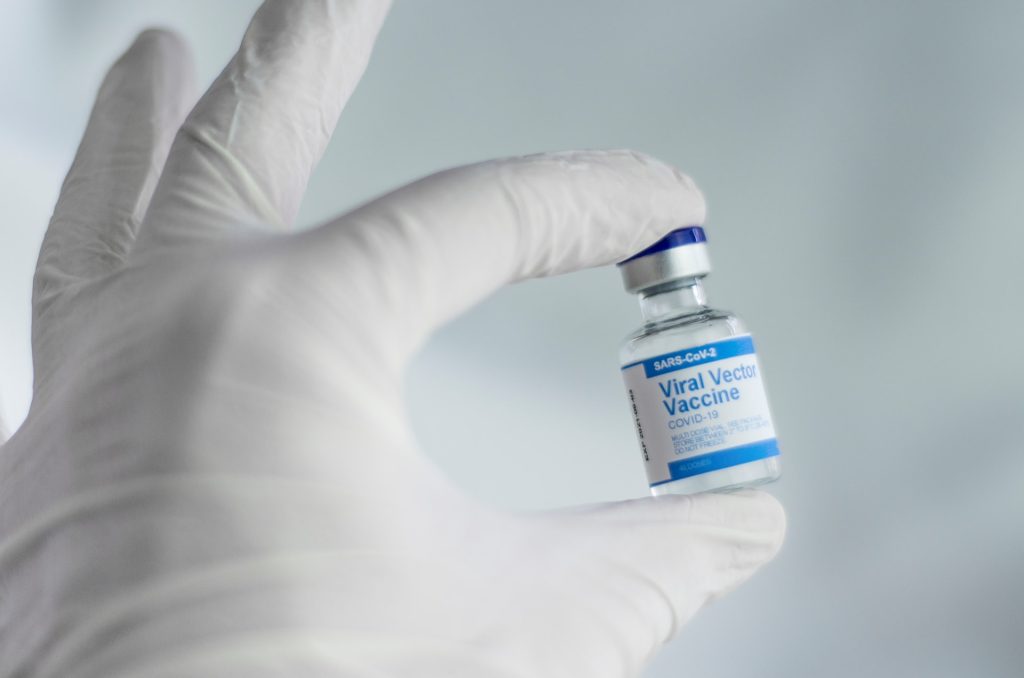
Scientists have discovered that the rare blood clot side-effect associated with some COVID vaccines could be the result of a specific gene variant, which could make a genetic screening test possible.
Vaccine-induced thrombotic thrombocytopenia (VITT), a rare disorder causing thrombosis and thrombocytopenia (low blood platelet counts), was linked to AstraZeneca’s COVID vaccine in early 2021, leading some countries to pause or restrict its use. It is also associated with the Johnson & Johnson vaccine, which also uses a viral vector.
Now, a new study may help to explain what’s causing the rare side effect. The study by Flinders University and SA Pathology is now available on the medRxiv preprint server and is awaiting peer review.
Examining five unrelated individuals who all had the clotting complication after vaccination, the researchers found that all of the patients had unusually structured antibodies against a protein called platelet factor 4 (PF4), which is involved in blood clotting.
In addition, all five shared a specific version of a gene responsible for producing these antibodies.
“We knew previously that PF4 was directly involved in the clotting disorder, and we knew that aberrant antibodies against PF4 are responsible, but what we don’t know is how and why some people develop them,” explained lead author Dr Jing Jing Wang.
The antibodies were all found to be derived from the same amino acid sequence. The researchers then found that all of the patients carried a specific variant of one gene, called IGLV3-21*02, most commonly occurring in people of European descent.
“The other specific amino acid sequences of these antibodies from each patient were derived from separate basic sequences but had all evolved to carry very similar properties, making them very potent attackers of the PF4 protein,” explained research team leader Professor Tom Gordon.
“Together, this suggests that it is the combination of a variant in a gene and the evolution of this antibody towards targeting the PF4 protein in a destructive manner, which is leading to this harmful side-effect.”
Though why the antibody is found in such a tiny number of vaccine recipients remains unknown, the identification of the gene could enable a genetic screening tool to identify patients who are at risk of this severe complication.
“It also provides a unique opportunity for targeted, specific therapy development aimed at neutralising this highly damaging but very specific antibody,” said Dr Wang.
Regular cycling can greatly improve mobility in patients with myotonic dystrophy (MD), an inherited genetic disease that causes muscle degeneration, according to research published in The Journal of Clinical Investigation. Professor Mark Tarnopolsky, senior author of the study, said that cycling for 35 minutes three times a week for 12 weeks led to a 32% increase in overall fitness in people with MD.
The participants also saw a 1.6-kilogram increase in their muscle mass and a two percent reduction of body fat. They were also able to walk an extra 47 metres in six minutes, when tested by researchers at the end of the 12-week trial.
The research team recruited 11 patients with MD to examine how effective cycling was in restoring and maintaining their physical health. Researchers also studied the underlying molecular mechanisms through which exercise strengthens the skeletal muscles, which can be severely weakened by MD.
“Exercise really is medicine – we just need to get the message out,” said Prof Tarnopolsky. “Myotonic dystrophy is a progressive condition that will impair your mobility and can put you in a wheelchair. There is no cure for it and only regular exercise helps you achieve better function.”
Prof Tarnopolsky said that some patients with MD are even advised by their doctors not to exercise, for fear of making their condition worse, but that is now proven false.
Prior studies with mouse models showed a range of similar physiological benefits from regular exercise, the researchers said. MD is the most commonly diagnosed type of muscular dystrophy in adults, and the second most prevalent of all muscular dystrophies, noted Prof Tarnopolsky.
MD’s main symptoms include severe skeletal muscle atrophy, general muscle weakness, reduced lung capacity and impaired heart function. Other symptoms may include cataracts, endocrine disorders including diabetes and gastro-intestinal disorders.
“MD itself is really a form of accelerated ageing,” said Prof Tarnopolsky.
The Hershey’s Kisses after which the hormone is named. Photo by Aaron Burden on Unsplash
Kisspeptin, a hormone named for the iconic Hershey’s ‘Kisses’ might be developed as a treatment for non-alcoholic fatty liver disease (NAFLD), according to a new study appearing in the Journal of Clinical Investigation. The hormone also serves to regulate puberty and fertility in humans.
Globally, non-alcoholic fatty liver disease (NAFLD) is the most common form of chronic liver disease that affects children and adults and is linked to the rise in obesity and Type 2 diabetes. Largely without symptoms in the early stages, NAFLD begins with the accumulation of fat in the liver, leading to ‘fatty liver’. With disease progression, inflammation sets in, resulting in non-alcoholic steatohepatitis (NASH). This is followed by fibrosis and cirrhosis, and a subset of NASH patients with cirrhosis will also develop liver cancer. There are presently no approved therapeutics to treat NASH.
Study lead investigator, Moshmi Bhattacharya, an associate professor at Rutgers University, has spent over 15 years studying kisspeptin in health and disease. Kisspeptin, encoded by the KISS1 gene, was discovered in a city called Hershey, and named for the iconic Hershey chocolate ‘kisses’. As well as playing key roles in pubertal development and maintaining reproductive function, kisspeptin has also been linked to appetite and, coincidentally given its name, sexual attraction.
In the study, mice fed on a high-fat, high-sugar ‘Western’ diet to induce obesity and NAFLD, were protected from the development of fatty liver, NASH and fibrosis when given kisspeptin. Kisspeptin works by binding its receptor, a protein called KISS1R, which, when deleted from liver cells, prevents kisspeptin from functioning, leading mice on Western diets to develop fatty liver. These experiments uncover a powerful relationship between kisspeptin and the reduction of liver fat and fibrosis. “This work shows the kisspeptin receptor signaling pathway has a potential therapeutic role in NAFLD,” said co-author, Professor Vinod K Rustgi. “It does this by protecting against the development of fat in the liver and reducing inflammation and fibrosis. As such, it has the potential to favorably impact the health and lives of millions of patients around the globe.”
Even though cigarette smoking is by far the main cause of lung cancer, only a minority of smokers develop the disease. A study reported in Nature Genetics suggests that some smokers may have robust mechanisms that protect them from lung cancer by keeping mutations in check. The findings could help identify those smokers who face an increased risk for the disease and therefore warrant especially close monitoring.
“This may prove to be an important step toward the prevention and early detection of lung cancer risk and away from the current herculean efforts needed to battle late-stage disease, where the majority of health expenditures and misery occur,” said Simon Spivack, MD, MPH, a co-senior author of the study.
For a long time, it has been assumed that smoking leads to lung cancer by triggering DNA mutations in normal lung cells. “But that could never be proven until our study, since there was no way to accurately quantify mutations in normal cells,” said Dr Jan Vijg, a study co-senior author. Dr Vijg overcame that obstacle a few years ago by developing an improved method for sequencing the entire genomes of individual cells.
Single-cell whole-genome sequencing methods can inadvertently introduce sequencing errors difficult to distinguish from true mutations – a major flaw when looking for rare and random mutations. To get around this, Dr Vijg developed a sequencing technique called single-cell multiple displacement amplification (SCMDA).
The researchers used SCMDA to compare the mutational landscape of normal lung epithelial cells from two types of people: 14 never-smokers, ages 11 to 86; and 19 smokers, ages 44 to 81, who had smoked a maximum of 116 pack-years. (One pack-year of smoking equals 1 pack of cigarettes smoked per day for one year.) The cells were collected from patients who were undergoing bronchoscopy for diagnostic tests unrelated to cancer. “These lung cells survive for years, even decades, and thus can accumulate mutations with both age and smoking,” said Dr Spivack. “Of all the lung’s cell types, these are among the most likely to become cancerous.”
The researchers found that mutations accumulated in the lung cells of non-smokers as they age, and significantly more mutations were found in the lung cells of the smokers. “This experimentally confirms that smoking increases lung cancer risk by increasing the frequency of mutations, as previously hypothesised,” said Dr Spivack. “This is likely one reason why so few non-smokers get lung cancer, while 10% to 20% of lifelong smokers do.” The study also revealed that the number of cell mutations detected in lung cells increased in a straight line with the number of pack years of smoking and, presumably, so did the lung cancer risk. However, the cell mutations stopped rising after 23 pack-years of exposure.
“The heaviest smokers did not have the highest mutation burden,” said Dr Spivack. “Our data suggest that these individuals may have survived for so long in spite of their heavy smoking because they managed to suppress further mutation accumulation. This leveling off of mutations could stem from these people having very proficient systems for repairing DNA damage or detoxifying cigarette smoke.”
The finding has led to a new research direction. “We now wish to develop new assays that can measure someone’s capacity for DNA repair or detoxification, which could offer a new way to assess one’s risk for lung cancer,” said Dr Vijg.
In a study published in JAMA Network Open, researchers found that after a visit to the ED, many opioid overdose patients carried naloxone, which helps reverse opioid overdoses, which could save their lives in the event of a future overdose.
About 70% of current overdose deaths in the US involve opioids, which means that many of them could be prevented with naloxone. Naloxone is an opioid antagonist, blocking the effect of opioids in overdoses and able to save lives when used in time. It is easy to carry and use, and studies have demonstrated that laypeople can administer it safely and effectively to reverse overdoses.
However the people most likely to witness an overdose, including opioid users and their friends and relatives, may not be able to easily obtain naloxone. Strategies are needed to increase uptake, carrying, and administration of naloxone, especially among at-risk individuals in the community who may not be engaged in routine health care or with community naloxone distribution efforts.
Many at-risk individuals find themselves in the emergency departments (ED), either because of an overdose or other complications of substance use. The Perelman School of Medicine’s Anish Agarwal, an assistant professor of emergency medicine, and Margaret Lowenstein, an assistant professor of medicine, recently examined the potential for ED visits as a critical, reachable moment to engage high-risk individuals in overdose prevention. The team reached out to at-risk patients prescribed naloxone in the ED to understand whether they had obtained their naloxone during or after their ED visit, whether they were carrying it, and their plans to carry it in the future.
The survey asked patients about their experiences and perceptions following the ED encounter related to accessing, using, and carrying naloxone. Most of the patients did not carry naloxone prior to their ED, yet over a third reported having a personal history of an overdose requiring naloxone, and more than a quarter had used naloxone to reverse an overdose for another person in the past. Approximately half of the patients said that they were carrying naloxone after their ED visit, and two-thirds planned to continue carrying. And of patients not carrying naloxone prior to their ED visit, 54% reported a plan to continue carrying it in the future.
University students who put a lot of pressure on themselves to be the best at everything, known as the ‘superhero ideal’, have been hit especially hard by the pandemic. Recent research has shown that by developing authentic and healthy relationships, young people can fight the depressive symptoms associated with this superhero ideal.
The ‘superhero ideal’ was based off the ‘superwoman ideal‘, which is a construct has its origins in the 1960s feminist movement where women could ‘do it all and have it all’. In an article published in Acta Psychologica, Sally A. Theran, associate professor of psychology at Wellesley College and co-author Halina Dour, explain that internalising the superhero ideal is directly related to an increase in depressive symptoms.
“No matter how much we try to deemphasise achievement and success to college-age students and encourage them to work on their own intrinsic motivation and well-being, kids are internalising this message that they feel pressure to achieve,” said A/Prof Theran, who finds in her day-to-day interactions, in addition to her research, that many of her students feel they “have to be superheroes.”
One way for students to combat the effects of the superhero ideal is to cultivate authentic relationships with peers, parents, and educators, according to the study authors They define an authentic relationship as one in which a person feels able to be honest about who they are with someone else. That does not necessarily mean acting the same way around everyone they know – a student will act differently around a teacher than a friend – but rather that in each of those interactions the person feels they are being true to themselves.
To gauge the authenticity of a relationship, A/Prof Theran said, students can ask themselves, “Does this person make me feel good? Do I feel like I can be myself around this person?”
A/Prof Theran and her team found that students who had authentic relationships were able to partially mediate the relationship between the superhero ideal and depressive symptoms. Specifically, the link between superhero ideal and depressive symptoms is in part due to the lack of authenticity in these adolescents’ relationships. The more the superhero ideal was internalised, the less the authenticity there was with parents and peers. Lower levels of authenticity with parents and peers were associated with more depressive symptoms. Thus, authenticity in relationships is part of the mechanism for explaining the significant relation between the superhero ideal and depressive symptoms.
“In college you are more able to have a shift of self,” A/Prof Theran said. “‘Is this who I am? Is this what I want?’ And you may end up having an identity crisis, but that’s really healthy, in order to figure out who you are.” A/Prof Theran particularly sees this in students who have recently started at university. They are often trying to work out what they want to put effort into and care about, rather than going along with what parents and teachers wanted. The way out of such a crisis, according to A/Prof Theran, is for them to find people, like peers, teachers, parents, around whom they can be their true selves. Being honest about their achievements, failures, and even confusion is one way to go about building such authentic relationships.
A/Prof Theran uses this skill in her own classroom, telling her students when she has a paper rejected, for example, or doesn’t get a grant for which she had applied. “If you are not robotic with your students, then they will genuinely be themselves, too,” she said, “and then hopefully they are less likely to feel such superhero pressure in class and in other areas.” A/Prof Theran said that awareness of both the external and internal pressures on students to achieve is especially important now as adolescents consume social media even more in the pandemic, often unfavourably comparing their ‘worst’ selves with someone else’s filtered online self. Parents can help, A/Prof Theran said, by pointing out the use of filters and angles, and reminding them that someone is posting one curated minute of their day, not their whole self. “Encourage your teen to consider, how authentic are people being in their online presentation? And when people espouse authenticity online, it does not mean that they are actually being their true self,” she said. “The very nature of social media encourages internalisation of the superhero ideal while discouraging authenticity, but bolstering authenticity and critical thinking skills can help combat the negative repercussions of the superhero ideal.”
A/Prof Theran has studied authenticity in relationships for 20 years. She recently co-authored a paper on the ways authentic and empowered friendships among female university students can act as a buffer between childhood emotional and physical abuse and subsequent traumatic symptoms while in university. Another paper explored the roles of authentic relationships in adolescents’ prosocial experiences, which are positive aspects of being around peers. In adolescents with low levels of secure attachments, prosocial experiences increased as their level of authenticity with peers increased, A/Prof Theran found.
“The pandemic really made clear how much relationships mean to us,” said A/Prof Theran. “We feel empowered by our friendships. Reaching out and connecting with others can improve our well-being so much.”
The risk of developing one of three serious eye conditions increases by 85 percent for regular users of common erectile dysfunction (ED) medications such as the phosphodiesterase 5 (PDE5) inhibitors, sildenafil, tadalafil, vardenafil and avanafil, according to new research.
Previously, two of the three conditions had been linked to ED medications only by anecdotal case studies. Now, these links have been confirmed for the first time by a large, epidemiological study, which appears in JAMA Ophthalmology.
“These are rare conditions, and the risk of developing one remains very low for any individual user. However, the sheer number of prescriptions dispensed each month in the US – about 20 million – means that a significant number of people could be impacted,” said first author Dr Mahyar Etminan. “Regular users of these drugs who find any changes in their vision should take it seriously and seek medical attention.”
The researchers analysed health insurance claim records of 213 000 men in the US without a history of these eye problems in the year before they became regular users of ED medications.
They followed the records to see how many men developed one or more of the three conditions, and how that rate compared to men who didn’t use the medications. After accounting for conditions associated with eye problems, such as hypertension, diabetes and coronary artery disease, they found the increased risk for each to be as follows:
A key limitation was that the study could only show correlation between eye conditions and use of these drugs, and could not prove causation. However, possible explanations can be found in the way ED medications function.
“These medications address erectile dysfunction by improving blood flow, but we know that they can also hinder blood flow in other parts of the body,” explained Dr Etminan. “So although our study doesn’t prove cause-and-effect, there is a mechanism by which these medications could conceivably lead to these problems. The totality of the evidence points toward a strong link.”
The potential risk of SRD and RVO is not covered in the information currently provided to patients along with their ED medications, unlike the ION risk which has been demonstrated by previous research.
Dr Etminan hopes his team’s work will change that. Patients who are unaware of all potential side effects might not seek help in time to avoid serious visual consequences.