Year: 2022

Trial Suggests Early Metformin is Effective in COVID Treatment
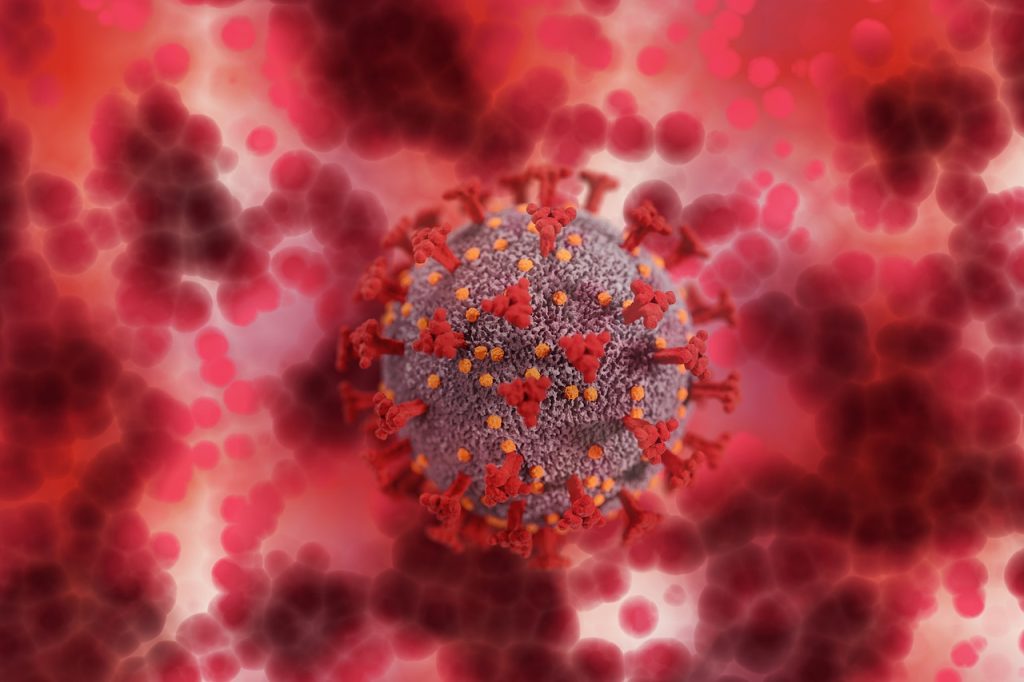
Image from Pixabay

In a study published in the New England Journal of Medicine, researchers have found that metformin, a commonly prescribed diabetes medication, lowers the odds of emergency department visits, hospitalisations, or death due to COVID by over 40%; and over 50% if prescribed early in onset of symptoms. The study also found no positive effect from treatment with either ivermectin or low-dose fluvoxamine.

“Our trial suggests that metformin may reduce the likelihood of needing to go to the emergency room or be hospitalised for COVID,” said Carolyn Bramante, MD, principal investigator of the study.

The primary outcome was in fact low oxygen on a home oxygen monitor, which none of the medications in the trial prevented.

The COVID-OUT trial studied whether metformin, low-doses of the antidepressant fluvoxamine, the controversial antiparasitic ivermectin, or their combinations could serve as possible treatments to prevent ER visits or hospitalisation, as well as Long COVID.

Patients were randomised to receive one of the three drugs individually: placebo, or a combination of metformin and fluvoxamine or metformin and ivermectin. Although the study was placebo-controlled with exact-matching placebo pills, Dr Bramante said that 83% of volunteers received medications supported by existing data because of the six-arm design. Each participant received 2 types of pills to keep their treatment assignment masked, for 3 to 14 days of treatment. Each volunteer tracked their symptoms, and after 14 days, they completed a survey.

The 1323 participants in the trial were limited to adults with a body mass index greater than or equal to 25 kg/m2, which qualifies as overweight. To qualify for the study, volunteers enrolled within three days after receiving a positive COVID test. It was among the first randomised clinical trials for COVID to include pregnant women.

The study included those who were vaccinated and those who were not. This is the first published trial where the majority of participants were vaccinated. 

“Although we know COVID vaccines are highly effective, we know that some new strains of the virus may evade immunity and vaccines may not be available worldwide. So we felt we should study safe, available and inexpensive outpatient treatment options as soon as possible,” said Dr Bramante. “Understanding whether outpatient treatments could ensure more people survive the illness if they contract it and have fewer long-term symptoms is an important piece of the pandemic response.”

The clinical trial launched in January 2021 after researchers noticed that outpatient metformin use appeared to decrease the likelihood of mortality from, or being hospitalised for COVID. Their research was published in the Journal of Medical Virology and in The Lancet Healthy Longevity. Test-tube studies also found that metformin inhibited the -CoV-2 in lab settings. These findings, along with additional prospective studies supporting the use of higher-dose fluvoxamine and ivermectin, provided the evidence to include all three medications as well as combination arms.

Source: University of Minnesota
Most People Infected With Omicron Were Unaware of it

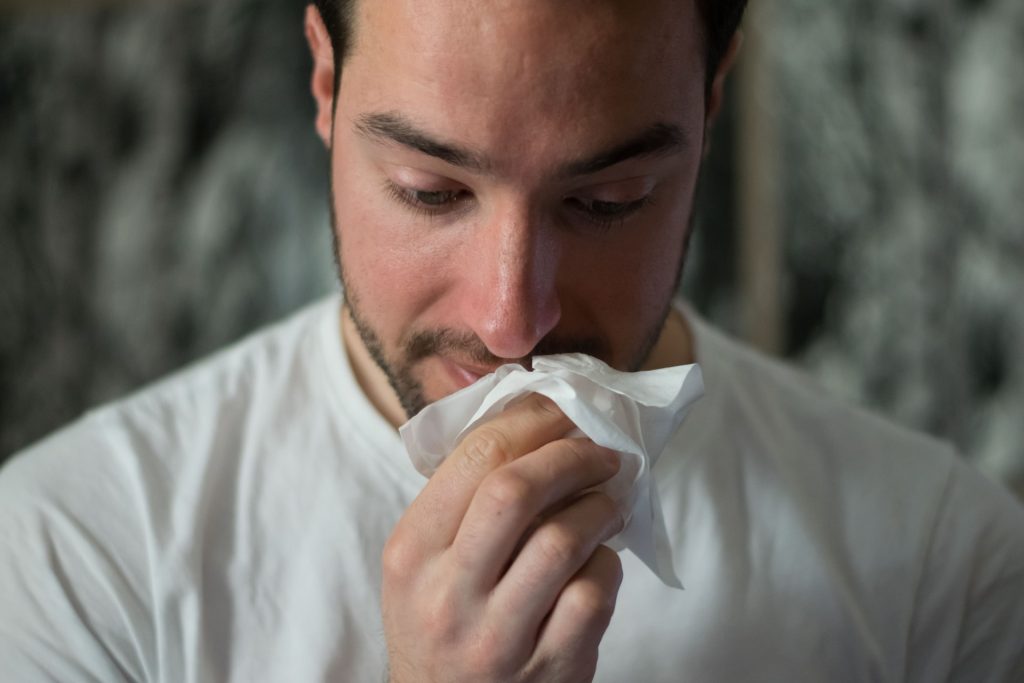
Runny nose and sneezing symptoms
Photo by Britanny Colette on Unsplash

The majority of people who were likely infected with the Omicron variant were unaware they had the virus, according to a new study published in JAMA Network Open.

“More than one in every two people who were infected with Omicron didn’t know they had it,” said Susan Cheng, MD, MPH, corresponding author of the study. “Awareness will be key for allowing us to move beyond this pandemic.” 

Previous work estimated that between 25% and 80% of people infected with SARS-CoV-2 may be asymptomatic. Compared to other variants, Omicron is associated with generally less severe symptoms that may include fatigue, cough, headache, sore throat or a runny nose.

“Our study findings add to evidence that undiagnosed infections can increase transmission of the virus,” said Sandy Y. Joung, MHDS, an investigator at Cedars-Sinai and first author of the study. “A low level of infection awareness has likely contributed to the fast spread of Omicron.”

As part of research into the effects of COVID and the impact of vaccines, the investigators began collecting blood samples from healthcare workers more than two years ago. In the second half of 2021, just before the start of the Omicron variant surge, the investigators were able to expand enrolment to include patients. Of the healthcare workers and patients who have participated in the research, investigators identified 2479 people who had contributed blood samples just prior to or after the start of the Omicron surge. The investigators identified 210 people who likely were infected with the Omicron variant based on newly positive levels of SARS-CoV-2 antibodies. 

Study participants were invited to provide health status updates through surveys and interviews. Only 44% of study participants testing positive were aware of their infection. Of the 56% of study participants who were unaware, only 10% reported having any recent symptoms that they attributed to a common cold or other type of infection. 

More studies involving larger numbers of people from diverse ethnicities and communities are needed to learn what specific factors are associated with a lack of infection awareness, according to the investigators.

Cheng and colleagues are also studying patterns and predictors of reinfections and their potential to offer long-lasting immunity to SARS-CoV-2. In addition to raising awareness, this information could help people manage their individual risk.

Source: Cedars-Sinai

Maintaining Heart Health may Reduce Cerebral Small Vessel Disease

Photo by Ketut Subiyanto on Pexels

Maintaining excellent cardiovascular health may lower the risk for abnormalities in the small vessels of the brain, a new study suggests.

Scientists aren’t sure what causes the condition, known as cerebral small vessel disease, or CSVD. Previous research shows CSVD contributes to about half of dementia cases, a quarter of clot-caused strokes and most bleeding strokes.

For the new study, researchers looked at data from 3067 older adults in Lishui, China. The study team ranked each person’s cardiovascular health as “poor,” “intermediate” or “ideal” based on three medical factors (blood pressure, cholesterol and blood sugar) and four modifiable behaviours (not smoking, maintaining a healthy weight, eating healthy and being physically active).

Next, they compared cardiovascular health to brain MRI scans that looked for signs of CSVD, such as cerebral microbleeds – remnants of blood that has leaked out of small vessels – and lesions called white matter hyperintensities.

The study found participants with ideal cardiovascular health had 26% lower odds of having CSVD than those with poor cardiovascular health. The research was published Wednesday in the journal Stroke.

“The findings were somewhat expected, since a healthy lifestyle can benefit both the arteries and the brain,” said study co-author Yuesong Pan, a researcher of neurological diseases at Capital Medical University’s Beijing Tiantan Hospital in China.

“This suggests that in clinical practice, the target is to attain an ideal (cardiovascular health) score, not just an intermediate score,” he said. “Patients can use a simple self-measuring scale to adjust their lifestyle, assess the risk of CSVD and reduce their CSVD burden.”

Researchers used the American Heart Association’s tool for scoring cardiovascular health that was recently updated to add sleep duration as an eighth factor for ideal heart and brain health. Pan suggested people use the tool, now known as Life’s Essential 8, to find out their risk for cardiovascular disease.

Dr. José Rafael Romero, a neurologist who wasn’t involved in the research, said CSVD is important because “it does not have a specific treatment and it is such a strong contributor to stroke and dementia, which are epidemic conditions around the world.”

In 2020, 7.1 million people worldwide died of stroke, according to AHA statistics. In the US, stroke ranks fifth among all causes of death, with more than 160 000 deaths in 2020, based on data from the Centers for Disease Control and Prevention.

Alzheimer’s disease – the main cause of dementia – is the seventh-leading cause of death in the US. An estimated 6.5 million people age 65 and older have the condition, according to the Alzheimer’s Association. That number is expected to reach 12.7 million by 2050.

“The study is important because it gives additional information on how to lower CSVD risk, which may have an enormous public health benefit,” said Romero, an associate professor of neurology at Boston University School of Medicine who wrote an editorial published alongside the new research.

“It shows that we shouldn’t stop halfway. We should aim for achieving all the goals and achieving ideal cardiovascular health.”

Pan said the study was limited by incomplete dietary data and because it didn’t follow participants over a period of time. He called for larger, long-term observational studies to learn more about the relationship between CSVD and cardiovascular disease risk factors.

Romero said randomised clinical studies are needed to see whether controlling cardiovascular disease risk does indeed lower small vessel disease risk. He also called for future studies to evaluate the usefulness of screening high-risk people for CSVD using brain MRI.

In general, he said, health care professionals and health organisations need to come up with a clearer plan on how to fight CSVD.

“Often, there is no dedicated effort to control risk factors and track this consistently, particularly in patients that have high risk,” Romero said. “We really need to develop programs for effective and sustained implementation of these guidelines for preventing cardiovascular disease.”

Source: American Heart Association

Living Near Fracking Sites Increases Childhood Leukaemia Risk

Photo by Worksite Ltd on Unsplash

Children living near unconventional oil and gas (UOG) or ‘fracking’ developments at birth had a 2–3 times greater risk of leukaemia diagnoses between 2 and 7 years old, researchers have found.

Their study, published in the journal Environmental Health Perspectives, included nearly 2500 Pennsylvania children, 405 of whom were diagnosed with acute lymphoblastic leukaemia (ALL).

ALL arises from mutations to lymphoid immune cells. Although long-term survival rates are high, survivors may have long-term health risks and psychological issues. Unconventional oil and gas development, more commonly referred to as fracking (short for hydraulic fracturing), is a method for extracting gas and oil from shale rock. The process involves high-pressure injection of water, sand, and chemicals into bedrock to release oil or gas for extraction.

For communities living nearby, UOG development can pose a number of potential threats. As well as air pollution from vehicles and construction, there is also water pollution from hydraulic fracturing or spills of wastewater. Hundreds of chemicals have been reportedly used in UOG injection water or detected in wastewater, some of which are known or suspected carcinogens. The lack of data about this has given rise to concerns over the proximity of UOG to residential areas.

“Unconventional oil and gas development can both use and release chemicals that have been linked to cancer, so the potential for children living near UOG to be exposed to these chemical carcinogens is a major public health concern,” said the study’s senior author, Nicole Deziel, associate professor of epidemiology at the Yale School of Public Health.

“Studies of UOG exposure and cancer are extremely few in number. We set out to conduct a high-quality study to further investigate this potential relationship,” added Cassandra Clark, the study’s first author and a postdoctoral associate at the Yale Cancer Center. “Our results indicate that exposure to UOG may be an important risk factor for ALL, particularly for children exposed in utero.”

Oil and gas-related chemicals exposure could be through drinking water, the researchers found. The watershed, the zone from which a drinking water well serving their home would likely draw water, were compared with the distance from the home to the nearest of those UOG wells. UOG wells falling within the watershed area are expected to be more likely to impact the home’s drinking water supply, they said.

This work adds to a growing body of literature on UOG exposure and children’s health used to inform policy, such as setback distances (the required minimum distance between a private residence or other sensitive location and a UOG well). Current setback distances are the subject of much debate in the United States, with some calling for setback distances to be lengthened to more than 305m and as far as 1000m. The allowable setback in Pennsylvania, where the study was conducted, is 152m.

“Our findings of increased risk of ALL at distances of two kilometres or more from UOG operations, in conjunction with evidence from numerous other studies, suggest that existing setback distances, which may be as little as 150 feet (50m), are insufficiently protective of children’s health,” Clark said. “We hope that studies like ours are taken into account in the ongoing policy discussion around UOG setback distances.”

Source: Yale University

The Chemistry of Morning Coffee and Cigarettes

Coffee cup and beans
Photo by Mike Kenneally on Unsplash

For many smokers, a coffee is needed to make that first cigarette of the day satisfying. A new study suggests that a chemical compound – not caffeine – may help blunt morning nicotine cravings.

Researchers in the study identified two compounds in coffee that directly affect certain high-sensitivity nicotine receptors in the brain. In smokers, these brain receptors can be hypersensitive after a night without nicotine.

Published in the journal Neuropharmacology, the findings have yet to be tested in humans but are an important step toward better understanding how coffee and cigarettes affect nicotine receptors in the brain, explained Roger L. Papke, PhD, a pharmacology professor in the University of Florida College of Medicine. The caffeine in coffee gives a wellness boost to its drinkers, but smokers may get something more.

“Many people like caffeine in the morning but there are other molecules in coffee that may explain why cigarette smokers want their coffee,” Prof Papke said.

The researchers applied a dark-roasted coffee solution to cells that express a particular human nicotine receptor. An organic chemical compound in coffee may help restore the nicotine receptor dysfunction that leads to nicotine cravings in smokers, the researchers concluded.

Prof Papke hypothesises that one of the compounds in brewed coffee, known as n-MP, may help to quell morning nicotine cravings.

Prof Papke said he was intrigued by the idea that nicotine-dependent smokers associate tobacco use with coffee in the morning and alcohol in the evening. While alcohol’s effect on nicotine receptors in the brain has been well researched, the receptors’ interaction with coffee is less studied.

“Many people look for coffee in the morning because of the caffeine. But was the coffee doing anything else to smokers? We wanted to know if there were other things in coffee that were affecting the brain’s nicotine receptors,” Prof Papke said.

The findings, he said, provide a good foundation for behavioural scientists who could further study nicotine withdrawal in animal models.

Source: University of Florida

Study Finds No Adverse Effects Denying Nitrous Oxide in Labour

Photo by Jonathan Borba on Unsplash

Birthing women denied nitrous oxide(N20) to relieve labour pain as a result of the COVID pandemic received opioids instead, without any adverse outcomes for mother or child, according to a new study published in the Australian and New Zealand Journal of Obstetrics and Gynaecology. Some anaesthetists have also argued for reducing N20 use as it is a greenhouse gas.

The study, conducted at Lyell McEwin Hospital in Australia, looked at the impact of withholding nitrous oxide (N20), a decision adopted by many hospitals worldwide over fears of virus transmission from the aerosol-generating procedure.

Anaesthetist Professor Bernd Froessler and colleagues compared patient notes for all 243 women birthing at Lyell McEwin over a seven week period in March/April 2020, half of whom did not have access to N20.

They found that although opioid use “significantly increased” when N20 was withheld, there was no increase in epidural use and no change in labour duration, Caesarean section rates, birthing complications or newborn alertness.

Nitrous oxide is used by more than 50% of Australian women to relieve pain in labour, followed by epidurals (40%) and opioids (12%), according to the Australian Institute of Health and Welfare.

However, N20 represents 6% of global greenhouse gas emissions, with 1% due to medical use (ie, around 0.06% of total global warming is due to medical N20). This has led to a debate in medical circles whether it should be replaced with other methods of pain relief.

Many obstetricians argue that effective pain relief in childbirth should be the priority, particularly given the low percentage of emissions, but the Australian and New Zealand College of Anaesthetists has advocated for a reduction in N20 use in a bid to improve environmental sustainability in anaesthesia.

“Obviously no-one wants to deprive labouring women of adequate and easy pain relief but given there are other analgesic options, including epidurals and opioids, perhaps these could be considered,” said Prof Froessler.

UniSA statistician and researcher Dr Lan Kelly said that the findings should reassure women that pain relief besides N20 does not compromise their health or their baby’s.

However, in a recent Sydney Morning Herald article, principal midwifery officer at the Australian College of Midwives, Kellie Wilton, said mothers should not be made to feel guilty about their pain relief choices and suggested hospitals could introduce nitrous oxide destruction systems to allow for its ongoing use.

When nitrous oxide destruction systems were introduced in Swedish hospitals, the carbon footprint from the gas was halved.

Source: University of South Australia

Ways to Reduce Kids’ Needle-related Fear and Pain

Image of a syring for vaccination
Photo by Mika Baumeister on Unsplash

In the COVID era, when vaccinations are all the more important, new research published in the European Journal of Pain shows that children’s vaccination and needle fear can be reduced with a couple of different techniques used by nurses.

These techniques divide the children’s attention or redress their fears by framing the positive elements of their experience.

Working with children aged 8–12 years, the preliminary study found that two new nurse-led techniques show promise in reducing needle fear in primary-aged children:

  • Divided Attention – where a child’s attention and expectations are drawn away from the needle.
  • Positive Memory Reframing – where a child’s exaggerations about the distress and discomfort of needles are redressed through discussion about the positive elements of the experience so that the form more realistic memories of the event.

Dr Felicity Braithwaite, lead researcher of the study, said that helping children reduce fear and distress around vaccinations is a key area of research in the COVID era.

“For many children, undergoing a needle procedure can be painful and distressing,” Dr Braithwaite said.

“Negative experiences of vaccinations in childhood can often lead to medical avoidance and vaccine hesitancy into adulthood, which can have devastating consequences when it comes to outbreaks of preventable diseases.

“By investing more time into techniques to help children manage their fears about needles, we hope to change these outcomes and deliver better health outcomes for the next generation.”

The study involved 41 children and their parents, with participants randomised to one of four groups – usual care, divided attention, positive memory reframing, or a combination of the latter two interventions. Clinical outcomes were assessed at baseline, immediately post-vaccination and at two-weeks post-vaccination. 

The Divided Attention technique involved a one to two minute distraction game where a nurse tapped the child’s arm above and below the vaccination spot in a random order, with the child focussing their attention on guessing which spot was touched each time. This game takes advantage of the potential analgesic effects of distraction.

The Positive Memory Reframing technique involved talking to children about a past injection and emphasising positive aspects, such as how brave the child was and praising specific strategies they used to reduce their own distress, for example, deep breathing and looking away. The aim is to foster a sense of self-efficacy to help children better cope.

Both techniques were tested outside of clinical locations, such as in schools, to maximise their applicability in real-world settings.

Source: University of South Australia

Smartphone Video of Carotid Arteries Predicts Stroke Risk

Credit: American Heart Association

Narrowed arteries in the neck – a major risk factor for stroke – may be detected by analysing smartphone video that picks up the motion of blood flowing just beneath the skin, a small study shows.

The research, published Wednesday in the Journal of the American Heart Association, may be useful in developing a non-invasive, early screening tool for detecting blockages in the carotid arteries that can lead to strokes.

“Between 2% and 5% of strokes each year occur in people with no symptoms, so better and earlier detection of stroke risk is needed,” study author Dr. Hsien-Li Kao said in a news release. He is an interventional cardiologist at National Taiwan University Hospital in Taipei.

“This was an exciting ‘eureka’ moment for us,” he said. “Existing diagnostic methods – ultrasound, CT and MRI – require screening with specialised medical imaging equipment and personnel. Analysis of video recorded on a smartphone is non-invasive and easy to perform, so it may provide an opportunity to increase screening.”

The carotid arteries, found in the neck, can become blocked by a buildup of fatty deposits known as plaque. That condition – carotid artery stenosis – restricts blood flow to the brain and may lead to an ischemic stroke. Nearly 87% of all strokes in the US are this type of stroke.

The carotid artery is just below the skin’s surface. When velocity and blood flow patterns change, those changes are reflected in the motion of the overlying skin, Kao said. However, those differences cannot be detected by the naked eye.

In the study, researchers used motion magnification and pixel analysis to detect subtle changes in pulse characteristics on the skin’s surface captured in 30-second smartphone video recordings. An older-generation smartphone was used to make video clips of the necks of 202 Taiwanese adults, who were an average 68 years old when the study took place between 2016 and 2019. While recordings were being made, participants lay on their backs with their heads tilted back in a custom-made box that restricted movement.

Among participants, 54% had previously been diagnosed with a blockage of 50% or more in the carotid artery. The phone videos were 87% accurate in predicting who had a blockage in the artery. Narrowing in the arteries was confirmed using a Doppler ultrasound test.

Kao said further research could determine whether it is possible to take recordings and perform the motion analysis remotely, in conjunction with a downloadable app.

“More research is needed to determine whether video recorded on smartphones is a promising approach to help expedite and increase stroke screening,” he said. “Carotid artery stenosis is silent until a stroke happens. With this method, clinicians may be able to record a video of the patient’s neck with a smartphone, upload the videos for analysis and receive a report within five minutes. The early detection of carotid artery stenosis may improve patient outcomes.”

Source: American Heart Association

Cancer-associated Fibroblasts Sometimes Aid Certain Drugs

Cancer-associated fibroblasts surrounding a prostate tumour. Credit: Moscat and Diaz Meco labs

Cancer-associated fibroblasts in the tumour environment have typically been linked to tumour progression and therapy resistance, but some studies suggest that these fibroblasts may also sensitise cancer cells to therapy. In a new article published in Science Signaling, researchers shed light on these conflicting studies and demonstrate that cancer associated fibroblasts can promote or inhibit drug sensitivity based on the type of tumour cell and the drug used for treatment.

Through a series of laboratory experiments, the research team from Moffitt Cancer Center determined the impact of cancer associated fibroblasts on drug responses among different non-small cell lung cancer (NSCLC) cell lines. They discovered that the presence of cancer-associated fibroblasts had varying effects on tumour cells based on both the type of NSCLC and the drug used for treatment. For example, the presence of cancer associated fibroblasts induced resistance to two different MEK inhibitors in non-small cell lung cancer cell lines with a mutant KRAS protein. However, cancer associated fibroblasts sensitised NSCLC cell lines with a mutant EGFR protein to EGFR inhibitors. Interestingly, normal lung associated fibroblasts never sensitised cells to drug treatment, suggesting that cancer associated fibroblasts secrete a factor that causes differential responses to drug treatment in a cell-context manner.

The researchers compared cancer associated fibroblasts to normal fibroblasts to identify factors that would produce these disparate effects. They found that cancer associated fibroblasts had alterations in the levels of secreted proteins that are part of the insulin-like growth factor (IGF) signalling pathway, which is involved in cell growth, death and migration. Specifically, cancer-associated fibroblasts secreted higher levels of proteins called IGF binding proteins (IGFBPs), which inhibit IGF signalling, and lower levels of IGFs, which activate IGF signalling. In combination, these alterations result in inhibitory effects on the IGF signalling pathway.

In further analyses, the researchers found that IGFBPs sensitised lung cancer cell lines to EGFR inhibitor treatment, while IGF proteins induced resistance to EGFR inhibitor treatment. They identified that survival signalling in response to EGFR inhibitor treatment was dependent on the proteins IGF1R and FAK, which are both part of the IGFBP signalling pathway. Importantly, they discovered that drugs that blocked the activity of IGF1R and FAK sensitised mutant EGFR lung cancer cells to EGFR inhibitors, suggesting that this combination approach may be effective in the clinic.

“These results highlight tumour suppressive effects competing with otherwise tumour promoting effects of cancer associated fibroblasts and add to the growing evidence that eliminating cancer associated fibroblasts in an undifferentiated way may be detrimental to cancer therapy,” said lead study author Lily Remsing Rix, PhD

“We show that mechanistic understanding not just of cancer associated fibroblast-mediated resistance, but also of their tumour suppressive pathways, can lead to rational design of improved therapeutic approaches that mimic these effects and may delay the onset of drug resistance,” added Uwe Rix, PhD, principal investigator of the study.

Source: H. Lee Moffitt Cancer Center & Research Institute

Act Now to Stop the Bleed on Medical Schemes Industry

By Junior Biola

Last year, fraud and abuse of medical aids resulted in a loss of R22 billion for medical scheme funds according to The Board of Healthcare Funders – a loss which could be avoided with the implementation of fraud mitigation services.

Medical aid fraud is certainly nothing new: for years, medical schemes have railed against members collaborating with medical practitioners – from doctors to pharmacists – for personal gain. There are the members who convince practitioners to admit them to hospital, for example, and pocket the monies received from their hospital cash back plans; the pharmacists who bill their customers for ‘medicine’, when their baskets are in fact filled with non-medicinal items; or even the practitioners who bill patients for treatments which never take place.

Since the advent of the Covid pandemic, such activities have escalated. In fact, it is no longer rogue pharmacists or practitioners taking advantage of medical aids; the industry is now affected by dishonest members and criminals using stolen cards to deplete medical savings accounts or take advantage of benefits.

The results are catastrophic for an industry which is frequently accused of charging members exorbitant fees. In truth, players are under siege from the steeply rising costs of healthcare, and while they are doing their best to limit the impact on members, this is no easy task when those very members are, in effect, stealing from the scheme through fraudulent claims.

The impacts are far-reaching for all stakeholders. Medical funds have no choice but to raise the price of contributions – after all, they need to maintain a steady pool of funds in order to be able to pay out claims, and if members are dipping into that pool for illicit reasons, it needs to be replenished. Naturally, this affects members severely, especially as many are already challenged by the rising cost of living. On the other side of the equation, practitioners also take a hit: when the pool of medical funds decreases, a less profitable practice is inevitable.

The prevalence of fraud is understandable when you consider that few controls are in place to prevent it. Think of the average consumer entering a retail chain pharmacy, for example: they may be asked to present their loyalty card, and while this may be considered a form of identification, the reality is that it is rather ineffective as a verification tool. The absence of an identification photo means that the purchaser could well be someone besides the patient for whom the script was written; nor is there anything to stop them from adding over-the-counter items to purchase and claiming them from their savings.

The good news? Fraud mitigation is both effective, and simple to implement. Establishing a ‘safety net’ of identity and biometric recognition makes it possible for medical schemes to ensure that members claim only for medicines and treatments they have been prescribed, while also protecting against scripts that have been falsified.

The result? A healthier medical aid industry – for the benefit of all.

Junior Biola is CEO of Johannesburg-based fintech company, Bitventure, a provider of state-of-the-art real-time automated verification and payment solutions. www.bitventure.co.za