Year: 2022

Spider Silk Woven into New Biomedical Applications

Photo by Anthony Ievlev on Unsplash

Researchers have discovered that spider silk proteins can be fused to biologically active proteins and then converted into a gel at body temperature. This could allow for injectable protein solutions that form a gel inside the body, which could be used in tissue engineering and for drug release. Their study is published in Nature Communications.

“We have developed a completely new method for creating a three-dimensional gel from spider silk that can be designed to deliver different functional proteins,” says Anna Rising, research group leader at the Department of Biosciences and Nutrition, Karolinska Institutet (KI) and professor at the Department of Anatomy, Physiology and Biochemistry, Swedish University of Agricultural Sciences (SLU). “The proteins in the gel are very close together and the method is so mild that it can be used even for sensitive proteins.”

An injectable protein solution

In the future, the researchers hope to develop an injectable protein solution that forms a gel inside the body. The ability to design hydrogels with specific functions opens up for a range of possible applications, for example, achieving a controlled release of drugs into the body. In the chemical industry, it could be fused to enzymes, a form of proteins used to speed up various chemical processes.

“In the slightly longer term, I think injectable gels can become very useful in regenerative medicine,” says the study’s first author Tina Arndt, PhD student in Prof Rising’s research group at Karolinska Institutet. “We have a long way to go, but the fact that the protein solution quickly forms a gel at body temperature and that the spider silk has been shown to be well tolerated by the body is promising.”

Mimics spider silk spinning

The researchers have been particularly interested in the spiders’ ability to keep proteins soluble so that they do not clump together before the spinning of the spider silk. They have previously developed a method for the production of valuable proteins which mimics the process the spider uses to produce and store its silk proteins.

“We have previously shown that a specific part of the spider silk protein called the N-terminal domain is produced in large quantities and can keep other proteins soluble, and we can exploit this for medical applications,” said Anna Rising. “We have let bacteria produce this part of the protein linked to functional proteins, including various drugs and enzymes.”

Transformed into a gel

The new study shows that the N-terminal domain also has the ability to change shape and transition to small fibrils that cause the protein solution to be converted into a gel if incubated at 37 °C. In addition, it can be fused to functional proteins that preserve their function in the gel.

Source: Karolinska Institutet

IV Nutrition is a Growing and Potentially Dangerous Trend among Athletes

Intravenous IV drip
Source: Marcelo Leal on Unsplash

Once a last resort solution, intravenous (IV) nutrition is threatening to become the norm for competitive athletes, despite no scientific evidence that it works or that it is safe, warn experts in an editorial in the British Journal of Sports Medicine.

To halt this trend, the experts urge that ‘food first’ and ‘no needle’ messages need to be amplified among all athletes and their support teams.

The authors, who interact with professional team players in European and American leagues and their support teams on a regular basis, have become increasingly aware of the practice.

While it is not known how common it is, anecdotally, some players are hooked up to IV nutrition drips as often as every week as part of a pre- or post-game routine, they say. 

So-called ‘drip bars’ and concierge IV nutrition services claim to boost health and performance, restore hydration and speed up recovery. These services offer a menu of B vitamins, amino acids, glutathione, vitamin C and electrolytes, which could potentially boost levels beyond any therapeutic range.

These services seemed to have slipped under the regulatory radar despite being quite visible, and there is no guidance on their use for players or practitioners, the authors pointed out.

The principle of reducing needle use in sport and a ‘food first’ approach is taught in sports nutrition courses around the world, and a ban on needle use by athletes at the Olympic Games, except for appropriate medical use, and where a therapeutic use exemption (TUE) is obtained, has been in place for all recent Games, they highlight.

IV nutrition drips have traditionally been reserved for serious clinical conditions, such as anaemia, symptoms caused by nutrient deficiencies, or to correct severe dehydration caused by marathon running in a desert, for example. But they are now being used for tiredness, fatigue, or recovery, say the authors.

“But the evidence is sparse and not supportive. We are aware of just two studies assessing vitamin injections in otherwise healthy participants, neither of which yielded an effect for the injection group,” note the authors.

They add that these drips are risk-free, potentially interfering with the liver and gut microbes with implications for detoxification and immunity.

“Bypassing these mechanisms appears foolhardy unless there is a significant clinical rationale,” they write, adding that IV drips also carry risks of infection at the needle site and of blood clots.

Excessive vitamin B6 is associated with peripheral neuropathy, while athletes regularly receiving IV iron risk liver disease, they point out.

“Given that the long-term effects of supratherapeutic doses of B vitamins and other nutrients are unknown in athletes, it does not appear to be worth the risk, especially given the lack of evidence-based benefits,” they write. 

“More than this is the reputational risk to sport if it is normalised for athletes to regularly partake in self-directed IV [nutrition] use with a worrying shift away from what ‘works’ (according to scientific standards), to that which is unproven. 

“Furthermore, some athletes risk an anti-doping violation by participating in self-directed IV [nutrition] use.”

Figures on the prevalence of IV nutrition need to be gathered in tandem with governing bodies and players’ associations in the professional leagues providing guidance on the potential risks of IV nutrition use, say the authors.

“The ‘food first’ and ‘no needle’ messages need to be amplified among all athletes and multidisciplinary support teams to avoid what was previously a ‘last resort’ treatment becoming normal without scientific evidence of benefit,” they warn.

Source: EurekAlert!

Remove All Secondary Kidney Stones, Study Suggests

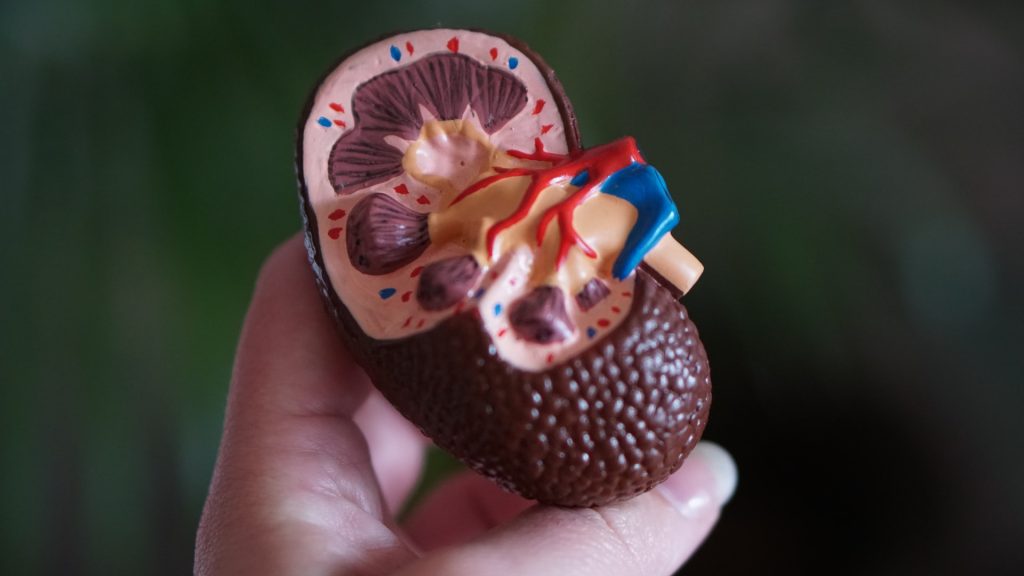
Anatomic model of a kidney
Photo by Robina Weermeijer on Unsplash

A new study showed, during kidney stone removal procedures, leaving small asymptomatic stones behind significantly increases the risk of a patient’s relapse in the following five years. The study findings appear in the New England Journal of Medicine.

Typically, stones < 6mm in diameter that are not a procedure’s primary target are not removed but monitored, since ‘secondary’ stones have high rates of successful passage if they move into the ureter, explained Dr Mathew Sorensen, a urologist at the University of Washington School of Medicine and the study’s lead author.

“Before this study, the clinical views were pretty mixed on whether some of these stones should be treated,” he said. “Most clinicians would decide, based on the size of the stone, whether it hit the bar for treatment, and if it did not, you would often ignore the little stones.”

The researchers studied 75 patients who were treated at multiple institutions over 2015 to 2021. About half of the patients had only their large primary stone treated, while the others had primary and secondary stones removed. Relapse was defined as having to go to the emergency room or undergo an additional procedure due to a recurrence or if a follow-up CT scan showed that the secondary stones grew.

Removal of the secondary stones reduced the relapse rate by 82%, the researchers found, leading the authors to recommend that smaller stones should not be left behind.

“Results of our trial support the removal of small asymptomatic renal stones at the time of surgery with a larger stone,” their paper concluded. The authors noted that while removal of smaller stones could add to the procedure’s duration and cost, those costs would likely be less than those associated with a patient’s repeat procedure or visit to the emergency room. Some patients in the study visited the emergency department multiple times and then required surgery, the report noted.

Dr Sorensen said he would share the study results with colleagues with the hope of changing their sensibility toward smaller stones. Further study is needed to determine whether treatment of small stones alone is justified, as technology improves and the costs and risks of intervention diminish, he said.

“I think we have proven through this rigorous study that removal of the small asymptomatic stones is beneficial when feasible and in patients that are candidates to have all their stones treated in one procedure,” he noted. “Leaving the stones behind risk trouble in the future.”

Source: University of Washington School of Medicine/UW Medicine

The COVID Pandemic has Worsened Antimicrobial Resistance

Photo by Mufid Majnun on Unsplash

The COVID pandemic has set back years of progress against antimicrobial resistance, with resistant hospital-onset infections and deaths increasing by at least 15% in the first year of the pandemic alone, according to a new  report from the US CDC.

About 3 million people in the US are infected with antimicrobial-resistant pathogens, often acquired in healthcare settings, with about 50 000 people dying. Some estimates predict that by 2050, there could be more deaths from antibiotic resistance than from cancer.

Corrie Detweiler, a professor of molecular, cellular, and developmental biology at CU Boulder, has spent her career trying to develop solutions to antimicrobial-resistance. CU Boulder Today spoke with her about why so many antimicrobial drugs won’t work anymore, how COVID made things worse and what can be done to make things better.

Prior to the pandemic, how were we doing in addressing this issue?

“A lot of progress had been made, particularly in hospital-acquired infections, based on a better understanding of the problem and better guidelines about when to use antibiotics. Between 2012 and 2017, for instance, deaths from antimicrobial resistance fell by 18% overall and nearly 30% in hospitals. That all fell apart during COVID.”

Why? How did COVID spawn an uptick?

We didn’t know how to treat COVID, and, understandably, there was a fair amount of chaos in the medical system. People were using antibiotics more, often inappropriately. About 80% of COVID patients received antibiotics. People were given them prophylactically, prior to knowing they had a lung bacterial infection. That’s not to say that none of (the patients) needed them. Some did. But the more you use antibiotics, the more you select for resistance. And that’s how you eventually get a superbug. 

What can society do to address this? 

First, we need to go back to this idea of stewardship in hospitals – to only give out antibiotics when there is a clear need. We were doing the right thing. And then something terrible came along and messed it up, and it demonstrated that what we were doing was working well. That’s a good thing. Second, we need to discover and develop novel classes of antibiotics. The last time a new class of antibiotics hit the market was in 1984. The fundamental problem is that they’re not profitable to develop, compared to say a cancer drug. You can go to the drugstore and get a course of amoxicillin for $8. We need programs that reward industry and academic labs like ours for doing the early research.

What does your lab do?

We’re using basic biology to try to figure out new ways to kill bacteria during an infection and identify compounds that work differently than existing drugs. 

Source: University of Colorado

Battling to Increase Nurse Numbers, SA Looks Abroad

Image by Hush Naidoo from Unsplash

The addition of specialist nurses by the Department of Home Affairs to the critical skills list has drawn renewed attention to and criticism of the chronic shortage of nurses in South Africa.

According to a statement by Life Healthcare last year, the country would need as many 26 000 additional nurses in 2022 to meet growing demand.

“Nurses have been on the frontline of the efforts to combat COVID for over two years. They are understandably exhausted and require our support as they continue to deliver quality care to our patients,” the group said, adding that it was embarking on programme to train an additional 3000 nurses per year.

In an open letter on the situation, the Hospital Association of South Africa (HASA) said that there was considerable training capacity and willingness from private sector hospitals, while also noting that the transition to new nursing qualifications has interrupted nurse training.

Last week, following engagement with the Minister of Health, South African Nursing Council, Health Professions Council of South Africa, public hospital CEOs and other experts, the DHA published an updated critical skills list, which was expanded to include specialist nurses and medical specialists.

The registered nurse specialties are intensive/critical care, psychiatric, peri-operative, trauma and paediatric nursing, as well as midwife specialists.

What many seen as the government’s inaction over the situation has not gone without criticism.

Speaking to the the Sunday Tribune, Sibongiseni Delihlazo of the Democratic Nursing Organisation of SA said that they were “extremely angry that we have to import specialist nurses because of the government’s actions.”

He points to falling numbers of nurses being produced each year and the shutting of nursing colleges as a sign of government neglect. World Health Organization studies showed a worldwide nursing shortage of 10 million positions by 2030, which needed an 8% annual increase in new nurses.

“Our country has not adhered to the warning, but has done the opposite,” he said.

Delihlazo said that most nursing students received government funding which was drying up, yet the population growth continued as did public healthcare system demand.

Public healthcare was not releasing nurses for specialist training, as doing so would cause the system to crumbled, Delihlazo said. In addition, local nurses are being effectively poached by first world nations.

“We could have produced our own nurses in a country with serious unemployment issues. The government doesn’t have a strategy to keep our nurses,” he said.

Research Reveals Many More Epigenetic Influences on Offspring

Pregnant with ultrasound image
Source: Pixabay

New research suggests that epigenetic information, which turns DNA sections on or off, and is normally reset between generations, is more frequently carried from mother to offspring than previously thought. The findings were published in Nature Communications.

Despite not directly altering the DNA sequence, epigenetic mechanisms can regulate gene expression through chemical modifications of DNA bases and changes to the chromosomal superstructure in which DNA is packaged.

These epigenetic changes can be induced through various such as diet and stress. While epigenetic modifications are reversible, it was thought that they rarely remain through generations in humans despite persisting through multiple cycles of cell replication.

Epigenetic changes can be influenced by environmental variations such as our diet, but these changes do not alter DNA and are normally not passed from parent to offspring.

The new research reveals that the supply of a specific protein in the mother’s egg can affect the genes that drive skeletal patterning of offspring. 

Chief investigator Professor Marnie Blewitt said the findings initially left the team surprised.

“It took us a while to process because our discovery was unexpected,” Professor Blewitt said.

“Knowing that epigenetic information from the mother can have effects with life-long consequences for body patterning is exciting, as it suggests this is happening far more than we ever thought.

“It could open a Pandora’s box as to what other epigenetic information is being inherited.”

The research examined the protein SMCHD1, an epigenetic regulator discovered by Prof Blewitt in 2008, and Hox genes, which control the identity of each vertebra during embryonic development in mammals. The epigenetic regulator prevents these genes from being activated too soon.

In this study, the researchers discovered that the amount of SMCHD1 in the mother’s egg affects the activity of Hox genes and influences the patterning of the embryo. Without maternal SMCHD1 in the egg, offspring were born with altered skeletal structures.  

First author and PhD researcher Natalia Benetti said this was clear evidence that epigenetic information had been inherited from the mother, rather than just DNA.

“While we have more than 20 000 genes in our genome, only that rare subset of about 150 imprinted genes and very few others have been shown to carry epigenetic information from one generation to another,” Benetti said.

“Knowing this is also happening to a set of essential genes that have been evolutionarily conserved from flies through to humans is fascinating.”

The research showed that SMCHD1 in the egg, which only persists for two days after conception, has a life-long impact.

SMCHD1 variants are linked to developmental disorder Bosma arhinia microphthalmia syndrome (BAMS) and facioscapulohumeral muscular dystrophy (FSHD), a form of muscular dystrophy. The researchers say their findings could have implications for women with SMCHD1 variants and their children in the future.

Research is underway on using on SMCHD1 to design novel therapies to treat developmental disorders, such as Prader Willi Syndrome and the degenerative disorder FSHD.

Source: The Walter and Eliza Hall Institute of Medical Research

Increased Odds of ADHD Symptoms in Children Born Before 39 Weeks

Photo by Christian Bowen on Unsplash

Among children born at term (37–41 weeks), those born before 39 weeks are more likely to experience symptoms associated with attention-deficit/hyperactivity disorder (ADHD), according to a study published in the Journal of Pediatrics.

ADHD manifests early in childhood with symptoms of hyperactivity, impulsivity or inattention, and has known links to preterm birth (less than 37 weeks gestation). The present study is one of only a handful to investigate the associations between gestational age at term and a diagnosis or symptoms of ADHD. It is the first to include reports from teachers.

“Teachers’ reports, in conjunction with maternal reports and physician evaluations, provide valuable input for the diagnosis of ADHD,” said study author Nancy Reichman, author of the study and a professor of paediatrics at Rutgers Robert Wood Johnson Medical School. “Mother-reported symptoms generally reflect behaviours in the home or in small family or social groups, while teacher-reported symptoms reflect behaviours in a structured educational setting by professionals who work with a large number of children and observe the range of behaviours that students exhibit in classrooms.”

Prof Reichman and her team set out to estimate the link between gestational age at term and 9-year-old children’s teacher-reported ADHD symptoms.

The team analysed data on about 1400 children in a birth cohort study that randomly sampled births from large US hospitals 1998 to 2000 and re-interviewed mothers over nine years as well as teachers’ evaluations using the Conners’ Teacher Rating Scale-Revised Short Form.

The researchers found that children born early-term (37-38 weeks) had significantly higher scores on the teacher rating scales than children who were full-term (39-41 weeks) for hyperactivity, ADHD and cognitive problems or inattention, but that gestational age wasn’t significantly associated with oppositional behaviour.

Specifically, the researchers found that each week of gestational age at term was associated with 6% lower hyperactivity scores and 5% lower ADHD and cognitive problems or inattention scores, and that birth at 37 to 38 weeks was associated with 23% higher hyperactivity scores and 17% higher ADHD scores when compared with birth at 39 to 41 weeks.

“The findings add to growing evidence supporting current recommendations for delaying elective deliveries to at least 39 weeks and suggest that regular screenings for ADHD symptoms are important for children born at 37 to 38 weeks,” Prof Reichman said.

Preterm infants are at greater risk for ADHD because of immature brain development, she said. “Significant growth and development in various kinds of brain cells are observed between 34 and 40 weeks of gestation,” said Reichman. “Infants born at full-term likely benefit from the additional one to two weeks of brain growth in utero compared with those born early-term.”

Source: Rutgers University

Asymptomatic Detection of Monkeypox Suggests it is More Widespread

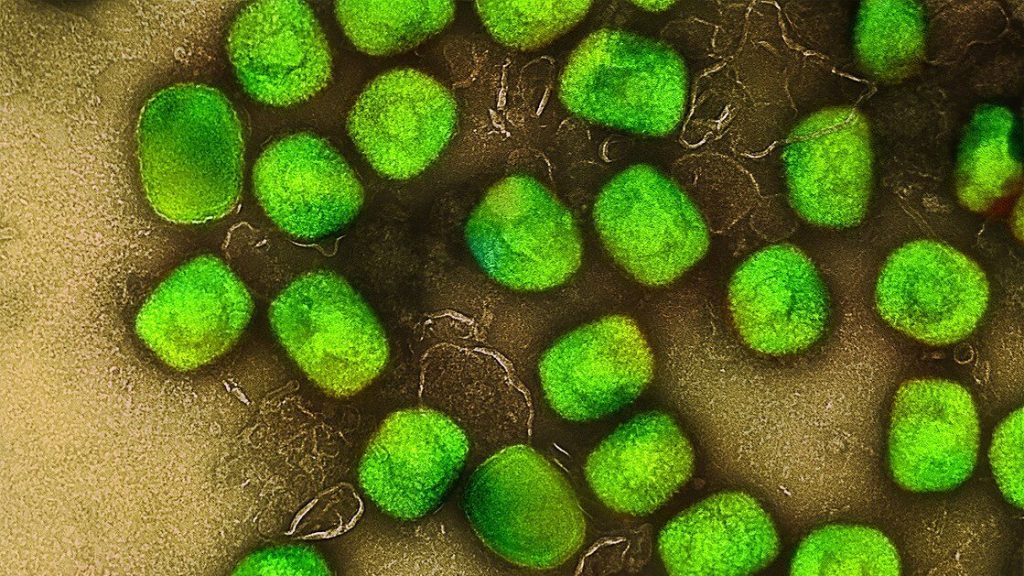
Colourised transmission electron micrograph of monkeypox virus particles (green) cultivated and purified from cell culture. Credit: NIAID

A brief research report in Annals of Internal Medicine documents positive monkeypox virus PCR results found in anal samples taken from asymptomatic MSM (men who have sex with men). These findings suggest that vaccination limited to those with known exposure to the monkeypox virus may not be an effective strategy for preventing infection.

The findings come as the World Health Organization has renamed the variants, or clades, of monkeypox from their previous geographically-derived names to Roman numerals, eg, the former Congo Basin (Central African) clade is now Clade one (I). It is also seeking inputs on a possible new name for the virus in order to avoid stigmatisation.

Researchers from Bichat–Claude Bernard Hospital, Paris, retrospectively performed testing for monkeypox virus on all anorectal swabs that were collected as part of a sexually transmitted infection screening program. This type of screening is performed every three months among MSM with multiple sexual partners who are either taking HIV preexposure prophylaxis (PrEP) or living with HIV and receiving antiretroviral treatment. Of the 200 asymptomatic persons screened that were negative for N. gonorrhoeae and C. trachomatis, 13 (6.5%) samples were PCR positive for monkeypox virus.  Two of the 13 later developed symptoms of monkeypox.

While it is not know whether asymptomatic transmission will play a role in the current worldwide monkeypox epidemic and the mode of human-to-human transmission may provide evidence that asymptomatic or preclinical spread can occur. In an accompanying editorial, Stuart N. Isaacs, MD, at the University of Pennsylvania, suggests that an expanded ring vaccination strategy and other public health interventions in the highest-risk communities are likely needed to help control the outbreak. 

Source: EurekAlert!

A Little Less is More for Muscle Strength Training

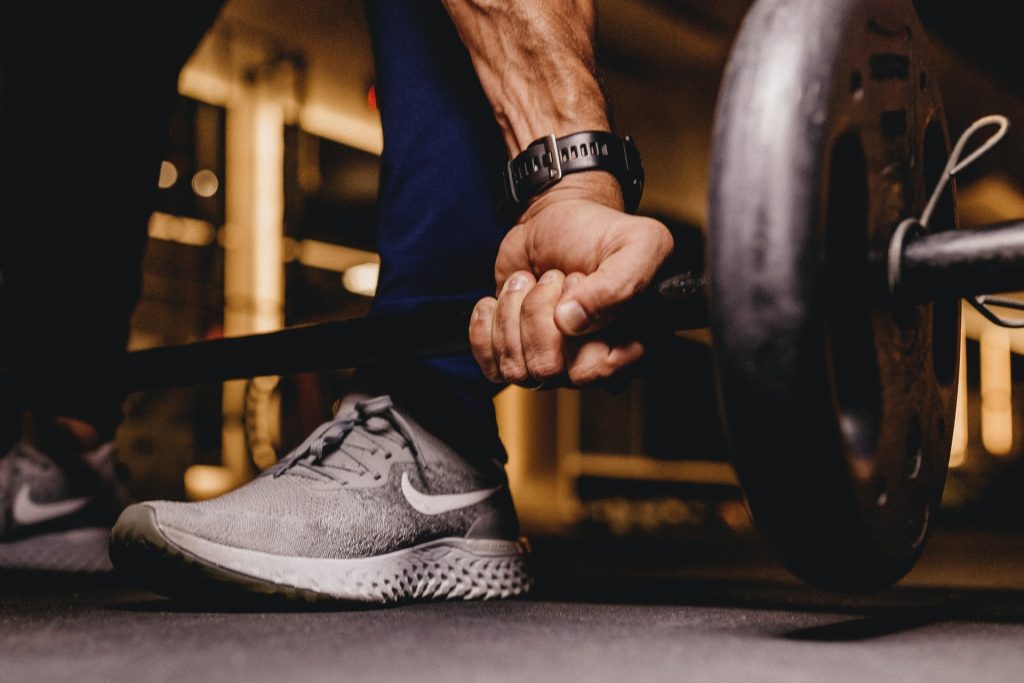
Photo by Jonathan Borba on Unsplash

A new study published in the Scandinavian Journal of Medicine and Science in Sports reveals that, when it comes to maintaining muscle strength and size, frequent, limited bouts of exercise are optimal.

This latest research from Edith Cowan University (ECU) is in collaboration with Niigata University and Nishi Kyushu University in Japan. In the study, a the four-week training programme had three groups of participants performing an arm resistance exercise and changes in muscle strength and muscle thickness were measured and compared.

The exercise consisted of ‘maximal voluntary eccentric bicep contractions’ performed on a machine which measures muscle strength in each muscle contraction you would do at the gym.

An eccentric contraction is when the muscle is lengthening; in this case, like lowering a heavy dumbbell in a bicep curl.

Two groups performed 30 contractions per week, with one group doing six contractions a day for five days a week (6×5 group), while the other crammed all 30 into a single day, once a week (30×1 group).

Another group only performed six contractions one day a week.

After four weeks, the group doing 30 contractions in a single day did not show any increase in muscle strength, although muscle thickness increased 5.8%.

The group doing six contractions once a week did not show any changes in muscle strength and muscle thickness.

However, the 6×5 group saw a more than 10% increases in muscle strength, with an increase in muscle thickness similar to the 30×1 group. 

Frequency, not volume

Importantly, the increase in muscle strength of the 6×5 group was similar to the group in a previous study that performed only one three-second maximal eccentric contraction per day for five days a week for four weeks. 

ECU Exercise and Sports Science Professor Ken Nosaka said these studies continue to suggest very manageable amounts of exercise done regularly can have a real effect on people’s strength.

“People think they have to do a lengthy session of resistance training in the gym, but that’s not the case,” he said.

“Just lowering a heavy dumbbell slowly once or six times a day is enough.”

Professor Nosaka said while the study required participants to exert maximum effort, early findings from current, ongoing research indicated similar results could be achieved without needing to push as hard as possible.

“We only used the bicep curl exercise in this study, but we believe this would be the case for other muscles also, at least to some extent,” he said.

“Muscle strength is important to our health. This could help prevent a decrease in muscle mass and strength with ageing.

“A decrease in muscle mass is a cause of many chronic disease such as cardiovascular disease, type 2 diabetes, some cancers, dementia, plus musculoskeletal problems such as osteoporosis.”

Jut why the body responds better to resistance exercises with eccentric contractions in smaller doses rather than bigger, less frequent loads is not known at this stage.

Prof Nosaka said it may relate to how often the brain is asked to make a muscle perform in a particular manner.

However, he stressed it was also important to include rest in an exercise regimen.

“In this study, the 6×5 group had two days off per week,” he said.

“Muscle adaptions occur when we are resting; if someone was able to somehow train 24 hours a day, there would actually be no improvement at all.

“Muscles need rest to improve their strength and their muscle mass, but muscles appear to like to be stimulated more frequently.”

He also highlighted if someone was unable to exercise for a period, there was no value in trying to “make up” for it with a longer session later.

“If someone’s sick and can’t exercise for a week, that’s fine, but it is better to just return to regular exercise routine when you’re feeling better” he said.

Source: Edith Cowan University

Working to Reduce the Pain that Children Suffer from Chemotherapy

Male doctor with young girl patient
Photo by National Cancer Institute on Unsplash

At the University of Queensland, researchers are seeking ways to educe the pain that children experience when they undergo chemotherapy from feeling pain and other debilitating side-effects. Due to differences in metabolism and their immune responses, children react differently to cancer treatments which are usually designed with adults in mind.

An example of their research was the discovery that anakinra, a drug normally used to treat arthritis in children, could potentially relieve the pain and unpleasant effects of the chemotherapy drug vincristine.

Dr Hana Starobova at UQ has been awarded a Fellowship Grant from the Children’s Hospital Foundation to continue her research to relieve children from the side-effects of cancer treatments.

“Although children have a higher survival rate than adults following cancer treatments, they can still be suffering side-effects well into their adulthood,” Dr Starobova said.

“A five-year-old cancer patient could be suffering severe pain, gastrointestinal problems, or difficulty walking 20 years on from treatment.

“There has been a lack of studies on children, which is an issue because they are not just small adults – they suffer from different cancers, their immune systems work differently and they have a faster metabolism, all of which affect how treatments work.

“Our aim is to treat children before the damage happens, so the side-effects are dramatically reduced or don’t occur in the first place.”

In her previous research, Dr Starobova found an anti-inflammatory drug substantially reduced nerve pain associated with a chemotherapy drug, and did not reduce the effectiveness of the cancer treatment.

Dr Starobova is currently analysing how specific drugs could prevent a cascade of inflammation caused by chemotherapy drugs, which lead to tingling and numbness in hands and feet, and muscle pain and weakness that makes everyday tasks, like walking and doing up buttons, a challenge.

Her focus is on acute lymphoblastic leukaemia, one of the most frequently diagnosed cancers in children.

A woman in a white lab coat, goggles and gloves holds a piece of equipment in a laboratory, she is smiling at the camera
Dr Hana Starobova

In collaboration with Brisbane’s Queensland Children’s Hospital and Mater Children’s Hospital, and Perth’s Telethon Kids Institute, Dr Starobova and her team share a strong motivation to improve quality of life for children.

“We are studying the most commonly used chemotherapy treatment for children, which is a mix of drugs that are very toxic, but have to be used to treat the cancer fast and stop it becoming resistant to the drugs,” Dr Starobova said.

“It’s a fine balance – too little chemotherapy and the cancer won’t be killed but sometimes the side-effects are so bad, patients have to stop the therapy.

“I hope that by having a treatment to reduce side-effects, it will be one less thing for these kids and their families to worry about.”

Source: University of Queensland