The field of psychiatry research risks a “lost generation” due to the difficulties of COVID, warn the authors of an editorial published in The Lancet. The burden of the pandemic has strained the critical aspect of the mentor-mentee relationship and the difficult period between the end of training and beginning research as an independent professional.
The authors, Erika E Forbes and David J Kupfer, are directors of the US-based Career Development Institute for Psychiatry, which provides teaching and mentoring programme for those embarking on a career into academic psychiatry, note that the pandemic has had a significant impact on this stage of development. The same challenges noted by the authors no doubt apply to the field of clinical psychology as well, which is also dependent on mentoring.
Both mentors and mentees are exhausted from health-related uncertainty, from Zoom meetings, and struggling to effectively collaborate, they wrote.
They note that starting a career as a scientist is a challenge even in the most stable times, but is now particularly gruelling, something they have recently borne witness to.
“At our April 2022 annual workshop, our fellows were dispirited, telling us that they feel neglected, undermined, and in some cases emotionally abused by the mentors at their home institutions. Many cannot envision a way forward.”
Though the authors are optimistic about adapting to COVID, with the limited of virtual settings and the new acknowledgement of how daily struggles impact work, they cannot deny that cannot deny that “psychiatry research is in a mentoring crisis.”
“There is a danger of losing a generation of talented, promising scientists, and this could stall progress in understanding and treating psychiatric illnesses,” they warn. To deal with this, mentors must still provide the “traditional elements of mentoring”, ie, guidance, advocacy, training, and access to professional networks, along with embracing technology and empathy. It is crucial to understand the mentee and provide them with more of the same basic support, because the usual challenges are amplified.
Mentoring is different in the COVID era, they stress. “If we accept that research will not go back to the pre-pandemic ways, adapt our behaviour to current realities, and enhance our commitment to supporting and guiding others, early-career scientists will again be able to thrive,” the authors conclude.
Since the late 1800s, non-nutritive sweeteners have been used to provide sweetness without sugar. Long been believed to have no effect on the human body, researchers reporting in the journal Cell now challenge this notion by finding that these sugar substitutes are not inert, and, in fact, some can alter human consumers’ microbiomes and thereby their glycaemic responses – albeit in a highly individualised fashion.
Previous research has already found found that non-nutritive sweeteners affected the microbiomes of mice in ways that could impact their glycaemic responses, something which the same researchers now investigated in humans.
To address this important question, the research team carefully screened over 1300 individuals for those who strictly avoid non-nutritive sweeteners in their day-to-day lives, and identified a cohort of 120 individuals. These participants were broken into six groups: two controls and four who ingested well below the FDA daily allowances of either aspartame, saccharin, stevia, or sucralose.
“In subjects consuming the non-nutritive sweeteners, we could identify very distinct changes in the composition and function of gut microbes, and the molecules they secret into peripheral blood. This seemed to suggest that gut microbes in the human body are rather responsive to each of these sweeteners,” said senior author Eran Elinav, an immunologist and microbiome researcher. “When we looked at consumers of non-nutritive sweeteners as groups, we found that two of the non-nutritive sweeteners, saccharin and sucralose, significantly impacted glucose tolerance in healthy adults. Interestingly, changes in the microbes were highly correlated with the alterations noted in people’s glycaemic responses.”
To prove the microbiomes were responsible, the researchers transferred microbial samples from the study subjects to mice that have been raised in completely sterile conditions, with no microbiome of their own.
“The results were quite striking,” explained Elinav. “In all of the non-nutritive sweetener groups, but in none of the controls, when we transferred into these sterile mice the microbiome of the top responder individuals collected at a time point in which they were consuming the respective non-nutritive sweeteners, the recipient mice developed glycaemic alterations that very significantly mirrored those of the donor individuals. In contrast, the bottom responders’ microbiomes were mostly unable to elicit such glycaemic responses,” he added. “These results suggest that the microbiome changes in response to human consumption of non-nutritive sweetener may, at times, induce glycaemic changes in consumers in a highly personalised manner.”
Elinav says that he expects the effects of the sweeteners will vary across individuals because of how unique our microbiomes are. “We need to raise awareness of the fact that non-nutritive sweeteners are not inert to the human body as we originally believed. With that said, the clinical health implications of the changes they may elicit in humans remain unknown and merit future long-term studies.”
“In the meantime, we need to continue searching for solutions to our sweet tooth craving, while avoiding sugar, which is clearly most harmful to our metabolic health,” says Elinav. “In my personal view, drinking only water seems to be the best solution.”
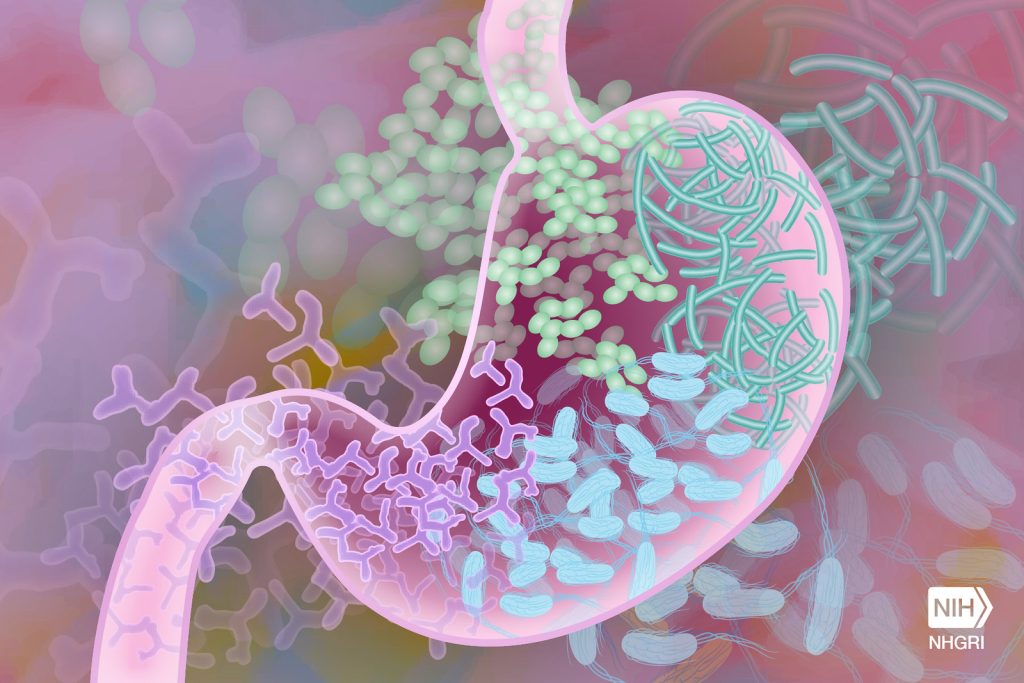
A Japanese study published in Frontiers in Immunology shows that a traditional herbal mix called daikenchuto reduced the severity of colitis in lab mice by preventing the loss of important gut bacteria and by raisin levels of anti-inflammatory immune cells in the colon.
Colitis is a chronic inflammation of the colon, characterised by an imbalance in gut bacteria and an abnormal immune response. Its prevalence has doubled over the last 20 years and although there are many treatments, they are only partially effective. This has led some researchers to take a closer look at traditional Asian herbal medicines.
Daikenchuto (DKT) is a formula containing specific amounts of ginger, pepper, ginseng, and maltose, and is one of 148 herbal medicines called Kampo, which have been developed in Japan and are often prescribed by doctors to treat a variety of illnesses. Numerous studies conducted in Japan and the United States have provided clinical evidence of DKT’s effect on colonic transit and postoperative ileus.
DKT was shown by previous research to have possible use in colitis treatment, but molecular level evidence has been lacking. Researchers at the RIKEN Center for Integrative Medical Sciences (IMS) in Japan conducted a detailed examination of its effects on a mouse model of colitis.
Colitis was induced in mice using dextran sodium sulfate, which is toxic to the cells that line the colon. When these mice were given DKT, their body weights remained normal, and they had lower clinical scores for colitis. Additional analysis revealed much less damage to the cells lining the colon. Having thus shown that DKT does indeed help protect against colitis, the researchers proceeded to analyze the gut microbiome of the mice and expression levels of anti-inflammatory immune cells.
Colitis is associated with an imbalance in gut microbiota, and analysis showed that a family of lactic acid bacteria were depleted in the colitic mice of this study. Also depleted was one of their metabolites, a short-chain fatty acid called propionate. Treating the model mice with DKT restored much of these missing bacteria – particularly Lactobacillus – and levels of propionate were normal.
Colitis is also associated with an abnormal immune response that causes the characteristic intestinal inflammation. When the team looked at innate intestinal immune cells, they found that levels ILC3 cells were lower in the untreated colitic mice than in the DKT-treated colonic mice, and that mice engineered to lack ILC3 suffered more and could not benefit from DKT treatment. This means that ILC3s are critical for protecting against colitis and that DKT works by interacting with them. Lastly, qPCR analysis indicated that these important immune cells had receptors for propionate, called GPR43, on their surface.
“Daikenchuto is commonly prescribed to prevent and treat gastrointestinal diseases, as well as for reducing intestinal obstruction after colorectal cancer surgery,” said Naoko Satoh-Takayama. “Here we have shown that it can also alleviate intestinal diseases like colitis by rebalancing Lactobacillus levels in the gut microbiome. This likely helps reduce inflammatory immune responses by promoting the activity of type 3 innate lymphoid cells.”
A new study published in Nature Genetics has revealed 60 genes linked to autism spectrum disorder (ASD) that may provide important clues to the causes of autism across the full spectrum of the disorder. Five of these genes are heritable instead of new mutated versions, helping explain why autism appears to run in some families.
“Overall, the genes we found may represent a different class of genes that are more directly associated with the core symptoms of ASD than previously discovered genes,” said Professor Wendy Chung, MD, PhD.
Previously, several genes have been linked to autism and as a group are responsible for about 20% of all cases. Most individuals who carry these genes have profound forms of autism and additional neurological issues, such as epilepsy and intellectual disability.
To uncover hidden autism genes that can explain the majority of cases, the researchers tapped into data from nearly 43 000 people with autism.
Five of the genes identified by the new study have a more moderate impact on autism characteristics, including cognition, than previously discovered genes.
“We need to do more detailed studies including more individuals who carry these genes to understand how each gene contributes to the features of autism, but we think these genes will help us unravel the biological underpinnings that lead to most cases of autism,” Prof Chung said.
The five newly identified genes also explain why autism often seems to run in families. Unlike previously known autism genes, which are due to de novo mutations, genetic variants in the five new genes were often inherited from the participant’s parents.
Prof Chung said that many more moderate-effect genes are yet to be discovered, which would help researchers better understand the biology of the brain and behaviour across the full spectrum of autism.
For newborns, caregivers have to identify and evaluate any pain they may be in. Until the turn of this century, many clinicians did not even recognise that neonates could even experience pain, resulting in infrequent, nonstandard training for medical workers. The COVID pandemic also disrupted opportunities for training. Now, researchers are reporting that a flexible e-learning program improves neonate pain management knowledge and skills for nurses.
They published the results of their randomised, controlled study in Pain Management Nursing.
“Continuing education is essential to maintain and increase nurses’ proficiency in neonatal pain assessment and treatment,” said corresponding author Mio Ozawa, associate professor in the Graduate School of Biomedical and Health Science at Hiroshima University. “Our results showed that e-learning programs were more effective as compared to no training.”
The researchers randomly divided recruited certified neonatal intensive care nurses from across Japan into two groups. One group received four weeks of online training in pain measurement, using structured scales designed for pre-term newborns, called the e-Pain Management of Neonates program. The other group did not receive training. Both groups took pre- and post-tests. While the pre-test results were the same across both groups, the e-learning group scored higher for both knowledge and skill.
The research builds on a prior pilot study, in which 52 nurses completed the e-learning program and improved their test scores. However, without a control group for comparison, the evidence was not sufficient to illustrate the intervention’s effectiveness, according to Prof Ozawa.
“In the current study, we tested the e-learning program with a randomised control trial, a more powerful research design than used with the pilot study,” Prof Ozawa said. “To the best of our knowledge, this is the first such trial that investigates the effects of e-learning on the knowledge and skill in neonatal pain measurement for certified nurses across NICUs across multiple hospitals.”
The e-learning program consists of four modules, each of which takes about 15 minutes to complete. Participants could save their progress and return at any point, as well as review as many times as they wanted. While more nurses were more likely to access the program in the middle of the day or late at night on a weekday, participants still accessed the program at odd hours and over the weekend.
“An e-learning program may be a more efficient method as nurses can participate in the program at their own convenience,” Prof Ozawa said. “In comparison with other health care professionals, NICU nurses stay at the bedside of newborns for the longest time to provide care, including invasive procedures. It is vital for nurses to be educated and train in using the neonatal pain management scale.”
Prof Ozawa stressed that while this study did not demonstrate e-learning’s superiority as a learning method compared to traditional approaches, such as in-person training, it does indicate that e-learning can improve skills and knowledge.
“Learning in this program would allow nurses to acquire knowledge and skills concerning newborn pain, which is preferred over no education,” Prof Ozawa said. “Further research is needed to determine how nurses’ training through e-learning programs is related to patient outcomes, such as more frequent pain assessment of infants by nurses and improved pain management.”
Chemical peels are a common treatment for acne scars, but a study published in the Journal of Clinical and Aesthetic Dermatology finds that, for patients with dark skin, microneedling is a significantly more effective treatment.
Researchers randomly assigned 60 patients with acne scars and dark skin (Fitzpatrick Skin Phototype IV to VI) to treatment with either 35% glycolic acid chemical peels or microneedling, both administered every two weeks for 12 weeks.
Microneedling therapy is a controlled skin injury that utilises instruments containing rows of thin needles that penetrate the dermis to a uniform depth. This induces rapidly-healing micropunctures with subsequent stimulation of collagen and elastin fibre production, resulting in skin remodelling.
Microneedling was initially developed as a tool for skin rejuvenation. However, it is now being used for a number of indications, which include: various forms of scars, alopecias, drug delivery, hyperhidrosis, stretch marks, and more. It is occasionally combined with delivery of radiofrequency energy, which is thought to enhance dermal remodelling and clinical effects. Despite its widespread use, data on the efficacy of microneedling are lacking.
Chemical peels involve applying a solution to the skin that removes the top layers.
Treatment produced an improvement of two points or more on the Goodman and Baron Scarring Grading System in 33% of patients who received chemical peels and 73% of patients who underwent microneedling.
“Based on the results of this study, patients whose darker skin precludes the use of stronger chemical peels, which can permanently discolour darker skin, should treat acne scars with microneedling,” said the study’s senior author Babar Rao, a professor of dermatology and pathology at Robert Wood Johnson Medical School. “For patients with lighter skin who can use stronger peels without risk of discoloration, chemical peels might still be the best option for some.”
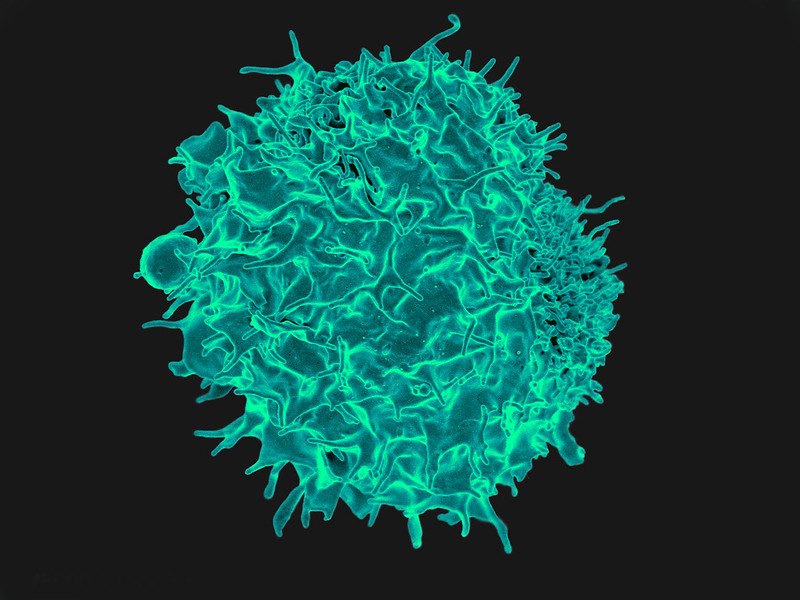
Scanning Electron Micrograph image of a human T cell. Credit: NIH/NIAID
A new study published in Nature has found that certain food proteins can cause T-helper cells in gut-associated lymphoid tissue to become dysfunctional in order for the immune system not to attack that particular food. Understanding how the process could be restarted could aid the development of food allergy treatments.
Led by Marc Jenkins, director of the University of Minnesota Medical School’s Center for Immunology, the research focused on why the immune system does not attack food in the way that it attacks other foreign entities like microbes.
“This study helps explain why our immune systems do not attack our food even though it is foreign to our bodies,” said Jenkins. “We found that ingested food proteins stimulate specific lymphocytes in a negative way. The cells become dysfunctional and eventually acquire the capacity to suppress other cells of the immune system.”
The gut associated-lymphoid tissue is a suppressive environment where lymphocytes that would normally generate inflammation undergo arrested development. This abortive response usually prevents dangerous immune reactions to food.
The research found that T-helper cells lack the inflammatory functions needed to cause gut pathology and yet the cells have the potential to produce regulatory T-cells that may suppress it. This means when people develop an intolerance or allergic reaction to certain foods, there may be a future capability to suppress that reaction by reintroducing dysfunctional lymphocytes.
Further research is needed to identify the mechanisms whereby food-specific lymphocytes become dysfunctional, knowledge which could be used to fight food allergies.
The autoimmune disease lupus has no cure, and current treatment is limited in its effectiveness in reducing symptoms and controlling damage to the body. Now, scientists report they have begun phase 2 clinical trials with a compound that, in mice, not only prevents lupus-like symptoms, but also reverses signs of organ damage caused by the disease and prevents death.
“Few new therapies have succeeded, but we believe our compound could be an effective treatment for lupus,” says Alaric Dyckman, PhD. The disease affects 5 million people worldwide, according to the Lupus Foundation of America. Symptoms include rashes, extreme fatigue, pain, inflammation and deterioration of organs, such as the kidneys and heart, which can lead to death.
The researchers will present their results at the fall meeting of the American Chemical Society (ACS). ACS Fall 2022 is a hybrid meeting being held virtually and in-person Aug. 21–25, with on-demand access available Aug. 26–Sept. 9.
Lupus develops when the immune system attacks the body’s tissues. Years ago, researchers began suspecting that this process involved toll-like receptors (TLRs) 7 and 8, which are cellular proteins that activate the immune system when they detect viral RNA or mistakenly identify a person’s own RNA as a threat.
“Genetic data and evaluations of injectable treatments suggested TLR7 and 8 could be drug targets for lupus. What was missing was an ability to directly block these receptors with small molecules that could be taken orally,” explained Dr Dyckman. So in 2010, he and other scientists at Bristol Myers Squibb (BMS) set out to develop such compounds.
New options would be welcome, since many patients don’t respond fully to current medications. The two approved therapies that were specifically developed for lupus reduce activity of specific immune system components: AstraZeneca’s anifrolumab blocks an interferon receptor, while GlaxoSmithKline’s belimumab reduces the survival of B cells. Other treatments include steroids and other general immune suppressants, anti-malarials, anti-inflammatories and anticoagulants. However, anifrolumab and belimumab must be given by injection or infusion, Dr Dyckman noted, while steroids and general immune suppressants are associated with safety concerns and were not originally designed to treat lupus.
The BMS researchers started by screening the company’s compound collection for molecules that could block TLR7/8 signalling. The team refined the search further to improve interaction with other receptors, and potency, and enablee oral dosing. The resulting compound, afimetoran, binds to the target TLRs, inhibiting their operation to achieve beneficial activity. Like anifrolumab, it interferes with interferon, and like belimumab, it controls damage from overactive B cells. It also inhibits the production of multiple proinflammatory cytokines that cause a lot of tissue damage in lupus.
“With afimetoran, not only could we prevent the development of lupus-like symptoms in mice before their disease onset, but we could actually reverse the symptoms and prevent death in animals that were days or weeks away from succumbing to the disease,” Dr Dyckman said. “We hadn’t seen that reversal with other mechanisms we had evaluated, so we were particularly excited about that finding.” Dr Dyckman said that he believes afimetoran effects together may let it control lupus as well as or better than existing treatments, doing it through an oral route.
Afimetoran also combined well with corticosteroid treatments in mice, so patients might be able to use lower doses of steroids and reducing associated side effects.
Phase 1 clinical trials of afimetoran have been completed. The trials showed that a low, once-daily oral dose was safe in healthy patients and could almost completely block signalling through TLR7/8. And now, a phase 2 trial to test its effectiveness in lupus patients is underway. Because of its mode of action, Dr Dyckman said, it may also work in other autoimmune disorders, such as psoriasis or arthritis.
BMS is testing other compounds against lupus, such as deucravacitinib, an oral, selective tyrosine kinase 2 (TYK2) inhibitor that is moving into phase 3 studies. Other companies are also making progress. Merck, for instance, is evaluating its own oral TLR7/8 blocker, enpatoran, in phase 2 trials.
Despite intensive efforts to develop new therapies over the past several decades, few have succeeded. “So getting a lot of shots on goal is important,” Dr Dyckman said. “Also, lupus is such a heterogeneous disease that it’s unlikely that any single approach will provide relief for all of the patients out there.”
A population-based study analysing over one million individuals suggests that babies born via caesarean section delivery may face a higher risk of developing Crohn’s disease later in life. The findings, published in Acta Obstetricia et Gynecologica Scandinavica, add to a growing body of evidence on long-term impacts of caesarean section delivery.
More and more people are being delivered by caesarean section, and there is interest in understanding possible long-term health consequences of this mode of delivery. One possible route is through a lack of the early exposure of the infant to colonising bacteria via a vaginal delivery. Previous studies suggest that infants delivered by CS are at increased risks of disorders involving the immune system, such as asthma and allergies, type 1 diabetes, celiac disease, obesity, immune deficiencies, and leukaemia and other malignancies affecting young people.
In this study, all full-term individuals registered in the Medical Birth Register in Sweden between 1990 and 2000 were followed until 2017. Among 1 102 468 individuals, of whom 11.6% were delivered by caesarean section and 88.4% were vaginally delivered, caesarean section was associated with a 14% higher risk of developing Crohn’s disease after adjusting for confounding factors. No associations between delivery mode and appendicitis, ulcerative colitis, cholecystitis, or diverticulosis were found.
“Our study is the largest in this field, showing new interesting associations between caesarean section and increased risk later in life for Crohn’s disease. We hypothesise that the underlying mechanism could be the gut microbiome, but further studies will have to confirm this,” said senior author Anna Löf Granström, of the Karolinska Institute.
Adults with low blood levels of urate, the end-product of the purine metabolism in humans, may be at higher risk of sarcopenia and may face a higher risk of early death, according to a new study published in Arthritis & Rheumatology.
Whether or nor low serum urate (SU) levels contribute to adverse outcomes has been the subject of controversy. The study involved 13 979 participants aged 20 years and older, sourced from the National Health and Nutrition Examination Survey from 1999–2006.
Low serum urate concentrations (<2.5 mg/dL in women; <3.5 mg/dL in men) were associated with low lean mass, underweight BMI (<18.5 kg/m2), and higher rates of weight loss. While low SU was associated with increased mortality (61%) before adjusting for body composition, its effect was reduced and non-significant after adjustment for body composition and weight loss.
“These observations support what many have intuited, namely that people with low serum urate levels have higher mortality and worse outcomes not because low urate is bad for health, but rather that low urate levels tend to occur among sicker people, who have lost weight and have adverse body composition,” explained lead author Joshua F. Baker, MD, MSCE, of the University of Pennsylvania. “While this observational study doesn’t disprove a causal association, it does suggest that great care is needed in interpreting epidemiologic associations between urate levels and health outcomes.”