Month: March 2022

Amino Acid Supplementation after Fracture Surgery Reduces Complications
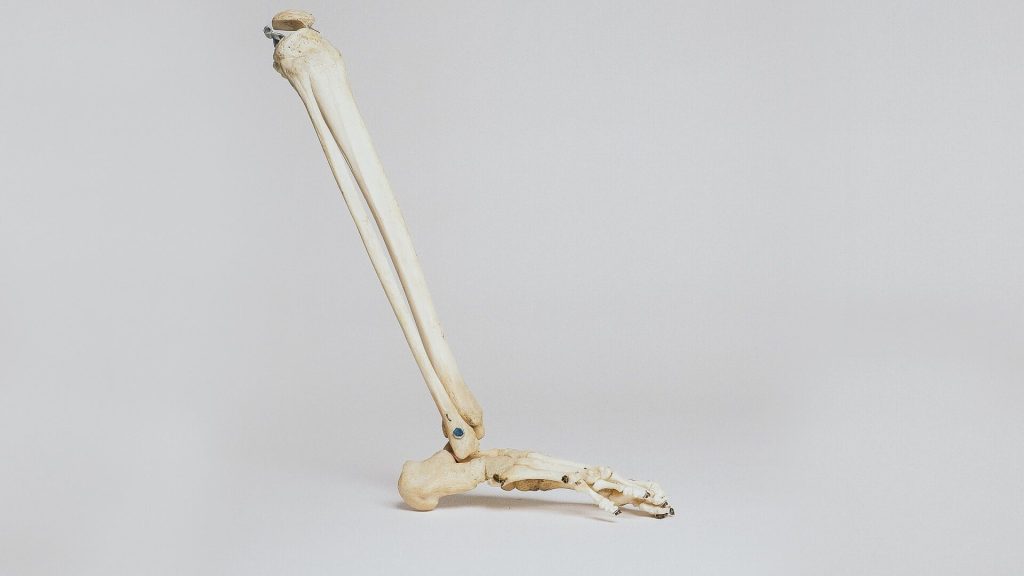
Lower leg bones
Photo by Nino Liverani on Unsplash

By adding conditionally essential amino acids (CEAA) to the diets of patients recovering from fracture fixation surgery, complications are reduced and skeletal muscle wasting is prevented, concludes a study published in The Journal of Bone & Joint Surgery.

The study supports the use of widely available CEAA supplements to promote recovery and preserve function in patients undergoing surgery for repair of major fractures. “Our results suggest that this inexpensive, low-risk intervention has considerable potential to improve outcomes after fracture fixation,” according to the report by Michael Willey, MD, and colleagues of University of Iowa Hospital and Clinics, Iowa City.

The study included 400 patients undergoing operative fixation of fractures in the limbs and/or pelvis at the researchers’ trauma centre. In equal numbers and stratified by fracture severity, patients were randomises to either standard postoperative nutrition or standard nutrition plus CEAA supplementation.

CEAAs are termed “conditionally essential” because the body doesn’t usually require them. However, during times of illness or stress, the need for these conditional amino acids increases dramatically. Previous studies have reported that CEAA supplementation can improve wound-healing and other outcomes in patients with a variety of conditions, including postoperative recovery. In the new trial, patients assigned to the CEAA group received a standard supplement that included arginine, leucine, and glutamine.

At follow-up, the overall complication rate was significantly lower for patients who received CEAA supplementation (30.5%) compared with those who did not receive CEAA (43.8%). The CEAA group also had a lower rate of nonunion (5.1 vs 13.2%, respectively). Some other types of complications, including surgical-site infections, were similar between groups.

Patients who undergo operative fracture fixation are at risk of skeletal muscle wasting, which often results in weight loss as a result of reduced muscle mass. In the new study, patients receiving CEAA supplements had little or no change in fat-free body mass. In contrast, patients receiving standard nutrition had a 1kg reduction in fat-free mass at 6 weeks postoperatively, which took until 12 weeks to return to normal.

An unexpected finding was a sharply reduced mortality rate in the CEAA group (0.5% compared to 4.1 % for the control). Although the authors could not explain the lower risk of death in patients receiving CEAA, they suggest it might result from “unidentified confounding factors.”

Despite advances in surgical techniques, trauma patients undergoing operative fixation of extremity and pelvic fractures remain at risk of complications and prolonged loss of function. “Malnutrition is a potentially modifiable risk factor for mortality, fracture nonunion, wound complications, and increased length of stay,” the authors wrote.

CEAA supplementation therefore appears to be a simple, risk-free, and inexpensive means of promoting good nutrition after fracture fixation surgery. Controlling for other factors, the relative risk of complications is about 40% lower in patients receiving CEAA, with no reduction in fat-free mass during the early weeks of recovery. The researchers concluded: “This study will serve as the foundation for multicentre [randomised controlled trials] that are designed to assess the impact of CEAA nutrition supplementation in reducing complications and loss of functional muscle mass in high-risk populations.”

Source: EurekAlert!

Croup – A Previously Unrecognised COVID Complication in Young Children

Parent with a sick child
Photo by Cottonbro on Pexels

With the spread of omicron infections in young children, doctors have observed the rise of a previously unrecognised COVID complication: croup. Published in Pediatrics, physicians at Boston Children’s Hospital reported on 75 children admitted to the emergency department (ED) with croup and COVID.

The children appeared at the ED from from March 1, 2020 through January 15, 2022. Some cases were surprisingly severe, requiring hospitalisation and more medication doses compared to croup caused by other viruses. Just over 80% occurred during the omicron period. The report was published March 8 in a pre-publication in.

“There was a very clear delineation from when omicron became the dominant variant to when we started seeing a rise in the number of croup patients,” said  Ryan Brewster, MD, first author of the report.

Laryngotracheitis, commonly known as croup, is a common respiratory illness in babies and young children. It is marked by a distinctive barking cough and sometimes stridor. It happens when viral infections cause swelling around the upper respiratory tract. In severe cases, including some seen at Boston Children’s, it can dangerously constrict breathing.

COVID studies in animals have found that the omicron strain ‘prefers’ the upper airway more than earlier variants, which mainly targeted the lower respiratory tract. This may account for the sudden appearance of croup during the omicron surge, said Dr Brewster.

In keeping with the general pattern of croup, most of the children with COVID and croup were under two years old, and 72% were boys. Except for one child with a common cold virus, none had a viral infection other than SARS-CoV-2.

Although all the children survived, nine of the 75 children with COVID-associated croup (12%) required hospitalisation and four of them (44%, or 5%of the total) required intensive care. (By comparison, before COVID, fewer than 5% of children with croup were hospitalised, and of those, only 1 to 3% required intubation.)

Overall, 97% of the children were treated with dexamethasone, a steroid. All of those who were hospitalised received racemic epinephrine via nebuliser, which is reserved for moderate or severe cases, as did 29% of children treated in the ED. Those who were hospitalised needed a median of six doses of dexamethasone and 8 nebulised epinephrine treatments to control their symptoms.

“Most cases of croup can be managed in the outpatient setting with dexamethasone and supportive care,” said Dr Brewster. “The relatively high hospitalisation rate and the large number of medication doses our COVID croup patients required suggests that COVID might cause more severe croup compared to other viruses. Further research is needed to determine the best treatment options for these children.”

Source: EurekAlert!

An AI ‘Storytelling’ Companion to Assist Dementia Patients

Researchers at the National Robotarium in the UK, are developing an artificial intelligence (AI) ‘storytelling’ companion that will aid memory recollection, boost confidence and combat depression in patients suffering from Alzheimer’s disease and other types of dementia.

The idea for the ground-breaking ‘Agent-based Memory Prosthesis to Encourage Reminiscing’ (AMPER) project came from Dr Mei Yii Lim, a co-investigator of the project and an experienced memory modelling researcher.

In Alzheimer’s patients, memory loss occurs in reverse chronological order, with pockets of long-term memory remaining accessible even as the disease progresses. Rehabilitative care methods currently focus on physical aids and repetitive reminding techniques, but AMPER’s AI-driven user-centred approach will instead focus on personalised storytelling to help bring a patient’s memories back to the surface.

Dr Lim explained the project: “AMPER will explore the potential for AI to help access an individual’s personal memories residing in the still viable regions of the brain by creating natural, relatable stories. These will be tailored to their unique life experiences, age, social context and changing needs to encourage reminiscing.”

Having communication difficulties and decreased confidence are commonly experienced by people living with dementia and can often lead to individuals becoming withdrawn or depressed. By using AI to aid memory recollection, researchers at the National Robotarium hope that an individual’s sense of value, importance and belonging can be restored and quality of life improved.

The project’s long-term vision is to show that AI companions can become more widely used and integrated into domestic, educational, health and assistive-needs settings.

Professor Ruth Aylett from the National Robotarium is leading the research. She said: “One of the most difficult aspects of living with dementia can be changes in behavior caused by confusion or distress. We know that people can experience very different symptoms that require a range of support responses. Current intervention platforms used to aid memory recollection often take a one-size-fits-all approach that isn’t always suitable to an individual’s unique needs.”

“AI technology has the potential to play a pivotal role in improving the lives of people living with cognitive diseases. Our ambition is to develop an AI-driven companion that offers patients and their caregivers a flexible solution to help give an individual a sustained sense of self-worth, social acceptance and independence.

“Through projects like AMPER, we’re able to highlight the many ways AI and robotics can both help and improve life for people now and in the future. At the National Robotarium, we’re working on research that will benefit people in adult care settings as well as across a wide range of other sectors that will make life easier, safer and more supported for people.”

Once developed, the AI technology will be accessed through a tablet-based interface to make it more widely accessible and low-cost. The National Robotarium team will also investigate a using the AI in a desktop robot to see if a physical presence has any benefit.

Source: Heriot Watt University

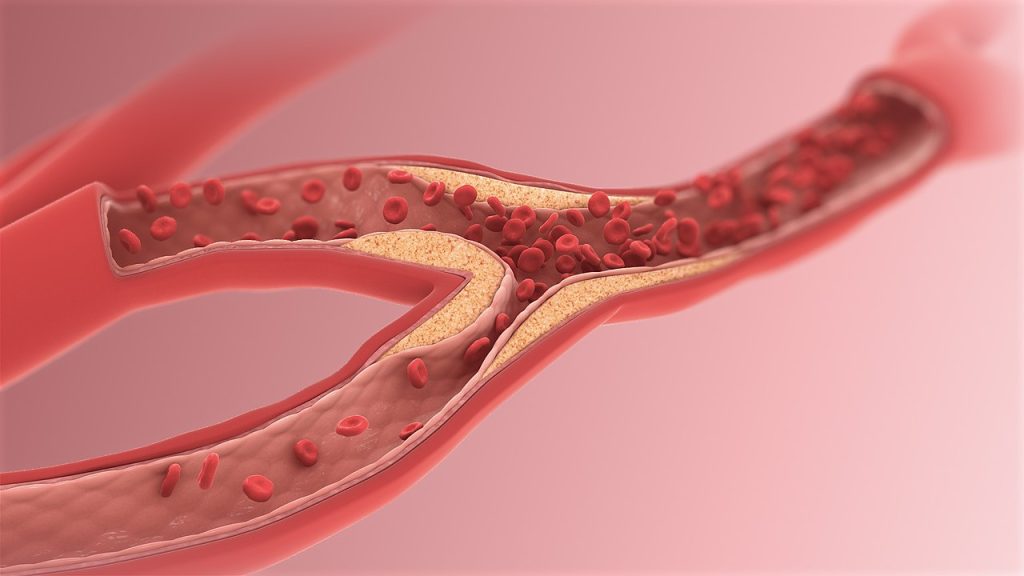
Link Between LDL-C and CVD not as Strong as Thought

Source: Wikimedia CC0

New research has shown that the link between low density lipoprotein cholesterol (LDL-C) and cardiovascular disease may not be as strong as previously thought.

The study, published in JAMA Internal Medicine, provides evidence that calls into question the efficacy of statins when prescribed with the goal of lowering LDL-C and consequently cardiovascular disease (CVD) risk.

Numerous prior studies have suggested that using statins to lower LDL-C positively affects cardiovascular health outcomes, findings which are reflected in the various iterations of expert guidelines for the prevention of CVD. Several large clinical trials have indicated that for every 1-mmol/l reduction in LDL-C levels there is a 23% reduction in CVD risk.

The new findings contradict this theory, finding that this relationship was weaker than previously thought. Lowering LDL-C with statins in fact was found to have an inconsistent and inconclusive impact on CVD outcomes such as myocardial infarction (MI), stoke, and all-cause mortality.

Additionally, it indicates that the overall benefit of taking statins may be small and will vary depending on an individual’s personal risk factors.

Commenting on the findings, the paper’s lead author Dr Paula Byrne said: “The message has long been that lowering your cholesterol will reduce your risk of heart disease, and that statins help to achieve this. However, our research indicates that, in reality, the benefits of taking statins are varied and can be quite modest.”

The researchers go on to suggest that this updated information should be communicated to patients through informed clinical decision-making and updated clinical guidelines and policy.

Source: RCSI University

Moderate Light Levels During Sleep Increases Insulin Resistance

Sleeping woman
Photo by Cottonbro on Pexels

Even exposure to moderate light levels during nighttime sleep, compared to sleeping in a dimly lit room, harms cardiovascular function during sleep and increases insulin resistance the following morning, according to a new study published in PNAS.

“The results from this study demonstrate that just a single night of exposure to moderate room lighting during sleep can impair glucose and cardiovascular regulation, which are risk factors for heart disease, diabetes and metabolic syndrome,” said senior study author Dr Phyllis Zee at Northwestern University. “It’s important for people to avoid or minimise the amount of light exposure during sleep.”

There is evidence that daytime light exposure increases heart rate via sympathetic nervous system activation, increasing heart rate and alertness to meet the day’s challenges.

“Our results indicate that a similar effect is also present when exposure to light occurs during nighttime sleep,” Dr Zee said.

“We showed your heart rate increases when you sleep in a moderately lit room,” said Dr Daniela Grimaldi, a co-first author and research assistant professor of neurology at Northwestern. “Even though you are asleep, your autonomic nervous system is activated. That’s bad. Usually, your heart rate together with other cardiovascular parameters are lower at night and higher during the day.”

The sympathetic and parasympathetic nervous systems regulate the body physiology during the day and night. Sympathetic takes charge during the day and parasympathetic is supposed to at night, when it conveys restoration to the entire body.

The researchers found signs of insulin resistance the morning after people slept in a light room. An earlier study examined a large population of healthy people who had exposure to light during sleep, and found they were more overweight and obese, Dr Zee said.

“Now we are showing a mechanism that might be fundamental to explain why this happens. We show it’s affecting your ability to regulate glucose,” Dr Zee said.

The study participants were unaware of the biological shift in their bodies at night.

“But the brain senses it,” A/Prof Grimaldi said. “It acts like the brain of somebody whose sleep is light and fragmented. The sleep physiology is not resting the way it’s supposed to.”

Night-time exposure to artificial light is widespread in the modern world, either from light-emitting devices indoors, or from outdoor sources such as street lights. Up to 40% of people sleep with a bedside lamp on or with a light on in the bedroom and/or keep the television on.

“In addition to sleep, nutrition and exercise, light exposure during the daytime is an important factor for health, but during the night we show that even modest intensity of light can impair measures of heart and endocrine health,” said co-first author Dr Ivy Mason.

The study tested the effect of sleeping with 100 lux (moderate light) compared to 3 lux (dim light) in participants over a single night. Moderate light exposure caused the body to go into sympathetic activation. In blood vessels, sympathetic activation constricts arteries and arterioles which increases vascular resistance and decreases distal blood flow. When this occurs throughout the body, the increased vascular resistance causes arterial pressure to increase.

“These findings are important particularly for those living in modern societies where exposure to indoor and outdoor nighttime light is increasingly widespread,” Dr Zee said.

Zee’s top tips for reducing light during sleep

1) Keep lights off. If a light is necessary (eg for older people’s safety), keep it dim and close to the floor.

2) Colour is important: amber or red/orange light stimulates the brain. Avoid white or blue light.

3) Blackout shades or eye masks are good if outdoor light can’t be controlled. Move your bed so the outdoor light isn’t shining on your face

As a rule of thumb, Dr Zee said that being able to see things really well means it’s too light.

Source: Northwestern University

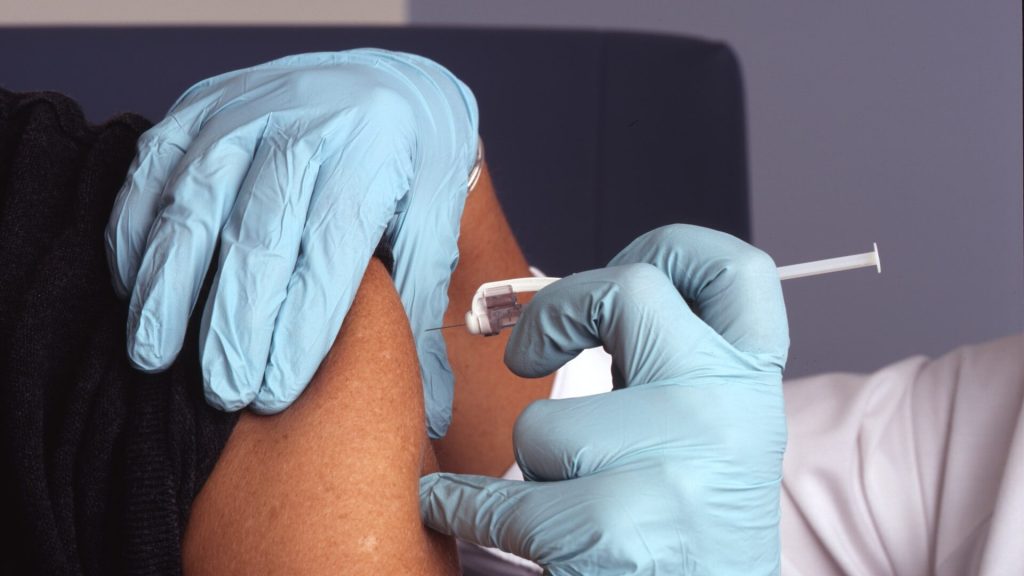
Boosting the BCG Vaccine by Blocking IL-10

Vaccine injection
Image source: NCI on Unsplash

Briefly blocking interleukin-10 (IL-10) when administering the BCG vaccine for tuberculosis vastly improves long-term protection in mice, researchers reported in the Journal of Immunology. The finding, if it continues to hold true in nonhuman primates and clinical trials, has the potential to save millions of lives.

“We are very excited that we can reverse BCG’s waning effectiveness by combining it with a host-directed therapy into one dose, which makes it very practical for the clinic,” said senior author Joanne Turner, PhD.

The study builds on research showing the effect of IL-10 on TB, which normally helps dampen excessive inflammation during infection, but Dr Turner’s previous work showed that IL-10 overall actually drives infection.

The researchers combined the BCG vaccine with an antibody that blocks IL-10 activity for about one week. Since the antibody targets the host, not the pathogen, that makes it a “host-directed therapy.” They gave the mixture to mice in one shot, waited six weeks to ensure the IL-10 blocker was no longer present and the BCG protection had been generated, and then exposed the mice to TB. Those mice controlled TB infection for nearly a year, which is significant for mice with normal lifespans of about two years. In contrast, mice given only the BCG vaccine lost control of TB infection within two months and had significant inflammation and damage in the lungs. Notably, the mice given the vaccine/IL-10 blocker had higher levels of various long-term memory immune cells, which are critical for ongoing TB control.

“This shows that the early development of an immune response is key for controlling TB infection in the long run, and that IL-10 inhibits the development of that long-term immunity,” Dr Turner said. “But by briefly blocking IL-10 at the same time as giving the vaccine, it allows the vaccine and immune system to do their jobs, creating those long-lasting memory immune cells.”

The researchers plan to move to nonhuman primates and then human clinical trials if those are successful. The team is optimistic, especially since the BCG vaccine is already in widespread use and the IL-10 blocker is being tested against other diseases.

Source: Texas Biomedical Research Institute

Life Insurance Premium Hike on the Cards for the Unvaccinated

Coffin in hearse at a funeral
Photo by adrianna geo on Unsplash

After a staggering increase of R24.9 billion in claims from COVID, South African life insurers are faced with little option but to implement a premium hike on policies for the unvaccinated. Death rates among unvaccinated people could remain elevated even as the pandemic eases, despite the lower severity of Omicron.

The Association for Savings and Investment SA (Asisa) provided death claims data from 1 April 2021 to 30 September 2021, a period which covered the third COVID wave (May to September). Compared to the same pre-pandemic period in 2019, there was a 53% surge in claims was reported, with a more than doubling of value of death claims. There were 565 522 claims, totalling R44.42 billion, compared to the pre-pandemic period’s 369 892 claims of R19.53 billion.

Though deaths were greatly reduced in the fourth wave, with Asisa acknowledging “anecdotal evidence” showing reduced severity from the Omicron variant, there was still “overwhelming evidence” that COVID mortality risks are far higher for the unvaccinated. Asisa’s data reflects that of the South African Medical Research Council (SAMRC), which shows a huge increase in the number of excess deaths over that period.

This information comes as the government debates easing lockdown measures even as various institutions warn of an impending fifth wave, which according to Absa bank could come as early as next month. However, Absa noted that its life claims were much reduced over the fourth wave as compared to the third, and therefore expects the fifth wave to be less severe.

Hennie de Villiers, the deputy chair of Asisa’s life and risk board committee, said that the importance of life insurance cover had been clearly demonstrated. “The reality is that most of us know at least one person who lost his or her life due to COVID. We also know of many more people who lost their income during the pandemic, highlighting the importance of having access to savings.”

He cautioned that, “While the death rate has been lower during the fourth wave than in previous waves due to vaccinations and the emergence of the Omicron variant, death claims rates have not yet returned to pre-pandemic levels. Also, less than 50% of our adult population has been vaccinated.

“There is overwhelming evidence that the risk of severe illness or death is significantly lower in those who are fully vaccinated.”

He added in a later statement that if the situation does not change and vaccinations are not embraced by the country, insurers may have “little choice but to adjust premiums in line with the higher risk presented by someone who is not vaccinated and therefore more likely to die from COVID”.

De Villiers said a “staggering” 1.59-million death claims were received in the 18 months from 1 April 2020 to 30 September, with life insurers paying out benefits of R92 billion.

Group life insurance premiums have already increased for the unvaccinated, De Villiers pointed out. Employers with mandatory vaccination policies are meanwhile benefitting from preferential rates.

When unvaccinated status is combined with age and comorbidities, premium increases, this resulted in premium increases of as much as 100% and in some cases coverage was even declined.

Source: Business Live

Platelets Get to Work Right Away on Wound Sites

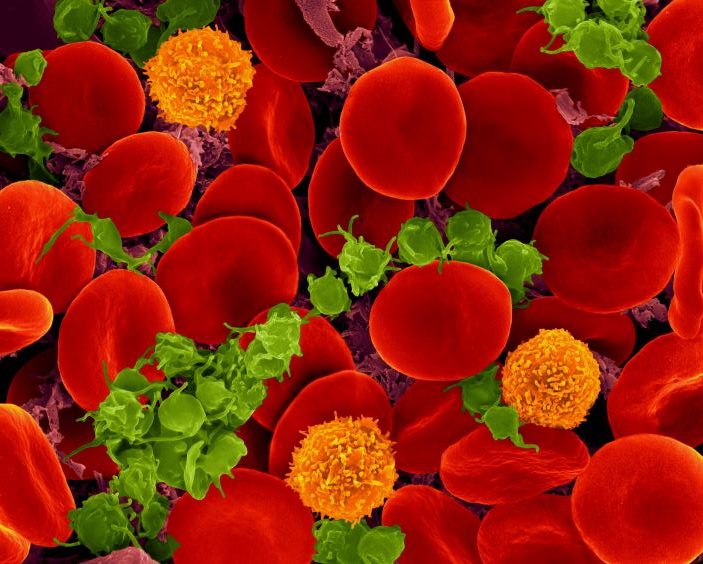
Scanning electron microscope image of red blood cells, platelets (green) and T cells (orange). . Image courtesy of Dennis Kunkel, Dennis Kunkel Microscopy, Inc. Part of the exhibit Life:Magnified by ASCB and NIGMS.

New research shows that platelets at a wound site can sense where they are within a blood clot they are and that they can remodel their surroundings accordingly.

Platelets are key to initiating wound healing and the formation of blood clots (thrombus). Fibroblasts are connective tissue cells that are essential for the later stages of wound healing. Fibroblasts invade the clot that has been formed and produce vital proteins, including fibronectin, that then form a structural framework to build the new tissue needed to heal.

This new study, published in Science Advances, indicates that platelets can also form a provisional fibronectin matrix in their surroundings, similar to what fibroblasts do in the later stages of wound healing. This has potential implications for how the integrity of blood clots might be maintained during vascular repair.

Commenting on the discovery, lead author Dr Ingmar Schoen said: “We have identified an additional unexpected role for the most prominent platelet adhesion receptor. Our results show that platelets not only form the clot but also can initiate its remodelling by erecting a fibrous scaffold. This finding challenges some existing paradigms in the field of wound healing, which is dominated by research on fibroblasts.”

The researchers made use of super-resolution microscopy, a powerful imaging technique which enables much finer resolution of structures inside or around cells in vitro. To develop this finding further, in vivo observation of this platelet behaviour will be necessary.

“Without super-resolution microscopy, this discovery would not have been possible,” Dr Schoen noted.

Source: RCSI University

Stem Cells Research Hints at Ways to Prevent Diabetic Retinopathy

Old man with magnifying glass
Image by Mar Lezhava on Unsplash

Researchers are investigating novel stem cell approaches that could lead to treatments for early retinal vascular dysfunction in diabetic patients, which could help prevent diabetic retinopathy.

Diabetic complications cause major metabolic disturbances that damage the cardiovascular, visual, peripheral nerve and renal systems through harming small and large microvessels that feed these tissues. New treatments are needed to treat the growing number of people who develop such retinal vascular dysfunction.

Research strategies include identifying and using new methods to differentiate or mature human induced pluripotent stem cells (hiPSCs) into the specific mesoderm subset of cells that display vascular reparative properties.

“Vascular diseases afflict hundreds of millions of people in the world,” said Chang-Hyun Gil, MS, PhD, a postdoctoral fellow in the Department of Surgery and co-first author of the study. “In this study, we focused on the retinal vessel in type 2 diabetes. Our results demonstrate the safe, efficient and robust derivation of hiPSC-derived specific mesoderm subset for use as a novel therapy to rescue ischemic tissues and repair blood vessels in individuals with vascular diseases. The results provide a foundation for an early phase clinical trial.”

In the study, published in Science Advances, investigators genetically reprogrammed diabetic and non-diabetic peripheral blood cells into hiPSCs and matured the cells into special blood vessel reparative cells. Upon injection into animal models with type 2 diabetic murine (T2D) retinal dysfunction, results showed significant improvement in visual acuity and electroretinograms with restoration of vascular perfusion. They hypothesised that hiPSC-derived vascular reparative cells could work as endothelial precursors that will display in vivo vessel reparative properties in these diabetic subjects.

“Unlike the use of embryonic stem cells (ESCs), genetically engineered hiPSCs do not carry the ethical challenges ESCs possess that limit their possible usage, and hiPSCs are being increasingly recognised as a viable alternative in study design and application as a cell therapy for human disorders,” Dr Gil said.

Researchers converted hiPSC into a specific mesoderm subset that was enriched to generate endothelial cells with vessel reparative properties similar to endothelial colony forming cells (ECFC).

Dr Gil said certain mesoderm subsets were better able to differentiate into ECFC and form functional blood vessels in vivo. and that mesoderm populations corrected vasodegeneration of injured retinal vessels. Tests showed enhanced function of neural retina and improved vision.

Source: Indiana University

Malaria’s Growing Resistance Requires New Insight

Mosquito, a malaria parasite vector
Photo by Егор Камелев on Unsplash

To deal with malaria’s growing resistance to existing drugs, researchers are exploring new areas of the deadly parasite’s life cycle. Research published in PLOS Pathogens has identified key processes the malaria parasite uses to remodel blood cells it hides inside.

Senior author Paul Gilson, an associate professor at Burney University, said the growing resistance to antimalarial medicines needs to be addressed soon to avoid serious treatment failures in the future.

“It’s only a matter of time before resistance becomes so bad that current measures perhaps become worthless,” he said.

“Current drugs tend to target very similar things. By discovering new targets and developing drugs to these, we can hopefully overcome resistance.

“Our research identifies processes in the parasites that are essential for its survival. And the more we understand about those processes, the better position we’re in to develop new treatments to block those processes.”

The research, A/Prof Gilson explains, looked into the nature of malaria parasites, particularly their need to renovate their host blood cells to grow rapidly and to escape the immune system.

The dynamic is analogous to an international arrivals terminal in need of better security.

“The renovations are carried out by special exported proteins made by the parasite that are only allowed to travel into the blood cell if they have the right passport,” he said.

“We used to think that gateways around the parasite called PTEX acted like immigration officers at the airport only allowing exported proteins with the right passports to pass through.

“What this study now shows is that the immigration officers appear to leave the airport and travel inside the parasites to check the exported protein passports not long after they are first made.

“The officers then pair up with their exported proteins and take them to the airport to let them go straight through into the blood cells.”

A/Prof Gilson said that hopefully, a greater understanding of the ways parasite proteins enter and modify blood cells could result in new drugs that block exported proteins from carrying out essential renovations to their blood cells.

The COVID pandemic has disrupted and set back malaria elimination programs in several countries, making the need for new drug developments to combat the disease all the more vital.

“Many countries only have very limited resources, and it’s estimated that there’s been quite a big increase in the number of malaria cases around the world because so much effort has been diverted to combat COVID,” he said.

Even though COVID has taken the global spotlight, A/Prof Gilson said that malaria is still a major issue. In 2020 there were an estimated 241 million cases of malaria worldwide, with an estimated 627 000 deaths, according to World Health Organization figures.

A/Prof Gilson said that over recent years significant inroads have been made in eliminating malaria, pointing out that annual death rates were in the millions at the start of the 21st century.

“We can’t let COVID undermine all the great work that’s been achieved over the years, as we aim to one day totally eliminate malaria.”

“Research into new drugs to combat malaria parasites, which are becoming resistant to existing drugs, is a crucial part of these efforts.”

Source: Burnet Institute