Year: 2021

Probe over Controversial Alzheimer’s Drug’s Approval
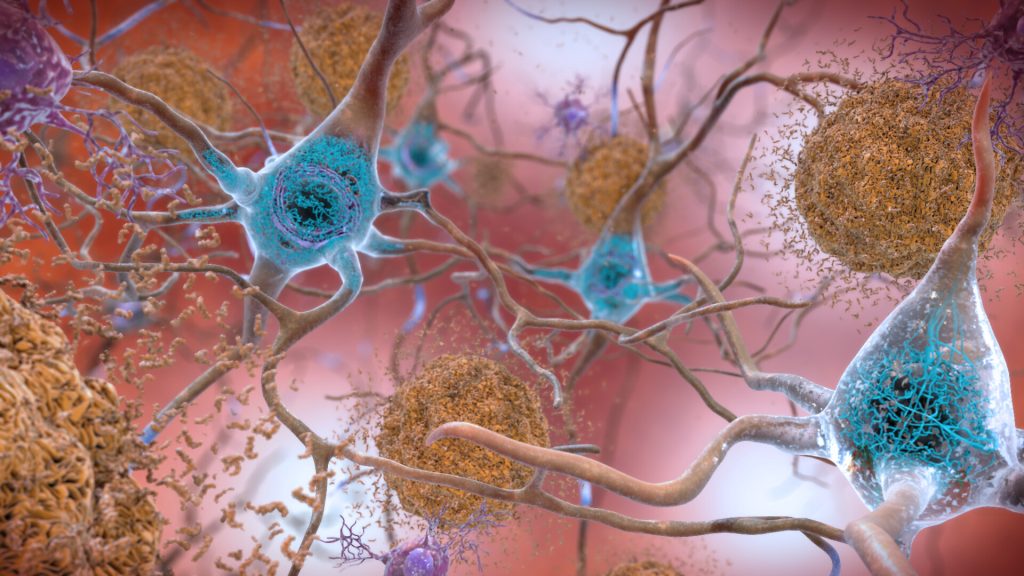
Amyloid plaques and neurons. Source: NIAH

The interim commissioner of the US Food and Drug Administration, Janet Woodcock, MD, last week requested the country’s Office of Inspector General to perform an independent investigation into the regulator’s decision to approve Biogen’s controversial Alzheimer’s drug Aduhelm.

Dr Woodcock noted in her letter that there “continues to be concerns raised” regarding the contact between FDA officials and Biogen ahead of the agency’s decision, “including some that may have occurred outside of the formal correspondence process.”

Dr Woodcock’s request comes after a bombshell report from Stat, which found that Biogen executives met with FDA officials, specifically Billy Dunn, MD, director of the FDA’s neuroscience unit, as early as 2019 to discuss a regulatory pathway for Aduhelm. The meetings took place even when it seemed there was no progress for the drug.

Earlier this week, a US House Representative, charged Biogen with “undue influence” over the FDA’s review process. Less than two weeks earlier, the House Committee on Oversight and Reform said it would conduct its own probe into the approval along with Biogen’s pricing strategies.

In the letter from Friday, Dr Woodcock said the agency would fully cooperate with the potential investigation to determine whether any of its interactions with Biogen were inconsistent with FDA policies and procedures.

“Given the ongoing interest and questions, today I requested that @OIGatHHS conduct an independent review and assessment of interactions between representatives of Biogen and FDA during the process that led to the approval of Aduhelm,” tweeted Dr Woodcock.

However, she maintained that she has “tremendous confidence” in the leadership at the FDA’s Center for Drug Evaluation and Research, which was involved in the review of Aduhelm.

“We believe this review and assessment will help ensure continued confidence in the integrity of FDA’s regulatory processes and decision-making,” Woodcock said in a tweet.

A spokesperson from Biogen told Fierce Pharma that the company would “of course” cooperate with “any inquiry in connection with a possible review of the regulatory process.”

The commissioner’s request is only the latest event in a bizarre and twisted story since the FDA’s Aduhelm approval just one month prior.

Facing fierce criticism of its wide-labelled approval, the FDA made the surprising move to narrow Aduhelm’s label last week Thursday, restricting the recommendation to just those with milder Alzheimer’s.

This comes after Biogen’s drug was essentially allowed access to the nation’s some 6 million Alzheimer’s patients. That decision was met with almost immediate pushback, as it was pointed out that the drug could overwhelm the payer budgets of most Alzheimer’s patients.

Source: Fierce Pharma
Positives as Well as Criticism for Ivermectin Review

Source: Pixabay CC0


An eagerly awaited review and meta-analysis on ivermectin for COVID has arrived, however while it seems positive there are many shortcomings and unanswered questions. 

The findings of the study, led by Andrew Hill, PhD, of the University of Liverpool, were published in Open Forum Infectious Diseases. The review and meta-analysis was conducted as part of the International Ivermectin Project Team from December 2020 to May 2021. Ivermectin proponents alleged that Dr Hill was conducting the analysis for the WHO, but MedPage Today was not able to make a confirmation of this. A separate review published on June 28 in the journal Clinical Infectious Diseases found no benefits for ivermectin use in COVID.

Dr Hill and colleagues assessed 24 randomised trials enrolling a total of 3328 patients that involved some type of control, whether it was standard of care or some other therapy. Sample sizes ranged from 24 to 400 participants. Of these, eight were published studies.

In the 11 trials with 2127 patients that focused on moderate or severe infection, a 56% reduction in mortality was seen (P=0.004), with 3% of patients on ivermectin dying compared with 9% of controls.

However, the researchers noted that the total number of deaths was small (128) and in the subgroup with severe disease, there was no difference between ivermectin and controls. As for moderate disease, they reported a 70% improvement in survival with ivermectin (P=0.0004).
Compared with controls, ivermectin use was also associated with a reduction in time to recovery of 1.58 days (P=0.01) and with a shorter duration of hospitalisation of 4.27 days (P=0.05).

However, the drug was not associated with a lower risk of hospitalisation, though a sensitivity analysis that included any hospitalizations within 12 hours of taking the drug did show a reduction with ivermectin (RR 0.32, 95% CI 0.13-0.80, P=0.01).

A key limitation was the lack of peer review for many studies included in the analysis; there was also wide variation in terms of dosage, treatment duration, and inclusion criteria. There were also many different comparators, including hydroxychloroquine, lopinavir/ritonavir, standard of care, and placebo.

The authors concluded that their results “need to be validated in larger confirmatory trials”. David Boulware, MD, MPH, of the University of Minnesota, agreed with this. Dr Boulware has been interested in evaluating ivermectin for COVID outpatients, agreed with. On Twitter, he noted that no mention was made of whether patients used steroids, which could seriously confound results.

Only two of seven trials showed a reduction in symptom duration in outpatient trials. No analysis was done to see if early treatment cut hospitalisation risk.

He tweeted that there was a need for phase III randomised clinical trials “in order to delineate what is the clinical benefit of early treatment”, such as quicker resolution and fewer symptoms. He would have also liked to see more distinction between outpatient and in-hospital therapy.

“Of course, rolling out vaccination as quickly and widespread as possible would negate the need to use ivermectin as a treatment,” he added. “So big picture, vaccines are the better solution.”

There are multiple ongoing phase III randomised controlled trials “which will provide definitive results,” Boulware noted. These include the UK-based PRINCIPLE outpatient trial which has a target of 1500 patients for its ivermectin arm.

Source: MedPage Today

Carbon Fibre Electrodes Allow Unprecedented Neural Recording

Image by Robina Weemeijer on Unsplash

A tiny, implantable carbon fibre electrode has the potential to provide a long-term brain-computer interface which can record electrical signals over lengthy periods of time.

The carbon fibre electrodes were developed at the University of Michigan and demonstrated in rats. The new research shows the promise of carbon fibre electrodes in recording electrical signals from the brain without damaging brain tissue. Directly implanting carbon fiber electrodes into the brain allows the capturing of bigger and more specific signals than current technologies.

This technology could lead to advances that could give amputees and those with spinal injuries control of advanced prosthetics, stimulate the sacral nerve to restore bladder control, stimulate the cervical vagus nerve to treat epilepsy and provide deep brain stimulation as a possible treatment for Parkinson’s.  

“There are interfaces out there that can be implanted directly into the brain but, for a variety of reasons, they only last from months to a few years,” said Elissa Welle, a recent PhD graduate from the U-M Department of Biomedical Engineering. “Any time you’re opening up the skull for a procedure involving the brain, it’s a big deal.”

Brain implants are typically made from silicon due to its ability to conduct electricity and its historic use in cleanroom technology. But silicon is not very biocompatible and leads to the formulation of scar tissue over long periods. Such electodes will eventually degrade and no longer capture brain signals, requiring removal.

Carbon fibres may be the answer to getting high-quality signals with an interface that lasts years, not months. And by laser cutting and sharpening carbon fibers into tiny, subcellular electrodes in the lab with the help of a small blowtorch, U-M engineers have harnessed the potential for excellent signal capture in a form the body is more likely to accept.

“After implantation, it sits inside the brain in a way that does not interfere with the surrounding blood vessels, because it’s smaller than those blood vessels,” Welle said. “They’ll move around and adjust to an object that small, rather than get torn as they would when encountering larger implants.”

Part of the electrode’s compatibility in brain tissue is down to smaller size, but its needle-like shape may also minimise compacting of any surrounding tissue. Larger carbon-based electrodes have been shown to actually encourage neural tissue to grow instead of degrading. The team is hopeful that similar potential for their carbon fibre electrodes will be revealed by further testing.

Carbon fibre electrodes in a previous study dramatically outperformed conventional silicon electrodes with 34% of electrodes recording a neuron signal compared to 3%. Laser cutting then improved this number to 71% at 9 weeks after implantation. Flame sharpening has now enabled these high performance probes to be implanted directly into the cerebral cortex, negating the need for a temporary insertion aid, or shuttle, as well as into the rat’s cervical vagus nerve.

It is relatively easy to insert electrodes into the brain. But the researchers have also taken on the more difficult task of inserting the sharpened carbon fibre electrodes into nerves, with micrometre diameters.

Those findings show that potential for these electrodes goes beyond prosthetic manipulation, according to Cindy Chestek, a U-M associate professor of biomedical engineering, and principal investigator of the The Cortical Neural Prosthetics Lab.

“Someone who is paralysed may have no control over things like their bladder, for example,” Prof Chestek said. “We may be able to utilise these smaller electrodes to stimulate and record signals from areas that can’t be reached by larger ones, maybe the neck or spinal cord, to help give patients some level of control.”

Source: University of Michigan

Kids Cunningly Spoof COVID Tests to Skip School

Photo by Greenvalley Pictures on Unsplash

School children in the UK have found an ingenious way to get out of school — by deliberately compromising COVID tests using soft drinks or fruit juice to produce false positives.

Children returned to in-person learning in March in the UK, with regular COVID testing to monitor for infection and infected students being sent home. 

However, after three months of regular testing, a school in Merseyside had reports of students who had found that either drinking fruit-flavored juice or misusing them as an analyte had the potential to provide a false-positive result.  

The trick involves “spoofing” a lateral flow device (LFD) which is designed to detect COVID antibodies.

LFDs come in the form of cartridges containing a nitrocellulose membrane strip and absorbent paper with dried test reagents affixed, which include antibodies labelled with gold particles for visibility. When these reagents are mixed with the analyte from a test sample, they migrate through the nitrocellulose strip and over the test (T) line where the SARS-CoV-2 monoclonal antibody is located.

A key part of the trick is not mixing the sample fluid with the buffer, BBC’s Mark Lorch found.

The liquid buffer solution maintains an ideal pH for the antibodies, and is key to the correct function of the test. The critical role of the buffer is highlighted by if cola is mixed with the buffer, then the LFDs behave correctly, returning a negative result for COVID.

Without the buffer, the antibodies in the test are fully exposed to the acidic pH of the beverages. And this has a dramatic effect on their structure and function. Proteins such as antibodies fold up into very specific structures, and even a small change to the chains can dramatically impact a protein’s function. Changing the pH could cause the antibodies used in the test to no longer function correctly and incorrectly binding. By diluting the drink

In a study made available on the medRxiv preprint server, researchers tested the ability of various types of soft drinks to produce false positive results. They found that the presence of sugar and acidity was necessary to produce the false positives. The researchers also recommended 

Source: BBC News

Listening to Vocal Music Aids in Stroke Patient Rehabilitation

Photo by Adrian Korte on Unsplash

Research has shown that listening to music with singing daily aids language recovery in stroke patients. However, the neural mechanisms behind the phenomenon have remained unknown thus far.

Researchers at the University of Helsinki and the Turku University Hospital Neurocentre compared the effect of listening to vocal music, instrumental music and audiobooks on the structural and functional recovery of the language network of patients who had suffered an acute stroke. The study also investigated the links between such changes and language recovery during a three-month follow-up period.

The results showed that listening to vocal music improved the recovery of the structural connectivity of the language network in the left frontal lobe compared to listening to audiobooks. These structural changes correlated with the recovery of language skills.

“For the first time, we were able to demonstrate that the positive effects of vocal music are related to the structural and functional plasticity of the language network. This expands our understanding of the mechanisms of action of music-based neurological rehabilitation methods,” said Postdoctoral Researcher Aleksi Sihvonen.

Aphasia, a language impairment resulting from a stroke, is a source of considerable suffering for patients and their families. Current therapies aid the rehabilitation of language impairments, but the results are variable and the necessary rehabilitation is often not sufficiently available and early enough.

“Listening to vocal music can be considered a measure that enhances conventional forms of rehabilitation in healthcare. Such activity can be easily, safely and efficiently arranged even in the early stages of rehabilitation,” Sihvonen said.

According to Sihvonen, listening to music could inexpensively boost normal rehabilitation, or be an option for rehabilitating patients with mild speech disorders when other rehabilitation options are scarce.

After a disturbance of the cerebral circulation, the brain needs stimulation to make as good a recovery as possible. Conventional rehabilitation methods aim to provide this as well.

“Unfortunately, a lot of the time spent in hospital is not stimulating. At these times, listening to music could serve as an additional and sensible rehabilitation measure that can have a positive effect on recovery, improving the prognosis,” Sihvonen added.

Source: University of Helsinki

Journal information: Sihvonen, A.J., et al. (2021) Vocal Music Listening Enhances Poststroke Language Network Reorganization. eNeurodoi.org/10.1523/ENEURO.0158-21.2021.

Social Media Breaks Don’t Relieve Boredom or Stress

Photo by Tracy le Blanc from Pexels

A team of researchers has found that workers using their smartphone to take short breaks do not find reductions in boredom or fatigue. 

Smartphones have had an inescapable impact on society, and allow users to engage with a variety of apps. Anecdotal evidence also suggests that people use their phones in other ways as well, such as to alleviate boredom or to reduce stress. The researchers noted that many people use their smartphones to take short breaks from their work—and they wondered if doing so actually helped with boredom or reduced stress.

To find out, researchers at Radboud University’s Behavioural Science Institute in The Netherlands recruited 83 PhD candidates, each of whom were asked to report their level of boredom and fatigue every hour while they were working. They also received a smartphone app that logged its usage.

In comparing phone usage with self-reported levels of boredom and fatigue, the researchers were able to track the volunteers’ use of their phones to deal with boredom or fatigue. They found that not only did using their phones in such a manner not alleviate boredom or fatigue, in many cases it in fact made things worse. Volunteers who described themselves as more bored or more fatigued than others in the study did not take longer smartphone breaks than those feeling less bored or fatigued.

The researchers acknowledged that their study was small but their results suggest that workers might consider fatigue or boredom reducing alternatives. They noted also that some prior research has shown that boredom can sometimes be alleviated by engaging in activities that bring some degree of joy. They suggest that rather than mindlessly scrolling, they find ways to use their phones to bring them joy, such as by looking at pictures of loved ones.

Source: Medical Xpress

Journal information: Jonas Dora et al, Fatigue, boredom and objectively measured smartphone use at work, Royal Society Open Science (2021). DOI: 10.1098/rsos.201915

Lower COVID Risk in Men Physically Fit When Young

Many Swedish men who were physically fit when they did their military service were able to avoid being hospitalised when they became infected with COVID up to 50 years later. 

The results of the study by University of Gothenburg researchers are now available in the BMJ Open.

Sweden has a system of military conscription for its citizens, which it reinstated in 2017 and expanded to include women. The study drew on the Swedish Conscription Register, which contains data on over 1.5 million young Swedish men who began their military service in the years 1969–2005. Nearly all of these men then underwent both a bicycle test and a strength test. In spring 2020, some 2500 of the men included in the Conscription Register were hospitalised with COVID.

The men were divided into three groups based on their results in the fitness and strength tests, and their data were merged with three other Swedish registers: the National Inpatient Register (IPR, also known as the Hospital Discharge Register), Intensive Care Register, and Cause of Death Register. Analysis showed a clear link between fitness and strength in youth and the risk COVID hospitalisation 15–50 years after conscription.

Lead author Agnes af Geijerstam, PhD Student, University of Gothenburg’s Sahlgrenska Academy said, “At the population level, we can see that both good fitness and good muscle strength in the late teens are protective factors for severe COVID. For those with good fitness at the time of conscription, the risk of dying in spring 2020 was half as high as for the least fit. For those whose strength was good back then, too, we see a similar protective effect.”

However, since the oldest men in the study had not reached age 70, COVID deaths were uncommon in the study.

“Previous studies have shown that obesity is a risk factor for severe COVID. But we see that good fitness and strength are protective factors for everyone, including men with overweight or obesity,” said Professor Lauren Lissner, senior coauthor of the study.

Moreover, the study showed a link between the men’s height to the risk of COVID-19 infection.

“The taller the men were, the greater their risk of needing advanced care when they had gotten COVID; but per centimeter this increase in risk is very small. Also, unlike fitness and strength, there is no way to influence our height” af Geijerstam says.

Many studies have already demonstrated the protective effect of good physical fitness in numerous medical conditions, including infections. It has been established that physical activity strengthens the immune system and reduces inflammation propensity. Fitness during adolescence is also likely to be associated with active and otherwise healthy lifestyles throughout adult life.

“It’s interesting to see that the high fitness and strength levels those men had so many years ago can be linked to protection against severe COVID. Today, young people are becoming ever more sedentary, and that means there’s a risk of major problems arising in the long term — including a reduced resistance to future viral pandemics. Children and adolescents must get ample scope to move around,” af Geijerstam said.

Source: University of Gothenburg

Journal information: af Geijerstam, A., et al. (2021) Fitness, strength and severity of COVID-19: a prospective register study of 1 559 187 Swedish conscripts. BMJ Open. doi.org/10.1136/bmjopen-2021-051316.

As Gauteng Weathers Third Wave, Western Cape Readies its Defences

Image by Quicknews

While COVID infection rates in Gauteng remain high, Western Cape is now firmly in a third wave, with an average of 1969 new cases a day. The healthcare system there has been monitoring the situation and preparing for the expected surge in cases.

“We are in a steep third wave, driven by the Delta variant and urge everyone to adhere strictly to protective behaviours, as a key drive to contain it. We anticipate that the third wave could be as high as the second wave. We await revised modelling from the SACMC to re-calibrate our response,” said head of health Dr Keith Cloete. Data on cases, healthcare capacity and details of the Western Cape’s responses were made available on the SA Coronavirus Portal.

In the Western Cape, the reproductive number has been over one for the past two months and is currently sitting at approximately 1.2, meaning an acceleration of new cases. The test positivity rate is at about 32%.

The public and private sector are using around two-thirds of the oxygen production capacity of Afrox’s plant. The level 4 restrictions with their accompanying alcohol ban saw a significant drop in week-on-week trauma presentations (~25%) and weekend trauma burden (~33% drop). This comes even with the context typical end of month increase as well as expected remaining alcohol stock, demonstrating the ban’s effectiveness.

The modelling referred to by Dr Cloete currently shows a high of ~500 daily admissions by 17 July, however an updated model is awaited. Public sector COVID bed capacity is being increased by converting beds and opening field hospitals, with a planned capacity of 2300 beds.

About 48.5% and 10.4% of the Western Cape population aged 60+ and 50-59 respectively have been vaccinated so far. Meanwhile, in a media briefing on Friday, Acting Health Minister Mmamoloko Kubayi-Ngubane announced that COVID vaccine registration for South Africans between the ages of 35-49 will open on July 15, with vaccinations for this age group planned to commence on August 1.

Muscle Relaxants Largely Ineffective for Low Back Pain, Study Finds

Photo by Sasun Bughdaryan on Unsplash

Though muscle relaxant drugs are largely widely prescribed to treat low back pain, they are largely ineffective, suggests an analysis of the latest evidence published by The BMJ.

While the evidence shows that muscle relaxants might reduce pain in the short term, the effect is too small to be considered clinically meaningful, and there is an increased risk of side effects.

However, the researchers stressed that the certainty of evidence is low, necessitating large trials to resolve uncertainties around the use of these drugs for back pain.

Low back pain is a global public health problem and muscle relaxants (a broad class of drugs that include non-benzodiazepine antispasmodics and antispastics) are a commonly prescribed treatment. Prescriptions in England last year exceeded 1.3 million, and in the US more than 30 million. Yet clinical practice guidelines around the world provide conflicting recommendations for their use.

To cast light on the matter, researchers in Australia investigated the effectiveness, acceptability, and safety of muscle relaxants compared with placebo, usual care, or no treatment in adults with non-specific low back pain.

The team analysed 31 randomised controlled trials involving over 6500 participants. Though the trials were of varying quality, the researchers were able to assess the certainty of evidence using the recognised GRADE system.

They set a difference of at least 10 points on a 0 to 100 point scale for pain and disability to be the smallest clinically important effect, which is a threshold used in other low back pain studies.

Very low certainty evidence showed that, compared with controls, non-benzodiazepine antispasmodic drugs might reduce pain intensity at two weeks or less for patients with acute low back pain. However, the effect is less than 8 points on a 0-100 point scale, therefore not meeting common thresholds to be clinically meaningful.

Little to no effect of non-benzodiazepine antispasmodics on pain intensity was seen at 3-13 weeks or on disability. Additionally, low and very low certainty evidence also showed that non-benzodiazepine antispasmodics might increase the risk of adverse events (typically, dizziness, drowsiness, headache and nausea) and might have little to no effect on treatment discontinuation compared with controls. The effect of muscle relaxants on long term outcomes was not evaluated in any of the trials.

The researchers acknowledged some limitations of the analysis, despite its using the best available evidence, and noted that some, but not all, individuals could gain a worthwhile benefit due to the modest overall effect. The low to very low certainty of evidence does not allow any firm recommendations, they cautioned.

Source: News-Medical.Net

Journal information: Cashin, A.G., et al. (2021) Efficacy, acceptability, and safety of muscle relaxants for adults with non-specific low back pain: systematic review and meta-analysis. BMJdoi.org/10.1136/bmj.n1446.

Meat Substitutes Don’t Offer the Same Nutrition as Meat

Photo by Ilya Mashkov on Unsplash

A study comparing meat and plant-based burger patties has found significant differences in nutritional content.  

As plant-based foods have improved in quality and availability, some have achieved a taste and texture remarkably similar to real beef, and they may even seem nutritionally equivalent in terms of items such as vitamins, fats and protein, based on their nutritional information labels.

But a Duke University research team’s deeper examination of the nutritional content of plant-based meat alternatives, using an analysis known as ‘metabolomics,’ shows they’re still quite different.  

Manufacturers of meat substitutes have gone to great trouble to make their plant-based products as meaty as possible, such as adding leghemoglobin, a plant-derived iron-carrying molecule to simulate bloodiness. Indigestible fibres like methyl cellulose thicken the texture of the meat substitutes. And to bring the plant-based meat alternatives up to the protein levels of meat, they use isolated plant proteins. Some meat-substitutes also add vitamin B12 and zinc to further replicate meat’s nutrition.

However, many other components of nutrition do not appear on the labels, and that’s where the products differ widely from meat, according to the study, which appears this week in Scientific Reports.

The metabolites that the scientists measured are building blocks of the body’s biochemistry, crucial to the conversion of energy, signaling between cells, building structures and tearing them down, and a host of other functions. There are expected to be more than 100 000 of these molecules in biology and about half of the metabolites circulating in human blood are estimated to be derived from our diets.

“To consumers reading nutritional labels, they may appear nutritionally interchangeable,” said Stephan van Vliet, a postdoctoral researcher at the Duke Molecular Physiology Institute who led the research. “But if you peek behind the curtain using metabolomics and look at expanded nutritional profiles, we found that there are large differences between meat and a plant-based meat alternative.”

The researchers compared 18 samples of a popular plant-based meat alternative to 18 grass-fed ground beef samples from a ranch in Idaho. The analysis of 36 carefully cooked patties found that 171 out of the 190 metabolites they measured varied between beef and the plant-based meat substitute.

The beef contained 22 metabolites that the plant substitute did not, while the plant-based substitute contained 31 metabolites that meat did not. The greatest distinctions occurred in amino acids, dipeptides, vitamins, phenols, and types of saturated and unsaturated fatty acids found in these products.

A number of important metabolites were found only in beef, or in greater quantities, including creatine, spermine, anserine, cysteamine, glucosamine, squalene, and the omega-3 fatty acid DHA. “These nutrients have potentially important physiological, anti-inflammatory, and or immunomodulatory roles,” the authors wrote in the paper.

“These nutrients are important for our brain and other organs including our muscles” van Vliet said. “But some people on vegan diets (no animal products), can live healthy lives – that’s very clear.” Besides, the plant-based meat alternative contained several beneficial metabolites not found in beef such as phytosterols and phenols.

“It is important for consumers to understand that these products should not be viewed as nutritionally interchangeable, but that’s not to say that one is better than the other,” said van Vliet, who eats a plant-heavy diet which still includes meat. “Plant and animal foods can be complementary, because they provide different nutrients.”

More research is needed, he said, to determine whether the presence or absence of particular metabolites in meat and plant-based meat alternatives have any short- or long-term effects.

No funding was received to perform this work.

Source:  Duke University School of Nursing