In a first, researchers have hit upon a combo of two existing medications to reduce the severity of sleep apnoea in people by at least 30 percent.
Millions of people around the world are affected by sleep apnoea, a condition where the upper airway from the back of the nose to the throat closes repetitively during sleep, restricting oxygen intake and causing people to wake as often as 100 times or more per hour.
Those with untreated sleep apnoea have a higher risk of developing cardiovascular disease, dementia and depression, and are two to four times more likely to crash a car than the general population. There are no approved drug therapies to treat the condition despite nearly three decades of research, and until now, the main therapy for sleep apnoea involves wearing a mask to bed, or Continuous Positive Airway Pressure Therapy (CPAP). However, many people find it uncomfortable and half the people that try it find it hard to tolerate. Second line therapies, such as mouthguards fitted by dentists, can be unpredictable and expensive.
Prior studies had shown that two classes of medication, reboxetine and butylbromide, were able to keep muscles active during sleep in people without sleep apnoea, and assist breathing ability.
Researchers used a multitude of recording instruments to measure whether reboxetine and butylbromide could successfully target the main causes of sleep apnoea.
This included balancing the electrical activity of muscles around the airway, preventing the throat from collapsing during sleep, and improving the regulation of carbon dioxide and breathing.
Results from the study, published in the Journal of Physiology, showed these medications did in fact increase the muscle activity around participants’ airways, with the drugs reducing the severity of participants’ sleep apnoea by up to one third.
Almost everyone studied had some improvement in sleep apnoea. People’s oxygen intake improved, their number of breathing stoppages was a third or more less. These new findings allow researchers to further refine these types of medications so that they have even greater benefit than what has currently been found.
Senior author Professor Danny Eckert, Director of Adelaide Institute for Sleep Health at Flinders University commented: “We were thrilled because the current treatment options for people with sleep apnoea are limited and can be a painful journey for many.
“Next, we will look at the effects of these and similar medications over the longer term. We will assess whether we can harness the benefits of one drug without needing to use them both.
“Equally, we will test whether these treatments can be combined with other existing medications to see if we can improve their efficacy even more,” he says.
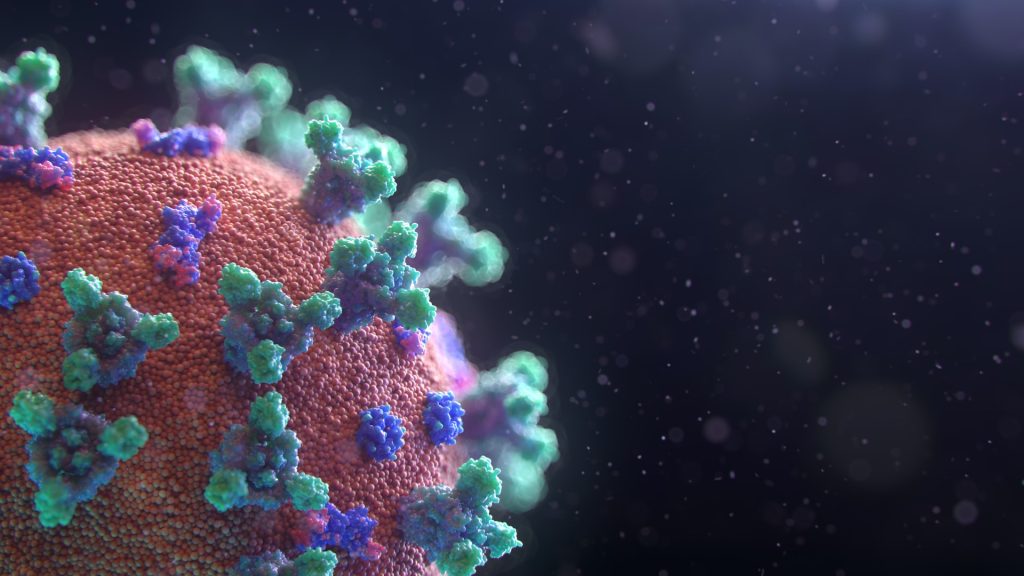
SARS-CoV-2 virus. Source: Fusion Medical Animation on Unsplash
For most of 2020, the notion that SARS-CoV-2 may have originated in a lab in Wuhan, China, was regarded as a debunked conspiracy theory, only embraced by some conservative media supportive of President Donald Trump. But in early 2021 that all changed, and today most outlets across the political spectrum agree that the ‘lab leak’ scenario deserves serious investigation.
An investigation by The BMJ uncovered a concerted campaign by researchers with funding on pandemic-potential virus research to label ‘lab leak’ scenarios as a conspiracy, effectively stifling journalism and investigation into the topic for over a year. One of the leaders of this was Peter Daszak, president of EcoHealth Alliance, a non-profit organisation which received millions in grants for pandemic preparedness research. EcoHealth Alliance subsequently subcontracted work out to the Wuhan laboratories.
Almost from the outset of the pandemic, a February 2020 statement in the Lancet coauthored by Daszak effectively ended the debate. “We stand together to strongly condemn conspiracy theories suggesting that covid-19 does not have a natural origin.”
“It’s become a label you pin on something you don’t agree with,” said Nicholas Wade, a science writer who has worked at Nature, Science, and the New York Times. “It’s ridiculous, because the lab escape scenario invokes an accident, which is the opposite of a conspiracy.”
But hostility to the scenario continued to grow. Filippa Lentzos, codirector of the Centre for Science and Security Studies at King’s College, London, told the Wall Street Journal, “Some of the scientists in this area very quickly closed ranks.” She added, “There were people that did not talk about this, because they feared for their careers. They feared for their grants.”
Daszak wrote an essay for the Guardian in June 2020 attacking the former head of MI6 for saying that the pandemic could have “started as an accident,” and continued to receive support from coauthors of the letter. But Daszak’s role in drawing up the statement in the Lancet was revealed in November 2020 in emails obtained through freedom of information requests.
“Please note that this statement will not have EcoHealth Alliance logo on it and will not be identifiable as coming from any one organization or person,” wrote Daszak in a February email, while sending around a draft of the statement for signatories. He also considered omitting his name from the statement to reduce potential negative exposure. A number of the 27 co-signatories omitted reporting their ties to EcoHealth Alliance.
Richard Ebright, professor of molecular biology at Rutgers University in New Jersey and a biosafety expert, considered scientific journal to be complicit in helping to clamp down on talk of a lab leak. “That means Nature, Science, and the Lancet,” he said. Along with dozens of other academics, he has been pushing back against the conspiracy theory labelling of the lab leak scenario.
“It’s very clear at this time that the term ‘conspiracy theory’ is a useful term for defaming an idea you disagree with,” said Ebright, referring to journalists and scientists making use of the term to attack others. “They have been successful until recently in selling that narrative to many in the media.”
Daszak enjoyed more support after then-President Trump cancelled EcoHealth Alliance’s National Institutes of Health funding, and the lab leak scenario remained buried for most of the year. It only resurfaced when a January 2021 New York magazine published an article detailing a possible lab leak scenario, in the face of stiff criticism. The tide began to turn when the World Health Organization investigation (which included Daszak) produced a report which attracted criticism for effectively ruling out the lab leak scenario in the face of almost a complete lack of evidence, such only being allowed a few hours’ worth of supervised access to the Wuhan labs. When Donald Trump lost the Presidential office, the criticism suddenly lost its greatest means for shutting down challenges — its mere association with its most widely-known and disliked proponent.
Citing an intelligence report, the Wall Street Journal, recently reported that three Wuhan Institute of Virology researchers were admitted to hospital in November 2019. When President Joe Biden ordered an investigation into the scenario, it marked a slow turn-around in media coverage. Many outlets started backtracking their previously publicised viewpoints or adding qualifying statements, justifying them as simply a matter of tracking a “scientific consensus” which, they say, has now changed. Vox posted an erratum noting, “Since this piece was originally published in March 2020, scientific consensus has shifted.”
In recent weeks, a number of high profile scientists who once denigrated the idea that the virus could have come from a lab have made small steps into demanding an open investigation of the pandemic’s origin.
In a recent interview, NIH director Francis Collins said, “The Chinese government should be on notice that we have to have answers to questions that have not been answered about those people who got sick in November who worked in the lab and about those lab notebooks that have not been examined.” He added, “If they really want to be exonerated from this claim of culpability, then they have got to be transparent.”
It is worth noting that searches with phrases like “conspiracy theory”, “lab leak” and “Wuhan” do not turn up any relevant hits on The BMJ website, other than articles published this year which discuss the lab leak scenario seriously and credibly, or an article which discusses the more outlandish viral disinformation typical of the COVID pandemic typically seen in social media. Nor are there any articles with “Daszak” as an author.
SARS-CoV-2 viruses (yellow) on an infected cell. Source: NIAID
Researchers studying COVID patients have uncovered a metabolic pathway linked to immune responses only in male patients, a group known to be more likely to suffer severe cases and die of the disease.
Male COVID patients were more likely than female patients or healthy control subjects to have elevated levels of kynurenic acid, a product of amino acid metabolism, according to the study. High levels of kynurenic acid have been linked to several diseases, such as schizophrenia and HIV-related diseases.
They found that male patients with severe COVID cases were also more likely to have a high ratio of kynurenic acid to kynurenine, a byproduct of the amino acid L-tryptophan which is used to create the nutrient niacin.
“We know that men are at higher risk than women of contracting severe cases of COVID and that sex differences in the body’s immune responses present a compelling explanation for this phenomenon,” said Caroline Johnson, an assistant professor of epidemiology at Yale School of Public Health and senior author of the study. “We also know that immune responses are regulated in part by metabolites, and so these new findings offer a key window into the mechanisms underlying how this disease affects female and male patients differently.”
The team studied blood samples drawn from 22 female and 17 male patients at Yale New Haven Hospital after confirmation of COVID infection. They then compared these samples with samples from 20 uninfected health care workers.
The researchers positively identified 75 metabolites, which are molecular products of digestion and cellular processes. After adjusting for age, body-mass index, sex, and other factors, the researchers identified 17 metabolites that were associated with COVID infection. Further analysis showed the strong relationship between high levels of kynurenic acid as well as high ratios of kynurenic acid to kynurenine in the male immune response and worse patient outcomes.
“Such sex-specific pathways provide major clues about how this disease infects and sickens individuals,” Prof Johnson said. “We can use this knowledge to create more effective treatments for this terrible disease and similar diseases.”
In a new study, researchers have shown that a single dose of psilocybin, a psychedelic compound with potential applications for depression, prompted long-lasting increase in connections between neurons in mice.
For some people, psilocybin, an active compound in ‘magic mushrooms’, can produce a profound mystical experience. The psychedelic was a staple of religious ceremonies among indigenous populations of the Americas and is also a popular recreational drug. It has been the subject of some interest in treating depression. But exactly how it works in the brain and how long beneficial results might last is still unclear. “We not only saw a 10% increase in the number of neuronal connections, but also they were on average about 10% larger, so the connections were stronger as well,” reported senior author Alex Kwan, associate professor of psychiatry and of neuroscience at Yale.
Earlier work had found promising evidence that psilocybin, as well as the anaesthetic ketamine, could decrease depression. This new study found that these compounds increase the density of dendritic spines, which are small protrusions found on nerve cells which aid in the transmission of information between neurons. The number of these neuronal connections are known to be reduced by chronic stress and depression.
Prof Kwan and first author Ling-Xiao Shao, a postdoctoral associate, imaged dendritic spines in high resolution with a laser-scanning microscope, and tracked them for multiple days in living mice. They found increases in the number of dendritic spines and in their size within 24 hours of administration of psilocybin. These changes were still evident a month later. Also, mice subjected to stress showed behavioural improvements and increased neurotransmitter activity after being given psilocybin.
It may be the novel psychological effects of psilocybin itself that spurs the growth of neuronal connections, Kwan said.
“It was a real surprise to see such enduring changes from just one dose of psilocybin,” he said. “These new connections may be the structural changes the brain uses to store new experiences.”
Patients with a wide range of cancers who take aspirin as part of their treatment could have their risk of death decrease by 20%, according to a major review of existing research.
Researchers at Cardiff University carried out a huge systematic review of 118 published observational studies in patients with 18 different cancers. Pooling the results, 250 000 patients with cancer who reported taking aspirin, which was associated with a reduction of about 20% in cancer deaths.
The review said the available body of evidence regarding its efficacy and safety “justifies its use” as a supplementary treatment in a wide range of cancers—and that patients should be made aware of this.
Lead author Professor Peter Elwood, Honorary Professor at Cardiff University who has studied the effects of aspirin for over five decades, said: “In recent years, my research team and I have been struck by the actions of aspirin on the biological mechanisms relevant to cancer—and these seem to be the same in many different cancers.
“We therefore wanted to review the scientific evidence available on the use of aspirin as an additional treatment for a wide range of cancers.
“Overall, we found that at any time after a diagnosis of cancer, about 20% more of the patients who took aspirin were alive, compared with patients not taking aspirin.”
The team took into consideration aspirin taking risks and wrote to an author on each of the papers asking about any stomach or other bleeding episodes.
A minority of patients had experienced a bleed, but no evidence of any excess deaths attributable to bleeding in the patients on aspirin was found, the review noted.
“Our research suggests that not only does aspirin help to cut risk of death, but it has also been shown to reduce the spread of cancer within the body—so-called metastatic spread,” said Prof Elwood.
“There is now a considerable body of evidence to suggest a significant reduction in mortality in patients with cancer who take aspirin—and that benefit appears to not be restricted to one or a few cancers.
“Aspirin therefore appears to deserve serious consideration as an adjuvant treatment of cancer and patients with cancer and their carers should be informed of the available evidence.
“However, we must also stress that aspirin is not a possible alternative to any other treatment.”
It started in 1974 when a research team led by Professor Elwood and Professor Archie Cochrane at the Medical Research Council’s Unit in Wales showed for the first time that taking an aspirin tablet a day reduced deaths from heart disease and stroke by about 24%.
In 1990, the finding gained global traction and was judged by the BMJ to have been one of the top 50 most important research studies published since 1945. A meta-analysis of 13 randomised controlled studies found a major adverse cardiovascular event risk reduction for statin users (12%), non-smokers (10%) and males (11%).
Prof Elwood said his original study stimulated a new phase of research work on aspirin. At the time of the report about 100 clinical research studies on aspirin were published each year—but now, in excess of 1 000 are reported each year. He said a number of new clinical trials had been set up to test aspirin treatment in several cancers and the results of these should offer further clear evidence.
“Further research into aspirin and cancer would clearly be of great value, and new studies should be encouraged, especially if focused on some of the less common cancers,” said Prof Elwood.
Journal information: Peter C Elwood et al, Aspirin and cancer survival: a systematic review and meta-analyses of 118 observational studies of aspirin and 18 cancers, ecancermedicalscience (2021). DOI: 10.3332/ecancer.2021.1258
Four months after selling off one million AstraZeneca vaccine doses, South Africa is considering buying more of them to contain the spread of the Delta variant.
The Delta variant is much more transmissible than previous strains, including the beta variant. However, the government presented data on 26 June showing a 70% efficacy against it with the AstraZeneca vaccine. The vaccine, which of June 2021 comprises over 90% of all doses supplied through COVAX globally, will have a significant impact as the Delta variants spread.
The government may approach the Serum Institute of India for the shots, deputy health minister Joe Phaahla told lawmakers on Wednesday. This would add to supplies as the health regulator considers approving Russia’s Sputnik V and China’s Sinovac inoculations, he said, adding that he hoped to secure these doses from India’s Serum Institute.
In March, also facing expiry on the doses, the government sold off its doses to the African Union after research showed the then dominant Beta variant was resistant.
In February, University of the Witwatersrand Professor of Vaccinology Shabir Madhi said the AstraZeneca vaccine had a roughly 20% efficacy in preventing mild disease from the Beta variant.
“We don’t want to go back to the original argument of whether its limited efficacy on the Beta variant was correct, to dispose of it, to sell it to other countries,” Phaahla said. “With the current information that it is quite efficacious when it comes to the Delta, it is already registered.”
A study by the University of Oxford,demonstrates that AstraZeneca’s COVID vaccine, will provide protection against the Delta and Kappa variants; formerly the ‘Indian’ variants. The study investigated the ability of monoclonal antibodies from recovered or vaccinated people to neutralise the Delta and Kappa variants.
Neutralisation against the Delta and Kappa variants was comparable with that seen against the Alpha and Gamma variants, with no evidence of widespread antibody escape as seen with the Beta variant. These results indicate that the vaccines could be effective in real-world settings. The Phase III COV002 trial in the UK showed vaccine efficacy of 70.4% at preventing symptomatic COVID against the Alpha variant, when measured more than 14 days after a second dose.
Furthermore, a recent analysis by Public Health England showed early evidence of real-world data that two doses of AstraZeneca’s COVID vaccine are effective against the Delta variant, with similar levels of protection achieved as those seen against the Alpha variant.
New research has shown that many fibromyalgia syndrome (FMS) symptoms are caused by antibodies that increase the activity of pain-sensing nerves throughout the body.
The results show that fibromyalgia is a disease of the immune system, rather than the currently held view that it originates in the brain.
Characterised by widespread muskoleskeletal pain, as well as fatigue and emotional distress, fibromyalgia is estimated to affect1 in 40 people (80% of which are women). It most commonly develops between the ages of 25 and 55, although children can also get it.
The study by Institute of Psychiatry, Psychology & Neuroscience (IoPPN) at King’s College London, in collaboration with the University of Liverpool and the Karolinska Institute,, demonstrates that the increased pain sensitivity, muscle weakness, reduced movement, and reduced number of small nerve-fibres in the skin that are typical of FMS are all a consequence of patient antibodies.
The researchers injected mice with antibodies from people living with FMS and saw that the mice became more sensitive to pressure and cold, as well as displaying reduced movement grip strength. In contrast, those injected with antibodies from healthy people were unaffected, showing that patient antibodies cause at least part of the disease.
Furthermore, the mice injected with fibromyalgia antibodies recovered after a few weeks, when antibodies had been cleared from their system. This finding strongly suggests that therapies which reduce antibody levels in patients are likely to be effective treatments. Such therapies are already available and are used to treat other disorders that are caused by autoantibodies.
Primary investigator Dr David Andersson, from King’s IoPPN said: “The implications of this study are profound. Establishing that fibromyalgia is an autoimmune disorder will transform how we view the condition and should pave the way for more effective treatments for the millions of people affected. Our work has uncovered a whole new area of therapeutic options and should give real hope to fibromyalgia patients.
“Previous exploration of therapies has been hampered by our limited understanding of the illness. This should now change. Treatment for FMS is focussed on gentle aerobic exercises, as well as drug and psychological therapies designed to manage pain, although these have proven ineffective in most patients and have left behind an enormous unmet clinical need.”
Dr. Andreas Goebel, the study’s principle clinical investigator from the University of Liverpool said, “When I initiated this study in the UK, I expected that some fibromyalgia cases may be autoimmune. But David’s team have discovered pain-causing antibodies in each recruited patient. The results offer amazing hope that the invisible, devastating symptoms of fibromyalgia will become treatable.”
Professor Camilla Svensson, the study’s primary investigator from Karolinska Institute said, “Antibodies from people with FMS living in two different countries, the UK and Sweden, gave similar results, which adds enormous strength to our findings. The next step will be to identify what factors the symptom-inducing antibodies bind to. This will help us not only in terms of developing novel treatment strategies for FMS, but also of blood-based tests for diagnosis, which are missing today.
Dr Craig Bullock, Research Discovery and Innovations Lead at Versus Arthritis said: “This research shows that antibodies found in human blood can cause fibromyalgia-like symptoms in mice, suggesting that these antibodies play a crucial role in the condition. Further research is needed but this offers hope to the millions of people with fibromyalgia that an effective treatment could be found in the relatively near future.”
Journal information: More information: Andreas Goebel et al, Passive transfer of fibromyalgia symptoms from patients to mice, Journal of Clinical Investigation (2021). DOI: 10.1172/JCI144201
Success with independent surgical simulation training has made it the new normal for students at the Pan Am Clinic.
Traditionally, surgical resident training has been master–apprentice-type relationship, with gradually increasing responsibilities until the trainees can do procedures on their own. Given recent pressures in the health care system, including reduced operating room time, increased difficulty of procedures and working hour restrictions, there is less time for residents to learn using the traditional method.
Surgical simulation, a surprisingly old system, dates back nearly 2500 years, when they were first used to plan innovative procedures while maintaining patient safety. One of the first recorded instances of surgical simulation was the use of leaf and clay models in India around 600 BC to conceptualise nasal reconstruction with a forehead flap
In a recent study, researchers from the University of Manitoba and the Pan Am Clinic recently examined the effectiveness of a mixed reality simulator for the training of arthroscopy novices.
Study author Dr Samuel Larrivée said: “Sports surgeons at our institution noted anecdotally that junior residents had difficulty reaching competency in arthroscopic skills by the end of their three-month rotation, and were not as prepared when starting their senior rotation. There was a need to increase training opportunities outside of the operating room in order to prepare our residents for independent practice.”
Prior to obtaining the ArthroS™ simulator, the University of Manitoba Orthopedic Surgery program occasionally made use of options such as benchtop dry simulators, cadavers and an older generation simulator with active haptics. These largely complemented academic teaching sessions in small groups with some success, and were available for use by residents as needed. But, due to the low fidelity and difficult setup, few residents took advantage of it.
However, medical students readily took to the ArthroS simulator. Alisha Beaudoin, a co-author and medical student, attested to her experience using the ArthroS simulator in her early training. “I found this training to be very helpful during my surgery rotation. Many of my preceptors were impressed by my superior arthroscopic and laparoscopic skills. This training may allow students with an interest in surgery to be more prepared.
“Recently, many Canadian universities have moved to competency-based curriculums where residents must demonstrate competency prior to moving to the next defined practice level. The study noted that this is similar to the training available on VirtaMed ArthroS and that “a user enrolled in the mentoring program is progressed through various levels of training by meeting training targets, essentially providing a proficiency-based progression.”
This paper is the first in what the authors hope is a larger body of work on validating arthroscopy simulators for resident training. There are currently plans to repeat similar studies with the other modules (hip, shoulder, and ankle), with larger sample sizes, and at different levels of training.
Participants were split into three groups: simulator training only, mentor-based training, and a control. After four weeks, surgical performance improved among both traditional and simulator-based training groups. The study concluded that “simulator training may provide enhanced skills to improve patient safety overall, as residents may become more skilled earlier in their training, leaving more time for the mentor to teach more advanced skills.” Dr Beaudoin further explains: “I believe that simulation training should be introduced into the standardised curriculum because I believe it offers a safe space to hone your skills and improve in a stress-free environment.”
On the strength of the results, the residency programme has made it a requirement in the curriculum that residents in their sports rotation complete the self-learning modules. Dr Larrivée believes this will help residents develop their triangulation skills and memorise the steps ahead of their first surgery, and to consolidate their knowledge.
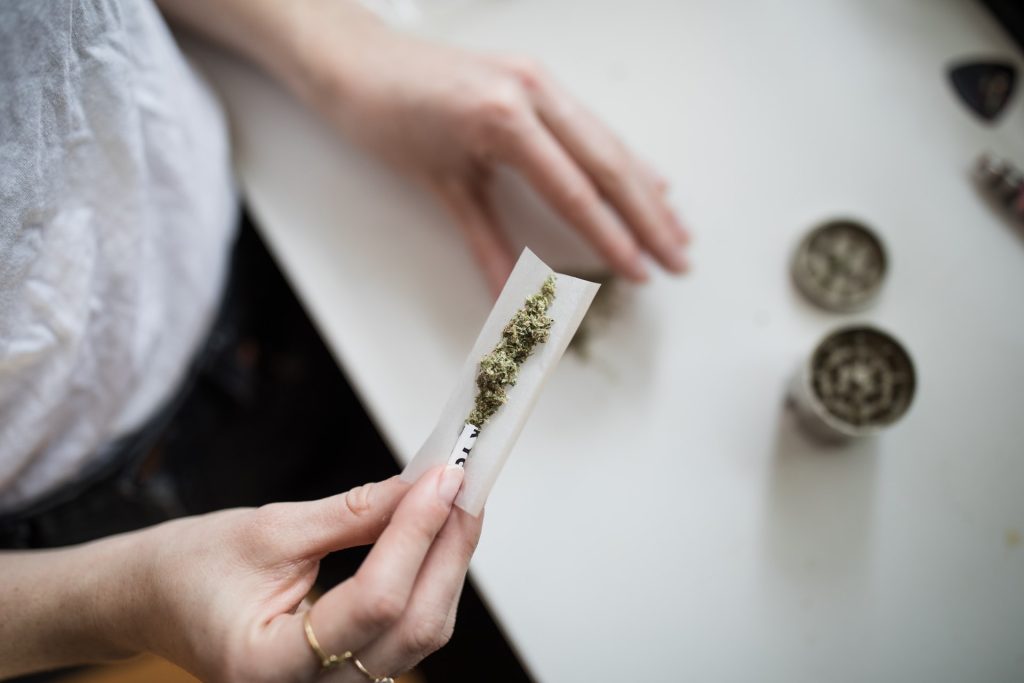
Scientists have found that significant amounts of THC and CBD, the two main components of cannabis enter the embryonic brain of mice in utero and impair the mice’s ability as adults to respond to fluoxetine (Prozac).
The study suggests that when the developing brain is exposed to THC or CBD, normal interactions between endocannabinoid and serotonin signaling may be diminished as exposed individuals become adults.
“Hemp-derived CBD is a legal substance in the US, and we are in a time of increasing state-level legalisation of cannabis. Therefore, use of cannabis components have increased across most levels of society, including among pregnant women. The study marks the beginning of an effort to understand the effects of THC and CBD on the endogenous cannabinoid system (ECS) in the developing brain and body,” explained Hui-Chen Lu, director of the Linda and Jack Gill Center and professor in the Department of Psychological and Brain Sciences in the IU Bloomington College of Arts and Sciences.
Researchers studied four groups of pregnant mice. Some received daily moderate doses of either THC, CBD, or a combination of equal parts THC and CBD; a control group had placebo injections throughout pregnancy. Using mass spectrometry, IU psychological and brain sciences professor Heather Bradshaw tested embryos and found that CBD and THC both could cross the placenta and reach the embryonic brain.
“The surprising part is that maternal exposure to CBD alone — a drug that is often considered as safe and harmless and is a popular ‘natural’ therapy for morning sickness — resulted in a lasting impact on adult mice offspring,” Lu said. “Both prenatal THC and CBD exposure impaired the adult’s ability to respond to fluoxetine. The results suggest taking a cautious approach to using CBD during pregnancy.”
There is however some evidence for CBD’s effectiveness in treating chronic pain and anxiety, though currently the only FDA-approved indication for CBD is the treatment of severe seizure disorders.
“We still know very little about the effects of CBD on the developing brain,” Prof Lu said.
The new paper is one of the first studies to see the potential negative impact of CBD on the developing brain and later behaviours. However observational studies in the 1980s saw increased anxiety and depression in offspring of mothers who used the lower-strength cannabis available at the time. Since women may take cannabis products for nausea and vomiting, this has relevance for public health awareness.
Study co-author Ken Mackie, Gill Chair of Neuroscience at IU Bloomington, said researchers know that prenatal cannabis exposure may increase the risk for anxiety and depression, so it is important to evaluate the response to a class of drug used to treat anxiety and depression.
Though normal mouse behaviours were seen in many tests, one test — to determine their response to stress — had a strongly atypical result. In all groups, the mice responded normally to a stressful situation. As expected, fluoxetine increased stress resilience in mice whose mothers had received the placebo. However, the drug was ineffective in mice whose mothers had received THC, CBD or their combination.
Fluoxetine works by increasing the amount of serotonin available at brain synapses, an effect known to require the endocannabinoid system. This internal system of receptors, enzymes and molecules both mediates the effects of cannabis and plays a role in regulating various bodily systems, such as appetite, mood, stress and chronic pain.
To test if maternal exposure to THC and/or CBD impaired endocannabinoid signaling in the adult offspring, the researchers tested whether boosting the ECS with a drug would restore fluoxetine’s effectiveness. They found that the ECS boosting restored normal fluoxetine responses in mice that had received THC or CBD while their brains were developing.
Journal reference: de Sousa Maciel, I., et al. (2021) Perinatal CBD or THC Exposure Results in Lasting Resistance to Fluoxetine in the Forced Swim Test: Reversal by Fatty Acid Amide Hydrolase Inhibition. Cannabis and Cannabinoid Research. doi.org/10.1089/can.2021.0015.
Contrary to previously held scientific belief, the declining sense of smell in older people is not uniform, and their liking of many smells remains the same. Researchers at the University of Copenhagen reached this conclusion after examining a large group of older Danes’ and their intensity perception of common food odours.
The decline in smell has been demonstrated scientifically. Sense of smell gradually begins to decline from about the age of 55, and 75% of those over 80 show major olfactory impairment. While it was previously believed that one’s sense of smell broadly declined with increasing age, a study from the University of Copenhagen reports that certain food odours are significantly more affected than others.
Eva Honnens de Lichtenberg Broge and her fellow researchers tested the ability of older Danes to perceive everyday food odours. The researchers measured how intensely older adults perceived different food odours — as well as how much they liked the odours.
“Our study shows that the declining sense of smell among older adults is more complex than once believed. While their ability to smell fried meat, onions and mushrooms is markedly weaker, they smell orange, raspberry and vanilla just as well as younger adults. Thus, a declining sense of smell in older adults seems rather odor specific. What is really interesting is that how much you like an odour is not necessarily dependent on theintensity perception,” observed Eva Honnens de Lichtenberg Broge.
For example, liking seemed to be largely unaffected for fried meat, onions and mushrooms, despite the largest decline in intensity perception was seen for these specific odors. The ability to smell coffee declined, among other things, though they didn’t like the aroma of coffee to the same degree as younger adults.
The test subjects included 251 Danes between the ages of 60 and 98 and a younger group consisting of 92 people between the ages of 20 and 39.
Everyday food odours
Instead of using odours of chemical origin, which is commonly the procedure when testing the sense of smell, Eva Honnens de Lichtenberg Broge developed a test kit including 14 natural food odours familiar from everyday life, including bacon, onions, toast, asparagus, coffee, cinnamon, orange and vanilla. The odours, mainly made from essential oils, were presented to participants by sniffing sticks.
The food odours were chosen based upon commonly consumed foods and dishes that older people often eat and enjoy most according to meal plans and surveys from a Danish catering company that provides food for the elderly.
What’s the story?
The researchers can only speculate as to why the declining sense of smell in older adults seems to be odours specific, especially for savoury food smells and why, in some cases, liking is largely unaffected.
“This may be due to the fact that these are common food odours in which saltiness or umami is a dominant taste element. It is widely recognised that salty is the basic taste most affected by aging. Since taste and smell are strongly associated when it comes to food, our perception of aroma may be disturbed if one’s taste perception of saltiness is impaired to begin with,” Eva Honnens de Lichtenberg Broge suggested.
Nutriton and quality of life
The researchers hope that their findings will help improve nutrition for the elderly. While the sense of smell is important for stimulating appetite and our serotonin levels as well, according to Eva Honnens de Lichtenberg Broge, their study demonstrates that the sensitivity of one’s sense of smell need not be decisive — participants’ liking of certain foods remained unchanged.
“Our results show that as long as a food odour is recognisable, its intensity will not determine whether or not you like it. So, if one wants to improve food experiences of older adults, it is more relevant to pay attention to what they enjoy eating than it is to wonder about which aromas seem weaker to them,” concluded Eva Honnens de Lichtenberg Broge.
Journal information: de Lichtenberg Broge, E.H., et al. (2021) Changes in perception and liking for everyday food odors among older adults. Food Quality and Preference. doi.org/10.1016/j.foodqual.2021.104254.