Year: 2021

Another COVID-scale Pandemic in 59 Years ‘Statistically Likely’

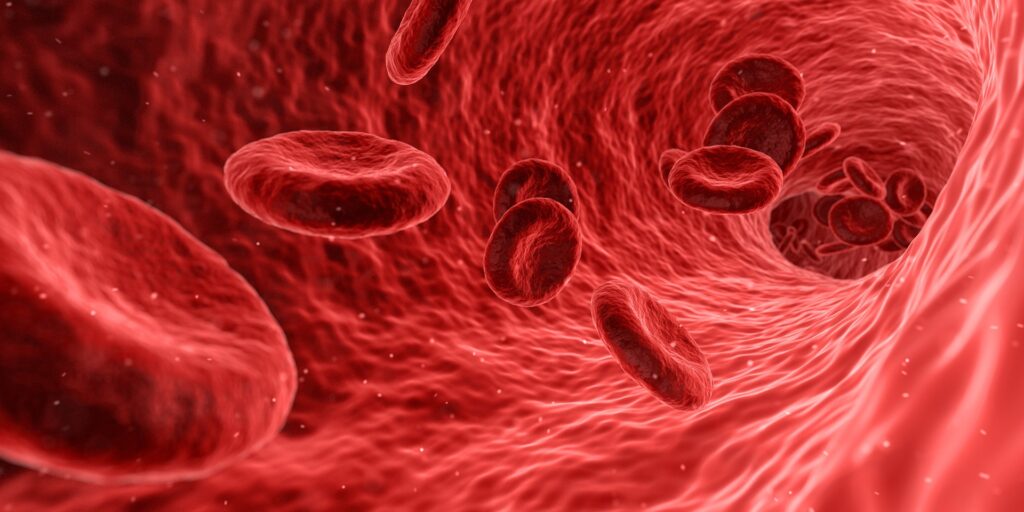
Photo by Edwin Hooper on Unsplash

A new study based on 400 years of historical records asserts that extreme pandemic events such as COVID are more common than believed.

The Duke University study, published in Proceedings of the National Academy of Sciences, used records of past outbreaks to estimate the intensity of those events and the yearly probability of them recurring.

It found the probability of a pandemic with similar impact to COVID is about 2% in any year, meaning that someone born in the year 2000 by now would have about a 38% chance of experiencing one. That probability is only increasing, highlighting the need to adjust perceptions of pandemic risks and expectations for preparedness, the researchers said.

“The most important takeaway is that large pandemics like COVID and the Spanish flu are relatively likely,” said study co-author William Pan, PhD, associate professor of global environmental health at Duke. The understanding that pandemics are not so rare should raise the priority of future prevention and control efforts, he said.

The study employed new statistical methods to measure the scale and frequency of disease outbreaks for which there was no immediate medical intervention over the past four centuries. Their analysis, including deadly pathogens including plague, smallpox, cholera, typhus and novel influenza viruses, found pandemics occurred with great variability in the past. But they also identified patterns that allowed them to describe the probabilities of similar-scale events happening again.

In the case of a pandemic like the Spanish flu, which killed more than 30 million people between 1918 and 1920, the probability of a pandemic of similar magnitude occurring ranged from 0.3% to 1.9% per year over the time period studied. Taken together, it is statistically likely that such a massive pandemic would occur within the next 400 years.

However, the data also show that the risk of intense outbreaks is increasing rapidly. Based on the increasing rate at which novel pathogens such as SARS-CoV-2 have broken loose in human populations in the past 50 years, the study estimates that the probability of novel disease outbreaks will likely triple in the next few decades.

With this increased risk factor, the researchers estimate that a COVID-scale pandemic is likely within a span of 59 years (by the year 2090), a result they write is “much lower than intuitively expected.” Although not included in the paper, they also calculated the probability of a pandemic capable of eliminating all human life, finding it statistically likely within the next 12 000 years. 

That does not mean it will be 59 years before the next COVID-like pandemic, nor that the Spanish flu for another 300 years. Such events are equally probable in any year during the span, said Duke University Professor Gabriel Katul, another of the paper’s authors.

“When a 100-year flood occurs today, one may erroneously presume that one can afford to wait another 100 years before experiencing another such event. This impression is false. One can get another 100-year flood the next year,” explained Prof Katul.

Dr Pan noted that population growth, changes in food systems, environmental degradation and more frequent contact between humans and disease-harboring animals all may be significant factors for increasing frequency of pandemics. However, he stresses that the statistical techniques are not to explain the pandemics.

However, he hopes the study will spark deeper exploration of the factors that may be making devastating pandemics more likely – and how to counteract them.

“This points to the importance of early response to disease outbreaks and building capacity for pandemic surveillance at the local and global scales, as well as for setting a research agenda for understanding why large outbreaks are becoming more common,” Dr Pan said.

Source: Duke University
Pfizer Vaccine Fully Approved in US

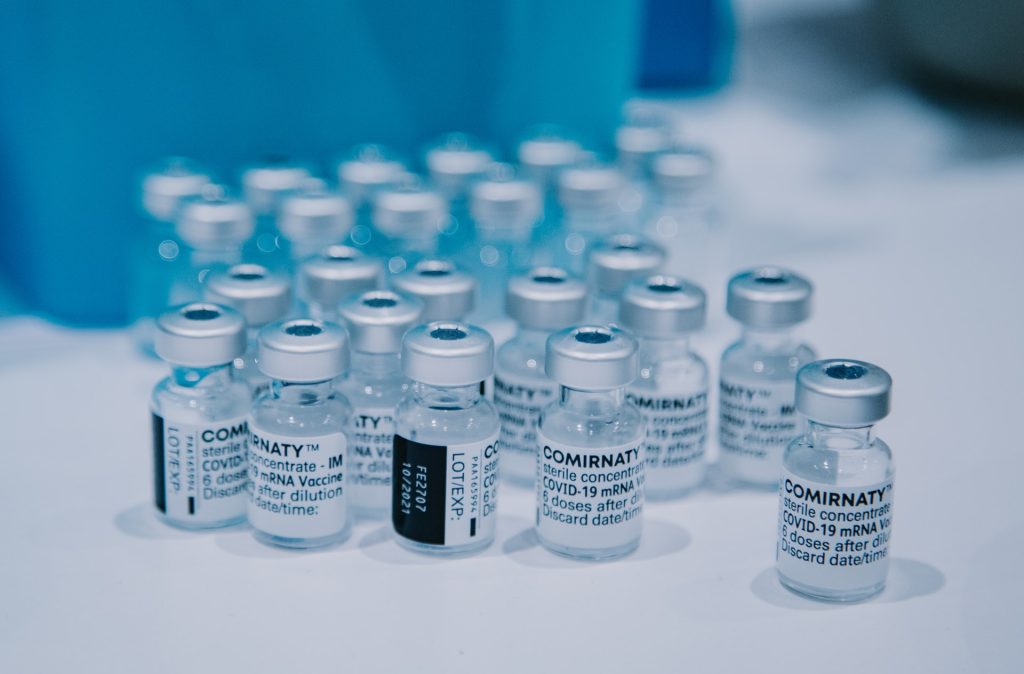
Photo by Mat Napo on Unsplash

On Monday, the US Food and Drug administration approved the Pfizer/BioNTech COVID vaccine, the first vaccine against the novel coronavirus to receive full approval.

The vaccine, which will be marketed as Comirnaty, can be used for individuals ages 16 and older for COVID prevention. However, the vaccine is still under emergency use authorisation (EUA) for adolescents ages 12-15, the agency said.

FDA Acting Commissioner, Janet Woodcock, MD, said in a statement: “While this and other vaccines have met the FDA’s rigorous, scientific standards for emergency use authorisation, as the first FDA-approved COVID vaccine, the public can be very confident that this vaccine meets the high standards for safety, effectiveness, and manufacturing quality the FDA requires of an approved product.”

At a media briefing, Peter Marks, MD, PhD, the director for the Center for Biologics Evaluation and Research at FDA, detailed the meticulous process used for conducting a review of a biologics license application for full approval, including invidivual analysis of adverse events.

Since 11 December, 2020, the vaccine has been under an EUA for individuals ages 16 and older. Evidence for the full approval comes from expanded phase III trial safety and efficacy data released by the manufacturer this April. An analysis of 927 confirmed cases in the trial’s 44 000 participants found that 7 days after the second dose, Comirnaty had a 91.3% efficacy against symptomatic COVID through 6 months.

More than half of the participants had over 4 months of safety data, including 12 000 people who were followed up through 6 months. Injection site pain, fatigue, headache, muscle or joint pain, and fever were the most common adverse events. A slight increase in risk for myocarditis and pericarditis up to 7 days after the second dose was noted, particularly in males under 40 (peaking in ages 12-17), but symptoms resolved completely.

Trial data was collected before the Delta variant became the dominant strain in the US, Dr Marks noted, Israeli “real world” suggest the vaccine still retains effectiveness but wanes. This is something the agency will follow. 

Former FDA commissioner Dr. Mark McClellan, who now directs the Duke-Margolis Center for Health Policy, spoke to the media about the approval, saying surveys showed that it will help sway vaccine holdouts.

“I do think it will make a difference. Maybe not a large number of people running out and getting a vaccine today. At this point we’ve got a little bit over 70 percent of Americans who are eligible for the vaccine have gotten at least one dose. That’s about 87 million Americans who are eligible who haven’t. Out of those, according to some recent surveys, about 30 percent say the full approval of the Pfizer vaccine would make a difference in their decisions.”

Source: MedPage Today

Human Breast Milk Could Yield Antibiotic Secrets

Researchers believe that antibacterial properties of sugars in human breast milk could be harnessed for new antimicrobial therapies.

Group B Streptococcus (GBS) bacteria are a common cause of blood infections, meningitis and stillbirth in newborns, and are becoming resistant to antibiotics. Researchers have now discovered that human milk oligosaccharides (HMOs), short strings of sugar molecules abundant in breast milk, can help prevent GBS infections in human cells and tissues and in mice. This might yield new antibiotic treatments, the researchers believe. 

“Our lab has previously shown that mixtures of HMOs isolated from the milk of several different donor mothers have antimicrobial and antibiofilm activity against GBS,” says Rebecca Moore, who is presenting the work at a meeting of the American Chemical Society (ACS). “We wanted to jump from these in vitro studies to see whether HMOs could prevent infections in cells and tissues from a pregnant woman, and in pregnant mice.” Moore is a graduate student in the labs of Steven Townsend, PhD, at Vanderbilt University and Jennifer Gaddy, PhD, at Vanderbilt University Medical Center.

According to the US Centers for Disease Control and Prevention, about 2000 babies in the U.S. get GBS each year, with 4-6% of them dying from it. The bacteria are often transferred from mother to baby during labour and delivery. An expectant mother who tests positive for GBS is usually given intravenous antibiotics during labor to help prevent early-onset infections, which occur during the first week of life. Notably, late-onset infections (which happen from one week to three months after birth) are more common in formula-fed than breastfed infants, suggesting breast milk has factors which could help protect against GBS. If so, the sugars could be a replacement for current antibiotics which are steadily becoming less effective.

The researchers studied the effects of combined HMOs from several mothers on GBS infection of placental macrophages and of the gestational membrane. “We found that HMOs were able to completely inhibit bacterial growth in both the macrophages and the membranes, so we very quickly turned to looking at a mouse model,” Moore says. They examined whether HMOs could prevent a GBS infection from spreading through the reproductive tract of pregnant mice. “In five different parts of the reproductive tract, we saw significantly decreased GBS infection with HMO treatment,” Moore notes.

To determine which HMOs and other oligosaccharides have these antimicrobial effects and why, the researchers made an artificial two-species microbiome with GBS and the beneficial Streptococcus salivarius species growing in a tissue culture plate, separated by a semi-permeable membrane. Then, the researchers added oligosaccharides that are commonly added to infant formula, called galacto-oligosaccharides (GOS), which are derived from plants. In the absence of the sugar, GBS suppressed the growth of the “good” bacteria, but GOS helped this beneficial species grow. “We concluded that GBS is producing lactic acid that inhibits growth, and then when we add the oligosaccharide, the beneficial species can use it as a food source to overcome this suppression,” Moore explained.
The first HMOs tested did not have this effect, but Townsend says it’s likely that one or more of the over 200 unique sugars in human milk will show activity in the artificial microbiome assay. There are likely two reasons why HMOs can treat and prevent GBS infection: they prevent pathogens from sticking to tissue surfaces and forming a biofilm, and they could also act as a prebiotic by promoting good bacteria growth.

“HMOs have been around as long as humans have, and bacteria have not figured them out. Presumably, that’s because there are so many in milk, and they’re constantly changing during a baby’s development,” Townsend said. “But if we could learn more about how they work, it’s possible that we could treat different types of infections with mixtures of HMOs, and maybe one day this could be a substitute for antibiotics in adults, as well as babies.”

Source: American Chemical Society

Stress Signal From Fat Cells Induces Protective Effect in Heart

Source: Unsplash CC0

A stress signal sent from fat cells to the heart could be protective against obesity-induced cardiac damage, according to new research. 

This might help explain the ‘obesity paradox’, where obese individuals have better short- and medium-term cardiovascular disease prognoses compared with those who are normal weight, but have worse long-term outcomes.

“The mechanism we have identified here could be one of many that protects the heart in obesity,” said study leader Philipp E. Scherer, PhD, Professor of Internal Medicine and Cell Biology at UTSW who has long studied fat metabolism.

Study co-leader Clair Crewe, PhD, Assistant Instructor of Internal Medicine at UTSW, explained that the metabolic stress of obesity gradually makes fat tissue dysfunctional, causing shrinkage and death of its mitochondria. This unhealthy fat loses the ability to store lipids generated by excess calories in food, causing lipotoxicity and poisoning other organs. However some organs, including the heart, preemptively defend against lipotoxicity. How the heart actually senses fat’s dysfunctional state has been unknown so far.

The researchers used a genetic technique to speed the loss of mitochondrial mass and function in mice. The mice were fed a high-fat diet and became obese, and their fat cells began sending out extracellular vesicles filled with small pieces of dying mitochondria. Some of these mitochondrial snippets travelled through the bloodstream to the heart and triggered oxidative stress.

Cardiaccells produce a flood of protective antioxidant molecules to counteract this stress, and this protective backlash was so strong that when the scientists injected mice with extracellular vesicles filled with mitochondrial snippets and then induced a heart attack, the animals had significantly less damage to their hearts compared with mice that didn’t receive an injection.

Fat tissue from obese human patients showed that these cells also release mitochondria-filled extracellular vesicles.

The heart and other organs in obese individuals are eventually overwhelmed by lipotoxic effects, resulting in a number of obesity’s comorbidities. If the protective mechanism identified in this study could be artificially generated, it could result in new ways of treating obesity’s negative consequences. This might even be adapted to treat normal weight individuals.

“By better understanding the distress signal from fat,” Dr Crewe said, “we may be able to harness the mechanism to improve heart health in obese and non-obese individuals alike.”

The team’s findings were published in Cell Metabolism.

Source: UT Southwestern Medical Center

Eight Factors Predict Gastrointestinal Bleeding Risk after Heart Attack

Using machine learning, researchers at Karolinska Institutet have identified eight primary factors that increase the risk of a common bleeding complication after heart attack.

Some of these factors had been known already, however, the researchers have found additional predictors, such as smoking, blood pressure and blood glucose. The study was published in the European Heart Journal – Cardiovascular Pharmacotherapy.

“If we can identify patients at high risk of upper gastrointestinal bleeding following heart attack, doctors will be able to take prophylactic measures to mitigate this risk,” said the study’s corresponding author Moa Simonsson, deputy consultant at Karolinska University Hospital and doctoral student. “There are, for instance, drugs that combat bleeding complications, gut bacteria tests that can be used on risk groups and other possibilities for personalised treatment for heart attack patients at high risk of bleeding complications.”

Upper gastrointestinal (GI) tract bleeding is one of the most common bleeding complications following acute myocardial infarction. The condition requires a lot of resources to treat, causes considerable suffering and increases mortality risk. Bleeding complications also limit antithrombotic use, which in turn can worsen the cardiovascular prognosis.

Over the past 20 years, a close focus on bleeding has resulted in several strategies for reducing the risk of upper gastrointestinal tract bleeding. However, few studies on this complication include a diverse population of heart attack patients.

For the current study, the researchers sourced data from the national SWEDEHEART registry on almost 150 000 patients with acute myocardial infarction between 2007 and 2016. Approximately 1.5 percent of these patients suffered GI bleeding within a year of their heart attack, and they also had an increased risk of death and stroke.
Several known factors that increase the risk of upper GI tract bleeding were confirmed by the analysis, including low levels of haemoglobin, previous upper GI tract bleeding, age and intensive antithrombotic treatment.

Using an algorithm, the researchers also identified additional risk factors, including smoking, blood pressure, blood glucose and previous treatment for stomach disorders, such as ulcers and acid reflux.

“If you combine traditional statistical models with machine learning methods, you can create unique opportunities to find key risk factors for previously unknown cardiovascular events,” explained co-author Philip Sarajlic, doctoral student at Karolinska Institutet. “This makes it possible for us to make effective use of valuable data from the medical quality registry by taking account of complex relationships between risk factors and outcomes in order to further optimise the current recommendations for patient care.”

The researchers will soon begin a major clinical study to explore the significance of diagnosis and treatment of a common infection in the upper GI tract.

“A pilot study last year showed a two-fold increase in the presence of Helicobacter Pylori in heart attack patients,” said last author Robin Hofmann, researcher and consultant at Karolinska Institutet. “We will now proceed with a large randomized study to ascertain whether a systematic screening of heart attack patients for Hp infection and, where relevant, its treatment, can reduce bleeding complications and improve prognosis after heart attack.”

Source: Karolinska Institute

Anticoagulation Improves Survival Odds of Moderately Ill COVID Patients

Credit: CC0

If treated with therapeutic-dose anticoagulation, moderately ill patients hospitalised with COVID have better odds of survival, according to an international study published in The New England Journal of Medicine.

COVID patients frequently develop a pro-coagulative state caused by virus-induced endothelial dysfunction, cytokine storm and complement cascade hyperactivation. Thrombotic risk appears directly related to disease severity and worsens patients’ prognosis.

Moderately ill COVID patients treated with therapeutic-dose anticoagulation with unfractionated or low molecular-weight heparin were 27% less likely to need cardiovascular respiratory organ support such as intubation, said Ambarish Pandey, MD, Assistant Professor of Internal Medicine at UT Southwestern, who served as site investigator and . Moderately ill patients had a 4% increased chance of survival until discharge without requiring organ support with anticoagulants, according to the study involving 2200 patients.

“The 4% increase in survival to discharge without needing organ support represents a very meaningful clinical improvement in these patients,” said Dr Pandey, a Texas Health Resources Clinical Scholar specialising in preventive cardiology and heart failure with preserved ejection fraction. “If we treat 1,000 patients who are hospitalized with COVID with moderate illness, an additional 40 patients would have meaningful improvement in clinical status.”

Moderately ill patients were defined as those who did not need intensive care unit-level support. The participating platforms for the study, included Antithrombotic Therapy to Ameliorate Complications of COVID-19 (ATTACC); A Multicenter, Adaptive, Randomized Controlled Platform Trial of the Safety and Efficacy of Antithrombotic Strategies in Hospitalized Adults with COVID-19 (ACTIV-4a); and Randomized, Embedded, Multifactorial Adaptive Platform Trial for Community-Acquired Pneumonia (REMAP-CAP). 

A parallel study reported in The New England Journal of Medicine found however that therapeutic-dose anticoagulation did not help severely ill patients.

Source: UT Southwestern Medical Center

After Anti-vaxx Protest, Western Cape Government Speaks Out

Photo by Marisol Benitez on Unsplash

After a group of anti-vaxxer demonstrators gathered outside Groote Schuur Hospital (GSH), Western Cape Health authorities have slammed anti-vaxxers for inflaming vaccine hesitancy. Even so, there was a record vaccination turnout on Friday when inoculations were offered to over 18s.

“I just don’t understand why people don’t believe us when we say that the vaccines are safe,” Western Cape Health Department’s Dr Saadiq Kariem said, warning of the damage that misinformation can do.

“There’s no 3G in the vaccine. There’s certainly no conspiracy theory. All we’re trying to do is help by making sure that the population is as protected as possible against coronavirus,” Dr Kariem said, adding that it was even more dangerous when medical professionals were against the shots.

“It just baffles my mind how other medical professionals can, in fact, be anti-vaccination because people will believe professionals, you know, and take their word as they’ve studied this field,” he added. Some of the protesters were carrying signs in support of controversial anti-vaxxer doctors.

IOL reports that one man who was employed by the hospital and chose not to be named, stood alone in the street and faced down the protesters with a sign saying “Covidiots”. He said the pandemic had been happening for 18 months, and that the ignorance of the crowd was disgraceful.

Just before the protests got underway, the University of Cape Town had released a statement in support of GSH. “The Faculty stands in solidarity with the staff (including cleaners, security, admin staff, drivers etc) of GSH. We stand in support of their work and the herculean efforts they have taken across the era of this pandemic under extremely challenging circumstances and often at personal risk. We salute the work of our partners in delivering the best possible care in responding to the world’s greatest human tragedy.”

Source: Eyewitness News

Young COVID Patients Talk About Their Experiences

Photo by Gayatri Malhotra on Unsplash

To encourage young people to get vaccinated, the UK government has released a video in which young COVID patients tell their stories of battling the virus and suffering long-term debilitating effects.

The video features several patients who experienced serious symptoms of COVID or developed long COVID, as well as the doctors and frontline staff who treated them, to warn of the dangers of the virus for those who are not vaccinated. It is narrated by Dr Emeka Okorocha.

It comes as people aged 16 to 17 in England are offered a COVID vaccine, and all at-risk people aged 12 to 15 in England are also invited for a vaccination. Young people are being encouraged to take up the offer as soon as possible to build vital protection before returning to school in September.

A fifth of COVID hospital admissions in England are aged 18 to 34 – 4 times higher than the peak in the winter of 2020.

The patients who feature in the new short film have issued a rallying call: young people should take up the vaccine to avoid suffering a similar fate.

After putting off the vaccine, Quincy Dwamena, a 31-year-old videographer and support worker spent 2 weeks in hospital with COVID. He said: “I’m a healthy, young guy. I went to the gym often and have no underlying health concerns. I put off getting the vaccine because I thought the way I was living my life would mean there would be little to no chance of me catching the virus, or it would have little effect.

“But I ended up being hospitalised and thought I was going to die. My advice is to get the vaccine: don’t put yourself and others at risk, I wish I’d got mine as soon as it was offered.”

Ella Harwood, a 23-year-old illustrator from London, said:

I’m young and fit but I was bed-bound for 7 months with COVID-19. Before I caught the virus, I was super active and had no health concerns, but I now suffer with asthma which I didn’t have before and a number of allergies.

I fear I’ll never be the same again but I’m making progress and I’m very grateful that I’m still alive. Please get vaccinated if you haven’t already.

People aged 16 and 17 are able to get vaccinated at one of more than 800 GP-led local vaccination sites and NHS England has launched an online walk-in site finder to help this age group locate the nearest available centre. Further sites will come online over the coming days and weeks.

In the UK, 87.5% of people have received their first dose, and 76.3% have received their second. The interviews were filmed in London, where uptake among under 30s is lowest.

According to data from Public Health England, the highest COVID case rates are among 20 to 29-year-olds with a case rate of 670.7 cases per 100 000 people. Additionally, 6.3% of people aged 16 to 29 have had long COVID, higher than the national average. Many of these have said long COVID has had a major impact on their lives, especially the ability to exercise, work, and maintain relationships.

TV doctor and emergency medicine physician, Dr Emeka Okorocha said:

“As an A&E doctor, I’ve seen a lot during the pandemic. But nothing has shaken me like the sight of young, otherwise healthy adults, being rushed into our hospitals with COVID.

“As well as their age, many of them have 1 other thing in common, they are unvaccinated. Vaccines truly are the way out of this pandemic and are the best way to protect everyone from the virus, so please get your vaccine.”

Alongside Dr Emeka and patients, the film features interviews with the frontline workers who have been treating young COVID-19 patients.

Vaccines Minister Nadhim Zahawi said: “There is no doubt the COVID vaccination programme is having a major impact, keeping around 82 100 people out of hospital and saving an estimated 95 200 lives in England.

“But we are seeing more unvaccinated young people in hospital now than ever before. Please don’t delay – get your jabs to avoid a similar fate to these brave people who have shared their stories.”

Source: United Kingdom Government

Bacterial Superinfections in COVID Rarer Than Expected

Only 21 percent of patients with severe pneumonia caused by SARS-CoV-2 have a documented bacterial superinfection at the time of intubation, resulting in potential overuse of antibiotics, according to new research.

Superinfection occurs when another, usually different, infection is superimposed on the initial infection. In this case, it is bacterial pneumonia during severe viral pneumonia.

Dr Wunderink and co-authors reported their findings in a study published online in the Journal of Respiratory and Critical Care Medicine, which shows that the usual clinical criteria used to diagnose bacterial pneumonia could not distinguish between those with bacterial superinfection and those with severe SARS-CoV-2 infection only.

According to the authors, there is weak evidence behind current guidelines recommending that patients with SARS-CoV-2 pneumonia receive empirical antibiotics on hospital admission for suspected bacterial superinfection. In other published clinical trials of patients with SARS-CoV-2 pneumonia, rates of superinfection pneumonia are unexpectedly low.
“More accurate assessment other than just reviewing clinical parameters is needed to enable clinicians to avoid using antibiotics in the majority of these patients, but appropriately use antibiotics in the 20-25 percent who have a bacterial infection as well,” said Dr Wunderink.

The team conducted an observational study to determine the prevalence and cause of bacterial superinfection at the time of initial intubation and the incidence and cause of subsequent bacterial ventilator-associated pneumonia (VAP) in 179 patients with severe SARS-CoV-2 pneumonia which required mechanical ventilation.

The researchers analysed 386 bronchoscopic bronchoalveolar lavage fluid samples from patients, and actual antibiotic use was compared with guideline-recommended therapy. Bacterial superinfection within 48 hours of intubation was detected in 21 percent of patients; 72 patients (44.4 percent) developed at least one VAP episode; and 15 (20.8 percent) of initial VAPs were caused by difficult-to-treat bacteria.

The authors found that in patients with severe SARS-CoV-2 pneumonia, bacterial superinfection at the time of intubation occurred in less than 25 percent of patients. Guideline-based empirical antibiotic management at the time of intubation would have resulted in antibiotic overuse.

The researchers believe that their findings have multiple implications for antibiotic guidelines: “Rapid diagnostic tests are important for helping identify suspected pneumonia in intubated patients. This can have major clinical implications because the current approach of using clinically defined risk factors for suspected methicillin-resistant staphylococcus aureus (MRSA) or pseudomonas bacteria as the cause of pneumonia still grossly overestimate the true incidence of these pathogens. In addition, the recommendation for empirical antibiotic treatment of worsening viral community-acquired pneumonia (now requiring intubation) may need to be revisited. This is not only true for SARS-CoV-2 but potentially for severe influenza as well.”

“An accurate diagnosis of suspected pneumonia allows clinicians to safely avoid or use narrow spectrum antibiotics for many patients,” Dr Wunderink added.  “While multiple interventions impact mortality in these critically ill patients, the low mortality in our study with more limited antibiotic treatment suggests that our approach was safe.”

Source: American Thoracic Society

A Leak-proof, Biocompatible Intestinal Patch

Researchers at Empa have developed a patch that stably seals two sutured pieces of intestine and thus prevents dangerous leaks.

A burst appendix or a life-threatening intestinal volvulus are emergencies that need to be treated by surgeons immediately. However, operations carry risks: highly acidic digestive juices and intestinal bacteria can leak out, causing peritonitis and sepsis.

Sealing sutured tissue with a plaster has already been tried, but the first were not well tolerated or were even toxic. Currently, these plasters are made of biodegradable proteins, which have variable clinical results. These is because they are mainly intended to support the healing process, and dissolve too quickly when in contact with digestive juices and don’t always hold tight. “Leaks after abdominal surgery are still one of the most feared complications today,” explained Empa researcher Inge Herrmann, who is also professor for nanoparticulate systems at ETH Zurich.

Searching for a material that could reliably seal intestinal injuries and surgical wounds, Hermann’s team found a synthetic composite material made up of four acrylic substances that, together, form a chemically stable hydrogel. Additionally, the patch actively cross-links with the intestinal tissue until it is fluid-tight. The quadriga of acrylic acid, methyl acylate, acrylamide and bis-acrylamide works in perfect synergy, as each component conveys a specific feature to the final product: a stable bond to the mucosa, the formation of networks, resistance to digestive juices and hydrophobicity. This new technology is detailed in Advanced Functional Materials.

In lab experiments, the researchers found the polymer system met their expectations. “Adhesion is up to ten times higher than with conventional adhesive materials,” said researcher Alexandre Anthis from Empa’s Particles-Biology Interactions lab in St. Gallen. “Further analysis also showed that our hydrogel can withstand five times the maximum pressure load in the intestine.” The material’s design uses its tailored effect: The rubbery composite selectively reacts with digestive juices that might leak through intestinal wounds, expands and closes all the more tightly. The inexpensive, biocompatible super glue, could thus shorten hospital stays and save healthcare costs, and Anthis is making plans to bring it to market.

Source: Empa