Year: 2021

Some Cognitive Abilities Improve With Age
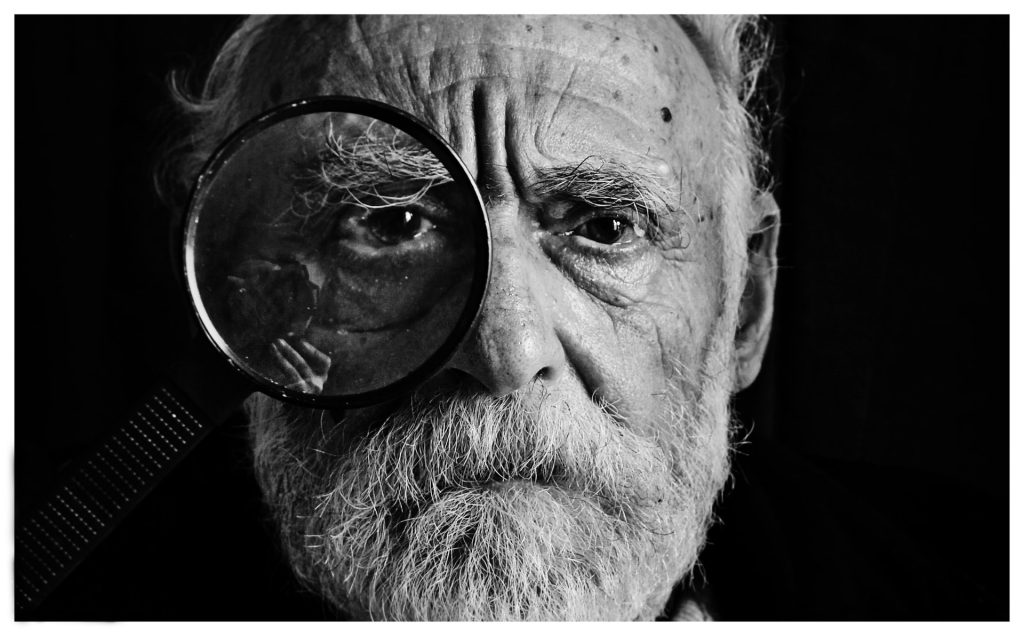
Image by Mar Lezhava on Unsplash

While it has long been held that all cognitive abilities decline with age, new research shows that some of these abilities can actually improve over a lifetime.

The findings, published in Nature Human Behavior, show that two key brain functions, focusing and attending to new information, can in fact improve in older individuals. These functions underlie key aspects of cognition including memory, decision making, and self-control, and even navigation, math, language and reading.

“These results are amazing, and have important consequences for how we should view aging,” said senior investigator, Michael T Ullman, PhD, a professor in the Department of Neuroscience and director of Georgetown’s Brain and Language Lab.

“People have widely assumed that attention and executive functions decline with age, despite intriguing hints from some smaller-scale studies that raised questions about these assumptions,” he said. “But the results from our large study indicate that critical elements of these abilities actually improve during aging, likely because we simply practice these skills throughout our life.”

“This is all the more important because of the rapidly aging population, both in the U.S. and around the world,” Ullman said, adding that with further research, it may be possible to deliberately improve these skills to protect against cognitive decline.

The research team explored three separate components of attention and executive function in a group of 702 participants aged 58 to 98. This age range was chosen since this is when cognition often changes the most during aging.

The components they studied are the brain networks involved in alerting, orienting and executive inhibition. Each has different characteristics and relies on different brain areas and different neurochemicals and genes. Therefore, Ullman and Veríssimo reasoned, the networks may also show different aging patterns.

Alerting is characterised by a state of enhanced vigilance and preparedness, while orienting involves shifting brain resources to a particular location in space. The executive network inhibits distracting or conflicting information, allowing us to focus on what’s important.

“We use all three processes constantly,” Veríssimo explains. “For example, when you are driving a car, alerting is your increased preparedness when you approach an intersection. Orienting occurs when you shift your attention to an unexpected movement, such as a pedestrian. And executive function allows you to inhibit distractions such as birds or billboards so you can stay focused on driving.”

Surprisingly, only alerting abilities declined with age while both orienting and executive inhibition actually improved.

The researchers hypothesis is that because orienting and inhibition are simply skills that allow selective attention, these skills can improve with lifelong practice. Ullman and Veríssimo suggest that these gains can be large enough to outweigh the underlying neural declines. Alerting declines, they believe, because this basic state of vigilance and preparedness cannot improve with practice.  
“Because of the relatively large number of participants, and because we ruled out numerous alternative explanations, the findings should be reliable and so may apply quite broadly,” Veríssimo said, adding that “because orienting and inhibitory skills underlie numerous behaviors, the results have wide-ranging implications.”

“The findings not only change our view of how aging affects the mind, but may also lead to clinical improvements, including for patients with aging disorders such as Alzheimer’s disease,” said Ullman. 

Source: Georgetown University Medical Center

Antibody COVID Prophylactic Cocktail Performs Well in Trials

Source: NCI on Unsplash

A COVID prophylactic cocktail of long-acting antibodies cut the risk of developing symptomatic disease in a high-risk unvaccinated patient population, AstraZeneca announced on Friday.

Initial phase III trial data showed that AZD7442 (tixagevimab and cilgavimab) as pre-exposure prophylaxis significantly reduced the risk of developing COVID symptoms by 77% versus placebo, meeting the trial’s primary endpoint.
AstraZeneca further noted there were no cases of severe COVID or COVID-related deaths in the intervention group, while there were three cases of severe COVID and two deaths in the placebo group.

No safety concerns were noted by the manufacturer, as the treatment was well-tolerated and adverse events were balanced between groups.

A key feature of the trial was that 75% of participants had comorbidities, including being “at risk of an inadequate response to active [immunisation],” such as older adults and those with immunosuppressive disease or on immunosuppressive medication.

“With these exciting results, AZD7442 could be an important tool in our arsenal to help people who may need more than a vaccine to return to their normal lives,” the trial’s principal investigator, Myron Levin, MD, of the University of Colorado School of Medicine, said in a statement.

AZD7442 was derived from the B cells of convalescent patients. PROVENT was a phase III randomised trial conducted in the US and Europe. Participants were 5197 adults “who would benefit from prevention” with the long-acting antibody, were unvaccinated at the time of enrollment, and tested negative for SARS-CoV-2.
Participants were randomised 2:1 to receive a single 300 mg dose of AZD7442 or placebo. AstraZeneca noted that 43% of participants were ages 60 and older. The company noted that the drug is active in lab studies against emerging strains, including the Delta variant.

Patients were followed for 183 days, though subjects are slated to be followed for 15 months, AstraZeneca said. Data will be submitted for peer-reviewed publication while the company seeks approval for AZD7442.

Source: MedPage Today

One Woman’s Journey of Recovery from Cardiac Arrest

Photo from Olivier Collett on Unsplash

At age 37, Mary Gordon was fit and healthy but could not explain the fatigue she began experiencing. Shortly before Christmas 2019, she woke up feeling out of sorts. During Christmas shopping, she nearly passed out at one point.

“Everything went blank,” Gordon recalled. “But it was so quick that I questioned if it really happened.”

Gordon put it down to dehydration and tiredness. But over the next week, she nearly passed out three more times, once while driving. Just before flying home, she managed to get a last-minute appointment on New Year’s Eve with her doctor’s physician assistant. By this point, she half expected to be admitted to hospital.
The physician assistant performed a test on her heart, which looked normal. But her blood pressure was through the roof. She advised Gordon to cancel her flight and to start wearing a heart monitor so the medical team could gather more information.

Gordon was familiar with the heart monitor because in university, her doctor detected a heart murmur and diagnosed her with mitral valve prolapse: extra tissue caused the mitral valve leaflets to expand into the left atrium when her heart contracted. In the severe cases, it can lead to blood leaking back through the valve, potentially resulting in arrhythmia. However, when the doctor reviewed the data, he told her to not worry about it. And an electrocardiogram years later seemed to confirm the diagnosis.

But now, leaving the visit with the physician assistant, Gordon collapsed near the elevator, in cardiac arrest. Fortunately a receptionist found her. For six minutes, the physician assistant and a doctor performed CPR , and also used an automated external defibrillator. The first thing she remembered was being in the emergency room, with her boyfriend, Matt Costakis, and several doctors at the foot of her bed.
She was confused for the first few days.

“My brain was not retaining information,” she said. “It took a few days before things were sinking in. Everything was a blur.”

An implantable cardioverter defibrillator was implanted in her chest, followed by a minimally invasive surgery the week after to repair her mitral valve.

“It wasn’t until the surgery that it was fully recognized she has something that’s particularly rare called mitral annular disjunction,” said Dr. Paula Pinell-Salles, Gordon’s cardiologist at Virginia Heart in Falls Church. “That variant is the most prone to significant prolapse and may be more closely associated with the kind of arrhythmia she presented with.”

Gordon was discharged after a two-week hospital stay. Though fatigued, she eagerly started her cardiac rehab, relishing the supportive environment. 

“The thought of raising my heart rate or being able to ever run again was so foreign,” she said. “It was awesome to know there’s a way to slowly ease back into that with the safety of people watching you.”

When COVID ended in-person rehab, she continued to push herself walking long distances but she still feared exercising alone.

“It was a weird transition and very emotional,” she said, pointing to the emergency ID tag she now wears. “But I got to the point where I could go off by myself.”

Eight months after the cardiac arrest, she was running again. And on the one-year anniversary, Gordon and Costakis, along with her dog, hiked her favourite trail to the top of a mountain, where Costakis proposed to her. 

Now happily engaged and largely recovered, Gordon promotes CPR training and wants to raise awareness about the difference between heart attacks and cardiac arrest.

As defined by the American Heart Association and the American College of Cardiology, “(sudden) cardiac arrest is the sudden cessation of cardiac activity so that the victim becomes unresponsive, with no normal breathing and no signs of circulation. If corrective measures are not taken rapidly, this condition progresses to sudden death. Cardiac arrest should be used to signify an event as described above, that is reversed, usually by CPR and/or defibrillation or cardioversion, or cardiac pacing. Sudden cardiac death should not be used to describe events that are not fatal.”

“It doesn’t hurt to learn it again, or watch the video and just build your confidence,” she said. “If I can do something to help the next person, that’s all I can ask for.”

Source: American Heart Association

Study Evaluates Efficacy and Tolerability of Ultrafiltration

A new study evaluates the efficacy and renal tolerability of ultrafiltration in acute decompensated heart failure.

Acute decompensated heart failure (ADHF) is a life-threatening and costly disease. Controversy remains regarding the efficacy and renal tolerability of ultrafiltration for treating ADHF. This article by Yajie Liu and Xin Yuan from the Second Affiliated Hospital of Chongqing Medical University, Chongqing, China, and published in Cardiovascular Innovations and Applications, evaluated this clinical issue.

After searching databases for relevant trials, their quality and outcomes were evaluated with the use of the risk of the bias assessment tool and the Grading of Recommendations, Assessment, Development and Evaluation (GRADE) approach, respectively. Risk ratio and the standardised or weighted mean differences were computed and pooled with fixed-effects or random-effects models.

The 19-study meta-analysis, involving 1281 patients, found that ultrafiltration was superior to control for weight loss (1.24kg) and fluid removal (1.55L) and was associated with a significant increase in serum creatinine level compared with the control treatments (0.15 mg/dL).
No significant effects were found for serum N-terminal prohormone of brain natriuretic peptide level, length of hospital stay, all-cause mortality, or all-cause rehospitalisation in the ultrafiltration group.

Overall, the meta-analysis found that use of ultrafiltration in patients with ADHF is superior to control treatments for weight loss and fluid removal but has adverse renal effects and lacks significant effects on long-term prognosis.

Source: News-Medical.Net

Parental Smoking Linked to Children’s Later Arthritis

Photo by Pawel Czerwinski on Unsplash

In a new study, parental smoking was linked to an elevated risk of children developing rheumatoid arthritis when they reach adulthood.

Drawing on data for 90 923 participants in the Nurses’ Health Study II (which included female registered nurses aged 25–42 years in 1989), the researchers found that 532 developed rheumatoid arthritis during a median follow-up of 27.7 years. Parental smoking when the participants were children was associated with a 75% higher risk of developing rheumatoid arthritis, even after controlling for personal smoking when the participants were adults. Among participants who went on to smoke as adults, this risk was even greater.

“These results suggest that early life inhalant exposures such as passive smoking may predispose individuals to develop rheumatoid arthritis later in life,” said senior author Jeffrey A. Sparks, MD, MMSc, of Brigham and Women’s Hospital.

“We used advanced statistical methods that allowed us to decipher the potential direct harm of early-life passive smoking experience on rheumatoid arthritis risk, while also taking into account factors occurring throughout adulthood,” added lead author Kazuki Yoshida, MD, ScD.

The study findings were published in Arthritis & Rheumatology.

Source: Wiley

Non-respiratory Antibiotic Prescriptions Unchanged by COVID Lockdown

Source: Unsplash

A study found that antibiotic prescriptions for non-respiratory ailments were unchanged by COVID lockdown in Australia, which had comparatively few COVID cases. 

In regions with high levels of COVID transmission, such as Europe and the United States, prescriptions for antibiotics in the community fell dramatically after COVID restrictions were introduced in early 2020. A study published in the British Journal of Clinical Pharmacology looked at antibiotic prescribing in Australia, which has so far had low COVID rates.

Analysing national claims data, researchers observed that COVID restrictions in Australia were associated with substantial reductions in community dispensing of antibiotics primarily used to treat respiratory infections, but found that antibiotics for non-respiratory infections did not change.

“The issue is that antibiotics should rarely be prescribed for common viral respiratory infections in the first place. These big reductions show how low general practitioners’ antibiotic prescribing could go if guidelines were followed more closely,” said co–senior Helga Zoega, PhD, of UNSW Sydney, in Australia.

Source: Wiley

New Medical Device Slashes Surgery Risk

Source: Pixabay CC0

A new electromedical device provides important data about possible cardiovascular and pulmonary risks before an operation.

Before any operation, it is important to properly assess the individual risk: Are there perhaps circulatory or pulmonary problems that need special consideration? To what extent can special risks be taken into account when planning the anaesthesia? Previously, clinicians have had to rely on rather subjective empirical values or carry out more elaborate examinations when in doubt. To address this, a novel device has been developed by TU Wien and MedUni Wien to objectively measure the cardiovascular and pulmonary system fitness of patients.

Pre-op interviews are important—but subjective
Complications often occur after surgical interventions. In addition to blood loss and sepsis, perioperative cardiovascular and pulmonary problems are among the most common causes of death in the first 30 days after surgery.

To minimise this risk, anesthesiologists routinely talk to patients before surgery, in addition to measuring their blood pressure, performing an electrocardiogram, or conducting more laborious examinations. But assessing responses can be highly individualised. “There are also objectively measurable parameters by which one could easily identify possible risks,” said Prof Eugenijus Kaniusas (TU Wien, Faculty of Electrical Engineering and Information Technology). “So far, however, they have not been routinely measured.”

Just hold your breath
This new device uses multiple sensors to determine key metrics in a completely non-invasive way. All the patient has to do is hold their breath for a short time to slightly outbalance their body, which responds reflexively with various biosignals. “Holding your breath is a mild stress for the body, but that is already enough to observe changes in the regulatory cardiovascular and pulmonary systems,” explained Eugenijus Kaniusas. “Oxygen saturation in the blood, heart rate variability, certain characteristics of the pulse waveform—these are dynamic parameters that we can measure in a simple way, and from them we could ideally infer individual fitness in general, especially before surgery.”

Since the device is non-invasive, medical training is not needed to operate it, and has no side effects. The result is easy to read: A rough assessment according to the three-color traffic light system or a score between 0 and 100 is displayed. The measurement can also be carried out at the bedside without any problems for people with limited mobility.

“Our laboratory prototype is being tested at MedUni Wien in cooperation with Prof. Klaus Klein from the University Department of Anesthesia, General Intensive Care Medicine and Pain Therapy. We hope to bring the device to market in the next 5 years with the help of research and transfer support,” said Eugenijus Kaniusas.

Source: Vienna University of Technology

Cancer Surgery Patients Have a Reduced Hospital Stay with ‘Prehabilitation’

Photo by Martha Dominguez de Gouveia on Unsplash


A new approach to improve their fitness for surgery reduced the length of hospital stay for cancer patients, according to a new study.

Termed ‘prehabilitation’, the study’s approach includes exercise, nutrition and psychological and social interventions to bolster physical and mental health before surgery.

The study, published in the Annals of Surgery, found that prehabilitation interventions of between one and four weeks reduced cancer patients’ stay in hospital by 1.8 days compared with usual care.

Study author Dr Chris Gaffney from Lancaster Medical School said: “Surgery is like a marathon in terms of stressing the body, and you wouldn’t run a marathon without training.”

The researchers found that as little as one week can still benefit patient outcomes, indicating that prehabilitation should be recommended to accelerate recovery from cancer surgery, as shown by a reduced hospital length of stay.

Study author Dr Joel Lambert, now a postgraduate student at Lancaster Medical School and a surgeon at East Lancashire Teaching Hospitals NHS Trust, said: “We think that it may also confer a survival advantage for cancer patients as they can get to follow up treatments like chemotherapy more quickly.

“We think that the patient groups most likely to benefit are the ones with lower levels of fitness at baseline. In the Northwest we have some of the most socioeconomically deprived populations in the UK. This subset tend to have more co-morbid conditions hence less fit.”  

The patients studied were those with liver, colorectal, and upper gastrointestinal cancer, and who are often less fit than other cancer patients.

The study interventions were grouped into three types

  • Multimodal prehabilitation: exercise, which included both nutrition and psychosocial support,
  • Bimodal prehabilitation: exercise and nutrition or psychosocial support
  • Unimodal prehabilitation: exercise or nutrition alone

The exercise interventions included aerobic, resistance, and both aerobic and resistance exercises at all levels of intensity, some supervised by a kinesiologist or physiotherapist, while others were home-based exercise regimes. These ranged from one to four weeks and all interventions were within the current NHS surgery targets for cancer surgery.

The researchers concluded: “Future studies should focus on identifying patients who would benefit most from prehabilitation and the mechanistic underpinning of any improvement in clinical outcomes. Studies should closely monitor nutrition intake to determine if the response to exercise prehabilitation is dependent upon nutritional status. Lastly, mortality should be monitored for 12 months post surgery to determine if prehabilitation has any effect beyond 30 or 90 days.”

Source: Lancaster University

Sleep Deprivation Common in Surgeons, Impacting Performance

Photo by Mulyadi on Unsplash

New research has found that surgeons were sleep deprived prior to on-call shifts and afterwards even more so, and crucially, that sleep deprivation impacted surgical performance. 

The study is the first to focus on Irish surgeons and is published in the Journal of Surgical Research. A separate study found that short naps of 30 to 60 minutes do little to reduce sleep deprivation.

Focussing on the effects of being ‘on-call’, a frequent state for surgeons, the study explored subjective and objective metrics around sleep and performance using ‘on-call’ as a particular influencer for increased fatigue.

Surgeons frequently work 24 straight hours (or more) resulting in unavoidable sleep disturbance. This is partly due to historical associations of the Halstedian Era of Surgery to ‘reside’ in the hospital in order to properly learn, but also current staffing levels mandating surgeons to complete regular on-call work.

Participants were hooked up to electroencephalogram (EEG) machines and a validated modified Multiple Sleep Latency Test testing was used to objectively measure sleep on the morning of their on-call shift. The researchers also record other validated tests for subjective sleep and fatigue measurement. ‘Sleep latency’ refers to the time it takes to go from being fully awake to sleeping and is often an indicator of sleepiness. The surgeons in the study had early onset sleep latency before on-call, which was exacerbated further in post-call settings.

Performance was measured with standardised and validated tools. Technical performance of surgeons was assessed using the validated Simendo © surgical simulator, while cognitive performance was measured using the Psychomotor Vigilance Task (PVT) to assess objective alertness and reaction time, a known aspect of cognitive performance.

The study is the first to attempt to control for a series of confounding variables such as experience, quality and quantity of sleep, the influence of caffeine and circadian rhythm influences.

The study found that:

  • Surgeons had poor baseline sleep quality and were objectively sleep-deprived, even pre-call, when they should be in a ‘rested state’.
  • In all study participants, early onset sleep latency was seen in pre-call settings and worsened in post-call settings.
  • Early onset sleep latency was worse in trainees compared to consultants, though both groups experienced early onset sleep latency post-call.
  • As sleep-deprivation increased, diminished performance was seen in cognitive tasks and surgical tasks with greater cognitive components.
  • Higher levels of self-reported fatigue and daytime sleepiness were recorded post-call.

Technical skill performance was relatively preserved in acutely sleep deprived states but may be influenced by learning curve effects and experience in surgical tasks.

Existing models of surgical on-call were not conducive to optimising sleep for surgeons, the research found. But making changes for better sleep has challenges, such as loss of continuity of patient care, loss of trainee exposure, and reduced service delivery.

Dale Whelehan, PhD researcher in Behaviour Science at the School of Medicine and lead researcher commented: “The findings of this study tell us that current provision of on-call models preclude the opportunity for surgeons to get enough rest. Similarly, surgeons are sleep deprived before going on-call which further perpetuates the issue. The implications for performance suggest aspects of surgeons performance is diminished, particularly tasks which might be more cognitively demanding. 

“We need meaningful engagement from all stakeholders in the process, working towards the common goal of optimising performance in surgeons. This involves looking at the multifactorial causes and effects of fatigue. Part of that discussion involves consideration around how current models of on-call influence sleep levels in healthcare staff, and how it creates barriers to fatigue management in staff.”

Professor Paul Ridgway, Department of Surgery at Trinity, who supervised the study, said: “Our study is further evidence that the way we deliver emergency work alongside normal work in Ireland has to change. We need to learn from our colleagues in aviation who have mandatory rest periods before flights.”

Source: Trinity College Dublin

Delta-infected Vaccinated Adults Have Similar Virus Levels to Unvaccinated

Source: Raghavendra V Konkathi on Unsplash

If infected with the Delta variant, virus levels in fully vaccinated adults are as high as unvaccinated people, according to a UK analysis. This adds to evidence indicating that achieving herd immunity is unlikely.

While COVID vaccination has been shown to protect against hospitalisation and death, recent data shows that fully vaccinated people, when infected, carry the same levels of virus as those unvaccinated.

How this affects transmission remains unclear, the researchers have cautioned. “We don’t yet know how much transmission can happen from people who get COVID after being vaccinated – for example, they may have high levels of virus for shorter periods of time,” said Sarah Walker, a professor of medical statistics and epidemiology at the University of Oxford.

“But the fact that they can have high levels of virus suggests that people who aren’t yet vaccinated may not be as protected from the Delta variant as we hoped.”

Recently in the UK, positive tests, hospitalisations and deaths linked to COVID have been rising slowly. In South Africa, the third wave has still not yet abated, with a slight uptick in test positivity rates as noted by Ridhwaan Suliman at the CSIR.

https://twitter.com/rid1tweets/status/1428050053508239364?s=20

The study, awaiting peer review, found vaccine effectiveness fell against Delta compared to Alpha.

The analysis did not directly investigate whether the lower level of vaccine protection against Delta affected jabs’ ability to prevent severe disease, but low rates of hospitalisation shows it is conferring protection.

The study compared the results of swabs taken from more than 384,500 adults between December 2020 and mid-May 2021, against those from 358,983 adults between mid-May and 1 August 2021 (when Delta became dominant).

The UK findings on peak virus levels after Delta infections in vaccinated people echoed data from a small study cited by the US Centers for Disease Control and Prevention (CDC) last month which prompted the agency to recommend continued mask wearing.

These datasets highlight that vaccinated individuals could still transmit COVID, and testing and self-isolation are still important to cut transmission, said Dr Koen Pouwels, a senior Oxford University researcher. This potential for transmission makes achieving herd immunity even more challenging, he suggested.

It had been hoped the vaccinated would protect the unvaccinated, added Prof Walker. “I suspect that, partly, the higher levels of virus that we’re seeing in these [Delta] infections in vaccinated people are consistent with the fact that unvaccinated people are just going to be at higher risk.”

Compared with AstraZeneca, two doses of the Pfizer vaccine has about 15% greater initial effectiveness against new infections, but its protection declines faster compared with two doses of AstraZeneca. Four to five months after being fully vaccinated, the vaccines’ effectiveness is the same, said Prof Walker.

“Even with these slight declines in protection against all infections and infections with high viral burden, it’s important to note that overall effectiveness is still very high because we were starting at such a high level of protection,” added Dr Pouwels.

Source: The Guardian