Year: 2021

Weight Loss in 80% Following Series of Different Diets

Photo by i yunmai on Unsplash

In a study testing three successive and varying diets, nearly 80 percent of participants in a lost a “clinically significant” amount of body weight in less than two years.

The participants adhered to a sequence of a calorie-restrictive diet, a low-carb/high-fat diet and an intermittent fasting diet, losing 11.1 kilograms on average.

The results were published in the journal Nutrition.

“Almost 80 percent of participants lost a clinically significant amount of weight,” said study leader Rebecca Christensen, a PhD candidate at the Dalla Lana School of Public Health. “This is important because losing just five percent of your body weight is associated with improvements in cardiometabolic function and other health concerns.

“That lets us know that we have a lot of different tools in the toolbox to pick from when initiating a dietary intervention.”

Christensen says that staying on the same diet can be tough, which is why she is pleased that the study’s findings suggest there may be an alternative.

“It can be quite hard for patients to maintain dietary interventions,” she said. “This might be where successive diets have an advantage as changing things up makes it easier to stick to a diet.”

As more people attempt to shed their pandemic weight, Christensen said she also found that there is no right month to start your diet. Rather, it is just about getting started, adding that reaching a very low body mass index (BMI) need not be the goal.

“We know that that’s not necessarily feasible,” she said. “But the very least they are reaching the weight that we know is beneficial for their health which is why we want to do the intervention.”

Source: University of Toronto
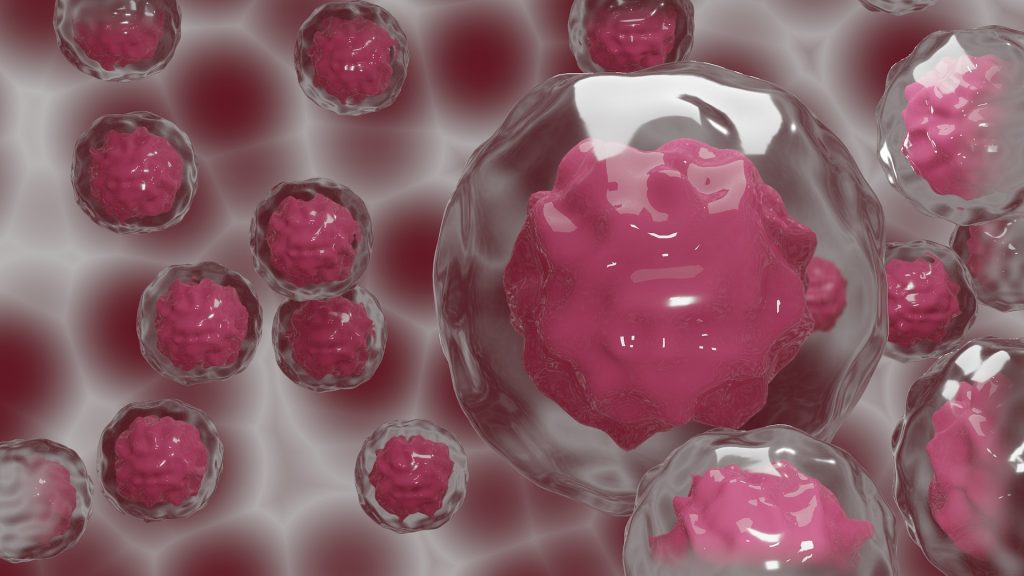
Tissue Memory T Cells Could be the Future of Vaccination

Source: Pixabay

Researchers have described how tissue-resident memory T (TRM) cells  behave in different tissues around the body, in a step towards novel, long-lasting vaccines.

Applications include second generation COVID vaccines, that would target lung tissue directly.

TRM cells are an immune cell that are exclusively found in tissues, not in circulation or the blood, and have been found to be critical for immune protection against viral infection and are also able to control melanoma growth in the skin.

In this study, led by University of Melbourne Professor Laura Mackay and published in Nature Immunology, examined the behaviour of TRM cells in a number of different body tissues.

By comparing barrier organs that are exposed to the environment, like the skin, to solid organs such as the liver, the team found that the location in which TRMs are raised significantly impacts the way they contribute to immunity, demonstrating that “one size does not fit all” when it comes to these cells.

Postdoctoral researcher Dr Susan Christo said that discovering the distinct molecular signatures and behaviours of TRM cells in specific tissues will help the development of effective T cell-based vaccines and immunotherapies.

“For example, if you want effective T-cell mediated immunity against a respiratory virus like SARS-CoV-2 or influenza, you want to induce TRM cells in the lung. That way, the memory of the infection exists at the site of potential pathogen encounter,” Dr Christo said.

“We found that TRM cells act like chameleons when they enter into a new tissue — they rapidly adapt to the molecules and proteins around them and can take on a new ‘image’ or phenotype.

“The tissue surroundings also control how these cells behave — TRM cells in the skin are suppressed by a particular protein called TGF-b which acts like a handbrake to stop these cells from unnecessary activation that may cause autoimmunity, such as psoriasis, but still allows them to fight against dangers like melanoma.

“One key advantage of skin TRM cells is that they can last a really long time and will be ready to attack when the body is in true danger.

The team found the TRMs inside the liver do not have this TGF-b brake, and so have a greater ability to form a bigger pool of cells.

“You could think of them as generating a large army of soldiers that fight the infection. However liver TRMs have a shorter half-life and might not be around to fight future battles,” Dr Christo explained.

“To give the example of malaria, if you want to target immune cells in the liver, you need to work out what needs to be done to make those cells live longer.

“This is also the case for short-lived TRM cells in the lung, which has significant implications on the durability of vaccines against the flu and COVID. Therefore, our study provided the first evidence of what our immune cells need to last the distance and protect us for a long time.”

Source: Medical Xpress

CT Scans Reveal Lung Destruction in Asthmatics

Source: Pixabay CC0

A new study using CT scans have revealed significant changes indicating lung destruction in some asthmatics.

Clinicians have long thought that some people with asthma experience declines in their lung function, called fixed airflow obstruction (FAO), due to changes to their airways. In this study published in The Journal of Allergy and Clinical Immunologyresearchers have found that this issue could extend to the surrounding lung tissue.

Respirologist Kaoruko Shimizu at Hokkaido University said, “Bronchial asthma is considered to be mainly due to inflammation and remodeling of the larger respiratory airways. But not all asthmatics improve with the typical treatments prescribed to alleviate this condition. We wanted to know if changes to the surrounding lung tissue induced a decline in pulmonary function over time in this subgroup of patients.”

Shimizu and her colleagues applied a novel computer tomography (CT)-based approach to detect changes in lung tissue. In this approach, the scientists examined CT scans employing an index called “exponent D” for areas of reduced lung density with increasing coalescence of neighbouring airspaces, which indicates emphysema, or the destruction of air sacs. Airway obstruction was measured by testing the ability of people with asthma to forcefully exhale air in one second. This ability is reduced when the airways are narrower.

The tests examined around 200 smokers and non-smokers with varying degrees of asthma, who were then followed up annually for five years.

People with asthma who experienced persistent airflow limitation, regardless of the severity of their asthma or their smoking status, exhibited constricted airways and also showed signs of lung tissue destruction, the researchers found.

The observed changes to lung tissue in this subgroup of asthmatic patients were not associated with the typical inflammatory markers linked to bronchial asthma. This is important, because it could explain why conventional anti-inflammatory treatments are not as successful in this group.

Future studies should investigate lung destruction in asthma, enabling more personalised management, said Shimizu.

Source: Hokkaido University

Periodontitis Linked to Risk of Cardiovascular Disease

Source: Unsplash CC0

A new study has found that periodontitis is associated with an increased risk of cardiovascular disease: the more severe the periodontitis, the higher the risk. Those who had a previous heart attack showed an even stronger association.

Study author Dr Giulia Ferrannini of the Karolinska Institute said: “Our study suggests that dental screening programmes including regular check-ups and education on proper dental hygiene may help to prevent first and subsequent heart events.”

Periodontitis, a disease of the tissue surrounding the tooth structure, has been associated with a number of diseases. The Swedish PAROKRANK (Periodontitis and its Relation to Coronary Artery Disease) study previously demonstrated that there was a significantly higher prevalence of periodontitis in first time heart attack patients compared to their healthy peers.

In this long-term follow-up of PAROKRANK, participants investigated whether the periodontitis, both in heart attack patients and their healthy peers, was related to an increased risk of new cardiovascular events over time.

The analysis included 1587 participants aged an average of 62 years. Participants underwent a dental examination between 2010 and 2014: 985 were classified as healthy, 489 had moderate periodontitis, and 113 had severe periodontitis. Participants were followed up for the occurrence of cardiovascular events and death. The primary endpoint was a composite of all-cause death, non-fatal heart attack or stroke, or severe heart failure. Follow-up data were collected until the end of 2018 from Swedish national death and patient registries.

Over an average 6.2 years of follow-up, there were 205 primary endpoint events. In the overall cohort, participants with periodontitis at baseline had 49% higher odds of the primary endpoint compared to those with healthy gums, increasing with periodontitis severity.
Assessing heart attack patients and healthy controls separately, graded relationship between gum disease severity and the primary endpoint was significant only for the patients group.

Dr Ferrannini said: “The risk of experiencing a cardiovascular event during follow-up was higher in participants with periodontitis, increasing in parallel with the severity. This was particularly apparent in patients who had already experienced a myocardial infarction.”

She added: “We postulate that the damage of periodontal tissues in people with gum disease may facilitate the transfer of germs into the bloodstream. This could accelerate harmful changes to the blood vessels and/or enhance systemic inflammation that is harmful to the vessels.”

“It is important to underline that the quality of care in Sweden is high, as confirmed by the overall low number of total events during follow-up. Despite this, gum disease was linked with an elevated likelihood of cardiovascular disease or death,” Dr Ferrannini concluded.

Source: European Society of Cardiology

Small Trial Sees ‘Astounding’ Effect of Fenofibrate in Severe COVID

Source: Fusion Medical Animation on Unsplash

A small interventional trial with 15 severely ill COVID patients showed an ‘astounding’ effect of fenofibrate as a treatment.

Recently, Professor Yaakov Nahmias’ team at the Hebrew University of Jerusalem (HU) reported that COVID causes abnormal accumulation of lipids, known to initiate severe inflammation through a process called lipotoxicity. In 2020, the researchers conducted lab testing of fenofibrate, a lipid-lowering drug, showing it both reduced lung cell damage while blocked virus replication. These results have since been confirmed by other studies, and in October 2020 an observational study was reported to support the original findings. This led to an interventional, single-arm open-label study to validate the findings.

The study recruited 15 severe-hospitalised COVID patients with pneumonia requiring oxygen support, who were given 145 mg/day of fenofibrate for 10 days in addition to standard care and continuously monitored for disease progression and outcomes. 

‘Astounding’ results
“The results were astounding,” Prof Nahmias declared. “Progressive inflammation markers, that are the hallmark of deteriorative COVID, dropped within 48 hours of treatment. Moreover, 14 of the 15 severe patients didn’t require oxygen support within a week of treatment, while historical records show that the vast majority severe patients treated with the standard of care require lengthy respiratory support,” he added. 

No ‘silver bullet’
Fenofibrate is a well-known, FDA-approved drug for the treatment of hypertriglyceridemia, primary hypercholesterolemia, or mixed dyslipidemia and has a good safety profile. “There are no silver bullets,” cautioned Nahmias, “but fenofibrate is far safer than other drugs proposed to date, and its mechanism of action makes is less likely to be variant-specific.”

“All patients were discharged within less than a week after the treatment began and were discharged to complete the 10-day treatment at home, with no drug-related adverse events reported,” noted Professor Shlomo Maayan, head of Infectious Disease Unit at Barzilai, where the study was conducted. “Further, fewer patients reported COVID side effects during their 4-week follow-up appointment,” he added. These preliminary findings are promising for patients who severe the acute phase of severe COVID.

However, the researchers stressed that while the results were extremely promising, only randomised placebo-controlled studies can serve as basis for clinical decisions. “We entered the second phase of the study and are actively recruiting patients,” explained Prof Nahmias, noting that two Phase 3 studies are already being conducted.

The findings, which are currently under peer review, were released on Research Square.

Source: Medical Xpress

Abrocitinib Promising in Teen Atopic Dermatitis

Credit: National Institute of Allergy and Infectious Diseases, National Institutes of Health

Following treatment with the investigational oral Janus kinase (JAK) inhibitor abrocitinib plus topical therapy, teenagers with moderate or severe atopic dermatitis (AD) showed significant improvement to placebo, according to a new study published in JAMA Dermatology.

Up to 20% of children and adolescents are affected by AD, which has an adverse impact on QoL, academic performance, and social relationships, as well as the QoL of caregivers. Subcutaneous dupilumab is safe and effective in moderate-to-severe AD in adolescents, but there is a lack of an oral option, they said.

Nearly half of the patients had clear or almost clear skin by clinician assessment (IGA), and about 70% of patients treated with either of two doses of the JAK inhibitor had at least 75% improvement in the Eczema Area and Severity Index (EASI-75). In contrast, a fourth of patients who received placebo in addition to topical therapy met the clinician assessment outcome and about 40% met EASI-75 criteria.

Abrocitinib, a JAK-1-selective inhibitor, had already shown to be tolerable and effective in adults. The present trial included 285 patients aged 12 to 17, with coprimary endpoints being an IGA score of 0/1 with at least a two-grade improvement from baseline, plus an EASI-75 response, with both outcomes assessed at 12 weeks. Secondary endpoints included improvement in pruritis.

An IGA 0/1 response was seen in 46.2% of patients treated with abrocitinib 200 mg and 41.6% of those assigned to abrocitinib 100 mg, compared to 24.5% in the placebo group. The proportion of patients who met EASI-75 response criteria was 72% with abrocitinib 200 mg, 68.5% with abrocitinib 100 mg, and 41.5% with placebo. Significant improvement was seen in pruritis compared to placebo, showing an improvement in pruritis. The researchers noted that improved indicators could lead to better sleep and QoL indicators.

AE rates were 62.8% with the higher dose of abrocitinib, 56.8% with the lower dose, and 52.1% in the placebo group, with nausea occurring more often with abrocitinib 200 mg than with abrocitinib 100 mg (18.1% vs 7.4%).

These results suggest abrocitinib has great potential for treating teenage AD, said John C. Browning, MD, of Texas Dermatology and Laser Specialists in Dallas. Current there are no JAK inhibitors indicated for AD, and an oral option is very exciting he to MedPage Today via email. “Not everyone responds to current systemic therapies, so there is a definite need for new treatments.”

“I think more teens will be open to trying an oral option, but they will need to be committed to taking it every day,” he said, adding that compliance is an issue. “Both abrocitinib and dupilumab are effective, so there is not a tradeoff in going from injections to oral therapy.”

Source: MedPage Today

Gut Microbiome Moderates BP Benefits of Flavonoids

Photo by Melissa Walker Horn on Unsplash

Flavonoid-rich foods, such as berries, apples, pears and wine, seem to reduce hypertension due in part to characteristics of the gut microbiome, according to a new study published in Hypertension.

“Our gut microbiome plays a key role in metabolising flavonoids to enhance their cardioprotective effects, and this study provides evidence to suggest these blood pressure-lowering effects are achievable with simple changes to the daily diet,” said lead researcher Aedín Cassidy, PhD, chair and professor in nutrition and preventive medicine at the Institute for Global Food Security at Queen’s University.

Flavonoids are compounds found naturally in fruits, vegetables and plant-based foods such as tea, chocolate and wine. They have miscellaneous favourable biochemical and antioxidant effects associated with various diseases such as cancer, Alzheimer’s disease, atherosclerosis, etc. Flavonoids are broken down by the body’s gut microbiome. Recent studies found a link between gut microbiota, the microorganisms in the human digestive tract, and cardiovascular disease (CVD). Gut microbiota are highly individual, and seem to be associated with CVD.

With studies suggesting flavonoids may reduce heart disease risk, the researchers investigaged the role of the gut microbiome in this. 
Researchers drew on a group of 904 adults between the ages of 25 and 82, 57% men from Germany’s PopGen biobank. Researchers evaluated the participants’ food intake, gut microbiome and blood pressure levels together with other clinical and molecular phenotyping at regular follow-up examinations.

Participants’ intake of flavonoid-rich foods during the previous year was calculated from a self-reported food questionnaire detailing the frequency and quantity eaten of 112 foods.

Participants’ gut microbiomes were assessed by faecal bacterial DNA in stool samples. After an overnight fast, participants’ blood pressure levels were measured. Researchers also collected participants’ lifestyle information, and measured BMI and other physical characteristics,

The analysis found that:

  • Study participants with the highest intake of flavonoid-rich foods, including berries, red wine, apples and pears, had lower systolic blood pressure levels, as well as greater gut microbiome diversity than the participants with the lowest levels of flavonoid-rich food intake.
  • Up to 15.2% of the association between flavonoid-rich foods and systolic blood pressure could be explained by the diversity found in participants’ gut microbiome.
  • Eating 1.6 servings of berries per day (one serving = 80 grams, or 1 cup) was associated with an average reduction in systolic blood pressure levels of 4.1 mm Hg. 12% of the association was explained by gut microbiome factors.
  • Drinking 2.8 glasses (125 ml of wine per glass) of red wine a week was associated with an average of 3.7 mm Hg lower systolic blood pressure level, of which 15% could be explained by the gut microbiome.

“Our findings indicate future trials should look at participants according to metabolic profile in order to more accurately study the roles of metabolism and the gut microbiome in regulating the effects of flavonoids on blood pressure,” said Cassidy. “A better understanding of the highly individual variability of flavonoid metabolism could very well explain why some people have greater cardiovascular protection benefits from flavonoid-rich foods than others.”

While this study suggests potential benefits to consuming red wine, the American Heart Association suggests that if you don’t drink alcohol already, you shouldn’t start.

Study limitations include not being able to account for all factors, such as genetics and lifestyle. The authors noted the focus of this study was on specific foods rich in flavonoids, not all food and beverages with flavonoids.

Source: Medical Xpress

Prone Positioning Reduces Need for Mechanical Ventilation

Source: Martha Dominguez de Gouveia on Unsplash

A ‘meta-trial’ of 1100 hospitalised COVID patients requiring high-flow nasal cannula oxygen therapy suggests that prone positioning soon after admission can significantly reduce the need for mechanical ventilation.

While acute respiratory distress syndrome patients have been placed prone for years by critical care specialists, this study provides clinical evidence needed to support the use of prone positioning for patients with COVID requiring high-flow nasal cannula oxygen therapy.

The findings, published today in the Lancet Respiratory Medicine, were conducted on severely ill COVID patients between April 2020 and January 2021.

“Breathing in the prone position helps the lungs work more efficiently,” explained the study’s lead author Dr. Jie Li, associate professor and respiratory therapist at Rush University Medical Center. “When people with severe oxygenation issues are laying on their stomachs, it results in better matching of the blood flow and ventilation in the lungs which improves blood oxygen levels.”

Prof Li noted that several interventions are available to improve oxygenation in critically ill patients, but that there was little outcomes-focused clinical evidence to show that prone positioning prior to mechanical ventilation is beneficial.

Adult patients with COVID needing respiratory support from a high-flow nasal cannula agreed to participate in this clinical trial, and were randomly assigned to the supine or prone positioning groups. They were asked to stay in that position for as long as they could tolerate. Both positioning groups received high-flow oxygen therapy and standard medical management.

Patients were continually monitored to determine if mechanical ventilation was needed. This study’s data showed that patients in the prone positioning group were significantly less likely to require mechanical ventilation (33% in the awake prone positioning group vs 40% in the supine group).

Another study lead author, Stephan Ehrmann, MD, PhD, said that “for the clinical implications of our study, awake prone positioning is a safe intervention that reduces the risk of treatment failure in acute severe hypoxemic respiratory failure due to COVID-19. Our findings support the routine implementation of awake prone positioning in critically ill patients with COVID19 requiring high flow nasal cannula oxygen therapy. It appears important that clinicians improve patient comfort during prone positioning, so the patient can stay in the position for at least 8 hours a day.”

Reducing the need for mechanical ventilation cuts down on resources needed. “Ventilators can indeed save the lives of people who are no longer able to breathe on their own. That said, we now have strategies to keep patients off the ventilator, saving those devices for the sickest patients who truly need them.” Prof Li added.

Source: Medical Xpress

Parental History Not The Only Premature Heart Attack Risk

Image source: Unsplash CC0

A new study has shown that, while parental history is a contributing factor, young heart attack victims are more likely to be smokers, obese, and have high blood pressure or diabetes compared to their peers.

“The findings underline the importance of preventing smoking and overweight in children and adolescents in order to reduce the likelihood of heart disease later in life,” said study author Professor Harm Wienbergen of the Bremen Institute for Heart and Circulation Research.

“Understanding the reasons for heart attacks in young adults is important from a societal perspective due to their employment and family responsibilities,” he continued. “However, there are limited data on the predictors of heart events in this group.”

The researchers compared the clinical characteristics of consecutive patients admitted to hospital with acute myocardial infarction at 45 years of age or younger against randomly selected individuals from the German population. Cases and controls were matched according to age and gender. The case-control study enrolled a total of 522 patients with 1191 matched controls from a national database.

The researchers found that the proportion of active smokers was more than three-fold higher in the young heart attack group compared to the general population (82.4% vs 24.1%). Patients were more likely to have high blood pressure (25.1% vs 0.5%), diabetes (11.7% vs 1.7%) and a parental history of premature heart attack (27.6% vs 8.1%) compared to their peers. Patients were more often obese, with a median body mass index (BMI) of 28.4 kg/m2 compared to 25.5 kg/m2 for controls. In contrast, the proportion consuming alcohol at least four times a week was higher in the general population (11.2%) compared to heart patients (7.1%).

The researchers analysed the independent risk factors for the occurrence of acute myocardial infarction at 45 years of age or younger. The analysis was adjusted for age, sex, high blood pressure, diabetes, active smoking, body mass index, alcohol consumption, years of school education, and birth in Germany.

Hypertension was associated with an 85-fold odds of a heart attack aged 45 or under. The corresponding odds of a premature heart attack associated with active smoking, diabetes mellitus, parental history and obesity (BMI 30 kg/m2 or above) were 12, 5, 3 and 2. Alcohol consumption was associated with a lower odds of heart attack at a young age with an odds ratio of 0.3.

Prof Wienbergen said: “Our study shows that smoking and metabolic factors, such as hypertension, diabetes and obesity, are strongly associated with an increased likelihood of premature acute myocardial infarction. A protective effect of moderate alcohol consumption has been described by other studies and is confirmed in the present analysis of young patients.”

He concluded: “Our study suggests that family history is not the only predisposing factor for early heart attacks. The findings add impetus to the argument that young people should be educated about why it is important to avoid smoking and have a healthy body weight.”

Source: European Society of Cardiology

A Brief Window of Opportunity to Halt Certain Paediatric Gliomas

Photo by Jeffrey Riley on Unsplash

In a pre-clinical study, investigators identified a vulnerability in a developmental signaling pathway that can be hijacked to drive paediatric low-grade glioma (pLGG) formation.

The study, published in Developmental Cell, demonstrated that targeted treatment prevents tumor formation, long before irreversible damage to the optic nerve can cause permanent loss of vision. This finding will inform chemo-prevention therapeutic trials in the future.

Brain tumours are the most common solid tumours in children, the most prevalent of which are pLGGs, of which 10 to 15% arise in patients with the familial cancer predisposition syndrome known as neurofibromatosis type 1 (NF1). Thi increases risks of developing tumours along the nerves and in the brain.

Almost 20% of children with NF1 develop pLGGs along the optic pathway, also known as NF1-associated optic pathway glioma (NF1-OPG). Despite many advances in cancer therapy, there are no definitive therapies available that prevent or alleviate the neurological deficits (i.e. vision loss) and that could improve the quality of life.

“The evidence presented can inform chemoprevention therapeutic trials for children with NF1-OPG. This therapeutic strategy may also be applicable to children with the developmental disorders that are at high risk of developing pediatric tumors, such as other RASopathies,” said Yuan Zhu, PhD, scientific director and Gilbert Family Endowed professor at the Gilbert Family Neurofibromatosis Institute and associate director of the Center for Cancer and Immunology Research.

The mechanism of vulnerability to pLGGs during development is not fully understood. It could be that the cell population of origin for this debilitating tumour is transiently proliferative during development. The NF1 gene produces a protein that inhibits MEK/ERK signalling, thereby helping regulate normal cell proliferation, survival and differentiation. With loss of NF1 function, it abnormally activates the MEK/ERK signalling pathway, leading to tumour formation.

Certain transient cells present during development of the brain and optic nerve are vulnerable to tumour formation because they depend on MEK/ERK signalling. Researchers identified cells dependent on the pathway and grew during a transient developmental window as the lineage-of-origin for NF1-OPG in the optic nerve. They then used a genetically engineered pre-clinical model to design a transient, low-dose chemo-preventative strategy, which prevented these tumours entirely.

“When we provided a dose-dependent inhibition of MEK/ERK signaling, it rescued the emergence and increase of brain lipid binding protein-expressing (BLBP+) migrating GPs glial progenitors, preventing NF1-OPG formation,” the researchers wrote. “Equally importantly, the degree of ERK inhibition required for preventing NF1-OPG formation also greatly improved the health and survival of the NF1-deficient model.”

Clinical trials using MEK inhibitors (MEKi) are underway for children as young as 1 month old, making the design of a chemo-preventative trial using a MEKi to treat children with NF1 more feasible. This treatment approach might not only prevent OPG formation, but also other NF1-associated and RASopathies-associated developmental defects and tumours.

Source: Children’s National Hospital