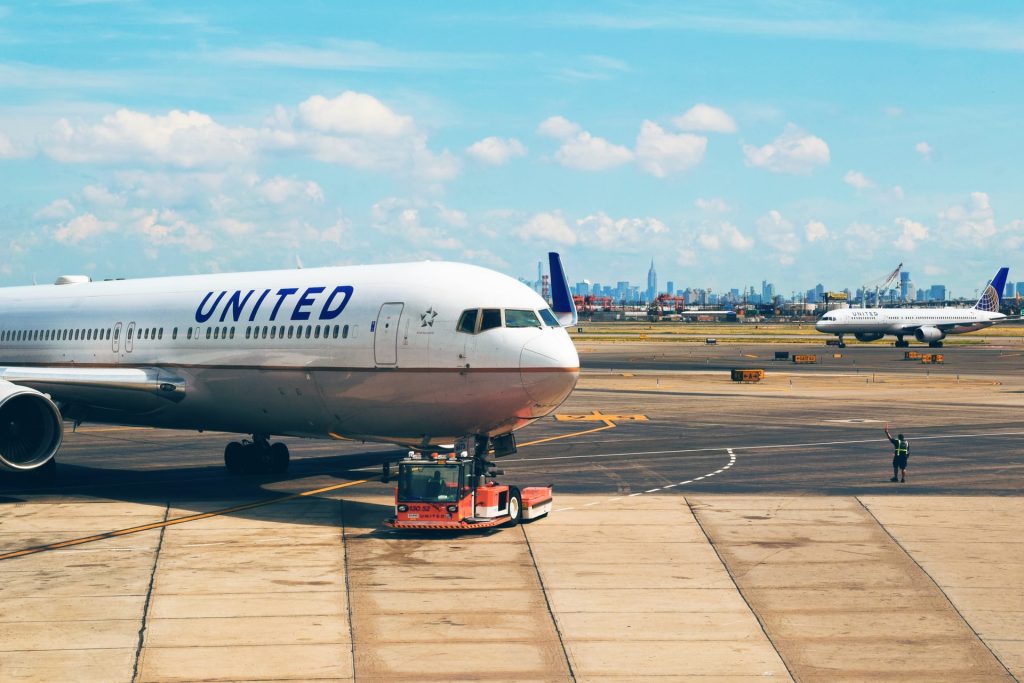
The WHO has urged that as air travel is restored, vaccinations should not be a prerequisite for travellers, potentially locking out those in poorer regions, especially Africa.
In a virtual press briefing on Thursday, Dr Matshidiso Moeti, World Health Organization Regional Director for Africa said that the WHO believes that schemes to remove quarantine and entry restrictions for travellers that have been vaccinated, are discriminatory and could deepen already existing inequalities even further.
Meanwhile, she warned that Africa’s third wave, already underway in 12 countries, with cases rising in another 14, threatens to be the worst yet with 5.3 million cases across the continent. It is projected that in three weeks the third wave will surpass the previous wave’s peak.
Public fatigue and new variants are driving this surge across Africa, with Delta the variant detected in 14 countries. She stated that Africa can “blunt this third wave” but “the window of opportunity is closing”.
The WHO aims to strengthen variant surveillance in Africa by reinforcing the regional laboratory hub have a 8 to 10 fold increase in next 6 months for genome sequencing
Though vaccination rates remain low in Africa, there is nevertheless a great demand for vaccines, with 18 countries having used over 80% of the vaccines received through COVAX. Fortunately only mild side effects from the vaccines have been seen in African communities, she said.
Mr Kamil Alawadi, Regional Vice President for Africa and Middle East, International Air Transport Association (IATA) said that inconsistent requirements added additional complications in travel, increasing cost for the passenger and the airline. For travellers, PCR testing can range from $100 up to $400 for a single, one direction trip.
The key requirement for the recovery of the airline industry is the lifting of restrictions, said Alwadi, citing a survey that showed that 84% of passengers will not fly if there were quarantines in place. However, demand still existed for air travel, as evidenced by travel bookings spiking as soon as governments relaxed their border restrictions.
Alawadi said that the IATA agreed with the WHO that only lifting quarantine requirements for vaccine individuals was inequitable, and that “a robust and flexible testing system” was needed in place of quarantine, using systematic testing at the point of departure such as rapid antigen tests which are cheaper, faster and more accessible.
Graphic from Skyscanner.net showing countries with major travel restrictions from South Africa (red, 83 countries), moderate (orange, 29) and low restrictions (green, 42)
The situation was urgent for the African aviation industry as it had lost USD7.8 billion in 2020, with eight airlines filing for bankruptcy, he noted. This was against a background of USD430 billion global loss for the industry, though he noted that some countries are seeing a rebound to 2019 numbers for domestic travel. However, it is projected that losses will only stop by 2023 and return to profit by 2024.
The IATA has developed protocols in concert with the International Civil Aviation Organization (ICAO) and WHO that will be non-discriminatory not require vaccinations, said Alwadi. However the aviation industry is sinking very rapidly without governmental support.
South Africa is planning to make vaccines locally using messenger RNA, the breakthrough technology of the global COVID vaccination effort – and once nearly consigned to the dustbin of medical research history.
The World Health Organization (WHO) and its COVAX partners are working with a South African consortium comprising Biovac, Afrigen Biologics and Vaccines, a network of universities and the Africa Centres for Disease Control and Prevention (CDC) to establish its first COVID mRNA vaccine technology transfer hub.
This follows WHO’s global call for Expression of Interest to establish COVID mRNA vaccine technology transfer hubs to scale up production and access to COVID vaccines. The partners will negotiate details with the South African government and public and private partners both local and international.
South African President Cyril Ramaphosa said: “The COVID pandemic has revealed the full extent of the vaccine gap between developed and developing economies, and how that gap can severely undermine global health security. This landmark initiative is a major advance in the international effort to build vaccine development and manufacturing capacity that will put Africa on a path to self determination. South Africa welcomes the opportunity to host a vaccine technology transfer hub and to build on the capacity and expertise that already exists on the continent to contribute to this effort.”
“This is great news, particularly for Africa, which has the least access to vaccines,” said Dr Tedros Adhanom Ghebreyesus, WHO Director-General. “COVID has highlighted the importance of local production to address health emergencies, strengthen regional health security and expand sustainable access to health products.”
The announcement follows the recent visit to South Africa by French President Emmanuel Macron, who gave his country’s commitment to aiding local vaccine production.
“Today is a great day for Africa. It is also a great day for all those who work towards a more equitable access to health products. I am proud for Biovac and our South African partners to have been selected by WHO, as France has been supporting them for years,” said President Macron. “This initiative is the first of a long list to come, that we will keep supporting, with our partners, united in the belief that acting for global public goods is the fight of the century and that it cannot wait.”
Technology transfer hubs are training facilities where the technology is established at industrial scale and clinical development performed. Interested manufacturers from low- and middle-income countries can receive training and any necessary licences to the technology, assisted by the WHO and partners.
Biovac is a bio-pharmaceutical company resulting from a partnership formed with the South African government in 2003 to establish local vaccine manufacturing capability for the provision of vaccines for national health management and security.
Afrigen Biologics and Vaccines is a biotechnology company focuses on product development, bulk adjuvant manufacturing and supply and distribution of key biologicals to address unmet healthcare needs.
The organisations complement one another, and can each take on different roles within the proposed collaboration: Biovac will be the developer while Afrigen is the manufacturer, with a consortium of universities as academic supporters providing mRNA know-how. Africa CDC will provide technical and regional support.
The South African consortium has existing operating facilities with available capacity and experience in technology transfers. It is also a global hub that can start training technology recipients immediately.
The WHO is speaking to a number of pharmaceutical manufacturers about establishing the hub, though the talks are so far mainly with “smaller companies,” said Soumya Swaminathan, WHO’s chief scientist. “We are having discussions with the larger companies with proven mRNA technology,” she added.
The mRNA vaccines may be produced in South Africa within 9 to 12 months, she said. WHO’s call for expressions of interest has so far generated 28 offers to either provide technology for mRNA vaccines or to host a technology hub or both.
It is the first time that messenger RNA technology has been used to make vaccines, which has been used by Moderna and Pfizer/BioNTech. They have proven very effective against the original SARS-CoV-2 strains and even against its more recent variants.
The World Health Organization has released new guidance that aims to put an end to abuse of people in psychiatric care by embracing community-based mental healthcare.
Around the world, most mental health care continues to be provided in psychiatric hospitals, and human rights abuses and coercive practices remain widespread. But providing community-based mental health care that is both respectful of human rights and focused on recovery is proving successful and cost-effective, according to new guidance released today by the World Health Organization.
The Life Esidimeni tragedy highlights the importance of providing adequate care to mental health patients. Mental health care recommended in the new guidance should be located in the community, and which also supports day-to-day living, such as facilitating access to accommodation and links with education and employment services.
WHO’s new “Guidance on community mental health services: promoting person-centred and rights-based approaches” further affirms that mental health care must be grounded in a human rights-based approach, as recommended by the WHO Comprehensive Mental Health Action Plan 2020-2030 endorsed by the World Health Assembly in May 2021.
Faster transition needed “This comprehensive new guidance provides a strong argument for a much faster transition from mental health services that use coercion and focus almost exclusively on the use of medication to manage symptoms of mental health conditions, to a more holistic approach that takes into account the specific circumstances and wishes of the individual and offers a variety of approaches for treatment and support,” said Dr Michelle Funk of the Department of Mental Health and Substance Use, who led the development of the guidance.
A growing number of countries are seeking to reform their laws, policies and services related to mental health care since the adoption of the Convention on the Rights of Persons with Disabilities (CRPD) in 2006, But few countries have so far set down the necessary frameworks to meet the far-reaching changes required by international human rights standards. Severe human rights abuses and coercive practices are still far too common in countries of all income levels. Examples of these include forced admission and forced treatment; manual, physical and chemical restraint; unsanitary living conditions; and physical and verbal abuse.
Governments spend less than 2% of their health budgets on mental health, according to WHO’s latest estimates and most mental health expenditure is allocated to psychiatric hospitals, save for high-income countries where the figure is around 43%.
The new guidance, mainly aimed at people responsible for organising and managing mental health care, presents details of what is required in areas such as mental health law, policy and strategy, service delivery, financing, workforce development and civil society participation for mental health services to achieve compliance with the CRPD.
It includes examples from countries which have community-based mental health services that have shown good practices in respect of non-coercive practices, community inclusion, and respect of people’s legal capacity (ie the right to make decisions about their treatment and life).
The required services include crisis support, mental health services provided within general hospitals, outreach services, supported living approaches and support provided by peer groups. Information about financing and results of evaluations of the services presented are included. The report include cost comparisons which show that the featured community-based services produce good outcomes, are preferred by service users and cost about the same as standard mental care services.
“Transformation of mental health service provision must, however, be accompanied by significant changes in the social sector,” said Gerard Quinn, UN Special Rapporteur on the Rights of Persons with Disabilities. “Until that happens, the discrimination that prevents people with mental health conditions from leading full and productive lives will continue.”
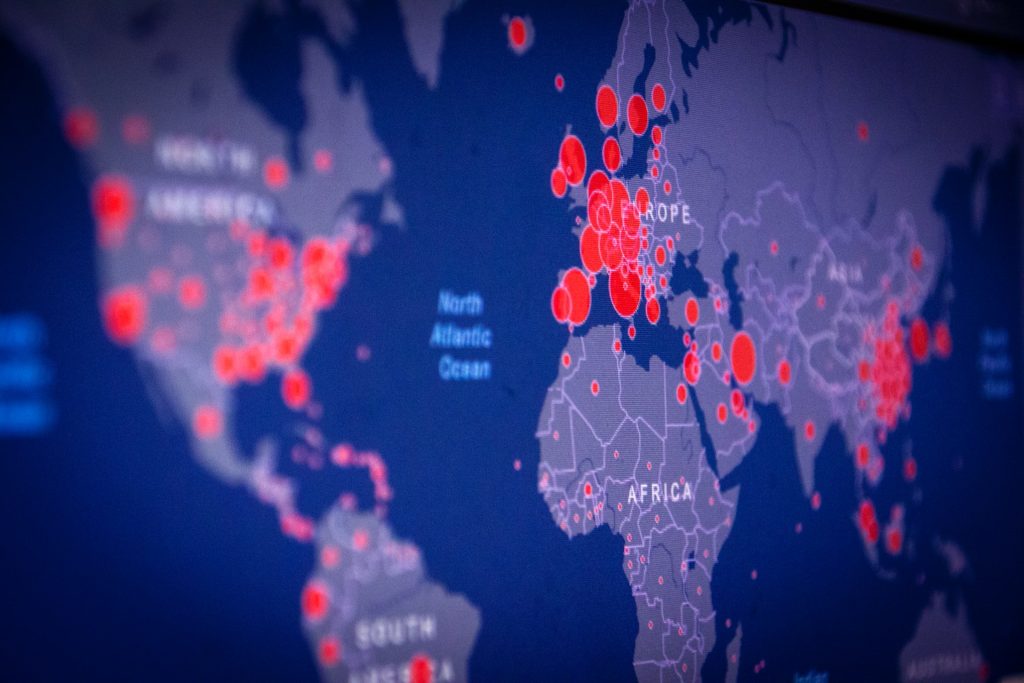
COVID cases map. Photo by Giacomo Carra on Unsplash
A surge in COVID cases in many parts of Africa could mean a continental third wave, the World Health Organization warned, posing a great threat for a continent where immunisation drives have been hamstrung by funding shortfalls and production delays for vaccine doses.
The WHO said that over the last week, test positivity had risen in 14 African countries, with eight reporting a surge of over 30% in new cases. Infections are steadily climbing in South Africa, where four of nine provinces are battling a third wave and the positivity rate was 14.2% as of Sunday. Uganda has also seen sharp increases, with hospitals overwhelmed with COVID patients and a lockdown being considered.
Weak compliance with social restrictions, increasing travel and the arrival of winter is behind the rise in cases, the WHO said. Experts also believe that new variants are also driving the numbers up.
Although Africa has reported less than 3 per cent of global coronavirus cases, the WHO said that the continent accounted for 3.7 percent of total deaths. This is likely an underestimate, given the lack of formal reporting for deaths.
“The threat of a third wave in Africa is real and rising,” said Dr Matshidiso Moeti, WHO regional director for Africa, in a statement. “It’s crucial that we swiftly get vaccines into the arms of Africans at high risk of falling seriously ill and dying of Covid-19.”
While many wealthier countries have vigorous vaccination campaigns and some are on track to fully reopen, many of Africa’s poorer countries face a huge challenge in accessing vaccines.
Out of 1.3 billion people on the continent, only 31 million have received at least one dose, Dr Moeti said, and only seven million are fully vaccinated. Just 1386 people in Kenya have received two doses of a vaccine, out of a population of 50 million.
Countries like Ghana and Rwanda have run through their first deliveries of vaccines through Covax, the global facility working to ensure the equitable distribution of vaccines.
In some countries, vaccine hesitancy has been so high that it even caused stocks of vaccines to expire. Possible contamination in Johnson & Johnson vaccine doses detected at a US manufacturing plant has resulted in yet another delay to South Africa’s immunisation programme.
Meanwhile, fake vaccines and PPE pose another problem; last November a police raid in South Africa found almost 2400 doses of fake vaccine.
The WHO warned that the surge of causes could swamp the limited capacities of healthcare systems. To stave off a full-blown crisis, Dr Moeti urged “countries that have reached a significant vaccination coverage to release doses and keep the most vulnerable Africans out of critical care.”
Only about two per cent of the population has received at least one vaccine dose, compared with the 24 per cent global figure.
“While many countries outside Africa have now vaccinated their high-priority groups and are able to even consider vaccinating their children, African countries are unable to even follow up with second doses for high-risk groups,” said Dr. Moeti. “I’m urging countries that have reached a significant vaccination coverage to release doses and keep the most vulnerable Africans out of critical care.”
To avoid stigmatisation and simplify discussion, the World Health Organization has announced a new naming system for variants of the COVID virus with important mutations.
In an attempt to remove the country-associated stigma from the emergence of a variant, each will receive a name from the Greek alphabet.
Maria Van Kerkhove, the WHO’s coronavirus lead, said that “no country should be stigmatised for detecting and reporting variants”.
She added that these new labels for VOI/VOC are “simple, easy to say and remember and are based on the Greek alphabet, a system that was chosen following wide consultation and a review of several potential systems”.
In the new naming system, B.1.17., the variant first reported in Kent, England is designated Alpha, B.1351, the variant originating in South Africa is called Beta, the Brazilian variant P.1 is now Gamma and the B.1617.2 variant first reported in India is Delta. The variants of interest run from Epsilon to Kappa. The WHO has provided a table detailing the different names.
These Greek letters will not replace existing scientific names, though there are only 24 letters. If more variants are identified for naming, a new naming scheme will be announced, Ms Van Kerkhove told US-based website STAT News.
“We’re not saying replace B.1.1.7, but really just to try to help some of the dialogue with the average person,” she told the US-based website. “So that in public discourse, we could discuss some of these variants in more easy-to-use language.”
On Monday, a scientific adviser for the UK government said the country was now in the early stages of a third wave of coronavirus infections, in part driven by the Delta variant, which had emerged in India.
It is thought to spread more quickly than the UK’s Alpha variant, which was responsible for the surge in cases in the UK over the winter.
Vietnam has reported what appears to be a combination of those two variants. On Saturday, the country’s health minister stated that it could spread quickly through the air and described it as “very dangerous”.
The B1617 variant, is becoming increasingly dominant around the world and could worsen the pandemic – especially in countries where low vaccination rates are low. This warning comes from experts in Singapore, who added that there will be more virus mutations to come.
Professor Teo Yik Ying, dean of the National University of Singapore’s (NUS) Saw Swee Hock School of Public Health, said to The Straits Times: “What is frightening is the speed at which this variant is able to spread and circulate widely within the community, often surpassing the capability of contact-tracing units to track and isolate exposed contacts to break the transmission chains.
“It has the potential to unleash a bigger pandemic storm than the world has previously seen.”
Delta has mutated to be more transmissible, and may slightly weaken the protection conferred by vaccines as well as natural infection, experts said. The variant, which was first detected in India in October 2020, is now found around the world.
WHO chief scientist Soumya Swaminathan said that B1617 is 1.5 times to two times more transmissible than the strain that first appeared in Wuhan 18 months ago.
It is now present in more than 50 countries and is surpassing other strains causing infections in India, such as B117 (now ‘Alpha’, commonly known as the UK variant).
“On clinical severity, it’s a little less clear because there have not been controlled studies which look at patients that you control for multiple factors, and then look at the impact of the strain on the clinical profile,” Dr Soumya said at a recent webinar.
Dr Soumya added that anecdotal evidence seems to indicate that more young people in India had been infected and developed serious illness.
In India, more than 27 million people have been infected with COVID, with over 325 000 deaths.
There are three versions of B1617 – B16171 (Kappa), B16172 (Delta) and B16173. The second version is the most relevant as it has appeared to overtake B1671/Kappa as reported globally. The third version, B16173, is rare and has not yet been given a Greek letter designation by the WHO.
On May 8, the National Institute for Communicable Diseases announced that it had detected five cases of the Delta variant in South Africa; three in Gauteng and two in KwaZulu–Natal. Presently, it is unclear if B1617 causes more severe illness or a higher mortality rate.
The best weapon remains widespread vaccination, Prof Teo said. Vaccinated individuals have less chance of being infected, and are much less likely to develop severe symptoms even if infected, Prof Teo added.
Preliminary US research showed that the Pfizer and Moderna vaccines should still be effective against B1617.
A study by Public Health England also showed that the vaccines by Pfizer-BioNTech and AstraZeneca work against Delta, which has become the dominant strain in the UK.
The study found that the Pfizer-BioNTech shot was 88% effective against the Delta variant two weeks after the second dose, with a 60% effectiveness for the AstraZeneca vaccine.
The pressure is to keep up with the rapidly mutating virus and immunise populations to control it. Unfortunately, most countries’s vaccination programmes are far behind.
On Friday, WHO European director Hans Kluge warned that the pandemic will not be over until at least 70% of people are vaccinated. He deplored the roll-out in Europe, saying that while it was better it was still “too slow”.
The European Centre for Disease Prevention and Control said about 43% of adults in the European Union and European Economic Area have received at least one dose of a COVID vaccine as of Saturday, 29 May.
“Time is against us,” Dr Kluge warned, stressing the need to accelerate the immunisation campaign.
South Africa’s long-delayed vaccination programme is in full swing, but so far only about 1% of the population have received a jab, which is currently being administered to healthcare workers and those over 60.
Globally, the outlook does not seem good. The New York Times reported that more than 1.81 billion vaccine doses had been administered worldwide as at Friday (May 28), but a stark divide remains between countries’ vaccination programmes, with some not even reporting a single dose given.
Global inequity in vaccine supplies and distribution persists, and the opportunity for widespread vaccination remains a privilege for advanced economies, Prof Teo said.
Professor Dale Fisher, chair of the WHO’s Global Outbreak Alert and Response Network, said this means a higher chance of B1617 creeping into countries that had been virtually untouched by COVID.
“These countries, such as Thailand, Cambodia, Laos and Vietnam, are more vulnerable due to the low vaccination rates, leaving them more susceptible to severe disease,” Prof Fisher added.
He urged wealthier nations to lend more support to the WHO-backed Covax programme, a global project to secure and distribute vaccines to poorer countries.
Long working hours led to 745 000 deaths from stroke and ischaemic heart disease in 2016, a 29% increase from 2000, according to a report by the World Health Organization and the International Labour Organization.
Published in Environment International, this is the first global analysis of the loss of life and health associated with working long hours. The global analysis drew on 37 studies on ischaemic heart disease with over 768 000 participants and 22 studies on stroke with more than 839 000 participants. The WHO and ILO estimate that, in 2016, 398 000 people died from stroke and 347 000 from heart disease as a result of having worked at least 55 hours a week. Between 2000 and 2016, the number of deaths from heart disease due to working long hours rose by 42%, and those from stroke by 19%.
This burden of work-related disease is particularly significant in men (72% of deaths were males), people living in the Western Pacific and South-East Asia regions, and middle-aged or older workers. Most of these deaths were among people aged 60-79 years, who had worked for 55 hours or more per week between the ages of 45 and 74 years.
Long work hours are now known to cause about one-third of the total estimated work-related burden of disease, and so is now the risk factor with the largest occupational disease burden. This shifts thinking towards a relatively new and more psychosocial occupational risk factor to human health.
Compared to a 35-40 hour work week, a 55 hour or more work week is associated with an estimated 35% higher risk of a stroke and a 17% higher risk of dying from ischaemic heart disease, concluded the study.
Increasing numbers of people are working long hours, currently standing at 9% of the world’s population. Even more people are being put at risk of work-related disability and early death by this trend.
This report comes just as the COVID pandemic is feeding a trend towards increased work hours. In China, 18 health workers died from overwork-related illnesses in the pandemic.
“The COVID pandemic has significantly changed the way many people work,“ said Dr Tedros Adhanom Ghebreyesus, WHO Director-General. “Teleworking has become the norm in many industries, often blurring the boundaries between home and work. In addition, many businesses have been forced to scale back or shut down operations to save money, and people who are still on the payroll end up working longer hours. No job is worth the risk of stroke or heart disease. Governments, employers and workers need to work together to agree on limits to protect the health of workers.”
“Working 55 hours or more per week is a serious health hazard,” added Dr Maria Neira, Director, Department of Environment, Climate Change and Health, at the WHO. “It’s time that we all, governments, employers, and employees wake up to the fact that long working hours can lead to premature death”.
The WHO pointed out the following actions that governments, employers and workers can take protect workers’ health:
governments can introduce, implement and enforce laws, regulations and policies that ban mandatory overtime and ensure maximum limits on working time;
bipartite or collective bargaining agreements between employers and workers’ associations can arrange working time to be more flexible, while at the same time agreeing on a maximum number of working hours;
employees could share working hours to ensure that numbers of hours worked do not climb above 55 or more per week.
Journal information: Pega, F., et al. 2021. Global, regional, and national burdens of ischemic heart disease and stroke attributable to exposure to long working hours for 194 countries, 2000–2016: A systematic analysis from the WHO/ILO Joint Estimates of the Work-related Burden of Disease and Injury. Environment International, p.106595.
In a letter in the journal Science, eighteen scientists from world-leading research institutions are urging their colleagues to dig deeper into the origins of the coronavirus responsible for the global pandemic.
They argue that there is still not enough evidence to rule out the possibility that the SARS-CoV-2 virus escaped from a lab in China, and they call for a “proper investigation” into the matter.
“We believe this question deserves a fair and thorough science-based investigation, and that any subsequent judgment should be made on the data available,” said Dr. David Relman, professor of microbiology and immunology at Stanford University who helped pen the letter.
They were motivated partly by the March 30 publication of a report commissioned by the World Health Organization that sought to discover the origin of the SARS-CoV-2 virus.
The report’s authors, jointly credited to the WHO and China, ranked each of four possible scenarios on a scale from “extremely unlikely” to “very likely.” After assessing evidence provided by the Chinese team members, the authors concluded the probability that the virus jumped from animal to humans via an intermediary animal was “likely to very likely,” while an accidental laboratory release was deemed “extremely unlikely.”
Other potential pathways the investigators considered were a direct jump from animal to human without an intermediate host (“possible to likely”) and transmission from the surface of frozen food products (“possible”).
“We’re reasonable scientists with expertise in relevant areas,” Relman said, “and we don’t see the data that says this must be of natural origin.”
Ravindra Gupta, a professor of clinical microbiology at the University of Cambridge who signed the letter, said he would like to review lab notes from scientists working at the Wuhan Institute of Virology, and see a list of viruses used at the institute over a five-year period.
The WHO report documents a meeting between its investigators and several members of the institute, including lab director Yuan Zhiming, who gave the joint team a tour of the facility.
At the meeting, representatives of WIV refuted the possibility that SARS-CoV-2 could have leaked from the lab, noting that none of the three SARS-like viruses cultured in the laboratory are closely related to that virus.
They also pointed out that blood samples obtained from workers and students in a research group led by Shi Zhengli, a WIV virologist who studies SARS-like coronaviruses that originate in bats, contained no SARS-CoV-2 antibodies, which would indicate a current or past infection.
However, Relman said that, as a scientist, more than this thirdhand account was needed for him to exclude the possibility of of an accidental laboratory leak.
“Show us the test you used: What was the method? What were the results and the names of the people tested? Did you test a control population?” Relman said. “On all accounts, it was not an adequate, detailed kind of presentation of data that would allow an outside scientist to arrive at an independent conclusion.”
WHO Director General Tedros Adhanom Ghebreyesus was similarly cautious about the report’s findings.
“Although the team has concluded that a laboratory leak is the least likely hypothesis, this requires further investigation, potentially with additional missions involving specialist experts, which I am ready to deploy,” he said in an address to WHO member states on March 30. “Let me say clearly that, as far as WHO is concerned, all hypotheses remain on the table.”
Michael Worobey, who studies viruses at the University of Arizona to better understand pandemics, also signed the letter. From the beginning of the pandemic, he considered that it was either an escape from a lab or natural transmission from animal to human. His stance is still unchanged.
“There just hasn’t been enough definitive evidence either way,” he said, “so both of those remain on the table for me.”
Worobey works in his own lab with a grad student who collects viruses from bats in the wild, and he’s considered how this kind of work could introduce new pathogen to humans.
“As someone who does this, I’m very aware of the opening that creates for new viruses to get close to humans, and so I think that’s another reason I take this seriously,” he said. “I’m concerned about it in my own work.”
SARS-CoV-2 has been shown not to be a laboratory construct genetically modified to make it more transmissible to humans, Worobey said. But an unmodified virus could have been brought into the lab and then moved into humans.
“I’ve seen no evidence that I can look at and say, ‘Oh, OK, this certainly refutes the accidental lab origin and makes it virtually 100% certain that it was a natural event,'” he said. “Until we’re at the stage, both possibilities are viable.”
Scientists said there was one piece of conclusive evidence that would indicate the virus had indeed spread to humans through a natural event—the discovery of the wild animals in whom the virus originated.
Akiko Iwasaki, a professor of immunobiology and epidemiology at Yale University, noted that the WHO report mentioned the testing of more than 80 000 animal samples collected across China. None of those tests turned up a SARS-CoV-2 antibody or snippet of the virus’ genetic material before or after the SARS-CoV-2 outbreak in China.
“However, it is possible that an animal reservoir was missed and further investigation may reveal such evidence,” said Iwasaki, another signatory to the letter.
David Robertson, the head of viral genomics and bioinformatics at the University of Glasgow had not signed the letter, saying he didn’t understand the point.
“Nobody is saying that a lab accident isn’t possible—there’s just no evidence for this beyond the Wuhan Institute of Virology being in Wuhan,” he said, adding that viruses naturally jump from animals to humans all the time.
Although he agreed with the authors of the letter that it was essential to find the origins of SARS-CoV-2 to prepare for the next pandemic, “wasting time investigating labs is a distraction from this,” he said.
Relman disagrees.
“If it turns out to be of natural origin, we’ll have a little bit more information about where that natural reservoir is, and how to be more careful around it in the future,” he said. “And if it’s a laboratory, then we’re talking about thinking much more seriously about what kinds of experiments we do and why.”
The letter’s authors noted that in this time of anti-Asian sentiment in some countries, it was Chinese doctors, scientists, journalists and citizens who shared with the world crucial information about the spread of the virus.
“We should show the same determination in promoting a dispassionate, science-based discourse on this difficult but important issue,” they wrote. Source: Medical Xpress
Journal information: Jennifer Sills et al. Investigate the origins of COVID-19, Science (2021). DOI: 10.1126/science.abj0016
The World Health Organization said on Monday that a SARS-CoV-2 variant circulating in India is of global concern.
“We classify it as a variant of concern at a global level,” Maria Van Kerkhove, WHO technical lead on COVID, told a briefing. “There is some available information to suggest increased transmissibility.”
India’s daily COVID statistics are down slightly but remain high. The health ministry said Monday there were 366 161 new cases and 3754 deaths from the virus in the previous 24-hour period. Public health experts believe the new cases and deaths to be an underestimate of the true picture.
India has 22.6 million COVID cases so far, according to the Johns Hopkins Coronavirus Resource Center. India’s case load is surpassed only by the US, with 32.7 million COVID cases.
There is also growing concern in India about ‘black fungus’ or mucormycosis, an opportunistic fungal infection which is affecting COVID patients and also those who have recovered from the disease. It typically only appears in immunocompromised patients. COVID patients with diabetes are particularly susceptible to mucormycosis, medical experts said. Meanwhile, struggling to contain its own COVID outbreak, Nepal is running short of oxygen and oxygen tanks and has asked Mount Everest climbers and guides not to abandon their oxygen cylinders on the mountain, rather bringing them back down so that medical facilities can fill them to give to COVID patients.
Kul Bahadur Gurung, a senior official with the Nepal Mountaineering Association, told Reuters, “We appeal to climbers and Sherpas [Himalayan people living around Nepal and Tibet, well known for climbing mountains] to bring back their empty bottles wherever possible as they can be refilled and used for the treatment of the coronavirus patients who are in dire needs.”
A Nepal health ministry official speaking to Reuters said the country needs 25 000 oxygen tanks immediately.
The development projects of new antibiotic treatments are falling behind, despite increasing awareness of the antibiotic resistance threat, according to a recently released report by the World Health Organization.
The WHO revealed that none of the 43 antibiotics that are currently in clinical development sufficiently address the problem of drug resistance in the world’s most dangerous bacteria.
Dr Hanan Balkhy ,Assistant Director General on AMR, WHO said that, “The persistent failure to develop, manufacture, and distribute effective new antibiotics is further fueling the impact of antimicrobial resistance (AMR) and threatens our ability to successfully treat bacterial infections.”
All of the new antibiotics released onto the market in the past few decades have been variations of those developed in the 1980s.
The impact of AMR is most severely felt in resource-constrained settings and in vulnerable populations such young children. Bacterial pneumonia and bloodstream infections are some of the major causes of childhood mortality under age 5, and about 30% of neonates with sepsis die due to bacterial infections resistant to multiple first-line antibiotics.
WHO puts out its Antibacterial Pipeline Report every year, reviewing antibiotics under development. The report evaluates the potential of the candidates to address the most threatening drug-resistant bacteria outlined in the WHO Bacterial Priority Pathogens List (WHO PPL). Since it began in 2017, this list, which includes 13 priority drug-resistant bacteria, has informed and guided priority areas for research and development.
The 2020 report paints a picture of an almost stalled pipeline with only few antibiotics in recent years receiving regulatory approval. Most of these agents in development have little extra clinical benefit over current ones, with 82% of recently approved antibiotics being derivatives of previous ones with well-established drug-resistance, and drug resistance to these new ones is expected to emerge rapidly.
The review concludes that “overall, the clinical pipeline and recently approved antibiotics are insufficient to tackle the challenge of increasing emergence and spread of antimicrobial resistance”.
Speeding up development requires innovative approaches. For the first time. the 2020 WHO pipeline report includes a comprehensive overview of non-traditional antibacterial medicines, detailing 27 antibacterial agents in the pipeline. These range from antibodies to bacteriophages and therapies that boost the immune response and weaken bacterial effects.
The report notes that there are some promising products in different stages of development. However, only a fraction of these will ever make it to the market due to the economic and inherent scientific challenges in the drug development process. This, along with the small return on investment from successful antibiotic products, has limited the interest of major private investors and most large pharmaceutical companies.
Only a fraction of the promising products in the pipeline will make it to market because of financial and scientific obstacles in the development process.
The preclinical and clinical pipelines continue to be driven by small- and medium-sized companies, which often struggle to finance their products through clinical trials and approval.
The COVID pandemic has deepened the global understanding of the health and economic implications of uncontrolled disease, as well as funding gaps, including investments in R&D of antimicrobial medicines and vaccines, while also demonstrating that much can be achieved with political will and sufficient funding.
“Opportunities emerging from the COVID-19 pandemic must be seized to bring to the forefront the needs for sustainable investments in R&D of new and effective antibiotics,” said Haileyesus Getahun, Director of AMR Global Coordination at WHO. “Antibiotics present the Achilles heel for universal health coverage and our global health security. We need a global sustained effort including mechanisms for pooled funding and new and additional investments to meet the magnitude of the AMR threat.”
To address funding challenges in antibiotics development, WHO partnered with the Drugs for Neglected Diseases intitive (DNDi) to set up the Global Antibiotic R&D Partnership (GARDP) to develop promising treatments.
In addition, the WHO has been working closely with other non-profit funding partners such as the CARB-X to “push” and accelerate antibacterial research. Another important new initiative is the AMR Action Fund, a partnership by the European Investment Bank. pharmaceutical companies and philanthropies.