Tag: WHO

South African Biotech Company Replicates Moderna Vaccine
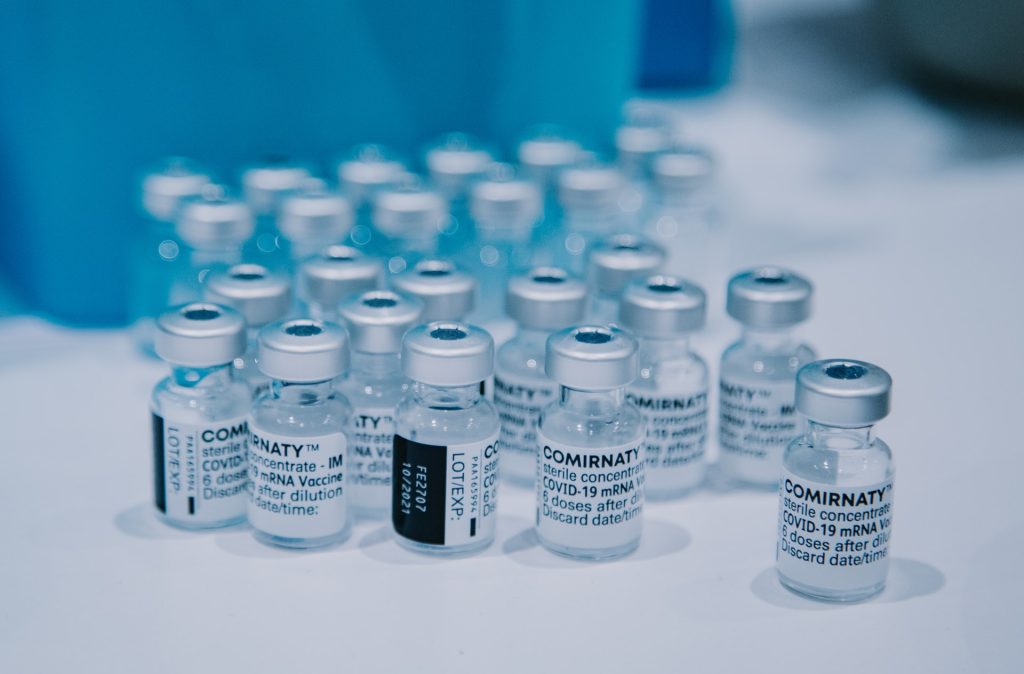
Photo by Mat Napo on Unsplash

Afrigen Biologics and Vaccines, a South African biotechnology company, has nearly created a copy of Moderna’s COVID mRNA vaccine, without Moderna’s involvement, Nature reports.

The Cape Town-based company has so far made only microlitres of the vaccine, based on Moderna’s publicly available development data. This nevertheless is a success for a major initiative launched by the World Health Organization (WHO): a technology transfer hub meant to build vaccine manufacturing capacity in low- and middle-income countries.

During the COVID pandemic, the developers of mRNA vaccines, Moderna and Pfizer/BioNTech have sent more than 70% of their doses to wealthy nations. Meanwhile, millions of vaccine orders for southern hemisphere countries have been delayed. “Moderna and Pfizer-BioNTech’s vaccines are mainly still going to just the richest countries,” says Martin Friede, the WHO official coordinating the hub. “Our objective is to empower other countries to make their own.”

Much work needs to be done before Afrigen’s mRNA vaccine mimic can be distributed. But the WHO hopes that the process of creating it will lay the foundation for a more globally distributed mRNA vaccine industry in the future.

Gerhardt Boukes, chief scientist at Afrigen is proud to have helped complete this first step of the plan. Afrigen and its collaborators completed the process, beginning with mRNA encoding a modified portion of the SARS-CoV-2 coronavirus, and finishing by encapsulating it in a lipid nanoparticle that delivers the vaccine to cells. “We didn’t have help from the major COVID vaccine producers,” he says, “so we did it ourselves to show the world that it can be done, and be done here, on the African continent.”

When the mRNA hub was launched by the WHO in June 2021, Moderna, Pfizer and BioNTech did not respond to requests to help make their vaccines, so the WHO proceeded without their help. The Moderna vaccine was chosen to copy because there is more freely available data on it, and it has not vowed to enforce its patents.

The project started in late September, with a Wits University team spearheading the first step: making a DNA molecule that would serve as a template to synthesise the mRNA needed in the vaccine. While Moderna controversially patented this sequence, Stanford University researchers had deposited it into the online database Virological.org in March last year.

Patrick Arbuthnot, director of gene therapy research at Wits says, “We were not intimidated, because mRNA synthesis is a fairly generic procedure.” Despite delays in the shipment of raw materials, the team completed this process in ten weeks and sent vials of mRNA to Afrigen in early December.

Around this time, scientists worldwide emailed offers of assistance. Some were researchers at the US National Institutes of Health who had conducted foundational work on mRNA vaccines. Petro Terblanche, Afrigen’s managing director, said that it was “extraordinary”. “I think a lot of scientists were disillusioned with what had happened with vaccine distribution, and they wanted to help get the world out of this dilemma.”

On 5 January, Afrigen’s researchers accomplished another tricky part of the process: They encapsulated the mRNA in a fatty nanoparticle made of a mixture of lipids. Boukes says they haven’t yet used Moderna’s specific lipid mixture, but rather another one that was immediately available from the manufacturer of the machine that the laboratory uses to create lipid nanoparticles. They plan to use Moderna’s lipid mixture in the coming days, as soon as one last analytical instrument arrives. After that, the team will analyse the formulation to ensure that it is truly a near copy of Moderna’s vaccine.

Once a reliable copy is made, the next step is increasing production. Jason McLellan, a structural biologist at the University of Texas at Austin whose work was foundational to the development of several COVID vaccines, says he is not surprised that SA scientists seem to have copied Moderna’s vaccine, but he adds that scaling up production of that original shot required a lot of additional innovation by manufacturers.

For the next phase of the project, several southern hemisphere companies will learn from Afrigen and attempt to create batches of vaccines themselves, in preparation for animal testing. By end November, the WHO expects a Moderna clone to be ready for phase I trials in humans.

What happens beyond that is unclear. Moderna might choose to license its patent (lab research is usually not subject to patent rules), or alternatives may become available, such as next-generation mRNA vaccines that do not require ultracold storage.

Source: Nature

WHO Criticises Omicron Travel Bans as SA Stays at Level 1

Image by Quicknews

The emergence of the Omicron SARS-CoV-2 variant which has resulted in renewed lockdowns and travel bans around the world, which have been criticised by the WHO. In contrast, South Africa will stick to an adjusted Level 1 lockdown for the time being, though pushing for mandatory vaccinations. Business and civil society groups had warned that increasing restrictions would have provoked backlash as recent election campaign events had effectively ignored them.

Many nations around the world have reacted quickly to the new variant, which has a large number of mutations compared to the Delta variant. The UK’s decision to suspend flights from South Africa as well as nine other African countries has provoked criticism from a number of quarters, including President Cyril Ramaphosa. The sudden move has caught many travellers by surprise, including a Welsh rugby team which had two members test positive, one of which was for Omicron. They will have to self-isolate before they are able to return, depending on flight availability.

Japan and Israel have taken the more extreme steps of closing their borders to foreigners. The first cases of Omicron that were recorded in Botswana were revealed to be in visiting diplomats, although which country they came from has not been revealed. 

The World Health Organization criticised the imposition of travel restrictions, acknowledging that although they may play a role in slightly reducing the spread of COVID, they still place a heavy burden on lives and livelihoods. It pointed out that if restrictions are implemented, they should not be unnecessarily invasive or intrusive, and should be scientifically based, under international law, the International Health Regulations. It notes South Africa followed International Health Regulations, and informed WHO as soon as its national laboratory identified the Omicron variant. 

“The speed and transparency of the South African and Botswana governments in informing the world of the new variant is to be commended. WHO stands with African countries which had the courage to boldly share life-saving public health information, helping protect the world against the spread of COVID,” said Dr Matshidiso Moeti, WHO Regional Director for Africa. “On the eve of a special session on pandemic preparedness I urge all countries to respect their legal obligations and implement scientifically based public health actions. It is critical that countries which are open with their data are supported as this is the only way to ensure we receive important data in a timely manner.”

Although a full picture of the new variant’s severity is still two or three weeks away, Angelique Coetzee, chair of the South African Medical Association, told the AFP she had recently seen around 30 patients at her Pretoria practice who tested positive for COVID but had unfamiliar symptoms.

“What brought them to the surgery was this extreme tiredness,” she said, something she said was unusual for younger patients. Most were men under 40, and just under half were vaccinated. Other symptoms included mild muscle aches, a “scratchy throat” and dry cough, she said. Just a few had a slightly high temperature. These very mild symptoms stand in contrast to other variants, which typically result in more severe symptoms.

WHO Predicts Shortfall in Syringe Production

Source: Raghavendra V Konkathi on Unsplash

The World Health Organization has said that with the goal of two COVID vaccine doses for seven billion people between now and 2023, a shortage of at least one billion syringes “could occur”, if manufacturing does not increase. This could endanger other immunisation programmes.

Lisa Hedman, WHO Senior Advisor, from the Access to Medicines and Health Products division, warned that there could be a generation of children who miss scheduled immunisation jabs unless manufacturers come up with a way to make more single-use disposable syringes.

“When you think about the magnitude of the number of injections being given to respond to the pandemic, this is not a place where we can afford shortcuts, shortages or anything short of full safety for patients and healthcare staff,” said the WHO expert.

She told media that more than 6.8 billion doses of COVID vaccines are being administered globally per year – nearly twice the yearly number for routine inoculations.

“A shortage of syringes is unfortunately a real possibility and here’s some more numbers. That [given] the global manufacturing capacity of around six billion a year for immunisation syringes it’s pretty clear that a deficit in 2022 of over a billion could happen if we continue with business as usual.”

Reuse of syringes was inadvisable, also noting that syringes were particularly prone to transport delays because they took up 10 times the space of a vaccine.

Meanwhile, the heads of the International Monetary Fund (IMF), World Bank Group, WHO and the World Trade Organization (WTO) held a follow up session of High-Level Consultations with the CEOs of leading COVID vaccine manufacturing companies on Tuesday.

All participants at the meeting agreed on the urgency of increased vaccine dose delivery to low-income countries, where less than 2.5% of the population has been fully vaccinated.

The meeting’s aim was to identify how to ensure more equitable distribution of vaccines and all participants pledged to continue working together to clarify donations, vaccine swaps and delivery schedules, so that distribution of the life-saving vaccines can be more effectively targeted towards needy countries.

The meeting of the Multilateral Leaders Task Force on COVID-19 built on technical work undertaken by multidisciplinary teams during the months of September and October.

During the consultations, the leaders of the four organisations and the CEOs also examined how best to tackle trade-related bottlenecks; how to improve the donation process; what additional steps are needed to reach the vaccination target of 40% of people in all countries by the end of the year; and how to improve transparency and data sharing with the IMF-WHO Vaccine Supply Forecast Dashboard and the Multilateral Leaders Task Force.

The effort will require close collaboration between manufacturers, governments and the international COVAX initiative, on enhanced delivery schedules, especially for doses that are being donated.

Source: UN News

UN Urges Group B Streptococcus Vaccine to Protect Babies

Photo by William-Fortunato on Pexels

There is an urgent need for vaccines against Group B streptococcus, a major cause of preterm births, disability and infant mortality worldwide, according to a UN-backed report published on Wednesday.

Group B streptococcus (GBS) is a gram-positive bacteria that colonises the gastrointestinal and genitourinary tract. It can be transmitted in utero, is linked to around 150 000 infant deaths each year, more than half a million preterm births and significant long-term disability.

The report by the World Health Organization (WHO) and the London School of Hygiene & Tropical Medicine (LSHTM) updates 2017 estimates, and reveals that the global burden of GBS is far higher than was previously recognised.

“This new research shows that Group B strep is a major and underappreciated threat to newborn survival and wellbeing, bringing devastating impacts for so many families globally,” said Dr Phillipp Lambach, Medical Officer from WHO’s Immunization, Vaccines and Biologicals department.

The report is the first to quantify the major contribution of GBS to preterm births, and to neurological impairments such as cerebral palsy, hearing and vision loss, that can occur following infection.

Around 15% of all pregnant women worldwide, nearly 20 million annually, carry the GBS bacterium in their vagina, which can then spread to a foetus, or to newborns during labour. At present, GBS disease prevention in newborns is by administering antibiotic prophylaxis to women during labour, if the bacterium is detected during pregnancy.

However, significant health risks remain, as this intervention is unlikely to prevent most GBS-associated stillbirths, preterm births, or GBS disease that occurs later after birth.

“It is difficult to describe the breadth or depth of the grief when your child dies, or the accompanying guilt, and how it changes you, your family, and your relationships forever,” said Debbie Forwood, whose daughter Ada was stillborn after she developed a GBS infection.

Vaccine development urged
GBS burden is highest in low and middle-income countries, where screening and treatment are most challenging to implement, with regions such as sub-Saharan Africa having the highest rates of maternal GBS.
Now is the time for action, said Joy Lawn, an LSHTM Professor who contributed to the report.  While several candidate GBS vaccines are in development, none are yet available despite decades in the pipeline. The report calls for stepping up development of an effective GBS vaccine that could be administered to expectant mothers during routine pregnancy checkups.

The partners estimate more than 50 000 GBS-related deaths, and over 170 000 pre-term births, could be avoided if over 70 per cent of pregnant women were vaccinated.

Such protection could also be highly cost-effective, they added.  Net benefits from a year of maternal vaccinations could reach as high as $17 billion, accruing over several years, provided doses are affordably priced. For Ms. Forwood, this would be a bittersweet development.

“Only a GBS vaccine could have saved Ada.  When a vaccine can be widely rolled out, I will weep and scream with the unfairness that it came too late for her, and for all the other babies who are needlessly suffering and dying every year that it is delayed,” she said.

“But I will also weep with joy that in the future, many more will live, and their families will be saved from the living hell that is the death of a child.”

Source: UN News

Up to 180 000 Health Workers may Have Died from COVID

Photo by Mulyadi on Unsplash

Between 80 000 and 180 000 health and care workers (HCWs) are estimated to have died from COVID between January 2020 and May 2021, the World Health Organization (WHO) said on Thursday.

That grim estimate features in a new WHO working paper based on the 3.45 million coronavirus-related deaths reported globally to the UN health agency up to May. The WHO warns it may well be an underestimate of 60%. To highlight the need for better protection, WHO was joined by global partners working to end the pandemic, to issue an urgent call for concrete action on behalf of workers in the sector.  

WHO Director-General, Dr Tedros Adhanom Ghebreyesus, said that “the backbone of every health system is its workforce.”

“COVID-19 is a powerful demonstration of just how much we rely on these men and women, and how vulnerable we all are when the people who protect our health are themselves unprotected”, he added.  

WHO and partners said that besides the deaths, more and more HCWs are suffering from burnout, stress, anxiety and fatigue. They are urging  equitable access to vaccines so that HCWs are prioritised.  

By the end of last month, on average, two in five HCWs were fully vaccinated, but with considerable differences across regions.

“In Africa, less than one in ten health workers have been fully vaccinated. Meanwhile, in most high-income countries, more than 80% of health workers are fully vaccinated”, Dr Ghebreyesus pointed out.  

For him, over 10 months since the approval of the first vaccines, “the fact that millions of health workers still haven’t been vaccinated is an indictment on the countries and companies that control the global supply of vaccines”.

Currently, 82 nations risk missing the target of vaccinating 40% of their population by year end, and 75% of those countries are faced with insufficient supply. The remainder have some limitations that WHO is helping solve.

Speaking to journalists via videolink, Gordon Brown, former UK Prime Minister and currently WHO’s Ambassador for Global Health Financing, said it would be a “moral catastrophe of historic proportions” if G20 countries cannot act quickly.

These nations have pledged to donate more than 1.2 billion vaccine doses to COVAX. According to WHO, so far, only 150 million have been delivered.  

With wealthy countries stockpiling millions of unused doses, close to expiration, Brown said they should start an “immediate, massive, concerted” airlift of vaccines to low income countries.  

If they do not, he argued, they will be guilty of an “economic dereliction of duty that will shame us all.”  

Brown also warned that “the longer vaccine inequity exists, the longer the virus will be present.”

Source: UN News

World-first Malaria Vaccine Receives WHO Recommendation

Mosquito
Photo by Егор Камелев on Unsplash

The World Health Organization (WHO) is recommending widespread use of a new malaria vaccine among children in sub-Saharan Africa and in other regions with moderate to high P. falciparum malaria transmission. The vaccine, known as the RTS,S/AS01 (RTS,S or Mosquirix), has been trialled in three countries in a pilot programme involving 800 000 children.

Though the vaccine only offers moderate protection against malaria, with 36% protection against malaria cases among children. One study estimated that even with realistic vaccine coverage, at a constraint of 30 million doses, 5.3 million cases and 24 000 deaths could be prevented among children under five, .

“This is a historic moment. The long-awaited malaria vaccine for children is a breakthrough for science, child health and malaria control,” said WHO Director-General Dr Tedros Adhanom Ghebreyesus. “Using this vaccine on top of existing tools to prevent malaria could save tens of thousands of young lives each year.”

This comes amid stagnation in progress in recent years against the deadly disease. In sub-Saharan Africa, malaria remains a primary cause of childhood illness and death. More than 260 000 African children under the age of five die from malaria annually.

“For centuries, malaria has stalked sub-Saharan Africa, causing immense personal suffering,” said Dr Matshidiso Moeti, WHO Regional Director for Africa. “We have long hoped for an effective malaria vaccine and now for the first time ever, we have such a vaccine recommended for widespread use. Today’s recommendation offers a glimmer of hope for the continent which shoulders the heaviest burden of the disease and we expect many more African children to be protected from malaria and grow into healthy adults.”

The WHO recommends that in the context of comprehensive malaria control the RTS,S malaria vaccine be used for the prevention of P. falciparum malaria in children living in regions with moderate to high transmission as defined by the WHO. This vaccine should be provided in a schedule of 4 doses in children from 5 months of age for the reduction of malaria disease and burden.

The outcome of the pilots informed the recommendation based on data and insights generated from two years of vaccination in child health clinics in Ghana, Kenya and Malawi. Findings include:

  • Vaccine introduction is feasible, improves health and saves lives, with good and equitable coverage of RTS,S seen through routine immunization systems. This occurred even in the context of the COVID pandemic.
  • RTS,S enhances equity in access to malaria prevention.
  • Data from the pilot programme showed that more than two-thirds of children in the 3 countries who are not sleeping under a bednet are benefitting from the RTS,S vaccine.
  • Layering of tools results in over 90% of children benefitting from at least one preventive intervention (insecticide treated bednets or the malaria vaccine).
  • Strong safety profile: To date, more than 2.3 million doses of the vaccine have been administered in 3 African countries – the vaccine has a favorable safety profile.
  • No negative impact on uptake of bednets, other childhood vaccinations, or health seeking behavior for febrile illness. In areas where the vaccine has been introduced, there has been no decrease in the use of insecticide-treated nets, uptake of other childhood vaccinations or health seeking behavior for febrile illness.
  • High impact in real-life childhood vaccination settings: Significant reduction (30%) in deadly severe malaria, even when introduced in areas where insecticide-treated nets are widely used and there is good access to diagnosis and treatment.
  • Highly cost-effective: Modelling estimates that the vaccine is cost effective in areas of moderate to high malaria transmission.

Next steps for the WHO-recommended malaria vaccine will include funding decisions from the global health community for broader rollout, and country decision-making on whether to adopt the vaccine as part of national malaria control strategies.

The pilot programme was financed through collaboration between Gavi, the Vaccine Alliance; the Global Fund to Fight AIDS, Tuberculosis and Malaria; and Unitaid.

Source: WHO

WHO Vitamin C Guidelines from World War II Study Challenged

Source: Diana Polekhina on Unsplash

Researchers have re-analysed a landmark study on Vitamin C conducted during World War II, which informed the WHO’s recommended daily amount, finding the amount to be half that actually required.

When food was scarce during World War II, gruelling experiments were conducted in Britain to determine the bare minimums of food and water that were required for health and survival, and how to prioritise the allocation of food.

One of the more robust experiments run on human subjects during this time in Britain, which has had long-lasting public health consequences, was a vitamin C depletion study started in 1944. This medical experiment involved 20 subjects, most of whom were conscientious objectors living in a building in Sorby where many similar experiments were conducted. They were overseen by a future Nobel Prize winner, and detailed data was kept on each participant in the study.

“The vitamin C experiment is a shocking study,” said Philippe Hujoel, lead author of a new analysis of the Sorby vitamin C experiment, a practicing dentist and professor of oral health sciences in the UW School of Dentistry. “They depleted people’s vitamin C levels long-term and created life-threatening emergencies. It would never fly now.”

Despite two participants developing life-threatening heart problems from the vitamin C depletion, Hujoel added, none of the subjects were permanently harmed, and later many indicated they would participate again.

Due to vitamin C shortages, they wanted to be conservative with the supplies, explained Hujoel, who is also an adjunct professor of epidemiology. The goal of the Sorby investigators was not to determine the required vitamin C intake for optimal health; it was to find out the minimum vitamin C requirements for preventing scurvy.

Vitamin C is important for wound healing because scar tissue formation depends on collagen, which needs vitamin C. In addition to knitting skin back together, collagen also maintains the integrity of blood vessel walls, thus protecting against stroke and heart disease.

In the Sorby trial, researchers assigned participants to zero, 10 or 70 milligrams a day for an average of nine months. The depleted subjects were then repleted and saturated with vitamin C. Experimental wounds were made during this depletion and repletion. The scar strength of these experimental wounds was a measure of adequate vitamin C levels since poor wound healing, in addition to such conditions as bleeding gums, is indicative of scurvy.

The Sorby researchers concluded that 10 milligrams a day was enough to ward off signs of scurvy. Partly based on this, the WHO recommends 45 milligrams a day. Hujoel said that the re-analyses of the Sorby data suggest that the WHOrecommendation is too low to prevent weak scar strength.

In a bit of scientific detective work, Hujoel said he tracked down and reviewed the study’s data, and with the aid of Margaux Hujoel, a scientist with Brigham and Women’s Hospital/Harvard Medical School, put the data through modern statistical techniques designed to handle small sample sizes, techniques not available to the original scientists. They published their findings in the American Journal of Clinical Nutrition.

The Hujoels found that the data from this unique study, which formed a cornerstone for dietary recommendations worldwide, needed more than just being assessed with the ‘eyeball method’.

“It is concluded that the failure to reevaluate the data of a landmark trial with novel statistical methods as they became available may have led to a misleading narrative on the vitamin C needs for the prevention and treatment of collagen-related pathologies,” the researchers wrote.

“Robust parametric analyses of the (Sorby) trial data reveal that an average daily vitamin C intake of 95 mg is required to prevent weak scar strength for 97.5% of the population. Such a vitamin C intake is more than double the daily 45 mg vitamin C intake recommended by the WHO but is consistent with the writing panels for the National Academy of Medicine and (other) countries,” they added.

The Hujoels’ study also found that recovery from a vitamin C deficiency is lengthy, requiring higher levels of vitamin C. Even an average daily dose of 90 milligrams a day of vitamin C for six months failed to restore normal scar strength for the depleted study participants.

Source: University of Washington

WHO Urges Support for New COVID Origin Investigation

Photo by Asad Photo Maldives from Pexels

The World Health Organization (WHO) has urged all countries “to put differences aside” in order to speed up investigations into the origins of the SARS-CoV-2 virus – including the unproven suggestion that it was accidentally released from laboratory.

This announcement follows a joint report into the origins of the coronavirus issued in March by the WHO and China. The UN agency, noting “insufficient scientific evidence to rule any of the hypotheses out” about the origins of the new coronavirus, insisted that to address the ‘lab hypothesis’, it needed access “to all data” in order to prevent global health threats in future.
“WHO calls for all governments to depoliticise the situation and cooperate to accelerate the origins studies, and importantly to work together to develop a common framework for future emerging pathogens of pandemic potential,” it said.

“We call on all governments to put differences aside and work together to provide all data and access required so that the next series of studies can be commenced as soon as possible.”

In a detailed statement, WHO explained the need for additional studies into “all hypotheses” about how SARS-CoV-2 made the jump from animals to humans.

Transparency call
A new independent advisory group of experts, the International Scientific Advisory Group for Origins of Novel Pathogens (SAGO), will support the project by coordinating the studies recommended in the March report, it said.

Nominations for the panel would be welcomed from all countries, WHO said, whose task would be similar to previous COVID missions to China and those launched to investigate the origins of avian influenza, Lassa virus and Ebola virus.

“This open call aims to ensure that a broad range of scientific skills and expertise are identified to advise WHO on the studies needed to identify the origins of any future emerging or re-emerging pathogen of pandemic potential,” the UN agency said.

Scientific endeavour
Noting how hard it is to identify the origin of any novel pathogen, the agency insisted that the mission “is not and should not be an exercise in attributing blame, finger-pointing or political point-scoring. It is vitally important to know how the COVID pandemic began, to set an example for establishing the origins of all future animal-human spill-over events.”

Access to sensitive information was needed for the success of the operation with “a further examination of the raw data from the earliest cases”, along with blood serum from potentially infected people in 2019, before the pandemic.

Data sharing
Data from “a number of countries” that reported finding the virus in blood samples taken in 2019 has already been shared with WHO, it noted. This included Italy, where WHO coordinated retesting of pre-pandemic blood samples outside the country.

“Sharing raw data and giving permission for the retesting of samples in labs outside of Italy reflects scientific solidarity at its best and is no different from what we encourage all countries, including China, to support so that we can advance the studies of the origins quickly and effectively,” WHO said, and restated that access to data was “critically important for evolving our understanding of science and should not be politicised in any way”.

Source: UN News

Marburg Virus Detected in Guinea

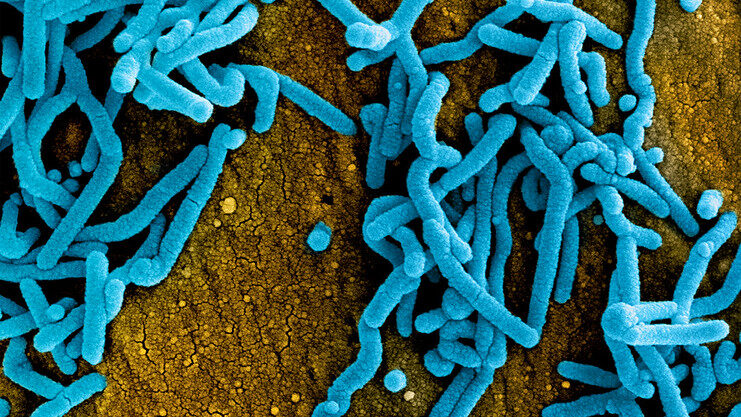
Colourised scanning electron micrograph of Marburg virus particles (blue) both budding and attached to the surface of infected VERO E6 cells (orange). Credit: NIAID

Guinea’s health authority announced the first detection of the Marburg virus in the country, which is also the first case in West Africa.

Marburg, a haemorrhagic fever-causing virus related to Ebola, killed more than 200 people in Angola in 2005, the deadliest recorded outbreak. Laboratory tests of samples taken from a now-deceased patient turned out positive for the Marburg virus.

The patient had sought treatment at a local clinic in the southern prefecture of Gueckedou, and a medical team had been sent to investigate the case.  Cases of the 2021 Ebola outbreak in Guinea occurred in Gueckedou, as well as the 2014–2016 West Africa outbreak were initially detected.

“We applaud the alertness and the quick investigative action by Guinea’s health workers. The potential for the Marburg virus to spread far and wide means we need to stop it in its tracks,” said Dr Matshidiso Moeti, World Health Organization (WHO) Regional Director for Africa. “We are working with the health authorities to implement a swift response that builds on Guinea’s past experience and expertise in managing Ebola, which is transmitted in a similar way.”

Contact tracing efforts are underway, and health authorities are launching education and awareness programmes on the disease. 

Four high-risk contacts, including a healthcare worker, have been identified, as well as 146 others who could be at risk, according to expert Dr Krutika Kuppalli, who spoke to the BBC. A team of WHO experts is on the ground helping to investigate the case and aiding the national health authority’s emergency response.

Cross-border surveillance is also being enhanced to quickly detect any cases, with neighbouring countries on alert. The Ebola control systems in place in Guinea and in neighbouring countries are proving crucial to the emergency response to the Marburg virus.

Marburg is transmitted to people from fruit bats and spreads among humans through direct contact of body fluids.

Illness begins abruptly, with high fever, severe headache and malaise. Within seven days, severe haemorrhagic signs appear in many patients. Case fatality rates are high, ranging from 24% to 88% in past outbreaks depending on virus strain and case management.

With no direct treatments for the virus, supportive care, including rehydration with oral or intravenous fluids, and treatment of specific symptoms, improves survival. There are evaluations underway for potential treatments, including blood products, immune therapies and drug therapies.

One experimental antiviral compound being tested works by preventing viral particles from ‘budding off’ of infected cells.

Source: WHO

WHO Calls for COVID Booster Pause to Let World Vaccinate

The head  of the World Health Organization (WHO) on Wednesday called for a moratorium on COVID vaccine boosters until “at least the end of September” to enable the world’s most vulnerable people to be inoculated.

“I understand the concern of all Governments to protect their people from the Delta variant, but we cannot accept countries that have already used most of the global supply of vaccines using even more of it, while the world’s most vulnerable people remain unprotected”, said Tedros Adhanom Gebreyesus, WHO head.

Speaking during his weekly press conference, Tedros recalled that in May he had asked for international support to promote global vaccinations with the goal of enabling a minimum of 10 percent of each country’s population to be vaccinated by the end of September.  

With the time already half gone, he lamented the lack of progress towards that goal, and even less towards the target of 30 percent vaccinated by year end.

Widening inequality
So far, more than four billion COVID vaccine doses had been administered around the globe, 80 percent of them in high- and middle-income countries – even though less than half of the world’s population live there, the WHO chief said.

As of May, high-income countries had administered about 50 doses for every 100 people, a figure that has since almost doubled, while supply shortages in low-income countries meant only 1.5 doses for every 100.

“Still, some rich countries are considering booster doses even though there are hundreds of millions of people waiting to have access to a first dose”, stressed Tedros, urging that most of those vaccines instead go to low-income countries.

The WHO has insisted global vaccination requires cooperation by all, “especially the handful of countries and companies that control the global supply of vaccines”.

Tedros said that the G20 nations have a vital role to play as its members are the largest producers, consumers, and donors of COVID vaccines.

“It’s no understatement to say that the course of the pandemic depends on the leadership of the G20 countries”, he said, adding, that one month from now, the G20 health ministers will meet, ahead of the October summit and calling on them to “make concrete commitments to support WHO’s global vaccination targets. We call on vaccine producers to prioritise COVAX“.

Tedros also called on leaders and influential personalities, as well as every individual and community to support the moratorium on booster doses.

Booster’s immune benefit questionable
Meanwhile, Dr Jarbas Barbosa, deputy director of the Pan American Health Organization (PAHO) emphasized that so far there is no evidence that a booster dose adds immune benefits to people who already have the full vaccination course.

Source: UN News