Tag: Spotlight

Massive TB Vaccine Trial Kicks off in SA – it could be the First TB Vaccine in over a Century

A massive and long-awaited study of an experimental tuberculosis vaccine has kicked off in South Africa. Marcus Low reports.

Photo by National Cancer Institute

By Marcus Low for Spotlight

The first jabs in a much-anticipated clinical trial of an experimental tuberculosis (TB) vaccine have been administered at a clinical trial site at the University of the Witwatersrand in Johannesburg. Up to 20 000 people are anticipated to take part in the study, according to study sponsor, the Bill and Melinda Gates Medical Research Institute (Gates MRI).

The study will be conducted at 60 different sites in South Africa, Zambia, Malawi, Mozambique, Kenya, Indonesia, and Vietnam. The researchers estimate that between 50% and 60% of the study participants will be in South Africa.

The experimental vaccine called M72/AS01E (M72 for short) made waves in 2018 and 2019  when it was found to be around 50% effective at preventing people with latent TB infection from falling ill with TB over a three-year period in a phase 2b clinical trial. In June 2023, it was announced that, after some delays, $550 million in funding had been secured for a phase 3 study of the vaccine. Medicines or vaccines are typically only registered and brought to market after being shown to be safe and effective in large, phase 3 clinical trials.

While most cases of TB can be cured using a combination of four antibiotics for four or six months, TB rates are declining relatively slowly and it is widely thought that an effective vaccine would help bring TB rates down much more quickly. The World Health Organization estimates that at the level of protection seen in the phase 2b trial, the vaccine could potentially save 8.5 million lives and prevent 76 million people from falling ill with TB over a 25-year period. The one TB vaccine we already have, called bacille Calmette-Guerin (BCG), is over a century old and only provides limited protection against severe illness for children and no protection for adolescents or adults.

“Reaching Phase 3 with an urgently needed TB vaccine candidate is an important moment for South Africans because it demonstrates that there is a strong local and global commitment to fight a disease that remains distressingly common in our communities,” said Dr Lee Fairlie,  national principal investigator for the trial in South Africa, in a media statement released by Gates MRI.

“South Africa also has considerable experience with TB- and vaccine-related clinical trials and a strong track record for protecting patient safety and generating high quality data essential for regulatory approvals.”

Fairlie is also the Director of Maternal and Child Health at the Wits Reproductive Health and HIV Institute at Wits University.

The initial response from TB activists was positive.

“TB Proof (a South African TB advocacy group) is delighted that the M72 phase 3 trial has been launched,” the organisation’s Ruvandhi Nathavitharana and Ingrid Schoeman told Spotlight.  “Having an effective TB vaccine is critical for TB elimination efforts.”

While he said it is good to finally see the phase 3 trial of M72 get underway, Mike Frick, TB co-director at Treatment Action Group, a New York-based TB advocacy organisation, went on to say:

“The fact that we had to wait so long between phase II and phase III says everything one needs to know about the headwinds – financial, political, commercial – that TB research is up against.”

How the study will work

Half of the up to 20 000 study participants will receive the M72 jab and the other half a placebo. The vaccine is administered as two intramuscular injections given a month apart. After being jabbed, study participants, all aged 15 to 44, will be followed for four years from the date of the first study participant being enrolled to see if they fall ill with TB.

“The plan is to complete enrolment in 2 years,” Fairlie and Alemnew Dagnew, clinical lead for the trial, told Spotlight in response to written questions. They explained that the actual duration of the trial will depend on how long it takes for 110 people in the study to fall ill with TB. According to the Gates MRI statement, the study is expected to take around five years to complete.

According to Fairlie and Dagnew, the majority of study participants (around 18 000 people) will be people who are HIV negative and who have latent TB infection – that is to say people who have TB bacteria in their lungs, but who are not ill with TB. Latent TB infection is thought to be very common in South Africa and only around 10% of people with latent infection ever fall ill with TB. In the study, latent infection will be tested for using a type of test called an IGRA (Interferon-Gamma Release Assay).

Around 1000 HIV negative people with no TB infection will also be recruited to the study. This is being done to make sure the vaccine is safe and effective in this group of people – while latent infection will be tested for in the study, in the real world such testing may not always be feasible prior to vaccination.

It is anticipated that 1000 of the 20 000 study participants will be people living with HIV. Establishing how well the vaccine works in people living with HIV is important since around 13% of people in South Africa are living with HIV and HIV substantially increases the risk of falling ill with TB. The main phase 2b study of M72 did not include people living with HIV although another phase 2 study looked specifically at the safety and immunogenicity of M72 in people living with HIV – according to Fairlie and Dagnew, “that trial “was completed and supported the inclusion of such participants in a phase 3 trial”.

Smaller than previously thought

When funding for the phase 3 trial was announced last year, it was estimated that 26 000 people would participate in the study. That number has now been revised down to 20 000.

“As a result of ongoing discussions between the institute and our funders, the decision was taken to review the study protocol with the intent of simplifying the study given its size and complexity.  This will not affect the safety of the trial. It is common to continue to refine a protocol. We found a way to expedite the study that would potentially allow us to offer the public health impact of this vaccine to those in need sooner. All partners, including the trial funders, are fully aligned to the protocol refinements,” Fairlie and Dagnew explained to Spotlight.

“Some assumptions used to inform the design of the first protocol were deemed overly conservative, so the clinical team used slightly less conservative assumptions on vaccine efficacy and TB incidence rate, thus allowing for a reduction in the number of participants in the trial, while still retaining the primary goal of confirming the safety and efficacy of the M72/AS01-E-4 vaccine for prevention of TB, guided by the final results of the phase 2b study completed several years ago.”

Planning for access

The development of M72 has taken a somewhat unusual path – with the pharmaceutical company GSK leading development up to the end of phase 2b and then largely passing the baton to Gates MRI with the conclusion of a licensing deal in 2020. GSK has come in for some criticism for not moving more quickly after the initial publication of the phase 2b results in 2018. A ProPublica article published last year suggested that the development of M72 slowed because GSK were focussing on more profitable vaccines.

According to the Gates MRI statement, GSK continues to provide technical assistance to the Gates MRI, supplies the adjuvant component of the vaccine for the phase 3 trial, and will provide the adjuvant post licensure should the trial be successful. An adjuvant is an agent included in the vaccine that improves the immune response elicited by the vaccine – in the case of M72/AS01E the AS01E refers to the adjuvant made by GSK.

This ongoing dependence on a single company for the adjuvant has some activists worried. “We are concerned about reports that scaling this vaccine may be difficult due to limited availability of the vaccine adjuvant. Access for everyone who needs it should be part of the early phases of the research process – not an afterthought,” said Nathavitharana and Schoeman.

“The press release announcing the study’s start in several places refers to the ‘complexity’ of ‘developing and ensuring access’ to a new vaccine. Part of the unspoken complexity here is the opaque licensing deal GSK and Gates MRI signed in 2020 in which GSK gave rights to develop and commercialise M72 to Gates MRI while retaining control over the AS01E adjuvant,” Frick told Spotlight. “There are legitimate concerns that the fine print of this arrangement could work against equitable access, but terms of the licence remain unknown to the public.”

When asked about supply concerns, Gates MRI told Spotlight:  “Gates MRI collaboration with GSK includes provisions to ensure there is sufficient supply of adjuvant for the clinical development and first adoption in low-income countries with high TB burden, at an affordable price, should the vaccine candidate be successful in phase 3 trials and approved for use. For broader implementation, GSK has committed to working with its partners to ensure there is sufficient supply.”

Disclosure: The Gates MRI is a non-profit subsidiary of the Bill and Melinda Gates Foundation. Spotlight receives funding from the Bill and Melinda Gates Foundation. Spotlight is editorially independent and a member of the South African Press Council.

Republished from Spotlight under a Creative Commons licence.

Source: Spotlight

We Need to Fight for Sleep Equity in SA, Say Leading Researchers

By Ufrieda Ho for Spotlight

Photo by Andrea Piacquadio

Research into the link between disordered sleep and disease show an outsized burden on the most vulnerable. It’s sounding alarms for sleep equity to have a place on the public health agenda, reports Ufrieda Ho.

Scientists are increasingly connecting the dots on how a lack of sleep places a disproportionate health burden on at-risk population groups, including people living with HIV, women, informal workers, the elderly and the poor.

This year’s World Sleep Day on 15 March focuses on sleep equity. Researchers say that tackling sleep inequity and raising awareness for the importance of sleep as a pillar of good health could help stave off several looming public health pressures.

The lack of healthy sleep is linked to cardiovascular disease, obesity, hypertension, diabetes, mental health conditions and dementia. In South Africa, understanding the connection between sleep and HIV is also key to managing the health of the large ageing population of people living with the disease.

Karine Scheuermaier is associate professor at the Wits University Brain Function Research Group. The country’s oldest sleep laboratory founded in 1982 is based at the university’s medical school in Parktown, Johannesburg.

“Society understands the role of exercise and diet in good health but somehow sleep has not had the same kind of awareness or priority, even if sleep is linked to how well your body functions and your chances of developing disease,” she says. “We do everything else at the expense of sleep. Sleep is somehow a symbol of laziness in a work-driven society and we need to change this thinking.”

Sleep inequity in SA

Sleep inequity is linked to socio-economic realities, she says. Sleep inequity might affect the person who lives in an environment where safety and security is neglected or where there is a high threat of gender-based violence. It could also be having to navigate apartheid city planning that forced black people to live far from job hubs. This legacy means today many workers still wake up early to face long work commutes daily. There could also be inequity in division of labour in households, when one person wakes up to take care of children or elderly family members in the home.

Living in overcrowded informal settlements also presents disturbances for good sleep, including high levels of noise and bright floodlights as street lighting. Those who work in unregulated or informal sectors, including shift work or digital platform workers, like e-hailing drivers, are prone to lose out on quality sleep.

clinic that does clinical work, research, and training. Chandiwana says homing in on the intersection of HIV and sleep is critical in a South African context.

“The average person living with HIV who has started antiretroviral treatment on time should live as long as a person who doesn’t have HIV. But what we know is that the person with HIV is on average, living 16 years less of good health. They are more likely to develop type II diabetes, mental health issues, obesity, and heart disease – and we know poor sleep is linked to this,” she says.

Chandiwana says sleep science is still a relatively new field of medicine and the nascent research is still looking to better understand how sleep deprivation triggers immune pathways and chronic inflammation in people living with HIV, even those who are healthy and respond positively on treatment.

A current study at the clinic is looking into the intersection of obesity, sleep apnoea, and women living with HIV. Chandiwana says because so much is unknown, the issue of sleep equity extends to support and funding for more locally appropriate sleep research. Medical school curricula needs to change and more avenues to train people in sleep research needs to be established, she says.

“We have very little African data on sleep disorders and disordered sleep,” she says. She argues we need better data on things like how many people are affected by poor sleep, a better understanding of what is causing it and what it means, and then we need to present these findings to public health authorities to look at it as a public health issue.

“We do have specific challenges in our country. If you are trying to explain to someone, who isn’t South African, how the impact of load-shedding affects sleep or how living in a shack affects sleep, it’s not always easy to do,” she says.

Chandiwana says countries in the global North are already counting insufficient quality sleep as an economic cost measured in loss of productivity, efficiency, safety and society’s well-being. They are also changing public health policies accordingly. South Africa and the rest of the continent stand to be left behind, she says.

How to get better sleep in SA

Chandiwana says: “There is no lab in South Africa that does sleep studies for people in the public sector and no place in the public sector for people to even be diagnosed for a sleep disorder – so services are extremely limited. With something like sleep apnoea, we can’t offer patients in the public sector the gold standard intervention of CPAP [continuous positive airway pressure, which is a device of a face mask, a nose piece, and a hose that delivers a steady flow of air pressure to keep airways open while someone sleeps] because this is financially out of reach. Instead, we have to work with patients to help them lose weight and do positional therapy like training them to sleep on their backs.”

Other ways to get better sleep without costly intervention or sleeping tablets, the two scientists say, include getting exercise, not having food, stimulants or alcohol two to three hours before bedtime, limiting screen time of all kinds in the hour around bedtime, getting exposure to the early morning sunlight each day, keeping sleeping areas dark, quiet and at a comfortable temperature, and developing fixed sleep routines and sleep time rituals – like brushing your teeth, putting on pyjamas, reading for a short period and then going to sleep.

Ultimately, Chandiwana suggests it all comes back to building awareness that healthy sleep is part of health rights.

“We have to fight for sleep equity and we need people to know that sleep is not elitist – it’s not just reserved for some,” she says, “and we should not be accepting poor sleep as the norm”.

Republished from Spotlight under a Creative Commons licence.

Source: Spotlight

A Year after a Damning Report, Some Green Shoots at Rahima Moosa Hospital

Spotlight visits Rahima Moosa Mother and Child Hospital and sees progress for the struggling hospital but also the reality that there’s a long road ahead to undo what a health ombud report suggests has been years of neglect and poor management.

Rahima Moosa Mother and Child Hospital serves up to 2 300 people admitted per month as well as 10 000 outpatients each month. (Photo: Denvor de Wee/Spotlight)

By Ufrieda Ho for Spotlight

It’s been a year since a damning Health Ombud’s report on the Rahima Moosa Mother and Child Hospital (RMMCH) was released. This month also marks the end of the last deadline the Gauteng Department of Health had to act on recommendations in the report.

At 80 years old, RMMCH is an iconic landmark on the western edge of Johannesburg. But it has gone from a one-time outlier for excellence to being in steady decline, marked by what the Ombud’s report criticised as incompetent leadership, neglect and crumbling infrastructure.

In May 2022, the hospital suffered a public low point when paediatric gastroenterologist, Dr Tim de Maayer, penned an open letter, slamming multiple failings at the facility. Public outcry from the letter, complaints from hospital users, and a widely circulated video of pregnant mothers sleeping on hospital corridor floors prompted the ombud’s investigation.

When Spotlight visited the hospital at the end of February (2024), there were positive outward signs that recent maintenance work had been completed, per the Ombud’s recommendations. Some areas have been painted and surfaces where underground sewer pipes had to be unblocked have also been tarred. The stench from overflowing sewage appears to be a thing of the past. Renovations to the antenatal care ward, shown in the video that went viral, are also near completion and the ward is expected to be operational again by the middle of March.

More signs that RMMCH is blipping on radars again include a new granite plaque at the entrance ready to be unveiled to commemorate the hospital in its 80th year. On noticeboards were flyers that advertised a community fun-walk for the end of February. It was an event intended to “reconnect” hospital staff with the immediate community it serves.

The hospital is also part of the roll-out of the provincial health information system (HIS) and admin staff were seen enrolling new patients on the system. The HIS is a long-awaited system to modernise patient file storage and make patient files accessible at facilities province-wide. Spotlight previously reported on the system.

These encouraging advances since the Ombud’s investigation get the thumbs up from hospital insiders. But they flag that even though the Gauteng Department of Health has announced a six-year renewal plan for the hospital and R53 million was approved in December 2023 for the next phase of renovations, the department is playing catch-up and still dragging its feet.

CT scan empty promises

For Dr Z, the biggest of her current concerns is that the hospital’s CT scan has not been in operation for the past 14 months. Dr Z asked not to be named because of the risk of victimisation.

“We have to beg other hospitals to do our scans. So even when you have a patient who actually needs a CT scan, you think twice – you ask yourself do they really, really need it or should you just watch them for another couple of months. It’s very demoralising and we keep hearing empty promises from management,” Dr Z says.

A shortage of clerical staff means clerks are shared between departments, resulting in inevitable administrative glitches and delays, Dr Z says.

There is also a growing need for child mental health services but the hospital doesn’t have in-patient psychiatry services and only has sessional psychological services.

“We serve an ever bigger community that has changing needs but our infrastructure has stayed the same and our staff numbers have not increased,” says Dr Z. The doctor has worked at RMMCH for nearly two decades – “my second home” she calls it.

The hospital has around 1200 staff members. They serve up to 2300 people admitted per month as well as 10 000 outpatients each month.

Dr Z tries to stay hopeful, saying “we look to the positive things and we do what we can”, but RMMCH can be a daunting place to work. Safety and security has resurfaced as a concern this February. This comes on the back of a car hijacking that took place in the hospital’s parking area at the beginning of the month. The Ombud’s report also looked into the hijacking of an intern’s car that took place in its investigation period.

Parking too is a daily frustration – there are only 300 parking spots for staff on the hospital campus but at least 400 vehicles that need a place to park at peak times. Visitors are told to park on the streets.

‘Mr Fixer’

Acting CEO of the hospital Dr Arthur Manning met with Spotlight to answer questions put to him and to the Gauteng Department of Health.

Manning took up the job in September 2022 as part of the Ombud’s recommendation to redeploy the previous CEO, Dr Nozuko Mkabayi, whom the government oversight body found to be a dismal failure.

Manning calls himself “a fixer”.  His role, he recognises, has been to help stop the slide for RMMCH, also to boost staff morale, restore communication channels and regain the community’s trust in the facility.

“We are a system under pressure and we know there is burnout and low morale but we have improved counselling support and we try to recognise and thank people. We held a nurse’s awards dinner last year exactly for these reasons,” he says.

Manning says the hospital organogram was last updated in 2006, but he has submitted a revised one to the Gauteng Department of Health. It makes the case for more admin and support staff, more junior and training doctor posts and bolstering psychiatric and psychological services. These, he says, are especially necessary because services for children are particularly neglected.

The broken CT scanner at Rahima Moosa Mother and Child Hospital. (Photo: Denvor de Wee/Spotlight)

On the matter of the CT scanner, he says “procurement is underway”. It’s a planning failure that the machine is five years beyond its expected lifespan and was not replaced sooner, resulting in the current gap. Manning says the Gauteng Department of Health is now piggybacking on Limpopo’s procurement contract. Piggybacking refers to provisions in the Public Finance Management Act, that under certain conditions, allow a department in one province to procure goods and services via a contract that a department in another province has concluded with a service provider.

According to Manning, the Gauteng province is currently concluding an X-ray equipment tender that has delayed the procurement of the CT scanner for RMMCH.  “Without a tender in place, procurement is more difficult,” he says. Approval to use Limpopo’s tender contract cuts out some red tape and means the CT scanner and maintenance contract has been secured at the price of R30 million. By May, he says, the hospital will also have an MRI-scanning facility.

Staff helps to spruce up waiting area

Manning has been credited by some for shifting morale and competently overseeing the interventions set out by the Ombud’s report. On a hospital walkthrough with Spotlight, he engages casually with staff and patients. He’s also evidently proud of staff-driven initiatives to improve the hospital experience for patients. He points out a freshly painted waiting area in one of the departments where children are playing with new toys and crawling on bright green astro turf. More than half the money for this project came from doctors and nurses raising funds cycling and running in race events in the city.

Keeping staff motivated means their concerns and working conditions – including the parking problem and safety and security – have to be priorities, he says.

Cars are double and triple-parked in the overcrowded staff parking area. Currently, informal management of this is done via Whatsapp groups. People on the groups are notified to move their cars as spots free up. Manning says the hospital is working to secure nearby grounds for additional parking. On safety and security, he says the hospital has stepped up collaboration with local police and the community policing forums to increase patrolling around the hospital especially around shift changes. He adds: “We have expanded our CCTV camera coverage, requested for armed security control and we’re exploring panic button systems.”

A bigger budget and a permanent CEO

There are two key outstanding issues from the Ombud’s report. The first is reclassification of the hospital that is also an academic and training hospital, from a regional facility to a tertiary hospital.

“This is something that involves national, but when reclassification is done it will means RMMCH’s budgets and grants will be adjusted and we will be able to do so much more,” says Manning.

The second issue is the appointment of a permanent CEO, which Manning says is “being handled by central office”. He side-steps a question on whether his name is in the mix. It’s expected that an announcement on the new CEO will take place in April.

Professor Ashraf Coovadia is academic head of Paediatrics and Child Health at Wits University and heads up this department at RMMCH. He says Manning has “been good for RMMCH” but he says above the level of CEO, it’s the Gauteng Department of Health that needs to get its house in order . He says there has been a lack of communication, consultation, transparency and decisive action from the Gauteng Department of Health for years.

“A CEO can do only so much. When we have having acting heads in so many departments who are in acting positions for forever, it’s a joke. It means decisions don’t get made or decisions don’t get made for the long run and this compromises how the hospital is run and the care we give patients,” he says.

He adds that when there is less “hospital floor” consultation and more bureaucratic centralisation from the department it alienates doctors and nurses. “It becomes more and more difficult to try to motivate especially junior doctors who start off wanting to give back to the public health service but become so frustrated they don’t stay.”

Back to the 1900s

Like Dr Z, Coovadia highlights the CT scan issue, as well as the long delays and the excuses for the delays.

“Working without a scanner takes us back to the 1900s; we are not practising modern medicine and we are not able to diagnose patients early enough,” he says.

Coovadia adds that even though water and electricity supply issues at RMMCH have improved, infrastructure fixes remain patchy. “There are fewer issues of burst pipes and flooding, but it’s still happening.”

Coovadia has been with the hospital for 26 years, he knows better than most the precariousness of the situation and why the hospital is not yet out of the woods. He says: “The negative attention on the hospital did bring about some positive change. But it can make you cry when you see the slide over the last ten years… The hospital is not collapsing, but there are daily collapses.”

NOTE: Coovadia is on the board of SECTION27. Spotlight is published by SECTION27, but is editorially independent – an independence that the editors guard jealously. Spotlight is a member of the South African Press Council.

Republished from Spotlight under a Creative Commons licence.

Source: Spotlight

Pilot Project in SA Now Offering HIV Prevention Injection

Taking antiretrovirals to prevent HIV infection is available in the form of pills, vaginal rings, and injections. (File photo: Nasief Manie/Spotlight)

A new HIV prevention injection is now available to a select number of people in South Africa. That a single shot provides two months of protection is one of the injection’s major selling points. In this story, Elri Voigt unpacks how much of the jab is available, who is choosing to get it and what other anti-HIV drugs are being rolled out.


By Elri Voigt for Spotlight

Earlier this month, a young person in Cape Town became one of the first people in the country to receive a new HIV prevention injection outside of a clinical trial. The injection contains a long-acting formulation of the antiretroviral drug cabotegravir (CAB-LA for short). It provides two months of protection against HIV infection per shot.

“We were excited and nervous at the same time because (we) didn’t know how this person is going to react to an injection,” said Pakama Mapukata, a nurse and study coordinator. She added that the first person who received the CAB-LA injection responded well and told her that the injection was less painful than an sexually transmitted infection (STI) injection they had to receive in the past.

While the injection is not readily available for most members of the public just yet, a select number of people in the country will be able to access it via several implementation studies, also called pilot projects. One of these pilots is a study called FAST PrEP, conducted by the Desmond Tutu Health Foundation (DTHF) in Cape Town. Technically, access to the injection is limited to a FAST PrEP sub study called Prepare to Choose.

Taking antiretrovirals to prevent HIV infection is referred to as pre-exposure prophylaxis (PrEP). PrEP is available in the form of pills, vaginal rings, and injections.

According to Elzette Rousseau, a social behavioural scientist and the lead co-investigator in the implementation team for FAST PrEP, on the first day it was offered, five people opted to get the CAB-LA shot. “The first two, at least, that came through was a young MSM [men who have sex with men] and one was a young woman, which is definitely exciting because that is the population that we would want to come to our services which will benefit most from it,” she said. As of 21 February, 19 injections in total had been administered.

‘Real-world experience’

Professor Linda-Gail Bekker, Chief Executive Officer of the DTHF and Principal Investigator of the study, explained that once CAB-LA demonstrated efficacy in phase three clinical trials, it was decided to first do some implementation science studies in the country, alongside the other new PrEP option which is the dapivirine vaginal ring (DPV-VR), before rolling it out in the public sector.

Both the CAB-LA injection and the dapivirine ring have been approved by the South African Health Products Regulatory Authority (SAHPRA). Prevention pills, also called oral PrEP, were approved several years earlier and are already widely available in the public sector and at pharmacies.

She explained the idea is that these implementation studies can help transition the product from the clinical trial setting to a real-world rollout in the public sector. Essentially the pilots would serve as a way of introducing the injectable and the ring on a smaller scale and lessons learnt from the pilots could be used to inform the future, larger rollout of these products. It also helps pick up any potential issues or safety concerns that may not have been seen in the clinical trials.

She added that pilot projects also help inform what the demand for a product like CAB-LA and the DPV-VR will be, which can help with advocacy efforts and give the manufacturers and companies who create generic products an idea of whether it’s worth investing in these products.

“There really are limited pilots going on in the country to date,” Bekker said. The pilots that are offering CAB-LA in addition to the DTHF are being conducted by Ezintsha and Africa Health Research Institute (AHRI), as well as the Wits Reproductive Health and HIV Institute (Wits RHI). Spotlight reported on this in-depth last year.

CAB-LA delays

Bekker told Spotlight the volumes of CAB-LA available in the country remain constrained for now.

While SAHPRA approved the injection in late 2022, limited supply and the product’s high price has limited uptake around the world. A recent HIV investment case for South Africa found the injection not to be cost-effective at the current price compared to PrEP in the form of pills. For now, the only supplier of CAB-LA is the pharmaceutical company ViiV Healthcare. Generic products are anticipated to enter the market in three to four years.

Despite SAHPRA approval for the product, the pilot projects have experienced delays in getting CAB-LA to their participants. As Spotlight reported last year, the National Department of Health stated that there were challenges getting the CAB-LA injections donated for the implementation studies into the country as the packaging did not meet South African regulatory requirements.

Bekker said that an alternative is to import CAB-LA through a phase 3b study (in this case the Prepare to Choose study), approved by SAHPRA’s Clinical Trial committee. Writing up protocols and having the study approved by an ethics committee and SAHPRA took some time, and once it was approved, CAB-LA still needed to be imported and ViiV Healthcare had to ramp up manufacturing to meet demand.

Bekker told Spotlight that to date, CAB-LA has not yet been purchased by the National Department of Health for distribution to the public, and the only other way to get CAB-LA into the country will be through a donation by the United States President’s Emergency Plan for AIDS Relief (PEPFAR).

“PEPFAR has been able to import the product into Zambia and Malawi…as the first two PEPFAR countries to get it as a PEPFAR donated public rollout and we hope South Africa is in that queue further down the line,” she said.

The Prepare to Choose Study

At the moment, Prepare to Choose can only offer CAB-LA to a few hundred people. Bekker said that ideally, they would have wanted to offer all their FAST PrEP clients a three-way choice of either the vaginal ring, oral PrEP pills or CAB-LA. But for now, CAB-LA is only being offered within Prepare to Choose, which is a single-nested sub study within FAST PrEP.

Mapukata, who was present during the first CAB-LA injection in the implementation study, said it will be interesting to see what participants choose now that they have an additional PrEP option. “People have been waiting for injection for the longest time, so we are seeing lots of excitement from the participant side,” she said.

Rousseau told Spotlight that Prepare to Choose currently has enough CAB-LA doses for 900 participants over an 18-month period.

She said they have thus far observed that “people are still choosing what [PrEP option] suits them” when offering existing or potential FAST PrEP participants the choice to access CAB-LA.

So far those who have chosen CAB-LA are primarily adolescent girls and young women with an average age of 22. Some have been on PrEP before, while others are starting PrEP for the first time. “In that cohort we know that the burden of HIV exists, so that’s encouraging at this point,” Rousseau said.

Trends observed in FAST PrEP 

FAST PrEP is being implemented at 12 public sector health facilities in the Klipfontein and Mitchells Plain Health Sub-Districts in the Western Cape, as well as in four mobile clinics that operate in the area. Since the start of FAST PrEP, just under 11 000 participants have enrolled, according to Rousseau. This means that around 11 000 people have accessed either prevention pills or the DPV-VR through the study.

When FAST PrEP started, the assumption was that the study can enrol between 20 000 and 23 000 participants, but it is not necessarily targeting to enrol that exact number of participants. Rousseau added that the study currently has funding to continue offering PrEP until late next year but access to these options may potentially continue beyond that.

The study reaches participants in public sector healthcare facilities by having two peer navigators in each facility. These peer navigators are young people trained and employed by the study coordinators. They can educate and counsel young people about FAST PrEP. The study coordinators also offer training, particularly sensitisation training, to nurses and other staff members.

The four mobile clinics travel around the Klipfontein and Mitchells Plain Health Sub-Districts, particularly where there is a high incidence of HIV, as well as spaces where young people are present. These include 16 secondary schools in the area where the mobile clinics have permission to enter the school grounds.

Demand for the DPV-VR

Rousseau told Spotlight that so far, just under 200 women in the study have chosen to use the DPV-VR. However, it’s important to note that within the whole study population, not everyone is eligible to use the ring. It is currently being offered to women who are over 18, not pregnant and not breastfeeding.

She added that for participants who are eligible for both the ring and oral PrEP, the pill is still more popular – with a rough estimate of around 15% of eligible participants opting for the ring. Most participants, at this stage, who choose to use the ring are those who have tried oral PrEP first and struggle to take pills daily or found it doesn’t suit their lifestyle. Very few participants to date have started on the ring and then switched to the daily pill.

Dapivirine vaginal ring. Credit: Columbia University Mailman School of Public Health

She said the demographics of who prefers the ring over oral PrEP haven’t been explored in-depth, but it’s something that the study will be looking at and analysing data on in future.

Bekker added to this saying: “We always expected it to be a bit of a niche product because you know definitely for many the idea of swallowing a pill is perhaps an easier concept than using a vaginal ring. So, it has started slowly, we’ve now administered hundreds as opposed to thousands of rings.”

She noted that interest in the ring has built overtime and is starting to pick up more. “Our first, preliminary data suggests that the women who choose rings are coming back [for it] …they’ve decided they want to go that road and they’ve committed,” Bekker said.

Counselling for Choice

While the ring was found to be effective in two phase 3 trials, its efficacy in those trials was far from 100% and the evidence for the ring’s efficacy is generally less impressive than that for pills and the injection. Interpreting findings from PrEP trials is also somewhat muddied by whether or not pills are taken as prescribed, and the ring is used and replaced as prescribed – that a single shot provides two months of protection is one of the injection’s major selling points.

Compared to placebo, there was a 30% reduction in HIV infection for ring users in phase three trials, while there was a 50 to 60% reduction in infection when the ring went to open-label, Bekker noted.

She said that it has previously been observed that clinical trial efficacy results can differ from real-world results, particularly when it comes to HIV prevention. For instance, she said, oral PrEP in clinical trials initially showed no evidence of efficacy in the prevention of HIV in women. Yet, real-world evidence showed it works in all populations if taken as prescribed.

What both these cases have shown, according to Bekker, is that it’s not necessarily that the product isn’t working, it’s that the product isn’t always being used as intended. When it comes to the ring, she said, the drug within the ring is efficacious and will kill the virus, but the ring must be present at the time that the individual is exposed to HIV. “Once you take the ring out, the [prevention] effect is lost,” she said.

When asked how women are counselled about the ring in the FAST PrEP study, Bekker said it is done very carefully and with guidance of their peers – this is where the peer navigators play a big role.

FAST PrEP was designed using a lot of engagement from young people, Bekker said. For a year before the pilot started, a group of 100 young people from diverse populations were enrolled from the community to give feedback on how to design the pilot so it can best reach young people. This group also essentially helped troubleshoot the information coming from the pilot to ensure that the PrEP choices were communicated in an appropriate way.

“They are very instrumental at the moment in making sure that that message [on DPV-VR] is clearly communicated,” she said.

Bekker added that if an individual needs time to think about which PrEP option to use, they are advised to start with oral PrEP and that they can switch later if they want.

Mapukata explained how the counselling process plays out on the ground. Participants in FAST PrEP, once they have spoken to a peer navigator, are taken into a counselling room and given a quiz where their scores are used to indicate what PrEP option might work for them. This is used as a starting point to counsel participants about the different PrEP options and which options they are eligible for and most comfortable using.

“It’s a lot of counselling that goes in before that choice [of PrEP] is made,” Mapukata said.

Young people who are members of the FAST PrEP youth reference group speak of the project in glowing terms. “And it’s so nice because you have a variety to choose from, you’re not obligated [to only] be on PrEP, on the oral, because there’s a variety of options,” one of them told Spotlight.

Republished from Spotlight under a Creative Commons licence.

Source: Spotlight

Health Budget 2024: Tangible Investment Needed to Alleviate Poverty-related Health Issues and Build Trust for NHI

Finance Minister Enoch Godongwana tables his 2024 Budget during a joint seating of the National Assembly in the Cape Town City Hall. (Photo: National Treasury)

By Wanga Zembe, Donela Besada, Funeka Bango, Tanya Doherty, Catherine Egbe, Charles Parry, Darshini Govindasamy, Renee Street, Caradee Wright and Tamara Kredo

The 2024 national budget offers some glimmers but allocations for direct health benefits fall short of making a difference to people’s health and wellbeing. These include a ring-fenced allocation to crack down on corruption in health to inspire trust for the National Health Insurance, taxing accessories for e-cigarettes, a jacked up child-support grant, clarity on plans dealing with climate change and its impacts on human health, and finally greater investment to enhance women’s capabilities alongside the Covid-19 grant, researchers from the South African Medical Research Council write exclusively for Spotlight.

The 2024 national budget presented last week by Finance Minister Enoch Godongwana contained several key elements that have an impact on systems, services and wellbeing from a health perspective.

Importantly, not only direct health spend, but budget allocated to social protection and climate infrastructure has implications for health outcomes such as nutrition, growth and food security. Health taxes, to address illness caused by alcohol, cigarettes and e-cigarettes amongst others, are also key revenue streams with taxation intended to deter use.

As researchers at the South African Medical Research Council we are dedicated to improving the health of people in South Africa through research and innovation. We wish to share some insights into positive areas in the budget and to point out areas where there are gaps with potentially dire consequences for the health of our nation.

In real terms, the health budget is shrinking.

Health has been allocated a total of R848-billion over the medium-term expenditure framework. This includes R11.6-billion to address the 2023 wage agreement, R27.3-billion for infrastructure and R1.4-billion for the National Health Insurance (NHI) grant.  Compared to the medium-term budget policy statement in October last year, government is now adding R57.6-billion to pay salaries of teachers, nurses and doctors, among other critical services.

In real terms, the health budget is shrinking. The allocation to cover last year’s higher-than-anticipated wage settlement is a positive step to try to fill posts for essential health workers. But this allocation falls short of fully funding the centrally agreed wage deal, meaning that provincial health departments will be unable to fill all essential posts.

Treasury’s Chief Director for Health and Social Development, Mark Blecher, was quoted as saying that the “extra money would not be sufficient to hire all the recently qualified doctors who have been unable to secure jobs with the state, and provincial Health Departments will need to determine which posts should be prioritised”. He added: “There will be less downsizing, and more posts will be filled, but it is unlikely they all will be.”

South Africa has a ratio of only 7.9 physicians per 100 000 people in the public health system, while it has been estimated that there are more than 800 unemployed newly qualified doctors. Considering the health-workforce shortfalls, the amount of money allocated appears optimistic for service coverage for the increasing population.

The World Health Organization (WHO) considers building a health workforce a highly cost-effective strategy. Salaries continue to consume the largest share of provincial health budgets, estimated at 64% since 2018. The Human Resources for Health strategy lacks clarity on the implementation of workforce-planning approaches with significant implications for how provinces prioritise workforce cadres to keep up with the increasing needs – particularly in light of NHI.

Nutrition support on the decline

The Minister described protecting the budgets of critical programmes such as school-nutrition programmes, which includes almost 20 000 schools. He noted that the early childhood development (ECD) grant will be allocated R1.6-billion rising to R2-billion over the medium term.

Ensuring nutrition support to children under-five for optimal physical and cognitive growth is vital. The 2023 National Food and Nutrition Security Survey by the Human Sciences Research Council found that 29% of children under five in South Africa are stunted (short for their age). The proportion of children experiencing both acute and chronic under-nutrition has increased over the past decade. Stunted children are more likely to earn less and have a higher risk of obesity and non-communicable diseases such as diabetes and heart disease as adults.

Currently, only registered or conditionally registered Early Learning Programmes (ELPs) serving poor children (determined by income-means testing) are eligible to receive the ECD subsidy. This is not aligned with inflation and the real value of the R17 per child per day subsidy and the contribution to nutrition costs  have decreased over time. The subsidy is not enough to cover the costs of running quality programmes, let alone the costs of providing nutritious meals. The World Bank suggests a minimum of R31 per child per day.

There is also concern about the children missed who attend informal or unregistered programmes. According to the 2021 Early Childhood Development Census, only 41% of ELPs are registered and only 33%, registered or not, receive the subsidy. Unregistered ELPs are more likely to be based in vulnerable communities and attended by children from vulnerable households. Further, although about 1.7 million children are enrolled in ELPs, enrolment rates vary across provinces from 40% in Gauteng to 26% in the Eastern Cape. This means many young children are not enrolled, and, of those enrolled, most do not benefit from the subsidy.

Child grants increase not keeping up with inflation

Child grants appear in the budget every year, but the increases do not keep up with inflation, and particularly not with the basket of goods needed for a growing child. In real terms grant amounts are decreasing – visible in the way hunger is increasing throughout the country, particularly in the Eastern Cape where uptake of social grants is very high.

A recent Department of Social Development report – Reducing Child Poverty: A review of child poverty and the value of the Child Support Grant – recommended, as a minimum, an immediate increase of the child-support grant to the food poverty level (R760 last year), as more than 8 million children receiving it were found to be going hungry/missing a meal at least once a day. The R20 increase falls far short of that recommendation.

The Social Relief of Distress Grant and women’s economic empowerment

As part of pandemic recovery efforts, we commend government for the roll-out of the Social Relief of Distress (SRD) grant and its plans to extend this beyond March 2025. While SRD continues to suffer implementation challenges related to the amount and roll-out; it  presents an opportunity for renewed attention to a comprehensive and inclusive approach to women’s economic empowerment.

The recent Stats SA labour survey reported a higher unemployment rate among women (35.7%) versus men (30.7%). Our research also finds that women caregivers of children and adolescents living with HIV are particularly vulnerable to poor health and economic outcomes. Greater investment in programmes that enhance women’s opportunities alongside the SRD could promote the sustainability of pandemic-recovery efforts.

The NHI, health-system reforms and dealing with corruption in health

The Minister indicated that the allocation for NHI – government’s policy for implementing universal health coverage – demonstrates commitment to this policy. He also noted that there are a range of system-strengthening activities, that are key enablers of an improved public healthcare system, including strengthening the health-information system; upgrading facilities; enhancing management at district and facility level; and developing reference pricing and provider payment mechanisms for hospitals. He recognised that these require further development before NHI can be rolled out at scale.

The NHI allocation must show a tangible commitment to health-system reforms. Funding needs to be allocated for the creation of organisational infrastructure that ensures transparent, trustworthy decisions will be made about the benefits package and programmes to be funded. Specifically, funding for conducting Health Technology Assessments with credible processes that manage interests and ensure coverage decisions are informed by independent appraisal of the best-available evidence, measures of affordability, and with public input. Some areas of government already undertake such work, for example the National Essential Medicine Committee, but how these processes will expand beyond medicine to include decisions about health-systems arrangements and public-health interventions remain unclear, and apparently unfunded.

Undoubtedly, facilities need to be upgraded. It’s positive to see this as a named activity. It is however unclear how the upgrade of health facilities and quality of care will be ensured, given that tertiary infrastructure grants have been reduced due to underspending of conditional grants. Currently, health facilities’ quality is assessed by the Office of Health Standards Compliance whose role is to inspect and certify facilities. This is a prerequisite for accreditation under NHI. This means the watchdog agency will need adequate budget. Implementation research is also required to test out the different NHI public-private contracting models. Furthermore, a ring-fenced allocation to deal with corruption in health, would be welcomed and inspire trust for NHI.

‘Sin’ taxes vs ’health taxes’

The Minister proposed excise duties and above-inflation increases of between 6.7 and 7.2% for 2024/25 for alcohol products and indicated that tobacco-excise duties will be increased by 4.7% for cigarettes and cigarette tobacco and by 8.2% for pipe tobacco and cigars. And, based on inputs from citizens, the Minister also tabled an increase in excise duties on electronic nicotine and non-nicotine delivery systems (vapes).

While there may be a concern that increasing taxes on products consumed by the poor is regressive, there are ways to direct revenue gained back to those sub-populations and it’s not fair to deny them the benefits of consuming less alcohol products.

It is notable that excise taxes on wine have been increased to a greater percentage than spirits, but the health effects of alcohol come from the ethanol not the type of liquor product so it would make more sense to make the excise tax rate per litre of absolute alcohol equal across all products. The budget has not moved this forward in any meaningful way.

The proposed tax on tobacco products is not in line with WHO recommendations and is below inflation. This should be at least 70% of the retail price to have a positive impact on public health by reducing tobacco use, especially in a country with one of the highest tobacco-use rates in the region. In South Africa, the tax is currently between 50 – 60%. Although the tax on electronic cigarettes has increased, it is still below inflation. We hope that this increase will deter more young people from starting to use e-cigarettes and encourage current users to quit. We also hope that this increase is not just once-off and that future increases are made with the goal of reducing e-cigarette use.

Overall, the taxes on tobacco products and electronic nicotine and non-nicotine delivery systems are below inflation. This means that manufacturers can absorb the increases, and consumers may not be deterred from using them. This is a missed opportunity, as there is a clear link between these products and the development of non-communicable diseases, like hypertension, and the worsening of communicable diseases, like tuberculosis.

The impact of climate change on lives and livelihoods

Climate and health are closely related, with more attention being paid by the global research community  to potential impacts of climate change and natural disasters on lives and livelihoods. The Minister noted a multi-layered risk-based approach to manage some of the fiscal risks associated with climate change. These include a Climate Change Response Fund; disaster-response grants; support and funding from multilateral development banks and international funders to support climate adaptation, mitigation, energy transition and sustainability initiatives; and, municipal-level adaptation and mitigation initiatives.

There are numerous health co-benefits to these strategies. For example, investing in renewable energy sources can improve air quality, leading to reduced respiratory illness. There is a need to highlight these co-benefits and to foster intersectoral collaboration.

Overall, from the perspective of health researchers, we note the mention of NHI plans, social protection, nutrition, health workforce, health taxes and climate. However, we all agree that the allocations for direct health benefits and to address social determinants of health, such as education and poverty-alleviation, fall short of what is recommended, from global and national research evidence, to make a difference to people’s health and wellbeing.

*SAMRC researchers: Wanga Zembe, Donela Besada, Funeka Bango, Tanya Doherty, Catherine Egbe, Charles Parry, Darshini Govindasamy, Renee Street, Caradee Wright and Tamara Kredo.

Republished from Spotlight under a Creative Commons licence.

Source: Spotlight

There is a ‘Worrying’ Resurgence of Sexually Transmitted Infections in Gauteng

Photo by Cottonbro on Pexels

There’s a comeback of sexually transmitted infections (STIs) in South Africa and around the world. The Gauteng Department of Health recently reported an increase of newly acquired STIs, in particular gonorrhoea and chlamydia. This spike in cases call for management guidelines and awareness programmes to be reviewed, reports Ufrieda Ho.

A rise in reported cases of sexually transmitted infections in Gauteng in 2023 is a wake-up call that control and management strategies are not keeping pace with the growing disease burden in South Africa’s most populous province.

“The Gauteng information confirms the rise in STIs that we are seeing in South Africa and across the world, including in the United States and Canada,” said Dr Nomathemba Chandiwana, a director and principal scientist at Ezintsha Research Centre at Wits University. She is also a co-author of the 2022 guidelines on the management of sexually transmitted infections produced by the Southern Africa HIV Clinicians Society.

Chandiwana said any increase in STIs should raise alarms because it means “we simply don’t have control over the things we thought we had under control”.

The World Health Organization (WHO) in 2022 noted that countries reported low coverage for preventive, testing and treatment services related to  STIs, because of Covid-19 lockdown restrictions. The WHO confirmed that this had led to a “resurgence of STIs and the emergence of non-classical STIs [such as Shigella sonnei, hepatitis A, Neisseria meningitidis, Zika and Ebola] globally”. It also reported that currently more than 1 million new STIs are acquired around the world each day “posing a significant global health challenge”.

Since the middle of 2023, the WHO has pushed for low-cost point of care tests to be more readily available in low and middle income countries, saying this would improve screening and diagnosis, data collection and make STI services more effective. South Africa has not made such tests accessible, still relying on a syndromic approach, which is clinical diagnosis made by assessing a patient’s symptoms and other visible signs.

New public health threats

Chandiwana said a review of STI treatment and management guidelines is necessary because the rising numbers pose significant new public health threats. Of particular concern, she said, is that having  STIs pushes up a person’s risk to contract HIV, which is “a chronic and serious disease” as well as developing other long term or irreversible medical risks, including reproductive complications.

Earlier in February, the Gauteng Department of Health reported that the incidence of Male Urethritis Syndrome (MUS) in men aged 15 to 49 in the province had increased from 12% in 2020 to 15% in 2023. The department did not provide actual figures for the comparison, which is also somewhat complicated by the fact that in 2020 there were strict COVID-19 lockdowns and restrictions in place.

The department’s information from 2023 showed that 167 109 males aged 15 to 49 visited health facilities across the province from April to December. Of these patients, 67 400 (40% of the 167 109) were treated for MUS.

The diagnosis of MUS is an indicator of newly acquired STIs, in particular gonorrhoea and chlamydia, which according to the Gauteng Department of Health are the most prevalent STIs in South Africa.

Chandiwana said diagnosis of MUS in men and pelvic inflammatory disease (PID) among women, are made by assessing symptoms of pain, discomfort and genital discharge and sores. Conventionally, it’s treated with broad range antibiotics.

She explained South Africa’s guidelines to treatment and management is to make clinical decisions based on a patient’s symptoms and signs. “While this standard approach has worked, we are calling for a move to targeted diagnosis and targeted treatment. It’s because you want to know which STI someone has and to treat them for that particular disease,” said Chandiwana.

Different STIs can also result in different complications. Syphilis for instance, she said, can result in women giving birth to children who are deaf or blind or raises the risks for infertility. (Spotlight previously reported on congenital syphilis in South Africa in more depth here.)

“We also have STIs that are present but not visible, so asymptomatic STIs, including HPV (human papillomavirus­), which is the leading cause of cervical cancer in black women in South Africa,” Chandiwana said.

“Of course it’s complicated in a public healthcare system where we might not have lab services everywhere, and where there may be lab testing there is a long turnaround for results,” she added.

What to do

It means a multi-pronged approach is still necessary. This she said, has to include a shift from blaming and policing people’s sexual behaviour. Her comments are in response to Gauteng MEC for health and wellness Nomantu Nkomo-Ralehoko’s remarks in the same Gauteng Department of Health press release in which the MEC drew a link between a higher number of women coming forward to be initiated on Pre-Exposure Prophylaxis (PrEP) – an antiretroviral drug prescribed for HIV-negative people to stop HIV infection – and the higher recorded number of STIs. The MEC is quoted saying: “We believe that the high uptake of PrEP among women has led this group to having unprotected sex resulting in high incidence of MUS. The studies have reported that STI incidence is also high among young women receiving PrEP.”

Chandiwana dismissed the conclusion of a causal relationship. “PrEP is a very important tool because it’s something people can take to prevent HIV. But before we had PrEP it was not like people were using condoms – people were using nothing. So I disagree, the uptake of PrEP is not directly involved with the increase of STIs,” she said.

What’s needed instead, she said, is to ask why people are not using condoms more often and why South Africa is not creating STI friendly services that include differentiated care for key populations such as sex workers, men who have sex with men, or people who inject drugs. There should also be more peer navigators, services that are quick, efficient and confidential as well as investment and development of rapid testing kits, she added.

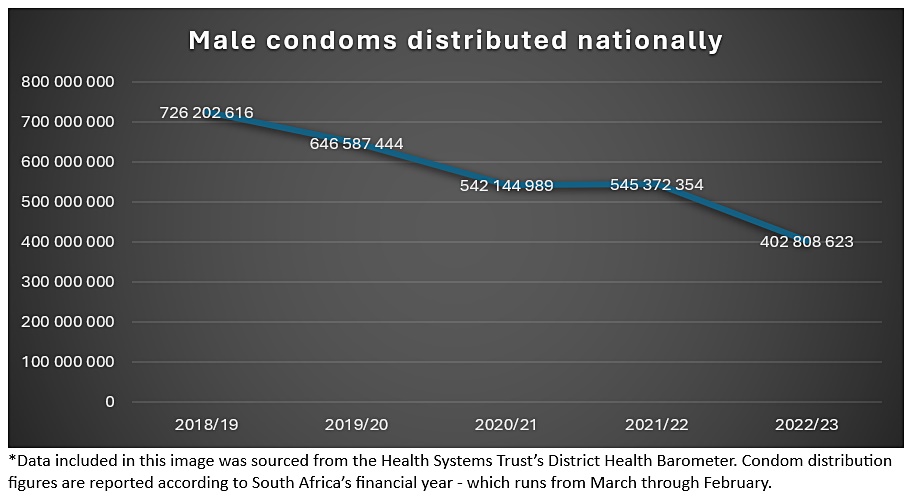
Preliminary findings from the Sixth South African National HIV Prevalence, Incidence, and Behaviour survey released by the Human Sciences Research Council in November indicated that condom use had dropped substantially among young people from 2017 to 2022. It did prompt MEC Nkomo-Ralehoko to call for more uptake of PrEP.  “We would like to encourage more males to get initiated on PrEP to protect themselves against STI. Additionally, both men and women who are on PrEP should use condoms to protect themselves against STIs, HIV and unwanted pregnancies,” she was quoted in the press release.

Role of medical male circumcision

Meanwhile, the NGO Right to Care is promoting voluntary medical male circumcision as another strategy to combat the rise in STI cases. “Uncircumcised men are more susceptible to STIs than men who are circumcised, especially STIs that cause ulcers or wounds,” said Dr Nelson Igaba, senior technical specialist for voluntary medical male circumcision at the NGO.

He described the Gauteng statistics as “worrying” and said it should be read as a prompt for more men to opt for circumcision. The NGO will connect men to their nearest public facility to have the procedure done for free. (They can be contacted at 082 808 6152.)

Dr Tendesayi Kufa-Chakezha, a senior epidemiologist at the Centre for HIV and STIs at the National Institute of Communicable Diseases (NICD), also homes in on the need for more awareness building.

“As a country we are not talking about STIs enough, among ourselves or with our children. More healthcare workers are needed and more training can be made available. We also need a massive campaign to educate communities on the causes of STI syndromes, symptoms, where to get treatment, types of treatments, complications and to go back to facilities if they don’t get better.”

Kufa-Chakezha said South Africa’s STI treatment guidelines do conform with existing WHO guidelines. She said the NICD regularly collects information and specimens from health facilities, which  allows them to determine the most common causes associated with the symptoms that are most commonly seen. The NICD uses these findings to inform the country’s STI management and treatment strategies that are based on diagnosis and treatment of the most prevalent STIs.

“If as a country we are not able to get more people with or without STI symptoms screened and treated, we will continue to have people acquiring STIs, developing symptoms associated with them, becoming ill and developing complications from them,” she added.

Republished from Spotlight under a Creative Commons 4.0 Licence.

Source: Spotlight

Patient-centred Health Care: The NHI Revolution You Deserve

A patient-centred health system will remain an illusion under the NHI unless the public health system is ramped up to better serve users and a clear path is outlined for public-private partnerships, argue Bernard Mutsago and Haseena Majid.


By Bernard Mutsago and Haseena Majid

National Health Insurance (NHI) is South Africa’s chosen financing vehicle for Universal Health Coverage (UHC). The plan is a step closer to being a reality after the NHI bill was passed by Parliament’s National Council of Provinces on 6 December 2023. The legislation aims for a single NHI fund that will buy services from public and private providers, it will be free at the point of delivery, and will prevent medical schemes from covering services that the NHI provides. The bill is likely to soon be signed into law by President Cyril Ramaphosa, although it may take years before all sections of the bill will come into force.

However, achieving a universal, affordable, high-quality, comprehensive, and patient-focused health system under the NHI will remain an illusion unless shortcomings of the public health system is fixed to meet the needs of the public. This can be achieved through a structured system that enables efficient and equitable pooling and distribution of resources across the public, private, and civil society sectors to improve service delivery.

As it stands, the absence of a clear framework for public-private partnerships in health service delivery is a barrier to progressive planning.

South Africa, over the last decade, has seen a significant decline in the state of its health sector. Despite initiatives such as the primary healthcare (PHC) re-engineering programme, and outreach services to improve service access, the health system faces a myriad of challenges. Budget constraints have crippled our human resource capacity. Corruption, maladministration, and neglect have resulted in the decay of facilities and their inability to withstand the increasing demands for basic and complex health services.

Most importantly, the data management system, public administration processes, and the referral pathways require significant intervention to align with the digital age and the potential role of artificial intelligence to improve health service delivery. The result is a poorly representative and possibly outdated set of data indicators to inform health service delivery needs that are contextual to geographic and institutional needs.

Applying a blanket approach to health interventions, in the absence of a significantly strengthened data collection and assessment pathway has led to questionable methods to achieving universal healthcare via NHI. The implementation of NHI pilot sites in the build-up to delivering the NHI has failed to show how the health system will move from the current curative approach to a more patient-centred approach. Failing to establish the patient-centred pathway at the onset from the public administration and health service delivery system, will result in the ongoing reality of some people being unable to access the health services closest to them at the lowest cost. It also has an extended impact on preventive strategies for better health outcomes.

South Africa has a fragmented, two-tiered and inequitable health system in which about only 17% of the population in 2018 had medical aid coverage, while more than 80% of the population are largely dependent on the public health sector. This is according to the Competition Commission’s final Health Market Inquiry report, released in November 2019.

The pathway to universal healthcare should entail crucial actions like maintaining and strengthening healthcare infrastructure and implementing strategic initiatives to bolster the workforce through robust recruitment, retention drives, and public-private collaborations.

But attention to these vital steps have been diverted by the government’s emphasis on a specific funding model -the NHI – The plan has faced considerable pushback with criticism, , largely rooted in the government’s inability to deliver essential services, theft due to corruption and cadre deployment, to the detriment of health users. These concerns  have been ignored. Instead, the determination to move ahead with the NHI amid outcries from the health sector, academics, and civil society is likely driven by politics.

Lessons from Ghana

Ghana’s failed NHI experiment is a luminous example for many countries attempting different financing models for delivering UHC. Ghana’s attempted NHI approach was taken off the national policy agenda due to public political opposition, weak civil society mobilisation, and low trust in the political leadership. This begs the question of whether due diligence was taken by the crafters of the NHI to establish the viability and sustainability of this model within the South African context.

Government needs fertile collaboration to materialise any policy goals. Whereas the NHI Bill has already been passed by the legislature, the successful implementation of the policy is dependent on people beyond the political realm. Engagements to structure and implement the operational plan for the NHI requires that government take on an approach that shows its willingness and commitment to take input from across all sectors, embrace the criticism, and find an approach that unifies all actors within the health sector and financing space.

Public-private partnership 

A well-designed public-private partnership model, with strong monitoring and evaluation processes could offer an opportunity to create the foundation for a medium-term solution. This could improve resource capacity in the public health sector to address the current health service backlogs, improve health infrastructure and technology, and create a functional system between the public and private health sectors to harvest  accurate health data. A strengthened data collection system that is inclusive and reflective of all users of the health system is after all essential to craft a responsive health system rather than a reactive one, thus placing the patient central to the health system.

Additionally, structures for community participation to inform healthcare service delivery, such as clinic committees and hospital boards, need to be bolstered as they are currently poorly functioning or non-existent. Including all voices, especially those of the public and clinicians, is critical for establishing  a capable health system that offers equitable health access for all people. This is only achievable through amplified voices and a united call for government to urgently re-evaluate its current approach toward NHI implementation.

*Mutsago is a health policy analyst, health equity activist, and primary healthcare enthusiast and Majid is a Global Atlantic Fellow for Health Equity in South Africa and director of public health programmes at civil society organisation Usawa.

Republished from Spotlight under a Creative Commons licence.

Source: Spotlight

Opinion: This is How SA can Meet its HIV Targets

Photo by Miguel Á. Padriñán

By Yogan Pillay for Spotlight

“The path to ending AIDS is clear,” states a recent UNAIDS report. “HIV responses succeed when they are anchored in strong political leadership, have adequate resources, follow the evidence, use inclusive and rights-based approaches, and pursue equity. Countries that are putting people first in their policies and programmes are already leading the world on the journey to ending AIDS by 2030,” it reads.

Ending AIDS and the HIV epidemic mean different things to different people.

This very ambitious language is found in Sustainable Development Goal 3.3: “By 2030, end the epidemics of AIDS, tuberculosis, malaria and neglected tropical diseases and combat hepatitis, water-borne diseases and other communicable diseases”. The global target is to reduce the newly HIV infected population (per 1 000 uninfected population) to 0.05 by 2025 and to 0.025 by 2030.

Another version is “ending AIDS as a public health threat by 2030” which has been characterised as being “consistent with the three zeros vision: zero deaths, zero new infections and zero discrimination, operationalized as a 90% reduction of annual new HIV infections and AIDS-related deaths in 2030 compared to 2010”.

A third approach calls for countries to reach the 95-95-95 targets – 95% of people living with HIV are diagnosed, 95% of those that have been diagnosed are on antiretroviral treatment and 95% of those on treatment are virally suppressed – by 2025.

A fourth, more realistic approach, is to reduce the number of new HIV infections below the number of deaths from HIV – labelled ‘epidemic control’ – to an endemic status beyond 2030.

Regardless of the definition of ‘ending AIDS’, what should South Africa do in determining its path towards reducing the burden of HIV?

First, let’s start with what we think the HIV epidemic will look like in 2030. Whilst we do not have a crystal ball, we do have a well-recognised mathematical model – the Thembisa model, which is also used as the basis for UNAIDS’s HIV estimates for South Africa. The latest Thembisa model outputs, published last year, include projections up to 2030.

The model projects that in 2030 there will be around 128 535 new HIV infections with the bulk of these, over 54% (70 412) being young women between the ages of 15 and 24 years. Using the definition of a 90% decrease in new infections between 2010 and 2030, South Africa is projected to reach 65.7%.

The model projects that in 2030 around 8.1 million people will be living with HIV with 6.4 million being on antiretroviral treatment. The total number of AIDS deaths projected by the model in 2030 is 40 486 compared to 149 257 deaths in 2010. (This is a 72.9% reduction – not quite the 90% expected by one of the definitions noted above).

How well is the country doing in reaching the 95-95-95 targets?

According to the Thembisa model, the percentage of people ever tested for HIV stood at 83.7% in 2022 (projected to reach 86.1% in 2030). The percentage of people living with HIV who had been diagnosed was at 94.5% in 2022 and projected to reach 96.4% in 2030. The percentage of diagnosed people on treatment in 2022 stood at 77.4% and is projected to reach 81.1% in 2030.

The percentage of all people living with HIV who were virally suppressed was at 65.4% in 2022 and projected to reach 71.3% in 2030. (These percentages are slightly higher if a viral load cut-off of 1000 copies/mL rather than 400 is used). This means only one of the 95s (percent diagnosed) is expected to be reached. (If the third 95 is defined as percentage of people on HIV treatment who are virally suppressed, rather than percentage of all people living with HIV who are virally suppressed, it will also be met.)

A more optimistic picture has been reported by the Human Sciences Research Council (HSRC) through their recently completed national survey. This survey found that 90% of 15-year-olds and older living with HIV knew their status (this included self-reported status), with 91% of them on treatment, and 94% of those on treatment being virally suppressed (at the 1000 copies/mL threshold).

Based on the Thembisa projections, South Africa is not expected to reach epidemic control by 2030. So, what needs to be done to achieve significantly fewer new infections and deaths?

What to do

In his address to the 2023 South African AIDS conference, the Minister of Health outlined what the Department of Health considered as necessary. He noted that the country has achieved 94:77:92 against the UNAIDS targets – far lower than the HSRC survey found. This means that, according to the Department’s data, there are over two million people who are living with HIV but not on treatment and a further 1.6 million people who are on treatment but are not virally suppressed. This is far higher than the 1.9 million that the HSRC survey suggests are not on treatment and not virally suppressed.

Regardless of which data is correct, it is urgent that these patients are found, initiated on treatment and supported to reach viral suppression.

While the Minister did not quantify the number of people living with HIV who are not being reached, he did outline the following interventions that he proposed should be prioritised:

  • Immediate implementation of the revised and consolidated ART Clinical Guidelines, which includes an integrated approach on prevention of vertical transmission, a focus on TB/HIV given high levels of coinfection, and differentiated service delivery.
  • A focus on the 100 identified health facilities which are lagging in reaching the 2nd and 3rd 95s (treatment coverage and viral suppression).
  • The need to close the testing and treatment gaps for men and children through HIV self-testing and index testing (an approach whereby the exposed contacts of an HIV-positive person are notified and offered an HIV test).
  • A focus on re-engaging those who have stopped taking treatment and scaling up of community treatment, 3-month dispensing of treatment medication as well as the use of community health workers in tracking and tracing people living with HIV.
  • A greater effort on combination prevention, using all currently available prevention methods as well as Cab-LA, which is an antiretroviral HIV prevention injection that provides two months of protection per shot.

These are well known interventions and if health workers and communities are committed to their urgent and full implementation, it is possible to achieve further reductions in new HIV infections, as well as further reductions in death. However, as most deaths in people living with HIV are due to TB, a greater focus should be placed on testing people living with HIV for TB  – given the estimated 59% co-infection rates; and ensuring that they are successfully treated and initiating those that test negative for TB, on TB preventive therapy.

How do the Minister’s prescriptions align with the recently completed HIV investment case?

As recently reported in Spotlight, the only HIV intervention found to be cost saving for the health system in South Africa was condoms. However, the recent HSRC survey found that reported condom use at last sexual encounter declined in all age categories. The 2017 survey found that 68% of males aged 15-24 years reported condom use, compared to 50.6% in the latest report. Similarly, 53.4% of males aged 25-49 years reported condom use in 2017 compared to 44% in 2023.

Whilst the Minister noted in his speech at the South African AIDS conference the availability of Cab-LA for HIV prevention, the investment case found that at the current price, this was not a good investment and unaffordable! The investment case outputs suggest that it was most cost effective to increase HIV self-testing, focusing on improving linkage to treatment, as well as increasing the rate of testing infants for HIV at 10 weeks after birth.  It is therefore important to prioritise HIV interventions, as noted in the investment case, given that the National Treasury has reduced the HIV conditional grant by R1 billion and that the National Strategic Plan for 2023-2028 is not fully funded!

In UNAIDS’s path to ending AIDS, the organisation suggests what countries can do to intervene. These include: political commitment to ending AIDS, respecting human rights, engaging affected communities, removing criminalising policies and laws, addressing gender inequities, stigma and discrimination, as well as a focused approach to prevention. Some of the barriers to ending AIDS are listed as: inadequate prevention programmes, large treatment gaps, and lack of sufficient funding.

In summary, to respond to the call to end AIDS by 2030:

Firstly, it is critical to agree on its definition.

Secondly, it is important to have accurate data, including at sub-national level given that national averages hide variability by province and district. District level data by sex, age and by key populations will allow a more targeted approach to reaching those that the health system typically does not reach.

While South Africa largely funds much of its HIV response – despite the reduction noted above, the possibility of reduced external funding – through PEPFAR (a US government’s effort to address HIV globally) and The Global Fund (an international financing and partnership organisation to fight AIDS, TB and Malaria) in the future, requires the country to move to a more efficient HIV response, with more precise targeting and with greater levels of accountability. For this more granular and real time data will be required.

*Dr Pillay is extraordinary professor at the Department of Global Health, Stellenbosch University and director for HIV and TB delivery at the Bill and Melinda Gates Foundation.

Note: Spotlight receives funding from the Gates Foundation, but is editorially independent and a member of the South African Press Council. The views expressed in this opinion piece are not necessarily shared by Spotlight.

Republished from Spotlight under a Creative Commons licence.

Source: Spotlight

Opinion: We can’t Simply Close Dental Facilities during the Festive Period

Photo by Tima Miroshnichenko on Pexels

By Bulela Vava for Spotlight

On the 2nd of January 2024, Simphiwe*, needing emergency oral healthcare, turned to the Cala District Hospital in the Eastern Cape. However, she was confronted with a note on the door that read, “Dear Community Members, starting from the 18th of December 2023 to the 12th of January 2024 there is no dentist. The dentist will start working on the 15th of January 2024.”

Many such notices hang in front of oral health clinic doors, mostly where dentists work alone to respond to the myriad of emergency oral health needs within their catchment area. Having previously worked alone at a provincial government funded hospital in the rural Eastern Cape, similar notices would be placed on the door to the oral health clinic I operated, until such time as a colleague joined me at the facility.

Oral diseases affect more than 3 billion people globally, while in Africa, it affects an estimated 400 million people.

Oral diseases and conditions that affect people include trauma-related oral injuries, oral cancers, dental decay, and periodontal disease amongst others.

While dental decay remains the most common form of oral disease, untreated, it can lead to life-threatening complications. The closure of dental services at any oral health clinic may subject people to the risk of developing conditions such as Ludwig’s angina, a life-threatening condition that is linked to delayed access to care.

Fewer than 200 dentists

The Eastern Cape is predominantly a rural province, with most of the province’s 7.2 million people largely depending on public healthcare services for the majority, if not all their healthcare needs. The province employs fewer than 200 dentists, a majority of whom are concentrated in the more urban/peri-urban centres.

Cala, a rural town in the province’s Sakhisizwe Local Municipality, is home to an estimated 63 000 people and Cala District Hospital provides access to oral health services to this population. The hospital’s closed dental clinic over the festive period deprived the people of Cala of much-needed care.

It is well known that the festive period results in an increased need for emergency healthcare, including oral healthcare services. People often present with jaw fractures, tooth fractures -often a result of violence or accidents associated with an increase in alcohol consumption -, oral pain and sepsis. While the festive period may result in the increased need for managing these conditions, these are the usual conditions, amongst others, that are managed in many public oral health clinics in most provinces.

Oral health professionals, in particular dentists, are trained to manage the complete spectrum of general oral diseases and often refer to dental specialists for complex and specialised management. In a province like the Eastern Cape, characterised by a dire shortage of dental specialists, dentists are the last defence for many of the people in the province.

A significant portion of dentists in the province work alone, with limited options to manage their leave, often leaving clinics closed in their absence.

However, the closure of dental clinics without a detailed and well-communicated plan is unacceptable and places the lives of populations in danger. At times, people have been known to resort to harmful and dangerous home practices to relieve themselves of their anguish.

We need a plan

A comprehensive plan must be put in place for efficient management and referral of emergency oral healthcare cases during the festive period so that we avoid a repeat of this year’s unacceptable situation at Cala District Hospital 12 months down the line. People in need of oral health services must be made aware of where they can access such services without any delay.

Beyond this, there is a need to invest in building adequate human resource capacity for oral health in the province, to ensure that services are readily available. A mix of oral health professionals and the prioritisation of “lone dentist” clinics for community service placements should help alleviate some of the problems in the system.

It is concerning that the challenges faced in the Eastern Cape is very similar to those in other parts of the country. Fewer than 3000 dentists are working in the public healthcare sector nationwide. With such numbers it is unlikely that what happened to Simphiwe was an isolated incident. Her experience should serve as an important case study, highlighting the significant problems faced by communities and oral health professionals.

Those responsible for managing oral healthcare services in South Africa must take note and recognise that the continued deprioritisation and neglect of the population’s oral health cannot be allowed to continue.  We must work together to ensure that oral health is given the attention it deserves as a critical aspect of general health and well-being.

*Dr Vava is the President of the Public Oral Health Forum, a network of public oral health professionals striving for oral health equity, dignity and well-being for all.

Republished from Spotlight under a Creative Commons licence.

Source: Spotlight

Analysis: Where We Are with NIMART 13 Years Later

Photo by Hush Naidoo Jade Photography on Unsplash

By Tiyese Jeranji for Spotlight

Like many countries, South Africa has a shortage of healthcare workers – particularly of doctors. One response to such shortages is task-shifting – in short, to let doctors focus on the things only they can do, and to shift some other less specialised tasks to other healthcare workers like nurses or pharmacists.

Task-shifting can take many forms. Earlier this year Spotlight reported on a court case that gave the green light to specially trained pharmacists to dispense antiretroviral treatment without a script (the judgement is being appealed). Similarly taking pressure off public sector clinics, the Department of Health has for several years now allowed some people to pick up their medicines at participating private sector pharmacies or other pickup points. Less well implemented, was the introduction of clinical associates in 2008 as a new type of mid-level healthcare worker that can take some of the pressure off of doctors and stand-in for them in some situations.

Probably the most impactful example of task-shifting in South Africa, however, was the introduction of Nurse Initiated and Managed Antiretroviral treatment (NIMART) in 2010.

What is NIMART?

Dr Silingene Ngcobo, a lecturer at the School of Nursing and Public Health at the University of KwaZulu-Natal and a Board Member of the Southern African HIV Clinicians Society, says NIMART is a clinical management program for people living with HIV which is driven by registered nurses. This means that registered nurses can independently manage a person living with HIV, starting from screening and diagnosis, all the way to treating, and monitoring throughout the HIV care continuum in the absence of a medical doctor.

As explained by Mmotsi Moloi, Training Programme Manager at the Aurum Institute (an NGO), prior to the introduction of NIMART in 2010 only doctors were authorised to prescribe antiretroviral therapy.

The rollout of antiretrovirals in South Africa technically started in 2004, but it only gathered momentum after the end of state-backed AIDS denialism in 2008. It soon after became clear that South Africa would not have enough doctors to handle the demand for HIV treatment and nurses would have to be roped in.

“The waiting lists became long, and the doctors could not meet the increasing demand of clients in need of antiretroviral treatment, this led to the death of clients while awaiting to be initiated,” says Moloi. “There was an urgent need to remedy the situation which was to decentralise management of HIV to Primary health care facilities and professional nurses to be trained and authorised to manage HIV infected clients.”

Ngcobo says nurses are often the only healthcare providers available to provide HIV prevention, care, and treatment services. She says the South African healthcare delivery system approach has changed from hospital-centred care to promotion of health and prevention of disease through primary healthcare and the introduction of NIMART fits this shift.

Hard to quantify

According to estimates from Thembisa, the leading mathematical model of HIV in the country, the number of people taking HIV treatment in South Africa increased from 1.2 million in 2010 to 5.7 million in 2022. How big a part NIMART played in this remarkable scale-up of treatment is hard to quantify, but that it played a pivotal role seems clear.

review study published in 2021 that looked back at 10 years of NIMART in South Africa, found that adequate NIMART training “results in improved knowledge of HIV management, greater confidence and clinical competence, particularly if accompanied by mentoring”.

The review summarised results from several smaller studies conducted in different provinces on NIMART – which show, on a small scale at least, what potential impact NIMART has had. Among other things, the training of nurses to initiate and manage HIV treatment led to feelings of empowerment, and when coupled with appropriate training and support can “lead to increased quality of patient care, confidence and professional development”.

Studies conducted in Johannesburg cited by the review found that NIMART training increased access to HIV treatment, reduced workloads at referral facilities, and reduced referrals to tertiary hospitals. Nurses also saw an “improvement in the quality of life of their patients and the retention of patients in care, which they felt reflected the success of NIMART”.

When asked how many NIMART-qualified nurses we have in the country, Foster Mohale, spokesperson for the National Department of Health, says he can’t provide an exact number since they no longer collect data on NIMART since it has been incorporated in broader HIV training. He also says that provinces are the custodians of data for all trained healthcare workers and points out that the numbers change all the time due to attrition.

What NIMART nurses do

Ngcobo says NIMART nurses assess and screen people living with HIV for treatment eligibility, initiate antiretroviral therapy, provide adherence counselling and monitoring, screen for opportunistic infections, offer various preventative therapies, psychological support, as well as appropriate referrals to other members of the disciplinary team, and oversee repeat visits throughout the healthcare user’s life while managing any other health condition that the person might have.

Nurses also have to support people with tuberculosis and non-communicable diseases (such as diabetes and hypertension) to take treatment as prescribed.

“For effective management of other diseases, NIMART nurses should actually work with all other conditions because a person living with HIV still can gets various other conditions which still need to be managed. Therefore, the role of [the] NIMART nurse is to wholistically manage the patient and provide all the necessary healthcare services that the healthcare user in front of them will be requiring,” says Ngcobo.

Training requirements

The NIMART programme has changed somewhat since its launch back in 2010. Mohale says the programme now also covers the majority of healthcare professionals like medical doctors, pharmacists, registered or professional nurses, and other healthcare professionals who are authorised by their statutory bodies to assess, diagnose, prescribe, and dispense medications. He says in 2017 NIMART was changed to “Basic HIV for Health Care Professionals”, but the name NIMART is still in wide use.

The essence of the programme however remains that a professional nurse, or other qualifying healthcare professional, must complete special training (see this online course for example) before they are authorised to prescribe HIV treatment and manage the treatment and care of people living with HIV. Training typically requires both an exam and some practical work, ideally with the support of a mentor.

All prescribing by nurses in the public sector relies on section 56(6) of the Nursing Act, which allows an exception to the Medicines Act and other health-related laws, explains Andy Gray, Senior Lecturer  in pharmaceutical sciences at the University of KwaZulu-Natal. “They therefore do not need section 22A(15) permits or section 22C(1)(a) dispensing licences in terms of the Medicines Act,” he says.

The legalities of how nurse prescribing works in South Africa is set out in a 2016 policy document issued by the National Department of Health. Amongst others, the document states that, “a nurse may only perform the functions authorised by Section 56(6) in public sector facilities in the district or municipality where the authorisation was granted to him/her”. In other words, nurses who move to jobs at other facilities or in other districts will often require new authorisation before they may prescribe medicines such as antiretrovirals.

Some concerns

But there are signs that training and mentorship is not functioning optimally across the board.

“There is non-standardised training and inadequate mentoring as the country doesn’t have enough trainers,” says Mohale. “There are human resource constraints for both trainers and nurses to be trained. Some districts rely on their district support partners to carry out trainings on their behalf.”

“Staff shortage from the facilities also leads to some nurses not being able to be trained due to demand for other health services at their service delivery points. Some challenges include failure to identify and manage drug-drug and drug-food interactions which are important in making sure that the patients are suppressing their viral loads,” he adds.

Mohale’s comments echo several barriers to the success of NIMART that were identified in the 2021 review study, including: “non-standardised training, inadequate mentoring, human resource constraints, health system challenges, lack of support and empowerment, and challenges with legislation, policy and guidelines”.

Republished from Spotlight under a Creative Commons licence.

Source: Spotlight