Tag: sex differences

Women Lose More Years of Life After a Heart Attack Than Men

Photo by Joice Kelly on Unsplash

A new study shows that women lose more years of life after a heart attack than men. A 50-year-old woman with a large heart attack loses an average of 11 years, while an 80-year-old man with a small heart attack loses an average of 5 months of life. The results of the study, led by researchers at Karolinska Institutet and Danderyd Hospital, are published in the journal Circulation.

The new study examined 335 000 individuals with first-time myocardial infarction registered in the SWEDEHEART quality registry during the period 1991-2022. The individuals with myocardial infarction were compared with 1.6 million individuals without myocardial infarction using data from Statistics Sweden and the National Board of Health and Welfare. Using the comparator population and new statistical methods, the difference in life expectancy between heart attack individuals and comparison individuals could be calculated, providing a measure of how much life expectancy was shortened due to the disease. 

“We found that there were large differences between groups. Women and young individuals lost the most life expectancy when they had a heart attack. If the cardiac function was impaired after the infarction, the effects were even greater. For example, a 50-year-old woman with impaired cardiac function loses an average of 11 years in 2022 compared to an 80-year-old man with normal cardiac function who loses an average of 5 months in life expectancy,” says first author Christian Reitan, researcher at the Department of Clinical Sciences, Danderyd Hospital, Karolinska Institut. 

Parameters affecting heart attack risk

The researchers were also able to take into account differences in income, education, other illnesses and medication at the time of the illness – which helped to measure the effect of the heart attack itself when everything else was taken into account.

“The results showed that a fairly large part of the reduction in life expectancy disappeared, that is, much of the reduction in life expectancy is explained by factors other than the heart attack itself, but which may still be associated with heart attack, such as socioeconomics or other diseases such as hypertension and diabetes. Provided that the patient had preserved cardiac function, we saw that the gender difference had disappeared. We interpret this to mean that the effect of the heart attack, and thus also the care for heart attacks, is similar between the sexes and that the large reduction in life expectancy we see in women is due to differences in risk factors, other diseases and socioeconomics,” says Christian Reitan. 

According to the researchers, there is a lack of individualized heart attack care in Sweden for women. The study shows that women who have a heart attack lose more years of life than men of the same age.

“If a woman had impaired cardiac function, the gender difference was large. We don’t have the data to answer why, but it raises questions about whether women get as good follow-up and treatment for heart failure as men, or whether it is simply a more serious condition for a woman. Our findings are important because they challenge existing guidelines for heart attack treatment today. By identifying high-risk groups, we can hopefully better tailor treatment to the individual. We believe that ‘years of life lost’ is a good and easy-to-understand measure of risk for both doctors and patients. It makes it easier for us to assess and communicate the seriousness of the disease,” concludes Christian Reitan. 

Source: Karolinska Institutet
Those with Alzheimer’s Disease History on Mother’s Side have Increased Amyloid Proteins

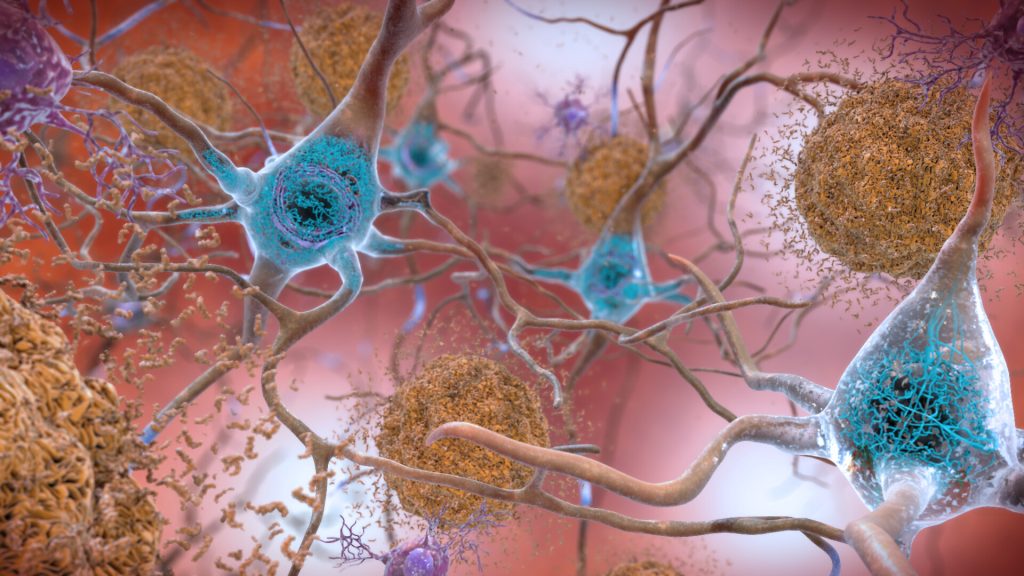
Neurons in the brain of an Alzheimer’s patient, with plaques caused by tau proteins. Credit: NIH

A new study by investigators from Mass General Brigham suggests that whether a person inherits risk of Alzheimer’s disease from their mother or father influences risk of biological changes in the brain that lead to disease. By evaluating 4400 cognitively unimpaired adults ages 65–85, the team found those with a history of Alzheimer’s disease (AD) on either their mother’s side or both parents’ sides had increased amyloid in their brains. Their results are published in JAMA Neurology.

“Our study found if participants had a family history on their mother’s side, a higher amyloid level was observed,” said senior corresponding author Hyun-Sik Yang, MD, a neurologist at Mass General Brigham.

Yang said that previous smaller studies have investigated the role family history plays in Alzheimer’s disease. Some of those studies suggested maternal history represented a higher risk of developing Alzheimer’s, but the group wanted to revisit the question with cognitively normal participants and access to a larger clinical trial data set.

The team examined the family history of older adults from the Anti-Amyloid Treatment in Asymptomatic Alzheimer’s (A4) study, a randomized clinical trial aimed at AD prevention. Participants were asked about memory loss symptom onset of their parents. Researchers also asked if their parents were ever formally diagnosed or if there was autopsy confirmation of Alzheimer’s disease.

“Some people decide not to pursue a formal diagnosis and attribute memory loss to age, so we focused on a memory loss and dementia phenotype,” Yang said.

Researchers then compared those answers and measured amyloid in participants. They found maternal history of memory impairment at all ages and paternal history of early-onset memory impairment was associated with higher amyloid levels in the asymptomatic study participants. Researchers observed that having only a paternal history of late-onset memory impairment was not associated with higher amyloid levels.

“If your father had early onset symptoms, that is associated with elevated levels in the offspring,” said Mabel Seto, PhD, first author and a postdoctoral research fellow in the Department of Neurology at the Brigham. “However, it doesn’t matter when your mother started developing symptoms – if she did at all, it’s associated with elevated amyloid.”

Seto works on other projects related to sex differences in neurology. She said the results of the study are fascinating because Alzheimer’s tends to be more prevalent in women. “It’s really interesting from a genetic perspective to see one sex contributing something the other sex isn’t,” Seto said. She also noted the findings were not affected by whether study participants were biologically male or female.

Yang noted one limitation of the study is some participants’ parents died young, before they could potentially develop symptoms of cognitive impairment. He said social factors like access to resources and education may have also played a role in when someone acknowledged cognitive impairment and if they were ever formally diagnosed.

“It’s also important to note a majority of these participants are non-Hispanic white,” Seto added. “We might not see the same effect in other races and ethnicities.”

Seto said the next steps are to expand the study to look at other groups and examine how parental history affects cognitive decline and amyloid accumulation over time and why DNA from the mother plays a role.

Reisa Sperling, MD, a co-author on the paper, principal investigator of the A4 Study and a neurologist at Mass General Brigham, said the findings could be used soon in clinical translation.

“This work indicates that maternal inheritance of Alzheimer’s disease may be an important factor in identifying asymptomatic individuals for ongoing and future prevention trials,” Sperling said.

Source: Mass General Brigham

Genetic Variants may Predict X Chromosome Loss in Older Women

Photo by Loren Joseph on Unsplash

Researchers have identified inherited genetic variants that may predict the loss of one copy of a woman’s two X chromosomes as she ages, a phenomenon known as mosaic loss of chromosome X, or mLOX. These genetic variants may play a role in promoting abnormal blood cells (that have only a single copy of chromosome X) to multiply, which may lead to several health conditions, including cancer. The study, co-led by researchers at the National Cancer Institute, part of the National Institutes of Health, was published in Nature.

To better understand the causes and effects of mLOX, researchers analysed circulating white blood cells from nearly 900 000 women across eight biobanks, of whom 12% had the condition. The researchers identified 56 common genetic variants – located near genes associated with autoimmune diseases and cancer susceptibility – that influenced whether mLOX developed. In addition, rare variants in a gene known as FBXO10 were associated with a doubling in the risk of mLOX.

In women with mLOX, the investigators also identified a set of inherited genetic variants on the X chromosome that were more frequently observed on the retained X chromosome than on the one that was lost. These variants could one day be used to predict which copy of the X chromosome is retained when mLOX occurs. This is important because the copy of the X chromosome with these variants may have a growth advantage that could elevate the woman’s risk for blood cancer.

The researchers also looked for associations of mLOX with more than 1,200 diseases and confirmed previous findings of an association with increased risk of leukemia and susceptibility to infections that cause pneumonia.

The scientists suggest that future research should focus on how mLOX interacts with other types of genetic variation and age-related changes to potentially alter disease risk.

Source: NIH/National Cancer Institute

Fruit Fly Study Shows Role of Age and Sex-related Head Injury Outcomes in Females

Photo by Fakurian Design on Unsplash

A new study has discovered that even very mild, non-lethal head injuries early in life can lead to neurodegenerative conditions later in life upon ageing. Using fruit flies as a model, the researchers found that chronic immune suppression after mating might make female fruit flies susceptible to delayed brain deterioration following early-life head injuries, which may lead to insights for humans.

The study, published as a Reviewed Preprint in eLife, is described by the editors as fundamental work that advances our understanding of how sex-dependent responses to traumatic brain injury occurs. The work, by a team at Emory University provides what they call compelling results showing the immune and reproductive pathways that may contribute to these differences.

Environmental insults, including mild head trauma, significantly increase the risk of neurodegeneration later in life. However, identifying a causative connection between early-life exposure to mild head trauma and late-life emergence of neurodegeneration is challenging, and it remains unclear as to how sex and age compound the outcomes.

“With their short lives, fruit flies allow scientists to track brain-injury-related changes across their entire lifespan,” says lead author Changtian Ye, a graduate student in the Emory Neuroscience Program, and a member of senior author James Zheng’s lab, at the Emory University School of Medicine. “We recently developed a fruit fly model of mild traumatic brain injury that allows us to deliver mild headfirst impacts and then track what happens in male and female flies from the moment of injury to the occurrence of brain impairments later in life.”

Using their model, Ye and colleagues monitored the impact of mild traumatic brain injury on the flies’ behaviour. Whilst injury initially caused minimal acute deficits in the flies, it led to more profound brain-associated behavioural deficits and degeneration later in life, and these conditions worsened with age. Additionally, they were disproportionately elevated in females, affecting their climbing speed and ability, and leading them to have more damaged brain tissue than their male counterparts.

The researchers also found that female flies that had mated had worse outcomes than unmated (virgin) flies. They identified a protein called ‘sex peptide’ – which is transferred to the female reproductive tract through semen during mating – as a key player in making these flies more susceptible to the harmful effects of brain injury.

“Our analysis of the flies’ RNA data suggested that the chronic suppression of innate immune defence networks in mated females exposed to sex peptide makes them disproportionately vulnerable to neurodegeneration after mild head trauma,” Ye explains.

Together, the findings support the idea that a head injury can pose a major threat for brain health, even if it is mild, and that females can be disproportionately affected. The authors say that additional studies are now needed to determine if similar processes occur in other species.

“Our work establishes a causal relationship between early head trauma and late-life neurodegeneration, emphasising sex differences in injury response and the impact of age during and after injury,” concludes senior author James Zheng, Principle Investigator at the Zheng Lab, Emory University School of Medicine. “It will be interesting to understand if this relationship occurs in other organisms, and to dissect the genetic components and molecular players involved in the sex-different development of neurodegenerative conditions following mild head trauma.”

Source: eLife

Difference in Brain Structures may Explain Concussion Outcomes for Males and Females

Coup and contrecoup brain injury. Credit: Scientific Animations CC4.0

Important brain structures that are key for signalling in the brain are narrower and less dense in females, and more likely to be damaged by brain injuries, such as concussion. Long-term cognitive deficits occur when the signals between brain structures weaken due to the injury. These structural differences in male and female brains might explain why females are more prone to concussions and experience longer recovery from the injury than their male counterparts, according to a University of Pennsylvania-led preclinical study published in Acta Neuropathologica.

Each year, approximately 50 million individuals worldwide suffer a concussion, also referred to as mild traumatic brain injury (TBI). For more than 15% of individuals who suffer persisting cognitive dysfunction, which includes difficulty concentrating, learning and remembering new information, and making decisions.

Although males make up the majority of emergency department visits for concussion, this has been primarily attributed to their greater exposure to activities with a risk of head impacts compared to females. In contrast, it has recently been observed that female athletes have a higher rate of concussion and appear to have worse outcomes than their male counterparts participating in the same sport.

“Clinicians have observed for a long time that females suffer from concussion at higher rates than males in the same sports, and that they take longer to recover cognitive function, but couldn’t explain the underlying mechanisms of this phenomenon,” said senior author Douglas Smith, MD, a professor of Neurosurgery and director of Penn’s Center for Brain Injury and Repair. “The variances in brain structures of females and males not only illuminate why this disparity exists, but also exposes biomarkers, such as axon protein fragments, that can be measured in the blood to determine injury severity, monitor recovery, and eventually help identify and develop treatments that help patients repair these damaged structures and restore cognitive function.”

Axons connect neurons, allowing communication across the brain. These axons form bundles that make up white matter in the brain and play a large role in learning and communication between different brain regions. Axons are delicate structures and are vulnerable to damage from concussion.

Communication between axons in the brain is powered by sodium channels that serve as the brain’s electric grid. When axons are damaged, these sodium channels are also impaired, which causes loss of signaling in the brain. The loss of signaling causes the cognitive impairment experienced by individuals after concussion.

In this study, researchers used large animal models of concussion to identify differences in brains of males and females after a concussion. They found that females had a higher population of smaller axons, which researchers demonstrated are more vulnerable to injury. They also reported that in these models, females had greater loss of sodium channels after concussion.

“The differences in brain structure not only tell us a lot about how brain injury affects males and females differently but could offer insights in other brain conditions that impact axons, like Alzheimer’s and Parkinson’s disease,” said Smith. “If female brains are more vulnerable to damage from concussion, they might also be more vulnerable to neurodegeneration, and it’s worth further research to understand how sex influences the structure and functions of the brain.”

Source: University of Pennsylvania School of Medicine

Sex Differences Don’t Disappear as a Country’s Equality Develops – Sometimes They Become Stronger

Master1305/Shutterstock

Agneta Herlitz, Karolinska Institutet

The more gender equal a society is, the more similar men and women will be, adopting more similar interests, personality traits and behavioural patterns. Or so many people seem to believe.

Statements like this might sound like truisms, but science shows reality may be more complicated.

Several studies have found that some psychological sex differences, such as those in personality, are larger in more gender-equal countries. The same goes for countries that are more educated, prosperous and otherwise have better living conditions. This has become known as the gender-equality paradox.

Until recently, it was unclear how widespread this pattern might be. My team, which included research assistant Kare Hedebrant, tried to address that in a recently published study, where we investigated which psychological sex differences are associated with living conditions and, if so, how.

The study covered a range of themes, from personality and cognitive functions to sexting and circadian rhythm. Our study focused on mostly western countries but used some data from other countries such as India and Kenya.

We reviewed 54 articles that analyse the relationship between magnitudes of psychological sex differences and country-level indicators of living conditions. We also used data from 27 meta-analyses (reviews of previous research) of psychological sex differences and conducted new analyses to determine associations between sex differences and national economy, education, health, gender equality and more.

Sex differences

Each study used data from at least five countries, usually spanning several decades.

We grouped the many psychological dimensions covered by these studies into six categories: personal characteristics, cognition, interpersonal relations, emotion, academic preferences (such as a pull towards science, technology, engineering and maths) and morals and values.

Our findings paint a complex picture, showing that variation in psychological sex difference did not follow a uniform pattern. In countries with better living conditions, males and females are more alike in some regards and more different in others.

For example, differences in personality characteristics were frequently found to be larger in countries with better living conditions. This includes traits such as extroversion, agreeableness and altruism, which research seems to show are more strongly associated with women. The same was true for sex differences in some dimensions of emotion, specifically negative emotions in which females tend to score higher, such as shame.

Woman's hands holding a white paper sheet with male and female symbol over a crowded city street background
The gender paradox has confused researchers. StunningArt/Shutterstock

There were also exceptions to the gender-equality paradox. Sex differences in sexual behaviour, like engaging in casual sex, were consistently found to be smaller in countries with better living conditions. This is probably because women in these countries, where there are more permissive norms, have better access to contraceptives.

A complicated phenomenon

For cognitive functions, sex differences were sometimes larger, sometimes smaller in countries with better living conditions. Interestingly, the sex differences were larger in cognitive domains where women have strengths.

For instance, episodic memory (memory for experienced events) and verbal ability, where females typically do better than males, saw larger sex differences as living conditions improved. Females got better at episodic memory when they had better living conditions. By contrast, sex differences in semantic memory (memory for facts) and mathematical ability, where males tend to do better, decreased when living conditions improved.

This suggests that, when it comes to cognitive abilities, females benefit more than males from improvements in living conditions. The performance gap increases in domains where females have an advantage and closes in domains where males are ahead.

Not all psychological sex differences were associated with living conditions in the same way. So, can we say that there is a gender-equality paradox? Yes, to some extent, since more sex differences grew, rather than decreased, in countries with better living conditions.

In most cases, however, psychological sex difference magnitudes were not significantly associated with living conditions. This suggests that, in general, psychological sex differences are not greatly affected by living conditions but seem instead quite stable. For instance, research often finds females get higher grades at school across different subjects. It’s also common for researcher to find males have greater interest in maths. But neither seems to be affected by living conditions.

Even in cases where the magnitude of sex differences did vary in relation to living conditions, the pattern of male and female advantages usually remained the same. So, for example, though the female advantage over males in episodic memory ability is greater in some countries than others, females outperform males in almost all countries.

In summary, we found little support for the idea that psychological sex differences will vanish as societies develop. Policymakers probably cannot rely on that if they hope to achieve equal distributions of men and women in different professions. Instead, it appears that the dominant feature of psychological sex differences is their robustness in the face of social change.

Agneta Herlitz, Professor of Psychology, Karolinska Institutet

This article is republished from The Conversation under a Creative Commons license. Read the original article.

Key Gene may Protect Against Severe COVID Infections in Men Under 75

Photo: CC0

A certain variant of a key anti-inflammatory gene protects men under age 75 from severe illness and death when hospitalised from COVID, a genetic analysis of their blood shows. According to the authors of a major study published in The Journal of Infectious Diseases, the protective gene in question, an interleukin-1 receptor antagonist (IL1RN) variant, appears to tamp down inflammation, which can get out of control in severe cases SARS-CoV-2 infection.

The study showed that 124 men between the ages of 19 and 74 who possessed the IL1RN variant, called rs419598, were less likely to become severely ill after hospitalisation for COVID, and 80% less likely to die from the disease.

IL1RN is expressed naturally in the body. Different types of interleukin genes are known to dial inflammation up or down in the context of arthritis, and researchers say the results of the current study suggest that a similar dynamic influences the interleukin-1-related inflammation seen in COVID patients.

The findings, from researchers at NYU Grossman School of Medicine, stand out because historically more men than women are known to die from COVID, and the IL1RN rs419598 variant appears to selectively protect only men up to age 74, but not beyond that as age-related chronic illnesses unfold.

The research team used sequencing technologies for the study to determine the presence of specific genes or variations in the letter code that makes up genes in blood samples from 2589 men and women hospitalised for COVID at NYU Langone’s Tisch Hospital in Manhattan from March 2020 to March 2021.

More than half of the men and women in the study were older than age 60 and obese, factors that are known to increase the risk of death from the viral infection. Overall, more men than women (240 men, at 60.5%; and 157 women, at 39.5%) died from their disease, with women 20% less likely to die than men.

“Our study results show that among hospitalised patients, while women are still overall less likely than men to die from COVID-19, those men age 74 and younger who possess the IL1RN gene variant rs419598 are much less likely to suffer the severe inflammation tied to SARS-CoV-2 infection and less likely to die from the disease,” said study colead investigator and molecular biologist Mukundan Attur, PhD. Attur is an associate professor in the Department of Medicine at NYU Langone Health.

Among the study’s other findings was that average blood levels of the anti-inflammatory protein IL-1Ra, coded by IL1RN, were 14 times higher in 181 hospitalised men than in healthy male study controls from the general population, and 10 times as high in 178 hospitalised women than in healthy females. The increased levels of IL-1Ra in women did not result in any statistically significant mortality reductions.

“Our analysis offers substantial evidence of the biological link between the severe inflammation seen in SARS-CoV-2 and that which occurs in rheumatoid arthritis,” said study senior investigator Steven Abramson, MD, the Frederick H. King Professor of Internal Medicine at NYU Langone.

Abramson, a rheumatologist who also serves as chair of the Department of Medicine and chief academic officer at NYU Langone, says previous research has shown that such rheumatoid inflammation is lower in people who possessed one of the three IL1RN variants analysed in the study.

More importantly, Abramson says, the new research suggests that restraining the interleukin-1 biological pathway, which is in part tamped down by the anti-inflammatory protein IL-1Ra, could help prevent the severe inflammation seen in SARS-CoV-2 infection. Further research, he says, is warranted into whether IL-1-inhibiting therapies, such as the IL1 receptor antagonists anakinra, canakinumab, and rilonacept, are effective against Covid infection.

Abramson already has plans to investigate if the IL-1 pathway plays a role in long Covid, when people experience new or lingering symptoms, such as fatigue and ‘brain fog’, months after recuperating from their initial infection.

Abramson points out that the new study adds to the growing scientific evidence about the biological factors that contribute to gender differences seen in deaths from COVID, which are known to vary widely across the United States.

Source: NYU Langone Health / NYU Grossman School of Medicine

New Advance against Heart Failure Caused by Y Chromosome Loss

Chromosomes. Credit: NIH

Researchers have discovered a gene on the Y chromosome that contributes to the greater incidence of heart failure in men when the Y chromosome is lost to ageing.

Y chromosome loss in men occurs progressively throughout life and can be detected in approximately 40% of 70-year-old men. In 2022, Kenneth Walsh, PhD, at University of Virginia discovered that this loss can contribute to heart muscle scarring and lead to heart failure. (That finding was the first to directly link Y chromosome loss to a specific harm to men’s health; Y chromosome loss is increasingly thought to play a role in diseases ranging from Alzheimer’s to cancer.)

In an important follow-up finding published in Nature Cardiovascular Research, Walsh and his team have discovered how Y chromosome loss triggers changes in heart immune cells that make the cells more likely to cause scarring and heart failure.

Further, the researchers found they could reverse the harmful heart changes by giving lab mice a drug that targets the process of fibrosis that leads to the heart scarring, which could lead to a similar treatment for men.

“Our previous work identified that it was loss of the entire Y chromosome that contributed to heart disease in men,” said Walsh, the director of UVA’s Hematovascular Biology Center. “This new work identified a single gene on the Y chromosome that can account for the disease-promoting effects of Y chromosome loss.”

About Y chromosome loss

Unlike women, who have two X chromosomes, men have an X and a Y. For a long time, the genes found on the Y chromosome were not thought to play important roles in disease. Sex hormones, scientists thought, explained the differences in certain diseases in men and women. But Walsh’s groundbreaking work has helped change that perception. It also suggested an explanation for why heart failure is more common in men than women. (Cardiovascular disease, which includes heart failure, is the leading cause of death worldwide.)

Y chromosome loss occurs in only a small percentage of affected men’s cells. This results in what is called “mosaicism,” where genetically different cells occur within one individual. Researchers aren’t entirely sure why this partial Y chromosome loss occurs, but predominantly it strikes elderly men and men who smoke compared to those who don’t.

To better understand the effects of Y chromosome loss, Walsh and his team examined genes found on the Y chromosome to determine which might be important to heart scarring. One gene they looked at, Uty, helps control the operating instructions for immune cells called macrophages and monocytes, the scientists determined. When the Uty gene was disrupted, either individually or through Y chromosome loss, that triggered changes in the immune cells in lab mice. Suddenly, the macrophages were much more “pro-fibrotic,” or prone to scarring. This accelerated heart failure as well, the scientists found.

“The identification of a single gene on the Y chromosome provides information about a new druggable target to treat fibrotic diseases,” said Walsh, of UVA’s Division of Cardiovascular Medicine and Robert M. Berne Cardiovascular Research Center.

Walsh and his team were able to prevent the harmful changes in the mice’s macrophages by giving them a specially designed monoclonal antibody. This halted the harmful changes in the heart, suggesting the approach might, with further research, lead to a way to treat or avoid heart failure and other fibrotic diseases in men with Y chromosome loss.

“Currently, we are working with our clinician colleagues in the Division of Cardiovascular Medicine at UVA to assess whether loss of the Y chromosome in men is associated with greater scarring in the heart,” Walsh said. “This research will provide new avenues for understanding the causes of heart disease.”

Based on their findings, Walsh and his team believe that a small group of genes found on the Y chromosome may have big effects on a wide array of diseases. Their new work identifies mechanisms that may lead to this, and they are hopeful that further research will provide a much better understanding of unknown causes of sickness and death in men.

“This research further documents the utility of studying the genetics of mutations that are acquired after conception and accumulate throughout life,” Walsh said. “These mutations appear to be as important to health and lifespan as the mutations that are inherited from one’s parents. The study of these age-acquired mutations represents a new field of human genetics.”

Source: University of Virginia Health System

Getting too Little Sleep Linked to High Blood Pressure

Photo by Andrea Piacquadio

Sleeping fewer than seven hours is associated with a higher risk of developing hypertension over time, according to a study presented at the American College of Cardiology’s Annual Scientific Session.

While the association between sleep patterns and hypertension has been reported, evidence about the nature of this relationship has been inconsistent, according to researchers. The current analysis pools data from 16 studies conducted between January 2000 and May 2023, evaluating hypertension incidence in 1 044 035 people from six countries without a prior history of hypertension over a median follow-up of five years (follow-up ranged from 2.4 to 18 years). Short sleep duration was significantly associated with a higher risk of developing hypertension after adjusting for demographic and cardiovascular risk factors, including age, sex, education, BMI, blood pressure, smoking status etc. Furthermore, the association was found to be even stronger for those getting less than five hours of sleep.

“Based on the most updated data, the less you sleep – that is less than seven hours a day – the more likely you will develop high blood pressure in the future,” said Kaveh Hosseini, MD, assistant professor of cardiology at the Tehran Heart Center in Iran and principal investigator of the study. “We saw a trend between longer sleep durations and a greater occurrence of high blood pressure, but it was not statistically significant. Getting seven to eight hours of sleep, as is recommended by sleep experts, may be the best for your heart too.”

The study found that sleeping less than seven hours was associated with a 7% increased risk of developing hypertension, which spiked to 11% when reported sleep duration was less than five hours. By comparison, diabetes and smoking are known to heighten one’s risk of hypertension by at least 20%, Hosseini said.

While the study did not look at why this might be the case, Hosseini said that disrupted sleep could be to blame. For example, he said lifestyle habits or comorbid conditions such as overeating, alcohol use, nightshift work, certain medication use, anxiety, depression, sleep apnoea or other sleep disorders may be factors.

Researchers were surprised there were no age-based differences in the association between sleep duration and hypertension given that sleep patterns tend to shift with age. Participants ranged in age from 35.4 years to 60.9 years and 61% were female. When compared with men, females who reported less than seven hours of sleep had a 7% greater risk of developing hypertension.

“Getting too little sleep appears to be riskier in females,” Hosseini said. “The difference is statistically significant, though we are not sure it’s clinically significant and should be further studied. What we do see is that lack of good sleep patterns may increase the risk of high blood pressure, which we know can set the stage for heart disease and stroke.”

It’s important for people to talk with their health care team about their sleep patterns, especially if they have disrupted sleep that might be due to obstructive sleep apnoea. Sleep apnoea has been tied to higher rates of high blood pressure, stroke and coronary artery disease.

This study has several limitations, including that sleep duration was based on self-reported questionnaires, so changes in sleep duration over the follow-up period were not assessed. Moreover, there were variations in how short sleep duration was defined between the studies (fewer than five or six hours).

“Further research is required to evaluate the association between sleep duration and high blood pressure using more accurate methods like polysomnography, a method for evaluating sleep quality more precisely,” Hosseini said. “Moreover, the variations in reference sleep duration underline the need for standardised definition in sleep research to enhance the comparability and generalisability of findings across diverse studies.”

Source: American College of Cardiology

Fear may Make Women and Men Take Different Risk-based Decisions

Women experiencing fear tended to prioritise smaller short-term gain compared to men

Photo by Monstera on Pexels

Fear may affect women’s decisions in choosing immediate rewards versus larger delayed ones, while men’s decisions appear unaffected by emotion, according to a study published March 20, 2024 in the open-access journal PLOS ONE by Eleonora Fiorenzato, Patrizia Bisiacchi, and Giorgia Cona from the University of Padua, Italy.

Decision making is complex and still not fully understood, especially when weighing short- versus long-term benefits or costs. The known phenomenon “delay discounting” describes the common tendency to prefer an immediate reward rather than a later one, even if the later reward is significantly greater. In this study, Fiorenzato and colleagues examined how emotions like fear and joy, along with gender, affect decision making, especially when weighing immediate versus later rewards.

The authors recruited 308 participants (63% women, 37% men) via a social media survey. Survey participants were shown a brief standardised and validated movie clip intended to induce an emotional state – for the fear group, this was a scary movie, like The Sixth Sense or Silence of the Lambs; for the joy group, this was a positive documentary clip with subjects like forests or waterfalls; the neutral affect group watched a documentary clip on urban environments. Then, the subjects were asked hypothetical reward questions such as: “Would you rather have €20 000 today or €40 000 after 3 years?”

Women in the fear group were significantly more likely to use “delay discounting” when choosing financial rewards (selecting the immediate, smaller amount) compared to men in the fear group or women in the joy or neutral movie groups. There were no significant gender differences for decisions made across the joy or neutral movie groups, and men’s decision-making on monetary rewards appeared to be unaffected by their emotional state. The findings suggest that fear specifically might provoke different types of time-bound decision making for women versus men – the authors speculate these may be due to either differences in evolutionary strategies around safety versus risk, or different emotion-regulation approaches in stressful situations.

The authors note that the sample size and range of emotions studied here is relatively small compared to the real world. However, the suggestion that emotions (particularly negative ones such as fear) and gender do interact with regard to intertemporal choices warrants further investigation.

The authors add: “Women are more prone to choose immediate rewards when in a fearful emotional state than when in joyful one. Our research underscores the importance of gender as an influential factor in the interaction between emotions and decision-making processes.”