The ‘Phezulu: Looking Up’ podcast series launched today by UNICEF South Africa (https://www.UNICEF.org/SouthAfrica/) tells the stories of the impact of the COVID-19 years on children and young people and how, with the right support and opportunities, children and young people are determined to build a safer, fairer and better post pandemic South Africa.
The eight-part series delves into issues such as mental wellbeing, disrupted education and access to child healthcare; including routine childhood immunisations, through the voices of children and young people and experts working to mitigate the impact.
“Children and adolescents were affected by every aspect of the COVID-19 pandemic and this podcast series tells their stories of resilience,” said Muriel Mafico, UNICEF South Africa Deputy Representative. “Importantly, the episodes also reflect on the response to share learnings, including how the roll-out of the COVID-19 vaccine saved countless lives and re-opened our world,”
The podcast series features expert analysis and voices, including contributions from academics, all of whom continue to play a critical role in the ongoing recovery for every child. The series not only highlights the indirect impact of COVID-19 on children and youth, but also how COVID-19 vaccinations changed the trajectory of the crisis by enabling children and adolescents to resume their childhoods.
The series will be available on a weekly basis, on all major podcast platforms from 23rd May 2023. Listeners can now subscribe and join the conversation. This production was made possible thanks to the generous support of the German Federal Foreign Office and other partners.
Much of South Africa’s public health sector is plagued by long waiting times for surgery, a situation that was made much worse by the COVID-19 pandemic. Now, an inspiring project at Groote Schuur Hospital in Cape Town has reached the target of slashing its backlog by 1 500 elective surgeries – two months ahead of target.
At the end of March, a small team of healthcare workers completed the project called ‘Surgical Recovery’. The project ran from May 2022 and was originally planned to conclude 12 months later.
While this hasn’t cleared the entire backlog of people waiting for surgery at Groote Schuur, it has helped the hospital return to about the same waiting list level as it had before the COVID-19 pandemic, according to Professor Lydia Cairncross, the head of general surgery at Groote Schuur. (Spotlight previously reported on the human cost of surgical waiting lists and on what could be done about it.)
The surgeries took place mainly in the E4 Surgical Day Ward at Groote Schuur. Cairncross explains that ward E4 was built as a Day Ward – meaning it handles surgeries where patients don’t require an overnight stay pre- or post-surgery – with the aim of increasing daycare surgery capacity for the hospital. And for the last 12 months, it has been the host of the Surgical Recovery Project.
E4 has 16 patient beds, four recovery beds, and two theatres, which were completed just as the COVID-19 pandemic hit the country. During the third wave of the pandemic, it was used as a COVID High Care Unit.
According to Dr Shrikant Peters, a public health specialist and the medical manager of theatre and ICU services at Groote Schuur, the hospital’s CEO Dr Bhavna Patel “had the foresight to request provincial use of COVID funding to develop the space as COVID High Care, and eventually to be used long-term as an Operating Suite and High Care Ward in line with prior hospital plans”.
The Surgical Recovery Project
By the end of the third wave of the COVID-19 pandemic, according to Cairncross, there were discussions about how to catch up on the surgeries that had to be postponed because of COVID-19.
“The backlog in surgery comes on top of a pre-existing backlog. So, it’s not that the backlog was created by COVID, but it made it much, much, much worse,” she says, “In November 2021, we did an audit of how many patients were just physically waiting for surgery at the hospital. It was around 6 000 plus. We don’t actually have a baseline for pre-COVID, but we knew that we lost about 50% of our operating capacity,” Cairncross says.
“So, the idea was really to find a way to utilise this theatre space so that we could catch up with some of that backlog.”
From here, the Surgical Recovery Project for Groote Schuur was born with the ambitious target of performing 1 500 surgeries in 12 months.
Funds from the project came from three sources. Kristy Evans, head of the Groote Schuur Hospital Trust, tells Spotlight that fundraising for the project was kick-started by a R5 million donation from Gift of the Givers. The recently established Groote Schuur Hospital Trust focused on Surgical Recovery as their first project to fundraise for. An additional R1 million was raised by the Trust from over 500 corporate and private donors.
“People are always willing… [they] give what they can. We had donations from people who would transfer R10 into the account, sometimes people transfer R180 000,” Evans says.
She adds that the Project will continue into its second year, but the details regarding targets had not yet been finalised by the time of publication.
The Western Cape Provincial Department of Health also donated around R6.5 million to the project from their budget for surgical recovery post-COVID-19. According to Mark van der Heever, the provincial health spokesperson, this money was part of the R20 million that the department allocated to various surgical backlog recovery initiatives.
“[The] COVID-19 pandemic meant that elective surgical services had to be significantly de-escalated, as staff were deployed to COVID services, and this resulted in an increase in the backlog of operations. Hence, a specific practi[cal] plan to address this backlog in the short and long term has been developed,” says van der Heever. “Similar projects and initiatives across hospitals have already taken shape and also yielded success, such as at Karl Bremer Hospital, which also received a portion of the R20 million from the department. The hospital was able to perform an extra 328 procedures since August last year.”
Working around difficulties
At Groote Schuur, the project had to find a way to work around the difficulties of surgical catch-up. According to Cairncross, with any surgical catch-up, the challenges don’t just come from needing a physical space to operate in but also from having the appropriately trained staff. Not having enough trained staff in the public health sector, like theatre and surgery nurses, makes it hard to implement a surgical catch-up programme, even if there is money to do so.
To work around these difficulties, they came up with a centralised model for surgical recovery, where one theatre team of nurses could be employed on a contract rate for the 12 months. This team, led by Sister Melinda Davids, the nursing operations manager for the E4 theatre, would work Monday to Thursday in one of the E4 theatres and occasionally other theatres in the hospital for each of the 1 500 surgeries.
According to Cairncross, many surgeons, herself included, would come and operate on patients in addition to their normal surgeries and other duties. The funds, a total of about R 12.5 million, were used to pay the staff involved in the surgeries. The day-to-day operations were run by Davids and Peters.
According to Peters, the 1 500 operations occurred across all surgical specialities, ranging from cataract to cardiothoracic.
Success factors
Cairncross attributes the success of the project to the existing systems at Groote Schuur, supportive management, and the dedication of the surgical team and surgeons that gave their time to the project.
She says that because the hospital has a relatively functional system to start off with and a supportive management team, it allowed for “enough of a regulatory environment to keep things safe and above board but not to the extent where you can’t move”.
It was also about having the right person in charge of the team, she adds, gesturing to Davids.
Davids, who started her nursing career in 1989 and qualified as a theatre nurse in 2009, started working at Groote Schuur six years ago. She explains that the surgical team at E4 consisted of about 18 people. This includes herself, five scrub nurses, three anaesthetic nurses, three floor nurses, a registered nurse who assists in recovery, and a clerk. Peters adds that there are also two surgical medical officers and two anaesthetic registrars.
According to Davids, when the project started, several of the nurses had not worked in a theatre before so had to be trained and upskilled by her and some of the specialist nurses who make up the scrub nurse team. She also had to get creative about having the right equipment for each surgery, which sometimes meant she had to borrow equipment from other theatres.
“It’s been a challenge, but it’s a good challenge that’s kept me going,” she says. “We’re a good team.”
“Trust [in staff] has been fundamental to this,” says Peters, “I mean, the ability to trust junior staff to upskill themselves to become scrub nurses, to hand surgeons the right instrument when they asked for it. That’s been really heart-warming.”
‘Behind every number on the list is a patient’
When asked why it was so important to do this kind of catch-up, Cairncross says the surgeries that were postponed during the COVID-19 pandemic were ones that weren’t urgent or emergent, but those patients who were bumped still struggled physically because of the delays.
“Behind every number on the list is a patient with a story of either progressive blindness, invasive skull tumours, or tumours around the auditory canal that result in hearing loss, chronic pain from joint problems and urinary retention with recurrent infections and admissions or having a stoma bag [a colostomy bag] with them for months longer than needed,” Cairncross says. “Heart-breaking stories and often these were the patients who kept getting cancelled [on]. They would come in and if something urgent would come up, they would be cancelled or the COVID wave would come.”
She adds that at the time when the idea for Surgical Recovery came about, the morale amongst the surgical teams was at a real low. Patients would be coming to the outpatient clinics and asking, for the umpteenth time, “when am I going to have my operation?” to which the healthcare workers had to keep responding that they don’t know.
“It’s just a terrible thing and so people [staff] started to feel disempowered and disillusioned and I really think that the project helped them to at least see some progress. That there were some changes or some shift in what they were dealing with,” Cairncross says. “It hasn’t cleared our entire backlog, and a once-off project will not do that, but it has reset us pretty close to where we were pre-COVID-19.”
Peters adds that while the backlogs haven’t been fully cleared, “for every case that we’ve done in the project, it’s someone off of a waiting list”.
Health system at a ‘precipice’
While the COVID-19 pandemic caused many surgeries to be postponed and added tremendously to surgical waiting lists, it isn’t the only factor contributing to backlogs. According to Peters, the issue of a shrinking health budget for tertiary services is and will continue to add to the existing backlogs across the country.
“There’s this building backlog coming up against the shrinking budget. And that’s going to be with us for multiple years going into the future and if the clinicians aren’t protecting the budget for these patients that get missed, we’re going to focus on as we have been the emergency patients that come through the door,” he says. “But it’s always difficult for tertiary academic services because to keep up the skills of surgeons to maintain the quality of care, they do need to be managing waiting lists of booked patients. And so, I think across the country we’re going to be struggling with that across all tertiary services.”
Cairncross tells Spotlight that the project is just a temporary measure. In the long term, healthcare systems need to be fixed in order to address issues like surgical backlogs.
“The lesson, I suppose, is that these are temporising measures. We can do them, but fundamentally we need to fix the health system at a core, structural level. And we can’t work in isolation from the rest of the country because we are one health system and tertiary hospitals are only a part of that ecosystem,” she says. “The services at Groote Schuur Hospital, for example, cannot be sustained if the health systems from primary care to district health facilities, in urban and rural facilities, and across provinces are not supported and strengthened.”
The health system is at a precipice, according to Cairncross, and big academic hospitals need to be anchoring elective surgical services together with emergency services, as the problem with emergency services will only get bigger down the line if electives aren’t dealt with now.
“We know that postponed elective surgery just becomes emergency surgery over time, making cancelling elective surgery a false economy. We need to plan robust systems that ensure all types of surgical services are maintained,” she says.
“The strongest voice [in defence of the health system] is a conscious and motivated health workforce. So, where the nurses and doctors and managers are standing and defending patient services, they are supporting the health system,” she says. “I think this is an example of health workers standing up and saying, we can’t allow this deterioration in services. We’ve got to do more. We really want to tell the story, so that people can see it can be done.”
The South African Medical Association (SAMA) issued a statement stating that they reject the current form of the National Health Insurance (NHI) Bill, with a major objection being that the mere establishment of the NHI fund does not embody the Constitutional principle of universal health coverage (UHC).
The NHI Bill is designed to provide one pool of healthcare funding to all South Africans and long term residents.
They state that the NHI Bill was developed without regard to expert concerns and opinions, especially on key issues such as Contracting Units for Primary Healthcare (CUPS), Benefit Packages and Reimbursement Models.
Given the mismanagement of COVID funds by the government and state-owned entities, there is further concern over its ability to regulate the R500bn fund.
SAMA spokesperson Dr Mvuyisi Mzukwa said: “Misappropriation of funds in various state-owned entities casts doubt on government’s ability to handle the health care budgets responsibly. The public, alongside healthcare stakeholders, cannot simply entrust their lives to a government with an established history of financial mismanagement.”
SAMA contends that while the UHC is intended to improve the health and livelihoods of all South African citizens, the Bill as it stands will set the healthcare system up for failure.
“SAMA believes that a robust approach to health systems strengthening is indispensable, as it would rectify the current deficiencies and overcome the challenges posed by the NHI,” the statement concludes. “This approach seeks to enhance the efficiency, effectiveness, and resilience of the healthcare system, ensuring the delivery of optimal care to all individuals. Governance within the healthcare sector must be strengthened, with transparency and accountability at its core. Effective management of funds and meticulous budget allocation is imperative to rebuild trust and demonstrate responsible stewardship of public resources.”
As of Sunday, reports indicate that 23 people have died so far in the recent cholera outbreak in Hammanskraal, a direct result of the town’s neglected water sanitation infrastructure. A further 48 have been hospitalised, with six emergency field tents being set up to prop up the overburdened Jubilee Hospital, which has seen 215 patients since 19 May, as reported in the most recent Gauteng Department of Health bulletin.
The temporary field hospital has been set up to immediately attend to cases of dehydration, supplying oral rehydration solution (IRS) as well as intravenous fluids. More critical patients are taken to Tshwane hospitals.
The Gauteng Department of Health also notes that as of Friday, 27 of the 75 confirmed cholera cases had recovered and been discharged. The Gauteng Department of Education has said that it will intensify efforts to supply schools in Hammanskraal with clean drinking water.
South Africa’s most serious outbreak of cholera in recent history was from November 2008, when a massive cholera outbreak occurred in Zimbabwe and spread to South Africa. Within the first 5 months of the outbreak, more than 73 000 cases and 3500 deaths (case fatality rate of >4.7%) had been reported, and it spread to South Africa through Musina. Between 15 November 2008 and 30 April 2009, a total of 12 706 cases of cholera were reported by the National Department of Health. Of the total number of cases, 1114 (9.0%) were laboratory-confirmed cases, and 65 deaths (case fatality rate of 0.5%) were recorded. In this outbreak, microbial analysis published in the Journal of Infectious Diseases found the emergence of antimicrobial resistance in Vibrio cholerae 01 strains.
The National Institute of Communicable Diseases has posted guidelines [PDF] for the management of suspected cholera chases.
Almost 100 former nurses at Jubilee District Hospital in Hammanskraal are calling on the Gauteng Department of Health to employ them permanently. Originally contracted in July 2020 to deal with the Covid pandemic, their employment contracts were periodically renewed but terminated at the end of March 2023.
The nurses have been sitting outside the hospital since Monday.
“They want us to work under agencies, and we don’t want that,” said a nurse.
“This hospital is very understaffed, but they are being stubborn. Inside the wards there are only two nurses working, and they are overstretched. They are struggling but the department doesn’t want to employ more nursing staff,” she said.
“It’s heartbreaking to see our people in distress, and I know I am a qualified person and could help. We are told there is no budget for us,” she said.
In a statement on Monday, the Democratic Nursing Organisation of South Africa (DENOSA), said as a result of the cholera outbreak “Jubilee Hospital is now experiencing an influx of patients, which is stretching the facility to breaking point.”
“Nurses in the facilities in the area will also be made to perform duties that are outside their scope of practice where they may be expected to carry water buckets to the water tankers. DENOSA does not encourage that nurses perform duties that are outside their scope.”
DENOSA Gauteng provincial secretary Bongani Mazibuko said there was a shortage of nurses and that it had been agreed at the provincial level to extend the contracts of Covid contract nurses.
Mazibuko said the contracts were due to end on the 31 March 2023 and the Gauteng health department was supposed to have given the nurses new contracts for 1 April 2023 to March 2024.
He said nurses whose contracts had been terminated should contact the union.
GroundUp made several attempts, all in vain, to get comment from the Gauteng health department.
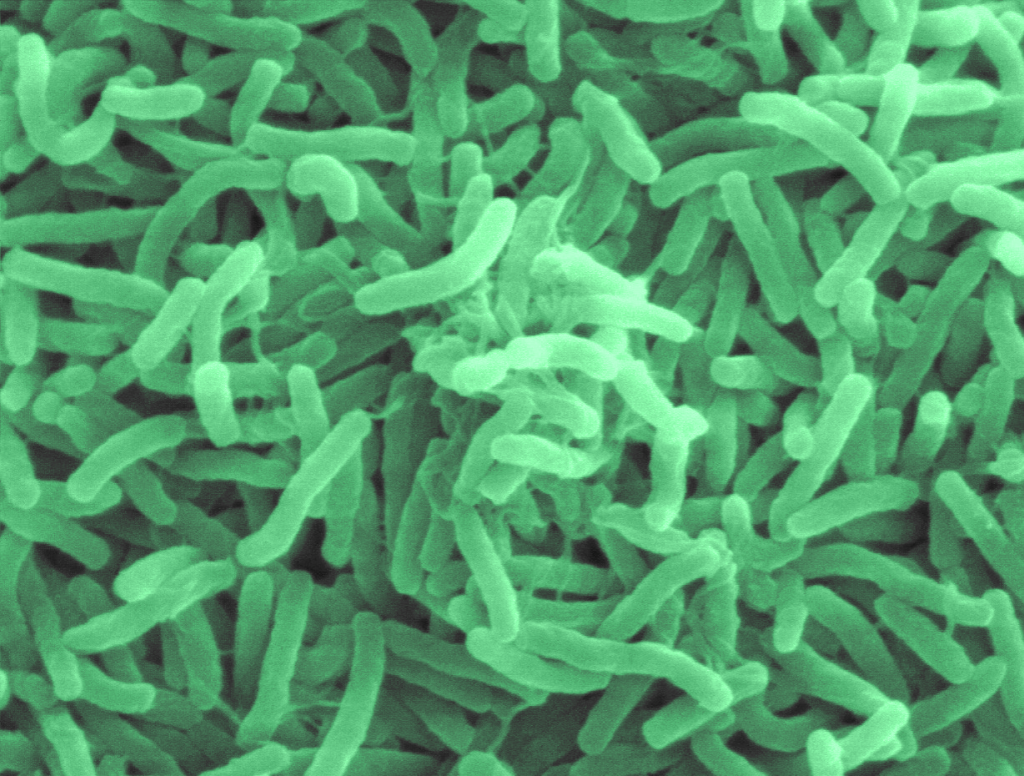
Scanning electron micrograph image of Vibrio cholerae. Source: Wikimedia CC0
The Hammanskraal cholera outbreak continues with 17 deaths from the disease reported so far. Poverty is exacerbating the situation, with residents being advised to drink bottled water – but unable to afford it. According to GroundUp, the microbiological compliance (a measure of faecal bacteria) at sewage treatment plants was as low as 2% and 0%, where below 50% is considered ‘bad’.
Characterised by watery diarrhoea and dehydration, cholera is caused by infection by the bacterium Vibrio cholerae and in some cases can cause death within hours. It is spread through contaminated water, and asymptomatic individuals can contribute to the spread by shedding bacteria in faeces for seven to 14 weeks.
The National Institute for Communicable Diseases (NICD) says that treatment is with oral rehydration solution (ORS), with intravenous ringer’s lactate for severe dehydration and antibiotics recommended in hospitalised patients.
For acute cases of watery diarrhoea, the National Institute for Communicable Diseases (NICD) advises the following course of action:
– Notify the case as suspected cholera by completing a Notifiable Medical Conditions case notification form. Do this immediately; don’t wait for laboratory results.
1. Assess and reassess the degree of dehydration frequently.
2. Replace fluid and maintain hydration status based on the degree of dehydration (see flowchart)
3. Antibiotic therapy is recommended for hospitalised patients. Ciprofloxacin is currently the antibiotic of choice: Paediatric dose: 20 mg/kg (max 1g) po stat Adult dose: 1g po stat
4. Children < 5 years of age should be given zinc supplementation.
5. Patients should be fed as soon as they can tolerate food
6. Patients who are no longer dehydrated and can take ORS and have decreased frequency of diarrhoea may be discharged.
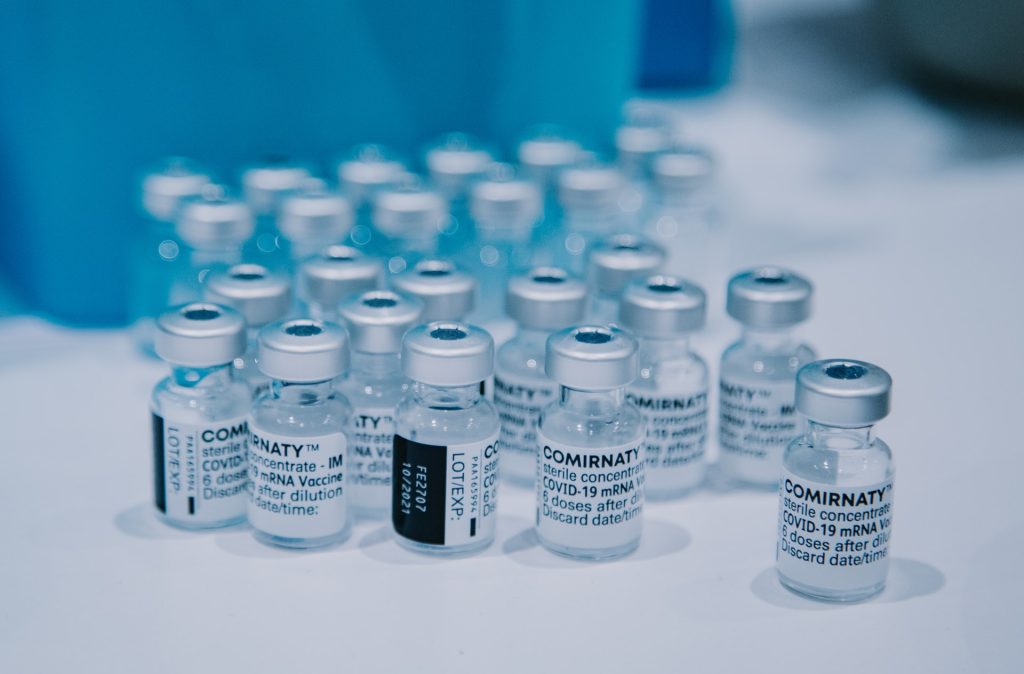
Millions of doses of the Pfizer-BioNtech COVID-19 vaccine procured by the South African government have expired and the shot is largely unavailable to people in the country.
Several people who have contacted Spotlight have expressed “frustration” and “dismay” that despite government having announced in February that it was sitting on a massive stockpile of almost 30 million vaccines, they are struggling to access the Pfizer shot.
Explaining the vast quantity of unused vaccines, the Health Department at the time said vaccine uptake has been low due to decreasing cases, people’s erroneous perception that the pandemic is over, and hesitancy affected by vaccine disinformation.
Expired but not expired?
National Department of Health spokesperson Foster Mohale confirmed that seven million Pfizer doses had expired but they would not be disposed of. Instead, the vaccine manufacturers would test the vaccines to ensure continued safety and efficacy. The South African Health Products Regulatory Authority (SAHPRA) will review the test results and, if satisfied that the vaccine will still work as well as data showed before, they will approve an extended shelf life.
The remaining estimated 23 million Johnson and Johnson (J&J) vaccine doses in South Africa are due to expire in 2024 and 2025.
“The expiry of a vaccine is not the same as the expiry date of food which cannot be extended,” Mohale says, adding that the Pfizer vaccine has a short shelf life and that the vaccine’s expiry date has been extended twice in the past. He says the testing should be done by June and the Pfizer shots would become available in July.
Photo by Mat Napo on Unsplash
A mother from East London, who is hoping to emigrate to the United States, told Spotlight that she was “frantically” trying to get shots for her 12-year-old son in time to leave. In South Africa, none of the currently available COVID-19 vaccines have been authorised for use in children under the age of 16. Elsewhere in the world, for example, in the United States, the Pfizer vaccine has been tested and authorised for use for children from the age of 12. “It is mandatory that he get the vaccine before entering the United States,” she says.
An intern responding to people’s questions on the Department of Health’s hotline says, “Many callers have phoned in stressing about travelling, emigrating, or getting vaccinated for the first time. We have been told that there are very few sites that still have some stock. If people have had two Pfizer doses, they can boost with a J&J dose. However, if they have only had one Pfizer, they will have to wait.”
The public exasperation expressed directly to Spotlight and on social media also relates to the health department’s vaccination website being outdated and it being hard to find places to get vaccinated. As GroundUp reported in January, getting a COVID-19 booster jab is not as easy as it should be.
‘The pandemic is not over’
Referring to the World Health Organization’s (WHO) lifting of the COVID-19 Public Health Emergency of International Concern(PHEIC) on May 5th, Mohale says, “The pandemic is not over and people, especially those who are at highest risk of severe disease and death should get vaccinated.” These included people with co-morbidities and the elderly. He says vaccination for COVID-19 has been integrated into routine primary healthcare facilities, which is where people should go for their jabs.
WHO director-general Tedros Ghebreyesus said it was the end of the emergency phase but not the end of the threat of COVID-19. In the week prior to the announcement, he said the disease claimed a life (globally) every three minutes, “and that’s just the deaths we know about”.
The decision to lift the emergency was based on the decreasing number of deaths and hospitalisations from COVID-19, the high levels of population immunity against SARS-CoV-2, and the widespread availability of COVID-19 vaccines and treatments.
Ghebreyesus warned that the COVID-19 pandemic is not over and that the virus could still pose a serious threat to public health. The WHO has urged countries to continue to monitor the situation closely and to maintain preparedness measures, such as surveillance, testing, and contact tracing.
Some experts have criticised the WHO’s decision to end the emergency phase, arguing that it is premature and could lead to a resurgence of the pandemic. Others have defended the decision, arguing that it is based on the best available evidence and that it is important to give countries the flexibility to manage the pandemic in a way that best suits their own circumstances.
‘Momentous’ announcement
Professor Salim Abdool Kariem, Director of CAPRISA, described the announcement as “momentous”. Writing in his regular COVID-19 updates blog, he says, “… we are still living in the midst of a pandemic with thousands of cases each day. Since SARS-CoV-2 is going to be with us for a long time, a pragmatic decision was needed as the COVID-19 pandemic emergency has been steadily receding and a new variant of concern has not emerged in the last 17 months. But the risk of a new variant of concern is ever-present, even if it is getting progressively smaller with time. The public is also tired of the pandemic and many have simply put it out of sight and out of mind.”
Kariem writes that globally there are currently far more COVID-19 cases, hospitalisations, and deaths each day than we had on the day (30 January 2020) that COVID-19 was initially declared a PHEIC. “So, it (the WHO decision) was not based on the situation getting to a point pre-PHEIC. Waiting to reach that point may take many years or may never happen and so ending the PHEIC is a judgement call, taking many factors into consideration.”
‘Still with us’
Speaking at a recent webinar, hosted by Internews, science writer David Quammen, who wrote a book on COVID-19 called ‘Breathless: The Scientific Race to Defeat a Deadly Virus’ and before that, ‘Spillover’, says, “The coronavirus is still with us, it’s circulating worldwide among humans, and circulating also among whitetail deer, feral mink, and probably other wild mammals.”
He says efforts currently need to be directed to approaching COVID-19 as a long-term cause of human illness, suffering, and death, not “a short-term catastrophe”.
He says laboratory techniques need to be improved as well as manufacturing capacity for updated COVID-19 vaccines. Inequitable access to vaccines will need to be solved. “We will need to dissolve vaccine reluctance and refusal – among the privileged but obdurate, and also among those historically ill-served by Western medicine – with better communication and education.” Diagnostic testing needs to be maintained and not reduced, as well as the sequencing of genomes from patient samples to detect and trace new and immune-evasive variants, he says.
“We will need to prepare, not just for the next coming of SARS-CoV-2 (when it emerges from some infected human, or some deer or mink) but also for the next coronavirus or influenza virus (more than likely H1N1) or other highly adaptive animal-borne virus (there’s a whole rogue’s list of possibilities) that appears in humans, seemingly out of nowhere,” he says. “But they don’t come out of nowhere. They come from nature.”
Loadshedding is affecting waiting times at the Dunoon Community Health Centre in Cape Town, with patients saying they queue for hours and are still sent home without their medication.
Dunoon resident Mavis Matomane, 54, said she woke up early on Thursday 11 May to be at the clinic in time for an appointment made five months ago.
When she arrived at 7am, she joined a long queue standing outside in the rain. Matomane needs medication for arthritis and high blood pressure. She said the clinic was serving people who had arrived the day before but had not been seen to and had been told to return on 11 May.
She was seen by nurses for diagnosis after 11am and only left the hospital with her medication at 3pm.
Neliswa Bobotyana, who lives in Ibaleni informal settlement in the township, said she accompanied her boyfriend to the Dunoon centre on Monday 8 May. He was seen by a doctor and told to wait to get X-rays, but the X-ray facility closed while he was still waiting. On Tuesday his condition had deteriorated and she took him back to the health centre where he was told to open a new folder. He was sent back home and returned on Wednesday 10 May and was taken to the New Somerset Hospital where he was finally given medication.
Other residents have complained on a neighbourhood online group.
Western Cape Department of Health spokesperson Natalie Watlington said as a result of loadshedding and problems with the data centre in George, pharmacy applications for patient medication were offline on 10 May.
“Our pharmacist therefore requested patients to return the next day for their medication. We acknowledge that at times loadshedding may affect our phone lines and IT systems. It may take more time to draw your folder or process your details as a patient,” said Watlington.
She said on average 150 adults and 180 children arrived without appointments every day. This was on top of about 120 clinician appointments and 100 family planning appointments per day.
She said there were problems when patients who did not arrive on their appointment day arrived as walk-in patients on other days. There were an average of 80 missed appointments a day, Watlington said.
Watlington said patients sticking to appointment times did not need to arrive early. Waiting times differed according to the nature of the complaint and the treatment.
A population-based study of 22 million people in the UK estimates that around one in ten individuals in the UK now live with an autoimmune disorder. The findings, published in The Lancet, also highlight important socioeconomic, seasonal and regional differences for several autoimmune disorders, providing new clues as to what factors may be involved in these conditions.
There are more than 80 known autoimmune diseases, including conditions like rheumatoid arthritis, type 1 diabetes and multiple sclerosis, some of which have been increasing in the last few decades.
This has raised the question whether overall incidence of autoimmune disorders is on the rise and what factors are involved, such as environmental factors or behavioural changes in society. The exact causes of autoimmune diseases remain largely unknown, including how much can be attributed to a genetic predisposition to disease and how much is down to exposure to environmental factors.
The study used anonymised electronic health data from 22 million individuals in the UK to investigate 19 of the most common autoimmune diseases. The authors examined whether incidence of autoimmune diseases is rising over time, who is most affected by these conditions and how different autoimmune diseases may co-exist with each other.
They found that the 19 autoimmune diseases studied affect around 10% of the population. This is higher than previous estimates, which ranged from 3–9% and often relied on smaller sample sizes and included fewer autoimmune conditions. The analysis also highlighted a higher incidence in women (13%) than men (7%).
The research discovered evidence of socioeconomic, seasonal and regional disparities for several autoimmune disorders, suggesting that these conditions are unlikely to be caused by genetic differences alone. This observation may point to the involvement of potentially modifiable risk factors such as smoking, obesity or stress. It was also found that in some cases a person with one autoimmune disease is more likely to develop a second, compared to someone without an autoimmune disease.
Dr Nathalie Conrad at the University of Oxford said: “We observed that some autoimmune diseases tended to co-occur with one another more commonly than would be expected by chance or increased surveillance alone. This could mean that some autoimmune diseases share common risk factors, such as genetic predispositions or environmental triggers. This was particularly visible among rheumatic diseases and among endocrine diseases. But this phenomenon was not generalised across all autoimmune diseases. Multiple sclerosis, for example, stood out as having low rates of co-occurrence with other autoimmune diseases, suggesting a distinct pathophysiology.”
These findings reveal novel patterns that will inform the design of further research into the possible common causes of different autoimmune diseases.
Professor Geraldine Cambridge at UCL Medicine said: “Our study highlights the considerable burden that autoimmune diseases place upon individuals and the wider population. Disentangling the commonalities and differences within this large and varied set of conditions is a complex task. There is a crucial need, therefore, to increase research efforts aimed at understanding the underlying causes of these conditions, which will support the development of targeted interventions to reduce the contribution of environmental and social risk factors.”
Today we celebrate Nurses as we do every year on 12 May. The International Council of Nurses proclaimed this year’s slogan as ‘Our Nurses, Our Future’, but what is the future of nurses in South Africa?
During the height of the COVID pandemic, we saw a huge campaign launched by the World Health Organization, uplifting the stature of nurses and midwives and showcasing them as the backbone of health systems at a global level. In the South African context, the story goes that they will also be central to the health system once National Health Insurance is implemented yet there are many red flags raised as we continue the planning discussions in preparation for this change with little to no answers about that future.
“I will never be a nurse”
By the time my mother had to decide on a career, nursing was one of those professions that provided stability and security to black and coloured women during Apartheid. You had two choices – become a nurse or a teacher. That’s how my mother began her nursing journey, but she was so passionate about it so that it would probably have been her choice, regardless.
Her passion was not what spurred me on to become a nurse, though. I looked at her long hours and tireless devotion to her community and the mental health fraternity and literally uttered the words, “I will never be a nurse”. Then I met a young staff nurse during a youth weekend away. She was so proud of her profession. She just oozed pride, and at that moment, I went from a potential engineering student to a nursing student.
My father was livid. He could not comprehend why his only daughter would observe the work hours of her mother and still choose to become a nurse. But in many ways, I believe nursing chose me. Once I made the decision, I never looked back. I remember being mocked and berated for my choice in social circles, but feeling a deep connection to this calling.
I have not entered it blindly though. I was aware of my privilege and the weight of caring for people at their most vulnerable. The experiences I have made while holding the hand of someone taking their last breath, supporting a mother delivering a stillborn baby, to engaging with my first person living with HIV, or watching someone slip away after a huge battle with cancer have been deeply embedded in my consciousness. I do not believe these experiences to be without life-altering potential and believe it has shaped me into the healthcare worker I am today.
Threats to nurse autonomy
It is often believed that nurses are the handmaiden to the doctor and we should not think but do. Those sayings were so wrong, but even today, the inferiority of the quality of nurse training, lack of supervision, and only very limited mentoring all threaten the autonomy of the nurse.
Nurses, despite having a day and even a week dedicated to celebrating them, are still, for the most part, underpaid, overworked, and professionally stunted. By stunted I am referring to the lack of mandatory continuous professional development and upskilling. Somehow, as the backbone of primary healthcare, they are often unable to take time out for much-needed training.
One often hears of nurses being rude and impatient. Though some may very well display these horrible traits, for the most part, people have entered this profession to improve healthcare services to individuals, families, and communities at large. In my 21 years of experience, the issue is hugely exacerbated by the healthcare system, which does not support nurses. The hours are long and gruelling – exacerbated by staff shortages in facilities. The environment is hostile, the workload unequal, and the pay shoddy. Many nurses find themselves moonlighting to make ends meet.
Advocate for us
Though not an excuse for unprofessional behaviour, I do want activists and health advocates to fight for better working conditions, upskilling opportunities, and a larger health workforce in our public health sector.
The mental health of our clients and communities appears topical at the moment, but what about the nurse? The trauma of loss, observation of patient suffering, and abuse by many of the actors in the health space can take its toll on the mental health and well-being of our nurses, too. When we plan for the public, we must remember to include the healthcare workers and their health and well-being.
This is even more critical now as we embark on establishing the National Health Insurance (NHI) system.
As NHI looms, the threat that nurses will be ill-equipped to render quality healthcare services is a glaring reality. The South African Nursing Council (SANC) notes that 47% of the nurses on its database are older than 50 years of age. This narrative of aging nursing personnel started years ago and if we had a proactive plan to address this, South Africa may in fact have had some fighting chance to implement NHI smoothly.
In a damning article published in February, the Democratic Nursing Organisation of South Africa (DENOSA) highlighted that the South African public health sector has a deficit of 27 000 nurses and yet there are 5 000 nurses currently unemployed. How can this be acceptable? It further noted that the South African government has placed certain nursing specialities on a scarce skills list in the hope of recruiting from other countries instead of planning to upskill and uplift domestically.
Part of me wants to speak about accountability, collaboration, and change management, but the other part bleeds for nurses as the workload and responsibilities increase and the work environment becomes more hostile. All this makes it hard to see the silver lining.
I do, however, believe that if the South African Nursing Council and National Department of Health actually engage the people on the ground, those at the coal face, those with expertise, and review their current implementation plans, they will see the same glaring gaps that we see every day.
There must be a call to action for all nursing leadership, nursing activists, nurses, and nursing education establishments to collectively take a stand and demand that we revise our current approach to the nursing curriculum and work on making nursing more appealing to the youth. This could be one step in the right direction.
When I qualified as a nurse, it was a four-year course. The nursing degree I completed included Community Nursing, Psychiatric Nursing, General Nursing, and Midwifery, and although I might not practise it all, I am able to fall back on that knowledge during client or patient engagements. Now it is a five-year course with one qualification with the nurse trained as a generalist. The fear is how does that serve our communities? We need midwifery, for example, to do NIMART (initiate people on HIV treatment) and you need community nurses to be working in primary healthcare, If you come out with one general qualification – how exactly will this pan out?
We need a rethink of how we train nurses and how we can strengthen the curriculum so that we can get nurses who can address HIV and all issues in primary healthcare. In my programme – HIV testing, for example, nurses don’t get trained on HIV testing. It is just monkey see, monkey do and unfortunately, that doesn’t translate into quality service.
Very often nursing practice is see one, do one, and then you’re the expert. I’m arguing that these things must be part of the curriculum. For example, why must a nurse come out of nursing school and then only learn IMCI (Integrated Management of Childhood Illness) Why is IMCI not being done practically in the facility and the theory in class, as part of the curriculum?
Nurses, today, are expected to know everything, which is impossible but we are not upskilling them and making sure the curriculum is so robust that it addresses all disease profiles and our communities’ healthcare needs. We are talking about integrative and holistic healthcare so we cannot be only training nurses in one way. There is a malalignment of what our communities need and what nursing schools are churning out.
We must fix that.
We need an urgent change in the curriculum of nurses to ensure we can support the needs of the health system and communities, build great leadership for the future, and ensure quality health services for all.
* Sparks is a nurse, health equity advocate, and Tekano and Aspen New Voices Fellow with 21 years’ experience working across South Africa with a focus on ensuring equitable and just access to quality healthcare for all.She is also a Quote This Women + Voice of the Year Award Winner.