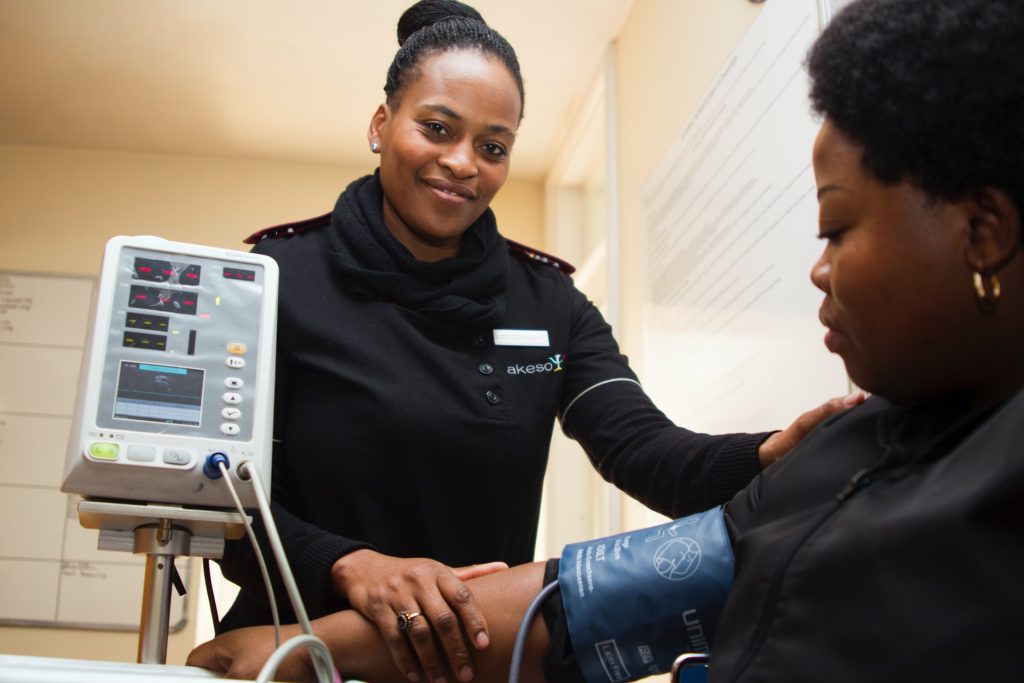
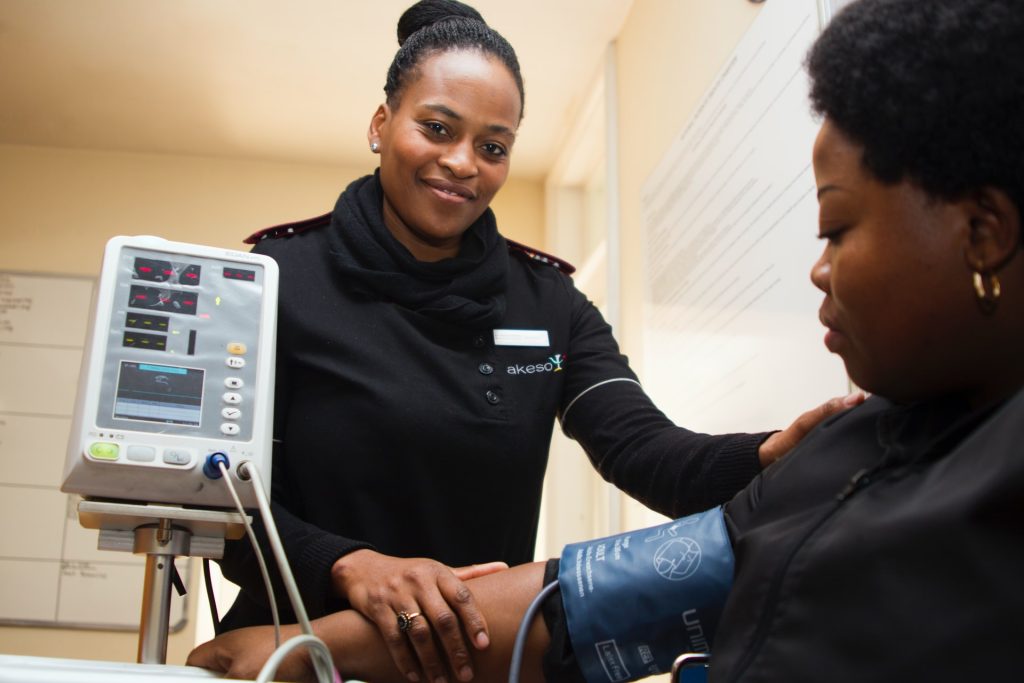
In the COVID era, when vaccinations are all the more important, new research published in the European Journal of Pain shows that children’s vaccination and needle fear can be reduced with a couple of different techniques used by nurses.
These techniques divide the children’s attention or redress their fears by framing the positive elements of their experience.
Working with children aged 8–12 years, the preliminary study found that two new nurse-led techniques show promise in reducing needle fear in primary-aged children:
Divided Attention – where a child’s attention and expectations are drawn away from the needle.
Positive Memory Reframing – where a child’s exaggerations about the distress and discomfort of needles are redressed through discussion about the positive elements of the experience so that the form more realistic memories of the event.
Dr Felicity Braithwaite, lead researcher of the study, said that helping children reduce fear and distress around vaccinations is a key area of research in the COVID era.
“For many children, undergoing a needle procedure can be painful and distressing,” Dr Braithwaite said.
“Negative experiences of vaccinations in childhood can often lead to medical avoidance and vaccine hesitancy into adulthood, which can have devastating consequences when it comes to outbreaks of preventable diseases.
“By investing more time into techniques to help children manage their fears about needles, we hope to change these outcomes and deliver better health outcomes for the next generation.”
The study involved 41 children and their parents, with participants randomised to one of four groups – usual care, divided attention, positive memory reframing, or a combination of the latter two interventions. Clinical outcomes were assessed at baseline, immediately post-vaccination and at two-weeks post-vaccination.
The Divided Attention technique involved a one to two minute distraction game where a nurse tapped the child’s arm above and below the vaccination spot in a random order, with the child focussing their attention on guessing which spot was touched each time. This game takes advantage of the potential analgesic effects of distraction.
The Positive Memory Reframing technique involved talking to children about a past injection and emphasising positive aspects, such as how brave the child was and praising specific strategies they used to reduce their own distress, for example, deep breathing and looking away. The aim is to foster a sense of self-efficacy to help children better cope.
Both techniques were tested outside of clinical locations, such as in schools, to maximise their applicability in real-world settings.
The addition of specialist nurses by the Department of Home Affairs to the critical skills list has drawn renewed attention to and criticism of the chronic shortage of nurses in South Africa.
According to a statement by Life Healthcare last year, the country would need as many 26 000 additional nurses in 2022 to meet growing demand.
“Nurses have been on the frontline of the efforts to combat COVID for over two years. They are understandably exhausted and require our support as they continue to deliver quality care to our patients,” the group said, adding that it was embarking on programme to train an additional 3000 nurses per year.
In an open letter on the situation, the Hospital Association of South Africa (HASA) said that there was considerable training capacity and willingness from private sector hospitals, while also noting that the transition to new nursing qualifications has interrupted nurse training.
Last week, following engagement with the Minister of Health, South African Nursing Council, Health Professions Council of South Africa, public hospital CEOs and other experts, the DHA published an updated critical skills list, which was expanded to include specialist nurses and medical specialists.
The registered nurse specialties are intensive/critical care, psychiatric, peri-operative, trauma and paediatric nursing, as well as midwife specialists.
What many seen as the government’s inaction over the situation has not gone without criticism.
Speaking to the the Sunday Tribune, Sibongiseni Delihlazo of the Democratic Nursing Organisation of SA said that they were “extremely angry that we have to import specialist nurses because of the government’s actions.”
He points to falling numbers of nurses being produced each year and the shutting of nursing colleges as a sign of government neglect. World Health Organization studies showed a worldwide nursing shortage of 10 million positions by 2030, which needed an 8% annual increase in new nurses.
“Our country has not adhered to the warning, but has done the opposite,” he said.
Delihlazo said that most nursing students received government funding which was drying up, yet the population growth continued as did public healthcare system demand.
Public healthcare was not releasing nurses for specialist training, as doing so would cause the system to crumbled, Delihlazo said. In addition, local nurses are being effectively poached by first world nations.
“We could have produced our own nurses in a country with serious unemployment issues. The government doesn’t have a strategy to keep our nurses,” he said.
The delivery of the primary healthcare approach and the achievement of any semblance of universal health coverage are moot if South Africa does not rapidly address the critical skills shortages and working conditions of nurses, especially those with specialised skills, including midwives.
“The pandemic very clearly highlighted the crucial role that nurses play in the frontline of healthcare, and how important they are in ensuring that patients have access to quality health services and disease prevention, management and education. However, a combination of factors is stymieing attempts to grow our nursing capabilities and skills – from changes in the nurse training curriculum, limitations of and delays in the accreditation of training facilities, poor working conditions and workplace safety, lack of equipment and resources, low remuneration by global standards, the regulatory uncertainty around NHI, changing social dynamics which has seen declining nursing recruits, as well as the significant mental health deterioration that nurses have battled for two years of being on the frontline of the pandemic. Add to this the fact that we have a significant number of experienced nurses heading for retirement age without the commensurate follow through of new nursing talent coming through, and we have the makings of a serious crisis,” warns Paul Cox, Managing Director at the Essential Group of Companies including health insurance provider, EssentialMED.
“Making matters worse, South Africa’s nurses are in huge demand in many first world countries that suffer the same skills shortages. These countries offer significantly higher pay and better working and living conditions to attract talent to their shores. This is a significant risk as South Africa is losing some of its most experienced nurses and healthcare workers to emigration, and with it we lose vast amounts of institutional knowledge, specialisation, experience, training investment and mentoring and training skills,” he adds.
Data published by the South African Nursing Council (SANC) in 2021 shows that the country has a nursing staff contingent of one nurse to 213 patients – the World Health Organisation recommends a ratio of 1 nurse to 5 patients in a general hospital. While there are currently around 280,000 nurses in active employment and a further 21 000 nurses in training, the 2030 Human Resources for Health Strategy projects a shortage of 34 000 nurses in primary healthcare by 2025 if nothing is done to attract new talent to the nursing sector. According to SANC’s 2020 statistics, the ageing population of South Africa’s nursing population is another looming crisis. Its statistics show that less than a third of the registered nurses and midwives are under the age of 40, while 47% of registered nurses will have retired within the next 15 years. Primary healthcare will take a big hit given the important role of nurses in primary healthcare delivery, and TB, HIV and diabetes management programmes are likely to falter, with patients in remote and rural areas impacted the most.
Perplexingly, despite these serious skills shortages and looming crisis, nurses never made it onto the Critical Skills List released by the Department of Home Affairs at the end of February 2022, despite the huge demands that Government’s drive to NHI will make on already stretched and overburdened healthcare human resources.
“The implications of the current skills shortages and deteriorating working and safety conditions, notably in the public sector which takes care of more than 80% of the population, are plain to see. We already have a situation where healthcare facilities are struggling to fill posts – there are some 21,000 specialist medical personnel posts vacant across all provinces and which the Department of Health has thus far been unable to fill. What more then will the implications be for healthcare delivery under the proposed universal healthcare system of NHI? The Department of Health has acknowledged that the NHI will need skilled personnel to function not only across healthcare professionals, but general skilled human resources to underpin the health system. Right now, even the most fundamental of primary care delivery is in crisis due to skills shortages, exacerbated by the deleterious state of many public healthcare facilities and regular medicine stock-outs. More skilled and experienced nursing professionals are heading offshore, and at the same time, the sector is struggling to attract and train new nursing recruits to a profession and working environment that are increasingly unattractive to young South Africans. The planned introduction of the National Health Insurance scheme adds further grist to the wheel, with industry experts warning of a mass exodus of healthcare skills due to the valid concerns around the lack of financial and operational clarity of the plan,” adds Cox.
The current and future dwindling nurse staffing levels are a serious threat to patient health, safety and quality of care. Equally so to the health and safety of nurses due to increasing pressure on the remaining workforce to meet ever growing healthcare needs, fatigue and burnout, mental health issues and deteriorating work conditions. Poor resource allocation and poor maintenance of healthcare facilities need to be urgently addressed, and there needs to be the political will to dramatically improve the working conditions of the nurses who form the backbone of healthcare delivery. It is crucial that both public and private sector stakeholders collaborate to help bridge the skills challenges. A major acceleration of training is needed, and to do this it’s essential to fast-track the new education requirements and processes and accredit more nurse training colleges, allowing the private sector to contribute to closing the skills gap.
“Nurses are the single largest group of healthcare providers in our country representing 56% of all healthcare providers. The performance of our healthcare system – both public and private – is dependent on the quality of care provided by these professionals. Nurses are central to addressing the complex burden of disease, achieving the primary healthcare (PHC) approach as purported under universal health coverage, as well as improving health system performance across both the public and private healthcare sectors. The pandemic has shown unequivocally the need to value our nurses, to invest in nursing, resolve the nursing education challenges as a matter of priority, as well as address their working conditions, remuneration, practice environment, resources, management and leadership. Without a strong, skilled and growing nursing profession, any semblance of NHI and universal health coverage success in South Africa is questionable,” concludes Cox.
In a questionnaire-based study published in Pharmacology Research & Perspectives, nearly half of all nursing staff made at least one error within the last year when administering medications.
The aim of the study was to find out how often medication errors occur and whether they are related to training, quality assurance measures (use of the double-check principle (DCP)), and other structural conditions of home care services.
In the study, 41.6% of nurses reported medication errors within a 12-month period, and 14.8% did not provide an answer. Medication errors experienced by patients include taking the wrong dose or quantity of a particular drug, as well as omission of a drug or taking unlicensed drugs.
Nurses who had attended medication training within the last 2 years were less likely to make errors. Years of professional experience, patient numbers per shift, and full time versus part time work were not statistically significantly associated with reported medication errors.
“The study results underline the need for regularly recurring medication training for nurses to ensure a high level of patient safety – especially in the home care sector, as nurses are the only professional group on site,” said lead author Sandra Strube-Lahmann, RN, MSc, PhD, of Charité – Universitätsmedizin Berlin, in Germany.
A recent study investigated how advanced practice providers (APPs) are being underutilised in emergency department settings.
The study, published in Academic Emergency Medicine concluded that, in comparison to ED physicians, APPs such as physician assistants and registered nurse anaesthetists, see fewer complex patients and generate less value per unit hour.
The study, which investigates the impact of APPs in the ED on productivity, flow, safety, and experience, is the first of its kind.
However, the study suggests that APPs can be better integrated into EDs, minimising any adverse impact on ED flow, clinical quality, or patient experience. Furthermore, APPs, currently used for low-acuity cases, can add value with independent assessment of critical ED cases.
Journal information: Pines, J. M., et al. The Impact of Advanced Practice Provider Staffing on Emergency Department Care: Productivity, Flow, Safety, and Experience, Academic Emergency Medicine (2020) doi.org/10.1111/acem.14077