

Swimming Beats Running for Strengthening the Heart, Study Finds
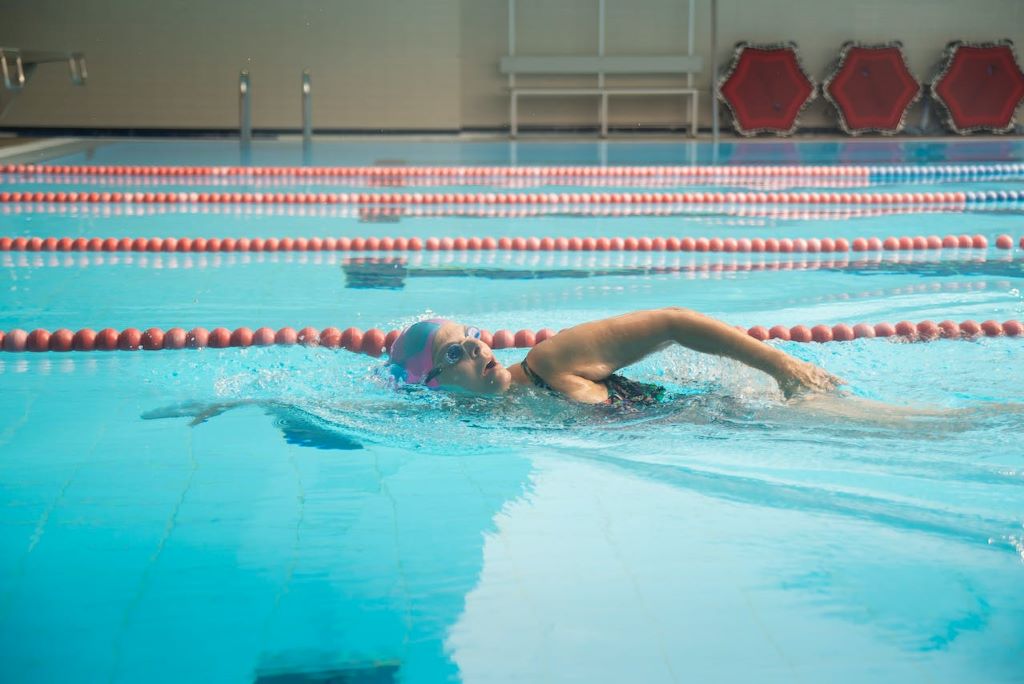
By Maria Fernanda Ziegler | Agência FAPESP – A study conducted on an animal model by researchers at the Federal University of São Paulo (UNIFESP) in Brazil demonstrated that swimming is more effective than running in promoting healthy heart growth and improving the strength with which the heart muscle (myocardium) contracts.
“Swimming and running are two excellent ways to improve cardiorespiratory health and protect the heart muscle, but we wanted to know if one could be even more beneficial than the other. We found that, although both increase respiratory capacity, swimming goes a step further by combining functional and molecular adaptations that make the heart stronger and more efficient,” says Andrey Jorge Serra, a professor at UNIFESP and coordinator of the study supported by FAPESP.
The study, published in the journal Scientific Reports, demonstrates that swimming promotes greater modulation of microRNAs that control various heart adaptations, such as cardiac cell growth, the formation of new blood vessels (angiogenesis), protection against cell death, and the regulation of contractility and responses to oxidative stress, compared to running training.
MicroRNAs are molecules that regulate the expression of messenger RNAs, which are responsible for protein synthesis.
“Although several studies had already examined the expression of microRNAs regulated by aerobic training in general, little was known about expression patterns when swimming and running were compared in the same experimental setting. Therefore, this study reveals that there’s a distinction in cardiovascular effects between these two modalities,” says Serra.
In the study, the mice underwent an eight-week training protocol consisting of daily 60-minute sessions five days a week. The rats were divided into three groups: one that did not train, one that only ran, and one that only swam. Since running and swimming are very different forms of exercise, the comparison between the training regimens was not based on the speed the animals reached but rather on the relative intensity of the effort, as measured by maximum oxygen consumption (VO₂ max) – an indicator that assesses the body’s ability to capture, transport, and utilize oxygen during physical activity.
According to the results, running and swimming improved physical fitness similarly: between the first and last training sessions, VO₂ max increased by more than 5%. However, only swimming promoted significant structural changes in the heart, such as increases in cardiac and left ventricular mass. Running did not show relevant differences compared to the sedentary animals.
“People’s choice of sport depends largely on personal preference, aptitude, and enjoyment. But our results show that swimming may have a special impact in situations involving myocardial recovery, cardiac rehabilitation, and above all, scientific research. This is also relevant because studies on aerobic exercise often use running and swimming interchangeably, and we now know that the effects aren’t the same,” Serra explains.
Before and after the training period, the researchers administered a series of tests to evaluate various aspects of cardiac health, including cardiorespiratory capacity, fitness, and the structure and function of the heart and myocardium.
The study also analyzed the gene expression and protein pathways involved in physiological cardiac hypertrophy and the mechanisms involved in identifying regulatory microRNAs.
“Although we don’t yet know why this change occurs at the molecular level, of the microRNA, we were able to delve deeply into and investigate the molecular pathways that control physiological hypertrophy,” the researcher adds.
The article “Swimming is superior to running in inducing physiological cardiac hypertrophy and enhancing myocardial performance” can be read at nature.com/articles/s41598-026-36818-2.
Source: FAPESP
