Tag: covid

Janet Giddy | If COVID-19, Why not TB? Mr President, it’s Time for a Family Chat

President Cyril Ramaphosa addresses the nation in 2021 on developments in the country’s response to the COVID-19 pandemic. (Photo: GCIS)

By Janet Giddy

South Africa had several “family chats” in which President Cyril Ramaphosa addressed the nation during the height of the COVID-19 pandemic. He should do the same for tuberculosis, argues Dr Janet Giddy of the advocacy group TB Proof.


Recently, I was flying home and got chatting to the stylishly dressed woman in the window seat next to me. We asked each other the sort of questions that traveller’s often do. Suzie (name changed) was going to Cape Town to facilitate an artist’s workshop. I told her that I worked for an NGO that did tuberculosis (TB) research and advocacy. Suzie nodded pensively, then said: “My dad had TB”. I was just thinking how to respond, when she added: “he died from it”.

I have conversations about TB almost every day, and have previously written about high-altitude chats with fellow travellers. I get into these conversations not because TB work is my “day job” – which it is – but because I am a TB activist, and a survivor of childhood TB.

There are many remarkable things about TB that keep me engaged, enraged and activated. For example, that 29 934 people were diagnosed with TB in 2024 in the Cape Town metro, which was more than the combined number diagnosed with TB in the whole of the United States (10 347), the United Kingdom (5 480), France (4 217), and Canada (1 258). The population of these four countries combined is over 500 million, while Cape Town has a population of just under five million people. If you do the math, the risk of getting TB clearly depends massively on where you live. If these figures do not shock you, they should.

Why are so many people in South Africa unaware and seemingly unconcerned about the extraordinarily high numbers of people infected with TB in our country? Could we take TB more seriously as a country? My answer is yes.

If COVID-19, why not TB?

As expected, South Africa worked up a huge head of steam at every level of society about COVID-19. I think back on President Cyril Ramaphosa’s regular avuncular “family chats” to the nation. In the first COVID-19 “family chat”, our president told us:

“This is a decisive measure to save lives of South Africans from infection and save the lives of hundreds of thousands of our people. While this measure will have a considerable impact on people’s livelihoods, and on the life of our society and on our economy, the human cost of delaying this action would be far, far greater.”

Why has Ramaphosa not ever spoken in this intimate “family style” way to the nation about how important or urgent it is to tackle TB? A disease which continues to cause significantly more suffering and death than COVID-19 did.

In 2018, our president spoke to the international world about TB, when he addressed the President of the General Assembly of the United Nations (UN) and Director-General of the World Health Organization at the first ever UN High-Level Meeting on Tuberculosis. With great gravitas and in oratorial style, Ramaphosa said: “This … is a historic opportunity that we must embrace if we are to effectively respond to a disease that has killed more people than smallpox, malaria, the plague, influenza, HIV and AIDS, and Ebola combined. This meeting is taking place in the year of the centenary of the birth of South Africa’s founding President, Nelson Mandela. President Mandela was a survivor of tuberculosis, which he contracted while in prison, and was firmly committed to the campaign against the disease.”

Ramaphosa went on to highlight the social determinants of TB, including poverty, unemployment, poor nutrition, overcrowding and social stigma that fuel the spread of diseases. He also noted: “In South Africa, TB is the biggest cause of mortality in the general population, especially among men.”

This was an excellent message, but since 2018, our president has not had much to say about TB in public or to South Africans. It would be powerful and impactful if he were to talk about TB as a national emergency that requires a coordinated “family response” as a nation.

In considering the seriousness of TB as compared to COVID-19, let’s look at mortality.

By November 2022, the official number of deaths recorded as being due to COVID-19 in South Africa was around 102 000, approximately 34 000 per year when averaged out. Official numbers are however widely considered to be an underestimate. The Medical Research Council estimated in the region of 300 000 excess deaths relating to COVID-19 from 2020 to 2022, with around 85 000 in 2020, 200 000 in 2021, and around 15 000 a few months into 2022. Not all of these excess deaths would have been directly due to COVID-19, but it is likely that over 80% was (say 240 000 over the three years).

By comparison, TB has in recent years been claiming between 50 000 and 70 000 lives per year, based on estimates from the World Health Organization (WHO) and the Thembisa mathematical model. Thus, while there were many more COVID-19 deaths in 2021 than there were TB deaths, TB deaths almost certainly surpassed COVID-19 deaths in 2022 and subsequent years. The more one zooms out, the more the steady torrent of TB deaths over the last five, 10, 20 years, dwarfs the spike in COVID-19 deaths around 2021.

‘We are all at risk’

Back to my recent high-altitude chat in the plane: somehow, it was a uniquely South African sort of conversation. What is the chance that, while cruising at 10 000 meters over the Atlantic on a flight between the United States and France, that you’d sit next to someone whose parent recently died of TB? An extremely small chance. So, I would contend that all South Africans do need to know about TB, which is a disease that affects families profoundly.

It’s time for South Africa to have family chats about TB. There are many reasons to have these chats, starting with the fact that we are all at risk of getting it, given that we live in a country with a high TB prevalence – it was estimated that 389 people per 100 000 in South Africa fell ill with TB in 2024. We could compare this with the 2024 figures for the United Kingdom, at 9.7 per 100 000, which is higher than the United States’ rate of 3.2 per 100 000. For those who are interested, you can look up the latest numbers for different countries on the WHO’s excellent TB data portal.

The bottom line is that the higher the TB prevalence in the country you live in, the more chance that you or a family member could get TB. This is because it is caused by a bacteria which is transmitted through the air via talking, singing and coughing, so anyone can breathe it in – as was the situation (and therefore, panic) with Covid.  The mode of transmission is the main similarity between TB and COVID-19 – there are lots of differences.

While some people are more at risk of getting TB, anyone can get TB, from any background. As a recent example: in 2024 Anna (name changed), a professional woman who lived in a green leafy suburb, was referred to me by her GP. Anna was shocked and outraged that she had been diagnosed with TB: “Janet, I feel as if I have been infected with a third world plague”. Anna wanted to believe that she had been infected with TB on a visit to India 18 months previously, but together we traced back her potential exposure and worked out she most likely was infected six months earlier, by a family member in a care home. Because Anna and her GP did not think about TB, it took more than a month of her coughing, losing weight and having no energy and taking several courses of antibiotics, before the diagnosis was finally made. By this time, she was very unwell, and her family members and many clients were at risk of getting TB.

Anna’s experience highlights how stigmatised TB still is as a disease. Stigma is a challenge to people from all backgrounds, and there are different reasons for it. Talking about TB more openly is one way to reduce stigma.

As with many other diseases, the earlier TB is diagnosed, the better the chance of full recovery, with no residual lung damage. There is effective medication to treat TB, and although treatment typically takes 6 months, it is not lifelong unlike chronic diseases like diabetes, hypertension and HIV. Young children with uncomplicated lung TB take medication for 4 months only.

Recent TB guidelines recommend that all close contacts of people diagnosed with TB (usually family or household members) should be tested for TB (even if they don’t have symptoms), and if they test negative, they can be offered TB preventive treatment (TPT), which will protect them against getting active TB disease. There is also more “user friendly” TPT now available, which consists of taking medication once a week for 3 months – a total of 12 doses only. Counselling people with TB needs to be family focused, given these new developments.

So, my challenge to readers is to have regular intentional conversations about TB with family and friends, with colleagues, in airplanes, and while waiting in queues.

Keely, a young women who read a previous Spotlight article I wrote, said she was amazed to discover that her colleague was very anxious because her mother was being treated for TB. If Keely had not decided to talk about TB at work, she would not have been able to offer her colleague support.

Try having a conversation about TB in the next week and see what comes of it.

*Giddy is a consultant at the TB advocacy group TB Proof.

Note: Spotlight aims to deepen public understanding of important health issues by publishing a variety of views on its opinion pages. The views expressed in this article are not necessarily shared by the Spotlight editors.

Republished from Spotlight under a Creative Commons licence.

Read the original article.
COVID Infection Linked to Increased Risk of Asthma – Vaccination Offers Protection

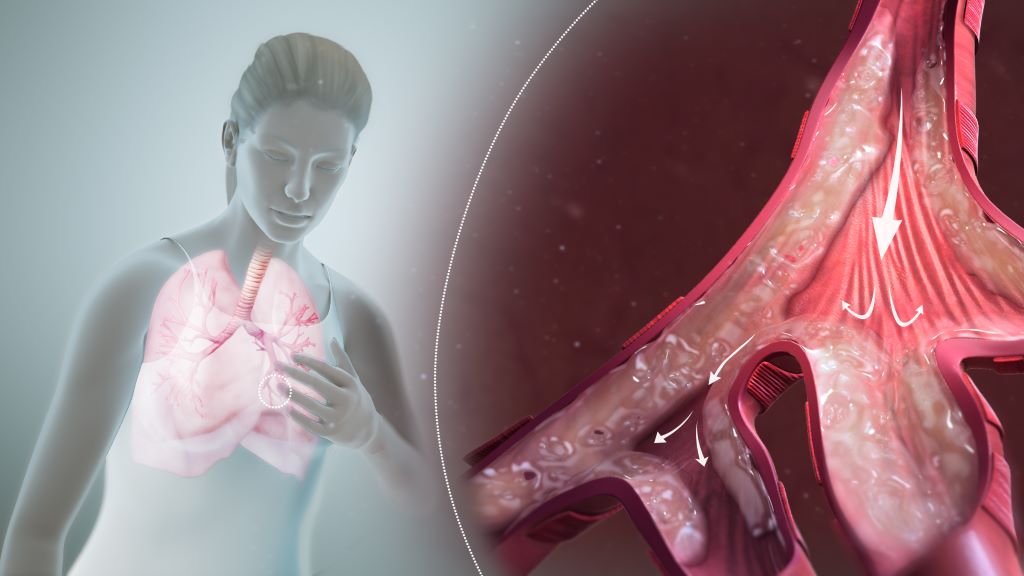
Respiratory tract. Credit: Scientific Animations CC4.0

People who have had COVID are at increased risk of developing certain inflammatory diseases of the airways, such as asthma, hay fever and chronic sinusitis. However, vaccination against the SARS-CoV-2 virus appears to reduce the risk, according to a comprehensive epidemiological study led by researchers at Karolinska Institutet.

The international research team used an electronic health database in the United States, TriNetX, to investigate the link between COVID and so-called type-2 inflammatory diseases, a group of chronic conditions in which the immune system overreacts to allergens or infections.

The researchers compared 973 794 people who had had COVID with 691 270 people who had been vaccinated against the SARS-CoV-2 virus and 4 388 409 healthy controls with no documented infection or vaccination.

Inflammation in the airways

The results are presented in The Journal of Allergy and Clinical ImmunologyPeople who had had COVID had a 66% higher risk of developing asthma, a 74% higher risk of chronic sinusitis and a 27% higher risk of hay fever compared with healthy controls. However, no increased risk was seen for the skin disease atopic eczema or for eosinophilic oesophagitis, an inflammation of the oesophagus.

“Our results suggest that COVID-19 can trigger type-2 inflammation in the airways, but not in other organs,” says Philip Curman, a physician and researcher at the Department of Medical Epidemiology and Biostatistics at Karolinska Institutet, Sweden, who led the research.

Vaccination against the virus had the opposite effect. The risk of asthma was 32% lower among vaccinated individuals compared with healthy unvaccinated individuals. The risk of sinusitis and hay fever was also slightly lower.

More than twice the risk

When people who had had COVID were compared with vaccinated individuals, an even clearer effect was seen. Infected individuals had more than twice the risk of developing asthma or chronic sinusitis and a 40% higher risk of developing hay fever compared with those who had been vaccinated.

“It is interesting to see that vaccination not only protects against the infection itself, but also appears to provide good protection against certain respiratory complications,” says Philip Curman.

The study is retrospective, i.e. based on data that has already been collected. This means that the researchers cannot draw any firm conclusions about causal links. Another limitation is that some infections may have gone undiagnosed, especially if they were detected through self-testing.

The research was conducted in close collaboration with the University of Lübeck and the Lübeck Institute of Experimental Dermatology in Germany, the Technical University of Madrid in Spain and Bar-Ilan University in Israel. It was mainly funded by the German Research Foundation (Deutsche Forschungsgemeinschaft), Region Stockholm and Karolinska Institutet. Two researchers received travel grants from TriNetX, which provides the database used in the study, and one of the authors is employed by the company.

Source: Karolinska Institutet

Certain Nasal Bacteria May Boost the Risk for COVID-19 Infection

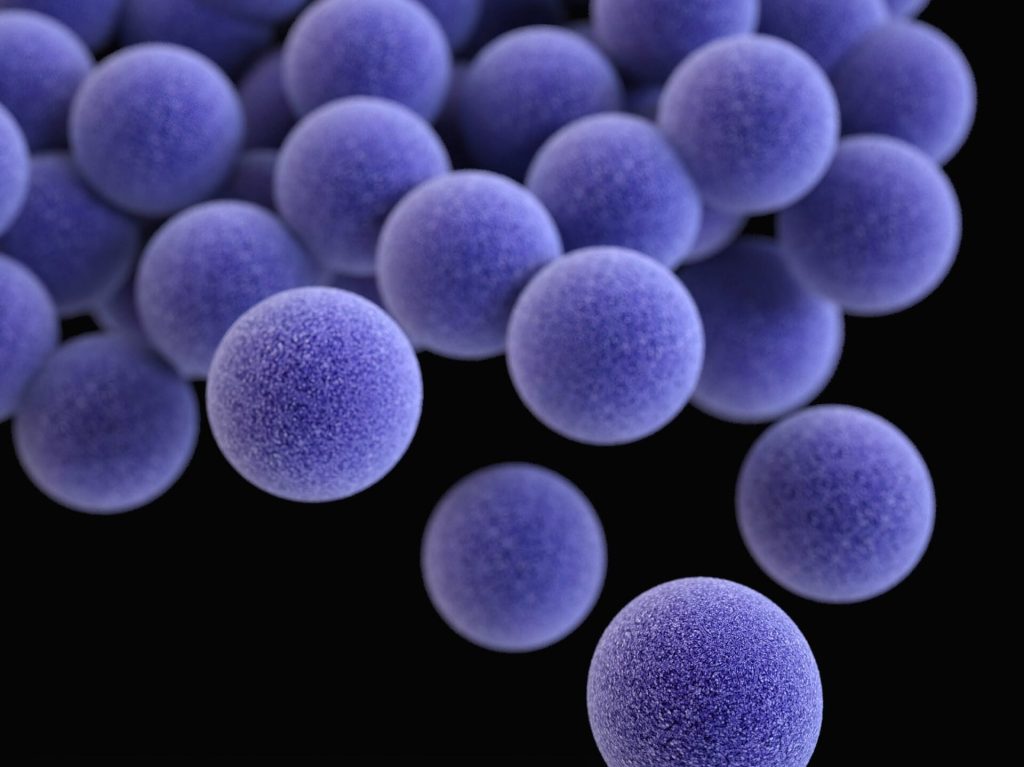
Methicillin resistant Staphylococcus aureus (MRSA) – Credit: CDC

A new study from researchers at the George Washington University has found that certain bacteria living in the nose may influence how likely someone is to get a COVID-19 infection. Published in EBioMedicine, the research reveals that certain types of nasal bacteria can affect the levels of key proteins the virus needs to enter human cells, offering new insight into why some people are more vulnerable to COVID-19 than others.

“We’ve known that the virus SARS-CoV-2 enters the body through the respiratory tract, with the nose being a key entry point. What’s new – and surprising – is that bacteria in our noses can influence the levels of proteins that the virus uses to infect cells,” said Cindy Liu, associate professor of environmental and occupational health at the GW Milken Institute School of Public Health.

Higher Gene Expression of Viral Entry Proteins Increases COVID-19 Infection Risk

In the study, Liu and her team analysed nasal swab samples from over 450 people, including some who later tested positive for COVID-19. They found that those who became infected had higher levels of gene expression for two key proteins: ACE2 and TMPRSS2. ACE2 allows the virus to enter nasal cells, while TMPRSS2 helps activate the virus by cleaving its spike protein.

Those with high expression for these proteins were more than three times as likely to test positive for COVID-19, while those with moderate levels had double the risk. The study also found that people who became infected had more unstable levels of gene expression, with the sharpest increases just days before testing positive, suggesting rising expression levels may signal increased vulnerability to the virus.

Notably, while women generally had higher gene expression levels of these proteins – consistent with previous studies showing higher COVID-19 infection rates in women – men with higher levels were more likely to get infected, indicating elevated protein levels may present a greater risk for men.

Nasal Bacteria May Play a Role in COVID-19 Risk

To understand what could impact the expression levels of these viral entry proteins, the researchers turned to the nasal microbiome – the diverse community of bacteria that naturally reside in the nose. They found that certain nasal bacteria may affect the expression levels of ACE2 and TMPRSS2, influencing the respiratory tract’s susceptibility to COVID-19.

The study identified three common nasal bacteria – Staphylococcus aureus, Haemophilus influenzae, and Moraxella catarrhalis/nonliquefaciens – that were linked to higher expression levels of ACE2 and TMPRSS2 and increased COVID-19 risk. On the other hand, Dolosigranulum pigrum, another common type of nasal bacteria, was connected to lower levels of these key proteins and may offer some protection against the virus.

“Some bacteria in your nose may be setting the stage – or even holding the door open – for viruses like SARS-CoV-2 to get in,” said Daniel. Park, a senior research scientist at GW and the first author of the study.

While some of the high-risk bacteria were less common, 20% of participants carried enough S. aureus to nearly double their risk for having elevated ACE2 and TMPRSS2 expression, making it a major nasal microbiome risk factor for increasing individuals’ risk for COVID-19 infection.

Why This Matters

The findings offer new potential ways to predict and prevent COVID-19 infection. The study suggests that monitoring ACE2 and TMPRSS2 gene expression could help identify individuals at higher risk for infection. The research also highlights the potential of targeting the nasal microbiome to help prevent viral infections.

“We’re only beginning to understand the complex relationship between the nasal microbiome and our health,” said Liu. “This study suggests that the bacteria in our nose – and how they interact with the cells and immune system in our nasal cavity – could play an important role in determining our risk for respiratory infections like COVID-19.”

The team plans to explore whether modifying the nasal microbiome, such as through nasal sprays or live biotherapeutics, could reduce the risk of infection – potentially paving the way for new ways to prevent respiratory viral infections in future pandemics.

Source: George Washington University

COVID Caused Cancer Tumours to Shrink in Mice – New Study

SARS-CoV-2 infecting a human cell. Credit: NIH

Justin Stebbing, Anglia Ruskin University

A fascinating new study, published in the Journal of Clinical Investigation, has revealed an unexpected potential benefit of severe COVID infection: it may help shrink cancer.

This surprising finding, based on research conducted in mice, opens up new possibilities for cancer treatment and sheds light on the complex interactions between the immune system and cancer cells – but it certainly doesn’t mean people should actively try to catch COVID.

The data outlining the importance of the immune system in cancer is considerable and many drugs target the immune system, unlocking its potential, an important focus of my own research.

The study here focused on a type of white blood cell called monocytes. These immune cells play a crucial role in the body’s defence against infections and other threats. However, in cancer patients, monocytes can sometimes be hijacked by tumour cells and transformed into cancer-friendly cells that protect the tumour from the immune system.

What the researchers discovered was that severe COVID infection causes the body to produce a special type of monocyte with unique anti-cancer properties. These “induced” monocytes are specifically trained to target the virus, but they also retain the ability to fight cancer cells.

To understand how this works, we need to look at the genetic material of the virus that causes COVID. The researchers found that these induced monocytes have a special receptor that binds well to a specific sequence of COVID RNA. Ankit Bharat, one of the scientists involved in this work from Northwestern University in Chicago explained this relationship using a lock-and-key analogy: “If the monocyte was a lock, and the COVID RNA was a key, then COVID RNA is the perfect fit.”

Remarkable

To test their theory, the research team conducted experiments on mice with various types of advanced (stage 4) cancers, including melanoma, lung, breast and colon cancer. They gave the mice a drug that mimicked the immune response to a severe COVID infection, inducing the production of these special monocytes. The results were remarkable. The tumours in the mice began to shrink across all four types of cancer studied.

Unlike regular monocytes, which can be converted by tumours into protective cells, these induced monocytes retained their cancer-fighting properties. They were able to migrate to the tumour sites – a feat that most immune cells cannot accomplish – and, once there, they activated natural killer cells. These killer cells then attacked the cancer cells, causing the tumours to shrink.

This mechanism is particularly exciting because it offers a new approach to fighting cancer that doesn’t rely on T cells, which are the focus of many current immunotherapy treatments.

While immunotherapy has shown promise, it only works in about 20% to 40% of cases, often failing when the body can’t produce enough functioning T cells. Indeed it’s thought that the reliance on T cell immunity is a major limitation of current immunotherapy approaches.

This new mechanism, by contrast, offers a way to selectively kill tumours that is independent of T cells, potentially providing a solution for patients who don’t respond to traditional immunotherapy.

It’s important to note that this study was conducted in mice, and clinical trials will be necessary to determine if the same effect occurs in humans.

Maybe aspects of this mechanism could work in humans and against other types of cancer as well, as it disrupts a common pathway that most cancers use to spread throughout the body.

While COVID vaccines are unlikely to trigger this mechanism (as they don’t use the full RNA sequence as the virus), this research opens up possibilities for developing new drugs and vaccines that could stimulate the production of these cancer-fighting monocytes.

Few would have imagined that there’d be an upside to COVID. Photo by Kelly Sikkema on Unsplash

Trained immunity

The implications of this study extend beyond COVID and cancer. It shows how our immune system can be trained by one type of threat to become more effective against another. This concept, known as “trained immunity”, is an exciting area of research that could lead to new approaches for treating a wide range of diseases.

However, it’s crucial again to emphasise that this doesn’t mean people should seek out COVID infection as a way to fight cancer, and this is especially dangerous as I have described. Severe COVID can be life-threatening and has many serious long-term health consequences.

Instead, this research provides valuable insights that could lead to the development of safer, more targeted treatments in the future. As we continue to grapple with the aftermath of the COVID pandemic, new infections and long COVID, studies like this remind us of the importance of basic scientific research.

Even in the face of a global health crisis, researchers are finding ways to advance our understanding of human biology and disease. This work not only helps us combat the immediate threat of COVID, but also paves the way for breakthroughs in treating other serious conditions such as cancer.

While there’s still much work to be done before these findings can be translated into treatments for human patients, this study represents an exciting step forward in our understanding of the complex relationship between viruses, the immune system and cancer. It offers hope for new therapeutic approaches and underscores the often unexpected ways in which scientific discoveries can lead to medical breakthroughs.

Justin Stebbing, Professor of Biomedical Sciences, Anglia Ruskin University

This article is republished from The Conversation under a Creative Commons license. Read the original article.

SARS-CoV-2 Hijacks Three Key Proteins in the Complement System

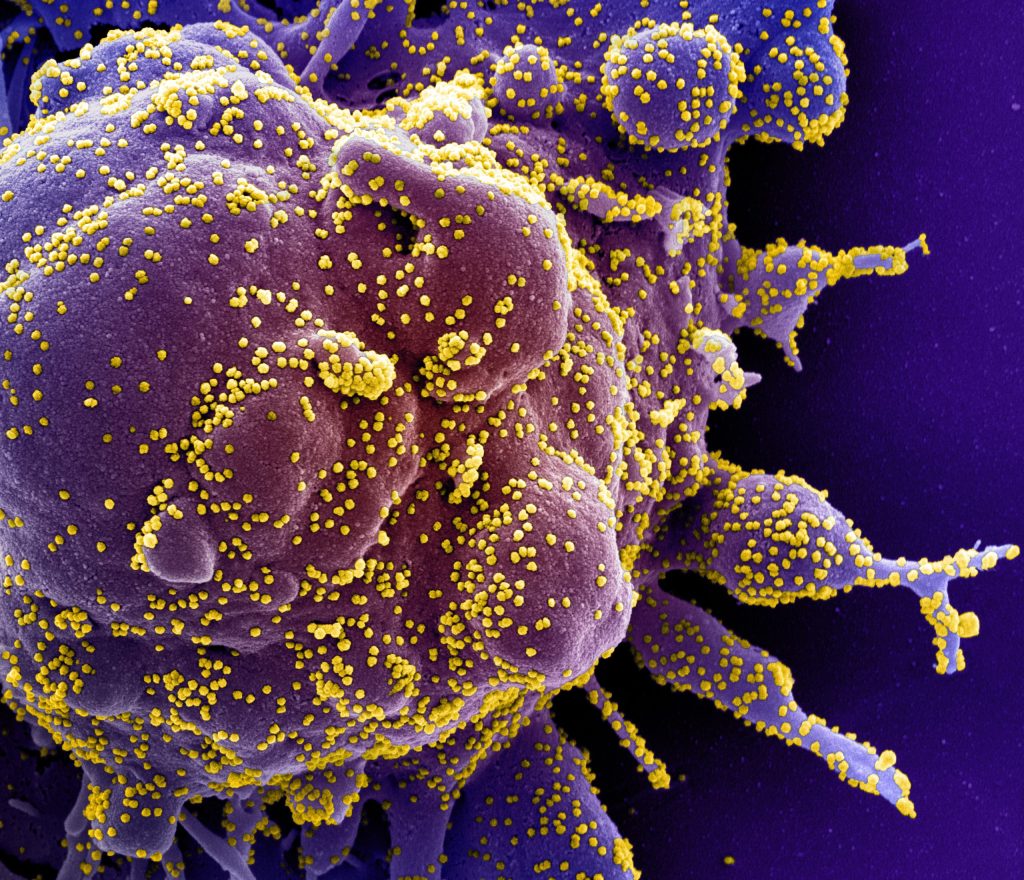
SARS-CoV-2 viruses (yellow) infecting a human cell (blue). Photo by CDC on Pexels

Researchers at the Medical University of Vienna and the Medical University of Innsbruck discovered that SARS-CoV-2 hijacks three important host proteins that dampen the activity of the complement system, a key component of early antiviral immunity. This significantly impairs viral clearance which may affect the course of both acute COVID infections and post-COVID sequelae. The study was recently published in the journal Emerging Microbes & Infections.

An early and effective immune response is crucial for resolving viral infections and preventing post-infectious complications. The complement system, a pivotal element of antiviral immunity, is a cascade of proteins found in the bloodstream and at mucosal sites, such as the respiratory tract. Activated through three different pathways, complement facilitates the clearance of virus particles by directly inducing their destruction (lysis). To prevent bystander damage to host cells, complement is rapidly inactivated by a set of host molecules referred to as complement regulatory proteins. The new study led by Anna Ohradanova-Repic and colleagues from the Center for Pathophysiology, Infectiology and Immunology at the Medical University of Vienna in collaboration with the team of Heribert Stoiber from the Institute of Virology at the Medical University of Innsbruck shows that SARS-CoV-2 hijacks three of these regulatory proteins, CD55, CD59 and Factor H, and thereby successfully shields itself from complement-mediated lysis.

Hijacking host proteins for effective complement resistance

By propagating SARS-CoV-2 in human cells the researchers discovered that the virus particles acquire the cellular proteins CD55 and CD59. Further experiments showed that SARS-CoV-2 also binds to Factor H, another complement regulatory protein that is primarily found in the bloodstream. Confronting the virus particles with active complement revealed that they are partially resistant to complement-mediated lysis. By removing CD55, CD59 and Factor H from the virus surface or inhibiting their biological functions, the researchers could successfully restore complement-mediated clearance of SARS-CoV-2.

“Through hijacking these three proteins, SARS-CoV-2 can evade all three complement pathways, resulting in reduced or delayed viral clearance by the infected host,” Anna Ohradanova-Repic, the leader of the study explains. Because complement is intricately linked with other components of the immune system, this not only affects virus elimination but can also cause significant inflammation, a core feature of both severe COVID-19 and Long COVID. “Uncovering immune evasion mechanisms that allow the virus to linger within the host for longer, deepen our understanding of the acute and long-term impacts of SARS-CoV-2 infection,” says first author Laura Gebetsberger.

Source: Medical University of Vienna

COVID Infection Linked to MI & Stroke Risk Increases up to 3 Years Later

Photo: CC0

An analysis of data in the UK Biobank has found that COVID infection may increase the risk of myocardial infarction (MI), stroke and death from any cause for up to three years for people with and without cardiovascular disease, according to new research published in the American Heart Association’s peer-reviewed journal Arteriosclerosis, Thrombosis and Vascular Biology (ATVB).

“We found a long-term cardiovascular health risk associated with COVID, especially among people with more severe COVID cases that required hospitalisation,” said lead study author James Hilser, M.P.H., Ph.D.-candidate at the University of Southern California Keck School of Medicine in Los Angeles. “This increased risk of heart attack and stroke continued three years after COVID infection. Remarkably, in some cases, the increased risk was almost as high as having a known cardiovascular risk factor such as Type 2 diabetes or peripheral artery disease.”

Previous research has shown that COVID increases the risk of serious cardiovascular complications within the first month after infection. This study examined how long the increased risk lasted and whether it subsided after recovering from COVID infection.

Researchers reviewed health and genetic data in the UK Biobank for more than 10 000 adults, including approximately 8000 who had tested positive for SARS-CoV-2 from February 1 to December 31, 2020 and about 2000 who tested positive for the virus in a hospital setting in 2020. A group of more than 200,000 adults who had no history of COVID infection during the same time frame in the UK Biobank were also reviewed for comparison. None of the participants were vaccinated at the time of infection because COVID vaccines were not yet available in 2020.

The analysis found:

  • During the nearly 3-year follow-up period, the risk of heart attack, stroke and death was more than two times higher among adults who had COVID, and nearly four times greater among adults hospitalized with COVID, compared with the group with no history of COVID infection.
  • People hospitalized with COVID, without cardiovascular disease or without Type 2 diabetes, had a 21% greater risk of heart attack, stroke and death compared to people with cardiovascular disease and without COVID infection.
  • There was a significant genetic interaction among the non-O blood types and hospitalisation for COVID. People with severe COVID infections had an increased risk of heart attack and stroke, however, that risk was even higher in people who had non-O blood types (those with blood types A, B or AB).
  • The risk of heart attack and stroke was about 65% higher in adults with non-O blood types compared to those who had type O blood. A preliminary analysis did not show that Rh (positive or negative) blood type interacted with severe COVID, the authors noted.

“Worldwide, over a billion people have already experienced COVID infection. The findings reported are not a small effect in a small subgroup,” said co-senior study author Stanley Hazen, M.D., Ph.D., chair of cardiovascular and metabolic sciences in Cleveland Clinic’s Lerner Research Institute and co-section head of preventive cardiology. “The results included nearly a quarter million people and point to a finding of global health care importance that may translate into an explanation for a rise in cardiovascular disease around the world.” 

Study details, background and design:

  • Health data was from the UK Biobank, a large-scale study of 503,325 adults living in the United Kingdom who were 40 to 69 years of age at enrollment between 2006 and 2010. The in-depth health and biomedical information was collected for participants registered in the UK National Health Service with a UK general practitioner (similar to a primary care physician in the U.S.).
  • This analysis included health data for 10,005 adults who tested positive for the COVID virus or were hospitalized with COVID between February 1, 2020, and December 31, 2020. An additional 217,730 peers enrolled in the UK Biobank who did not have COVID during the same time period were included. In the analysis, all participants were matched as closely as possible for demographics and similar health conditions.
  • Major adverse cardiovascular events (heart attack, stroke and all-cause death) were evaluated for long-term risk, through October 31, 2022, approximately 3 years later.

“This interesting paper is really two studies in one,” said Sandeep R. Das, M.D., M.P.H., MBA, FAHA, co-chair of the American Heart Association’s COVID-19 CVD Registry committee and director for quality and value in the cardiology division for UT Southwestern Medical Center in Dallas. “First, the authors show that having been hospitalized with COVID is a marker of increased cardiovascular risk, on par with having a pre-existing diagnosis of cardiovascular disease. Although proving direct cause and effect is very difficult to tease out in a study that only analyses past data collected for other purposes, this finding is important because it suggests a history of prior COVID hospitalization, even without a history of CVD, should be considered to initiate and possibly accelerate CVD prevention efforts. Whether severe COVID infection has a direct impact on the vascular system is an interesting area for study as well,” Das said.

“The second ‘study’ in this paper looks at the relationship between ABO blood type and COVID outcomes. They show that something located close to the genetic home of ABO blood type is associated with different degrees of susceptibility to COVID. This is really fascinating, and I look forward to seeing scientists tease out what the specific pathway may be.”

The study had several limitations, including that the data was from patients who had the original strain of the COVID virus before vaccines were widely available in 2021. Additionally, the researchers noted that UK Biobank information on medication use was not specific to the beginning of the pandemic in 2020 or the date that patients were infected with SARS-CoV-2. Also, because the majority of participants in the UK Biobank are white, additional research is needed to confirm that these results apply to people with diverse racial and ethnic backgrounds.

“The results of our study highlight the long-term cardiovascular effects of COVID infection. Given the increased risk of heart attack, stroke and death, the question is whether or not severe COVID should be considered as another risk factor for CVD, much like Type 2 diabetes or peripheral artery disease, where treatment focused on CVD prevention may be valuable,” said co-senior study author Hooman Allayee, Ph.D., a professor of population and public health sciences at the University of Southern California Keck School of Medicine in Los Angeles. “The results suggest that people with prior COVID infection may benefit from preventive care for cardiovascular disease.”

Source: American Heart Association

Even When Informed, Participants Found Placebos Reduced Anxiety

Even when participants knew they had placebos, their COVID anxiety reduced

Photo from Pixabay CCO

A study out of Michigan State University found that non-deceptive placebos, or placebos given with people fully knowing they are placebos, effectively manage stress – even when the placebos are administered remotely. 

Researchers recruited participants experiencing prolonged stress from the COVID pandemic for a two-week randomised controlled trial. Half of the participants were randomly assigned to a non-deceptive placebo group and the other half to the control group that took no pills. The participants interacted with a researcher online through four virtual sessions on Zoom. Those in the non-deceptive placebo group received information on the placebo effect and were sent placebo pills in the mail along with instructions on taking the pills. 

The study, which appears in Applied Psychology: Health and Well-Being, found that the non-deceptive group showed a significant decrease in stress, anxiety and depression in just two weeks compared to the no-treatment control group. Participants also reported that the non-deceptive placebos were easy to use, not burdensome and appropriate for the situation.

“Exposure to long-term stress can impair a person’s ability to manage emotions and cause significant mental health problems, so we’re excited to see that an intervention that takes minimal effort can still lead to significant benefits,” said Jason Moser, co-author of the study and professor in MSU’s Department of Psychology. “This minimal burden makes non-deceptive placebos an attractive intervention for those with significant stress, anxiety and depression.”

The researchers are particularly hopeful in the ability to remotely administer the non-deceptive placebos by health care providers.

“This ability to administer non-deceptive placebos remotely increases scalability potential dramatically,” said Darwin Guevarra, co-author of the study and postdoctoral scholar at the University of California, San Francisco, “Remotely administered non-deceptive placebos have the potential to help individuals struggling with mental health concerns who otherwise would not have access to traditional mental health services.”

Source: Michigan State University

Scientists Discover New Population of Macrophages Aiding Post-virus Lung Repair

Credit: Scientific Animations CC4.0

Researchers in Belgium have discovered a new population of macrophages, important innate immune cells that populate the lungs after injury caused by respiratory viruses. These macrophages are instrumental in repairing the pulmonary alveoli. This groundbreaking discovery promises to revolutionise our understanding of the post-infectious immune response and opens the door to new regenerative therapies.

Respiratory viruses, typically causing mild illness, can have more serious consequences, as shown during the COVID pandemic, including severe cases requiring hospitalisation and the chronic sequelae of “long Covid.” These conditions often result in the destruction of large areas of the lungs, particularly the alveoli responsible for gas exchanges. Ineffective repair of these structures can lead to ARDS or a permanent reduction in the lungs’ ability to oxygenate blood, causing chronic fatigue and exercise intolerance.

While the role of macrophages during the acute phase of respiratory viral infections is well known, their function in the post-inflammatory period has been largely unexplored. This study by the GIGA Institute at the University of Liège reveals that atypical macrophages, characterised by specific markers and transiently recruited during the early recovery phase, play a beneficial role in regenerating pulmonary alveoli.

Led by Dr Coraline Radermecker and Prof. Thomas Marichal from the Immunophysiology Laboratory, the study was conducted by Dr Cecilia Ruscitti and benefited from the ULiège’s advanced technological platforms, including flow cytometry, fluorescence microscopy, and single-cell RNA sequencing. “Our findings provide a novel and crucial mechanism for alveolar repair by these atypical macrophages,” explains Coraline Radermecker. “We have detailed their characteristics, origin, location in the damaged lung, the signals they require to function, and their role in tissue regeneration, specifically acting on type 2 alveolar epithelial cells, the progenitors of alveolar cells.” The scientific community had overlooked these macrophages because they express a marker previously thought to be specific for another immune cell population, the neutrophils, and because they appear only briefly during the repair phase before disappearing.

“Our study highlights the reparative role of these macrophages, countering the prevailing idea that macrophages following respiratory viral infections are pathogenic,” adds Thomas Marichal. “By targeting the amplification of these macrophages or stimulating their repair functions, we could develop therapies to improve alveolar regeneration and reduce complications from serious respiratory infections and ARDS.”

To illustrate, consider the lungs as a garden damaged by a storm (viral infection). These newly discovered macrophages act like specialised gardeners who clear debris and plant new seeds, enabling the garden to regrow and regain its vitality.

Source: University of Liège

COVID PPE Supplier Must Face the Music, Court Rules

Pro Secure fails in bid to stop Special Investigating Unit going after it to recover millions of rands

Photo by J Castellon on Unsplash

A company accused of unlawfully benefiting from a multi-million rand contract to supply personal protective equipment (PPE) during the Covid pandemic, has failed in a bid to quash a summons issued against it by the Special Investigating Unit to recover the money.

Pro Secure raised several objections to the formulation of the case against it in the papers. But Special Tribunal Judge Kate Pillay has dismissed the company’s objections and ordered the company to pay the costs.

The SIU investigation uncovered irregularities in the Limpopo Department of Health’s appointment of service providers including Pro Secure, Clinipro and Ndia Business Trading, which resulted in about R182-million irregular and wasteful expenditure. The SIU initiated action against Pro Secure, alleging the company had made “secret profits”, and also instituted civil proceedings against the former head of health in the province, Dr Thokozani Florence Mhlongo.

In October 2022, the SIU secured an order from the Special Tribunal, effectively freezing Mhlongo’s pension fund until the outcome of the civil action against her. Mhlongo resigned in June that year while facing disciplinary charges.

In its application to the Tribunal, Pro Secure challenged the SIU’s legal standing, the fact that the Limpopo health department was not a party to the SIU action. Pro Secure also claimed that there was no allegation that its bid for the contract was not lawful.

Judge Pillay found there was no substance to any of the company’s arguments.

She said the particulars of claim in the civil action set out how Pro Secure had received a payment “significantly exceeding their initial bid”.

She said that according to the SIU, the request for quotation sent by the department was for 5000 automated hand sanitisers. Pro Secure had submitted a quote for 5000 white electronic hand disinfectant dispensers and for 5000 liquid sanitisers, the total amount being just over R7-million. Ultimately, the company had delivered 30 000 dispenser holders at R420 per unit and 900 000 litres of hand sanitiser at R170 a litre and had been paid almost R162-million.

In a statement, SIU spokesperson Kaizer Kganyago said: “This ruling supports the SIU’s stance on the irregular procurement of PPE by the Limpopo Department of Health during the pandemic.”

Republished from GroundUp under a Creative Commons Attribution-NoDerivatives 4.0 International License.

Read the original article

An Entirely New COVID-related Syndrome

SARS-CoV-2 infecting a human cell. Credit: NIH

A rare autoimmune disease has been newly described as a COVID-related syndrome, following an investigation by the University of California San Diego School of Medicine and Leeds University.

It started when Pradipta Ghosh, MD, a professor in the Departments of Medicine and Cellular and Molecular Medicine at UC San Diego School of Medicine, received an email from Dennis McGonagle, PhD, professor of investigative rheumatology at the University of Leeds in the UK. This was the beginning of an international collaboration, one that uncovered a previously overlooked COVID-related syndrome and resulted in a paper in eBioMedicine, a journal published by The Lancet.

McGonagle asked if she was interested in collaborating on a COVID-related mystery. “He told me they were seeing mild COVID cases,” Ghosh said. “They had vaccinated around 90 percent of the Yorkshire population, but now they were seeing this very rare autoimmune disease called MDA5 – autoantibody associated dermatomyositis (DM) in patients who may or may not have contracted COVID, or even remember if they were exposed to it.”

McGonagle told of patients with severe lung scarring, some of whom presented rheumatologic symptoms – rashes, arthritis, muscle pain – that often accompany interstitial lung disease. He was curious to know if there was a connection between MDA5-positive dermatomyositis and COVID.

“DM is more common in individuals of Asian descent, particularly Japanese and Chinese,” Ghosh said. “However, Dr McGonagle was noting this explosive trend of cases in Caucasians.”

“But that’s the least of the problem,” Ghosh said. “Because he said, ‘Oh, and by the way, some of these patients are progressing rapidly to death.'”

Ghosh is the founding director of the Institute for Network Medicine at UC San Diego School of Medicine, home to the Center for Precision Computational Systems Network (PreCSN – the computational pillar within the Institute for Network Medicine). PreCSN’s signature asset is BoNE – the Boolean Network Explorer, a powerful computational framework for extracting actionable insights from any form of big-data.

“BoNE is designed to ignore factors that differentiate patients in a group while selectively identifying what is common (shared) across everybody in the group,” Ghosh explained. Previous applications of BoNE allowed Ghosh and her team to identify other COVID-related lung and heart-afflicting syndromes in adults and children, respectively.

As a rheumatologist, McGonagle specialises in inflammatory and autoimmune conditions. Ghosh said that McGonagle’s roster of patients, all within the UK’s National Health System (NHS), helped to facilitate the investigation.

“The NHS has a centralised health care database with comprehensive medical records for a large population, making it easier to access and analyse health data for research purposes,” Ghosh explained.

Ghosh and McGonagle put together a team to probe what they found was indeed an entirely new syndrome.

The study began with McGonagle lab’s detection of autoantibodies to MDA5 – an RNA-sensing enzyme whose functions include detecting COVID and other RNA viruses. A total of 25 patients from the group of 60 developed lung scarring, also known as interstitial lung disease. Ghosh noted that the lung scarring was bad enough to cause eight people in the group to die due to progressive fibrosis. She said that there are established clinical profiles of MDA5 autoimmune diseases.

“But this was different,” Ghosh said. “It was different in behaviour and rate of progression – and in the number of deaths.”

Ghosh and the UC San Diego team explored McGonagle’s data with BoNE. They found that the patients who showed the highest level of MDA5 response also showed high levels of interleukin-15.

“Interleukin-15 is a cytokine that can cause two major immune cell types,” she explained. “These can push cells to the brink of exhaustion and create an immunologic phenotype that is very, very often seen as a hallmark of progressive interstitial lung disease, or fibrosis of the lung.”

BoNE allowed the team to establish the cause of the Yorkshire syndrome – and pinpoint a specific single nucleotide polymorphism that is protective. By right of discovery, the group was able to give the condition a name: MDA5-autoimmunity and Interstitial Pneumonitis Contemporaneous with COVID. It’s MIP-C for short, “Pronounced ‘mipsy,'” Ghosh said, adding that the name was coined to make a connection with MIS-C, a separate COVID-related condition of children.

Ghosh said that it’s extremely unlikely that MIP-C is confined to the United Kingdom. Reports of MIP-C symptoms are coming from all over the world. She said she hopes the team’s identification of interleukin-15 as a causative link will jump start research into treatment.

Source: University of California – San Diego