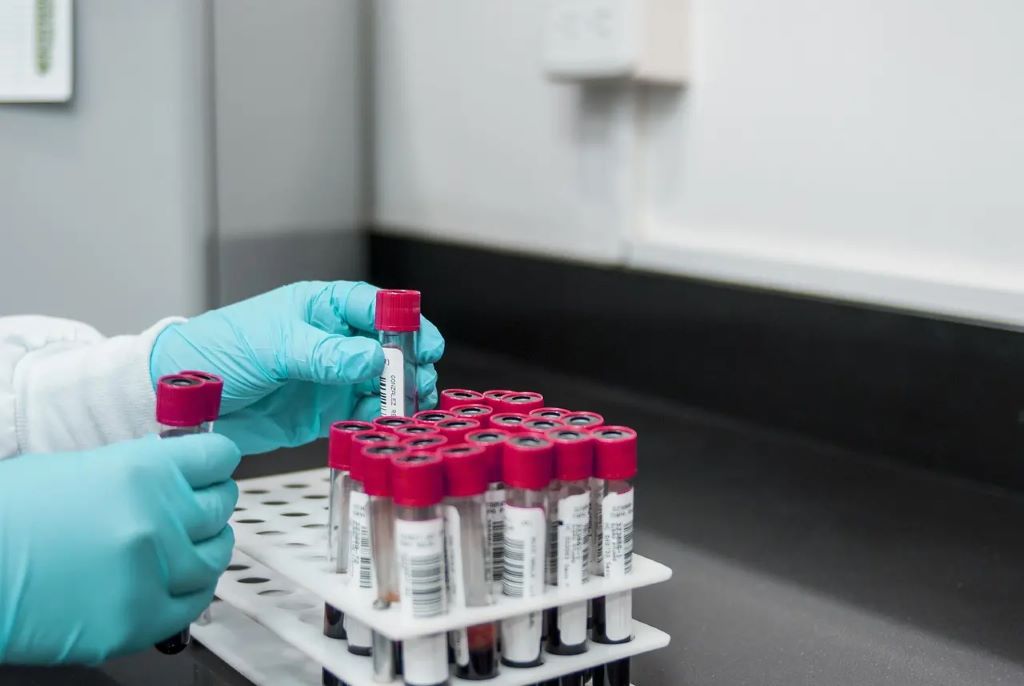
Sickle cell disease. Credit: National Institutes of Health
A daily 20 milligram dose of zinc reduced infections by nearly 40% among Ugandan children younger than 5 with sickle cell anaemia, according to new research led by scientists at the Indiana University School of Medicine and their study partners in Uganda. The findings, recently published in the Journal of the American Medical Association (JAMA), point to an affordable, well-tolerated strategy to decrease hospitalisations and save more lives of children living with the genetic blood disorder.
Sickle cell anaemia causes misshapen red blood cells that block oxygen from smoothly travelling through the body, which can lead to serious health complications. Zinc deficiency is common in affected children, and because zinc supports the body’s immune response, this deficiency leaves children with the disease especially vulnerable to infections that can cause illness, hospitalisation and even death.
“At large volume prices, it can cost less than $3 a year to give a child daily zinc supplementation,” said Chandy John, MD, the Ryan White Professor of Pediatrics at the IU School of Medicine and co-lead investigator on the study. “If further studies confirm our latest research, this could be an important new intervention for children with sickle cell anaemia that is so low-cost and safe that it’s rapidly implementable in almost all health settings.”
In a randomised, double-blind, placebo-controlled pilot study, the team evaluated 100 children between 1 and 5 years old with sickle cell anaemia who received care at Jinja Regional Referral Hospital in Uganda. This clinical trial followed an earlier report that tested a 10 mg daily dose of zinc and found no reduction in infections, indicating the lower dose was insufficient.
Over six months of follow-up, children treated with 20 mg of daily zinc experienced a 38% reduction in all-cause infections – like upper respiratory tract infections, diarrhoea and bacterial infections – compared to the placebo group.
“Zinc given at 20 mg daily provides a readily available and safe medication with the potential to reduce the suffering and deaths of thousands of children in Africa,” said Ruth Namazzi, MMEd, lecturer in the Department of Pediatrics and Child Health at Makerere University in Uganda, research director at Global Health Uganda and co-lead investigator on the study. “However, while our study shows a 38% reduction in all-cause infections, we are not yet recommending this as standard of care for children with sickle cell anaemia as our results need to be validated in larger multi-site studies.”
Moving forward, the researchers expect to confirm their findings in a larger population across multiple sites. Future trials will also include older children with sickle cell anaemia and test the most effective zinc dosage with the fewest side effects.
If validated, researchers believe incorporating low-cost zinc into standard clinical care could be rapidly implemented in health settings globally.
IU researchers who contributed to the study include John, Kagan Mellencamp, Andrea Conroy, Michael Goings and Jie Ren. They collaborated with Namazzi, Irene Bagala, Charles Kato, Isaac Birungi, Priscilla Kasembo and Gloria Kyarisiima of Global Health Uganda; Emmanuel Tenywa of Jinja Regional Referral Hospital and Sarah Cusick of the University of Minnesota Medical School.
This research was supported by funding from the Riley Children’s Foundation, IU Dance Marathon, the Herman B Wells Center for Pediatric Research and Cures Within Reach.
Research published in Diabetologia by Amsterdam UMC and the University of Ghana reveals that type 2 diabetes manifests in two fundamentally different ways depending on a patient’s body mass index (BMI). While type 2 diabetes in patients with a higher BMI is primarily driven by insulin resistance, the study demonstrates that in individuals within a lower BMI range, the condition is caused by the pancreas failing to produce sufficient insulin. Despite these opposing biological mechanisms, medical professionals currently treat both groups with the exact same medications.
Type 2 diabetes is generally seen as a disease associated with being overweight. In wealthy countries that picture holds true: nine out of ten people with type 2 diabetes are overweight. In Africa the situation is different. Almost four in ten African adults with type 2 diabetes are lean, with a normal or even low body weight. In some rural areas, such as in Ghana, it is as many as six in ten. First Author Sabrina Esmail: “This means that there are an estimated ten million lean patients on the African continent who do not fit the standard picture. For them, the problem is therefore a shortage of insulin, not a reduced response to insulin.” Projectleader Charles Agyemang at Amsterdam UMC believes “this study shows that we need to look for better treatments for this large group of lean Africans.”
A different disease process, so a different treatment too
Yet in Africa both groups are almost always given the same treatment, based on international guidelines: oral tablets such as metformin or sulfonylureas. These medicines, however, are mainly effective against insulin resistance, not against a shortage of insulin. They are therefore probably receiving the wrong treatment, and until now the consequences of this had not been investigated.
The researchers analysed data from more than 3300 African adults with type 2 diabetes from Ghana, Nigeria, Kenya and Europe. “From this we concluded that lean patients more often develop eye damage, known as retinopathy, and strokes. People who are overweight, by contrast, more often have high blood pressure and an increased risk of cardiovascular disease. Chronic kidney disease occurred equally often in both groups,” says senior author Felix Chilunga. The amount of body fat explained the greater part of these differences, which points to genuinely different disease processes. The risk factors differ as well: whereas being overweight is often linked to an unhealthy lifestyle, lean patients have more often experienced malnutrition or a low birth weight, which can disrupt the development of the pancreas.
Type 2 diabetes in lean Africans is therefore, biologically and clinically, a different type of disease from the one seen in people who are overweight. But it is still being treated as though it were the same. As a result, millions of people may not be receiving the right care. Chilunga: “We are calling for targeted clinical trials to determine which treatment works best for this large and often overlooked group of patients.”
Africans in Europe
For Africans in Europe, too, it is very likely that a different treatment is needed. Another study with analysis from data from the UK Biobank showed that people of African descent with a BMI of 26 already have the same diabetes risk as Europeans with a BMI of 30. Studies of migrants in Europe consistently show that Africans are more likely to have type 2 diabetes, develop it around ten years earlier, and have poorer blood sugar control than the native population. Agyemang: “So a considerable proportion of African patients in Europe have a lower BMI but are treated according to guidelines written for the form of the disease found in people who are overweight, and their control is demonstrably worse. There is no reason to assume that the treatment mismatch we describe stops at the border.”
This study was carried out by Amsterdam UMC, University of Ghana, the national Institutes of Health (Center for Research on Genomics and Global Health) via de cohorts AADM and RODAM. The findings were published today in Diabetologia.
After several years of living with HIV, some people are able to produce a special type of antibody known as broadly neutralising antibodies. (Photo: Pixabay)
By Catherine Tomlinson for Spotlight
HIV is known for its ability to outsmart our immune system’s normal defences. A small number of people living with the virus are however able to generate unusually effective immune responses. In this special briefing, Spotlight zooms in on broadly neutralising antibodies, the secret sauce in these immune responses, and their potential role in the future of HIV treatment and prevention.
Our immune systems are highly effective at identifying and fighting off foreign invaders, such as viruses. One way our immune systems does this is by producing antibodies. In short, antibodies recognise viruses and then latch on to them. This blocks the viruses from entering our cells and flags them for destruction by other parts of the immune system.
One of the most remarkable things about our immune system is that it is able to create an enormous variety of such antibodies tailored to each different virus and other disease-causing pathogen that we encounter over our lifetime.
The human immunodeficiency virus (HIV), however, outsmarts our bodies’ normal immune responses by constantly changing the parts of its surface that antibodies recognise. This makes HIV difficult for antibodies to attach to and neutralise.
After several years of living with HIV, some people are able to produce a special type of antibody, known as broadly neutralising antibodies, or bNAbs. These antibodies are more effective at neutralising HIV than regular antibodies because they recognise parts of the virus that change very little, known as ‘conserved regions’. By targeting parts of the virus that are less prone to change, bNAbs are more effective than regular antibodies in identifying and neutralising the constantly changing virus.
“About 20 percent of people living with HIV naturally develop bNAbs, after many years,” explains AVAC, a US-based NGO seeking to advance the development of HIV prevention tools. “By the time bNAbs have developed in these individuals, the constantly mutating HIV has outpaced these defenders, changing too fast and too significantly for bNAbs to be effective in that individual. But that same bNAb, or a combination of them, may work in someone else,” they say.
A vibrant area of research
Researchers first identified bNAbs in a person living with HIV in the 1990s. Since then, they have discovered many more bNAbs and papers and presentations on the topic have become a staple at HIV conferences. At the 2026 International AIDS Conference held in Rio de Janeiro, Brazil, in July, there were 21 abstracts related to the topic.
Since the 1990s, researchers have learned how to replicate and produce bNAbs in the lab. They have conducted early-stage trials showing that bNAbs can be safely administered to people and they have learned how to engineer bNAbs to increase their potency and make them last longer in our bodies.
Currently, researchers are studying whether bNAbs, given by infusion or injection, can prevent HIV infection in people who are HIV negative and control the virus in people who are already living with it. There is also an interesting cross-over with vaccine research, whereby researchers are trying to develop HIV vaccines that prompt the body into making bNAbs.
Before we dig into the details, it is worth stressing that all of this research is still at an early stage. Whereas bNAbs show promise, they have neither set the world alight, nor completely failed. For now, antiretroviral medicines remain the only effective form of HIV treatment, as well as being an extremely effective form of HIV prevention. It is not clear whether bNAbs will ever reach the high bar set by antiretrovirals.
bNAbs for HIV prevention
One of the big HIV stories of the last decade or so has been the use of antiretrovirals to prevent HIV infection. Antiretroviral tablets to prevent HIV infection are already widely available in the public sector, and since June this year, government has been rolling out the six-monthly lenacapavir HIV prevention injection to around 10% of clinics. Such pre-exposure prophylaxis, taking something to prevent infection, is commonly referred to as PrEP.
One of the big hopes for bNAbs is that an infusion of the cells could similarly work as a form of HIV PrEP. The thinking is that these ‘smarter’ immune responses will be more effective than our regular immune responses in recognising and neutralising the shape-shifting virus, and thus clearing it before it can get a foothold in the body.
Substantial research has already been done in this area with two landmark studies, the AMP trials, having garnered the most attention. In the two trials, researchers evaluated an infusion of a bNAb called VRC01 to prevent HIV acquisition in men and transgender people who have sex with men, as well as in cis-gender women. The trials were conducted by the HIV Vaccine Trials Network (HVTN) and the HIV Prevention Trials Network (HPTN).
The AMP trials found that VRC01 did not prevent HIV infection. While this was disappointing, the studies did make a breakthrough by showing that bNAbs could neutralise strains of the HIV virus under certain conditions. While HIV could shape-shift enough to get around VRC01 and cause HIV infection, VRC01 was able to neutralise the HIV strains that were vulnerable to this specific bNAb.
This pattern of bNAbs blocking some, but not all strains of HIV, has been seen in several other studies. It provides both reason for hope, since there is clearly some efficacy, but also frustration, since the efficacy is not nearly as good as what is achieved with antiretrovirals.
Learning from the AMP trials, scientists are now studying whether combining different bNAbs that target a broader range of HIV strains, as well as different regions of the virus’ surface, into a single infusion or injection can be used to prevent HIV.
HVTN and HPTN’s planned Combo-AMP trial will evaluate whether providing people with a combination of different bNAbs can prevent HIV, explained Fred Hutchinson Cancer Center’s Holly Janes at the recent AIDS Conference.
Beyond the AMP trials, the Durban-based research group CAPRISA has also led important studies on the use of bNAbs for HIV prevention. They recently announced the results of a trial called CAPRISA 012C that evaluated the use of a combination of two bNAbs to prevent HIV acquisition in young women in Southern Africa.
Disappointingly, the combination bNAb provided in this trial did not prevent HIV infection. However, CAPRISA reported that “a positive finding was that there was a trend towards protection when the viruses were sensitive to both or one of the two bNAbs compared to when the viruses were resistant to both bNAbs.” In other words, HIV infections occurred more frequently with strains of the virus that were resistant to the bNAbs studied than with strains that were sensitive to them.
“The CAPRISA 012C trial is a culmination of 22 years of research – while it has not led to a new HIV prevention product, it provides valuable information to guide further bNAb research,” said CAPRISA, adding that sensitivity to bNAbs in contemporary circulating viruses will need to be factored into planning future trials of bNAbs.
bNAbs for HIV treatment
bNAbs are also being evaluated as potential treatment for HIV. Researchers are trying to understand whether, under what circumstances, and for how long bNAbs can control the virus in people living with HIV, with the goal of developing products that can achieve long-lasting HIV control without antiretroviral treatment.
This is important because the emotional and psychological burden of having to adhere to a life-long daily pill regimen to treat HIV is a known cause of poor treatment adherence. For infants and young children there are also practical challenges to swallowing and keeping down daily treatment.
One of the main ways that researchers are evaluating the potential of bNAbs to treat HIV is through analytical treatment interruption (ATI) studies. In ATI studies, people living with HIV are given bNAb infusions or injections – sometimes in combinationwith long-acting injectable antiretroviral drugs – and then temporarily taken off their regular antiretroviral treatment under close medical observation.
Researchers then monitor how long HIV remains suppressed in order to learn whether and how well bNAbs can control HIV infection.
The results from ATI studies, including the RIO and FRESH trials, have been tantalizing. bNAb infusions have allowed some study participants to remain off antiretroviral treatment for more than a year without the virus rebounding in their bodies.
Yet, the studies have also raised questions about how and why bNAbs have such mixed efficacy. Researchers are still trying to understand why some people are able to maintain periods of viral control after receiving bNAbs, while others experience rapid viral rebound. The reasons for this appear to extend beyond a person’s sensitivity to the specific bNAbs being used to also include other factors related to the characteristics of one’s HIV infection and immune response.
At the 2026 AIDS Conference, Michel Nussenzweig, senior physician at the Rockefeller University, told delegates that research so far indicates that bNAb therapy is more likely to deliver periods of post-treatment control in individuals with a less diverse HIV reservoir, pre-existing autologous antibodies, and pre-existing stem cell like CD8+ T cells.
Scientists are now considering whether the factors associated with bNAb treatment success can be boosted through other interventions, said Nussenzweig.
Another important area of research is whether bNAbs can be used as a form of treatment for infants and young children living with HIV. An infusion or injectable treatment could be a gamechanger for this group, given the challenges faced by caregivers in getting infants and young children to swallow and keep down daily antiretroviral treatment.
The Tatelo and Tatelo Plus studies conducted in Botswana were set up to evaluate whether young children given bNAbs can maintain viral suppression after stopping antiretrovirals. Results from the Tatelo study reported in 2022 showed that some children (44%) who received a combination of two bNAbs were able to maintain a period of viral control (24 weeks) after stopping HIV treatment. The Tatelo Plus study, now underway, is evaluating whether and for how long a combination of three bNAbs can maintain HIV suppression in young children after antiretrovirals are stopped.
bNAbs for HIV vaccination
While bNAbs have not yet been shown to be a practical and effective form of HIV prevention or treatment, research has demonstrated that, under the right conditions, they can protect against and suppress HIV strains that are susceptible to them.
These findings have generated excitement about using bNAbs as a target for HIV vaccines. Unlike research into bNAbs for PrEP or HIV treatment, in which laboratory made bNAbs are infused or injected directly into our bodies, some HIV vaccine researchers are trying to figure out how to trigger our bodies to produce their own bNAbs.
In other words, vaccine researchers are trying to make our bodies, rather than laboratories, the factories that make bNAbs against HIV.
At this stage, scientists do not expect that a single vaccination will be able to trigger our bodies to produce mature bNAbs capable of combating HIV. Instead, they anticipate that a vaccine protocol that involves a series of vaccines will be needed to coax our immune systems to produce mature bNAbs.
While this branch of research remains at its early stages, many HIV researchers are hopeful that it may one day produce an effective vaccine protocol against HIV.
One study to watch is a Phase 1 safety and dosing trial launched by the International AIDS Vaccine Initiative (IAVI) and partners in South Africa at the end of 2025. “The hypothesis being tested is that highly specialized vaccine immunogens, delivered in a specific sequence, can target certain B cells within the immune system and coach them toward the production of broadly neutralizing antibodies against HIV,” says IAVI, adding “scientists widely believe that a vaccine inducing broadly neutralizing antibodies (bNAbs) could provide broad protection against many strains of HIV.”
Where to from here?
Since the first bNAbs against HIV were discovered in the 1990s, scientists have made important, but incremental, progress towards translating these immune responses into tools that can prevent and treat HIV.
As we’ve seen in this Spotlight special briefing, research into bNAbs for HIV treatment is arguably the furthest along, with bNAbs already demonstrating the ability to control HIV during extended periods of antiretroviral treatment interruption in some people. But why some people respond to this treatment and not others remains uncertain. This is an important area for future research.
In the HIV prevention space, bNAbs have delivered protection against HIV strains susceptible to the specific bNAbs studied, but this protection has not been broad enough to protect against HIV infection by the highly diverse, mutating virus. Hope however remains that combining different bNAbs that target different conserved regions of the HIV virus, as well as currently circulating viruses, could broaden protection enough to prevent HIV infection. Here too, as with attempts to develop vaccines that spark the production of bNAbs, it is imperative that the research continues.
Of course, even if scientists can crack the code and find a way to produce highly effective bNAbs, the road ahead might not be a smooth one. For these products to have an impact in the developing world, where they are most needed, they will have to be cost-effective compared to cheap antiretroviral therapy. They will also have to be easy to administer in often stretched and under-resourced healthcare systems.
While much remains to be done, the scientific leads are certainly there, waiting to be explored.
Over the past five years, medications called GLP-1s have revolutionised the treatment of metabolic disorders like obesity, diabetes and fatty liver diseases. These drugs are highly effective at helping people lose weight and manage their blood sugar levels.
However, they do come with some risks. Some people taking GLP-1s experience nausea and other gastrointestinal side effects that can be difficult to manage. And, by suppressing appetite and reducing food intake, they have the potential to cause nutritional deficiencies and muscle loss, which can lead to frailty and other problems long term.
At UC Berkeley, researchers have found a new potential treatment for obesity and diabetes that works by increasing energy expenditure – boosting the body’s metabolic rate – rather than limiting energy intake.
In a study published online in the journal Science Advances, the researchers show that a molecular compound called 5-tetradecyloxy-2-furoic acid (TOFA) is able to block the production of lipids like cholesterol and triglycerides while simultaneously turning up genes that help cells burn fat and generate energy.
In experiments in mice, the researchers found that TOFA is effective at improving insulin sensitivity and glucose control, lowering triglycerides and improving features of fatty liver disease. When obese mice took the compound, they lost weight from fat but experienced no significant loss of lean muscle mass.
“Body weight responds to two levers: taking in fewer calories, or spending more energy,” said Anders Näär, a professor of metabolic biology and nutrition at UC Berkeley and senior author of the study. “GLP-1s work almost entirely on the first, so we went after the second.”
TOFA was first discovered in the 1970s and is known for being part of a class of compounds called ACC inhibitors, which help block the production of lipids in the body. Though several ACC inhibitors reached mid-stage clinical testing, none has been approved for metabolic disease. This is largely because many of these compounds can also raise triglycerides, posing a significant risk to heart health.
In the new study, the researchers found that TOFA doesn’t just act as an ACC inhibitor, but also activates PPARα and PPARδ, cellular receptors which turn on genes that let cells take up fat and burn it for energy. In mice, this caused the cells to burn up to 18% more energy with no change in physical activity or increase in body temperature. Perhaps because of this dual mechanism, TOFA also did not raise triglycerides like other ACC inhibitors.
“TOFA appears to engage a coordinated metabolic response,” said study first author Justin Y. Lee, a postdoctoral student at UCSF who conducted the research as a Ph.D. student at Berkeley. “It is not simply blocking lipid synthesis. It is also activating energy expenditure pathways that may help the body handle excess lipid and glucose more effectively.”
When the researchers tried giving mice two separate compounds – one to block lipid production and a second to boost energy expenditure – they found that the combination was not as effective at improving overall metabolic health as TOFA alone.
The researchers also explored whether TOFA could be used together with GLP-1 medications like semaglutide, which is sold under the brand names Ozempic or Wegovy, and tirzepatide, which is sold as Mounjaro and Zepbound. In mice, they found that combining TOFA with these GLP-1 drugs led to greater improvements in body weight, glucose control, insulin levels and triglycerides than either treatment alone.
“In our combination experiments, TOFA worked additively or synergistically with the GLP-1 appetite suppressing drugs, so we view it as complementary rather than as a replacement,” Näär said.
The researchers caution that TOFA has only been studied in animals, and its safety and efficacy in humans has yet to be tested. With support from Berkeley’s life sciences entrepreneurship ecosystem, including Nucleate and Berkeley SkyDeck, they have founded a new company ReRx Therapeutics to help carry this work to patients.
Review offers insights on evidence-based strategies.
Low- and middle-income countries (LMICs) bear a disproportionate burden of gynaecologic malignancies – cancers of the cervix, endometrium, ovary, vagina, and vulva. A review published by Wiley online in CANCER, a peer-reviewed journal of the American Cancer Society, reveals that survival disparities for these cancers are driven by late-stage diagnosis, limited screening coverage, inadequate radiotherapy infrastructure, workforce shortages, and restricted access to essential and novel therapies.
By analysing studies published between 2015 and 2024, investigators observed that LMICs account for approximately 94% of global cervical cancer deaths, with the highest mortality observed in East Africa. Despite persistent survival disparities in LMICs, research has generated evidence that cost-effective and scalable interventions – including single-dose HPV vaccination, screen-and-treat strategies, HPV self-sampling, radiotherapy expansion, and workforce development with international training partnerships – can substantially improve outcomes when embedded within national cancer control policies and supported by sustainable financing mechanisms.
The authors stressed that policy-driven, system-level reforms should prioritise prevention, strengthen service delivery, and expand equitable access to care.
“The survival gap in gynaecologic cancers between low- and middle-income countries and wealthier nations is not inevitable – it is largely the result of delayed diagnosis and under-resourced health systems,” said corresponding author Dr Alfi Sophian, SSi, MSi, of the Indonesian Food and Drug Authority. “Our review shows that proven, cost-effective interventions already exist. What is needed now is stronger political commitment and sustainable financing to embed them into national cancer control policies.”
CANCER’s Editor-in-Chief, Suresh S. Ramalingam, MD, FASCO, who is the Executive Director of the Winship Cancer Institute of Emory University and the Roberto C. Goizueta Chair in Cancer Research at the Emory University School of Medicine, agreed that the review highlights key opportunities to reduce the burden of gynaecological malignancies in low- and middle-income countries. “Gynaecological malignancies claim the lives of far too many women globally; implementation of evidence-based tools consistently and uniformly across the world will save numerous lives,” he said.