Tag: 25/6/26

Decades-old Puzzle Solved as Scientists Uncover Cause of IBD

Scientists have identified the missing link between a long-known genetic signal in inflammatory bowel disease and a damaging immune response that switches off the body’s natural control of inflammation – opening the door to faster diagnosis and targeted treatment.
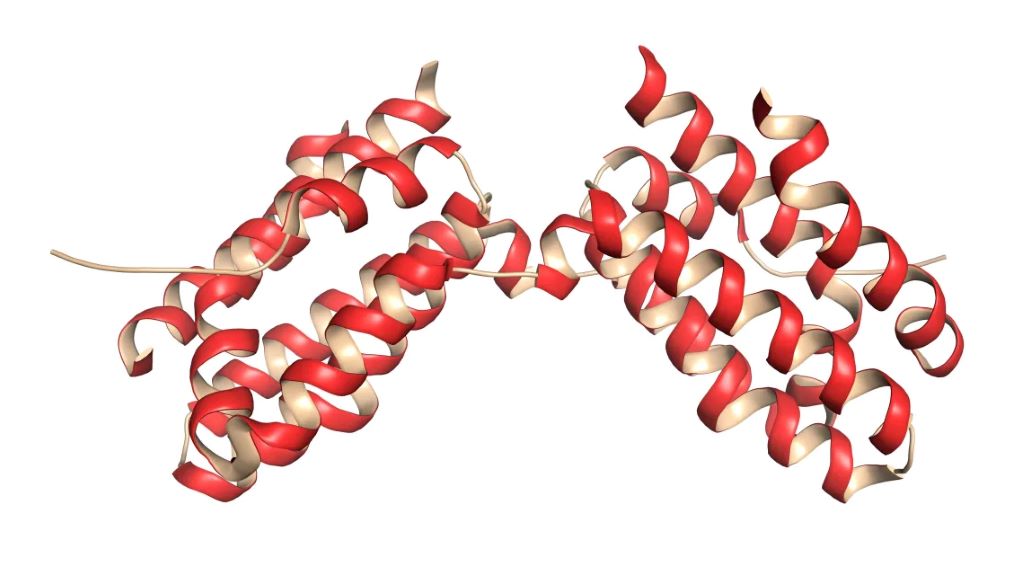
Interleukin-10.

Researchers at the Nuffield Department of Medicine, University of Oxford, together with Newcastle University’s Translational and Clinical Research Institute and the Department of Immunology at Cambridge University Hospitals NHS Foundation Trust, have identified an important driver of inflammatory bowel disease (IBD). This discovery reshapes understanding of IBD and opens the way to targeted approaches to diagnosis and treatment in a subset of patients. The findings suggest that inflammatory bowel disease is not a single condition, but a group of biologically distinct diseases driven by different underlying mechanisms.

In a study published in the New England Journal of Medicine, researchers analysed over 4900 patients with IBD and made two major discoveries: first, that a substantial subset of patients show autoimmune responses to one of the guardians of the immune system, interleukin-10 (IL-10), which leads to uncontrolled inflammation; and second, that this damaging immune response is the mechanism for one of the strongest known genetic risk factors for IBD.

Antibodies that block interleukin-10 (IL-10), a cell-to-cell messenger that normally acts as one of the body’s key controls on inflammation, effectively remove the immune system’s natural ‘brake’ on inflammation, allowing inflammatory responses to continue unchecked.

IBD, which includes Crohn’s disease and ulcerative colitis, affects around 500 000 people in the UK and millions worldwide. It is a lifelong condition that commonly begins in adolescence or early adulthood and can require repeated hospital treatment, long-term immunosuppressive medication and, in some cases, surgery. Despite advances in treatment, many patients cycle through multiple therapies without achieving lasting disease control – impacting their lives and costing the health care system millions.

The researchers found high levels of anti-IL10 neutralising autoantibodies in the blood of around 3.5% of IBD patients, both Crohn’s disease and ulcerative colitis, but not in healthy individuals. This could equate to 15 000-20 000 people with IBD in the UK carrying these autoantibodies.

The researchers also found that the presence of these antibodies was strongly linked to carriage of a particular genetic variant known as HLA-DRB1*01:03.

The link between HLA-DRB1*01:03 and a severe form of inflammatory bowel disease was first identified by Oxford researchers 30 years ago. The new findings show that people carrying this variant are far more likely to develop antibodies that block IL-10, helping explain how the gene contributes to disease.

The Oxford IL-10 Research GroupProfessor Holm Uhlig, a Paediatric Gastroenterologist and Director of the Centre for Human GeneticsNuffield Department of Medicine, University of Oxford, and a senior author of the study, said: ‘We’ve suspected an important role of interleukin 10 in patients with inflammatory bowel disease for decades. The study now provides clear evidence and contributes the missing link between a well-known genetic variant that had been linked to severe inflammatory bowel disease in the past and the very recently discovered autoimmunity to interleukin 10. 

‘Understanding what drives the inflammation, provides a clear explanation for disease in this group of people and opens the door to new treatments that target the autoantibodies themselves or cells that produce those autoantibodies.’

The paper, ‘IL-10 Autoantibodies and HLA-DRB101:03 in Inflammatory Bowel Disease’, is published in the New England Journal of Medicine.

Source: University of Oxford
Chimeric RNA Unique to Women Is an Important Controller of Health

Strange “chimeric” RNA once thought to be the product of cancer is actually an important controller of women’s health, including influencing their susceptibility to infectious disease and autoimmune disorders, new University of Virginia School of Medicine research suggests.

UVA’s Hui Li, PhD, and colleagues have identified a chimeric RNA called UBA1-CDK16 that is found only in women. This RNA plays important roles in their blood cell development and in determining the severity of diseases such as COVID-19, the scientists found. The findings, published in Science Advances, could open the door to blood tests to help diagnose diseases or identify women at greatest risk for bad outcomes.

“Chimeric RNAs are RNA molecules composed of parts from different genes,” said Li, of UVA’s Department of Pathology and the UVA Comprehensive Cancer Center. “They were once believed to be cancer-specific. However, our research shows that they can also be part of normal physiology and play important roles in human health.”

Powerful Chimeras

RNA provides instructions for our cells, telling them what to do based on the genetic material, called DNA, that we inherit from our parents. Chimeric RNAs were long thought to be mistakes, as they are made up of instructions mashed together from different genes. This is why they were believed to be a byproduct of cancer; cancer itself is the result of cellular copying mistakes.

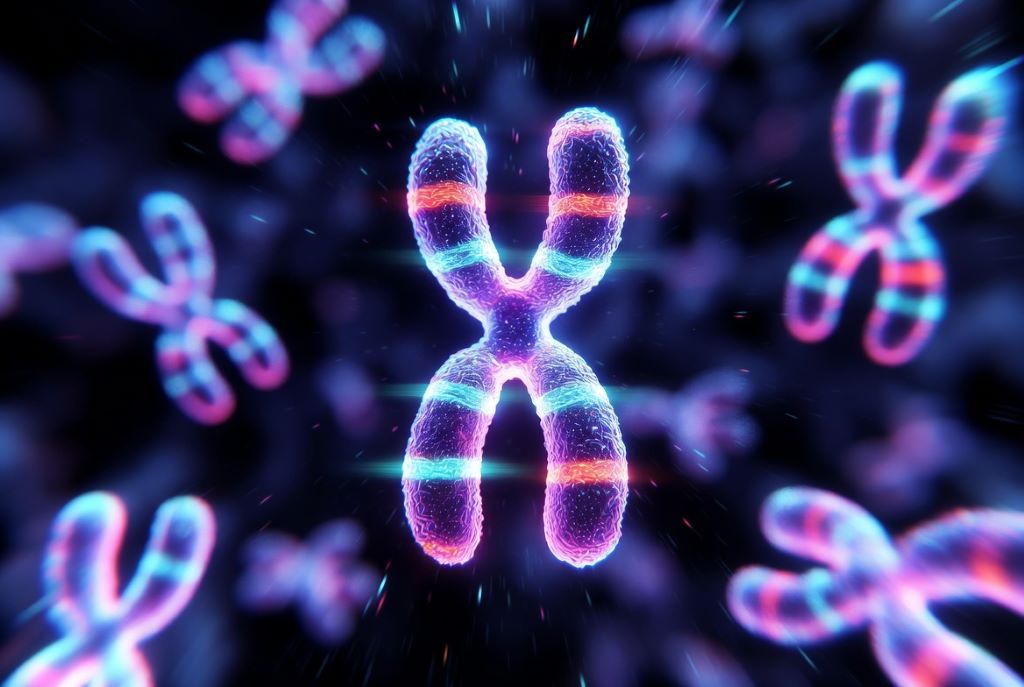
Li’s discovery, however, suggests that UBA1-CDK16  plays important roles in maintaining women’s health and in controlling their immune systems. This chimeric RNA is found only in women because women have two X chromosomes, while men have an X and Y. Normally, one of the two X chromosomes found in women’s cells are inactive. But Li found that the inactive X chromosome produces this peculiar chimeric RNA that he could identify in women’s blood.

Based on his findings, Li believes UBA1-CDK16 plays an important role in regulating blood cell formation. But his work also suggests the chimera may play an important role in the immune system’s response to infection. He found that the chimeric RNA was lost in 50% women who developed severe COVID-19 infections, while it was present in women who were asymptomatic. Further, the decrease in chimeric RNA correlated with the increasing severity of the infection.

Li suspects that the chimeric RNA may play an important role in governing the development of immune cells called neutrophils that act as the body’s first responders to infection. (Neutrophil count has already been identified as a way to predict how patients will fare against COVID-19.) 

“As humans share similar number of genes with fruit flies and worms, gene number does not explain why we are much more sophisticated than these lower organisms” Li said. “We believe chimeric RNAs are another means to expand the functional genome, without an actual increase in gene number.”

Li’s findings suggest that the chimeric RNA also may serve as a natural brake to protect women from excessive autoimmune activity. Women are far more likely to suffer autoimmune disorders than men, and Li is urging additional research to better understand the role chimeric RNA could be playing – and how it could be targeted to improve patient outcomes.

“This finding highlights there is another layer of control for gene expression,” Li said. “These chimeric RNAs may represent a hidden repertoire for biomarkers and therapy targets as well.”

Source: University of Virginia

South African Scientists Make Breakthrough in Decoding Cancer’s Most Effective Survival Strategy

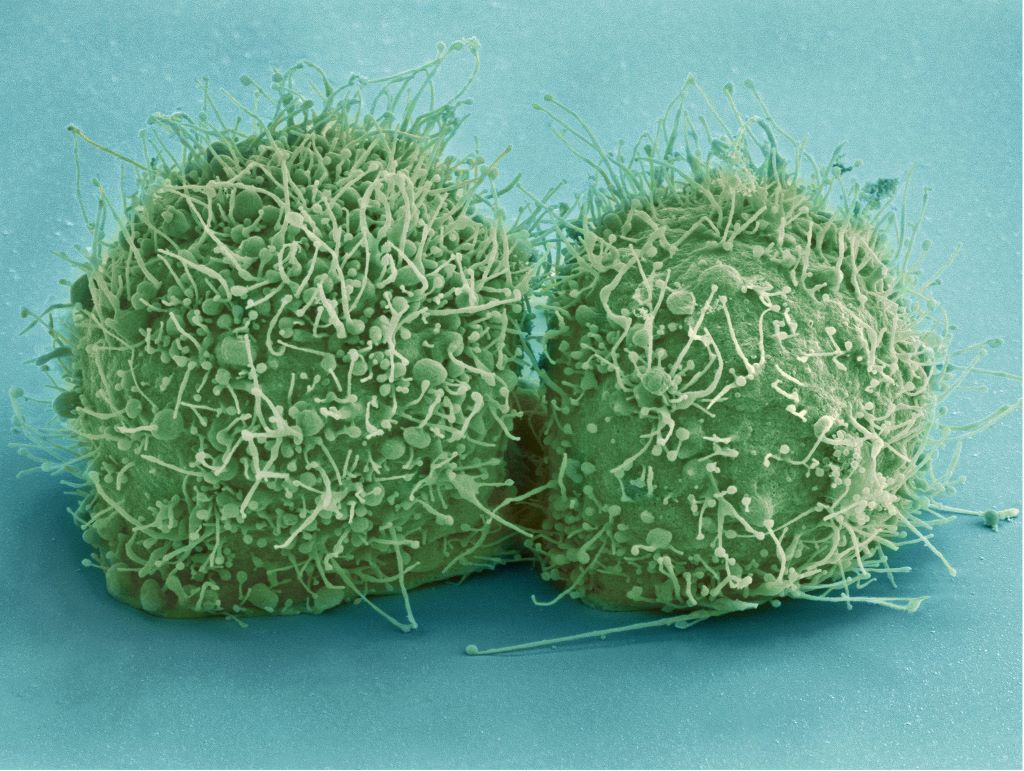
Scanning electron micrograph of just-divided HeLa cells. Zeiss Merlin HR-SEM. Credit: National Center for Microscopy and Imaging Research

Kevin Naidoo, University of Cape Town

In the intricate biology of the human body, organs such as the breast, the colon and the lungs are lined with a defensive barrier known as the epithelium. At the heart of this barrier sits a remarkable protein called Mucin-1 (MUC1). In a healthy body, MUC1 is like a sentinel.

It stands on the cell wall, draped in a complex “armour” of long chains of sugar molecules (carbohydrates), where it serves as a physical shield against bacteria, viruses and toxins. Crucially, it communicates with the immune system, telling our natural defences when the body is under threat.

But in the case of cancer, this guardian exchanges its sugar coat armour for shorter sugar chains and so turns into a traitor. It stops sending danger signals to the immune system and instead binds to the immune cells, creating an anti-inflammatory microenvironment that promotes tumours.

The team I lead at the Scientific Computing Research Unit at the University of Cape Town is home to computer modelling experts and experimental chemical biology research scientists. The molecular details of this MUC1 alteration, which contributes to the transformation of normal cells into tumour cells, were recently published in Nature Communications, and provide a new look at exactly how this process happens.

By developing a novel “test-tube” synthetic biology approach, we modelled and decoded the molecular assembly line reorganisation that allows cancer to “redecorate” MUC1, turning it from a protective shield into a cloak of invisibility. We used our own computational chemistry algorithms to map the exact sugar coating positions that create a tumour-promoting environment.

Understanding the location and nature of the MUC1 sugars that prevent the immune system from detecting tumours provides the foundation for our laboratory and others in the field to develop cancer vaccines, biomarkers and therapeutics.

This South African-led discovery represents a major leap forward in our ability to decode one of cancer’s most effective survival strategies.

The problem: a malignant makeover

In a normal cell, the sugar molecules attached to MUC1 are long and complex. The process of attaching sugars is called glycosylation. In cancer cells, however, this process goes haywire. The sugar molecules are often cut short or altered, creating “aberrant” structures like the Tn and sialyl-Tn (sTn) antigens. These are specific types of sugar-protein combinations that are tags for tumour cells.

These altered sugars do two dangerous things: they allow the tumour to evade detection by the immune system, and they actively trigger the process of turning a normal cell into a cancerous one.

Because MUC1 is found in so many different types of cancer, the US National Cancer Institute has ranked it as the most accesible target.

To stop the cascading effect of the MUC1 changes from normal to tumour cells, scientists first had to understand exactly how the “assembly line” breaks down.

The discovery: relocating the factory

Our research team set out to do something ambitious: recreate the transition from a healthy sugar coating to a cancerous one in a laboratory setting.

In normal cells, the enzymes that build these sugar chains (long molecules) live in a part of the cell called the Golgi apparatus, the cell’s “packaging and delivery centre”. We built an in vitro (test-tube) model to simulate what happens when these conditions change. We discovered that in tumour cells, the enzymes responsible for starting the sugar chains are relocated to another part of the cell, the endoplasmic reticulum, essentially the cell’s “factory floor”.

This relocation changes everything. Here, the enzymes are no longer inhibited by the usual cellular checks and balances. They take over the sugar sites on the MUC1 protein, creating the foundation for the cancerous Tn antigen.

To take the study even further, we used quantum chemistry. We simulated the behaviour of atoms and molecules at the most fundamental level to find out where these changes are most likely to happen. We identified a specific location on the MUC1 protein, known as the T13 site, which cancer enzymes prefer. This specific interaction is what drives the massive increase in the sTn antigen seen in malignant tumours.

Why this matters: from lab to patient

Understanding the “how” and the “where” of these sugar changes is the first step towards stopping them. The research didn’t stop at the test tube; the team is already looking at what this means for patients.

The next phase of the research, as detailed in a recent paper in Glycobiology, involves building a sophisticated “systems biology” computational model. A model can connect the changes in the MUC1 sugar coating to the behaviour of immune cells. For example, scientists found that when these cancerous sugars interact with macrophages (a type of white blood cell), they trigger the release of specific signals that tell the tumour to grow and spread.

We are refining these details for various types of cancer. We are comparing common forms of breast cancer with more aggressive, currently untreatable types to see if the “sugar code” differs between them.

By using this accurate, atomic-level data to build computer models of the entire biological system, we hope to identify new drugs that can block these signals. The goal is to move towards precision medicine: treatments that can strip away cancer’s sugar shield, allowing the patient’s own immune system to finally see and destroy the tumour.

Kevin Naidoo, Professor of Scientific Computing and Physical Chemistry, University of Cape Town

This article is republished from The Conversation under a Creative Commons license. Read the original article.

Gene Therapy Shows Promise for an Inherited Form of Cardiomyopathy

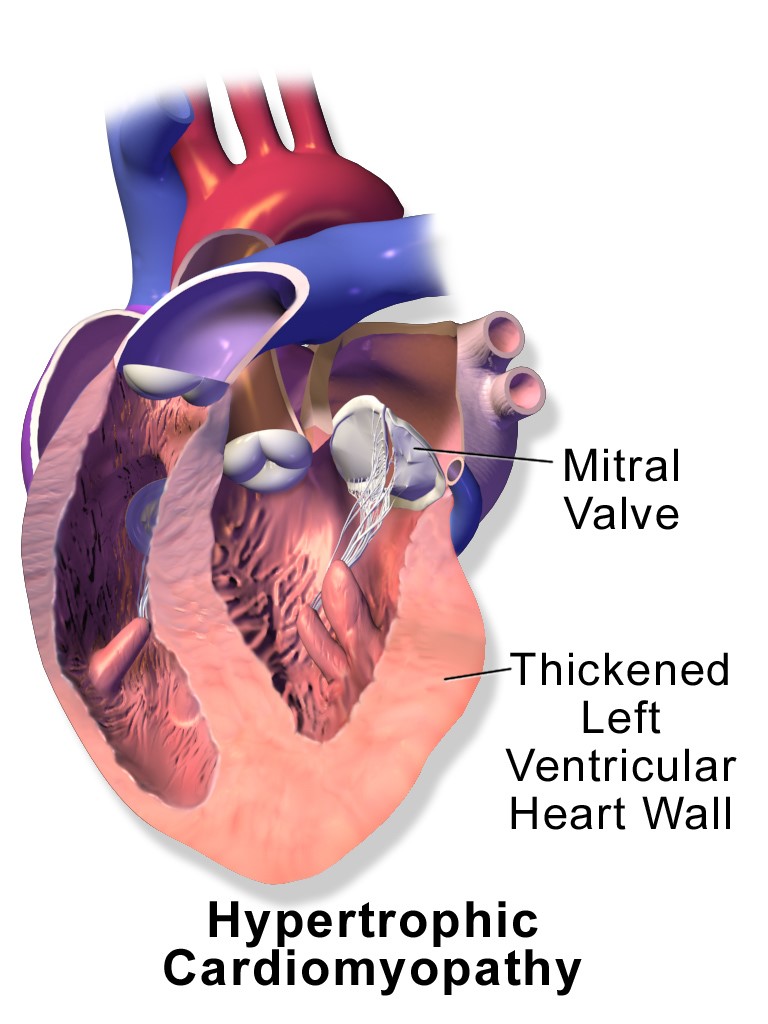
Blausen.com staff (2014). “Medical gallery of Blausen Medical 2014“. WikiJournal of Medicine 1 (2). DOI:10.15347/wjm/2014.010ISSN 2002-4436.

A new gene therapy appears to be safe in patients diagnosed with Friedreich ataxia cardiomyopathy, a progressive and fatal inherited cardiac disease, according to a phase 1 clinical trial led by Weill Cornell Medicine researchers. The treatment may also reduce heart damage, although further investigation is needed. 

The results, published June 17 in JAMA Cardiology, indicated that an intravenous infusion of a healthy frataxin (FXN) gene was generally well tolerated and shows early signs of efficacy. These include a decrease in heart wall thickness – enlarged walls are a sign of cardiomyopathy – and reduced levels of troponin I, a marker of heart damage.

“This is a fatal disease, but this is a potential therapy, and our goal is FDA-approval,” said Dr Ronald G. Crystal, the study’s lead author, professor and chair of the Department of Genetic Medicine at Weill Cornell Medicine and a pulmonologist at NewYork-Presbyterian/Weill Cornell Medical Center.

What is Friedreich Ataxia?

Friedreich ataxia is caused by variants in the FXN gene, leading to decreased levels of the FXN protein, which is essential for energy production in cells. “The two most energy consuming organs in the body are your brain and the heart, so the disease is primarily a brain and heart disease,” Dr Crystal said.

It is an autosomal recessive hereditary disorder, meaning a person must inherit a faulty copy of the FXN gene from both parents. As many as one in 50 000 people in the United States are diagnosed with the disease, according to some reports.

Nervous system symptoms typically begin in childhood and include problems with balance, walking and speaking. While neurologic disease is devastating for maintaining quality of life, most people with Friedreich ataxia develop heart disease, which is the cause of death in up to 65 percent of patients, according to reported estimates. Decreased FXN protein levels in the heart mean the heart cells don’t have the energy to beat normally. The muscle cells grow and the heart walls thicken, a condition known as hypertrophic cardiomyopathy, which can cause dangerous irregular heartbeats and heart failure.  

The US Food and Drug Administration has approved only one other drug, omaveloxolone, to treat Friedreich ataxia. It slows the neurological symptom progression but does not address the direct genetic cause of the disease.

A New Gene Therapy

Based on promising preclinical research, Dr Crystal and his colleagues studied the safety and efficacy of the FXN gene therapy in 17 patients with Friedreich ataxia cardiomyopathy.

“We put the healthy FXN gene in a virus, called adeno-associated virus, which is given intravenously and likes to travel to the heart,” he said.

The researchers pooled data from two independent studies: nine patients were from a Weill Cornell Medicine study, funded by National Heart Lung Blood Institute, and eight were treated in a study by Lexeo Therapeutics, a clinical stage genetic medicine company founded by Dr Crystal. Weill Cornell Medicine Enterprise Innovation, which aims to accelerate the translation of scientific discoveries into patient impact, played a crucial role in launching Lexeo in 2020 and later licensed to it additional technology to further support the clinical trial.

In both studies, the patients received a one-hour infusion of the gene therapy and were evaluated from six to 36 months. Three different doses were tested among three groups of patients.

Overall, the drug was safe, causing four serious adverse events, which were all resolved. Three of these were possibly related to prednisone, an immunosuppression drug that patients took so their bodies did not attack the gene therapy.

In the Lexeo study, researchers took biopsies of the heart before therapy and three months after therapy and found that frataxin protein levels increased in cardiac tissue in all eight patients. Researchers also found that the left ventricular mass index, which is an MRI measurement of heart wall thickness, decreased, demonstrating that the treatment was therapeutic for cardiomyopathy. 

Levels of troponin I, a structural protein of the heart that is released into the circulation when the heart is damaged, also decreased. Troponin I levels are typically high in patients with Friedreich ataxia cardiomyopathy. 

Using the modified Friedreich Ataxia Rating Scale (mFARS), which assesses balance, coordination, speech, and limb function in patients, the researchers found that some neurological components of the disease stabilised. “But we’re unsure whether this was related to the gene therapy reaching the skeletal muscle or the brain,” Dr. Crystal said. “That remains to be seen.”

Because most of the patients evaluated in this study had early cardiomyopathy, the researchers also hope to study the gene therapy in people who have a wider range of heart disease severity.

Source: Weill Cornell Medicine

Trade Marks, Trust and the GLP-1 Surge

The surge in demand for GLP-1 and GIP medicines—particularly those containing semaglutide and tirzepatide—has created significant commercial opportunity. It has also exposed a growing problem: the manufacture and sale of unregistered and potentially unlawful alternatives.

Recent enforcement action by the South African Health Products Regulatory Authority (SAHPRA) highlights the scale of the issue, particularly in relation to products marketed for weight loss (see SAHPRA and the SAPC Crack Down on Unlawful Manufacturing of Unregistered GLP-1/ GIP Medicines). While this is often viewed as a regulatory concern, it raises equally important questions for trade mark law.

Trade marks are traditionally seen as tools for distinguishing one trader’s goods from another’s. In the pharmaceutical sector, however, they do far more. They signal quality, safety, efficacy and regulatory legitimacy.

When those signals are misused, the consequences extend beyond commercial harm—they can directly affect public health.

More Than Molecules: Reputation as the Real Asset

The success of products such as OZEMPIC®, Wegovy® and MOUNJARO® is not driven by their active ingredients alone.

Through years of clinical research, regulatory scrutiny and market presence, these brands have accumulated significant reputational capital. Consumers are not simply looking for semaglutide or tirzepatide—they are looking for certainty.

Consumers want products backed by known standards of safety, tested efficacy and regulatory oversight.

In this context, the goodwill attached to a pharmaceutical trade mark reflects far more than brand recognition. It represents confidence in the entire lifecycle of the product—from development and approval to manufacture and distribution.

Reputation Laundering: Trading on Trust Without Earning It

In the current GLP-1 market, misuse of reputation does not always take the form of direct counterfeiting or even traditional trade mark infringement.

More often, products are marketed as alternatives, equivalents or substitutes for well-known medicines. Advertising often references established brands to attract consumer attention and to confer an aura of legitimacy on products that may not have undergone the same level of regulatory scrutiny.

This is where a more subtle form of exploitation emerges.

Even without reproducing a trade mark, these practices appropriate the trust associated with it. The result is what can aptly be described as reputation laundering, being the transfer of credibility from a trusted product to one that has not independently earned it.

From a trade mark perspective, the damage goes far beyond lost sales. It weakens the link between the brand and the qualities consumers expect from it.

The Consequences for Consumer Trust

The risks become most apparent when products fail to meet expectations- or worse, raise safety concerns.

If a consumer experiences harm after using a product marketed with reference to a well-known brand, the reputational fallout rarely remains confined to the seller. It can spill over to the genuine product.

This is what makes pharmaceutical trade marks unique. The goodwill they embody is inseparable from consumer trust in the safety and reliability of medicines.

Once that trust is compromised, the consequences extend beyond individual brand owners. They can influence patient behaviour, clinical decision and confidence in an entire class of treatments.

The Growing Union Between Regulatory Enforcement and Trade Mark Protection

Historically, regulatory compliance and trade mark enforcement have been treated as distinct legal disciplines. Increasingly, however, the two are becoming interconnected.

Regulatory authorities seek to protect consumers from unsafe or unapproved products. Trade mark owners seek to protect the reputation and goodwill associated with their brands. In many cases, these objectives are aligned.

SAHPRA’s recent focus on unregistered GLP-1 products illustrates this convergence. Both regulators and trade mark proprietors share an interest in ensuring that consumers are not misled regarding the nature, origin or reliability of pharmaceutical products.

As pharmaceutical brands continue to acquire substantial reputational capital, the distinction between consumer protection and brand protection becomes increasingly difficult to draw.

It is clear that pharmaceutical trade marks are no longer simply badges of origin. They have become proxies for trust. As the current GLP-1 market demonstrates, protecting that trust is not only a commercial imperative- it is increasingly a matter of public health.