

Tag: hypertropic cardiomyopathy

Gene Therapy Shows Promise for an Inherited Form of Cardiomyopathy
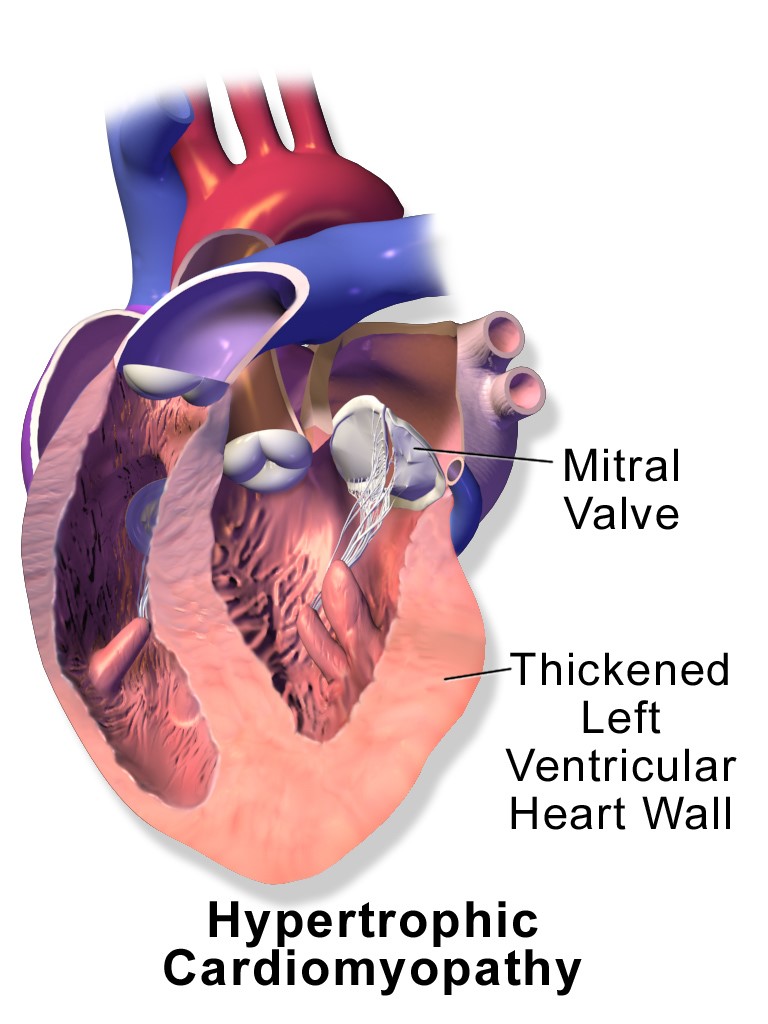
Blausen.com staff (2014). “Medical gallery of Blausen Medical 2014“. WikiJournal of Medicine 1 (2). DOI:10.15347/wjm/2014.010ISSN 2002-4436.

A new gene therapy appears to be safe in patients diagnosed with Friedreich ataxia cardiomyopathy, a progressive and fatal inherited cardiac disease, according to a phase 1 clinical trial led by Weill Cornell Medicine researchers. The treatment may also reduce heart damage, although further investigation is needed. 

The results, published June 17 in JAMA Cardiology, indicated that an intravenous infusion of a healthy frataxin (FXN) gene was generally well tolerated and shows early signs of efficacy. These include a decrease in heart wall thickness – enlarged walls are a sign of cardiomyopathy – and reduced levels of troponin I, a marker of heart damage.

“This is a fatal disease, but this is a potential therapy, and our goal is FDA-approval,” said Dr Ronald G. Crystal, the study’s lead author, professor and chair of the Department of Genetic Medicine at Weill Cornell Medicine and a pulmonologist at NewYork-Presbyterian/Weill Cornell Medical Center.

What is Friedreich Ataxia?

Friedreich ataxia is caused by variants in the FXN gene, leading to decreased levels of the FXN protein, which is essential for energy production in cells. “The two most energy consuming organs in the body are your brain and the heart, so the disease is primarily a brain and heart disease,” Dr Crystal said.

It is an autosomal recessive hereditary disorder, meaning a person must inherit a faulty copy of the FXN gene from both parents. As many as one in 50 000 people in the United States are diagnosed with the disease, according to some reports.

Nervous system symptoms typically begin in childhood and include problems with balance, walking and speaking. While neurologic disease is devastating for maintaining quality of life, most people with Friedreich ataxia develop heart disease, which is the cause of death in up to 65 percent of patients, according to reported estimates. Decreased FXN protein levels in the heart mean the heart cells don’t have the energy to beat normally. The muscle cells grow and the heart walls thicken, a condition known as hypertrophic cardiomyopathy, which can cause dangerous irregular heartbeats and heart failure.  

The US Food and Drug Administration has approved only one other drug, omaveloxolone, to treat Friedreich ataxia. It slows the neurological symptom progression but does not address the direct genetic cause of the disease.

A New Gene Therapy

Based on promising preclinical research, Dr Crystal and his colleagues studied the safety and efficacy of the FXN gene therapy in 17 patients with Friedreich ataxia cardiomyopathy.

“We put the healthy FXN gene in a virus, called adeno-associated virus, which is given intravenously and likes to travel to the heart,” he said.

The researchers pooled data from two independent studies: nine patients were from a Weill Cornell Medicine study, funded by National Heart Lung Blood Institute, and eight were treated in a study by Lexeo Therapeutics, a clinical stage genetic medicine company founded by Dr Crystal. Weill Cornell Medicine Enterprise Innovation, which aims to accelerate the translation of scientific discoveries into patient impact, played a crucial role in launching Lexeo in 2020 and later licensed to it additional technology to further support the clinical trial.

In both studies, the patients received a one-hour infusion of the gene therapy and were evaluated from six to 36 months. Three different doses were tested among three groups of patients.

Overall, the drug was safe, causing four serious adverse events, which were all resolved. Three of these were possibly related to prednisone, an immunosuppression drug that patients took so their bodies did not attack the gene therapy.

In the Lexeo study, researchers took biopsies of the heart before therapy and three months after therapy and found that frataxin protein levels increased in cardiac tissue in all eight patients. Researchers also found that the left ventricular mass index, which is an MRI measurement of heart wall thickness, decreased, demonstrating that the treatment was therapeutic for cardiomyopathy. 

Levels of troponin I, a structural protein of the heart that is released into the circulation when the heart is damaged, also decreased. Troponin I levels are typically high in patients with Friedreich ataxia cardiomyopathy. 

Using the modified Friedreich Ataxia Rating Scale (mFARS), which assesses balance, coordination, speech, and limb function in patients, the researchers found that some neurological components of the disease stabilised. “But we’re unsure whether this was related to the gene therapy reaching the skeletal muscle or the brain,” Dr Crystal said. “That remains to be seen.”

Because most of the patients evaluated in this study had early cardiomyopathy, the researchers also hope to study the gene therapy in people who have a wider range of heart disease severity.

Source: Weill Cornell Medicine

New Drug Improves Oxygen Uptake in Patients with Hypertrophic Cardiomyopathy

Photo by Ketut Subiyanto on Pexels

People with hypertrophic cardiomyopathy were able to use significantly more oxygen while exercising after taking an investigational drug in an international clinical trial, according to a study published today in the New England Journal of MedicineThe finding was also presented at the European Society of Cardiology’s Heart Failure 2024 meeting in Lisbon, Portugal.

The randomised, double-blind Phase 3 trial has 282 participants and is evaluating the experimental drug aficamten, which was developed by Cytokinetics to treat the obstructive form of hypertrophic cardiomyopathy, or HCM.

“By having more oxygen available during exercise, patients with obstructive hypertrophic cardiomyopathy can more easily walk, perform household chores, and do other everyday tasks,” said cardiologist and paper co-author Ahmad Masri, MD, MS. Masri directs the Oregon Health & Science University Knight Cardiovascular Institute’s Hypertrophic Cardiomyopathy Center. “Our latest clinical trial results suggest aficamten is a promising treatment for HCM.”

HCM affects about 1 in 500 people and is one of the most common causes of sudden death for youth and otherwise healthy athletes. Often caused by inherited gene mutations, it thickens heart muscles and makes it difficult for the heart to work as it should. It causes shortness of breath and reduces people’s ability to exercise. The obstructive form of HCM reduces blood flow out of the heart.

About half of the trial’s participants randomised to aficamten. Scientists measured the participants’ oxygen levels while they used treadmills or bicycles. Those who took aficamten had a significant increase in their maximum oxygen use – 1.7mL/kg/min more than those in the control group taking placebo.

Having an increased peak oxygen uptake can improve a patient’s ability to be physically active, whereas reduced oxygen uptake can increase the risk of experiencing heart failure, needing a heart transplant, and dying.

A safer alternative

Non-drug treatment options for obstructive HCM include surgery to remove excess heart muscle. In 2022, the Food and Drug Administration also approved mavacamten as the first drug designed to target the underlying cause of obstructive HCM. However, mavacamten may increase the risk of heart failure and it interacts with several commonly used medications. As a result, patients who use mavacamten must also undergo intense monitoring.

During the past decade, OHSU has been involved in many research studies exploring new HCM treatment options. It has been a centre for several mavacamten studies and is participating in gene therapy research. The university is also currently involved in four other aficamten trials that are evaluating it as a potential treatment for various forms of HCM and in different types of patients, including children.

“This is an exciting time for treating HCM,” Masri said. “While we continue to offer traditional surgical and procedural therapies for HCM, we are now also able to offer patients other treatment options: therapies that were recently approved by the FDA and investigational therapies that are available by participating in clinical trials.”

Source: Oregon Health & Science University

Exercise, New Drug Class Recommended for Management of Hypertrophic Cardiomyopathy

Human heart. Credit: Scientific Animations CC4.0

The American College of Cardiology (ACC) and the American Heart Association (AHA) today released a new clinical guideline for effectively managing individuals diagnosed with hypertrophic cardiomyopathy (HCM). The guideline, published in Circulation, reiterates the importance of collaborative decision-making with patients who have HCM and provides updated recommendations for the most effective treatment pathways for adult and paediatric patients.

HCM is an inherited cardiac condition most often caused by a gene mutation that makes the heart muscle too thick (hypertrophy), which impairs its ability to adequately pump blood throughout the body. HCM affects approximately 1 in every 500 individuals; however, a significant portion of cases remain undiagnosed because many people do not exhibit symptoms. Occasionally, the first time HCM is diagnosed is after a sudden death. People who do have symptoms may experience episodes of fainting, chest pain, shortness of breath or irregular heartbeats.

“Incorporating the most recent data, this new guideline equips clinicians with the latest recommendations for the treatment of HCM,” said Steve R. Ommen, MD, FACC, medical director of the Mayo Hypertrophic Cardiomyopathy Clinic and chair of the guideline writing committee. “We’re seeing more evidence that patients with HCM can return to their normal daily lives with proper care and management.”

Updated recommendations in the guideline reflect recent evidence about HCM treatment and management including new forms of pharmacologic management; participation in vigorous recreational activities and competitive sports; and risk stratification for sudden cardiac death (SCD) with an emphasis on pediatric patients.

The guideline includes recommendations for adding cardiac myosin inhibitors, a new class of medication for patients with symptomatic obstructive HCM who do not get adequate symptom relief from first-line drug therapy. Symptomatic obstructive HCM is a type of HCM where the heart muscle is restricted. Cardiac myosin inhibitors are the first FDA-approved class of medication to specifically target the thickening of the heart muscle instead of treating the symptoms, however they are monitored under the FDA’s Risk Evaluation and Mitigation Strategies (REMS) program, which may create additional steps and time for both the clinician and the patient. Clinicians require special training to prescribe the medication, and patients require regular screenings.

“These new drugs offer an alternative for patients who have failed first-line therapy and either want to delay or possibly avoid more aggressive options,” Ommen said. “With this guideline, we’re providing clinicians with point-of-care guidance about effectively using this first-in-class, evidence-based treatment option and improving their patients’ quality of life.”

In addition to medication treatment, growing evidence is showing that the benefits of exercise outweigh the potential risks for patients with HCM. Low to moderate intensity recreational exercise should be part of how HCM patients manage their overall health. For some HCM patients, competitive sports may be considered in consultation with HCM clinical specialists.

“Recommendations for physical activity continue to evolve with research,” Ommen said. “As part of a healthy lifestyle, patients with HCM are now encouraged to engage in low-to-moderate intensity physical activities. We’re seeing how vigorous physical activities can be reasonable for some individuals. With shared decision-making between the clinician and the patient, some patients may even be able to return to competitive sports.”

Poorly managed HCM may lead to many complications including SCD. The new guideline includes recommendations for assessing and managing the risk of SCD by establishing clear risk markers. Guidance for integrating risk markers with tools to estimate an individual patient’s SCD risk score is recommended to aid in the patient/clinician shared decision-making regarding implantable cardioverter defibrillator placement, incorporating a patient’s personal level of risk tolerance and specific treatment goals including quality of life.

Several recommendations in the new guideline extend to paediatric patients. A specific paediatric risk stratification for SCD is emphasised, with risk calculators specific to children and adolescents and stressing the importance of HCM centres with expertise in paediatrics. The new guideline extends exercise stress testing recommendations to include children diagnosed with HCM to help determine functional capacity and provide prognostic feedback.

Source: American College of Cardiology