Decades-old Puzzle Solved as Scientists Uncover Cause of IBD
Scientists have identified the missing link between a long-known genetic signal in inflammatory bowel disease and a damaging immune response that switches off the body’s natural control of inflammation – opening the door to faster diagnosis and targeted treatment.
Researchers at the Nuffield Department of Medicine, University of Oxford, together with Newcastle University’s Translational and Clinical Research Institute and the Department of Immunology at Cambridge University Hospitals NHS Foundation Trust, have identified an important driver of inflammatory bowel disease (IBD). This discovery reshapes understanding of IBD and opens the way to targeted approaches to diagnosis and treatment in a subset of patients. The findings suggest that inflammatory bowel disease is not a single condition, but a group of biologically distinct diseases driven by different underlying mechanisms.
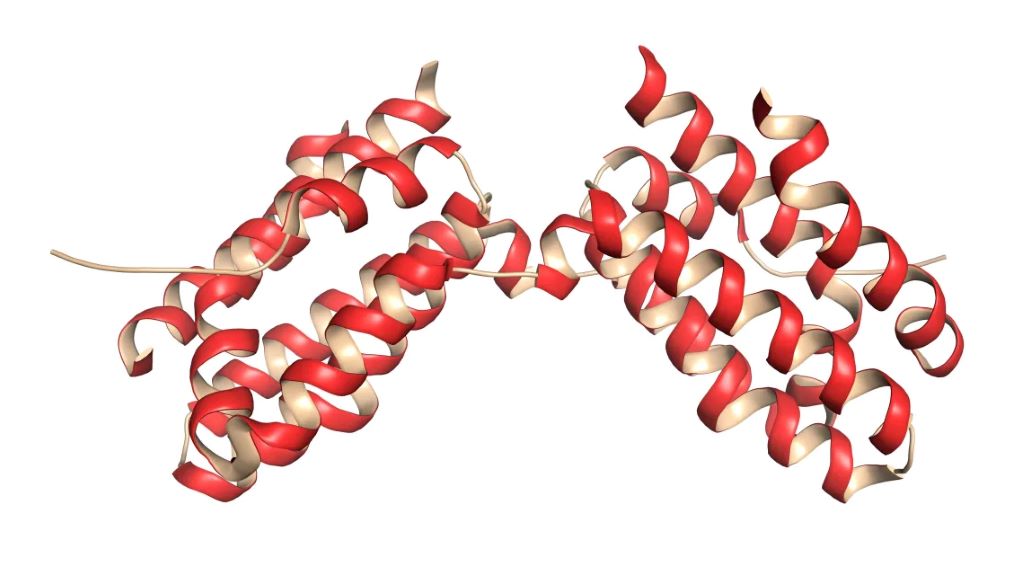
In a study published in the New England Journal of Medicine, researchers analysed over 4900 patients with IBD and made two major discoveries: first, that a substantial subset of patients show autoimmune responses to one of the guardians of the immune system, interleukin-10 (IL-10), which leads to uncontrolled inflammation; and second, that this damaging immune response is the mechanism for one of the strongest known genetic risk factors for IBD.
Antibodies that block interleukin-10 (IL-10), a cell-to-cell messenger that normally acts as one of the body’s key controls on inflammation, effectively remove the immune system’s natural ‘brake’ on inflammation, allowing inflammatory responses to continue unchecked.
IBD, which includes Crohn’s disease and ulcerative colitis, affects around 500 000 people in the UK and millions worldwide. It is a lifelong condition that commonly begins in adolescence or early adulthood and can require repeated hospital treatment, long-term immunosuppressive medication and, in some cases, surgery. Despite advances in treatment, many patients cycle through multiple therapies without achieving lasting disease control – impacting their lives and costing the health care system millions.
The researchers found high levels of anti-IL10 neutralising autoantibodies in the blood of around 3.5% of IBD patients, both Crohn’s disease and ulcerative colitis, but not in healthy individuals. This could equate to 15 000-20 000 people with IBD in the UK carrying these autoantibodies.
The researchers also found that the presence of these antibodies was strongly linked to carriage of a particular genetic variant known as HLA-DRB1*01:03.
The link between HLA-DRB1*01:03 and a severe form of inflammatory bowel disease was first identified by Oxford researchers 30 years ago. The new findings show that people carrying this variant are far more likely to develop antibodies that block IL-10, helping explain how the gene contributes to disease.
The Oxford IL-10 Research GroupProfessor Holm Uhlig, a Paediatric Gastroenterologist and Director of the Centre for Human Genetics, Nuffield Department of Medicine, University of Oxford, and a senior author of the study, said: ‘We’ve suspected an important role of interleukin 10 in patients with inflammatory bowel disease for decades. The study now provides clear evidence and contributes the missing link between a well-known genetic variant that had been linked to severe inflammatory bowel disease in the past and the very recently discovered autoimmunity to interleukin 10.
‘Understanding what drives the inflammation, provides a clear explanation for disease in this group of people and opens the door to new treatments that target the autoantibodies themselves or cells that produce those autoantibodies.’
The paper, ‘IL-10 Autoantibodies and HLA-DRB101:03 in Inflammatory Bowel Disease’, is published in the New England Journal of Medicine.
Source: University of Oxford