Tag: 2/2/26

Point-of-care Rapid Tests can Improve Screening for Latent Tuberculosis
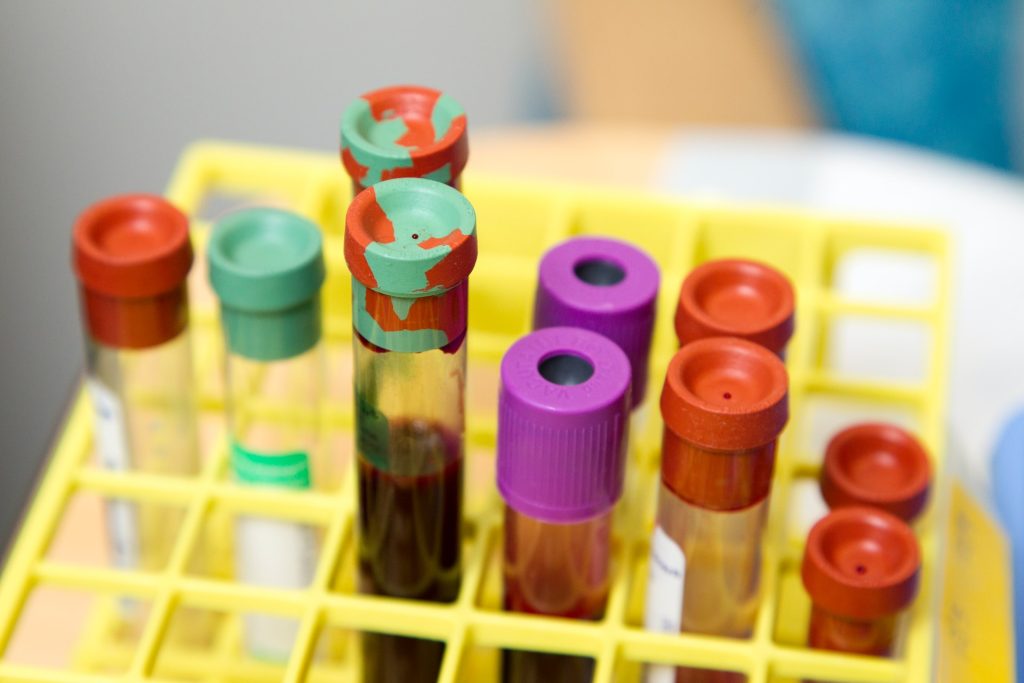
Photo by National Cancer Institute on Unsplash

A new test shows promising results for detecting latent tuberculosis infection in resource-limited settings. This is according to a study from Karolinska Institutet, published in the journal Clinical Infectious Diseases.

“This test can help more people with latent tuberculosis to be detected and receive preventive treatment, especially in rural areas in countries with limited resources,” says last author Lina Davies Forsman, a researcher at the Department of Medicine, Solna, Karolinska Institutet.

Tuberculosis remains one of the world’s deadliest infectious diseases. To reduce the number of new cases, infected individuals with latent infection must be detected and offered preventive treatment to avoid active tuberculosis, which can spread the disease to others.

Currently, latent tuberculosis is often diagnosed using a laboratory test called QuantiFERON-TB Gold Plus. This test involves several steps and can take one to two days before the results are available, as well as requiring advanced laboratory infrastructure and trained personnel. This makes it difficult to carry out tests in areas with a high prevalence of tuberculosis where access to laboratories and trained personnel is limited.

Results within 15 minutes

In the new study, researchers from Karolinska Institutet, together with colleagues in Vietnam, have therefore compared this test with another test, TB-Feron. This is a point-of-care test that provides results within 15 minutes and does not require an advanced laboratory or trained personnel.

The study included 345 adult participants in Hanoi, Vietnam, divided into three groups: people with confirmed tuberculosis, people in the same household as people with infectious tuberculosis, and people with no known exposure to tuberculosis. All were tested with both TB-Feron and the established laboratory test QuantiFERON-TB Gold Plus.

The results show that TB-Feron has high sensitivity – 88 percent of individuals with expected positive results were correctly identified. The corresponding figure for QuantiFERON-TB Gold Plus was 92 percent.

However, the specificity, i.e. TB-Feron’s ability to rule out tuberculosis infection in healthy individuals, was moderate at 70 percent. The corresponding figure for QuantiFERON-TB Gold Plus was 96 percent.

Among household contacts, the concordance between TB-Feron and the established test was good, with 92 percent concordance for positive samples.

“It is promising that TB-Feron works so well in an environment with a high disease burden. The test is patient-friendly and easy to use, with rapid same-day results, making it useful in primary care,” says Han Thi Nguyen, pulmonologist and doctoral student at the same department and first author of the study.

The researchers also investigated the reliability of TB-Feron by comparing results from two different groups with laboratory staff. No systematic differences were observed, indicating good reproducibility.

Source: Karolinska Institutet

Antidepressants not Linked to Serious Complications from TBI

Photo by Cottonbro on Pexels

Taking certain antidepressants at the time of a traumatic brain injury (TBI) is not associated with an increased risk of death, brain surgery or longer hospital stays, according to a study published on January 28, 2026, in Neurology®, the medical journal of the American Academy of Neurology.

For the study, researchers looked at serotonergic antidepressants, which treat anxiety and depression by increasing serotonin activity in the brain. These included selective serotonin reuptake inhibitors (SSRIs), serotonin and norepinephrine reuptake inhibitors (SNRIs) and tricyclic antidepressants (TCAs).

“Concerns have previously been raised that serotonergic antidepressants might increase the risk of bleeding in the brain or complicate early recovery after traumatic brain injury,” said study author Jussi P. Posti, MD, PhD, of the University of Turku in Finland. “However, our study found no evidence to support those concerns.” The study included 54 876 people in Finland who were 16 or older when hospitalised with a TBI. A total of 14% used serotonergic antidepressants at the time of the TBI.

Researchers reviewed national prescription records for preinjury antidepressant use and medical records to determine how many people died within a month, whether they needed emergency brain surgery, and how long they stayed in the hospital. A total of 4105 people died within a month. This included 7.6% of those taking antidepressants and 7.5% of people who did not. After adjusting for factors such as age, sex and other health conditions, researchers found people taking antidepressants before injury were no more likely to die within a month than those not taking them.

Antidepressant users were slightly less likely to require emergency brain surgery to relieve pressure or bleeding in the brain and prevent further damage. Of the total participants, 6.8% of the antidepressant users and 8.6% of those who did not use antidepressants needed emergency brain surgery. After adjustments, antidepressant users had an 11% lower risk. The amount of time in the hospital was the same for both groups.

“These findings provide reassurance for people who take antidepressants that antidepressant use does not appear to worsen early recovery after traumatic brain injury,” said Posti. “Future studies should examine whether these results hold true for long-term recovery and across different health care settings.”

A limitation of the study was that it was conducted only at hospitals and health care centres in Finland, so results may vary in other areas. The study was supported by the Finnish government, the Paulo Foundation, Paavo Nurmi Foundation, Research Council of Finland, Sigrid Jusélius Foundation and Finnish Foundation for Cardiovascular Research.

Source: American Academy of Neurology

Abnormal Breathing Clues Offer a Path to Treat Chronic Fatigue

Photo by Karolina Grabowska on Pexels

Chronic fatigue syndrome – medically unexplained fatigue lasting six months or more, preventing people from carrying out their normal activities, and often worsening after any exertion – is hard to treat. But new research could offer a lifeline. Chronic fatigue patients appear to be much more prone to disordered breathing than healthy controls, suggesting that chronic fatigue could cause respiratory issues which make patients’ symptoms worse. These findings might lead to new treatments reducing chronic fatigue symptoms by improving patients’ breathing. 

Chronic fatigue syndrome leaves patients exhausted and struggling with brain fog – and it typically gets worse after mental or physical exercise, a phenomenon called post-exertional malaise. Now scientists investigating shortness of breath in chronic fatigue patients have discovered that they are highly likely to experience dysfunctional breathing, which could be caused by dysautonomia, abnormal control of innervation to blood vessels and muscles. Targeting treatments towards these breathing problems could potentially offer patients some relief from their symptoms. 

“Nearly half of our chronic fatigue subjects had some disorder of breathing – a totally unappreciated issue, probably involved in making symptoms worse,” said Dr Benjamin Natelson of Icahn School of Medicine, senior author of the article in Frontiers in Medicine. “Identifying these abnormalities will lead researchers to new strategies to treat them, with the ultimate goal of reducing symptoms.” 

Breathe easy

The scientists recruited 57 patients diagnosed with chronic fatigue syndrome and 25 control participants whose ages and activity levels matched the chronic fatigue cohort. Both groups took part in cardiopulmonary exercise tests over two days. The scientists measured their heart rate and blood pressure, how effectively they were taking in oxygen, the oxygen saturation of their blood, and how hard they had to breathe to get enough oxygen. They also tracked how fast participants breathed and the patterns of their breathing, to identify hyperventilation and dysfunctional breathing.

Dysfunctional breathing is usually associated with asthma patients, but it can arise from many different causes. Characteristics include deep sighing in the course of ordinary breathing, overly rapid breathing, forcing your exhale from your abdomen, breathing from your chest without using your diaphragm so your lungs are never properly full, and a loss of synchrony between your chest and abdomen, so the different muscles which help you breathe aren’t working together.

“While we know the symptoms generated by hyperventilation, we remain unsure what symptoms may be worse with dysfunctional breathing,” said Dr Donna Mancini of the Icahn School of Medicine, first author of the article. “But we are sure patients can have dysfunctional breathing without being aware of it. Dysfunctional breathing can occur in a resting state.”


Read and download original article


Catching your breath

The scientists found that participants with chronic fatigue were taking in approximately the same amount of oxygen when they breathed compared to the control participants — their peak VO2 maxes were comparable. However, 71% of the participants with chronic fatigue experienced breathing problems — either hyperventilation, dysfunctional breathing, or both.

Almost half of the participants with chronic fatigue were observed breathing erratically during the test, compared to only four of the control participants. A third of the chronic fatigue patients hyperventilated, compared to just one control participant. Nine chronic fatigue patients displayed dysfunctional breathing as well as hyperventilation. None of the control participants had this combination of breathing issues. Both dysfunctional breathing and hyperventilation can cause symptoms similar to chronic fatigue, like dizziness, difficulty focusing, shortness of breath and exhaustion. Combining the two can also cause people to experience heart palpitations, chest pain, fatigue, and (unsurprisingly) anxiety. These breathing problems, the scientists suggest, could be exacerbating chronic fatigue symptoms or even directly contributing to post-exertional malaise.

“Possibly dysautonomia could trigger more rapid and irregular breathing,” said Mancini. “It is well known that chronic fatigue syndrome patients often have dysautonomia in the form of orthostatic intolerance, which means you feel worse when upright and not moving. This raises the heart rate and leads to hyperventilation.”

Pulmonary physiotherapy?

This could mean that tackling dysfunctional breathing would relieve some patients’ symptoms. The scientists intend to follow up on this research to learn more about how dysfunctional breathing and hyperventilation interact. Although more research will be needed before treatments can be rolled out, they already have ideas for possible therapies that could improve breathing function.

“Breathing exercises via yoga could potentially help, or gentle physical conditioning where breath control is important, as with swimming,” suggested Natelson. “Or biofeedback, with assessment of breathing while encouraging gentle continuous breath use. If a patient is hyperventilating, this can be seen by a device that measures exhaled CO2.  If this value is low, then the patient can try to reduce the depth of breathing to raise it to more normal values.”

Source: Frontiers

Natural Killer Cells are Suppressed by Anxiety and Insomnia

Photo by Cottonbro on Pexels

Anxiety and insomnia have been shown to weaken the immune system and make us more prone to disease. Now, researchers found that this may be because experiencing symptoms of either can reduce the number of natural killer cells, our bodies’ machinery for defence. Their findings showed that in young women who experience insomnia symptoms, the number of total NK cells was lower. If they experienced anxiety symptoms, the number of NK cells that circulate through the body was lower. These findings could inform the development of novel strategies to raise awareness about the physiological consequences of anxiety and insomnia and help in the prevention of immune-related disorders and cancers, the team said.

Natural killer (NK) cells are the bodyguards of our immune system. As a first line of defense, they destroy invading pathogens, foreign bodies, and infected cells in early stages, thereby preventing them from spreading. NK cells can circulate within the blood stream (circulatory) or reside in tissue and organs. Having too few NK cells can lead to immune system dysfunction and increase susceptibility to disease.

Anxiety disorder and insomnia are two conditions that can disrupt the normal functioning of the immune system. Given these disorders are on the rise, researchers in Saudi Arabia have now examined the association between anxiety, insomnia, and NK cells in young, female students. They published their results in Frontiers in Immunology.

“We found that in students with insomnia symptoms, count and percentage of total NK cells and their sub-populations were declined,” said first author Dr Renad Alhamawi, an assistant professor of immunology and immunotherapy at Taibah University. “Students with general anxiety symptoms, on the other hand, had a lower percentage and number of circulatory NK cells and their sub-populations, compared to symptom-free students.”

Decimated defence

60 female students, aged between 17 and 23 years old, participated in the study. They filled out three questionnaires about sociodemographics as well as anxiety and insomnia symptoms. The symptoms of the latter two were self-reported. The surveys showed that around 53% of the participants reported sleeping disturbance suggestive of insomnia, and 75% reported anxiety symptoms, with around 17% and 13% reporting moderate and severe symptoms, respectively.

Participants also provided blood samples through which percentages of NK cells and their subtypes were determined. NK cells have two subtypes: CD16+CD56dim cells make up the majority of NK cells in the nervous system that connects the central nervous system to the rest of the body (peripheral NK cells). Cells belonging to this subtype also exhibit cytotoxicity, which means they can damage or kills cells that invade the body. The other subtype, CD16+CD56high cells, are less frequent and involved in the production of proteins that function as chemical messengers and in immunoregulation. Both subtypes are circulatory NK cells.

The results showed that students with anxiety symptoms had a lower percentage and number of circulatory NK cells and their sub-populations, compared to students who did not report symptoms. Severity of symptoms also played a role as students with moderate and severe anxiety symptoms had a significant lower percentage of circulatory NK cells compared to students without them. Among students with minimal or mild anxiety symptoms, only a statistically insignificant decline in NK cell percentage was observed. In students with insomnia symptoms, higher anxiety scores were negatively associated with the proportion of total peripheral NK cells.


Read and download original article


Stressed immune systems

A reduction of these cells can lead to the impairment of the immune system, which may result in diseases, cancers, and mental disease, including depression. “Understanding how these psychological stressors influence the distribution and activity of immune cells, especially peripheral NK cells, may provide valuable insights into the mechanisms underlying inflammation and tumorigenesis,” Alhamawi explained.

The study is limited in some respects, the team pointed out. It only included young females – the group amongst whom anxiety and sleeping disorders have been rising disproportionally, limiting the generalizability of the results. The researchers said that future studies that include different age groups, sexes, and people from different regions, are necessary to gain a better overall view of the hidden effects of anxiety and insomnia on the proportion and function of these immune cells.

Previous studies have suggested healthy lifestyles with regular physical activity, stress reduction, and a healthy and balanced diet can boost the number and function of NK cells. However, the impact of anxiety and insomnia can disrupt the normal functioning of various body systems, including the immune system, thereby contributing to the development of chronic and inflammatory diseases. “Such impacts ultimately compromise overall health and quality of life,” concluded Alhamawi.

Source: Frontiers

Cipla Confirms Continued Support for ARV Supply Following Changes in Supplier Landscape

Photo by Towfiqu barbhuiya

Cipla Medpro South Africa reaffirmed its commitment to ensuring the uninterrupted supply of critical antiretroviral (ARV) medicines to the Department of Health. It is essential that people living with HIV have uninterrupted access to these life-saving medicines. Any disruption of supply puts patients at risk of developing resistance to the drugs or adversely affecting health outcomes. According to Statistics South Africa, the number of people living with HIV in the country is estimated to be approximately 8 million (12,7% of the population)[1].

Recently, two suppliers who were awarded the current antiretroviral (ARV) tender, Barrs Pharmaceuticals Industries (Pty) Ltd and Innovata Pharmaceuticals (Pty) Ltd (subsidiaries of Avacare Health), have entered business rescue.

Cipla acknowledges the uncertainty this may create within the ARV supply chain and underscores its readiness to assist in maintaining stability and continuity.

Cipla has been manufacturing tenofovir/lamivudine/dolutegravir (TLD) for the government for the past 7 years, and has been one of the main suppliers of ARVs to the government for more than 12 years. Cipla has made significant investments in its local manufacturing facility, upgrading the capacity of the ARV production line with the installation of a new Countec bottle line and have increased its tablet filing capacity by 190%. The company is able to locally produce 475 million tablets annually and has upscaled its manufacturing capabilities to ensure sufficient capacity to meet current demand and support near‑term growth, while reinforcing Cipla’s commitment to secure and reliable ARV supply.

“We have mobilised resources to help maintain equitable access to quality, affordable critical medication. Cipla confirms its willingness to support national requirements under the current tender agreement and, if needed, contribute meaningfully to any supplementary procurement processes to safeguard patient access to essential treatment. We want people to live a long and healthy life as part of our commitment to caring for life,” said Paul Miller, CEO of Cipla Africa.

“In addition, we believe this tender presents an opportunity to further advance government’s commitment to strengthening local manufacturing capacity. By ensuring greater support for locally produced medicines, future allocations could meaningfully contribute to South Africa’s industrial development agenda while maintaining continuity of supply,” said Miller.

The total ARV tender is for a period of three years, and is worth an estimated R15.5bn, of which the TLD component comprises R12.6bn.