Studies on menopause have always had to cope with the date of the final menstrual period varying enormously, which blurred the data due to the variable onset ages. But a innovative technique finds a distinct ‘physiological cliff’ related to the onset of menopause – and significant changes for a decade and a half preceding it.
To get around the problem of the variable onset age of menopause, researchers made use of a computational method originally used for astronomy and applied it to map large-scale biomedical datasets by anchoring health markers to the final menstrual period.
By analysing hundreds of millions of laboratory tests from two independent populations, scientists uncovered a step-like physiological cliff across endocrine, skeletal, hepatic, renal, and lipid systems that coincides precisely with menopause. These abrupt physiological shifts – which are of course completely absent in male control cohorts – often signal an increased risk of disease and begin more than a decade before menstruation permanently ceases. Furthermore, the analysis demonstrates that menopausal hormone therapy significantly attenuates these abrupt biological disruptions, restoring postmenopausal test trajectories to resemble a smoother continuation of earlier health patterns.
Bloemfontein to Ballito, Paarl to Potchefstroom, Kimberley to Khayelitsha and Stellenbosch to Secunda, you name it, they did it! Thousands of men descended on the streets of Mzansi for the 2026 Hollard Daredevil Run, freeing themselves from the confines of traditional running gear to wear only a purple speedo, all united by one important cause.
More than just a fun and memorable event, the Hollard Daredevil Run is an annual initiative that highlights the need for regular prostate and testicular cancers screening and encourages men to take proactive steps towards their health and wellbeing.
The main event took place at Zoo Lake in Johannesburg, with over 4 000 men causing quite a stir along Jan Smuts Avenue, Upper Park Drive, Oxford Road and surrounding suburbs.
“Every year, the support from Daredevils across South Africa has been truly remarkable. While the run is undoubtedly fun, it’s the meaningful cause, the sense of brotherhood and the shared purpose of creating awareness of male cancers that keeps Daredevils coming back year after year,” says Adél Kriel, Hollard South Africa’s Head of Experiential Marketing.
Across the country, hundreds of local runs brought communities together, spreading the message of men’s health and extending the impact of this nationwide movement.
This year, the event carried the bold tagline “Lekker Balls. Lekker Life”, reinforcing the potentially life-saving importance of early detection. Over the last seventeen years, the Hollard Daredevil Run has raised millions of Rands for the Cancer Association of South Africa (CANSA) and the Prostate Cancer Foundation (PCF), supporting education, screening programmes and life-saving services for men across the country.
“At Hollard, we want to help men and their families navigate uncertainty with greater confidence by challenging stereotypes and encouraging screening and early detection.
This year’s tagline, “Lekker Balls, Lekker Life” celebrates the idea that taking care of your health today means being more aware, prioritising regular screenings and getting checked early. Thank you to each and every participant and supporter for the difference they have made today,” she says.
Prostate and testicular cancers deserve attention, awareness and action. One in eight men is expected to be diagnosed with prostate cancer in their lifetime, with Black African men facing a 60% higher risk than other population groups. Prostate cancer is one of the leading causes of cancer-related deaths in South African men.
Testicular cancer, while less widespread, is most common in young men aged 15-49, affecting approximately 1 in every 250 males. When caught early, both cancers are highly treatable.
Last year’s Hollard Daredevil Run raised R1 200 000. This year, Hollard hopes to have an even greater impact.
While the 2026 event may be over, the opportunity to make a difference continues. South Africans are encouraged to support the cause by donating directly through the Hollard Daredevil Run BackaBuddy page.
Vaccination for mpox is recommended for people who are at high risk of acquiring the virus and at risk of getting severe disease. (Photo: Unsplash)
By Elri Voigt for Spotlight
Twenty of this year’s 26 confirmed mpox cases came after August, concentrated mostly within the Western Cape. Elri Voigt looks at how the virus has changed and how much of the donated vaccine is left.
The viral illness mpox has caused several clusters of outbreaks across the world. In South Africa, sporadic cases have been detected, but an uptick since August has now brought the illness back into the spotlight.
As of 27 October, 26 mpox cases have been confirmed in South Africa this year, Dr Jacqueline Weyer, Head of the Centre for Emerging Zoonotic and Parasitic Diseases at the National Institute for Communicable Diseases (NICD), told Spotlight.
Of those 26 cases, 18 are in the Western Cape, three are in Gauteng, two are in the Eastern Cape, another two are in the Free State, and one is in KwaZulu-Natal. The majority of cases, 20, have been detected since August this year. All but one of these cases were in men between the ages of 23 and 50 years. One case was in a woman aged 35 to 44.
Seven people have been hospitalised, but no deaths have been reported so far this year.
SA has had a low number of cases overall
Mpox was first identified in humans in 1970, and was mostly observed in central, east and west Africa. The Democratic Republic of the Congo (DRC) was particularly affected, with thousands of cases reported since 2005.
Then in 2022, the virus spread rapidly to multiple countries for the first time. Around 140 countries have reported mpox cases since 2022, according to the World Health Organization’s mpox dashboard, with over 190 000 laboratory-confirmed cases reported and over 536 deaths to date.
The overall number of mpox cases in South Africa has been low. Our back-of-the-envelope calculation puts the total confirmed number of mpox cases since 2022 at 71. The NICD mpox dashboard lists a total of 66 cases and three deaths between 2024 and 2026. In 2023, according to Weyer, there were no reported cases of mpox in the country. There were five cases of mpox identified in 2022, according to information on the NICD’s page on mpox.
Small outbreaks
While the number of mpox cases have been relatively low to date, the current situation can be referred to as an outbreak.
Weyer told Spotlight an “outbreak” doesn’t necessarily mean a “large number” of people are affected. “Outbreaks may be large, small and confined, and for some conditions, a single case may be denoted as an outbreak.” In public health, she added, an outbreak “refers to the occurrence of cases of a disease in a particular place and period that warrants investigation and a public health response”.
When asked if there is a risk for a larger mpox outbreak in the country, Weyer is cautious.
“We cannot rule out the possibility of further cases, particularly while investigations are ongoing and local transmission has occurred previously,” she said.
“The risk of further spread depends on several factors, including how quickly cases are detected, the number and nature of contacts, the extent of transmission within affected networks, and the effectiveness of public health measures.”
Weyer added: “We have the opportunity to intervene early, identify additional cases and reduce the likelihood of further spread.” She said the NICD’s approach is to remain alert without creating unnecessary alarm. “We are continuing to strengthen surveillance, laboratory investigation, contact tracing, vaccination of eligible priority groups and public awareness,” she said.
The deal with vaccine doses
There is a limited number of donated mpox vaccines available in South Africa. Since there are currently no registered vaccines against mpox or other treatment options in the country, any vaccine or treatment used will need to be supplied via a Section 21 request, which allows for medicines that are not registered in South Africa to be brought in.
Vaccines against smallpox – which is caused by a virus closely related to the mpox virus – can offer some protection against the illness. There are three vaccines that can be used against mpox – LC16m8, MVA-BN and ACAM2000. The latter is only registered for limited use in the United States.
Last year, the Africa Centres for Disease control and Prevention (Africa CDC) donated just over 10 000 doses of the vaccine MVA-BN (known by the brand names imvanex and JYNNEOS) to the National Department of Health. These doses were used in vaccination efforts ever since, with a total of 2 365 doses administered between September 2025 and September 2026, health department spokesperson Foster Mohale told Spotlight.
There are currently 3 865 doses still available for use, according to Mohale, which will expire on 31 August 2027. We asked the health department about the remaining 4 000 or so doses but are still awaiting reply.
When asked whether any additional mpox vaccines will be procured or donated, Mohale said: “Yes, the department is currently reviewing procurement options of additional mpox vaccine doses, dependant on the recommendation from [the] Incident Management Team and the National Advisory Group on Immunisation.”
Mohale said vaccine doses are distributed to provinces as required, depending on “disease outbreak and response”.
Vaccination for mpox is recommended for people who are at high risk of acquiring the virus and at risk of getting severe disease. It can also be considered as a form of post-exposure prophylaxis for people who have been in contact with someone who has mpox.
An antiviral medicine called tecovirimat is occasionally used to treat mpox symptoms in severe cases. There is some limited stock of the drug available for use in South Africa, which Mohale said was sourced through the World Health Organization (WHO) and Africa CDC’s Access and Allocation Mechanism.
There are still more than 40 containers of tecovirimat capsules available, Mohale said. But there are not currently any plans to procure more, although he added that this will be dependent on the recommendation from the Incident Management Team and the National Essential Medicines List Committee. He did not say how many treatment courses are in a container.
In a 2025 National Department of Health mpox guideline document, the National Essential Medicines List Committee suggests that tecovirimat should only be used to treat those with severe disease who have been hospitalised.
This is because the drug has not been shown to make any significant difference in most cases of mpox. Earlier this year, results from a phase 3 study published in the New England Journal of Medicine showed that there was “no evidence that tecovirimat therapy shortened the time to clinical resolution, reduced pain, or increased viral clearance among adults with clade II mpox.”
How the outbreaks have changed since 2022
At first, mpox cases in the country were traced back to international travel. Then in 2024 and 2025 we started seeing local transmission.
Most people diagnosed with mpox in 2024 reported no recent international travel history, Weyer said, noting that “the epidemiological assessment indicated that local person-to-person transmission was occurring”.
For the current situation, Weyer said local transmission is “implied”, noting that investigations are still ongoing.
“This has been established by identifying contact links between cases, and identifying the same clade and sub-lineage of the mpox virus associated with the cases to date.”
There were some individuals who were diagnosed with mpox this year who had recently been out of the country. One of the people had recently travelled to Spain, while another had travelled to Belgium. In two other cases international travellers came to South Africa already carrying the virus.
The clades at play
The mpox virus has two clades, clade I and clade II, with several sub-clades. Professor Tulio de Oliveira, Director of the Centre for Epidemic Response and Innovation at Stellenbosch University, explained to Spotlight previously that clades are a classification system based on the genetic similarities between different strains of a virus.
“So, what it means is that when we see a genetic change [in a virus] that’s really visible and that may have impacted it, normally we call it a different clade or genotype or variant,” he said at the time.
For now, the two mpox sub-clades that are driving most cases in people are sub-clade Ib and sub-clade IIb. This year, cases of mpox in South Africa are a mix of the two sub-clades. The mpox dashboard shows that of the 26 cases, 19 were sub-clade Ib, four were sub-clade IIb, and three cases didn’t have sub-clade information available.
In 2022, sub-clade IIb was driving the mpox outbreak, said Weyer. This changed by 2024 when a new strain of the mpox virus spread beyond the DRC. Sub-clade Ib was first identified in the DRC in 2023 and was behind a large outbreak of the illness in the country that year. This sub-clade spread from the DRC through international travel and cases of sub-clade Ib were reported across the globe by 2024.
The first case of mpox where sequencing indicated sub-clade Ib in South Africa was detected in 2025, according to the NICD dashboard. There was a total of 15 mpox cases reported that year, and sequencing information was available in all but one of the cases.
Weyer said that at the moment there is not any evidence to indicate that there are additional mpox clades or sub-clades circulating in the country.
How mpox is diagnosed and managed
Knowing which clade or sub-clade someone with mpox has doesn’t change how their illness is managed. Instead, it helps scientists track outbreaks.
“Understanding the genetic character of the viruses assists us in tracking outbreaks, evolution of the viruses and identifying markers which may affect diagnostic test performance and potentially vaccine efficacy,” Weyer said.
“The central priorities remain early diagnosis, appropriate clinical care, identifying and monitoring contacts, vaccination of eligible target groups, and communicating accurate information without stigmatising affected individuals or communities. The approach is the same regardless of the current genetic character of these viruses,” she added.
Mpox is mainly spread through close contact with someone who has the virus or contact with material like bedding or clothing that has been in contact with someone with mpox.
The illness can cause flu-like symptoms – like a headache, sore throat, fever and muscle aches – as well as a distinct and often painful rash. The rash can occur on someone’s palms or soles of their feet, face, mouth and throat and sometimes the genital areas. It starts as a flat sore, then becomes a blister which can be itchy or painful. As the rash heals, the lesions dry up, crust over and fall off.
The virus has an incubation period of anything from five to 21 days – but usually it is around seven to 14 days.
“Mpox can affect anyone who has close contact with an infected person. We should avoid assumptions about who can acquire the infection and ensure that people feel able to seek healthcare without fear of judgement or discrimination,” said Weyer.
Mpox is normally diagnosed by swabbing the lesions from the rash and sending that for testing with a PCR (polymerase chain reaction) test that looks for the virus’s DNA.
While the overall case fatality for mpox is low, typically below 1%, people who are immunocompromised (such as people living with uncontrolled HIV), pregnant women, and children, have a much higher risk of severe illness, complications and even death.
In most cases, according to the mpox guideline document, symptoms can be managed at home, with rash-related pain being a particular challenge. Severe mpox cases require hospitalisation.
“People who develop an unexplained rash, particularly when accompanied by fever, swollen lymph nodes or a history of possible exposure, should seek medical assessment,” Weyer advised. “They should avoid close physical contact with others while awaiting clinical guidance and testing. The public should understand that mpox is preventable and that early diagnosis and appropriate care are important in reducing transmission and complications.”
Cardiologists who study gene therapy explain its promise, risks and the safeguards needed for responsible use
Source: Pixabay CC0
Gene therapy is no longer the future of medicine – it’s reality. Treatments that replace, silence or edit genes are already changing clinical care. There are more than 6000 rare genetic disorders but only a fraction currently have treatable targets.
Early successes in gene therapy have focused on these rare disorders, such as spinal muscular atrophy and sickle cell disease. But research is rapidly moving toward genomic therapies to treat common conditions, including high cholesterol, heart disease, obesity and diabetes.
When is gene therapy the right choice? When does the potential benefit of gene editing outweigh possible permanent harm?
In a recent perspective published in JAMA Internal Medicine, University of Michigan Health Frankel Cardiovascular Center cardiologists Eric D. Smith, MD, and Venkatesh L. Murthy, MD, PhD, proposed strategies for determining when genomic therapy is justified.
Here, the two cardiologists, who study gene therapy, answer questions about the promise surrounding these treatments and the risks that remain as gene editing moves into the mainstream.
Some gene therapies are described as “one-and-done” treatments. What makes a permanent genetic intervention different from taking medication for the rest of your life?
Smith: Conventional medications work only while patients continue taking them. Genomic therapies can supply a functional copy of a gene, reduce the activity of a harmful gene, or directly edit a DNA sequence.
Because they act at the level of genetic material, many are designed as single-administration, or “one-and-done,” treatments. But that does not guarantee their benefits will last forever. Many of these therapies rely on viral delivery vehicles and the body’s immune response often prevents a second dose from being given even if one were needed.
It is also important to distinguish these treatments from germline editing. Current gene therapies target somatic cells, meaning any genetic changes are not intended to be passed to future generations.
If we eventually can prevent conditions like high cholesterol, heart disease, obesity or diabetes with a single treatment, why shouldn’t everyone get one?
Murthy: For rare, severe diseases, the case can be relatively straightforward: The unmet need is high, and patients may have few or no effective alternatives.
The calculation becomes more complex for common conditions, where genomic therapies may compete with treatments that already work well and can be adjusted or stopped if problems arise.
At the population level, even extremely rare side effects could affect large numbers of people if millions receive treatment. As therapies move from rare diseases to common conditions, the safety bar must rise accordingly.
As gene-editing therapies move into more common conditions, how do we decide when the benefits outweigh the risks?
Smith: We have proposed five questions to consider before using a genomic therapy:
How severe is the disease?
Are effective, reversible alternatives already available?
Is the target tissue suitable for a durable, one-time intervention?
Is the risk of the delivery method proportionate to the condition being treated?
Can safety and effectiveness be monitored over the long term once the therapy reaches large populations?
That last question may be the most difficult and urgent.
Clinical trials are often too small and too short to identify rare complications or problems that emerge years after treatment. Those risks may become visible only after a therapy is used in a much larger population.
What must happen before gene therapies can be responsibly used in large populations?
Smith: Long-term safety monitoring must be built into the way a therapy reaches patients.
Existing registries have demonstrated the value of long-term surveillance, but therapies used by millions of people will require independent, standardised systems capable of evaluating safety and effectiveness over time.
Genomic medicine needs similarly durable systems for long-term monitoring.
Are some diseases or biological targets simply not appropriate for permanent gene therapy?
Murthy: Possibly. The fact that we can develop a genomic therapy for a condition does not necessarily mean that we should.
Many common conditions already have effective treatments that can be adjusted or stopped if problems occur. Because permanent interventions lack that flexibility, they may be poorly suited for targets that require frequent dose adjustments, have a narrow therapeutic window or carry substantial risks when over- or under-corrected.
Future genomic therapies may include biological “off-switches” or other mechanisms for reversing their effects. Until those safeguards are proven reliable, reversibility should be viewed as an important clinical benefit.
Cost must also be part of the discussion. Some currently available gene therapies have list prices exceeding $1 million per patient, with several priced substantially higher. While a one-time therapy may make sense for a rare, life-threatening disease, similar pricing models would be difficult to sustain for conditions affecting millions of people.
Before genomic therapies move into common diseases, we must consider not only whether they work, but also whether patients can access them and whether health systems can afford them without worsening disparities.
Are we entering a future where a single genetic treatment could prevent heart disease for decades? What must we get right before that future arrives?
Smith: That possibility is no longer purely hypothetical. Early studies are already testing whether a single gene-editing treatment can produce long-lasting reductions in LDL, or “bad,” cholesterol.
Before these therapies are used broadly, researchers must demonstrate long-term safety, durability, affordability and appropriate safeguards.
The goal is not to slow progress. It is to ensure these therapies are introduced responsibly as they move from treating rare diseases to potentially millions of patients.
Paper cited: “Clinical Framework for Durable Genomic Interventions,” JAMA Internal Medicine. DOI: 10.1001/jamainternmed.2026.4690
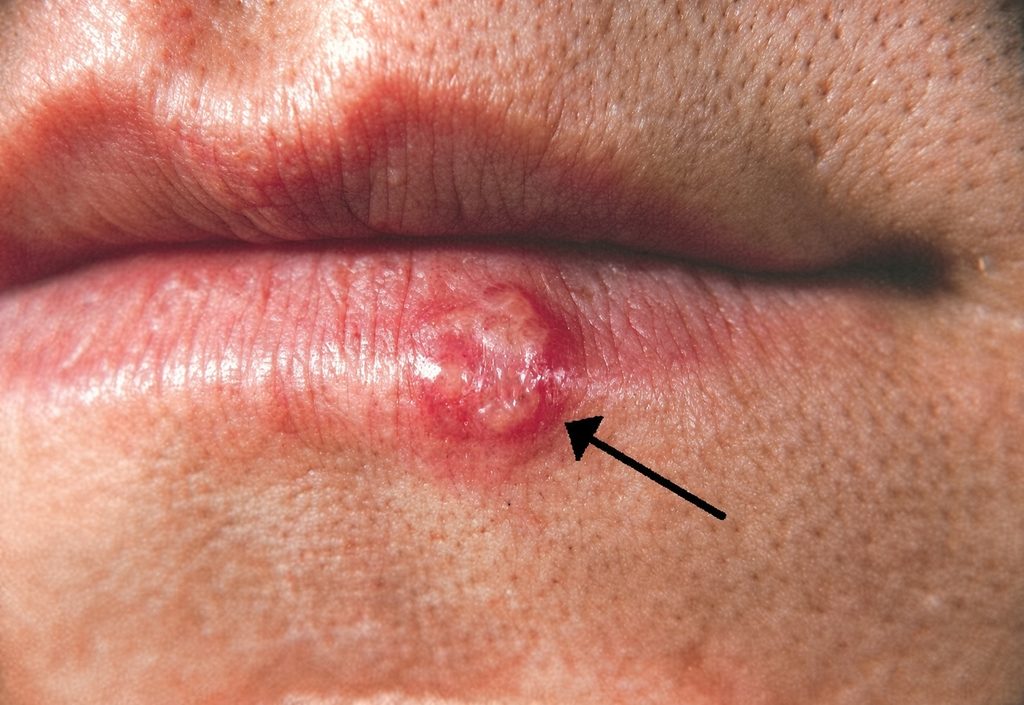
Herpes simplex infection on skin. Upscaled from image provided by CDC
Using skin organoids, researchers in Germany have traced how herpes simplex virus 1 infection progresses among neighbouring skin cells. They found that the virus did not infect every type of skin cell in the same way, with fibroblasts in the dermis carrying large amounts of virus early on in the infection, progressing to hair follicles and sensory neurons only much later. The work, published in Science Advances, might ultimately help researchers understand why a common virus sometimes has serious consequences.
Most people think of herpes simplex virus 1 (HSV‑1) as a mere cosmetic problem: The virus can cause outbreaks of cold sores on the lips or face, which usually heal on their own within two weeks. But HSV‑1 infection can be more sinister. The virus infects sensory nerve cells in the face, where it usually remains dormant. In rare cases, it travels to the central nervous system and causes life-threatening brain inflammation. HSV‑1 is also being investigated for potentially playing a role in Alzheimer’s disease — its lifelong persistence in our nervous system may eventually damage nerve cells.
Dr Emanuel Wyler, a scientist in the RNA Biology and Posttranscriptional Regulation lab at the Berlin Institute for Medical Systems Biology of the Max Delbrück Center (MDC-BIMSB), has had a longstanding interest in understanding how the virus causes disease. Now he and collaborators at University Medical Center Hamburg-Eppendorf (UKE) have traced step by step how HSV‑1 infects the multiple layers of skin cells. Using human hair-bearing skin organoids as a model, the researchers mapped how the virus spreads and which signaling molecules cells release to their neighbors upon being infected.
The research team included Dr Manja Czech-Sioli, senior author of the paper at the UKE, Dr Silvia Albertini, co-first author with Wyler, and Dr Nicole Fischer. Albertini and Fischer are also scientists at UKE.
“It was fascinating to see how the virus spreads through the organoid tissue, from one cell type to another, and also how each cell type responds to it,” adds Czech-Sioli.
Tracking HSV‑1 in 3D skin
Skin is built like a layered sandwich. The protective outermost layer is the epidermis, which primarily consists of keratinocytes. Beneath it sits the dermis, a support layer rich in fibroblasts. Hair follicles pass through these layers, which also contain sensory nerve fibres.
The skin organoids provided by the groups of Manja Czech-Sioli and Nicole Fischer at UKE enabled the team to study infection in a complex, three-dimensional tissue model. While flat cell cultures can reveal how viruses behave in one cell type, these organoids contain many of the features of actual human skin: epidermal cells, dermal cells, hair follicles and nerve-like cells. Consequently, they serve as a better model of how HSV‑1 infection progresses.
The team found that the virus did not infect every type of skin cell in the same way. Fibroblasts in the dermis carried large amounts of virus early during infection. Basal keratinocytes, which sit in the lower epidermis, and several hair follicle cell types carried relatively lower amounts, even when infected cells were nearby. Only later did the virus reach hair follicles and sensory neurons, indicating that both cell types might have some intrinsic resistance to the virus.
How neighbouring cells react to infection
The researchers then combined imaging with spatial transcriptomics, which measures gene activity in individual cells while preserving their place in tissues. This allowed them to study the leading edge of infection – the zone where HSV‑1 had just reached new cells – and identify which genes were switched on.
At the infection front, dermal fibroblasts switched on IER3, a gene known to respond to HSV‑1, for example, and basal keratinocytes increased expression of IRF3, a regulator of antiviral defences. They also found that members of the Tumour Necrosis Factor (TNF) family of signaling molecules are activated in a spatially coordinated manner.
“TNFs activate the immune system and may prove to be a major player in determining how well our bodies can control the infection,” explains Wyler.
Future organoid models that include immune cells and blood vessels could help researchers study how the body controls HSV‑1 before it reaches nerves, why some cells slow the virus while others support replication, and how the infection and the subsequent inflammation damage tissue.
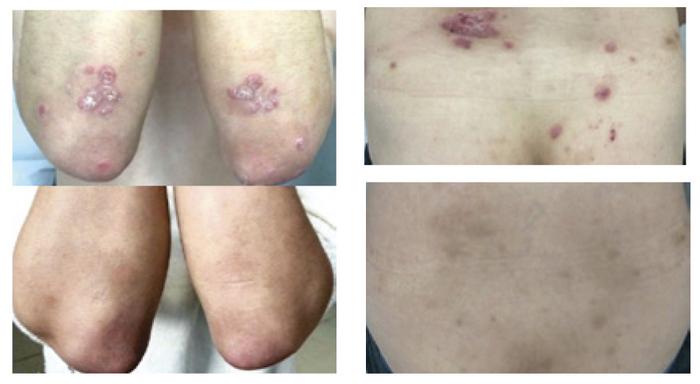
Psoriasis patients prescribed pantethine capsules in addition to topical ointments show a marked improvement in symptoms after 3 months of treatment (bottom).
Researchers in China have discovered that the vitamin B5 derivative pantethine limits the activity of immune cells that are key contributors to autoimmune diseases such as psoriasis. The study, to be published October 27 in the Journal of Experimental Medicine (JEM), shows that pantethine prevents the development of psoriasis in mice and also helps alleviate the symptoms of psoriasis patients in a small-scale human trial.
Dendritic cells are specialised immune cells that help to coordinate the different parts of the immune system. They can engulf and present foreign antigens to activate highly specific T cells, as well as secrete a variety of immune signaling molecules to recruit other types of immune cells and promote inflammation. Because of this central role in directing immune responses, aberrant activation of dendritic cells is thought to underlie a variety of autoimmune diseases, including psoriasis.
“Emerging evidence highlights that metabolic pathways and their associated metabolites play vital roles in regulating immune cell function and autoimmune progression,” says Wei-Na Zhang, a researcher at the State Key Laboratory of Biomedical Analysis in Beijing. “But therapeutic strategies targeting metabolism in inflammatory diseases remain underexplored.”
Dr. Zhang co-led the new JEM study with Qing Xia, Ai-Ling Li, and Tao Zhou, also from the State Key Laboratory of Biomedical Analysis, and Cheng-Xin Li from The First Medical Center of Chinese PLA General Hospital in Beijing.
Zhang and colleagues found that the levels of metabolic enzymes known as Vanins are elevated in the dendritic cells of patients with psoriasis and several other autoimmune diseases. Depleting these enzymes inhibited dendritic cell activation and limited their ability to activate T cells. Moreover, treating mice with a drug that inhibits Vanins prevented the animals from developing psoriasis.
Vanin enzymes convert the metabolite pantethine into vitamin B5, an essential nutrient required for cellular energy production. Pantethine itself is a widely available nutritional supplement often used to lower blood cholesterol levels due to its ability to inhibit cholesterol synthesis. Intriguingly, cholesterol can promote the activation of dendritic cells, and high blood cholesterol is a major risk factor for the development of psoriasis.
Zhang and colleagues determined that increased Vanin activity in dendritic cells reduces panthetine levels, leading to increased cholesterol synthesis and dendritic cell hyperactivation. Replenishing pantethine levels reversed this process, lowering the accumulation of cholesterol and suppressing dendritic cell activation.
“We found that pantethine administration effectively alleviated psoriasis in mice, suggesting that insufficient pantethine levels may be the crucial contributor to hyperactivation of dendritic cells and autoimmune inflammation following the up-regulation of Vanins,” Zhang says.
The researchers therefore initiated a small-scale trial of pantethine supplementation in 24 human psoriasis patients. Every patient was treated with topical calcipotriene/betamethasone ointment, but half of the patients also received pantethine tablets. Over the course of 12 weeks, patients given the additional pantethine treatment showed improved symptoms, particularly if they had elevated blood cholesterol levels to begin with.
“Our investigator-initiated clinical trial demonstrated encouraging therapeutic efficacy of pantethine as an adjunctive therapy in psoriasis, but these findings should be interpreted as proof-of-concept for clinical feasibility rather than direct mechanistic validation,” Zhang says. “Overall, our study uncovers the Vanin-pantethine-cholestrol axis as a key metabolic pathway governing dendritic cell activation and provides a foundation for therapeutic strategies targeting several dendritic cell–mediated autoimmune diseases.”
Two international studies have show that non-invasive tests can accurately diagnose and measure liver disease severity, reducing the need for biopsy. Published in The Lancet and Nature Medicine, the studies form part of the LITMUS programme, the largest international effort to evaluate diagnostic tools for metabolic dysfunction-associated steatotic liver disease (MASLD), including its more severe form, metabolic dysfunction-associated steatohepatitis (MASH).
To date, liver biopsy has been considered the reference standard for definitively distinguishing MASLD from active MASH with fibrosis, but its invasive nature carries procedural risks and it is resource-intensive. The diagnostic reliability of liver biopsy is limited by sampling error and by variability in tissue adequacy, with interobserver variability adding to challenges in histological interpretation.
The main LITMUS Study, published in The Lancet, assessed blood tests and ultrasound-based liver stiffness measurements in more than 1500 patients – the largest international study of its kind.
The companion LITMUS Imaging Study, published in Nature Medicine, examined advanced MRI and elastography techniques in more than 350 patients.
Together, these two studies give us the most complete picture yet of which diagnostic tests work for liver disease, and how to combine them into a pathway health systems can easily implement
Professor Quentin Anstee
New benchmark in liver disease diagnosis
Professor Quentin Anstee, Ruth & Lionel Jacobson Chair in Personalised Medicine at Newcastle University, and Honorary Consultant Hepatologist at Newcastle Hospitals NHS Foundation Trust, is joint senior author of both studies and the LITMUS consortium coordinator.
He said: “Together, these two studies give us the most complete picture yet of which diagnostic tests work for liver disease, and how to combine them into a pathway health systems can easily implement.
“For advanced liver scarring and cirrhosis, we now have tools good enough to use with real confidence. Detecting active liver inflammation remains more challenging, but promising non-invasive tests are becoming available.”
MASLD affects up to one in three adults worldwide and as many as seven in 10 people living with obesity or type 2 diabetes.
As the first licensed drug treatments for MASH enter clinical practice, there is growing demand for accurate, non-invasive ways to diagnose and monitor disease.
Together, the studies assessed dozens of blood, imaging and elastography-based biomarkers – covering both state-of-the-art and routine diagnostic tests that are already used by doctors – comparing their accuracy to liver biopsy, read by expert pathologists.
The findings provide robust, prospective and independent evidence from large multinational patient cohorts, offering what researchers believe are the most realistic benchmarks yet for non-invasive liver disease testing.
The key findings of the studies are:
For advanced liver fibrosis and cirrhosis, the SOMAScan proteomic panel, MR elastography (MRE) and FibroScan-based elastography tools, including the Agile 3+ score, delivered the highest levels of diagnostic accuracy.
The ELF and ADAPT blood tests also exceeded predefined performance thresholds for detecting cirrhosis.
For identifying “at-risk MASH” – the group targeted in most clinical trials – only the SOMAScan panel met the predefined accuracy threshold.
A simple and inexpensive gamma-GT blood test outperformed the widely used FIB-4 score as a first-line assessment tool and could be followed by FibroScan or ELF testing to confirm disease severity in routine care.
Targeting the right patients for referral to specialist liver care
The findings support a simplified diagnostic pathway that, after further validation, could be adopted across healthcare systems: use gamma-GT as an initial screening test, followed by ELF or FibroScan for patients requiring further assessment, with advanced imaging reserved for specialist care.
This approach could help more patients receive an accurate diagnosis without undergoing an invasive liver biopsy while ensuring specialist resources are targeted where they are most needed.
The findings also have important implications for MASH clinical trials.
Because regulators require confirmation of “at-risk MASH” for enrolment in late-stage studies, liver biopsy is likely to remain necessary for now. However, the strong performance of SOMAScan highlights its potential for future adoption.
The LITMUS Imaging Study also demonstrated that elastography techniques performed well for detecting advanced fibrosis and cirrhosis, with MRE outperforming FibroScan-based liver stiffness measurements.
Reference:
Non-invasive tests in Metabolic-dysfunction Associated Steatotic Liver Disease: The prospective, multi-centre LITMUS Study. The Lancet, 2026. Vali et al. DOI: 10.1016/S0140-6736(26)01145-1
Prospective validation of imaging and serum diagnostic biomarkers of steatohepatitis and fibrosis in MASLD. Nature Medicine, 2026. Pavlides et al. DOI: 10.1038/s41591-026-04496-2