Tag: 17/7/26

From AI to Health Innovation – South Africa’s Top Science Awards #ChooseUP Researchers

UP’s NSTF-South32 awards winners: Prof Tjaart Krüger, Prof Patricia Forbes, Prof Vukosi Marivate, Prof Llewellyn Padayachy

Four University of Pretoria (UP) staff members came out tops at the 2025/2026 National Science and Technology Forum (NSTF)-South32 Awards, South Africa’s premier science and innovation awards. Commonly known as the “Science Oscars”, the awards recognise exceptional contributions by individuals, teams, partnerships and organisations across a range of categories within South Africa’s science, engineering and technology sectors.

The 28th annual NSTF-South32 Awards gala event was held on 16 July 2026 simultaneously in Cape Town and Johannesburg, with a live broadcast online. This year’s awards were themed ‘Healthy Ageing’ – in line with the United Nations Decade of Healthy Ageing (2021 to 2030), a global collaboration to recognise the contribution of science, engineering and technology in improving the health and well-being of older people.

“This recognition speaks to the strength and breadth of the University of Pretoria’s research and innovation, and to our commitment to excellence across disciplines,” said Professor Sunil Maharaj, Vice-Principal: Research, Innovation and Postgraduate Education at UP. “The achievements of our researchers reflect the ambitions of our ThriveUP 2038 strategy, demonstrating how research and innovation can generate knowledge, develop solutions and create meaningful societal impact.”

This year’s recipients from UP are:

  • Prof Vukosi Marivate, Director of the African Institute for Data Science and Artificial Intelligence and ABSA-UP Chair in Data Science, together with the TextAugment team and the Vuk’uzenzele Multilingual Corpus project, won the inaugural NSTF-SADiLaR Research Software: Human Language Technologies Award. This category recognises the development of open-source tools that help address data scarcity in under-resourced African languages, supporting advances in artificial intelligence and linguistic equity.

    Prof Marivate and the TextAugment team’s work to develop open-source language technologies for under-resourced African languages speaks to the strategy’s ‘Digital Futures and Inclusive AI’ research theme, which focuses on building trustworthy artificial intelligence (AI), strengthening data infrastructures and advancing digital inclusion.
  • Prof Patricia Forbes of UP’s Department of Chemistry and editor-in-chief of the American Chemical Society’s (ACS) journal ACS Earth and Space Chemistry won the NSTF-Water Research Commission Award. She was recognised for developing analytical methods for detecting trace environmental pollutants and addressing long-standing monitoring challenges.

    Prof Forbes’ pioneering work in detecting trace environmental pollutants aligns with the ‘Climate, Land, Water and Sustainability Transitions’ theme by supporting improved environmental monitoring and the sustainable management of natural resources.
  • In the health sciences, Prof Llewellyn Padayachy, Head of Neurosurgery and Director of UP’s Brain Tumour and Translational Neuroscience Centre (BTC@UP), won the NSTF-SAMRC Clinician-Scientist Award for developing point-of-care diagnostic tools for the early detection of brain tumours.
    Prof Padayachy’s development of non-invasive diagnostic tools for the early detection of brain tumours speaks to the ‘Planetary and One Health Horizons’ research theme, which advances precision health, health system innovation and improved health outcomes.
  • Prof Tjaart Krüger of UP’s Department of Physics was a joint winner of the TW Kambule-NSTF Researcher Award, along with Prof Musa Manzi, Director of the Seismic Research Centre at the University of the Witwatersrand. Prof Krüger was recognised for developing ultra-sensitive single-molecule instruments that help reveal how nature converts sunlight into energy, with potential applications for cleaner, more efficient energy technologies.

    Prof Krüger’s work on ultra-sensitive instruments that deepen our understanding of how nature converts sunlight into energy contributes to the scientific foundations needed for cleaner, more efficient energy technologies, reinforcing the University’s commitment to research that supports sustainable futures.

In addition to staff members, first-year student Christene Beukes, who is studying applied plant and soil sciences within UP’s Faculty of Natural and Agricultural Sciences, was among the 22 students selected for the NSTF Brilliants Programme. The programme recognises top first-year students in the science, medicine and engineering fields from each of South Africa’s nine provinces. Beukes is also a recipient of the Vice-Chancellor’s Distinguished Merit Award.

The UP researchers who were nominated as finalists for the 2025/2026 NSTF-South32 Awards are:

  • Prof Brenda Wingfield – Department of Science, Technology and Innovation-National Research Foundation SARChI Chairholder: Fungal Genomics in UP’s Department of Biochemistry, Genetics and Microbiology and the Forestry and Agricultural Biotechnology Institute – was a finalist in the Lifetime Award category for her contributions to understanding the genetics and genomics of fungal plant pathogens and for her role in educating and mentoring generations of researchers.
  • Prof Hendrik Brink of the Department of Chemical Engineering received recognition in two categories. He was a finalist in both the Engineering Research Capacity Development Award and the NSTF-TIA Green Economy Award for building South Africa’s engineering research capacity through postgraduate training focused on scalable water treatment solutions.
  • Prof Rebecca Garland of the Department of Geography, Geoinformatics and Meteorology was acknowledged in the NSTF-TIA Green Economy Award category for research that strengthens the evidence base for air quality management in South Africa through an integrated approach.
  • The Department of Animal Science, led by Prof Carina Visser, was a finalist for the NSTF-Agricultural Research Council Award. The department was recognised for its interdisciplinary research on low-emissions sustainable livestock production, the genetic improvement of local breeds for adaptation, and the delivery of safe, welfare-friendly animal protein.
  • Shakira Hoosain, campaign strategist and senior copywriter, and editor of UP science platform Research Matters and RE.SEARCH magazine was a finalist in the Communication Award category. She was recognised for developing a multimedia science communication platform that translates academic research into accessible public knowledge through storytelling, media engagement and digital content.

“Every one of these accolades represents years of rigorous dedication,” Prof Maharaj said. “While we celebrate the individual achievements, they also reflect the collective effort of colleagues, students and partners across the University. We congratulate all our winners and finalists for the well-deserved recognition.”


Epidurals Not Linked to Increased Harm for Newborns or Children

Study provides strong evidence that epidural analgesia in labour is safe for newborns, say researchers

Photo by Duda Oliveira

Having an epidural during labour is not associated with clinically significant increased risks of harm to newborn babies, including brain injury, severe breathing problems, sepsis and death, or cerebral palsy later in childhood.

The researchers say these findings “support widening availability and equitable access to epidural analgesia as a safe component of intrapartum care.”

Epidural analgesia in labour provides effective pain relief and may help reduce complications in mothers after giving birth, but evidence of its effect on newborn and child health is limited.

To address this, researchers analysed data for 495 695 births in Scotland over a 13 year period (2007-2019) to examine whether epidural analgesia during labour was associated with serious neurological conditions occurring within 28 days of birth.

Only women who delivered a single baby vaginally or via unplanned caesarean section between 24 and 42 weeks of pregnancy were included in the analysis.

Further measures included other severe newborn illness, sepsis, low Apgar score (a routine test of a baby’s health) five minutes after birth, death within 28 days of birth, and cerebral palsy diagnosed at any point during childhood.

Factors such as mother’s age, ethnicity, weight, existing pre-eclampsia or diabetes, smoking history, birth location and gestational age at birth, were also taken into account.

Of nearly 500 000 women included in the study, around one in four had an epidural during labour. Overall, serious neurological conditions were rare, affecting fewer than 1 in 1000 babies. These conditions occurred at the expected rate and were no more common among babies whose mothers had an epidural compared with those who did not.

No association was found between epidural analgesia in labour and serious neurological conditions, other severe newborn illness, sepsis, low Apgar score at five minutes, death at 28 days, or cerebral palsy in childhood.

This is an observational study so no firm conclusions can be drawn about cause and effect, and the authors acknowledge that the study was limited to women delivering in Scotland, a predominantly white population, so the findings may not apply to more ethnically diverse populations or other healthcare settings.

However, this was a large study with long term follow-up of newborn and childhood outcomes, and results were consistent after additional analyses across various groups including women considered to have high risk pregnancies and preterm births, supporting the reliability of the findings.

As such, the authors conclude: “These results should reassure parents and clinicians that epidural analgesia use in labour is safe for babies and support informed, evidence based decision making about analgesic options in labour.”

Source: The BMJ Group

Dialling Back Stiffness May Protect Muscles in Myotonic Dystrophy

Photo by Sasun Bughdaryan on Unsplash

For decades, researchers studying myotonic dystrophy type 1 (DM1) have focused on the disease’s underlying genetic cause: a mutation that produces a toxic form of RNA, disrupting the normal processing of thousands of genetic messages inside cells. While scientists have known this widespread disruption contributes to disease, it has remained unclear which changes are most responsible for the progressive muscle weakness and wasting experienced by people living with DM1.

Now, a new study published in Nature Communications suggests that one hallmark symptom of the disease – muscle stiffness, known as myotonia—may play a much larger role in driving muscle damage than previously recognised.

“Our findings suggest that myotonia isn’t simply an uncomfortable symptom people experience,” said John Lueck, PhD, associate professor of Pharmacology and Physiology at University of Rochester Medicine and senior author of the study. “It appears to amplify the harmful effects of the disease in muscles. When we eliminated myotonia in our mouse model, we didn’t just improve muscle relaxation; we saw healthier muscles overall.”

The findings suggest that therapies aimed at reducing myotonia could help preserve muscle function while complementing emerging treatments designed to address the disease’s underlying genetic cause.

A disease caused by toxic RNA

DM1 is the most common form of adult muscular dystrophy. The inherited disorder causes progressive muscle weakness, muscle wasting, slow relaxation after muscle contraction, heart rhythm abnormalities, cataracts, excessive daytime sleepiness, and a range of other symptoms.

The disease begins with an abnormal expansion of repeated DNA segments in the DMPK gene. Rather than producing a faulty protein, this mutation creates a toxic RNA molecule that traps proteins needed to correctly process genetic instructions. As a result, hundreds to thousands of genes are improperly “spliced,” producing abnormal protein versions throughout the body. Decades of research led by URochester Medicine neurologist Charles Thornton, MD, a co-author of the study, helped establish how this toxic RNA disrupts normal RNA splicing and drives the disease.

One of the most important affected genes expresses a chloride channel that helps muscles relax after they contract. When that channel is disrupted, muscles become electrically overactive, producing the delayed relaxation known as myotonia.

Looking beyond the root cause

Most research has focused on eliminating the toxic RNA itself, with several RNA-targeted therapies now advancing toward clinical use. However, Lueck and his colleagues wanted to answer a different question: once myotonia develops, does it simply reflect the disease, or does it actively worsen muscle damage?

Previous work from the URochester Medicine team had hinted at the answer. They found that when myotonia occurred alongside another splicing defect affecting calcium channels, muscle disease became dramatically worse in mice. Treating those mice with calcium channel-blocking drugs reversed many of the effects. That finding suggested that muscle hyperexcitability might be directly contributing to muscle degeneration.

“We’ve spent years trying to understand which of the many splicing changes actually matter most,” Lueck said. “This study allowed us to isolate one of those changes and ask what happens when you permanently remove myotonia while leaving the underlying disease process in place.”

Turning down the disease’s “volume”

To answer that question, the researchers genetically corrected a single critical portion of the chloride channel gene in a mouse model of DM1. The researchers expected to reduce muscle stiffness. Instead, they saw improvements throughout the muscle.

The mice no longer developed muscle stiffness, but they also generated greater muscle force, showed healthier muscle tissue under the microscope, and experienced broad improvements in abnormal gene expression and RNA splicing. The findings suggest myotonia may act as what Lueck describes as a “volume knob” on the disease.

“The toxic RNA is still present,” he said. “But myotonia appears to turn up the damage happening in muscles. When we turned myotonia down, many aspects of muscle health improved, even though we hadn’t corrected the original genetic mutation.”

Implications for future treatments

The findings could influence how researchers think about treating DM1. Several experimental therapies currently in development are designed to eliminate the toxic RNA that causes the disease. Researchers have long used improvements in myotonia as an early sign that these therapies are working because the chloride channel is particularly sensitive to correction.

The new study suggests that reducing myotonia may itself contribute significantly to improved muscle health. In other words, treating myotonia may do more than relieve stiffness – it may actually help slow or reduce the muscle damage caused by the disease.

At the same time, existing medications that reduce myotonia – including drugs such as mexiletine and ranolazine – may deserve renewed attention. Although these medications can improve muscle stiffness, side effects often limit their long-term use, and many people with DM1 never receive them.

“If we can develop safer, better-tolerated myotonia drugs, they could become an important complement to RNA-based therapies—or provide meaningful benefit for patients who don’t have access to those advanced treatments,” said Lueck.

Source: University of Rochester Medicine

Melatonin May Help Ease Chronic Muscle and Joint Pain, New Study Suggests

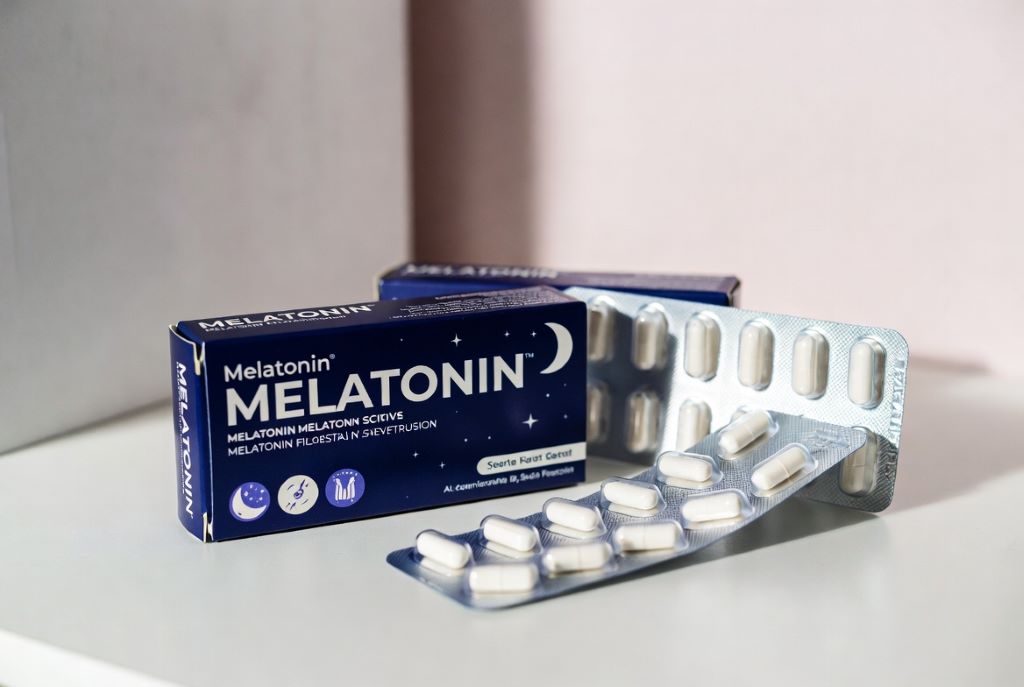
Made with AI

Dipa Kamdar, Kingston University

Melatonin is best known for helping us sleep. But a new study suggests it might have another surprising use: easing muscle and joint pain.

Produced naturally by the pineal gland in the brain at night, melatonin helps regulate the body’s sleep-wake cycle. That’s why this hormone is widely used as a treatment for insomnia and jet lag.

Sleep and pain are closely linked (poor sleep can make pain feel worse, and pain can make sleep harder). But melatonin may also reduce pain directly. Researchers believe it dampens pain signals in the brain and spinal cord, reduces inflammation, calms overactive nerves and protects cells from oxidative stress – the cellular wear and tear caused when harmful molecules build up.

In the new study, researchers combined the results of 23 clinical trials involving over 2,000 participants to identify overall patterns. These trials looked at melatonin for long-term muscle and joint pain as well as pain after surgery.

Overall, melatonin reduced both pain and sleep problems in people with chronic muscle and joint pain. But the improvements were modest. On average, pain scores fell by about nine points on a 100-point scale. That’s within the range reported for some anti-inflammatory drugs in similar studies, although the two treatments haven’t been directly compared.

Melatonin’s effects may also depend on whether people already have sleep problems or other long-term health conditions. Most of the chronic pain studies included people who already had poor sleep to begin with, but none of the trials looked at results separately for people with and without sleep issues. Because of this, it’s unclear whether melatonin works better for people who struggle with sleep or whether the effects are similar for everyone.

The findings were much less convincing for pain after surgery. Melatonin did not make a noticeable difference to pain or sleep. One analysis found a tiny improvement (about 2.5 points on a 100-point pain scale), but this is far below what would matter to patients recovering from surgery.

The benefits in chronic muscle and joint pain are modest. Based on the current evidence, melatonin should be seen as a possible add-on treatment rather than a replacement for established therapies. The evidence suggests melatonin could complement treatments such as physiotherapy, exercise and anti-inflammatory medicines rather than replace them.

What we still don’t know

There is also still a lot we don’t know. The trials in this study used a wide range of doses, from 1mg to 10mg, and the researchers couldn’t determine which dose worked best.

There were hints that longer treatment helped more in chronic pain, but this was based on only a few studies. There is also very little evidence on the effectiveness of higher doses, even though they appear safe in other studies.

Melatonin is widely used and generally considered safe for short-term use, but it can cause side-effects, such as daytime sleepiness, dizziness, headaches and nausea.

People with liver or kidney conditions, or those with autoimmune conditions like rheumatoid arthritis, should speak with a doctor or pharmacist before taking it.

It is also worth noting that melatonin is regulated very differently around the world. In the US, melatonin is sold as a dietary supplement, meaning people can buy it easily in supermarkets and online without medical advice. But in the UK, melatonin is a prescription-only medicine and is only licensed for short-term sleep problems and jet lag.

For now, the findings suggest melatonin may offer modest relief for some people with chronic muscle and joint pain, particularly if poor sleep is part of the problem. It’s unlikely to replace established treatments, but it could eventually earn a place alongside them. Larger, well-designed trials will be needed before doctors can say with confidence who is most likely to benefit.

Dipa Kamdar, Senior Lecturer in Pharmacy Practice, Kingston University

This article is republished from The Conversation under a Creative Commons license. Read the original article.