Urgent Vaccine Call as COVID Closes Free State Schools

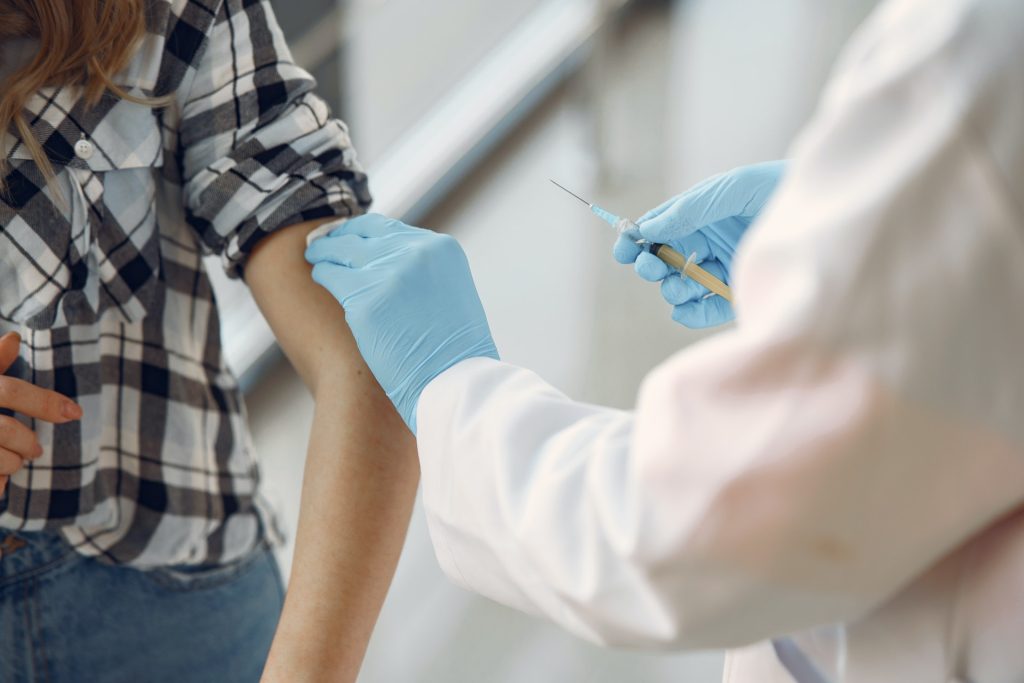
Photo by Mary Taylor from Pexels


As COVID cases and deaths continue to rise in the Free State, with schools being closed, it is unclear when the province’s teachers will receive their vaccinations.

The deaths of six learners, 75 teachers, and three support staff from COVID have been reported in the Free State since March 2020.

While teachers await their vaccines, COVID still claims lives in the school system – and not just older teachers and staff. Quincy Tsoenyane lost a daughter to COVID-related complications, 18 year-old Nomthandazo Ngcoyi, who was a learner at Lephola Secondary school in Welkom. Nomthandazo was one of 11 learners at the school who tested positive for COVID in May. Tsoenyane, who is a father to two surviving children, said it pains him to know that his daughter got sick at school.

According to the Department of Basic Education (DBE), Nomthandazo developed a cough at school and was tested for COVID along with other learners. On 19 May, she tested positive and was sent home to self-isolate. She died at home six days later.

A rare case

Dr Cloete van Vuuren, an Infectious Disease Specialist in the Department of Internal Medicine at the University of Free State, said that Nomthandazo’s death is a rare case as it is uncommon for young people to die from the SARS-CoV-2 virus.

The DBE figures show that since March 2020, the Free State has recorded a total of 2101 positive cases among teachers in schools: 1377 among learners, and 461 among non-teaching staff. Outbreaks of COVID cases have forced several shutdowns of Free State schools.

Holding out for vaccines

As COVID numbers climb in Free State schools, teaching federations and unions are urging that teachers be vaccinated as soon as possible.

From 26 July, children from Grades R to 7 will return to in-person classes. In a media statement, the National Professional Teachers Organisation of South Africa (Naptosa) said that they are pleased to hear that the education sector will receive 500 000 doses of the Johnson & Johnson vaccine.

However, the union said they are still in limbo because the doses must still require verification by the Food and Drug Administration (FDA) and will expire on 28 July.

As of Thursday, there were 591 new COVID cases in Free State, with a new case incidence rate of 17.8 per 100 000 people.

Teachers need to protect themselves and others

Dr Kerrin Begg, Public Health Specialist in the Faculty of Health Sciences at the University of Cape Town reminded teachers that although it is understandable for them to be anxious about the vaccination, each and every person has the responsibility to educate themselves.

“Teachers need to be teaching themselves about the virus just like they do in their everyday line of work of teaching children.

“At the Colleges of Medicine of South Africa, we have produced school guidelines on measures to take to reduce the transmission of COVID in the school environment,” she said. She said that socialising outside of class was where most of the transmission took place, and that learners now no longer adhered to social distancing.

“We remind parents and teachers to remember that protecting themselves is not to be practiced during school hours only, but there are three major focal points of transmission which are before, during, and after school hours.

“Teachers need to understand that the environment of the classroom is very important. Fresh air is better than artificial air, outside is better than inside. Schools also need to continue to promote personal and physical distancing, and hygiene measures daily,” Dr Begg said.

Source: Spotlight

T-Cells Could Identify ‘The Bends’ in Divers

Photo by USGS on Unsplash

A new study investigated genetic changes that occur in a serious condition affecting scuba divers — ‘the bends’ — and found that inflammatory genes and white blood cell activity are upregulated. The findings could lead to biomarkers that will help doctors to diagnose the condition more precisely.

The bends, more formally known as decompression sickness, is a potentially lethal condition that can affect divers. Symptoms include joint pain, a skin rash, and visual disturbances. In some patients, the condition can be severe, potentially leading to paralysis and death. The bends can also affect people working in submarines, flying in unpressurised aircraft or in spacewalks.

It has been studied for a long time: a 1908 paper correctly hypothesised that it involves bubbles of gas forming in the blood and tissue due to pressure decrease. Yet even after a century the precise mechanisms underlying the condition are not well understood. Animal studies have suggested that inflammatory processes may have a role in decompression sickness, but no-one had studied this in humans.

Nowadays, getting ‘the bends’ is rare as divers have well-established methods to mitigate risk, such as controlled ascents from the depths. Nevertheless, doctors have no means to test for the condition, if they do encounter it, and instead rely on observing symptoms and seeing whether patients respond to hyperbaric oxygen therapy.

To investigate decompression sickness, the researchers sampled the blood of divers who had been diagnosed with decompression sickness and also divers who had completed a dive without it. The blood samples were drawn at two times: within 8 hours of the divers emerging from the water, and 48 hours afterwards, when those divers with decompression sickness had undergone hyperbaric oxygen treatment. RNA sequencing analysis was done to measure gene expression changes in white blood cells.

“We showed that decompression sickness activates genes involved in white blood cell activity, inflammation and the generation of inflammatory proteins called cytokines,” explained Dr Nikolai Pace of the University of Malta, a researcher involved in the study. “Basically, decompression sickness activates some of the most primitive body defense mechanisms that are carried out by certain white blood cells.”

These genetic changes had diminished in samples from 48 hours after the dive, after the patients had been treated with hyperbaric oxygen therapy — an interesting finding. The results provide a first step towards a diagnostic test for decompression sickness, and may also reveal new treatment targets.

“We hope that our findings can aid the development of a blood-based biomarker test for human decompression sickness that can facilitate diagnosis or monitoring of treatment response,” said Prof Ingrid Eftedal of the Norwegian University of Science and Technology, who was also involved in the project. “This will require further evaluation and replication in larger groups of patients.”

Source: EurekaAlert!

Journal information: “Acute effects on the human peripheral blood transcriptome of decompression sickness secondary to scuba diving” Frontiers in Physiology, DOI: 10.3389/fphys.2021.660402

Angioplasty Needed by Smokers 10 years Before Non-smokers

Photo by Elsa Olofsson on Unsplash

Smokers needed their blocked arteries fixed nearly 10 years earlier than non-smokers, and patients with obesity underwent these procedures four years earlier than non-obese patients, according to a new US study.

Angioplasty is a nonsurgical procedure that opens clogged or narrow coronary arteries. The procedure involves inserting an inflatable balloon-tipped catheter through the skin in extremities and then inflating the balloon once it reaches the stenosed arterial site. The balloon pushes the atherosclerotic intraluminal plaque against the arterial wall and restores the luminal diameter, and so restores blood flow to the heart muscle.

The study included patients with no heart attack history, treated at hospitals across Michigan. The patients had all undergone angioplasty and/or stenting to widen or unblock their coronary arteries and restore blood flow. Nearly all of them had at least one traditional risk factor, including smoking, obesity, high blood pressure, high cholesterol and diabetes. Most patients had three or more.

Furthermore, compared to men, women generally had their first procedure at a later age. Over the past ten years, among patients undergoing their first angioplasty or stent procedure, obesity and diabetes rates have increased, while smoking and high cholesterol have decreased.

“Smoking is a completely preventable risk factor,” said senior author Devraj Sukul, MD, MSc, an interventional cardiologist and a clinical lecturer at the University of Michigan Health Frankel Cardiovascular Center. “If we direct additional efforts at preventing smoking and obesity we could significantly delay the onset of heart disease and the need for angioplasty and stenting.”

“In Michigan, we will work to help every smoker quit at the time of cardiac care because it is an unmatched teachable moment for patients,” said Michael Englesbe, M.D., a surgeon and professor at Michigan Medicine who serves as portfolio medical director for the Collaborative Quality Initiatives.

Source: Medical Xpress

Journal information: Zoya Gurm et al, Prevalence of coronary risk factors in contemporary practice among patients undergoing their first percutaneous coronary intervention: Implications for primary prevention, PLOS ONE (2021). DOI: 10.1371/journal.pone.0250801

Normal Breathing Can Transport Viruses Over 2 Metres

Researchers have demonstrated that normal breathing can transport viruses in saliva droplets up a distance of up to 2.2 metres in 90 seconds.

The World Health Organization and the Centers for Disease Control recommend social distancing to prevent the spread of COVID. The distances are estimated from various studies, but there is a need for further research into how viruses are transported from one person to another. 
Previous studies considered aerosol transport after coughing or sneezing, while this study focused on normal human breathing, using computer simulations with a more realistic model than prior studies. A normal breath produces periodic jet flows that contain saliva droplets, but those jets’ velocity is less than a tenth that of a cough or sneeze.

Wearing a face mask greatly reduces the distance which these droplets can travel. Saliva droplets restricted by a mask had travelled only 0.72 metres after two minutes, far short of the distance of 1.8 metres suggested by the CDC.

The investigators found even normal breathing produces a complex field of vortices that can move saliva droplets away from the person’s mouth. The role of these vortices has not previously been understood.

Study author, Ali Khosronejad, American Institute of Physics said: “Our results show that normal breathing without a facial mask generates periodic trailing jets and leading circular vortex rings that propagate forward and interact with the vortical flow structures produced in prior breathing cycles.”

This complex vorticity field can enable the transport of aerosol droplets over long distances despite the slow speeds. A face mask serves to dissipate the kinetic energy of the jet produced by an exhaled breath, thereby disrupting the vortices and limiting the travel of virus-laden droplets.

The researchers also took into account evaporation of the saliva droplets. With no mask, they found the saliva droplets near the front of the plume of exhaled breath had partially evaporated, reaching a size of only one-tenth of a micrometre. In stagnant indoor air, it would take days for droplets this small to settle to the ground.

Masks partially redirect the exhaled breath downward, significantly restricting forward motion of the plume, so the risk of suspended droplets remaining in the air is substantially reduced.

“To simplify the breathing process, we did not consider the flow of air-saliva mixture through the nose and solely accounted for the flow through the mouth,” Khosronejad said. “In future studies, we will explore the effect of normal breathing via both the nose and mouth.”

Source: News-Medical.Net

Journal reference: Khosronejad, A., et al. (2021) A computational study of expiratory particle transport and vortex dynamics during breathing with and without face masks. Physics of Fluids. doi.org/10.1063/5.0054204.

Nearly 9% of Alcohol Consumed by Underage Drinkers

Photo by Erik Mclean on Unsplash

Underage youth consumed $17.5 billion worth, or 8.6 percent, of the alcoholic drinks sold in 2016 in the US. Nearly half of youth consumption was made up of products from three alcohol companies: AB Inbev, MillerCoors and Diageo. The study findings were published in the Journal of Studies on Alcohol and Drugs.

In a landmark study of youth alcohol consumption by brand, the authors collected large amounts of data to estimate, for the first time in two decades, the monetary value of youth alcohol consumption. And for the first time, they were able to attribute those revenues to specific companies.

“The alcohol industry has said they don’t want minors to drink, but when we counted up the drinks, it was clear that they were making billions of dollars from these sales,” said co-lead author Pamela J. Trangenstein, PhD, assistant professor of health behaviour at the University of North Carolina Gillings School of Global Public Health. “There is a clear disconnect when an industry advocates prevention but then makes billions of dollars from prevention’s failure.”

Alcohol is the number one substance used among people ages 12 to 20. Although underage drinking has fallen in recent years, alcohol is still responsible for approximately 3500 deaths annually for under 21s, according to the Centers for Disease Control and Prevention.

In the US, the minimum drinking age is 21, although before 1984 states set their own drinking age. According to the CDC, raising the drinking age to 21 saw a 16% reduction in motor vehicle accident deaths, and there is evidence that this limit protects drinkers from alcohol and other drug dependence, adverse birth outcomes, and suicide and homicide.

“Our prior studies have repeatedly shown that youth are exposed to and influenced by alcohol marketing,” commented co-author David H Jernigan, PhD, professor at Boston University. “If alcohol companies are truly committed to preventing youth drinking, they should be willing to put these revenues into an independent agency able to address underage drinking without a conflict of interest.”

The Institute of Medicine and National Research Council, the science advisory body for the US Congress, made that recommendation in their 2003 report on underage drinking. In 2006, the legislation was passed entirely devoted to curbing underage drinking. While that legislation authorised $18 million in spending, the full amount has never been used. 

“Community coalitions in North Carolina and across the country are constantly begging for dollars to support their work on underage drinking,” said Prof Trangenstein. “Our study identifies a clear source for that badly needed funding. Families and communities are paying the price, while big alcohol companies are reaping all the benefits.”

Source: Journal of Studies on Alcohol and Drugs

More information: Eck, R. H., Trangenstein, P. J., Siegel, M., & Jernigan, D. H. (2021). Company-specific revenues from underage drinking. Journal of Studies on Alcohol and Drugs, 82, 368–376. DOI: 10.15288/jsad.2021.82.368

ImmunityBio Vaccine Trial Expanding in Western Cape

In addition to traditional subcutaneous administration for the vaccine candidate, the trial will measure immune responses generated by sublingual and nasal administration routes. Photo by Gustavo Fring from Pexels

The Phase I clinical trial of ImmunityBio’s experimental COVID vaccine, designed to be effective against COVID variants, is about to be expanded to include different administration routes as well as effectiveness in people who previously had COVID. 

Co-investigator Prof Graeme Meintjes, second chair in the Department of Medicine at UCT, said that the Phase I trial has started and is still ongoing at the Wellcome Centre for Infectious Diseases Research in Africa’s (CIDRI-Africa) Khayelitsha clinical research site.

He said that the first two cohorts of ten participants each both received two subcutaneous injections of the vaccine, three weeks apart, with one cohort receiving a higher dose.

“The purpose of that was to assess safety, so participants were followed up very carefully for side effects and for reactions to the vaccine. And the review of that suggests no major safety concerns,” he explained. He added that the Phase I trial design has since been adapted to include four more cohorts, which is going through the approval process.
These four additional cohorts will include people who have had COVID because the researchers want to look at the effect the vaccine will have on boosting existing immunity against COVID. Each cohort will have ten participants, bringing the expected total number of participants for Phase I to 60 people.

New administration routes

To see whether different administration routes produce a sufficient immune response, each participant in these new cohorts will receive one dose of the vaccine through one of four routes. These would be either a subcutaneous injection, a sublingual route, a combination of subcutaneous injection and sublingual method, or an intranasal route.

“We’ll be measuring the antibody responses as well as the T-cell responses to the vaccine, but we do not have results yet,” said Meintjes. He added that enrolment should be complete in the next two months, pending the outcome of the approval process.

Phase II/III trial plans

Phase II and Phase III trials in South Africa are being planned, which will be headed by the South African Medical Research Council (SAMRC), Mentjes confirmed.

Details will be made available once the trial has been approved by SAHPRA. It is unlikely that placebos will be used, now that vaccines are shown to be effective; rather different vaccines will be compared.

Broader immune response with two-pronged defence

The vaccine has been designed to potentially offer a broader, long-lasting immune response, Mentjes noted. In this way it should also provide improved protection against COVID variants.

Currently, most of the COVID vaccines are designed to produce an immune response against the spike protein of the virus, but it mutates rapidly, allowing certain variants to partially or fully escape vaccines. 

The ImmunityBio vaccine aims to offer a two-pronged or dual defence, Meintjes said, with the vaccine containing two proteins from the SARS-CoV-2 virus: the spike protein along with the more stable nucleocapsid protein. The nucleocapsid is an RNA-binding protein which is critical for viral replication and genome packaging.

He explains that targeting nucleocapsid could potentially provide more durable and long-term protection against different variants of the SARS-CoV-2 virus because the immune system will recognise the nucleocapsid even when the spike protein changes.

“The hope is that by including the nucleocapsid you would generate a vaccine response that covers emerging variants, those that have emerged and those that might emerge in the future,” he says.

Human-adenovirus based vaccine carrier

The ImmunityBio vaccine will use an adenovirus vector to deliver the antigens. Director of the Africa Health Research Institute (AHRI), Professor Willem Hanekom, explained that a vector is needed in order to stimulate the immune system’s response, and a viral vector is effective since it is foreign to the immune system, helping provoke an immune response. The virus is designed to simply carry the antigens into the body.

The AstraZeneca vaccine uses a modified chimpanzee adenovirus while Johnson & Johnson’s uses the human adenovirus Ad26, which has been used before in a number of vaccines including HIV. ImmunityBio’s vaccine uses the human adenovirus hAd5, which was initially used in failed gene therapy trials — but which proved to be an excellent vaccine delivery system. However, its development over the past two decades has been halting.

According to Prof Hanekom, if there is previous immunity against the adenovirus being used in a vaccine, the immune system will destroy it before the antigens inside are released. This has been circumvented with the ImmunityBio vaccine so that the immune system doesn’t immediately recognise the hAd5 vector. There was concern that the Johnson & Johnson vaccine would have limited efficacy in sub-Saharan Africa due to the fact that about half the population have immunity to Ad26.

“They’ve modified the adenovirus so it will still work and still be seen by the immune system even if there is pre-existing immunity because they’ve taken out the parts that the pre-existing immunity sees,” Prof Hanekom said.

Enhanced T-cell response

The vaccine is specifically designed to elicit strong T-cell responses to the nucleocapsid, and this has been seen in animal studies, Mentjes noted.

“Obviously one purpose of these studies is to see whether this design element generates those strong T-cell responses in humans as well,” he says. “All COVID vaccines elicit T and B cell responses, it’s not one or the other. But this (vaccine) is specifically designed to enhance those T-cell responses.”

B-cells and T-cells form part of the body’s adaptive immune response. B-cells form the antibodies to respond to a pathogen, and when the virus is introduced again, memory B-cells provide the antibodies to respond quickly.

Vardas says that with the ImmunityBio vaccine, B-cells and memory B-Cells will be formed that will remember the spike protein and the nucleocapsid and how to attack it. She likens this to a sniper attack. She explains that when a memory B-cell detects the spike or nucleocapsid protein, it signals for the production of B-cell antibodies. These antibodies then coat the outside of the virus, which signals the T-cells to attack and essentially “eat up” the virus-infected cells.

There are two types of T-cells, explains Vardas – CD4 cells which attack the virus, and CD8 cells, which also form a memory cell as the B-cell does. “You’ll have groups of CD4 and CD8 cells that are spike protein-specific and groups that are nucleocapsid specific, so improving that kind of attack to two sides of the war,” said Vardas.

Source: University of Cape Town

Low Doses of Nitrous Oxide can Relieve Stubborn Depression

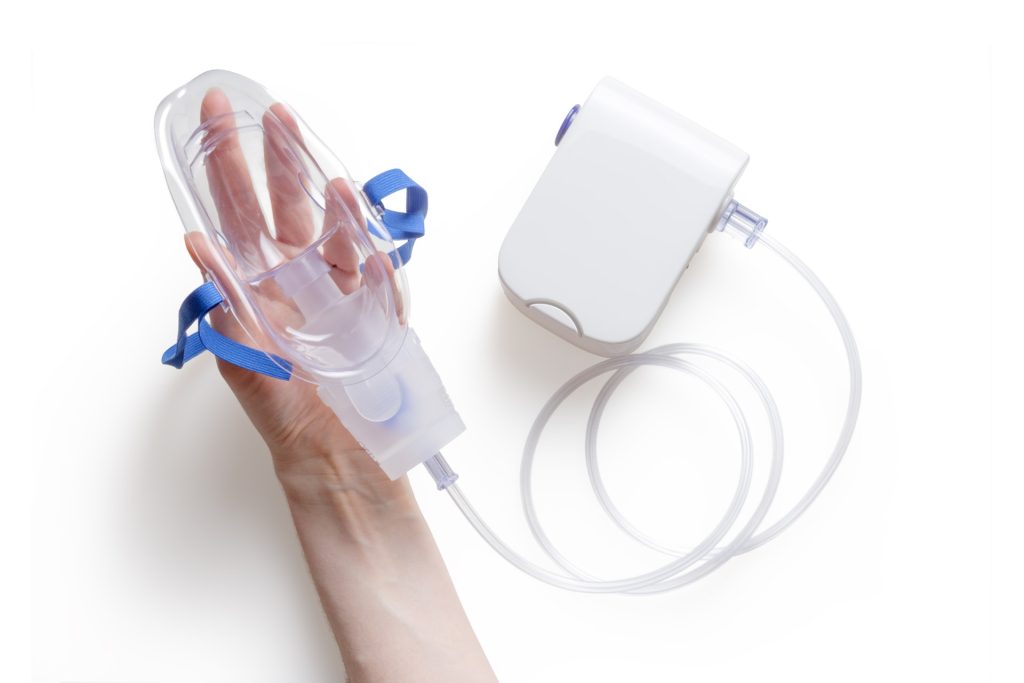
A small dose of nitrous oxide may be able to relive the symptoms of medication-resistant depression. Photo by Mockup Graphics on Unsplash

A new study at the University of Chicago Medicine and Washington University found that inhaling low doses of nitrous oxide gas rapidly relieved symptoms of treatment-resistant depression, with few adverse side effects. They found that this was as effective as higher doses of the gas, with fewer unpleasant side effects.

These findings add to the growing body of evidence of non-traditional treatments that may be a viable option for patients with depression that is unresponsive to typical antidepressant medications. It may also be a fast-acting and effective treatment option for patients in crisis.

Often called ‘laughing gas’, nitrous oxide is widely used as an anaesthetic, providing short-term pain relief in dentistry, emergency response and surgery.

A previous study tested a one-hour inhalation session with 50% nitrous oxide gas, which resulted in rapid improvements in depressive symptoms that lasted for at least 24 hours. However, several patients reported negative side effects, including nausea, vomiting and headaches.

“This investigation was motivated by observations from research on ketamine and depression,” said Peter Nagele, MD, Chair of Anesthesia and Critical Care at UChicago Medicine. “Like nitrous oxide, ketamine is an anaesthetic, and there has been promising work using ketamine at a sub-anesthetic dose for treating depression. We wondered if our past concentration of 50% had been too high. Maybe by lowering the dose, we could find the ‘Goldilocks spot’ that would maximize clinical benefit and minimize negative side effects.”

The new study used a similar protocol with 20 patients, this time adding an additional inhalation session with 25% nitrous oxide. They found that the halved-concentration treatment was nearly as effective as 50% nitrous oxide, but there were only one quarter of the negative side effects.

Additionally, researchers tested the patients’ depression scores following treatment over a longer period of up to two weeks compared to 24 hours in the previous protocol. Surprisingly, they found that after only a single administration, some patients had improvements that lasted for the entire follow-up period.

“The reduction in side effects was unexpected and quite drastic, but even more excitingly, the effects after a single administration lasted for a whole two weeks,” said Dr Nagele. “This has never been shown before. It’s a very cool finding.”

These findings point to nitrous oxide being a promising, rapid and effective treatment for those suffering from severe depression which is unresponsive to the usual medication such as SSRIs.

“A significant percentage — we think around 15% — of people who suffer from depression don’t respond to standard antidepressant treatment,” said Charles Conway, MD, Professor of Psychiatry and Director of the Treatment Resistant Depression and Neurostimulation Clinic at Washington University School of Medicine. “These ‘treatment-resistant depression’ patients often suffer for years, even decades, with life-debilitating depression. We don’t really know why standard treatments don’t work for them, though we suspect that they may have different brain network disruptions than non-resistant depressed patients. Identifying novel treatments, such as nitrous oxide, that target alternative pathways is critical to treating these individuals.”

Despite its ‘laughing gas’ name, patients actually fall asleep after such a low dose.

“They’re not getting high or euphoric, they get sedated,” Dr Nagele said.

Non-traditional treatments for depression faces an uphill battle for acceptance in the mainstream, though researchers hope that the findings from this and similar studies will help open physicians’ minds towards these other possible solutions.

“These have just been pilot studies,” said Dr Nagele. “But we need acceptance by the larger medical community for this to become a treatment that’s actually available to patients in the real world. Most psychiatrists are not familiar with nitrous oxide or how to administer it, so we’ll have to show the community how to deliver this treatment safely and effectively. I think there will be a lot of interest in getting this into clinical practice.”

With broader public acceptance, Dr Nagele hopes that these results help those patients who are struggling to find adequate therapies for their depression.

“There is a huge unmet need,” he said. “There are millions of depressed patients who don’t have good treatment options, especially those who are dealing with suicidality. If we develop effective, rapid treatments that can really help someone navigate their suicidal thinking and come out on the other side — that’s a very gratifying line of research.”

Source: University of Chicago Medical Center

Journal information: P. Nagele et al., “A phase 2 trial of inhaled nitrous oxide for treatment-resistant major depression,” Science Translational Medicine (2021). 

Using a Gaming Console can Improve Stroke Patient Rehabilitation

Photo by Tima Miroshnichenko from Pexels

A study by the Faculty of Physiotherapy of the University of Valencia (UV) has shown that a physiotherapy programme using the Nintendo Wii console improves the functionality, balance and daily activities of patients who have suffered a cerebrovascular accident or stroke.
Wii research group

The study found that when the Wii is added to conventional physiotherapy techniques, the benefits are significant in stroke patients. Besides improvements in functionality and balance, the physiotherapy programme using the Wii also helps to improve daily activities.

The use of game consoles in medicine has focused on aspects such as helping build motor skills and pain management with virtual reality immersion. They are relatively cheap and available, and simple to use. One study looked at using a Microsoft Xbox to help rehabilitation of patients with Parkinson’s disease.

Previous research had already shown that the Wii can help normal treatments in restoring functionality in some chronic diseases. However, until now, there was little evidence of its use in people who had suffered strokes. “Before conducting the study we realised that not much research had been done with stroke patients, so we wanted to know if console games could promote mobility, balance and the day-to-day life of people with this pathology”, explained Elena Marqués, one of the researchers and professor of Physiotherapy at the UV.

The study recruited 29 participants into two groups, one using the Wii and conventional techniques, and the other performing traditional physiotherapy exercises. “The sample is relatively large considering it is comprised by patients who suffered strokes, as because they have many physical limitations, their treatment is usually much more individualised than that of other pathologies”, said the author.

These video games allow therapists to design rehabilitation programs that improve the principles of brain plasticity. An additional advantage is that the console provides real-time feedback on performance and progress, which can increase patient motivation, fun, and treatment adherence. “It should be taken into account that some patients have not performed any exercise before, regardless of the pathology they have, so being presented as a game can be an incentive”, said Prof Marqués.

She pointed out that other benefits include the Wii being easy to use, relatively affordable and, most importantly, can be used individually and at home, without needing to visit a rehab centre. This is particularly useful with COVID lockdowns.

This is one of the first studies using consoles as a therapeutic option, but it can be extended to patients with other pathologies, “because it allows you to work the balance with the console table, both in the chronic phase and in the subacute phase”, said Marqués.

Strengthening mirror neurons

Many Wii games use the remote control, but the console also offers a balance table that detects weight transfer by reflecting it in an avatar on the screen, letting the patient observe his/her own movements and generate positive feedback.

Thus, when the person observes his/her movements, the plasticity changes that depend on the use of sensory areas belonging to the mirror neuron system are strengthened. This exemplifies, among other factors, the improvements the Wii can provide in such patients. This feedback could result in a strengthening of the learning mechanisms of different motor and sensory activities and ultimately improving quality of life.

Source: Asociación RUVID

Training Humans to Spot Abnormalities in 50 Milliseconds

Photo by Kony Xyzx from Pexels

After looking for just one-twentieth of a second, experts in camouflage breaking can accurately detect not only that something is hidden in a scene, but precisely identify the camouflaged target, with great potential in medical diagnostic settings as well for the military.

Medical College of Georgia neuroscientist Dr Jay Hegdé and his colleagues developed a relatively rapid method for training civilian novices to become expert camouflage breakers, a skill that even allowed them to sense that something was amiss even when there was no specific target to identify.

Experienced radiologists also have this intuitive sense, detecting subtle changes in mammograms, sometimes years before there is a detectable lesion. One of the main goals of radiology education is training novices to develop advanced or ‘expert’ search methods to improve their recognition of abnormalities, While artificial intelligence may significantly improve diagnosis, there is also the potential to improve the skills of humans. 

The researchers behind the camouflage breaking technique wanted to know if trainees could detect the actual camouflaged target or just sense that something is out of place, an issue that is highly significant in real world circumstances.

They already knew that they could train most nonmilitary individuals with good vision to break camouflage in as little as an hour daily for two weeks, which could benefit the military.

“The potential for rapid training of novices in the camouflage-breaking paradigm is very promising as it highlights the potential for application to a wide variety of detection and localisation tasks,” said Dr Frederick Gregory, programme manager, US Army Combat Capabilities Development Command Army Research Laboratory. “Results in experts highlight an opportunity to extend the training to real world visual search and visualisation problems that would be of prime importance for the Army to solve.“

This sort of enhanced ability to spot something amiss could have great applications in medical diagnosis and in search and rescue situations, to name a few.

For this study, six adult volunteers with normal or corrected-to-normal vision were trained to break camouflage using Hegdé’s deep-learning method, but received no specific  training on how to pinpoint the target. Participants viewed digitally synthesised camouflage scenes such as foliage or fruit and each scene had a 50-50 chance of containing no target versus a camouflaged target like a human head or a novel, 3D digital image. Similar to how computer scientists ‘trained’ self-driving cars, the idea is to get viewers to get to know the lay of the land that is their focus. “If it turns out there is something that doesn’t belong there, you can tell,” he said.

Trainees could then either look at the image for 50 milliseconds or as long as they wanted, then proceed to the next step where they quickly viewed a random field of pixels, that work like a visual palate cleanser, before acknowledging whether the camouflage image contained a target then using a mouse to show where the target was. “You have to work from memory to say where it was,” he notes.

When the participants could look at the image for as long as they wanted, the reported target location was not much different from when they only had 50 milliseconds — which is not a lot of time for their eyes to move around, Dr Hegdé said.

Again, participants had no subsequent training on identifying precisely where the target was. Yet even without that specific training, they could do both equally well. “This was not a given,” Dr Hegdé noted.

In a second experiment with seven different individuals they used a much-abbreviated training process, which basically ensured participants knew which buttons to push when, using a clearly more pronounced ‘pop-out’ target with scenarios like a black O-shaped target among a crowd of black C shapes. Both the longer and shorter viewing times yielded similar results to the more extensively trained camouflage-breakers both in accuracy and reaction time.

Camouflage is used extensively by the military, from deserts to jungles, with the visual texture changing to blend with the natural environment. “You often are recognised by your outline, and you use these patterns to break up your outline, so the person trying to break your camouflage doesn’t know where you leave off and the background begins,” he said. Animals have also used camouflage for millions of years to evade predators, or to sneak up on prey.

Context is another important factor for recognition, he pointed out, giving the example of not recognising a person whose face you have seen several times when you see them in a different setting. His current Army-funded studies aim to further explore the importance of context, and the ramifications of ‘camouflage breaking’ in identifying medical problems.

He noted that even with his training, some people are inherently better at breaking camouflage than others (he is really bad at it, he admitted) and the reason why is a goal for future research.

Source: Augusta University

A New Bacterium Might Help Treat Type 2 Diabetes and Obesity

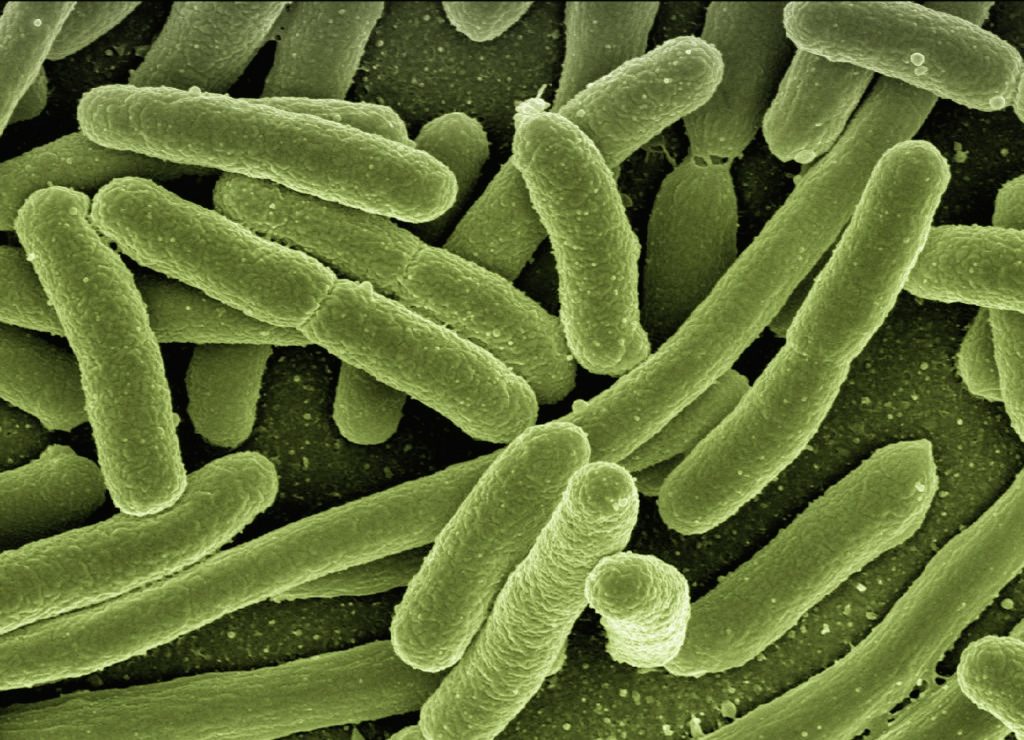
E. Coli bacteria. Image by CDC

A newly discovered bacterium has been shown to have a possible link to type 2 diabetes and obesity, and may yield pathways to possible treatments.

It began when Patrice Cani, FNRS researcher at University of Louvain (UCLouvain), and his team repeatedly observed that a certain bacterium, Subdoligranulum, is usually lacking in obese and diabetic people, while it is systematically present in healthy people. Based on this, they decided to examine this family of bacteria.

Currently only one cultivated strain of this family is available in the world (the only known member of a large family) and was not the strain that was seen to be decreased in obese and diabetic people. This is not unusual: nearly 70% of bacteria in the intestine have not yet been identified — this is called the dark matter of the intestine.

In 2015, the team then set out to isolate the bacterium themselves in order to learn about its action on the human body, knowing that it is only present in healthy people. To find a second member of the family, the scientists spent two years searching, isolating and cultivating nearly 600 intestinal bacteria. 

All of this was in vain. Instead, the UCLouvain team uncovered a bacterium of a new, previously unknown kind. They named it Dysosmobacter welbionis: Dysosmo (“which smells bad”, in Greek), bacter (bacterium) is the bacterium which stinks, “Because, when you grow it, it has a slight odour,” they explained. Welbionis for WELBIO, the organisation in the Walloon region which funded this research.

The bacterium is peculiar for a number of reasons, including the fact that it produces butyrate. Though many other bacteria produce this colon cancer-promoting molecule, for example by strengthening the intestinal barrier and boost immunity. But the team also discovered that Dysosmobacter welbionis was less present in people with type 2 diabetes.

By analysing the microbiota from 12 000 faecal samples gathered from around the world, the UCLouvain scientists observed that the bacteria is present in 70% of the population. As to why such a widely prevalent bacteria was never discovered before, the answer likely lies in the improved cultivation techniques developed by the UCLouvain team.

The UCLouvain team including doctoral student Emilie Moens de Hase and post-doctoral fellow Tiphaine Le Roy then tested the action of Dysosmobacter welbionis in mice. The Results? The bacteria increased the number of mitochondria (a kind of power plants within cells that burns fat), thereby lowering sugar levels and weight, in addition to having strong anti-inflammatory effects. All these effects are very promising for type 2 diabetic and obese subjects and resemble those of Akkermansia, a beneficial bacterium that is at the heart of the research in Patrice Cani’s lab.

They also observed that the bacteria’s effects are not limited to the gut: Scientists have found that certain molecules produced by Dysosmobacter migrate around the body and have distant actions as well. This could explain the effects the bacteria have on the fat tissues, and also opens the doors for a possible impact on other diseases such as cancer. This is currently being investigated by the team.

The next step is to test the action of Dysosmobacter welbionis coupled with that of Akkermansia, in order to see if their association has cumulative effect on health, while always keeping in mind the fight against type 2 diabetes, inflammatory diseases, obesity and cancer. “That’s the fun of research: you dig for dinosaur bones and you end up finding a treasure,” Patrice Cani enthused.

Source: Université catholique de Louvain

Journal reference: Roy, T. L., et al. (2021) Dysosmobacter welbionis is a newly isolated human commensal bacterium preventing diet-induced obesity and metabolic disorders in mice. Gut. doi.org/10.1136/GUTJNL-2020-323778.