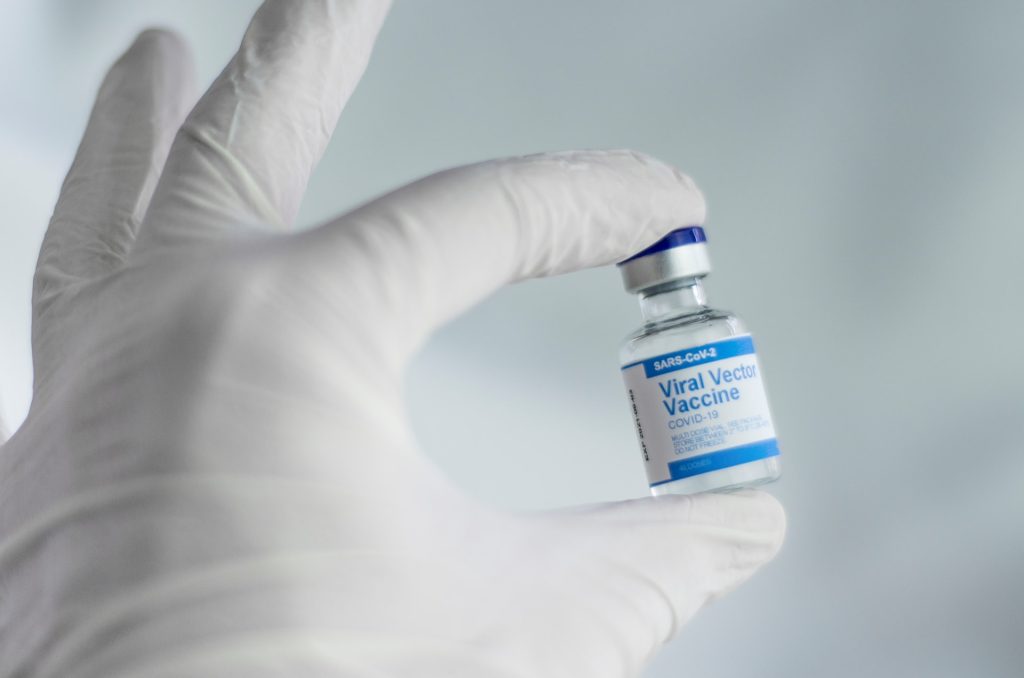
As COVID cases continue to rise virtually unabated by the move to Level 2 lockdown, there are reportedly discussions at the National Coronavirus Command Council to tighten the lockdown restrictions.
The Gauteng government wants the province to have tighter lockdown restrictions, as it is host to about half of daily new infections of COVID in the country. Despite the high infection rate in the province, many in Gauteng are against tougher restrictions, such as the Gauteng Education Department and South African Council of Churches. Acting Health Minister Mmamoloko Kubayi-Ngubane says that she will speak to the National Coronavirus Command Council about the issue.
The province’s premier David Makhura said the province is asking for increased measures. “Level 2 as we know it currently is not having a sufficient impact,” he said. “People are going on as if we are really not in the middle of a raging pandemic.”
With Charlotte Maxeke Academic Hospital being indefinitely closed, the pressure is mounting on both public and private facilities which running out of ICU beds.
“So, we talk to the private hospitals almost on a daily basis, and they do indicate to us that they are running almost at about 80% of their capacity for ICU. In the public hospitals, we are also running at about 70%,” said Thabo Masebe, communications head of the Gauteng government.
He confirmed that the province was looking for tougher restrictions to curb new infections.
“That’s what the premier had said. He will be raising that with national government to see what added restrictions could be made to help slow down the rate of infections in the province,” Masebe said.
The human body needs adequate sunshine exposure to synthesise vitamin D, otherwise it must be supplied by supplements. Photo by Anders Jildén on Unsplash
Vitamin D deficiency enhances the craving for and effects of opioids, potentially worsening addiction risk, according to a new study.
These findings by researchers at Massachusetts General Hospital (MGH), published in Science Advances, suggest that the opioid crisis could partly be addressed by treating the common problem of vitamin D deficiency with inexpensive supplements.
In 2007, David E. Fisher, MD, PhD, director of the Mass General Cancer Center’s Melanoma Program and director of MGH’s Cutaneous Biology Research Center (CBRC) and his team found something unexpected: UVB ray exposure causes the skin to produce endorphin, which is chemically related to morphine, heroin and other opioids, which all activate the same receptors in the brain. Further research found that UV exposure raises endorphin levels in mice, which then display behaviour consistent with opioid addiction.
Endorphin induces a sense of mild euphoria. Research has suggested that some people develop urges to sunbathe and visit tanning salons that mirror the behaviours of opioid addicts. Dr Fisher and colleagues speculated that people may seek out UVB for the endorphin rush. But that suggests a major contradiction. “Why would we evolve to be behaviourally drawn towards the most common carcinogen that exists?” asked Dr Fisher.
Dr Fisher believes that the only explanation for why humans and other animals seek out the sun is that UV radiation exposure is necessary for production of vitamin D. One of vitamin D’s functions is promoting the uptake of calcium, essential for building bone. As humans migrated north during prehistoric times, they must have developed some kind of compulsion to venture outside of caves and on dark days, otherwise the vitamin D level would have debilitated them, especially the children.
This theory led Fisher and colleagues to hypothesise that sun seeking is driven by counteracting vitamin D deficiency for survival, and that vitamin D deficiency might also make the body more sensitive to the effects of opioids, potentially contributing to addiction. “Our goal in this study was to understand the relationship between vitamin D signaling in the body and UV-seeking and opioid-seeking behaviors,” says lead author Lajos V. Kemény, MD, PhD, a postdoctoral research fellow in Dermatology at MGH.
The researchers addressed the question from dual perspectives. One study arm compared normal laboratory mice with mice that were deficient in vitamin D (either through special breeding or by removing vitamin D from their diets). “We found that modulating vitamin D levels changes multiple addictive behaviours to both UV and opioids,” said Kemény. Importantly, when the mice were conditioned with modest doses of morphine, the vitamin D deficient mice continued seeking out the drug, more than the normal mice. Mice with low vitamin D levels were far more likely to develop morphine withdrawal symptoms.
The study also found that morphine relieved pain more effectively in mice with vitamin D deficiency – an exaggerated opioid response in these mice, and possibly concerning if it’s also true in humans, said Dr Fisher. For example, a surgery patient receiving morphine for pain control after the operation, and if they are deficient in vitamin D, the euphoric effects of morphine could be exaggerated, said Dr Fisher, “and that person is more likely to become addicted.”
This data suggesting vitamin D deficiency increases addictive behaviour was bolstered by analyses of human health records. One showed that, compared to those with normal levels, patients with modestly low vitamin D levels were 50 per cent more likely to use opioids, while patients who had severe vitamin D deficiency were 90 percent more likely. Another analysis found that patients with opioid use disorder (OUD) were more likely to be deficient in vitamin D.
Back in the lab, one of the study’s other critical findings could have significant implications, said Dr Fisher. “When we corrected vitamin D levels in the deficient mice, their opioid responses reversed and returned to normal,” he says. In humans, vitamin D deficiency is widespread, but is safely and easily treated with low-cost dietary supplements, notes Fisher. While more research is needed, he believes that treating vitamin D deficiency may be a new way to reduce the risk for OUD and bolster existing treatments for the disorder. “Our results suggest that we may have an opportunity in the public health arena to influence the opioid epidemic,” says Fisher.
A new 3D printing process developed by University of Nottingham researchers, allows customised production of artificial body parts and other medical devices with built-in functionality offering shape and durability, while also cutting bacterial infection risk.
“Most mass-produced medical devices fail to completely meet the unique and complex needs of their users,” explained lead researcher Dr Yinfeng He, Centre for Additive Manufacturing. “Similarly, single-material 3D printing methods have design limitations that cannot produce a bespoke device with multiple biological or mechanical functions.”
“But for the first time, using a computer-aided, multi-material 3D-print technique, we demonstrate it is possible to combine complex functions within one customised healthcare device to enhance patient wellbeing.”
The team’s hope is that their new design process can be applied to 3D-print any highly customised medical device.
For example, the method could be adapted to create a single-part prosthetic limb or joint with greater comfort and functionality; or printing customised pills containing multiple drugs – known as polypills – optimised to release their contents in a planned sequence.
What it can do
For this study, the researchers applied a computer algorithm to design and manufacture 3D-printed objects made up of two polymer materials with differing stiffness that also prevent bacterial biofilm build-up. Combining these two materials, they produced an implant with the required strength and flexibility.
Artificial finger joint replacements currently use both silicone and metal parts, offering the wearer a standardised level of dexterity but must be rigid enough to implant into bone. The team 3D-printed a finger joint as a demonstration, which offered these dual requirements in one device, while also being able to customise its size and strength to meet individual patient requirements. They can even make use of intrinsically bacteria-resistant and bio-functional multi-materials, combating infection without extra antibiotics.
A new high-resolution characterisation technique (3D orbitSIMS) was used to 3D-map the chemistry of the print structures and to test the bonding between them throughout the part. This showed that the two materials were intermingling at their interfaces; a sign of good bonding and therefore a stronger device.
The study was carried out by the Centre for Additive Manufacturing (CfAM) and funded by the Engineering and Physical Sciences Research Council. The complete findings are published in Advanced Science, in a paper entitled: ‘Exploiting generative design for 3D printing of bacterial biofilm resistant composite devices’.
Prior to making the technique commercialised, the researchers plan to try out more advanced materials with extra functionalities such as controlling immune responses and promoting stem cell attachment.
A sharp drop in heart attacks in Finland last year seems to be a result of the COVID pandemic, doctors believe.
Cardiologist Mika Laine noticed a roughly 30 per cent reduction in the number of patients suffering myocardial infarction at Helsinki University Central Hospital in April and May 2020. But what was even more surprising was that this was not an isolated occurrence.
“When we started to study this further, we noticed that exactly the same phenomenon happened everywhere else in Finland and also in other countries in Europe and in the United States. So it was a kind of global phenomenon that happened during the COVID pandemic,” he told Euronews.
What was behind the drop?
Dr Laine is of the opinion that the fall in heart attack patient numbers results from changes made in response to the COVID outbreak.
“We have the exact same genes that we had a year ago, two years ago. So it has to be something in the environment that has changed,” he said. One major factor could be the massive global shift to remote working for many people, as a result of the lockdowns.
“People are at home, they are less stressed because they don’t need to go through morning traffic, hurry to work and so forth,” Dr Laine added.
EU Science Hub data shows that even before the pandemic, Finns worked remotely more than almost any other EU country. Last May, EU labour research body Eurofound revealed that Finnish workers made the fastest switch to teleworking in the EU, with nearly 60 per cent switching over.
“We also see this decrease in those people who are retired, who don’t go to work, so it cannot be just because you’re commuting,” said Dr Laine. He however cautioned that there could be other factors behind the fall in heart attack patients.
Was there a real fall in heart attacks in 2020?
“We know that many people stopped smoking because smoking was associated with severe COVID mortality,” he said.
Better air quality in urban areas as a result of the lockdown could be another cause, Laine said, since airborne particles are known to be a risk factor for heart disease.
However not all are convinced that the pandemic had a positive impact on patients with all types of heart conditions.
Research published in the Journal of the American College of Cardiology in January found that, during the early phase of the pandemic, deaths due to ischaemic heart disease and hypertensive diseases increased in some parts of the US. Some patients may have died as a result of avoiding hospital visits due to infection fears, the researchers noted.
A temporary or permanent effect?
With Finland, however,Dr Laine believes that was not the case.
“We haven’t seen any increase in mortality in cardiac diseases and so currently we think that it’s a true decrease in the number of cases and not because patients are not seeking help,” he said. “People were not dying at home to myocardial infarction”.
According to Dr Laine, the number of heart attack patients in Finland remains about 5 per cent lower than average, despite the easing of COVID restrictions.
“I think this is a typical example that environmental factors can have profound effects on myocardial infarction. And I think it’s motivating us to change our lifestyle healthier,” Dr Laine said.
In yet another blow to South Africa’s flagging vaccination programme, millions of the Johnson & Johnson vaccine doses meant to be used have been declared unfit for use. This is due to contamination concerns at one of the group’s facilities in the US.
The US Food and Drug Administration said that the doses were not suitable for use. Upon reviewing this decision, the South African Health Products Regulatory Authority (SAHPRA) said in a statement that it had decided “not to release vaccine produced using the drug substance batches that were not suitable”.
J&J’s Emergent plant was ordered to pause production in April several weeks after it was determined that batches of a substance used to produce the vaccine were cross-contaminated with ingredients from another jab made by Anglo-Swedish pharma giant AstraZeneca. The FDA is yet to allow the factory to reopen.
Acknowledging the setback in South Africa’s vaccination programme, acting Health Minister Mmamoloko Kubayi-Ngubane said Saturday that the batches concerned were stored in a high-security laboratory in Port Elizabeth belonging to drugmaker Aspen. Aspen meanwhile promised that it is ramping up production elsewhere to meet the shortfall, and President Ramaphosa said that he discussed with President Biden the possibility of receiving US vaccine donations.
Along with other countries South Africa, is pushing for a patent waiver on COVID vaccines to allow low cost production of generics.
“If we are to save lives and end the pandemic, we need to expand and diversify manufacturing and get medical products to treat, combat and prevent the pandemic to as many people as quickly as possible,” President Cyril Ramaphosa told the G7 group of wealthy nations meeting in Britain on Sunday. The country needs 31 million doses of the J&J vaccine to help vaccinate its population of 59 million.
South Africa has secured 30 million doses of the highly effective Pfizer-BioNTech vaccine, but is a two-dose vaccine which has significant cold chain requirements.
Emergency shipment
SAHPRA stated that there is a new delivery of approximately 300 000 J&J doses “that have been cleared by the US FDA that meet the requirements and will subsequently be released and shipped to South Africa.” The expiry date of these doses have been extended, and will be ready for administration to South African teachers within days.
Vaccinations were already paused in April after reports of rare cases of blood clots. And in February, South Africa rejected over 1.5 million doses of AstraZeneca’s vaccine as it was deemed ineffective. The J&J vaccines were already facing expiry as they had been removed from long term storage.
South Africa has only vaccinated just over 1% of its population but as far as can be ascertained with limited testing in Africa is the hardest hit by COVID on the continent, with over 1.7 million recorded cases. Source: Eyewitness News
Chinese researchers have discovered a new regulatory mechanism for the regeneration capacity of skin hair, with important clues for developing treatments for hair loss. Hair loss or alopecia is an extremely common condition, yet there is still no effective therapy for it.
In the skin, activation of hair follicle stem cells (HFSCs) and progenitors by growth factor stimulation is the basis for hair follicle and hair regeneration. Hair regeneration defects can often attribute to blunted responses of HFs to growth stimuli, but it is how the sensitivity of HFSCs or progenitors to growth stimuli is determined is still unclear. Figuring out the answer to this question will provide important clues for the treatment of hair-related diseases such as alopecia.
To this end, Prof Zhang Liang’s group from the Shanghai Institute of Nutrition and Health (SINH) of the Chinese Academy of Sciences, and collaborators uncovered the role of the micro RNA miR-24 and its mechanism in limiting the regenerative ability of hair follicle (HF) progenitors, opening up new therapeutic avenue for hair loss treatment. microRNAs regulate key steps of cell differentiation and development through suppressing gene expression in a sequence-specific manner.
The researchers discovered that that the resting-to-activation transition of HF is associated with significant down-regulation of miR-24 in HF progenitors prior to their activation.
By experimenting with mouse models, they found that miR-24 limits the sensitivity of HF progenitors to growth stimuli. miR-24 over-expression in the skin epithelium significantly delayed HF progenitor activation and hair cycle progression, while its conditional ablation significantly accelerated the hair cycle and increased the HFs’ sensitivity to growth stimuli.
Interestingly, the conditional ablation of miR-24 in skin epithelium significantly improved the effect of Minoxidil lotion on stimulating hair growths without detectable side effects, indicating that miR-24 could be a new potential target for hair regeneration therapies.
Mechanistically, the researchers discovered that Plk3 is a new miR-24 target gene that mediates the function of miR-24 to limit hair growth by regulating CCNE1, a key cell cycle regulator. They also found that miR-24 acts downstream bone morphogenetic protein (BMP), which is a known inhibitory signal for hair growth.
The study revealed that miR-24 is a key factor limiting the regenerative ability of skin HF progenitors. How adult stem cells respond appropriately to environmental stimuli is a question of fundamental importance in stem cell biology.
Journal information: Fengzhen Liu et al, miR-24 controls the regenerative competence of hair follicle progenitors by targeting Plk3, Cell Reports (2021). DOI: 10.1016/j.celrep.2021.109225
The World Health Organization has released new guidance that aims to put an end to abuse of people in psychiatric care by embracing community-based mental healthcare.
Around the world, most mental health care continues to be provided in psychiatric hospitals, and human rights abuses and coercive practices remain widespread. But providing community-based mental health care that is both respectful of human rights and focused on recovery is proving successful and cost-effective, according to new guidance released today by the World Health Organization.
The Life Esidimeni tragedy highlights the importance of providing adequate care to mental health patients. Mental health care recommended in the new guidance should be located in the community, and which also supports day-to-day living, such as facilitating access to accommodation and links with education and employment services.
WHO’s new “Guidance on community mental health services: promoting person-centred and rights-based approaches” further affirms that mental health care must be grounded in a human rights-based approach, as recommended by the WHO Comprehensive Mental Health Action Plan 2020-2030 endorsed by the World Health Assembly in May 2021.
Faster transition needed “This comprehensive new guidance provides a strong argument for a much faster transition from mental health services that use coercion and focus almost exclusively on the use of medication to manage symptoms of mental health conditions, to a more holistic approach that takes into account the specific circumstances and wishes of the individual and offers a variety of approaches for treatment and support,” said Dr Michelle Funk of the Department of Mental Health and Substance Use, who led the development of the guidance.
A growing number of countries are seeking to reform their laws, policies and services related to mental health care since the adoption of the Convention on the Rights of Persons with Disabilities (CRPD) in 2006, But few countries have so far set down the necessary frameworks to meet the far-reaching changes required by international human rights standards. Severe human rights abuses and coercive practices are still far too common in countries of all income levels. Examples of these include forced admission and forced treatment; manual, physical and chemical restraint; unsanitary living conditions; and physical and verbal abuse.
Governments spend less than 2% of their health budgets on mental health, according to WHO’s latest estimates and most mental health expenditure is allocated to psychiatric hospitals, save for high-income countries where the figure is around 43%.
The new guidance, mainly aimed at people responsible for organising and managing mental health care, presents details of what is required in areas such as mental health law, policy and strategy, service delivery, financing, workforce development and civil society participation for mental health services to achieve compliance with the CRPD.
It includes examples from countries which have community-based mental health services that have shown good practices in respect of non-coercive practices, community inclusion, and respect of people’s legal capacity (ie the right to make decisions about their treatment and life).
The required services include crisis support, mental health services provided within general hospitals, outreach services, supported living approaches and support provided by peer groups. Information about financing and results of evaluations of the services presented are included. The report include cost comparisons which show that the featured community-based services produce good outcomes, are preferred by service users and cost about the same as standard mental care services.
“Transformation of mental health service provision must, however, be accompanied by significant changes in the social sector,” said Gerard Quinn, UN Special Rapporteur on the Rights of Persons with Disabilities. “Until that happens, the discrimination that prevents people with mental health conditions from leading full and productive lives will continue.”
Researchers have discovered that a key genetic repair protein also cleans up ‘traps’ left by another protein, its partner in genetic repair.
DNA is constantly getting damaged: the delicate strands that carry life’s genetic code take quite a beating as they jumble about in the course of their work. Errors can accumulate if left untreated, with fatal consequences — such as cancerous tumors — for the cell and the organism.
Two key proteins are involved in preventing the damage from getting out of hand: PARP — or poly ADP ribose polymerase — acts as a marker for a trouble spot, allowing XRCC1 — or X-ray repair cross-complementing protein 1 — to locate the damage and start repairs.
The repair functions of these two proteins have been known for some time. The importance of this has been recognised with the 2015 Nobel prizes for chemistry, as this knowledge allowed the development of anti-cancer drugs, known as PARP inhibitors, that disrupt the growth of certain kinds of tumours.
Although these key proteins had been identified, their precise roles were not well understood. It took a team of scientists at Tokyo Metropolitan University, the University of Sussex, and Kyoto University to revealed how exactly XRCC1 accomplishes its work — and it was a surprising discovery.
“PARP turns out to be something of a villain,” explained Kouji Hirota at Tokyo Metropolitan. “The spots it marks become ‘PARP traps’, which left un-repaired lead to disfunction and cell death.”
It seems that XRCC1 doesn’t just simply repair DNA, it goes about disarming PARP traps. The scientists compared cells without the XRCC1 gene to those without PARP as well as to still others which lacked both proteins. The team found that without XRCC1 on patrol, PARP traps accumulate like landmines.
“PARP exerts toxic effects in the cell and XRCC1 suppresses this toxicity,” Hirota elaborated.
The team aims to further explore these processes, with the goal of aiding development of future cancer treatments.
KyotoU’s Shunichi Takeda said: “These results indicate that XRCC1 is a critical factor in the resolution of PARP traps and may be a determinant of the therapeutic effect of PARP inhibitors used in the treatment of hereditary breast and ovarian cancer syndromes.”
Journal reference: Demin, A. A., et al. (2021) XRCC1 prevents toxic PARP1 trapping during DNA base excision repair. Molecular Cell. doi.org/10.1016/j.molcel.2021.05.009.
A team from the National University of Singapore (NUS) has devised an innovative way to charge wearable devices such as medical monitors — by transmitting power through the body to other devices.
Advancements in wearable technology are reshaping the way we live, work and play, and also how healthcare is delivered and received. Wearable devices include wristbands, smartwatches, wearable mobile sensors, and other mobile hub medical devices that collect a large range of data from blood sugar and exercise routines to sleep and mood.
Such devices can help patients and providers manage chronic conditions such as diabetes, heart conditions, and chronic pain. According to the Pew Research Center, 60% of US adults reported tracking their weight, diet, or exercise routine; 33% of US adults track health symptoms or indicators such as blood pressure, blood sugar, or sleep patterns; and 8% of adults specifically use medical devices, such as glucose meters.
One major obstacle of using wearables is keeping these devices properly and conveniently powered. The more wearable devices are worn, the more often there is the need to charge multiple batteries. Many users find it cumbersome to charge numerous devices every day, and inconvenient service disruptions occur when batteries run out.
A research team, led by Associate Professor Jerald Yoo from the Department of Electrical and Computer Engineering and the N.1 Institute for Health at NUS, has come up with an innovative solution to these problems. Their technology utilises the human body as a medium for power transmission, enabling a single device, such as a mobile phone placed in the pocket, to wirelessly power other wearable devices on a user’s body. The team’s novel system has an added advantage – it can harvest unused energy from electronics in a typical home or office environment to power the wearables.
Their achievement was first published in the journal Nature Electronics on 10 June 2021. It is the first of its kind to be established among existing literature on electronic wearables.
Power transmission through the body
To extend the battery life of wearable devices, power transmission and energy harvesting approaches are required. However, current approaches for powering up body area wearables are hampered by short distances, intervening obstacles and unstable power delivery. As such, none of the current methods are suitable for the sustainable provision of power to wearables placed around the entire human body.
The NUS approach turned the obstacle of the human body into an advantage by designing a receiver and transmitter system that uses the human body as a medium for power transmission and energy harvesting. Each receiver and transmitter contains a chip that is used as a springboard to extend coverage over the entire body.
The power transmitter need only be on a single power source, such as a smart watch, while multiple power receivers can be placed anywhere on the person’s body. The system then harnesses energy from the source to power multiple wearables on the user’s body via a process termed as body-coupled power transmission. In this way, only one device needs to be charged, and the rest of the wearable devices can be powered from that source. The team’s experiments showed that a single, fully-charged power source to power up to 10 wearable devices on the body, for a duration of over 10 hours.
The researchers also found that typical office and home environments have parasitic electromagnetic (EM) waves that people are constantly exposed to from sources such as running computers. To tap this energy, their novel receiver scavenges the EM waves from the environment, and through a process referred to as body-coupled powering, the human body is able to harvest this energy to power the wearable devices.
Smaller wearables without batteries
On the benefits of his team’s method, Assoc Prof Yoo said, “Batteries are among the most expensive components in wearable devices, and they add bulk to the design. Our unique system has the potential to omit the need for batteries, thereby enabling manufacturers to miniaturise the gadgets while reducing production cost significantly. More excitingly, without the constraints of batteries, our development can enable the next generation wearable applications, such as ECG patches, gaming accessories, and remote diagnostics.”
The NUS team will continue to improve the efficiency of their transmitter/receiver system, so that hopefully any given power-transmitting device such as a smartphone can extend the battery life of other wearable technologies, some of which, like medical monitors, can be quite important.
Journal reference: Li, J., et al. (2021) Body-coupled power transmission and energy harvesting. Nature Electronics. doi.org/10.1038/s41928-021-00592-y.
sA new study has shown that children between the ages of 3 and 5 have difficulty in recognising the emotions of people wearing surgical masks. This collateral effect from this measure to prevent COVID transmission could influence the correct development of children’s capabilities of social interaction.
To provide guidance for decision-makers, the World Health Organization (WHO) and UNICEF compiled a document discouraging exposure to the use of facemasks when dealing with children aged up to five years old. In addition, even for older children, WHO recommends weighing up the benefits of wearing facemasks in against potential negative impacts that could include social and psychological problems, and difficulties in communication and learning.
To investigate such possible negative impacts, a study was carried out by the U-Vip (Unit for Visually Impaired People) research team led by Monica Gori at the IIT- Istituto Italiano di Tecnologia (Italian Institute of Technology). The findings were published in Frontiers in Psychology.
A research team led by Monica Gori at the Istituto Italiano di Tecnologia (IIT) focused on the pre-school age group, helping define the measures that can be taken to reduce the impact of the use of surgical masks amongst children. While the wearing of facemasks is not mandatory from 3 to 5 years of age, children are in any case exposed to the use of such preventive measures in various everyday social and educational contexts.
The IIT researchers prepared a quiz containing images of people with and without facemasks, and displayed them on screens to 119 individuals comprising 31 children aged between 3 and 5 years old, 49 children between 6 and 8 years old, and 39 adults between 18 and 30 years old. The participants, independently or with parental assistance in the case of the youngest participants, were asked to try to recognise the faces’ expressions, with and without facemask, conveying different emotions such as happiness, sadness, fear and anger.
When those faces were covered with a facemask, the 3-5 years olds only managed to recognise facial expressions conveying happiness and sadness 40% of the time. The percentages were higher for other age groups: 6-8 years olds had a 55-65% success rate, and 70-80% adults. Generally, however, all age groups displayed some difficulty in interpreting these emotions expressed while the face was partially covered by a facemask. There were better results with other expressions, but the pre-school age children still had the greatest difficulty.
“The experiment was performed in the earliest phases of the 2020 pandemic, and at that time facemasks were still a new experience for everyone,” said Monica Gori. “Children’s brains are highly flexible, and at the moment we are performing tests to ascertain whether children’s understanding of emotions has increased or not.”
“In the study, we worked with children and adults with no forms of disability”, explained Maria Bianca Amadeo, IIT researcher, “of course, these observations are even more important when considering children affected by disabilities.” “Indeed”, added co-author Lucia Schiatti, IIT researcher, “for example visual impairment implies difficulties in social interaction. For such individuals in particular, it will be even more necessary to concentrate on possible preventive measures or specific rehabilitation activities”.
Further research is needed over the next few years to assess the actual impact of this mask wearing on the ability of children with and without disabilities to interact. In the meantime, the findings suggest the use of transparent facemasks for all operators in contact with children in the 3-5 year-old age group, or developing training activities to teach children how to recognise emotions by looking at the eyes.
Journal information: Gori, M., et al. (2021) Masking Emotions: Face Masks Impair How We Read Emotions. Frontiers in Psychology. doi.org/10.3389/fpsyg.2021.669432.