High Burden of Uncontrolled Disease in KwaZulu-Natal
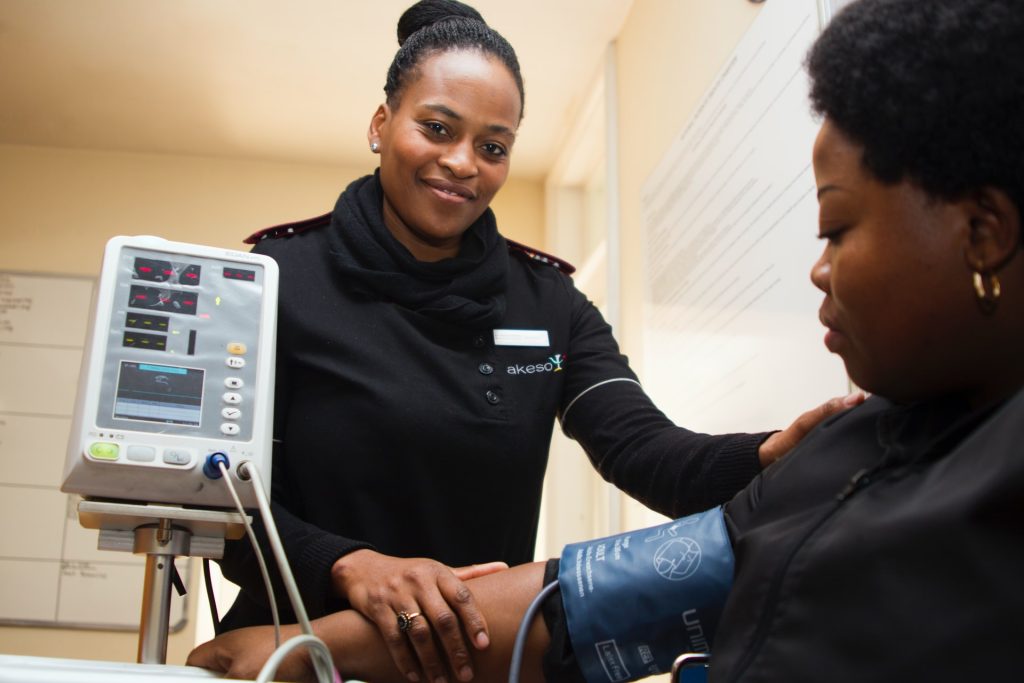
Photo by Hush Naidoo on Unsplash

A comprehensive health-screening program has found a high burden of poorly controlled or uncontrolled disease KwaZulu-Natal, along with a high incidence of undiagnosed diseases.

The study, published in The Lancet Global Health, found that four out of five women over 30 had a chronic health condition, and that the HIV-negative population and older people had the highest burden of undiagnosed or poorly controlled non-communicable diseases such as diabetes and hypertension. The study was conducted at the Africa Health Research Institute (AHRI).

Study co-leader Emily Wong, MD, at AHRI in Durban, said: “The data will give AHRI researchers and the Department of Health critical indicators for where the most urgent interventions are needed,” Dr Wong said. “The research was done before COVID, but it has highlighted the urgency of diagnosing and treating people with non-communicable diseases — given that people with uncontrolled diabetes and hypertension are at higher risk of getting very ill with COVID.” 

HIV-associated tuberculosis infections are particularly prevalent in Durban. Dr Wong of the University of Alabama works there to understand the impact of HIV infection on tuberculosis pathogenesis, immunity and epidemiology. In sub-Saharan Africa, 15 years of intense public health efforts that increased access to antiretroviral therapy has resulted in decreased AIDS mortality and raised life expectancy. As a result, there is an increasing priority to address other causes of disease, including tuberculosis and non-communicable diseases.

Over 18 months, health workers screened 17 118 people aged 15 years and older via mobile camps within 1 kilometre of each participant’s home in the uMkhanyakude district. They found high and overlapping burdens of HIV, tuberculosis, diabetes and hypertension among men and women.

While the HIV cases were largely well diagnosed and treated, some demographic groups  still had high rates of undiagnosed and untreated HIV, such as men in their 20s and 30s. In contrast, the majority of people with tuberculosis, diabetes or hypertension were either undiagnosed or not well controlled. Of particular concern was the high rates of undiagnosed and asymptomatic tuberculosis discovered, as it remains one of the leading causes of death in South Africa.

“Our findings suggest that the massive efforts of the past 15 years to test and treat for HIV have done very well for that one disease,” Dr Wong said. “But in that process, we may have neglected some of the other important diseases that are highly prevalent.”

The mobile camps screened for diabetes, high blood pressure, nutritional status (obesity and malnutrition), and tobacco and alcohol use, as well as HIV and tuberculosis. The tuberculosis screening component included high-quality digital chest X-rays and sputum tests for people who reported symptoms or had abnormal X-rays. Clinical information was combined with 20 years of population data from AHRI’s health and demographic surveillance research. Using a sophisticated data system combined with artificial intelligence to interpret the chest X-rays, AHRI’s clinical team examined the information in real time, referring people to the public health system as needed.

The study found that: 

  • Half of the participants had at least one active disease, and 12 percent had two or more diseases. Diabetes and hypertension incidences were 8.5 percent and 23 percent, respectively.
  • One-third of the people were living with HIV, but this was mostly well diagnosed and treated. A particularly high burden of HIV, high blood pressure and diabetes was seen in women.
  • For tuberculosis, 1.4 percent of the people had active disease, and 22 percent had lifetime disease. About 80 percent of the undiagnosed tuberculosis was asymptomatic, with higher rates of active tuberculosis seen in men.
  • Several disease patterns varied by geographical location — eg, the highest HIV burden was seen near main roads, while higher rates of tuberculosis and non-communicable diseases were seen in more remote areas.

Source: University of Alabama at Birmingham

Journal information: Wong, E. B., et al. (2021) Convergence of infectious and non-communicable disease epidemics in rural South Africa: a cross-sectional, population-based multimorbidity study. The Lancet Global Health. doi.org/10.1016/S2214-109X(21)00176-5.

New Printable Biosensor Could Guide Surgery

Photo by JAFAR AHMED on Unsplash

Surgeons may soon be able to pinpoint critical regions in tissues during surgery without interruption thanks to a new, 3D-printable biosensor.

Associate Professor Chi Hwan Lee created the biosensor, which enables both recording and imaging of tissues and organs during a surgical operation. Research on the biosensor was published in Nature Communications.

Prof Lee explained the benefits of such devices: “Simultaneous recording and imaging could be useful during heart surgery in localising critical regions and guiding surgical interventions such as a procedure for restoring normal heart rhythm.”

Existing methods to simultaneously record and image tissues and organs have proven challenging because other sensors used for recording typically interrupt the imaging process.

“To this end, we have developed an ultra-soft, thin and stretchable biosensor that is capable of seamlessly interfacing with the curvilinear surface of organs; for example the heart, even under large mechanical deformations, for example cardiac cycles,” Prof Lee said. “This unique feature enables the simultaneous recording and imaging, which allows us to accurately indicate the origin of disease conditions: in this example, real-time observations on the propagation of myocardial infarction in 3D.”

The biosensors are made of soft bio-inks and are rapid-prototyped to a custom-fit design, fitting a variety of sizes and shapes of an organ. The bio-inks used are softer than tissue, and can stretch without experiencing sensor degradation but also have reliable natural adhesion to the wet surface of organs without needing extra adhesives. The formulation and synthesis of the bio-inks was thanks to Kwan-Soo Lee’s research group in Los Alamos National Laboratory.

The researchers have produced a number of prototype biosensors using different shapes, sizes and configurations. Craig Goergen, the Leslie A Geddes Associate Professor of Biomedical Engineering in Purdue’s Weldon School of Biomedical Engineering, and his laboratory group have tested the prototypes in mice and pigs in vivo.

“Professor Goergen and his team were successfully able to identify the exact location of myocardial infarctions over time using the prototype biosensors,” Prof Lee said. “In addition to these tests, they also evaluated the biocompatibility and anti-biofouling properties of the biosensors, as well as the effects of the biosensors on cardiac function. They have shown no significant adverse effects.”

Source: Purdue University

Journal information: Kim, B., et al. (2021) Rapid custom prototyping of soft poroelastic biosensor for simultaneous epicardial recording and imaging. Nature Communications. doi.org/10.1038/s41467-021-23959-3.

In Vitro Cancer Cells Differ to Those in Body

Photo by Drew Hays on Unsplash

A new study has shown that most cancer cells grown in vitro have little in common genetically with cancer cells in humans.

Human cancer cells grown in culture dishes have the least genetic similarity to their human sources, according to a new computer-based technique developed by researchers at John Hopkins.

According to the researchers, the finding should help shift more resources to cancer research models such as genetically engineered mice and balls of human tissue known as ‘tumouroids’ to better evaluate human cancer biology and treatments, and the genetic errors responsible for cancer growth and progress.

“It may not be a surprise to scientists that cancer cell lines are genetically inferior to other models, but we were surprised that genetically engineered mice and tumouroids performed so very well by comparison,” says Patrick Cahan, PhD, associate professor of biomedical engineering at The Johns Hopkins University and the Johns Hopkins University School of Medicine and lead investigator of the new study.

The new computer modelling technique, CancerCellNet, compares the RNA sequences of a research model with data from a cancer genome atlas to see how closely the two sets match up.

On average, genetically engineered mice and tumouroids have RNA sequences most closely aligned with the genome atlas baseline data in 4 out of every 5 tumour types they tested, including breast, lung and ovarian cancers.

This adds to evidence that cancer cell lines grown in the laboratory have less parity with their human source due to the many differences between a human cell’s natural environment and a laboratory growth environment, the researchers said. “Once you take tumours out of their natural environment, cell lines start to change,” said Prof Cahan.

Around the world, scientists depend on a range of research models to enhance their understanding of cancer and other disease biology, and to develop treatments for conditions. Of these, one of the most widely used is cell lines created by extracting cells from human tumours and growing them with various nutrients in laboratory flasks.

Other methods involve mice that have been genetically engineered to develop cancer, or implanting human tumours into mice, known as xenografting, or use tumouroids.

To investigate the accuracy of these models, scientists often transplant lab-cultured cells or cells from tumouroids or xenografts into mice and see if the cells behave as they should — that is, grow and spread, retaining the genetic hallmarks of cancer. However, the researchers contend that this process is expensive, time-consuming and scientifically challenging and so they developed a more streamlined method. The new technique is based on genetic information about cellular RNA.

“RNA is a pretty good surrogate for cell type and cell identity, which are key to determining whether lab-developed cells resemble their human counterparts,” said Prof Cahan. “RNA expression data is very standardised and available to researchers, and less subject to technical variation that can confound a study’s results.”

To start, Prof Cahan and his team had to choose a standard set of data that acted as a baseline to compare the research models. They used data from The Cancer Genome Atlas as ‘training’ data, which includes RNA expression information of hundreds of patient tumour samples, and other information on the tumour.

They also tested their CancerCellNet tool by applying it to data where the tumour type was already known, such as from the International Human Genome Sequencing Consortium.

The John Hopkins researchers combed through The Cancer Genome Atlas data to select 22 types of tumours for study, and used that data as the baseline for comparing RNA expression data from cancer cell lines, xenografts, genetically engineered mouse models and tumouroids.

Some differences observed included prostate cancer cells from a line called PC3 that started to look genetically more like bladder cancer, Prof Cahan noted. It’s also possible, he said, that originally  the cell line was simply labelled incorrectly, or else it could have in fact been derived from bladder cancer. But, from a genetic standpoint, the prostate cancer cell line was not a representative surrogate for what happens in a typical human with prostate cancer.

According to a 0-1 scoring method, cell lines had, on average, lower scoring alignment to atlas data than tumouroids and xenografts.

Prof Cahan said he and his team will be improving the reliability of CancerCellNet by adding additional RNA sequencing data.

Source: John Hopkins Medicine

Journal information: Da Peng et al, Evaluating the transcriptional fidelity of cancer models, Genome Medicine (2021). DOI: 10.1186/s13073-021-00888-w

Beneficial Microbiota can be Restored at Birth in C-section Babies

Photo by Christian Bowen on Unsplash

Babies born by caesarean section lack the same healthy bacteria as those born vaginally, but a Rutgers-led study for the first time finds that these natural bacteria can be restored.

The human microbiota, consisting of trillions of bacteria, viruses, fungi and other microorganisms, live in and on our bodies, some potentially harmful while others provide benefits. During labour and birth, women naturally impart a small group of colonisers to their babies’ sterile bodies, which helps their immune system to develop. But antibiotics and C-sections disrupt this conferring of microbes and are related to increased risks of obesity (59% increase), asthma (21% increase) and metabolic diseases. ‘Vaginal seeding‘, where a baby delivered by C-section is swabbed with their mother’s vaginal fluids at birth, is becoming increasingly popular.

According to the World Health Organization, C-section is needed in about 15 percent of births to avoid risking the life of the mother or child. However, caesarean birth rates continue to rise worldwide with recent (2016) reported rates of 24.5% in Western Europe, 32% in North America, and 41% in South America.

To see how well babies could be seeded with the mother’s microbiota after birth, the researchers followed 177 babies from four countries over the first year of their lives. Of these, 98 were born vaginally and 79 were born by C-section, 30 of which were swabbed with a maternal vaginal gauze right after birth.

Analysis showed that the microbiota of the C-section babies swabbed with their mother’s vaginal fluids was similar to that of vaginally born babies. Also, the mother’s vaginal microbiomes on the day of birth were similar to other areas of their bodies (gut, mouth and skin), indicating that maternal vaginal fluids help to colonise bacteria across their babies’ bodies.

This was the first large observational study to show that ‘vaginal seeding’ normalises the microbiome development during their first year of life. The next step would be conducting randomised clinical trials to determine if the microbiota normalisation translates into disease protection, the researchers said.

“Further research is needed to determine which bacteria protect against obesity, asthma and allergies, diseases with underlying inflammation,” said senior author Maria Gloria Dominguez Bello, a professor in the Department of Biochemistry and Microbiology in the School of Environmental and Biological Sciences at Rutgers University-New Brunswick. “Our results support the hypothesis that acquiring maternal vaginal microbes normalises microbiome development in the babies.”

Source: University News

COVID Shown to Damage The Testes

Photo by Fusion Medical Animation on Unsplash

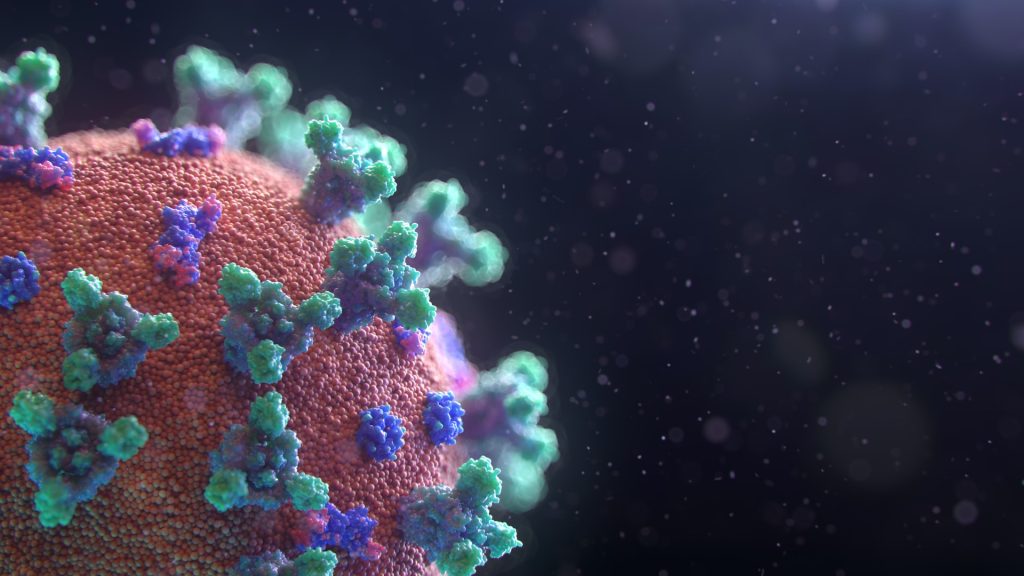
Researchers at the University of Texas Medical Branch have discovered SARS-CoV-2 in the testes of infected hamsters, findings which may explain certain COVID symptoms reported in men.

Clinicians are finding that COVID affects more than just the lungs; some patients have reported testicular pain and some reports have shown decreases in testosterone. Autopsies have also shown evidence of significant disruption of the testes at the cellular level, severe in some cases, and presence of immune cells. Since SARS-CoV-2 has an affinity for ACE-2 receptors, and ACE-2 receptor expression is high in the testes, this could explain why this tissue becomes an infection target for COVID.

“Given the magnitude of the COVID pandemic, it is critical to investigate how this disease can impact the testes, and the potential consequences for disease severity, reproductive health and sexual transmission,” said Dr Rafael Kroon Campos, the study’s lead author and postdoctoral fellow in the laboratory of Dr Shannan Rossi at UTMB.

For a number of years, the Rossi lab had been studying Zika virus infection in the testes and wondered if SARS-CoV-2 could cause a similar disease. Hamsters are common models for COVID since they develop similar signs of disease to humans. Virus was detected in the testes of all infected hamsters during the first week but tapered off. The authors think this may represent what could occur in men with mild to moderate COVID disease.

“These findings are the first step in understanding how COVID impacts the male genital tract and potentially men’s reproductive health,” said Rossi, an associate professor in the Departments of Pathology and Microbiology & Immunology. “We have much more to do before we have the full picture. Moving forward, we will investigate ways to blunt this impact, including using antivirals, antibody therapies and vaccines.”

Future research could also include conditions associated with severe COVID, such as pre-existing conditions like obesity and diabetes and SARS-CoV-2 variants of concern, the study authors said.

Source: University of Texas Medical Branch at Galveston

Study Reveals Mediaeval Plague Victims Buried With Care and Attention

Photo by Peter Kvetny on Unsplash

Mediaeval plague victims in the UK were mostly buried with care and attention, according to a new study from Cambridge University. 

In the mid-14th century, Europe was devastated by the Black Death which killed between 40 and 60 per cent of the population. For centuries afterward, waves of plague would continue to strike the region.

Due to the rapid onset of death in the absence of antibiotic treatment (less than a week for bubonic plague and under 48h for pneumonic plague), the disease leaves no visible evidence on the skeleton, so until now archaeologists have been unable to identify individuals who died of plague unless they were buried in mass graves.

Although it has been long believed that most plague victims in fact received an individual burial, this has been impossible to confirm until now.

By studying DNA extracted from the teeth of individuals who died at this time, researchers from the Wellcome Trust-funded After the Plague project, based at the Department of Archaeology, University of Cambridge, have identified the presence of Yersinia Pestis, the bacterial pathogen that causes plague. The study is available to read online in the European Journal of Archaeology.

These include people who received normal individual burials at a parish cemetery and friary in Cambridge and in the nearby village of Clopton.

Lead author Craig Cessford of the University of Cambridge explained: “These individual burials show that even during plague outbreaks individual people were being buried with considerable care and attention. This is shown particularly at the friary where at least three such individuals were buried within the chapter house. The Cambridge Archaeological Unit conducted excavations on this site on behalf of the University in 2016-2017.”

The individual at the parish of All Saints by the Castle in Cambridge was also buried with care; this stand in contrast to the apocalyptic language used to describe the abandonment of this church in 1365 when it was reported that the church was partly in ruins and ‘the bones of dead bodies are exposed to beasts’.”

The study also shows that some plague victims in Cambridge did, as expected, receive mass burials.

Yersinia Pestis was also identified in several parishioners from St Bene’t’s, who were found buried together in a large trench in the churchyard excavated by the Cambridge Archaeological Unit on behalf of Corpus Christi College.

Soon afterwards, this part of the churchyard was transferred to Corpus Christi College, which was founded by the St Bene’t’s parish guild to commemorate the dead including the victims of the Black Death. For centuries, the members of the College would walk over the mass burial every day on the way to the parish church.

Cessford concluded, “Our work demonstrates that it is now possible to identify individuals who died from plague and received individual burials. This greatly improves our understanding of the plague and shows that even in incredibly traumatic times during past pandemics people tried very hard to bury the deceased with as much care as possible.”

Source: University of Cambridge

Journal information: “Beyond Plague Pits: Using Genetics to Identify Responses to Plague in Medieval Cambridgeshire” – Craig Cessford, Christiana L. Scheib, Meriam Guellil, Marcel Keller, Craig Alexander, Sarah A. Inskip and John E. Robb. European Journal of Archaeology, https://doi.org/10.1017/eaa.2021.19

SAMA Head Urges Stronger Lockdown; Two-thirds of Cases in Gauteng

Photo by Maxim Zhgulev on Unsplash

The South African Medical Association (SAMA) had said that early indications showed that the third wave of South Africa’s COVID pandemic would be worse than the previous two.

As infections surge around the country, particularly in Gauteng Province, the government  moved to Level 3, strengthening some curbs, including liquor sale restrictions, an extended curfew and a cap on the number of people allowed at gatherings. However, there has been no outright ban on alcohol.

As of Thursday, 11767 new COVID infections have been confirmed, with nearly two-thirds (7502) being recorded in Gauteng. The overall case positivity rate is 22.6%

SAMA chairperson Dr Angelique Coetzee said that the government’s measures were implemented far too late.

“People carry on as if everything is right. Everything is not right. We are in a pandemic, we are in a third wave and a third wave that’s going to be worse. At this stage, all the indications are that it is going to be worse than the second wave.”

Speaking to the SABC, she said Gauteng was running out of beds and oxygen. “If you want a bed in Gauteng you are going to struggle so this is what we’re seeing and if we want to get out of this we need to make tough decisions. But it seems like it’s not going to happen so for now it is what it is and no one should be astonished if the numbers go up,” says Coetzee.

Dr Coetzee also warned that allowing schools to remain open was a bad decision.

“Without proper, effective and decisive measures to curb the spread of COVID, our infection and fatality numbers are going to climb even further. In addition, schools are still open, travel is still allowed and public transport can still operate as they currently are. This should not have been allowed.”

The Basic Education Department had already dismissed suggestions that schools should be closed as well as part of the COVID containment efforts. She also argued against a  simple tightening of curfews and alcohol sales.

“Nothing significant has changed. The stricter curfew measures and limitations on alcohol sales will simply mean people change their behaviour to accommodate for these restrictions and will have little impact on people’s daily routines. This is actually where restrictions should have been targeted.”

Speaking to Jacaranda, she said, “For us, it doesn’t make sense, we need people at home. We don’t want people in a shopping centre or anywhere else, if we can manage to do that for three to four weeks we can get the numbers down but for now, I don’t see that happening.”

Source: EWN

Chronic Inflammation Ages the Pituitary Gland in Mice

Photo by Robina Weermeijer on Unsplash

Researchers have discovered that the pituitary gland in mice ages due to an age-related form of chronic inflammation — which raises the possibility of slowing or even partially repairing this process. 

The pituitary gland is a small, globular gland located underneath the brain that plays a major role in the hormonal system, explained Professor Hugo Vankelecom, a stem cell biologist from the Department of Development and Regeneration at KU Leuven. “My research group discovered that the pituitary gland ages as a result of a form of chronic inflammation that affects tissue and even the organism as a whole,” he said. “This natural process usually goes unnoticed and is referred to as ‘inflammaging’ — a contraction of inflammation and ageing. Inflammaging has previously been linked to the ageing of other organs.”

Because of the pituitary’s pivotal role in the body, its ageing may contribute to the reduction of hormonal processes and hormone levels in our body – such as in menopause.

The study also provides significant insight into the stem cells in the ageing pituitary gland. In 2012, Prof Vankelecom and colleagues showed that a prompt reaction of these stem cells to injury in the gland leads to repair of the tissue, even in adult animals.

“As a result of this new study, we now know that stem cells in the pituitary do not lose this regenerative capacity when the organism ages. In fact, the stem cells are only unable to do their job because, over time, the pituitary becomes an ‘inflammatory environment’ as a result of the chronic inflammation. But as soon as the stem cells are taken out of this environment, they show the same properties as stem cells from a young pituitary.”

Could damage be repaired?

This insight opens up a number of potential therapeutic avenues: would it be possible to reactivate the pituitary? This wouldn’t just involve slowing down hormonal ageing processes, but also repairing the damage caused by a tumour in the pituitary, for example. 

“No fewer than one in every 1000 people is faced with this kind of tumour — which causes damage to the surrounding tissue — at some point.

“The quality of life of many of these patients would be drastically improved if we could repair this damage. We may be able to do so by activating the stem cells already present — for which our present study also provides new indications — or even by transplanting cells. That said, these new treatment options are not quite around the corner just yet, as the step from fundamental research to an actual therapy can take years to complete. For the time being, our study sets out a potential direction for further research.”

The study also brings up another interesting approach: using anti-inflammatory drugs to slow down pituitary ageing or even rejuvenate an ageing pituitary. “Several studies have shown that anti-inflammatory drugs may have a positive impact on some ageing organs. No research has yet been performed on this effect in relation to the pituitary.”

From mice to humans

Since Prof Vankelecom and colleagues studied the pituitary of mice, further research is required to demonstrate whether their findings also apply to humans. Prof Vankelecom cautioned, however: “Mice have a much greater regeneration capacity than humans.

“They can repair damaged teeth, for instance, while humans have lost this ability over the course of their evolution. Regardless, there are plenty of signs suggesting that pituitary processes in mice and humans are similar, and we have recent evidence to hand that gene expression in the pituitaries of humans and mice is very similar. As such, it is highly likely that the insights we gained will equally apply to humans.”

Source: KU Leuven

Journal information: Vennekens, A., et al. (2021) Interleukin-6 is an activator of pituitary stem cells upon local damage, a competence quenched in the aging gland. Proceedings of the National Academy of Sciences. doi.org/10.1073/pnas.2100052118.

Inhaled Corticosteroid Could Shorten Moderate COVID

Source: Pixabay

Early treatment with inhaled budesonide shortens recovery time by a median of three days in community-treated patients with COVID who are at higher risk of more severe illness, according to preliminary results from an Oxford University trial.

Inhaled budesonide is a safe, fairly cheap and readily available corticosteroid commonly used in inhalers for the treatment of asthma and chronic obstructive pulmonary disease

Based on an interim analysis using the latest data from 25th March 2021, the results showed the estimated median time to self-reported recovery for inhaled budesonide was three days shorter compared to usual care, with a high probability of being superior to the usual standard of care. Of those taking inhaled budesonide, 32% recovered within the first 14 days and stayed well until the 28 day endpoint, compared to 22% receiving usual care. Budesonide group participants also reported greater wellbeing after two weeks. 

Among patients who had completed the study, 8.5% (59/692) in the budesonide group were hospitalised with COVID compared with 10.3% (100/968) in the usual care group, with an estimated percentage benefit of 2.1%. However as fewer than expected people were admitted to hospital in the trial, and with COVID cases falling in the UK, it is not clear from this interim analysis whether budesonide reduces hospitalisations.

Patients with COVID symptoms that started within 14 days and who are at higher risk of a poor outcome from the illness were eligible to join the trial and those who tested positive for SARS-CoV-2 were included in the main analysis. Patients receiving inhaled budesonide were asked to inhale 800 micrograms twice a day for 14 days, with a 28 day follow-up.

Joint Chief Investigator, Professor Chris Butler, a South Wales GP and Professor of Primary Care from the University of Oxford’s Nuffield Department of Primary Care Health Sciences, said, “PRINCIPLE, the world’s largest platform trial of community-based treatments for COVID-19, has found evidence that a relatively cheap, widely available drug with very few side effects helps people at higher risk of worse outcomes from COVID recover quicker, stay better once they feel recovered, and improves their wellbeing. We therefore anticipate that medical practitioners around the world caring for people with COVID in the community may wish to consider this evidence when making treatment decisions, as it should help people with COVID recover quicker.”

When the data has been obtained and analysed, detailed results on time to recovery and hospitalisations will be published. The full pre-print is available on the MedRxiv server.

Source: University of Oxford

Harnessing Magnetic Fields to Produce Safer and Cheaper Medicines

An image of ferrofluid reacting to a magnetic field. Photo by Etienne Desclides on Unsplash

By using magnetism to eliminate unwanted ‘mirror’ counterparts inherent to the production of certain medications, they could be made safer and produced more cheaply, according to new investigations underway at Texas A&M University.

Everyday drugs, such as ibuprofen, may have an inherent flaw in their molecular structure, pairing the active, beneficial ingredient with a potentially ineffective, or even toxic, ‘mirror’ counterpart, due to being of the wrong chirality, or structural twist. New research using electromagnetic fields could help keep the effective ingredients while eliminating the unwanted counterparts. Chirality is already an important consideration in the development of new drugs.

Dr. Shoufeng Lan, assistant professor in the J Mike Walker ’66 Department of Mechanical Engineering at Texas A&M University, is leading a team investigating the use of electromagnetic control over the synthesis of chiral compounds — a technique which could open up a host of applications including in the pharmaceutical industry.

“Mysteriously, all living organisms on the Earth consist of only left-handed amino acids and right-handed sugars, but not their mirrored counterparts,” Prof Lan said. “The phenomenon is the so-called homochirality of life and it is the ultimate form of asymmetric synthesis.”

Prof Lan gave the example of a human hand to demonstrate the concept of chirality, noting that if you created a mirror image of your hand, it could not be perfectly superimposed over the original.

By identifying a successful method of using asymmetrical synthesis to create new versions of structures for items like ibuprofen, Prof Lan said that improved versions of generic pharmaceuticals with reduced toxicity could be produced at a lower cost than currently available due to the current purification process.

However, to achieve success, the researchers will first need figure out how to implement this magnetic effect on asymmetric synthesis at practical temperatures. The effect is currently fairly weak, even using a powerful magnetic field or at a temperature as low as -268°C.

Prof Lan noted that the 2001 Nobel Prize in chemistry’s topic was addressing chirality, which uses an existing chiral object—a catalyst molecule—to transfer chirality to the desired mirror image form as the final product.

“This Nature Communications paper demonstrated a giant atomic-scale magneto-chiral effect that is orders of magnitude stronger,” Prof Lan said. “By applying this effect, it is arguably possible to master an asymmetric synthesis or asymmetric self-assembling.”

Prof Lan said his team’s research could revolutionise the field by creating a new iteration of biomedical, chemical and pharmaceutical applications. For example, by asymmetrically synthesising only the active component of racemic Lexapro (the most common medication in the US with more than 25 million prescriptions) the research might reduce the drug’s side effects.

“We anticipate that our demonstration could lead to the creation of chiral seeds at the atomic scale,” Prof Lan said. “Upon them, we hope to transfer the chirality using cutting-edge technologies, such as a metal-organic framework, to create chiral materials from nanoscales to macroscales.”

Source: Phys.org

Journal information: Shoufeng Lan et al, Observation of strong excitonic magneto-chiral anisotropy in twisted bilayer van der Waals crystals, Nature Communications (2021). DOI: 10.1038/s41467-021-22412-9