About 30% of COVID Patients Develop Long COVID

Woman holding her chest
Photo by Joice Kelly on Unsplash

A new study published in Journal of General Internal Medicine found that 30% of people treated for COVID developed ‘Long COVID’. Risk of Long COVID was greater in people with a history of hospitalisation, diabetes, and higher BMI; and less in organ transplant recipients and those not on private health insurance. Surprisingly, ethnicity, older age, and socioeconomic status were not linked to the syndrome despite the link to greater risk of severe illness and mortality.

Of the 309 people with long COVID studied, the most persistent symptoms were fatigue and shortness of breath (31% and 15%, respectively) in hospitalised persons, and loss of sense of smell (16%) in outpatients.

The incidence and risk factors of Long COVID, and even how to define the syndrome, have remained unclear throughout the pandemic. The researchers sought evaluate its association with demographics and clinical characteristics in order to devise the most effective treatments.

The study examined 1038 people enrolled in the UCLA COVID Ambulatory Program from April 2020 to February 2021. Of those, 309 developed Long COVID, determined by them reporting persistent symptoms on questionnaires 60 or 90 days after infection or hospitalisation.

Potential weaknesses in the study include the subjective nature of how patients rated their symptoms, the limited number of symptoms the researchers evaluated, and limited information about patients’ pre-existing conditions.

“This study illustrates the need to follow diverse patient populations longitudinally to understand the Long COVID disease trajectory and evaluate how individual factors such as pre-existing co-morbidities, sociodemographic factors, vaccination status and virus variant type affect type and persistence of Long COVID symptoms,” said Dr Sun Yoo, health sciences assistant clinical professor at UCLA. “Studying outcomes in a single health system can minimise variation in quality of medical care. Our study also raises questions such as: Why were patients with commercial insurance twice as likely to develop Long COVID than patients insured through Medicaid? Because persistent symptoms can be subjective in nature, we need better tools to accurately diagnose Long COVID and to differentiate it from exacerbations of other emerging or chronic conditions. Finally, we need to ensure equitable access to outpatient Long COVID care.”

Source: University of California – Los Angeles Health Sciences
‘One-dose’ Course Effective for HIV-associated Cryptococcal Meningitis

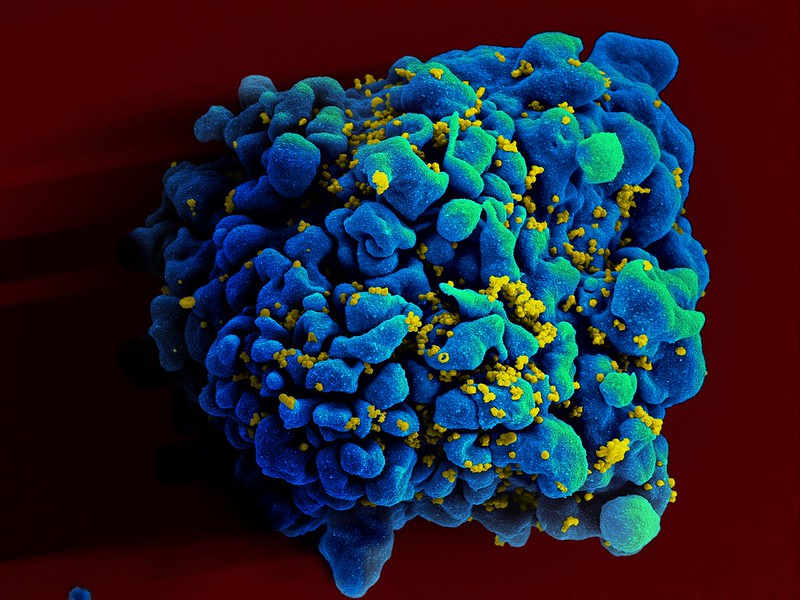
HIV invading a human cell
HIV invading a human cell: Credit NIH

A new short course of treatment for HIV-associated cryptococcal meningitis is as effective as the longer, standard one, and is better tolerated, according to a real-world study in the New England Journal of Medicine.

The international study involved a randomised trial in southern and eastern Africa. This new ‘one-dose’ approach offers a practical, easier-to-administer and better tolerated treatment for HIV-associated cryptococcal meningitis in Africa, the researchers said.

Cryptococcal meningitis causes a serious disease in immunosuppressed people living with HIV, with around 180 000 cryptococcal meningitis-related deaths each year, mostly in sub-Saharan Africa. Current treatments are either a 7 or 14-day course of amphotericin-B, combined with either oral antifungal tablets or oral fluconazole.

This new trial investigated whether a single high dose of liposomal amphotericin-B (L-AmB, Ambisome) paired with two oral antifungals, fluconazole and flucytosine, was as effective at reducing deaths as the currently recommended WHO first-line treatment based on seven days of Amphotericin-B therapy.

Dr Melanie Alufandika-Moyo, study author and the lead research doctor at the Malawi-Liverpool Wellcome Unit, said: “Cryptococcal meningitis is the most common type of adult meningitis in much of Africa. Without effective treatment, infection progresses quickly, often resulting in deaths. Current treatment requires prolonged hospitalisation, intensive nursing care and costly laboratory monitoring which can be expensive for the healthcare system and the patient. Amphotericin-B can also cause kidney damage and blood problems.

“We urgently need new ways of treating the disease, so it’s fantastic that we were able to show a new streamlined treatment, requiring just one intravenous infusion, is as effective and less dangerous for patients.”

More than 800 adult patients with a first episode of HIV-associated cryptococcal meningitis, from five countries in southern and eastern Africa, took part in the trial.

Half received, and half received standard care. After 10 weeks, 25% (101/407) of people in the AmBisome arm died compared to 29% (117/407) in the control arm – this is among the lowest mortality rate reported from a major cryptococcal meningitis trial in Africa, despite more than a quarter of participants presenting with very severe disease.

Drug-related toxicity was significantly lower in the new ‘one-dose’ AmBisome arm. Anaemia occurred in 13% of AmBisome participants compared to 39% in the control arm, with more participants in the control arm needing blood transfusions. Far less drug related kidney toxicity was observed in the one dose AmBisome arm than in the control arm.

AmBisome, a liposomal formulation of amphotericin-B, was suspected to be an effective cryptococcal meningitis treatment as it is less toxic and can be given in large doses that remain in the brain for some time. A single, high-dose of AmBisome had previously been shown to be effective at clearing Cryptococcus from around the brain, which prompted the real-world trial.

Professor Tom Harrison from St George’s, University of London, who co-led the trial with Professor Joe Jarvis from the London School of Hygiene & Tropical Medicine and Botswana Harvard AIDS Institute Partnership, said: “These exciting results represent the culmination of a long programme of collaborative work to optimise antifungal drug combinations and reduce deaths from this terrible infection, and provide the strong evidence needed for policymakers to decide how cryptococcal meningitis should be treated going forward.

“Fortunately, with the support of advocates and funders, Ambisome and flucytosine are now becoming more available, which is essential to enable wide-scale implementation of this novel treatment regimen.”

Professor Joe Jarvis, the lead author of the study, said: “The results of this trial have the potential to transform how cryptococcal meningitis is treated and the management of advanced HIV-related disease in sub-Saharan Africa. It has far fewer significant side effects, which is obviously hugely important, and has the potential to prevent a large number of deaths in low-resource settings by being both easier to administer and cost-effective.”

Study imitations included the current lack of access to Ambisome and flucytosine, the key components of this novel treatment regimen, in many low-resource settings. To address this, an additional five years funding has been received.

Source: London School of Hygiene and Tropical Medicine

Anti-HIV Antibodies Achieve Viral Suppression

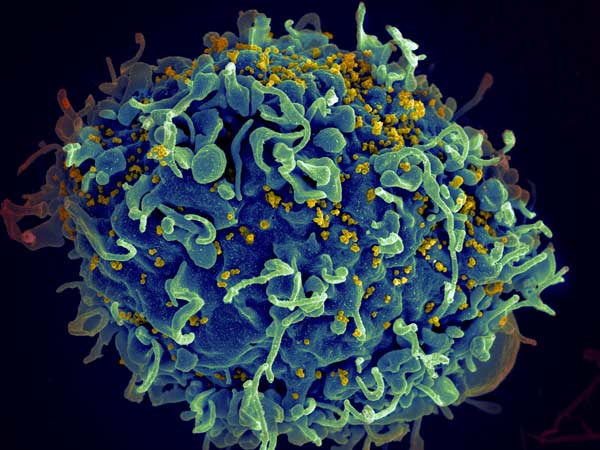
HIV Infecting a T9 Cell. Credit: NIH

A trial has successfully used a novel treatment of anti-HIV antibodies to achieve viral suppression in several HIV patients. The results published in Nature, would enable a treatment not reliant on vigilant daily dosing and which could potentially reduce the body’s reservoir of HIV, something antiretroviral drugs cannot do. The antibody treatment could be used in combination with long-acting antiretrovirals, or alone after such medications have sufficiently brought down viral levels.

“The idea is that you would still be on HIV treatment, but instead of having to take a pill every day, with the long-acting versions of the antibodies, patients would be able to take infusions every six months,” said Professor Marina Caskey, who co-led the study.

In this trial, 18 participants received seven infusions of a pair of broadly neutralising antibodies over five months, while discontinuing their antiretroviral medications. Thirteen of these participants maintained viral suppression for at least five months, and in a few cases over a year, suggesting the antibodies are able to control viruses that are sensitive to the antibodies and prevent viral levels from rising to dangerous levels.

Besides suppressing the virus, antibody therapy may also have an effect on cells infected with HIV that cannot be eliminated by antiretroviral drugs. “Ultimately, with any treatment, we’d like to see a decline in the reservoir of infected T-cells, which fuel rebound when therapy is discontinued,” says Christian Gaebler, an assistant professor of clinical investigation in Nussenzweig’s lab and the study’s first author. After therapy, the team detected a decrease in the infected T-cells, specifically those that harbor intact viruses capable of replication. “It’s a promising finding that we hope to follow up on in future, larger studies,” Gaebler says.

The new study built on a previous, shorter trial in which participants had received three antibody infusions over six weeks. The researchers found that administering additional infusions was generally safe and well-tolerated, and the longer treatment period did not result in the emergence of new resistant variants.

Source: Rockefeller University

US, Europe Report Severe Hepatitis of Unknown Aetiology in Children

Photo by cottonbro from Pexels

Public health officials are puzzling over cases of severe hepatitis in children reported in Europe and the US. A number of the cases have tested positive for adenovirus and/or SARS-CoV-2, though what role these viruses play is not yet clear.

On 5 April 2022, UK authorities notified the World Health Organization was of 10 cases of severe acute hepatitis of unknown aetiology in previously healthy young children ranging in from 11 months to five years old across central Scotland. Nine had onset of symptoms in March 2022, and all cases were detected on hospitalisation. Symptoms included jaundice, diarrhoea, vomiting and abdominal pain. An article published in Eurosurveillance detailed the cases.

Further investigations across the UK identified a total of 74 cases as of 8 April (including the 10 cases) that fulfilled the case definition. The clinical syndrome in identified cases is of acute hepatitis with markedly elevated liver enzymes, often with jaundice, sometimes preceded by gastrointestinal symptoms, in children principally up to 10 years old. Some cases have required transfer to specialist children’s liver units and six children have undergone liver transplantation. As of 11 April, no death has been reported among these cases and one epidemiologically linked case has been detected.

Laboratory testing has excluded hepatitis type A, B, C, and E viruses (and D where applicable) in these cases while SARS-CoV-2 and/or adenovirus have been detected in several cases. The United Kingdom has recently observed an increase in adenovirus activity, which is co-circulating with SARS-CoV-2, though the role of these viruses in the pathogenesis is not yet clear. They have however been linked to bladder inflammation and infection, and on occasion to hepatitis, but it is rare in children who are not immunocompromised.

To date, no other epidemiological risk factors have been identified, including recent international travel. Overall, the aetiology of the current hepatitis cases is still considered unknown and remains under active investigation. Laboratory testing for additional infections, chemicals and toxins is underway for the identified cases.

Following the notification from the UK, less than five cases (confirmed or possible) have been reported in Ireland, further investigations into these are ongoing. Additionally, three confirmed cases of acute hepatitis of unknown aetiology have been reported in children (ranging in age from 22 months-old to 13 years old) in Spain. A further 9 have been reported in the US state of Alabama, with five testing positive for adenovirus.

Karen Landers, district medical officer for the Alabama Department of Public Health, said that the cases were spread across the state, and no links were found among the children.

“It is not common to see children with severe hepatitis,” Landers told STAT in an interview. “Seeing children with severe [hepatitis] in the absence of severe underlying health problems is very rare. That’s what really stood out to us in the state of Alabama.”

Source: WHO

Gut Bacteria Alter Gene Expression to Evade Phage Therapy

A bacteriophage, Credit: CC0

Phage therapy is a long-standing technique which makes use of bacteriophage viruses to kill bacteria, but poses the challenge of some strains working in vitro but failing in vivo. Scientists have now found that gut bacteria alter their gene expression to avoid attack by bacteriophages. This research, published in Cell Host & Microbe, helps explains the difference in bacteriophage efficacy.

Phage therapy is a medical approach that involves treating bacterial infectious diseases using the natural ability of certain viruses, known as bacteriophages, to kill bacteria that they specifically recognise. Following the development of antibiotics, the West saw a significant decline in the use of this century-old therapeutic strategy. In the face of the growing threat of antibiotic resistance, scientists are returning to bacteriophages and to understand their mechanism of action.

Bacteria and bacteriophages are the most abundant entities in the human gut microbiota. Although bacteriophages kill bacteria, the two antagonist populations coexist in a balance in the gut.

To date, there has been little data on how phage therapy works in vivo. Interactions between bacteria and bacteriophages have, in contrast, been extensively studied in vitro. In these conditions, bacteriophages quickly infect bacteria, replicate, and destroy bacteria, while releasing new viruses capable of infecting other bacteria. However, the dynamics observed between these two microorganisms are very different in mammalian guts. Some bacteriophages that are effective in culture medium are totally ineffective in the gut environment.

In order to understand this difference, scientists decided to compare the gene expression profile, or transcriptome, of the bacterium Escherichia coli in both contexts: culture media and the gut. Using this method, they revealed genetic regulations that characterise the bacterium’s adaptation to the gut environment.

By closely examining the genes involved in this adaptation, they revealed four genes that modulate the bacterium’s susceptibility to bacteriophages. “We observed that certain genes required for infection by bacteriophages are expressed less in the gut than in vitro, thus protecting bacteria from bacteriophages,” commented Laurent Debarbieux, last author of the study.

The scientists verified their theory by eliminating the expression of one particular gene. They observed that bacterial susceptibility to a bacteriophage was significantly reduced. As a result, bacteria in the gut are able to resist predation by bacteriophages by modulating the expression of certain genes rather than mutating their genome.

This study therefore demonstrates that environment plays a predominant role in interactions between bacteria and bacteriophages. These findings pave the way for improved use of bacteriophages for therapeutic purposes.

Source: Pasteur Institute

Sweet Success for ‘Chocolate Touch’ Angioplasty Device

Credit: QT Vascular

In patients undergoing angioplasty, a study showed that use of the paclitaxel-coated balloon catheter known as the Chocolate Touch device had better outcomes at compared with those from use of a commercially-available balloon catheter. These findings were presented at the American College of Cardiology’s 71st Annual Scientific Session.

The trial showed noninferiority and an improvement in terms of the proportion of patients with adequate blood flow through the artery without subsequent procedures.

“I’m very excited that we now have a head-to-head comparison of a second-generation vs. first-generation drug-coated balloon and data that we can rely on to make decisions for our patients,” said Mehdi Shishehbor, DO, MPH, PhD, the study’s lead author. “I think that the superiority of Chocolate Touch indicates that as we improve the technologies, there is additional benefit to be gained. For me, this study makes the case that this [Chocolate Touch] will be the device of choice between these two devices for patients who require drug-coated balloon therapy.”

The trial enrolled 313 randomised patients treated for superficial femoral and popliteal artery disease – conditions that involve blocked arteries in the upper leg. All patients underwent balloon angioplasty, a procedure to reopen the artery by threading a tiny device into the blocked area and inflating a small drug-coated balloon that helps prevent reoccurance of the blockage . In half of the patients, a commercially-available Lutonix drug-coated balloon was used, and in the other half the Chocolate Touch balloon was used. The Chocolate Touch device has a constrained balloon, creating characteristic pillows and grooves reminiscent of a chocolate bar.

At 12 months, 78.8% of the patients who received the Chocolate Touch device and 67.7% of those receiving the Lutonix device achieved patency, or blood flow as measured by the peak systolic velocity ratio. No statistical difference in safety was seen between the devices, with a rate of major adverse events of 11.1% in the Chocolate Touch arm and 15.4% in the Lutonix arm. Major adverse events included a composite of death related to the targeted limb, major amputation and revascularidation procedures.

Dr Shishehbor said that estimates of mortality on a cumulative, year-by-year basis are consistently lower in the Chocolate Touch arm as compared to the Lutonix arm. For patients at the three-year follow-up, estimated mortality is 6.8% among patients receiving the Chocolate Touch device, which was also well below the trial’s goal of 13.2%, reinforcing confidence in the device’s safety profile.

“At a minimum, this [Chocolate Touch] device is as safe as the Lutonix, with a trend for lower mortality rates,” Dr Shishehbor said.

The Chocolate Touch device is designed to provide a more even and controlled widening of the artery. This design lets operators use a slightly larger balloon to further widen the artery and provide increased contact between the balloon surface with the paclitaxel coating, Dr Shishehbor said.

Although balloon angioplasty is the preferred treatment for blocked arteries in the leg, many patients experience recurring blockages, requiring additional procedures.

“If we are able to offer patients therapies that can keep the artery open for as long as possible, that will be welcome news,” Dr Shishehbor said. “As we advance our technologies and get more patency, or blood flow, over time, the patients will enjoy that benefit and have a lower likelihood of needing repeat procedures.”

Dr Shishehbor said that the trial paused enrollment for six months in response to industry-wide concerns over the safety of paclitaxel but said that the study ultimately achieved a high follow-up rate of 94%. The trial is also the first to allow combining the drug-coated balloon treatment with atherectomy, in which a blade is used to first remove plaque from the vessel prior to catheter balloon use. Dr Shishehbor said that while only a small number of patients was treated with atherectomy, the patency rate was promising. Future studies could determine whether Chocolate Touch treat longer and more complex blockages.

Source: American College of Cardiology

Vigorous Exercise and Talking Produce Similar Levels of Aerosols

Old man jogging
Photo by Barbra Olsen on Pexels

Vigorous exercise produces a similar level of aerosol particles as speaking, but high-intensity exercise produces more, according to new research published in Communications Medicine. This is the first study to measure exhaled aerosols generated during exercise, to help inform the risk of airborne viral transmission of SARS-CoV-2 for gyms and indoor physical training.

Inhalation of infectious aerosol is considered to be the main route of SARS-CoV-2 transmission. In this study, researchers performed a series of experiments to measure the size and concentration of exhaled particles (up to 20µm diameter) which are generated in our respiratory tracts and breathed out, during vigorous and high-intensity exercise.

Using a cardiopulmonary exercise test, 25 healthy participants (13 male, 12 female) with a range of athletic abilities were recruited to undertake four different activities (breathing at rest, speaking at normal conversational volume, vigorous exercise and high-intensity exercise) on a cycle ergometer. Airflow and particles emitted were measured by particle counter. Experiments were carried out in an orthopaedic operating theatre — an environment with ‘zero aerosol background’, letting the researchers to unambiguously identify the aerosols generated by the participants.

The results showed that the size of airborne particles emitted during vigorous exercise was consistent with those emitted while breathing at rest. However, the rate of aerosol mass exhaled during vigorous exercise was found to be similar to speaking at a conversational volume.

Jonathan Reid, scientific lead on the paper, said: “COVID has profoundly impacted sports and exercise, and this study provides a comprehensive analysis of the mass emission rates of aerosol that can potentially carry infectious virus produced from an individual during exercise. Our research has shown that the likely amount of virus that someone can exhale in small aerosol particles when exercising is comparable to when someone speaks at a conversational volume.  The most effective way to reduce risk is to ensure spaces are appropriately ventilated to reduce the risk of airborne transmission.”

Source: University of Bristol

An Oral Drug for Sleep Apnoea

Sleeping man
Photo by Mert Kahveci on Unsplash

A new study published in the American Journal of Respiratory and Critical Care Medicine has tested a sleep apnoea treatment using a drug that inhibits carbonic anhydrase – an enzyme that balances carbonic acid and carbon dioxide in the body. The treatment reduced breathing pauses by more than 20 per hour for patients given the drug.

Several drugs with carbonic anhydrase (CA) inhibitory properties are already available on the market, and used for treatment of glaucoma, epilepsy and other disorders.

Previous research has not systematically tested whether CA inhibitors also might be used to treat obstructive sleep apnoea. A total of 59 patients with moderate or severe sleep apnoea completed the four-week trial, and were randomised to two groups receiving either 400 or 200 mg of the CA inhibitor, and a control group that received placebo.

The results show that, overall, the treatment reduced the number of breathing pauses and promoted oxygenation during the night. A few patients experienced side effects, such as headache and breathlessness, which were more common in those receiving the highest dose.

The study results together with established safety data of the drug sulthiame provide support for continued research on CA inhibition as a new potential treatment for obstructive sleep apnoea.

“Among the patients who received the higher dosage of the drug, the number of breathing pauses decreased by approximately 20 per hour. For just over a third of patients in the study, only half of their breathing pauses were left, and in one in five the number fell by at least 60 percent,” said first authpr Professor Jan Hedner.

The fact that several approved drugs in the CA inhibitor category are available on the market makes fast-tracking development of an approved drug for sleep apnoea practicable. The drug used in this clinical trial was sulthiame, which is sometimes used to treat epilepsy in children.

Current treatment for a patient with sleep apnoea is either an oral appliance therapy or a CPAP (Continuous Positive Airway Pressure) mask. Both help to maintain airway patency during sleep.

“These therapy options take time to get used to and, since they frequently are perceived as intrusive or bulky. Insufficient user time is therefore common. If we develop an effective drug, it will therefore make life easier for many patients and, in the long run, potentially also save more lives,” said senior author Ludger Grote.

Source: University of Gothenburg

Dozens of Healthcare Facilities Damaged in KZN Floods

A destroyed house in eThekwini. Credit: Nokulunga Majola/GroundUp

The floods which have inundated KwaZulu-Natal this week and prompted the declaration of a national state of disaster, have damaged at least 58 healthcare facilities. So far, the floods have claimed the lives of 443 people, with 63 still missing.

Damage has been sustained to the roofs, floors and fencing of healthcare facilties, the KwaZulu-Natal health department said. Water shortages from infrastructure damage had forced some hospitals to divert patients elsewhere. Environmental health practitioners are monitoring clinical data for early identification of any waterborne diseases.

Health MEC Nomagugu Simelane said there had been an influx of patients due to the torrential rains.

“We can confirm that our hospitals and clinics have been seeing a higher number of trauma and emergency patients than usual, particularly in the densely populated districts,” she said.

Simelane thanked the courage and dedication of the province’s healthcare workers, noting that many had simply put in extra hours to compensate. Damage to infrastructure such as roads meant that some healthcare workers have had to sleep at the facilities, she noted. Other facilities will try and provide accommodation for them.

To cope with the strain on morgues, KZN Premier Sihle Zikalala said: “We have mobilised additional resources, including seven doctors, to ensure that post mortems are completed speedily, in order to avoid congestion and to enable those who are grieving to bury their loved ones. Our officials are constantly monitoring the situation and sending bodies to those facilities that do have space.”

“All the resources allocated for flood relief and the recovery and rebuilding process will be utilised in line with fiscal rectitude, accountability, transparency and openness. We want to emphasise the fact that, having learnt lessons of Covid-19, no amount of corruption, maladministration and fraud will be tolerated or associated with this province,” Premier Zikalala said.

Source: IOL

How the Brain Blocks out Unwanted Memories

Bald man
Photo by Brett Sayles on Pexels

In order to prevent the mind becoming flooded with unwanted memories, a brain region determines when a person is about to think of an unwanted memory and then signals other regions to suppress it. The discovery was recently published in JNeurosci.

Preventing unwanted memories from coming to mind is an adaptive ability of humans. This ability relies on inhibitory control processes in the prefrontal cortex to modulate hippocampal retrieval processes. How and when reminders to unwelcome memories come to trigger prefrontal control mechanisms remains unknown.

Crespo García et al. measured participants’ brain activity with both EEG and fMRI while they completed a memory task. The participants memorised sets of words (ie, gate and train) and were asked to either recall a cue word’s pair (see gate, think about train) or only focus on the cue word (see gate, only think about gate). During proactive memory suppression, activity increased in the anterior cingulate cortex (ACC), a brain region involved in cognitive control, within the first 500 milliseconds of the task. The ACC relayed information to the dorsolateral prefrontal cortex (DLPFC), which then inhibited activity in the hippocampus, a key region for memory recall. The activity levels in the ACC and DLPFC remained low for the rest of the trial, a sign of success — the memory was stopped early enough so no more suppression was needed. If the memory was not suppressed in time, the ACC generated a reactive alarm, increasing its activity to signal to the DLPFC to stop the intrusion.

Source: EurekAlert!