New KRAS-mutated Lung Cancer Treatment Effective in 43% of Cases

MRI or CT machine
Photo by Mart Production on Pexels

Nearly 43% of patients with non-small cell lung cancer (NSCLC) that had a specific KRAS mutation responded to the experimental drug adagrasib, which also showed activity against metastases, according to results of a study published in the New England Journal of Medicine.

Mutations in the potent oncogene known as KRAS occur in about one in four patients with NSCLC, and approximately 13% of NSCLC patients’ tumours are driven by a specific KRAS mutation called G12C. KRAS mutations have long been considered nearly impossible to attack with targeted drugs after many years of research attempts. However, in 2021 a targeted drug, sotorasib, became the first drug approved by the Food and Drug Administration for NSCLC patients with the G12C mutation, based on a clinical trial showing a 36% response rate in those patients after having initially received treatment with chemotherapy and a PD-1 immune checkpoint inhibitor.

Reporting the results of a new phase 2 trial, investigators led by Pasi Jänne, MD, PhD, director of the Lowe Center for Thoracic Oncology at Dana-Farber, showed that treatment with a different KRASG12C mutant inhibitor, adagrasib, yielded a 42.9% objective response rate and a median overall survival rate of 12.6 months in a cohort of 112 patients who had previously received both chemotherapy and immunotherapy with a PD-1 immune checkpoint blocker. Notably, adagrasib treatment also achieved a 33.3% response rate in 33 patients who had stable metastatic lesions in the brain and central nervous system that had spread from the lung tumours.

“These data highlight that inhibiting KRASG12C can lead to clinically meaningful benefits to NSCLC patients with this form of lung cancer,” said Dr Jänne. “Brain metastases are challenging to treat and having a pharmacologic agent that shows activity in this setting is an advancement and movement in the right direction.”

Patients with KRASG12C have had few options after initial chemotherapy and immunotherapy stopped working. In the new clinical trial of adagrasib, taking the oral drug twice daily resulted in a median progression-free survival (the time patients lived before the cancer began to worsen again) was 6.5 months and the median response duration was 8.5 months.

Because the KRASG12C tumor cells typically continue to proliferate, researchers believe sustained inhibition with drugs may be necessary. Thus, adagrasib was optimised for favourable properties including a long half-life of 23 hours and the ability to penetrate the central nervous system. Clinical activity with adagrasib has been shown in patients with other KRASG12C tumors, including colorectal, pancreatic, biliary tract, and other cancers.

Source: Dana-Farber Cancer Institute

Bariatric Surgery Reduces Cancer Risks with Obesity

Obesity
Image source: Pixabay CC0

A study published in JAMA shows that weight loss through bariatric surgery for adults with obesity was associated with a 32% lower risk of developing cancer and a 48% lower risk of cancer-related death compared with those who did not have the surgery.

Rising obesity numbers are being seen all over the world. The International Agency for Research on Cancer describes 13 types of cancer as obesity-associated cancers such as endometrial cancer, postmenopausal breast cancer, and cancers of the colon, liver, pancreas, ovary and thyroid.

Lead author of the study, Ali Aminian, MD, at Cleveland Clinic, said that bariatric surgery is currently the most effective treatment for obesity. “Patients can lose 20 to 40% of their body weight after surgery, and weight loss can be sustained over decades. The striking findings of this study indicate that the greater the weight loss, the lower the risk of cancer,” said Dr Aminian.

From 2004 and 2017, the SPLENDID (Surgical Procedures and Long-term Effectiveness in Neoplastic Disease Incidence and Death) study matched a group of 5053 adult patients with obesity who had bariatric surgery 1:5 to a control group of 25 265 patients with obesity who did not undergo the surgery.

After 10 years, 2.9% of patients in the bariatric surgery group and 4.9% of patients in the non-surgical group developed an obesity-associated cancer.

After 10 years, 0.8% of patients in the surgery group and 1.4% of patients in the non-surgical group died from cancer, indicating that bariatric surgery is associated with a 48% lower cancer mortality risk.

Researchers noted that the benefits of bariatric surgery were seen in a wide range of study participants in terms of age, sex and race. In addition, benefits were similarly observed after both gastric bypass and gastric sleeve operations.

“According to the American Cancer Society, obesity is second only to tobacco as a preventable cause of cancer in the United States,” said the study’s senior author, Steven Nissen, MD, Chief Academic Officer of the Heart, Vascular and Thoracic Institute. “This study provides the best possible evidence on the value of intentional weight loss to reduce cancer risk and mortality.”

Numerous studies have shown the health benefits of bariatric or weight-loss surgery in patients with obesity. The Cleveland Clinic-led STAMPEDE study showed that following bariatric surgery, significant weight loss and control of type 2 diabetes last over time. The SPLENDOR study showed that in patients with fatty liver, bariatric surgery decreases the risk of the progression of liver disease and serious heart complications.

The SPLENDID study adds important findings to the literature focused on the link between obesity and cancer. Given the growing epidemic of obesity worldwide, these findings have considerable public health implications.

“Based on the magnitude of benefit shown in our study, weight loss surgery can be considered in addition to other interventions that can help prevent cancer and reduce mortality,” said Jame Abraham, M.D., chairman of the Hematology and Medical Oncology Department at Cleveland Clinic. “Further research needs to be done to understand the underlying mechanisms responsible for reduced cancer risk following bariatric surgery.”

Source: Cleveland Clinic

Supplementation Effective in Slowing Age-related Macular Degeneration

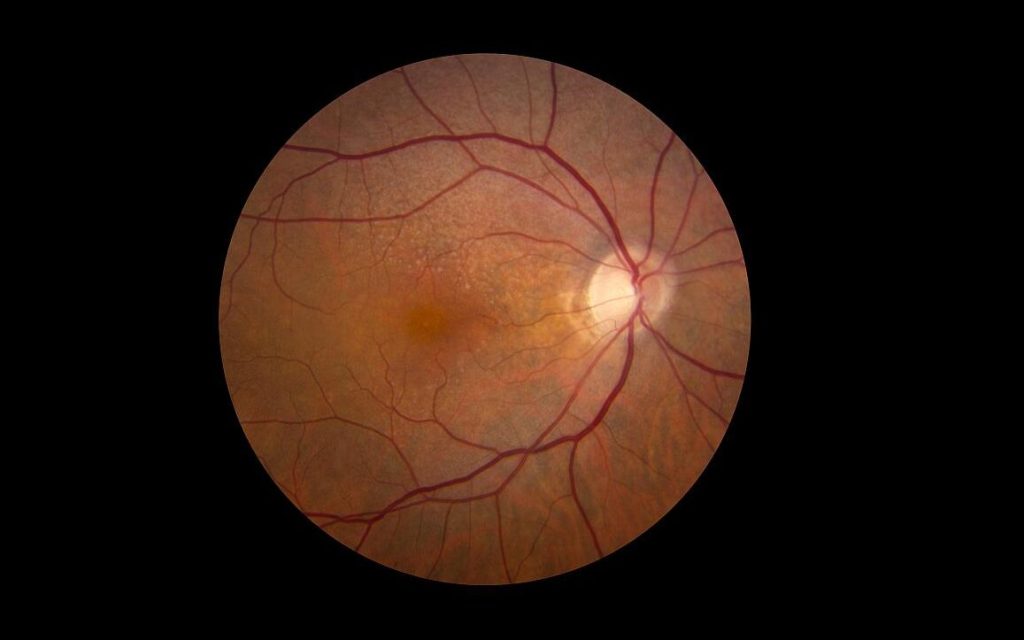
Credit: National Eye Institute

A pair of major studies established that dietary supplements can slow progression of age-related macular degeneration (AMD). In a new report published in JAMA Ophthalmology, scientists went through 10 years of Age-Related Eye Disease Studies (AREDS2) data and showed that the AREDS2 formula, which substituted antioxidants lutein and zeaxanthin for beta-carotene, not only reduces risk of lung cancer due to beta-carotene, but is also more effective at reducing risk of AMD progression, compared to the original formula.

“Because beta-carotene increased the risk of lung cancer for current smokers in two NIH-supported studies, our goal with AREDS2 was to create an equally effective supplement formula that could be used by anyone, whether or not they smoke,” said Emily Chew, MD, lead author of the study report. “This 10-year data confirms that not only is the new formula safer, it’s actually better at slowing AMD progression.”

AMD is a degenerative disease of the retina, the light-sensitive tissue at the back of the eye. Progressive death of retinal cells in the macula, the part of the retina that provides clear central vision, eventually leads to blindness. Treatment can slow or reverse vision loss; however, no cure for AMD exists.

The original AREDS study, launched in 1996, showed that a dietary supplement formulation (50 mg vitamin C, 400 international units vitamin E, 2mg copper, 80mg zinc, and 15mg beta-carotene) could significantly slow the progression of AMD from moderate to late disease. However, two concurrent studies also revealed that people who smoked and took beta-carotene had a significantly higher risk of lung cancer than expected.

In AREDS2, begun in 2006, Dr Chew and colleagues compared the beta-carotene formulation to one with 10 mg lutein and 2 mg zeaxanthin instead. Like beta-carotene, lutein and zeaxanthin are antioxidants with activity in the retina. The beta-carotene-containing formation was only given to participants who had never smoked or who had quit smoking.

At the end of the five-year AREDS2 study period, the researchers concluded that lutein and zeaxanthin did not increase risk for lung cancer, and that the new formation could reduce the risk of AMD progression by about 26%. After the completion of the five-year study period, the study participants were all offered the final AREDS2 formation that included lutein and zeaxanthin instead of beta-carotene.

In this new report, the researchers followed up with 3883 of the original 4203 AREDS2 participants an extra five years from when the AREDS2 study ended in 2011, collecting information AMD progression, and lung cancer diagnosis. Even though all the participants had switched to the formula containing lutein and zeaxanthin after the end of the study period, the follow up study continued to show that beta-carotene increased risk of lung cancer for people who had ever smoked by nearly double. No increased risk for lung cancer was seen in those receiving lutein/zeaxanthin. In addition, after 10 years, the group originally assigned to receive lutein/zeaxanthin had an additional 20% reduced risk of progression to late AMD compared to those originally assigned to receive beta-carotene.

“These results confirmed that switching our formula from beta-carotene to lutein and zeaxanthin was the right choice,” said Dr Chew.

Source: NIH/National Eye Institute

Newly Discovered Neuron Type may Help Explain Memory Formation

A healthy neuron.
A healthy neuron. Credit: NIH

Scientists publishing in Neuron have described how a newly discovered neuron type may be involved with the formation of memory in the hippocampus, which is marked by high-frequency electrical events.

It is known that memory is represented by changes in the hippocampus. One of the well-established changes in the hippocampus that has been associated with memory is the presence of so-called sharp wave ripples (SWR). These are brief, high-frequency electrical events generated in the hippocampus, and they are believed to represent a major event occurring in the brain in the so-called episodic memory, such as recalling a life event or a friend’s phone number.

However, what happens in the hippocampus when SRWs are generated has not been well understood.

Now a new study sheds light on the existence of a neuron type in the mouse hippocampus that might be a key to better understanding of episodic memory.

Professor Marco Capogna and Assistant professor Wen-Hsien Hou have contributed to the discovery of the novel neuron that is associated with sharp wave ripples and memory.

Possible disruption in dementia and Alzheimer’s

The study describes the novel neuron type in the hippocampus.

“We have found that this new type of neuron is maximally active during SWRs when the animal is awake – but quiet – or deeply asleep. In contrast, the neuron is not active at all when there is a slow, synchronized neuronal population activity called “theta” that can occur when an animal is awake and moves or in a particular type of sleep when we usually dream,” Prof Capogna said.

Because of this dichotomic activity, this novel type of neuron is named theta off-ripples on (TORO).

“How come, TORO-neurons are so sensitive to SWRs? The paper tries to answer this question by describing the functional connectivity of TORO-neurons with other neurons and brain areas, an approach called circuit mapping. We find that TOROs are activated by other types of neurons in the hippocampus, namely CA3 pyramidal-neurons and are inhibited by inputs coming from other brain areas, such as the septum,” Prof Capogna explained.

“Furthermore, the study finds that TOROs are inhibitory neurons that release the neurotransmitter GABA. They send their output locally – as most GABAergic neurons do – within the hippocampus, but also project and inhibit other brain areas outside the hippocampus, such as the septum and the cortex. In this way, TORO-neurons propagate the SWR information broadly in the brain and signal that a memory event occurred,” he concluded.

The team has monitored the activity of the neuron by using electrophysiology – a technique that detects activity of the neurons by measuring voltage versus time, and by using imaging that detects activity by measuring changes in calcium signalling inside the neurons.

Demonstrating a causal link between the activity of TORO-nerve cells and memory will be the next step, and exploring whether inhibition of TORO-neurons and sharp wave ripples occurs in dementia and Alzheimer’s diseases. 

Source: Aarhus University

IBD and Depression is a Two-way Street

Photo by Andrea Piacquadio on Pexels

While irritable bowel disease (IBD) and depression are known to occur together, scientists report a clinical overlap of these conditions in the Journal of Gastroenterology and Hepatology, implying the existence of a two-way relationship. Patients diagnosed with IBD were nine times as likely to develop depression than the general population. Their siblings who did not suffer from IBD were almost two times as likely to develop depression.

Conversely, patients with depression were two times as likely to develop IBD, and their siblings without depression were more than one and a half times as likely to develop IBD.

“This research reveals a clinical overlap between both conditions, and is the first study to investigate the two-way association between IBD and depression in siblings,” said Bing Zhang, MD, a gastroenterologist with Keck Medicine and co-lead author of the study.

The researchers drew on the data of more than 20 million people from Taiwan’s National Health Insurance Research Database. For 11 years, they tracked patients with either IBD or depression and their siblings without either condition, comparing onset of depression or IBD with a control group of people without either condition, but with similar age, sex and socioeconomic status.

Zhang hypothesises that many factors may contribute to the bidirectional nature of the disorders, including environmental stressors, the gut microbiome and genetics.

“The finding that people with IBD are more prone to depression makes sense because IBD causes constant gastrointestinal symptoms that can be very disruptive to a patient’s life,” he said. “And the elevated depression risk among siblings of IBD patients may reflect caregiver fatigue if the siblings have a role in caring for the patient.”

What surprised researchers was that patients with depression were prone to IBD. Zhang speculates that this discovery may have to do with what is known as the gut-brain axis, a scientifically established connection between the gastrointestinal system and the central nervous system, which consists of the spinal cord and the brain.

For example, he said, inflammation of the brain, which plays a role in depression, may be linked to the inflammation of the gastrointestinal tract, a hallmark of IBD.

The researchers are not sure why siblings of patients with depression are more likely to be diagnosed with IBD. Zhang surmises that there may be a shared genetic susceptibility for either disease that presents differently in family members.

Zhang hopes that the study findings will encourage health care professionals to take both family history and the relationship between gastrointestinal and mood disorders into consideration when evaluating or treating patients with either IBD or depression.

Through more research and better understanding of the gut-brain axis, he envisions leveraging the newfound connection between the conditions to improve the prevention, diagnosis and treatment of IBD and mental disorders.

Source: University of Southern California – Health Sciences

Faecal Microbiota Transplantation is Effective for Recurrent C. Diff

C difficile. Source: CDC

Research just published in Clinical Infectious Diseases has found that Faecal Microbiota Transplantation, or FMT, is an optimal cost-effective treatment for first recurrent Clostridioides difficile infection (CDI).

“The most effective therapies for CDI are also the cost effective therapies,” said co-investigator Radha Rajasingham, MD. “FMT should be moved earlier in the treatment algorithm for CDI. Our model suggests it is effective and cost effective when used in patients after a single episode of recurrent CDI.”

Mathematical modelling was used to understand both the effectiveness and cost effectiveness of earlier use of FMT in the treatment of CDI, which normally arises from the disruption of healthy gut bacteria.

While this disease is caused by antibiotics, it is often treated with antibiotics, including fidaxomicin for initial, non-severe CDI or vancomycin for severe CDI, followed by FMT for any recurrent CDI.s. Unfortunately in many cases, CDI recurs in the same person again. This cycle of infection is called recurrent CDI.

Current guidelines recommend using FMT as a last resort for people with recurrent CDI. The goal of this research was to examine the benefits of using FMT earlier in the cycle of CDI.

“Based on this analysis, we would recommend that rather than waiting for multiple recurrent CDI, providers should consider FMT use for any recurrent CDI,” said co-author Byron Vaughn, MD, MS.

The authors suggest future research examine the role of FMT to prevent all recurrent CDI or even as primary prevention of CDI in high risk individuals.

Source: University of Minnesota Medical School

Audit Finds Women are Uninformed of Common Anaesthetic’s Effect on Contraception

Women undergoing operations are not being routinely informed that a common anaesthetic may reduce their contraception’s effectiveness, putting them at risk of an unplanned pregnancy, suggests new research which is being presented at Euroanaesthesia, the annual meeting of the European Society of Anaesthesiology and Intensive Care (ESAIC).

The drug sugammadex is widely used in anaesthesia.  Administered towards the end of the operation, ahead of waking the patient up, it reverses the action of the neuromuscular blocking drugs rocuronium and vecuronium given earlier in the procedure to relax the patient’s muscles.

Sugammadex is known to interact with progesterone, possibly reducing the effectiveness of hormonal contraceptives, including the progesterone-only pill (mini-pill), combined pill, vaginal rings, implants and intra-uterine devices.

Current guidance is to inform women of child-bearing age (WCBA) that they have received the drug and, due to increased risk of contraceptive failure, advise those taking oral hormonal contraceptives to follow the missed pill advice in the leaflet that comes with their contraceptives and advise those using other types of hormonal contraceptive to use an additional non-hormonal means of contraception for seven days.

However in the experience of the authors, robust methods for identifying at-risk patients and informing them of the associated risk of contraceptive failures is not common practice across anaesthetic departments within the UK, and likely further afield. 

To find out more, Dr Neha Passi, Dr Matt Oliver and colleagues at the University College London Hospitals NHS Foundation Trust surveyed anaesthetists at their hospital trust on their use of sugammadex and carried out a retrospective audit of sugammadex use in the Trust.

A seven-question survey was sent to all anaesthetists at the Trust.  Including consultants, junior doctors and physician assistants, this numbered almost 150 professionals.

Of the 82 anaesthetists who responded, 94% said they were aware of the risk of contraceptive failure – but 70% of respondents reported they do not routinely discuss sugammadex with patients who received it.

During the audit, 65 WCBA patients were given sugammadex, and 48 of these should have received advice on the risks of contraceptive failure.  There was no record of it, however, in the medical notes of any of the 48 women. (The other 17’s medical history meant they weren’t at risk of pregnancy and so not eligible for the advice.)

Dr Passi said: “It is concerning that we are so seldom informing patients of the risk of contraceptive failure following sugammadex use.

“Use of sugammadex is expected to rise as it becomes cheaper in the future and ensuring that women this receiving medicine are aware it may increase their risk of unwanted pregnancy must be a priority.”

Dr Oliver added: “We only studied one hospital trust but we expect the results to be similar in elsewhere in the UK.”

Dr Passi adds: “It is important to note, however, that most patients receiving an anaesthetic do not need a muscle relaxant2 and that sugammadex is one several drugs available to reverse muscle relaxation.”

In response to their findings, the study’s authors have created patient information leaflets and letters and programmed the Trust’s electronic patient record system to identify ‘at-risk’ patients and deliver electronic prompts to the anaesthetists caring for them in the perioperative period.

Sugammadex is the only anaesthetic drug known to have this effect.

Source: EurekAlert!

Older Siblings Confer Healthy Development

Children
Photo by Ben Wicks on Unsplash

Being a younger sibling in a family can have more benefits than simply being spoiled by the parents. A new study, published in BMC Public Health, reveals that older siblings confer a protective effect on the behaviours of their younger brothers and sisters.

Exposure environmental stressors during critical periods of life, especially to maternal stress while in the womb, can have negative long-term consequences for children’s development.

In a new study, researchers used longitudinal data from the LINA cohort (Lifestyle and environmental factors and their Influence on the Newborn Allergy risk) to test 373 German mother-child pairs, from pregnancy until 10 years of age. 

Mothers were asked to fill in three validated questionnaires, to assess their stress levels and their child’s behavioural problems. First, the researchers assessed which social and environmental factors were linked to an increase in maternal stress levels during pregnancy, and the long-term consequences of maternal stress on the occurrence of child behavioural problems. Second, the researchers assessed whether the presence of siblings had a positive effect on the occurrence of child behavioural problems, by directly reducing stress levels and increasing children’s psychological well-being, or by indirectly buffering the negative consequences of maternal stress. 

Prenatal stress can cause behavioural problems in the child

The results of the study showed that socio-environmental stressors, like the lack of sufficient social areas in the neighbourhood, were clearly linked to an increase in maternal stress levels during pregnancy. Moreover, mothers who had experienced high stress levels, like worries, loss of joy or tension, during pregnancy were also more likely to report the occurrence of behavioural problems when their children were 7, 8 or 10 years old. “These results confirm previous findings about the negative impact that even mild forms of prenatal stress might have on child behaviour, even after several years, and highlight the importance of early intervention policies that increase maternal wellbeing and reduce the risks of maternal stress already during pregnancy,” explained Federica Amici, one of the researchers involved in the project.

On a more positive note, the study also found a lower occurrence of behavioural problems in children with older siblings. “Children who have older brothers or sisters in their households are less likely to develop problems, which suggests that siblings are crucial to promote a healthy child development,” explained Gunda Herberth, coordinator of the LINA study. 

Higher social competence thanks to older siblings?

This study further suggests that the presence of older siblings directly reduced the risk of developing behavioural problems, but did not affect negative effects of maternal stress on child behaviour. How could older siblings reduce the occurrence of behavioural problems in children? By interacting with their older siblings, children may develop better emotional, perspective taking and problem solving skills, which are linked to higher social competence and emotion understanding. Moreover, the presence of older siblings may provide learning opportunities for parents, who might thus develop different expectations and better parental skills. 

“We were especially impressed by the important role that siblings appear to play for a healthy child development,” concluded researcher Anja Widdig. “We hope that our findings will draw attention to the importance of public health policies that directly target children and their siblings, and promote a healthy environment for their well-being and the development of high-quality sibling relationships”.

Source: Helmholtz Centre for Environmental Research

A New Combined Therapy Extends Prostate Cancer Survival

Credit: Darryl Leja / National Human Genome Research Institute / National Institutes of Health

Practice-changing research published in The Lancet shows that a new combined therapy involving androgen deprivation therapy plus pelvic lymph node radiation kept nearly 90% of clinical trial patients’ prostate cancer at bay for five years.

The study also shows that patients with prostate cancer who didn’t receive androgen deprivation therapy — and who did not receive pelvic lymph node radiation — had a five-year survival of 70%.

“We can now confirm that pelvic lymph node treatment used together with androgen deprivation therapy, or even used as a stand-alone treatment option, greatly improves outcomes in patients with postoperative prostate cancer,” said Howard Sandler, MD, of Cedar Sinai Medical Center, senior author of the study. “These findings are an encouraging step forward, both for the medical community and for the patients and their loved ones seeking curative treatment options.”

The trial enrolled 1716 patients between March 31, 2008, and March 30, 2015. Enrollees were separated into three groups.

Group one received salvage prostate bed radiotherapy — a standard radiation targeted to the area in which the prostate used to exist before its surgical removal. Median five-year survival was 71% in these patients.

The second group received the standard radiation treatment, in combination with androgen deprivation therapy. Median five-year survival was 81%.

The third group received salvage prostate bed radiotherapy, androgen deprivation therapy and pelvic lymph node radiation. These patients had a five-year freedom from progression of just over 87%.

“The combined treatment approach proved to be the most beneficial approach,” said Dr Sandler.

Prostate cancer is the most common non-skin cancer in the US, affecting 1 in every 6 to 7 men. Though early warning signs are rare for prostate cancer, screening tests can catch it early. Diagnosis usually accompanies an elevated level of PSA, an acronym for prostate-specific antigen.

After prostatectomy, a man’s PSA level should be near zero. However, some men start to see their PSA levels rise several years after surgery. This is typically an indication that radiation therapy is needed.

Dr Sandler says men with postoperative prostate cancer can have excellent outcomes, especially if radiation is given early — when PSA levels are at their lowest — and in combination with proven therapies, as suggested in this new research.

Source: Cedars-Sinai Medical Center

New SGLT-2 Inhibitors Could Reduce Heart Failure Risk in Diabetes

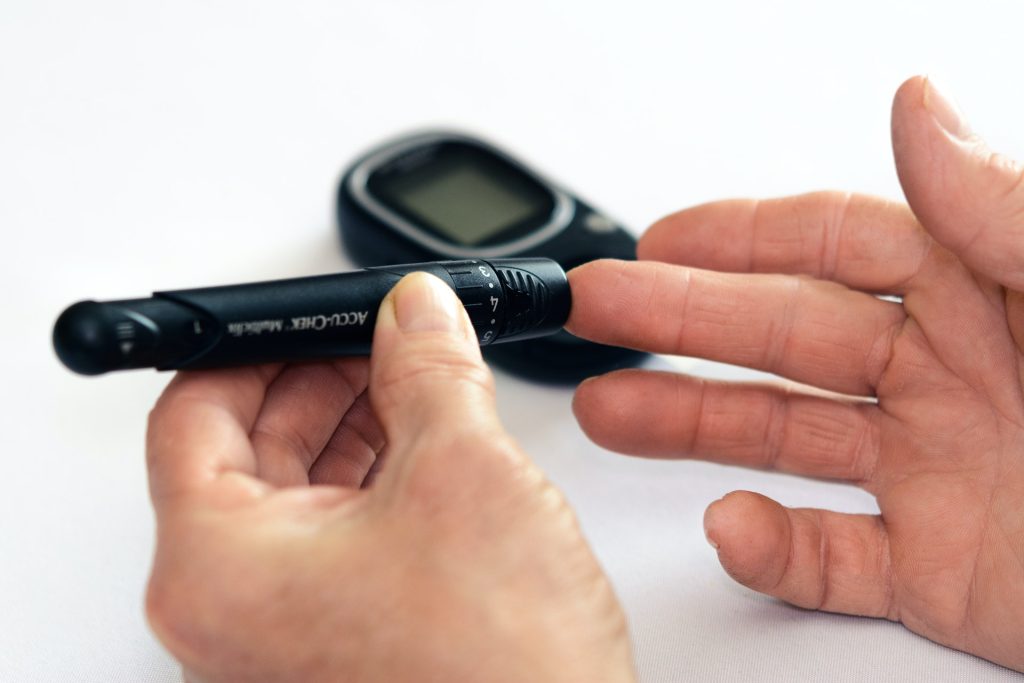
Diabetes - person measures blood glucose
Photo by Photomix Company from Pexels

A study published in Annals of Internal Medicine has suggested that the new SGLT-2 inhibitors may be viable as a first-line treatment in patients with type 2 diabetes, with reduced odds of hospitalisation for heart failure compared to those receiving metformin.

In cardiovascular outcome trials among adults with type 2 diabetes (T2D), sodium-glucose co-transporter 2 inhibitors (SGLT-2i) have shown therapeutic promise, including reduced risk of hospitalisation for heart failure compared to placebo. However, SGLT-2i have mainly been evaluated as a second-line treatment – metformin is generally given as a first-line, antidiabetic treatment.

In this new study, researchers from the Brigham and Women’s Hospital compared cardiovascular outcomes among adults with T2D who initiated first-line treatment with either metformin or SGLT-2i. For the study, 8613 patients receiving SGLT-2i were matched to 17 226 patients receiving metformin.

The researchers reported that that patients receiving SGLT-2i showed a similar risk for myocardial infarction, stroke, and all-cause mortality, and a lower risk for hospitalisation for heart failure compared with patients who received metformin. The risk for adverse events was similar except for an increased risk for genital infections compared with those receiving metformin.

“Our results suggest that SGLT-2i may be considered as first-line treatment for patients with T2D and cardiovascular disease or who are at increased risk for cardiovascular events,” said lead author HoJin Shin, BPharm, PhD, of the Division of Pharmacoepidemiology and Pharmacoeconomics. “However, more evidence from randomised clinical trials or observational studies will help us to identify patients who would benefit most from using SGLT-2i as first-line type 2 diabetes treatment.”

Source: EurekAlert!