Traditional Healers in Rural Mpumalanga Help Diagnose HIV

Photo by Sergey Mikheev on Unsplash

An initiative of Wits University’s MRC/Wits Agincourt Research Unit, the Traditional Healers Project convened two ‘open houses’ at local primary healthcare facilities – Rolle Clinic and Thulamahashe Community Health Centre in rural Bushbuckridge, Mpumalanga – in March 2023.

An ‘open house’ is a community and stakeholder gathering hosted at a public health facility in partnership with the Department of Health.

The aim of these sessions is to build on the relationship that the MRC/Wits Agincourt Research Unit has established between local traditional healers, community members, and healthcare facility staff to support the end of HIV through regular HIV counselling and testing.

Traditional healers in public health

The sessions supplement research that began almost a decade ago, which focuses on the role of traditional healers in healthcare access and delivery.

Specifically, this research aims to determine:

  • whether traditional healers can conduct HIV counselling and testing (HCT)
  • whether the patients of traditional healers are willing to undergo HCT that is administered by a traditional healer
  • whether traditional healers and biomedical healthcare workers can work together to help link patients to HIV/AIDS diagnosis and care.

The open house sessions form part of this research and provide a platform where traditional healers and biomedical healthcare workers can come together and build mutual understanding and trust, with a view to linking those who test positive for HIV with healthcare providers who can then administer lifesaving antiretroviral treatment (ART) and care.

15 traditional healers certified HIV counsellors and testers

The open houses drew an audience of more than 150 participants, including 15 traditional healers, local indunas [tribal chiefs], community healthcare workers (CHWs), community members, and representatives from Right to Care (a local collaborating partner on HIV) and the Department of Health.

Mr Wonderful Mabuza, Project Manager at the MRC/Wits Agincourt Research Unit, oversees the open houses and says that the successes to date have far surpassed expectations:

“It is exciting to be part of the group that is doing this work, knowing that we have a lot of people who visit traditional healers in our communities. It’s groundbreaking to have traditional healers trained to provide HIV counselling and testing – and amazing to see community members respond, with some never having tested previously.”

Gogo Singabeni, one of the 15 traditional healers who has completed the programme, says: “I was very excited to be invited to the HIV training, and that we would be certified in HIV testing and counselling. It’s important to show people proof that I am certified to do HIV testing.”

She adds: “The first day of testing [a patient] was very difficult for me. I was even shaking as I was conducting the test. I started with the first client, although I was shaking, and I managed to complete the process according to how we were trained. After the client left, I drew strength in seeing that I am able to do it.”

Partnerships imperative

Dr Ryan Wagner, Senior Research Fellow at the MRC/Wits Agincourt Research Unit, leads the traditional healers programme known collectively as Ntirhisano (Shangaan for ‘working together’).

He emphasises the importance of the Ntirhisano team, traditional healers, community healthcare workers, and the Department of Health collaborating to strengthen the referral system. 

“In order to expand coverage and increase uptake of HIV testing – and thereby contribute to ending new HIV cases – we need to embrace innovative approaches, such as traditional healer-initiated HIV counselling and testing,” says Wagner.

“We have recruited and trained 15 traditional healers in the Thulamahashe/Rolle area who, for the past six months, have been successfully testing their patients for HIV/AIDS. Those who tested positive have been referred to a local clinic or community healthcare worker.”

The Department of Health’s Primary Healthcare Supervisor, Sister Mariah Mkhari, says: “The Department of Health alone cannot do it, but with such collaborations between MRC/Wits and other stakeholders we will be able to conquer HIV. We welcome the initiative, and we hope Wits can expand to other areas in Bushbuckridge and train all traditional healers to test for HIV.”

MRI Scan Combination Could Detect Hypertrophic Cardiomyopathy Early

Credit: Pixabay CC0

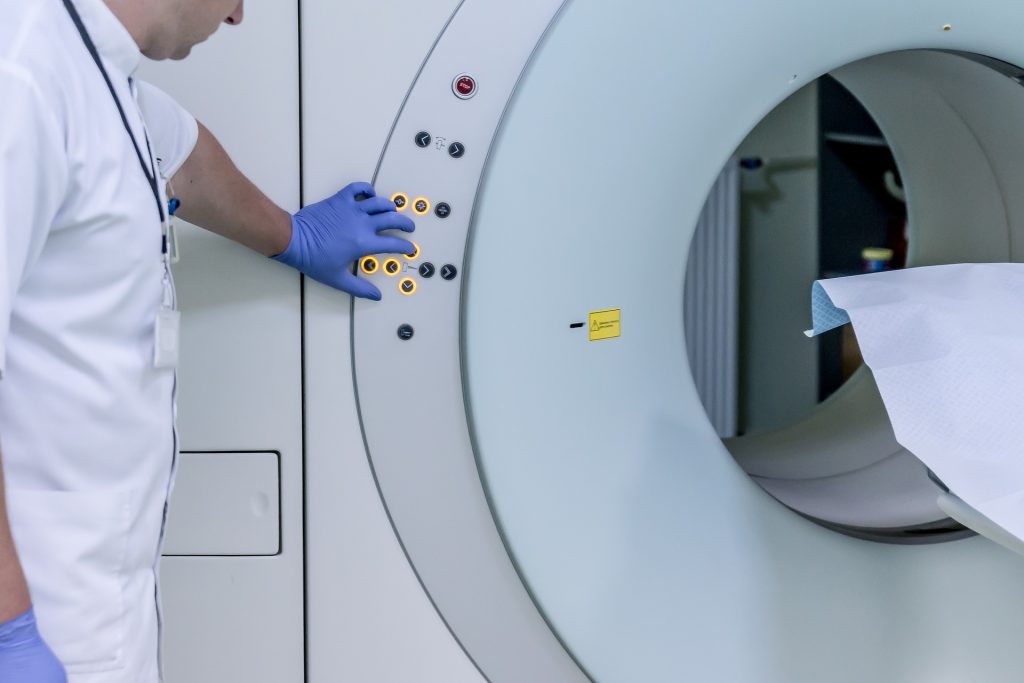
Combining two types of heart scan techniques could help detect hypertrophic cardiomyopathy (HCM) before symptoms and signs on conventional tests appear, according to a new study led by UCL researchers. To do this, they used two cutting-edge heart scanning techniques: cardiac diffusion tensor imaging (cDTI), which shows the heart’s microstructure and cardiac MRI perfusion (perfusion CMR), which reveals microvascular disease. Their findings, published in Circulation, will help doctors select appropriate treatments.

HCM is a disease which affects around 1 in 500 in the UK, causing thickening of heart muscle and can lead to heart failure and cardiac arrest.

Researchers studied the hearts of three groups: healthy people, people who already had HCM, and people with an HCM-causing genetic mutation but no overt signs of disease.

The scans showed that people with overt signs of HCM have very abnormal organisation of their heart muscle cells and a high rate and severity of microvascular disease compared to healthy volunteers, helping doctors more accurately spot the early signs of HCM.

Crucially, the scans were also able to identify abnormal microstructure and microvascular disease in the people who had a problematic gene but no symptoms or muscle thickening. They found that 28% had defects in their blood supply, compared to healthy volunteers. This meant that doctors were able to more accurately spot the early signs of HCM developing in patient’s hearts.

The first drug to slow HCM progression, mavacamten, has recently been approved for use in Europe and will allow doctors to reduce the severity of the disease once symptoms and muscle thickening have appeared. Genetic therapies are also in development which could prevent symptoms entirely by intercepting HCM development at an early stage.

Perfusion CMR is already being used in some clinics to help differentiate people with HCM from other causes of muscle thickening. The researchers think that these revolutionary new therapies, combined with cDTI and perfusion CMR scans, give doctors the best ever chance of treating people at risk of HCM early enough that the condition never develops.

Dr George Joy, who led the research with Professor James Moon and Dr Luis Lopes (all UCL Institute of Cardiovascular Science), said: “The ability to detect early signs of HCM could be crucial in trials testing treatments aimed at preventing early disease from progressing or correcting genetic mutations. The scans could also enable treatment to start earlier than we previously thought possible.

“We now want to see if we can use the scans to identify which patients without symptoms or heart muscle thickening are most at risk of developing severe HCM and its life-changing complications. The information provided from scans could therefore help doctors make better decisions on how best to care for each patient.”

Dr Luis Lopes (UCL Institute of Cardiovascular Science), senior author of the study, said: “By linking advanced imaging to our cohort of HCM patients (and relatives) with extensive genetic testing, this study detected microstructural abnormalities in vivo in mutation carriers for the first time and was the first to compare these parameters in HCM patients with and without a causal mutation.

“The findings allow us to understand more about the early subclinical manifestations of this serious condition but also provide additional clinical tools for screening, monitoring and hopefully in the near future for therapeutic decision-making.”

Source: University College London

Plasma Protein Biomarkers Could Detect Early Mental Health Problems in Adolescents

Photo by Andrew Neel on Unsplash

Researchers at the University of Eastern Finland have identified plasma protein-based biomarkers capable of identifying adolescents at risk of developing mental health issues. Such biomarkers could revolutionise early detection and prevention of mental health problems in young people.The results were published in Nature Mental Health.

Some 10–20% of adolescents struggle with mental health conditions, with the majority going undiagnosed and untreated. This points to a need for new, early indicators of mental health problems to catch these cases and intervene with treatment before the conditions progress.

In the study carried out in the research group of Professor Katja Kanninen, the researchers used self-reported Strengths and Difficulties Questionnaire (SDQ) scores to evaluate mental health risk in participants aged between 11 and 16 years. Blood sample analyses showed that 58 proteins were significantly associated with the SDQ score. Bioinformatic analyses were used to identify the biological processes and pathways linked with the identified plasma protein biomarker candidates. Key enriched pathways related to these proteins included immune responses, blood coagulation, neurogenesis, and neuronal degeneration. The study employed a novel symbolic regression algorithm to create predictive models that best separate low and high SDQ score groups.

According to Professor Kanninen, plasma biomarker studies in mental disorders are an emerging field.

“Alterations in plasma proteins have been previously associated with various mental health disorders, such as depression, schizophrenia, psychotic disorders, and bipolar disorders. Our study supports these earlier findings and further revealed that specific plasma protein alterations could indicate a high risk for mental dysfunction in adolescents,” Professor Kanninen notes.

According to the researchers, this pilot study will be followed by more specific investigations of the potential biomarkers for identification of individuals at risk of mental health problems, opening a new avenue for advancements in adolescent mental health care.

Source: University of Eastern Finland

Review Identifies Most Effective Forms of Exercise to Reduce Blood Pressure

Pexels Photo by Thirdman

A meta-analysis published in the British Journal of Sports Medicine has shown that isometric exercises, which involve contracting muscles to hold the body in position without moving such as in wall squats, are best for reducing resting blood pressure. The researchers reviewed 270 randomised clinical trials with a total of 15 827 participants.

All of the studies included measured blood pressure after two weeks or more of exercise intervention, and included non-intervention control groups. It was found that isometric exercises reduced systolic and diastolic blood pressure by 8.24 and 4.00mmHg respectively. The next most effective forms of training in reducing blood pressure were combined training, followed by dynamic resistance training, aerobic exercise, and high-intensity interval training (HIIT).

The researchers noted that current guidelines are based on older research and as such don’t include data from new forms of exercise such as HIIT. These guidelines tend to emphasise aerobic training such as running for controlling blood pressure. In addition to helping clinicians optimise individualised exercise recommendations, the new findings suggest that it might be time to update exercise guidelines for preventing and treating high blood pressure.

Source: JAMA Network

Study Finds No Evidence of Fungus Link to Pancreatic Cancer

Source: CC0

Four years ago, a report that a common species of fungus might fuel pancreatic cancer offered a promising new view of the deadly disease. But in working to validate the finding, Duke Health researchers have found no such association. In a study published in the journal Nature, the researchers conducted a multi-pronged analysis of data from the earlier study and found no link between the pancreatic microbiome and the development of pancreatic cancer.

“We were intrigued by the original finding, as were many research teams,” said senior author Peter Allen, MD, professor in the Department of Surgery and chief of the Division of Surgical Oncology at Duke University School of Medicine.

“There is a growing body of literature connecting the human microbiome to disease, and this was particularly compelling for pancreatic cancer,” Allen said. “But our findings did not support an association between fungi and the development of pancreatic cancer in humans.”

Allen and colleagues worked to recreate the 2019 findings published in Nature by a different research team. The original study raised hopes that there might be a possible method of preventing pancreatic cancer with the use of antifungals or some other approach to protect from infection.

Focusing on the research team’s original raw sequencing data, the Duke researchers were unable to reproduce the findings. Additional studies, using pancreatic cancer tissue in Duke repositories, also failed to produce the original results.

“We believe our findings highlight the challenges of using low biomass samples for microbiome sequencing studies,” Allen said. “The inclusion of appropriate negative controls and efforts to identify and remove sequencing contaminants is critical to the interpretation of microbiome data.”

Source: Duke University Medical Center

Cognitive Behavioural Therapy over The Internet is Effective for PTSD

Photo by National Cancer Institute on Unsplash

In a large-scale randomised controlled trial, researchers from the UK and Sweden have shown that internet-mediated cognitive behavioural therapy (CBT) can provide results for post-traumatic stress disorder (PTSD) that are in line with conventional face-to-face care. The article, which was recently published in Lancet Psychiatry, also shows that the time required for therapists is greatly reduced, which could mean that more patients can be treated and have access to the right help.

Common symptoms include reliving the trauma, overexcitement, avoidance and emotional and cognitive consequences, such as depression and difficulty concentrating. Psychological treatment in the form of CBT has been shown to have good effects in PTSD, but access to care is limited and varies between different places.

Post-traumatic stress disorder (PTSD) is a psychiatric diagnosis that affects about 5-10% of the population. PTSD occurs as a result of experiencing – or witnessing – severe, life-threatening and traumatic events, such as abuse, war, accidents and mistreatment.

The study recruited 217 participants through the NHS or self-referral. Mean age was 36·36 years, with a range 18–71 years; 158 (73%) self-reported as female, 57 (26%) as male, and two (1%) as other. Of these, 52 (24%) participants met self-reported criteria for ICD-11 complex PTSD.  The advantages in outcome for internet-mediated therapy were greater for participants with high dissociation or complex PTSD symptoms, and mediation analyses showed both treatments worked by changing negative meanings of the trauma, unhelpful coping, and flashback memories. No serious adverse events were reported.

Source: Karolinska Institutet

Doing the Impossible: New Drug Kills 100% of Solid Tumours by Hitting ‘Undruggable’ Target

Assembled human PCNA (PDB ID 1AXC), a sliding DNA clamp protein that is part of the DNA replication complex and serves as a processivity factor for DNA polymerase. The three individual polypeptide chains that make up the trimer are shown. Source: Wikimedia CC0

A ‘cure for cancer’ has long been something of a holy grail for medical research – but experience has shown that cancers are highly individualised and respond differently to therapy, adapting to resist them. Now, in an early study, researchers have tested a cancer drug that kills all solid cancer tumours while leaving other cells unharmed and resulting in no toxicity. The new molecule targets a common key cancer cell protein, the proliferating cell nuclear antigen (PCNA), that is key to helping them grow and metastasise – a target previously believed to be ‘undruggable’.

The new drug, AOH1996, was tested in vitro against 70 different cancer cell lines, including breast, prostate, brain, ovarian, cervical, skin, and lung cancer. It proved effective against all of them, as well as sparing healthy cells. What’s more, developing resistance against the drug is unlikely due to the nature of PCNA as a mistranslation rather than a mutation. The results were published in Cell Chemical Biology. Instructions for synthesis were included in supplementary material.

The last great breakthrough in cancer treatment was immunotherapy, and since then cancer research has looked for the next big leap. A search of journal articles in the Pubmed database showed that “cancer” has grown from 6% of all results in 1950 to 16% by 2016. More recent development in cancer therapies has included gene-based approaches, naked nucleic acids based therapy, targeting micro RNAsoncolytic virotherapy, suicide gene based therapy, targeting telomerasecell mediated gene therapy, and CRISPR/Cas9 based therapy.

Shutting down the hub

The research was led by Dr Linda Malkas, a professor at City of Hope Hospital, who said that the molecule selectively disrupts DNA replication and repair in cancer cells, leaving healthy cells unaffected. Animal models also showed a reduction of tumour burden with no apparent adverse effects, with the no observed adverse effect level (NOAEL) calculated being six times higher than the administered dose.

She explained the drug in simple terms to the Daily Mail: “Most targeted therapies focus on a single pathway, which enables wily cancer to mutate and eventually become resistant,” she said. “PCNA is like a major airline terminal hub containing multiple plane gates.

“Data suggests PCNA is uniquely altered in cancer cells, and this fact allowed us to design a drug that targeted only the form of PCNA in cancer cells. Our cancer-killing pill is like a snowstorm that closes a key airline hub, shutting down all flights in and out only in planes carrying cancer cells.”

Dr Malkas said results so far have been ‘promising’ as the molecule can suppress tumour growth on its own or in combination with other cancer treatments without resulting in toxicity.

The development of AOH1996 is the culmination of nearly two decades of work by City of Hope Hospital in Lose Angles.

Decades in the making

PCNA in breast cancer was identified as a potential target in 2006 since it is an isomer, allowing antibodies to target it. The researchers’ first attempts with antibodies to target PCNA were unsuccessful as these were too big to penetrate into solid tumours. Next, they tried a small molecule, which appeared to work in vitro but in vivo proved to have a half-life of only 30 minutes. But they were able to tweak that molecule and arrive at the current drug, AOH1996. It was named after Anna Olivia Healy who died in 2005 from neuroblastoma, and she became the inspiration for the research.

“She died when she was only 9 years old from neuroblastoma, a children’s cancer that affects only 600 kids in America each year,” Malkas said. “I met Anna’s father when she was at her end stages. I sat him down for two hours in my office and showed him all of my data on this protein I had been studying in cancer cells.”

At the time, Dr Malkas was researching breast cancer, studying a protein found in cancer cells but not normal cells. Dr Malkas eventually took Anna’s father, Steve, and his wife, Barbara, to see her lab.

“[Steve] asked if I could do something about neuroblastoma and he wrote my lab a cheque for $25 000,” Dr Malkas said. “That was the moment that changed my life – my fork in the road. I knew I wanted to do something special for that little girl.”

Opinion: There are Paths to Quality Universal Healthcare Besides NHI

One of the most damaging aspects of our public discourse on National Health Insurance (NHI) is the mistaken notion in some quarters that the only two options are NHI and the status quo. PHOTO: Rosetta Msimango/Spotlight

By Marcus Low for Spotlight

One of the most damaging aspects of our public discourse on National Health Insurance (NHI) is the mistaken notion that the only two options are NHI and the status quo. Often implicitly, sometimes explicitly, defenders of NHI suggest that any argument against NHI is one for maintaining the current system. Since the current system doesn’t work very well for most people, this line of argument gets some purchase, even though it is based on a false premise.

In his book “Which country has the world’s best health care?”, oncologist and bioethicist Ezekiel Emanuel outlines the key features of healthcare systems in 11 different countries. Two things that stand out are that health systems differ substantially between countries and that most systems are the relatively messy products of complex histories and political and other compromises. This latter point about the path-dependency of healthcare systems is an important point we will return to.

Many varieties

South Africa’s proposed NHI system is sometimes clumped together with systems in other countries such as Canada, the United Kingdom, and Thailand. At times this is fair, at times it skims over important differences.

For example, NHI will be a single-payer system, which is to say, the NHI fund will be responsible for almost all purchasing of healthcare services in the country. In some respects, Canada has a similar system, except that rather than one system for the whole country, they in effect have 13 single-payer systems for each of their provinces and territories. Even Thailand, at times referred to as an example of NHI, technically has three funds rather than one, although it resembles South Africa’s NHI plans in several other respects. In principle, a large single-payer should be able to negotiate better deals than several smaller payers, but on the other hand, having Canada-style provincial funds would be more closely aligned with South Africa’s current governance arrangements and in some provinces, like the Western Cape, chances are people would have more trust in a fund run by the province than in one run nationally.

Another thing that quickly becomes apparent when looking at the variety of healthcare systems out there, is that a simplistic dichotomy between NHI and private healthcare is a false one. Countries like the Netherlands and Germany have achieved excellent health outcomes with systems that are neither NHI-style systems nor examples of the private sector running riot. Though the details are significantly more complicated than this, you can think of the Netherlands and Germany roughly as having many strictly regulated medical schemes (called sickness funds in Germany) with scheme/fund membership being compulsory (with some exceptions). The German system is progressive in that people with higher incomes contribute more than people with lower incomes – an important difference from South Africa’s medical schemes.

Funds in the Netherlands are also not primarily funded directly, as with our medical schemes, but receive funding from a central fund via a risk adjustment process. Both the German and Dutch systems have significant social solidarity built-in in the way it institutionalises the cross-subsidising of the poor by the wealthy.

In South Africa, such a system could, for example, be implemented by dramatically tightening up the regulation of medical schemes, putting in place a progressive mechanism for cross-subsidisation between schemes, making scheme membership compulsory for those who can afford it, and, over time, using tax revenue to pay for scheme membership for the unemployed (although this last element, like NHI, does come with a big question mark on affordability. Those with long enough memories might remember that a system roughly along such lines was on the cards in South Africa around the turn of the century. (see for example the Taylor report of 2002 and this interesting paper.)

Getting to there from here

One striking thing about NHI in South Africa is that for all the column inches, submissions to Parliament, and oral hearings across the country and in Parliament, hardly anyone seems to have shifted their positions in the last decade and there has been very little serious consideration of alternative paths to universal healthcare.

Photo by Hush Naidoo on Unsplash

One reason for this is the sense that the design choices behind the NHI Bill were essentially decided on by a relatively small group of people in the National Health Department and the African National Congress (ANC) around 10 or 15 or so years ago. What followed since then often felt like an attempt at co-opting rather than meaningful engagement. This was particularly apparent in the way some members of the Portfolio Committee on Health continuously pushed people on whether they are for or against NHI, rather than engaging with the substance of people’s submissions. Though the boxes for public engagement were ticked, the reality was often a parody of what such engagement is meant to be.

We could have gone a different route. It would have been entirely feasible to have a process for NHI akin to the much more meaningful set of engagements we had for the Competition Commission’s Health Market Inquiry into the private healthcare sector. In that case, people could make submissions, be heard by the panel, and crucially, one never got the sense that the outcome was preordained. Such a process may in some respects have given government officials and members of Parliament a few more headaches, but it would also have built trust and understanding of the technical issues, and for major reforms like NHI trust and public understanding is half the battle.

Republished from Spotlight under a Creative Commons Licence.

Source: Spotlight

Kombucha may Lower Fasting Blood Glucose in Type 2 Diabetes, Study Suggests

Photo by Photomix Company on Pexels

People with type 2 diabetes who drank the fermented tea drink kombucha for four weeks had lower fasting blood glucose levels compared to when they consumed a similar-tasting placebo beverage, according to results reported in Frontiers in Nutrition. Though only a pilot 12-person feasibility trial, the finding suggests a dietary intervention that could help lower blood sugar levels in people with diabetes and also establishes the basis for a larger trial to confirm and expand upon these results.

Kombucha is a tea fermented with bacteria and yeasts and was consumed as early as 200BCE in China, but it has only recently become popular elsewhere. Its popularity has been bolstered by anecdotal claims of improved immunity and energy and reductions in food cravings and inflammation, but proof of these benefits has been limited. Researchers at Georgetown University’s School of Health, the University of Nebraska-Lincoln and MedStar Health conducted a clinical trial investigating its effects in diabetes.

“Some laboratory and rodent studies of kombucha have shown promise and one small study in people without diabetes showed kombucha lowered blood sugar, but to our knowledge this is the first clinical trial examining effects of kombucha in people with diabetes,” says study author Dan Merenstein, M.D., professor of Human Sciences in Georgetown’s School of Health and professor of family medicine at Georgetown University School of Medicine. “A lot more research needs to be done but this is very promising.”

Merenstein continued, “A strength of our trial was that we didn’t tell people what to eat because we used a crossover design that limited the effects of any variability in a person’s diet.”

The crossover design had one group of people drinking about eight ounces of kombucha or placebo beverage daily for four weeks and then after a two-month period to ‘wash out’ the biological effects of the beverages, the kombucha and placebo were swapped between groups with another four weeks of drinking the beverages.

Kombucha appeared to lower average fasting blood glucose levels after four weeks from 164 to 116mg/dL while the difference after four weeks with the placebo was not statistically significant. Guidelines from the American Diabetes Association recommended blood sugar levels before meals should be between 70–130mg/dL.

The researchers also looked at the makeup of fermenting micro-organisms in kombucha to determine which ingredients might be the most active. They found that the beverage was mainly comprised of lactic acid bacteria, acetic acid bacteria, and a form of yeast called Dekkera, with each microbe present in about equal measure; the finding was confirmed with RNA gene sequencing.

“Different studies of different brands of kombucha by different manufacturers reveal slightly different microbial mixtures and abundances,” says Robert Hutkins, PhD, University of Nebraska-Lincoln and the study’s senior author. “However, the major bacteria and yeasts are highly reproducible and likely to be functionally similar between brands and batches, which was reassuring for our trial.”

The researchers hope that larger studies will prove kombucha’s protective effects.

Source: Georgetown University Medical Center

Study of African-ancestry Genomes Reveals Defensive Gene Against HIV

Photo by Ayo Ogunseinde on Unsplash

A study on almost 4000 people of African descent has identified a gene that acts as natural defence against HIV by limiting its replication in certain white blood cells. The findings were published in Nature. An international effort co-led by EPFL, Canada’s National Microbiology Laboratory, and Imperial College London, it paves the way for new treatment strategies.

“We searched for human genetic variation that associates with spontaneous control of HIV and identified a novel region in the genome that is only variable in populations of African ancestries,” says Professor Jacques Fellay at EPFL’s School of Life Sciences. “We used a combination of computational and experimental approaches to explore the biological mechanism behind the genetic association and provide evidence that the gene CHD1L acts to limit HIV replication in a subset of white blood cells.”

HIV is still a problem

Despite significant advances in treatment and access to therapy, the human immunodeficiency virus remains a global health challenge with almost 40 million affected individuals, no vaccine and no cure.

Although annual HIV infections have been declining because of widespread antiretroviral therapies, the trend has slowed substantially since 2005, and there are now alarming increases in the number of newly infected adults in some regions.

Genome-Wide Association Studies, or GWAS, analyse the entire genome of a large number of individuals to identify genetic variants associated with a clinical outcome, such as the ability to naturally control viral replication.

Measuring HIV replication control: not enough in African populations

The degree of viral infection is measured by the virus’ “setpoint viral load” (spVL), which refers to the relatively stable level of HIV replication in the body after the initial, acute phase of infection in untreated individuals.

A critical determinant of HIV infection progression and transmissibility, spVL is expressed as the number of viral copies/mL of plasma. The spVL of HIV varies widely in the infected population, depending on the ability of every individual’s immune system to control viral replication without antiretroviral drugs.

Although there have been large studies of spVL control in populations of European descent, much less has been done in populations of African ancestries, which have both a high genomic diversity and the greater burden of HIV.

A key gene for resistance to HIV replication in people of African ancestries

To address this disparity, a large international collaboration of scientists and clinicians has now performed large-scale GWAS using data from diverse populations of African ancestries. In total, the scientists analyzed the genomes from 3,879 individuals living with HIV-1. Using computational analysis and fine-mapping techniques, they identified a novel region in the genome that shows a strong association with spVL control.

This region corresponds to a gene known as CHD1L (for “Chromodomain Helicase DNA Binding Protein 1 Like”), which encodes a protein that helps DNA unwind after it has been damaged, allowing it to be repaired. But in this study, the CHD1L gene showed genetic variation specific to populations of African ancestries, and that was linked to the spontaneous control of the most common and virulent type of HIV, called HIV-1.

Having identified CHD1L as a potential modulator of HIV-1 infection, the researchers explored the biological mechanism behind the genetic association and determined that CHD1L plays a role in limiting HIV replication in a subset of white blood cells.

The study was co-led by Jacques Fellay at EPFL, Paul McLaren at the Public Health Agency of Canada’s National Microbiology Laboratory, and Manjinder Sandhu at Imperial College London.

The discovery of CHD1L’s role in limiting HIV replication could lead to improved treatment options for infected individuals. “Our findings provide insights into potential therapeutic targets, which are needed to continue the fight against HIV-1,” says Fellay. “In addition, our results underscore the importance of performing genomic studies in diverse ancestral populations to better address their specific medical needs and global health inequities.”

Source: Ecole Polytechnique Fédérale de Lausanne