Healthcare Industry Embracing Digital Disruption to Improve Physical Care
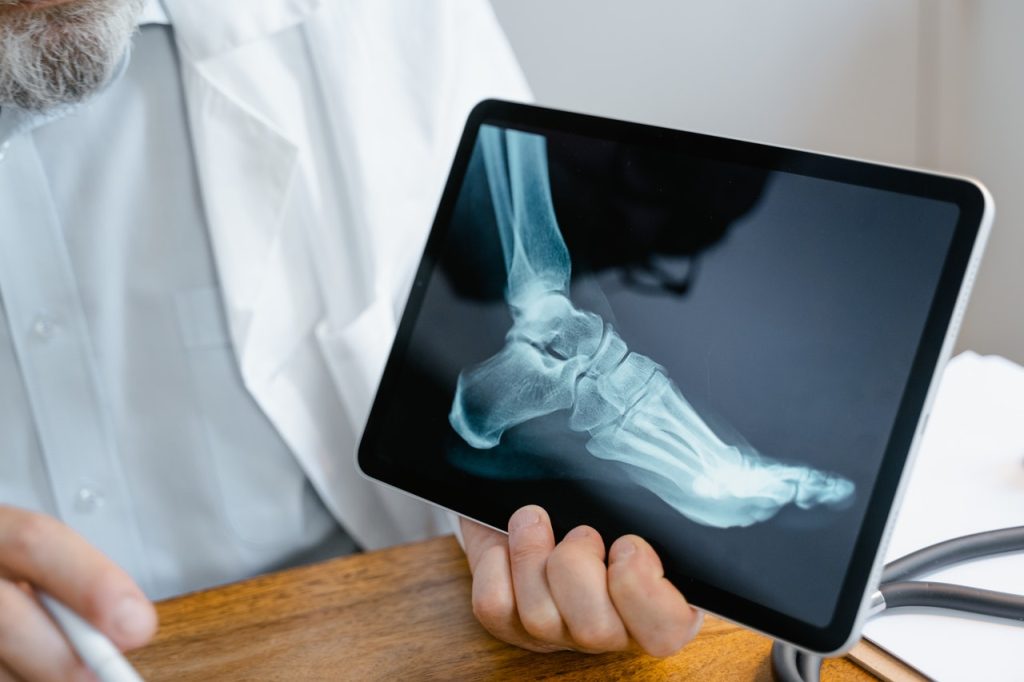
Photo by Tima Miroshnichenko on Pexels

The healthcare industry is in the midst of a digital revolution. We are witnessing a growth in healthcare consumerism, where patients and consumers are more active and engaged, keen to track their own health and are more understanding of their body. Digital therapeutics are emerging and disruptive technologies that overcome the limitations of place, time, and availability of healthcare resources in South Africa.

Digital therapeutics is the key to shifting from reactive healthcare to proactive holistic care. By leveraging technologies such as artificial intelligence/machine learning (AI/ML), augmented reality/virtual reality (AR/VR), m-health applications, and gamified platforms, these software driven intelligent solutions empower patients and healthcare providers with high-quality, safe, and effective data based interventions. 

Christo Groenewald, CEO of CompuGroup Medical South Africa, a MedTech company that has spent over 20 years researching and providing tools doctors, dentists and medical professionals worldwide, has identified two key stages during the interaction between a patient and the healthcare professional, where digital platforms can build a more efficient relationship.    

STEP ONE:  Keeping accurate records

From the first call or appointment, preferably through an online booking system, being able to quickly capture data and access these records saves time and helps gain a deeper understanding of the patient’s experience. This also helps practitioners make informed decisions about the necessary treatment.  

Clinical documentation can effortlessly be facilitated through the employment of systems such as SOAP (subjective, objective, assessment, and plan) or SINSS (severity, irritability, nature, stage, and stability) model, further complemented by user-friendly aids for methodical body chart completion.

Should a referral be necessary, the uniformity of the anatomy chart and notes make it easy for colleagues to understand the consulting history and it can be shared with the patient on request or their medical aid. 

STEP TWO:  Real time imaging

The future of medicine must include integration with diagnostic imaging, which currently often involves multiple departments and hard copies such as x-rays and scans. One digital therapeutics feature that is gaining popularity, especially in sports medicine, is the capacity to visually map pain and musculoskeletal concerns on an interactive 360-degree model of the human body, enhancing diagnostic precision and patient comprehension.

This visual system also helps with virtual consulting, requesting blood work from the labs or writing e-scripts, which is increasingly being done and recorded remotely.

Software programmes, such as Practice Perfect by CGM, are now trusted for their capability to easily capture comprehensive medical and treatment histories right at the point of care. This sleek approach facilitates efficient tracking of patient rehabilitation, fitness progress, and treatment responses. The ability to merge personal and clinical data in real time, paints a portrait of each patient’s physical health, empowering accurate diagnoses, prognosis and subsequent follow-ups. 

Constantly evolving

Top multinational MedTech companies have invested heavily in the development and advancement of their platforms so that they can be used to predict and manage a patient’s future health rather than reacting to symptoms. This will help reduce the disease burden and be a cost saving for insurance providers and private and public health sectors and empower patients to take control of their physical wellbeing. 

Dr Roberto Beffa, a Cape Town based chiropractor states that “As a loyal customer of CGM for more than a decade, I can confidently say that their Perfect Pair solution has truly helped shape my practice. The seamless integration of clinical notes and billing information in one user-friendly platform has transformed our operations, making the flow from clinical documentation to billing a breeze. Thanks to this efficient system, I can now dedicate more time to what I am truly passionate about – providing exceptional care to my patients”.

For more information about CGM’s Perfect Pair, which is a combination of Practice Perfect plus the powerful billing engine for physical health practitioners, CGM MEDEDI, visit www.cgm.com/za.

Turmeric as Effective as Omeprazole for Treating Dyspepsia, Comparative Study Suggests

Source: Pixabay cc0

A natural compound found in the culinary spice turmeric may be as effective as the proton pump inhibitor (PPI) omeprazole for treating indigestion symptoms, suggests the first study of its kind, published online in the journal BMJ Evidence-Based Medicine.

Turmeric is derived from the root of the Curcuma longa plant. The spice contains a naturally active compound called curcumin thought to have anti-inflammatory and antimicrobial properties, and has long been used as a medicinal remedy, including for the treatment of indigestion, in South East Asia. 

But it’s not clear how well it compares with conventional drugs for this indication, largely because there have been no head to head studies.

The researchers therefore randomly assigned 206 patients aged 18–70 with recurrent upset stomach (functional dyspepsia) of unknown cause, recruited from hospitals in Thailand between 2019 and 2021, to one of three treatment groups for a period of 28 days.

These were: turmeric (two large 250mg capsules of curcumin 4 times a day) and one small dummy capsule; omeprazole (one small 20mg capsule daily and two large dummy capsules 4 times a day; and turmeric plus omeprazole.

PPIs such as omeprazole are used to treat functional dyspepsia, the symptoms of which include postprandial fullness, early satiety, and pain and/or epigastric pain.

But long term use of PPIs has been linked to increased fracture risk, micronutrient deficiencies, and a heightened risk of infections, note the researchers.

Of the 206 patients enrolled, 151 completed the study, with 20 in the curcumin group;19 in the omeprazole group; and 16 in the combined treatment group, dropping out. 

Patients in all three groups had similar clinical characteristics and indigestion scores, as assessed by the Severity of Dyspepsia Assessment score or SODA, at the start of the trial. Patients were reassessed after 28 days and then again after 56 days.

SODA scores indicated significant reductions in symptom severity by day 28 for pain (−4.83, –5.46 and −6.22) and other symptoms (−2.22, –2.32, and −2.31) for those in the combined, curcumin alone, and omeprazole alone groups, respectively. 

These improvements were even stronger after 56 days for pain (−7.19, –8.07 and −8.85, respectively) and other symptoms (−4.09, –4.12 and −3.71, respectively). 

SODA also captures satisfaction scores: these scarcely changed over time among the curcumin users, which might possibly be related to its taste and/or smell, suggest the researchers.

No serious side effects were reported, although liver function tests indicated some level of deterioration among curcumin users carrying excess weight, note the researchers.

They acknowledge the small size of the study, as well as several other limitations, including the short intervention period and lack of long-term monitoring data. Further larger, long term studies are needed, they say.

Nevertheless, they conclude: “This multicentre randomised controlled trial provides highly reliable evidence for the treatment of functional dyspepsia,” adding that “the new findings from our study may justify considering curcumin in clinical practice.”

Source: EurekAlert!

Antidepressants Improve Recall but Still Reduce Bad Memories

Photo by Alex Green on Pexels

New research from Rice University finds that antidepressants may actually reduce negative memories in individuals suffering from depression while improving overall memory function. The study, appearing in Frontiers in Human Neuroscience, examines how antidepressant use in depressed individuals affects memories, both good and bad.

Stephanie Leal, an assistant professor of psychological sciences, is the study’s lead author. She said the study’s main finding about the link between antidepressants and memories was an important one, because there is still much to be learned about how these drugs work.

“While antidepressants have been around since the 1950s, we still don’t really know how they work,” Leal said. “They only work about 50% of the time, and users often have to go through multiple types of antidepressants to get to a place where they actually feel like the drugs are beneficial. We don’t fully understand how these drugs reduce depressive symptoms and why they are so often ineffective. That’s a big problem.”

The study’s results suggest that antidepressants, when effective, can shift memory dynamics toward healthy function, Leal said.

“How antidepressants affect cognition is a hugely understudied area of research,” she said. “By measuring how antidepressants impact memory, we can use this information to better select treatments depending on people’s symptoms of depression.”

The study included 48 participants ages 18–35. All individuals were surveyed and had been actively taking antidepressants (regardless of the type of antidepressant and diagnosis) for at least one month prior to participation in the study. Researchers are conducting a follow-up study is to examine how the brain responds to antidepressants.

Source: Rice University

Redo Transcatheter Procedure is a Reasonable Treatment for Select Patients

Photo by Natanael Melchor on Unsplash

Cedars-Sinai investigators have shown that redo transcatheter aortic valve replacement (TAVR) procedures are both safe and effective when compared with situations in which patients with similar risk profiles undergo the same procedure for the first time.

The novel findings, which appear in The Lancet, are significant because recent randomised clinical trials have shown that TAVR is a meaningful treatment option for both younger and lower-risk surgical patients.

“We now know that redo TAVR with balloon-expandable valves may be a reasonable treatment for failed TAVR procedures in select patients,” said Raj Makkar, MD, Cedars-Sinai’s vice president of Cardiovascular Innovation and Intervention and the study’s senior author. “This is increasingly important, as the patients treated with TAVR are younger than they were a decade ago, meaning they will likely need a repeat procedure at some point in their lifetime.”

At both the 30-day post-procedure mark and at one year, Makkar’s team found no difference between redo TAVR or first-time TAVR in terms of death or stroke rates.  

“Our findings also suggest that redo TAVR was associated with a significant improvement in quality of life,” said Makkar, who is also the associate director of the Smidt Heart Institute at Cedars-Sinai, director of the Interventional Cardiology Division in the Department of Cardiology, and the Stephen R. Corday, MD, Chair in Interventional Cardiology.

Transcatheter aortic valve replacement is a procedure that replaces a diseased aortic valve with a man-made valve. The procedure is now the standard treatment for patients with symptomatic severe aortic valve stenosis (narrowing of the artery).

The research team accessed a national database of all consecutive patients undergoing commercial TAVR in the US. Among the 350 591 patients who underwent TAVR between November 2011 and December 2022, 1320 individuals required redo procedures. The patients who underwent a repeat procedure had a mean age of 78 years old. About 58% were male and 42% female. 

“Fixing damaged valves is something in which we excel at the Smidt Heart Institute,” said Eduardo Marbán, MD, PhD, professor and executive director of the Smidt Heart Institute. “Our finding that TAVR can be redone safely is yet another step in establishing this as the default technology for aortic valve disease.”

Interventionalists in the Smidt Heart Institute at Cedars-Sinai have successfully completed more than 6000 minimally invasive transcatheter aortic valve replacements to date, with more than 650 performed in fiscal year 2022.

Source: Cedars-Sinai

RSV Easier to Inactivate than Many Other Viruses

Photo by Andrea Piacquadio on Unsplash

Every year, respiratory syncytial viruses (RSV) cause countless respiratory infections worldwide. For infants, young children and people with pre-existing conditions, the virus can be life-threatening and so clinicians are always on the look-out for ways to reduce infections. New research published in the Journal of Hospital Infection shows that, when used correctly, alcohol-based hand sanitisers and commercially available surface disinfectants provide good protection against transmission of the virus via surfaces.

Some viruses are known to remain infectious for a long time on surfaces. To determine this period for RSV, the Ruhr-University Bochum virology team examined how long the virus persists on stainless steel plates at room temperature. “Even though the amount of infectious virus decreased over time, we still detected infectious viral particles after seven days,” says Dr Toni Luise Meister. “In hospitals and medical practices in particular, it is therefore essential to disinfect surfaces on a regular basis.” Five surface disinfectants containing alcohol, aldehyde and hydrogen peroxide were tested and found to effectively inactivate the virus on surfaces.

RSV is easier to inactivate than some other viruses

Hand sanitisers recommended by the WHO also showed the desired effect. “An alcohol content of 30 percent was sufficient: we no longer detected any infectious virus after hand disinfection,” said Toni Luise Meister. RSV is thus easier to render harmless than some other viruses, such as mpox (formerly monkeypox) virus or hepatitis B virus.

Still, most infections with RSV are transmitted from one person to another, via airborne droplets. The risk of contracting the virus from an infected person decreases if that person rinses their mouth for 30 seconds with a commercial mouthwash. The lab tests showed that three mouthwashes for adults and three of four mouthwashes designed specifically for children reduced the amount of virus in the sample to below detectable levels.

“If we assume that these results from the lab can be transferred to everyday life, we are not at the mercy of seasonal flu and common cold, but can actively prevent infection,” concludes Toni Luise Meister. “In addition to disinfection, people should wash their hands regularly, maintain a proper sneezing and coughing etiquette, and keep their distance from others when they’re experiencing any symptoms.”

Source: Ruhr-University Bochum

1 in 3 Medical Students in UK Plan to Leave the NHS

Source: Pixabay CC0

South Africa is not the only country faced with a flight of doctors over working conditions. According to a survey of UK medical students published by BMJ Open, one in three plan to leave the National Health Service (NHS) – either to practise abroad or to stop practising medicine entirely. Of those who plan to go abroad, nearly half plan on never returning.

The responses indicate that pay, work-life balance, and working conditions are the key drivers behind the decisions to leave.

The UK has 3.2 doctors for every 1000 people, ranking 25th among the Organisation for Economic Co-operation and Development (OECD) countries. This figure also represents the lowest number of doctors per head among European countries in the OECD, note the researchers.

In response to the shortage of doctors amid rising healthcare demand, the British government has opened new medical schools and expanded the student capacity of existing ones. But without addressing the issue of retention, increasing the number of medical students is unlikely to provide a sustainable long-term solution, they point out. 

In a bid to understand current career intentions after graduation and on completion of the 2-year Foundation Programme, the researchers surveyed 10 486 medical students, around 25.5% of the total, from across 44 UK medical schools between January and March 2023.

The survey included sections on intended career immediately after graduation and after foundation training (if applicable), as well as the factors influencing decision-making.

Respondents’ average age was 22; around two thirds (66.5%) were women. All students were asked their career intentions after graduation with most (8806; 84%) saying they planned to complete both years of the UK’s foundation training after graduating. 

But around 1 in 10 (10.5%;1101) intended to complete year 1 of foundation training and then emigrate to practise medicine: completion of the first year of foundation training provides doctors with full registration with the UK’s medical regulator (GMC), which is recognised internationally.

Another  over 2% (220) planned to emigrate to practise medicine immediately after graduation while just over 1% (123) intended to take a break or undertake further study.

Just over 1% of respondents (132) planned to complete their first foundation year and then leave the profession, while just under 1% (104) intended to leave medicine permanently immediately after graduation.

Among the 8806 respondents intending to complete both foundation years, nearly half (49%;4294) planned to enter specialty training in the UK immediately afterwards. 

Around a fifth (21%;1859) intended to enter a ‘non-training’ clinical job in the UK such as junior clinical fellowship or clinical teaching fellowship, or working as a locum doctor).

A further 23.5% (2071) intended to emigrate to practise medicine abroad, while around 6% (515) planned to take a break or undertake further study. Just 67 planned to leave medicine permanently after completion of year 2 of foundation training.

Around half (49.5%;1681) planned to return to UK medicine after a few years, while nearly 8% (267) intended to return after completion of their medical training abroad. But 42.5% (1444) indicated no intention to return. 

Of those favouring emigration immediately after graduation, just under 81% didn’t intend to return to the UK. This fell to 60% (661) among those planning to emigrate after completing year 1 of foundation training and 29% (605) among those planning to emigrate after year 2.

Among the 2543 medical students expressing a preference for destination country, Australia was the most commonly mentioned (42.5%), followed by New Zealand (18%), the USA (10.4%) and Canada (10.3%).

In total, around a third of medical students (32.5%;3392) plan to leave the NHS within 2 years of graduating, either to practise abroad or to pursue other careers. 

Remuneration at junior level, work-life balance, lack of autonomy over choice of training location, and the working conditions of doctors in the NHS were cited as the most important factors for those respondents intending to emigrate to continue their medical career. 

These reasons were also given by those planning to abandon medicine altogether, with nearly 82% of them also listing burnout as an important or very important reason.

Only just over 17% of all respondents said they were satisfied or very satisfied with the overall prospect of working in the NHS.

Intention doesn’t necessarily translate into action, and minds may change, say the researchers. And while the 25% response rate is relatively large, that still means a substantial proportion of the medical student body weren’t surveyed.

But they highlight: “This study highlights that an alarming proportion of surveyed medical students intend to leave the profession or emigrate to practise medicine,” emphasise the researchers, “representing a potential loss of valuable medical talent.” 

They continue: “The findings of this study emphasise the urgency of addressing the factors that are driving the exodus of doctors from the NHS and suggest that increased recruitment of medical students may not provide an adequate solution to staffing challenges. 

“The causes of the problem are complex, and finding a solution will require a multifaceted approach. Steps could include improving work-life balance, increasing salaries, addressing the growing competition for specialty training posts and promoting greater flexibility in career pathways.” 

They conclude: “Undoubtedly, the continued loss of skilled professionals from the NHS represents a significant concern, so it is critical to consider means of reversing this trend.” 

Source: EurekAlert!

Cold Weather may Make Blood Pressure Control More Challenging

Photo by Ian Keefe on Unsplash

Blood pressure among patients diagnosed with hypertension appeared to slightly increase and rates of systolic blood pressure being controlled during an outpatient visit appeared to slightly decrease during winter months, according to a new study presented at the American Heart Association’s Hypertension Scientific Sessions 2023.

Previous research has found that blood pressure varies with the seasons of the year, most of which is systolic blood pressure. The study authors sought to understand whether blood pressure control, defined in this study as less than 140/90mmHg among patients with hypertension, varied by season.

“Despite the smaller degree of systolic blood pressure variation in comparison to previous studies on seasonality in blood pressure, we were surprised to observe a large degree of change in blood pressure control between winter and summer months,” said lead study author Robert B. Barrett, a software engineer at the American Medical Association in Greenville, South Carolina. “Individuals with hypertension or values near the range of hypertension may benefit from periodic blood pressure monitoring and improvements in physical activity and nutritional patterns during winter months to offset adverse effects from seasonal blood pressure changes.”

The researchers reviewed electronic health records for 60 676 adults treated for hypertension between July 2018 and June 2023 at six health care centres. Each participant remained on their originally prescribed classes of antihypertensive drugs throughout the review period. The centres ranged from small health centres or clinics to large academic medical centres. Seasonal blood pressure readings were analysed to assess variations in blood pressure control during the northern hemisphere’s winter vs summer months (December through February vs June through August, respectively) as part of an American Medical Association-supported, quality-improvement program for clinicians and health care centres. Study participants were an average age of 62 years old; 52.3% identified as white race; 59.7% identified as female.

The analysis of the health records found that, on average, participants’ systolic blood pressure increased by up to 1.7mmHg in the winter months compared to the summer months. In addition, they found that blood pressure control rates decreased by up to 5% during the winter months.

Future directions for investigation might include analysing the frequency of heart disease and deaths during each season, the authors noted.

The study’s limitations include that the electronic health records did not capture a complete health history for each participant and that information collected for each patient was retrieved only from the institution where they were treated.

Source: American Heart Association

A Keto Diet may Improve Fertility in Women with PCOS

Photo by Sora Shimazaki on Pexels

The ketogenic (keto) diet may lower testosterone levels in women with polycystic ovary syndrome (PCOS), according to a new paper published in the Journal of the Endocrine Society. The diet also appeared to lower follicle-stimulating hormone (FSH) levels, which may thereby improve the chances of ovulating. These improvements in hormonal balance could help alleviate fertility problems.

PCOS is the most common hormone disorder in women, affecting 7–10% of women of childbearing age. It can cause infertility and raises the risk of developing diabetes, obesity and other metabolic health problems.

Women with PCOS have at least two of these signs:

  • Elevated levels of testosterone and other androgen hormones associated with male reproduction,
  • Irregular periods, and
  • Large ovaries with many small follicles.

The keto diet is a high fat, low carbohydrate diet that has shown promising effects in women with PCOS. Studies have shown that it may help women lose weight and maintain weight loss, improve their fertility, optimise their cholesterol levels and normalise their menstrual cycles.

“We found an association between the ketogenic diet and an improvement in reproductive hormone levels, which influence fertility, in women with PCOS,” said study author Karniza Khalid, MBBS, MMedSc, of the Ministry of Health Malaysia in Kuala Lumpur, Malaysia. “These findings have important clinical implications, especially for endocrinologists, gynaecologists and dieticians who, in addition to medical treatment, should carefully plan and customise individual diet recommendations for women with PCOS.”

The researchers conducted a meta-analysis of clinical trials in women with PCOS on the keto diet and examined the diet’s effects on their reproductive hormones (FSH, testosterone and progesterone) and weight change.

They found women with PCOS who were on the keto diet for at least 45 days saw significant weight loss and an improvement in their reproductive hormone levels. Their FSH ratio was lower, which means they may have a better chance of ovulating. The women also had lower testosterone levels, which could help with excess hair growth and other symptoms of excess male sex hormones.

Source: The Endocrine Society

Aripiprazole Improves Sleep in Psychiatric Disorders by Entrainment to Light/Dark Cycles

Photo by Cottonbro on Pexels

Researchers in Japan have shown that the commonly prescribed antipsychotic drug aripiprazole helps reduce sleep disruptions in patients with certain psychiatric disorders by improving their natural entrainment to light and dark cycles. Their findings are published in Frontiers in Neuroscience.

Many patients with psychiatric conditions, such as bipolar disorder and major depressive disorder, frequently experience disruptions in their sleep–wake cycles. Research has shown that the administration of aripiprazole, a commonly prescribed antipsychotic drug, alleviates the symptoms of circadian sleep disorders in these patients. This improvement may be attributed to the effects of aripiprazole on the circadian central clock, specifically the hypothalamic suprachiasmatic nucleus (SCN), which regulates various circadian physiological rhythms, including the sleep–wake cycle, in mammals. However, the precise mechanism through which aripiprazole addresses these sleep disorder symptoms remains elusive.

Researchers from the University of Tsukuba have discovered that aripiprazole can directly affect the mammalian central circadian clock; specifically, it can modulate the photic entrainment in mice. Located in the hypothalamic suprachiasmatic nucleus (SCN), the central circadian clock comprises clock neurons that synchronize with each other, maintaining a roughly 24-hour rhythm. Simultaneously, SCN is receptive to external inputs like light, aligning itself with the environmental light-dark cycle. The researchers have found that aripiprazole disrupts the synchronization among the clock neurons in the SCN, heightening the responsiveness of these neurons to light stimuli in mice. Additionally, aripiprazole influences intracellular signalling within the SCN by targeting the serotonin 1A receptor, a prominent receptor in the SCN.

These findings suggest that the efficacy of aripiprazole in alleviating circadian rhythm sleep disorder symptoms in psychiatric patients might be attributed to the modulation of the circadian clock by the drug. This study expands the potential clinical usage of aripiprazole as a treatment for circadian rhythm sleep disorders.

Source: University of Tsukuba

Before Birth, Substance Use by Father can Also Increase Risk of Intellectual Disability for Child

Credit: Pixabay CC0

Children of a parent with alcohol or drug use disorder have a greater risk of intellectual disability, even if the problem only lies with the father, researchers from Karolinska Institutet report. According to the study, which is published in the journal eClinicalMedicine, preventive measures should be directed at both parents.

A woman’s consumption of alcohol during pregnancy has been well established as increasing the risk of the child developing. Research from Karolinska Institutet now shows that all forms of substance abuse, both in the mother and the father, and not only during pregnancy, can constitute a risk factor.

Previous efforts aimed at mothers

“Preventative measures, such as educating healthcare professionals and public health recommendations, have focused for decades on mothers with alcohol-related problems,” says Lotfi Khemiri, researcher at Karolinska Institutet. “Our findings highlight the importance of also directing such measures towards fathers with different types of substance use disorder.”

The study drew on data from Swedish registries with almost two million babies born between 1978 and 2002 and their parents. The researchers found that 1.2% of babies born to parents without such a disorder were diagnosed with an intellectual disability, compared with 3% of the babies who had one parent with a diagnosis related to a substance use disorder (alcohol or drug abuse).

Higher risk before birth

The elevated risk was greater if the parent had received a diagnosis before or during pregnancy rather than after birth. A substance use disorder diagnosis registered before birth was associated with more than twice the risk of intellectual disability in the baby, regardless of which parent had the diagnosis. The correlation was weaker but still statistically significant after adjustment of socioeconomic factors and psychiatric comorbidity in the parents.

“Since it was an observational study, we can draw no conclusions about the underlying mechanism, but we suspect that both genetic and environmental factors, including harmful effects of substance abuse on foetal development, may play a part,” says Dr Khemiri. “We hope that the results will contribute to the preventative efforts, as well as to the improved diagnosis of children with an intellectual disability and to timely intervention directed both to the child as well as parents in need of substance use disorder treatment.”

Alcohol a major risk factor

Intellectual disability was observed to be much more likely in alcohol-related problems during pregnancy, where the risk was five and three times higher depending on whether it was the mother or father who had the alcohol use disorder diagnosis.

Source: Karolinska Institutet