In 2018 the first findings from a landmark tuberculosis (TB) vaccine trial were published in the New England Journal of Medicine. The experimental vaccine, called M72, was found to be roughly 50% effective in preventing pulmonary TB disease. It was the most promising finding for a new TB vaccine since the development of the BCG vaccine a century ago.
Since the study reported in the NEJM was only a phase 2B study, the results have to be confirmed in a phase 3 study before the vaccine can be considered for wider use. For a while, it seemed that the phase 3 study would never happen – that is, until a few months ago, two philanthropies, Wellcome and the Bill and Melinda Gates Foundation, announced that they would put up $550 million to get it done.
Meanwhile, on September 22, ministers, heads of state, and other officials from around the world will gather in New York for the second United Nations High-Level Meeting on TB. A draft declaration can be read here. The declaration is full of the kind of lofty rhetoric one would expect.
Yet, it is hard to avoid a sense that, for the most part, the emperor is wearing no clothes. After all, as one government representative after another read their speeches in New York, everyone in the room will know that it was not governments but two philanthropies who stepped up to ensure that arguably the most important TB trial of the decade goes ahead. When most needed, the groundswell of new government investment in TB research just wasn’t there.
The bigger picture
It is estimated that globally just over $1 billion was invested in TB research in 2021. In the preceding three years, the figure was hovering between $900 million and $1 billion. Astonishingly, $416 million (over 40%) of the $1 billion in 2021 was from the United States government. The second largest funder of TB research in the world is the Gates Foundation – which with its $113 million in 2021 invested more in TB research than any government except for the US. Together, these two entities account for more than half of all investment in TB research in 2021.
BRICS partners India and South Africa respectively invested $23.4 and $4.8 million in TB research in 2021. Both are classified as high TB burden countries.
At the 2018 UN High-Level Meeting on TB world leaders committed to provide $2 billion per year for TB research by the end of 2022. Figures for 2022 aren’t out yet, but given that the 2021 figure was only half the target, we are clearly not on track.
In addition, the target should probably be much higher if we are to have a good chance of getting the breakthrough diagnostics, treatments, and vaccines we will need to end TB. The Stop TB Partnership recently estimated that around $5 billion is needed for TB research per year from 2023 to 2030 – in other words, five times as much as the actual investment in 2021. This level of investment in TB research is needed because modelling suggests that with the currently available tools, we will at best see a relatively slow decline in TB rates in the coming years.
Why then a High-Level Meeting?
One may well ask what the point is of UN High-Level Meetings if key commitments made at these meetings are not kept and if the further development of critical new tools like M72 remains dependent on support from philanthropists. But that would be to mistake these meetings for an end in themselves rather than merely a means to an end.
A meeting of this nature will always just be one small part of a larger puzzle in the fight against TB. The bigger question is how the momentum and political potential created by the High-Level Meeting can be leveraged to get more done in other arenas, especially back in people’s home countries.
Governments are accountable to the people who elected them. There are, of course, some international pressures and some issues of international law, but on something like TB, the most important accountability levers are all domestic. Ultimately, political parties, trade unions, and domestic civil society have much more power over what a government actually does or does not do than some politely expressed peer pressure in New York or Geneva.
Unfortunately, at least here in South Africa, political parties and trade unions have generally failed to hold government to account when it comes to TB – although our Department of Health has nevertheless made some good policy calls and our investment in TB research is decent given the size of our economy.
All of this is not to say that the UN High-Level Meeting on TB is not important – it most certainly is. It is just that it should not be mistaken for an end in itself. Governments, and especially those in countries where many people get TB and die of TB, must invest more in TB. We shouldn’t let leaders of these governments get away with saying they’ll put up the money in New York, but then forgetting all about it once they go back home.
NOTE:The Gates Foundation is mentioned in this article. Spotlight receives funding from the Gates Foundation. Spotlight is editorially independent, an independence that the editors guard jealously. Spotlight is a member of the South African Press Council.
People who had high blood pressure while lying flat on their backs had a higher risk of heart attack, stroke, heart failure or premature death, according to new research presented at the American Heart Association’s Hypertension Scientific Sessions 2023.
The autonomic nervous system regulates blood pressure in different body positions; but gravity may cause blood to pool when seated or upright, and the body is sometimes unable to properly regulate blood pressure during lying, seated and standing positions, the authors noted.
“If blood pressure is only measured while people are seated upright, cardiovascular disease risk may be missed if not measured also while they are lying supine on their backs,” said lead study author Duc M. Giao, a researcher and a 4th-year MD student at Harvard Medical School in Boston.
To examine body position, blood pressure and heart health risk, the researchers examined health data for 11 369 adults from the longitudinal Atherosclerosis Risk in Communities (ARIC) study. The data on supine and seated blood pressure was gathered during the enrolment period, ARIC visit 1, which took place between 1987–1989. Participants had their blood pressure taken while briefly lying down at a clinic. The average age of participants at that time was 54 years old; 56% of the group self-identified as female; and 25% of participants self-identified as Black race. Participants in this analysis were followed for an average of 25 to 28 years, up through ARIC visit 5, which includes health data collected from 2011–2013.
The researcher’s findings included:
16% of participants who did not have high blood pressure (130/80 mm Hg or higher) while seated had high blood pressure while lying supine (flat on their backs), compared to 74% of those with seated high blood pressure who also had supine high blood pressure.
In comparison to participants who did not have high blood pressure while seated and supine, participants who had high blood pressure while seated and supine had a 1.6 times higher risk of developing coronary heart disease; a 1.83 times higher risk of developing heart failure; a 1.86 times higher risk of stroke; a 1.43 times higher risk of overall premature death; and a 2.18 times higher risk of dying from coronary heart disease
Participants who had high blood pressure while supine but not while seated had similar elevated risks as participants who had high blood pressure while both seated and supine.
Differences in blood pressure medication use did not affect these elevated risks in either group.
“Our findings suggest people with known risk factors for heart disease and stroke may benefit from having their blood pressure checked while lying flat on their backs,” Giao said.
“Efforts to manage blood pressure during daily life may help lower blood pressure while sleeping. Future research should compare supine blood pressure measurements in the clinic with overnight measurements.”
The study’s limitations included that it focused on adults who were middle-aged at the time of enrolment, meaning the results might not be as generalizable to older populations, Giao said.
Recently, in a major feat for transparency and accountability, the North Gauteng High Court ordered that the public must have access to COVID-19 procurement contracts – details of which, until now, have been kept away from the public eye as the government cited confidentiality clauses.
The Health Justice Initiative’s – who brought the court application – victory is a crucial one given the staggering size of public procurement contracts in the health sector.
According to Zukiswa Kota, South African Programme Head at the Public Service Accountability Monitor (PSAM), this judgement deserves celebrating “as it deepens the case for transparency in public procurement and effectively challenges the many reasons often used to evade publication”. “Ultimately, what we need is proactive disclosure that is built into procurement legislation and – more importantly – is adhered to by government,” said Kota.
“It is inconceivable,” she said, “that in 2023 there continues to be limited transparency around fairly basic info – in this case COVID-19 vaccines. “The fact that there is no explicit transparency is an indictment and something we need to reflect on.”
The need for transparency has also been affirmed in the HJI judgement. “Non-disclosure of any of the records sought means that a shroud of secrecy is placed over the entire negotiation, procurement, and payment process – the very mischief our Constitution and legislation such as Paia seeks to address,” the judgement states. S217 of the Constitution states that public procurement by any state organ must be “in accordance with a system which is fair, equitable, transparent, competitive and cost-effective”.
The case for transparency
The call for open contracting and to strengthen public procurement legislation is not a new one. It is also not confined to COVID-19 vaccines, but all public procurement, also in the health sector.
Dominic Brown, director at the Alternative Information & Development Centre (AIDC), also recently during a webinar on the launch of a report on pending legislative and regulatory changes in the healthcare sector made the case for transparent procurement. The Rural Health Advocacy Project compiled the report that also provides several recommendations for procurement reforms.
“The level of public procurement in the country is approximately 25% of GDP and the majority of government’s involvement in the economy is through this procurement, so it’s no small issue. It’s of extreme significance,” said Brown.
He said that in 2016, the former chief procurement officer in National Treasury estimated that between 30 to 40% of the country’s procurement budget is lost to inflated prices and fraud by the private sector. At the time, this amounted to R230 billion.
“At the moment, our procurement budget is about R1 trillion, which means that we are losing between R300 and R400 billion each year as a result of corruption linked to public procurement and this has major detrimental impacts on service delivery.”
Putting this impact into perspective, especially as it pertains to the health sector, RHAP’s director, Russel Rensburg during the same webinar said that provinces can spend up to 30% of their health budgets on the procurement of goods and services, which can run into billions. “Contrast this with the huge chunk spent on employee costs (often between 60 and 65% of health budgets), and growing inefficiencies and waste due to non-compliance to legislative prescripts – the pool of money remaining for health services is limited,” he said.
“Lack of compliance with financial management policies, particularly around supply chain monitoring policies, has resulted in the deterioration of several financial management indicators. We’ve seen an increase in qualified audit opinions of health departments and an increase in irregular and wasteful expenditure – amounting to R6 billion in the last financial year,” said Rensburg. “Competent financial management is essential to ensuring that maximum value is achieved from the resources deployed.”
The need for this “competent financial management” in the public sector was highlighted again last week when the Gauteng Department of Health’s Annual Report for 2022/23 was tabled in the provincial legislature. The report showed irregular expenditure to the value of over R2 billion, which means legislative prescripts were not followed in the procurement of goods and services, among others. In the Auditor-General’s (AG) report, she flagged the irregular expenditure stating that there were no effective and appropriate steps taken to prevent it. “The majority of this irregular expenditure,” the AG stated, “was caused by the department’s failure to invite competitive bids” when procuring goods and services.
Legislative reforms and procurement
Currently, in Parliament’s National Assembly, MPs are set to deliberate on the Public Procurement Bill. The bill provides for far-reaching reforms in public procurement. In Parliament’s National Council of Provinces, deliberations on the National Health Insurance Bill are underway. This bill also provides for far-reaching reforms to how health services will be structured and funded.
Both pieces of legislation have major implications for procurement in the health sector.
Yet, with these legislative reforms underway in Parliament, some stakeholders say that neither bill in its current form, will be a silver bullet to address all shortcomings in public procurement in the health sector. Questions also remain if these bills will ultimately result in real consequences for errant public officials in supply chain management or overreaching political office bearers.
Added to this is the overlap between provisions in the two bills, several provisions that lack clarity, and some areas of conflict between the bills that may lead to confusion down the line.
The case for alignment between the bills
The Public Procurement Bill aims to standardise and create a uniform regulatory framework for all procurement by government departments and entities. The NHI Bill, in turn, if passed will transform how publicly-funded health services are organised and delivered. The bill provides for a NHI Fund that will “strategically purchase healthcare services on behalf of users”.
Rensburg explains this fund must transfer funds directly to accredited and contracted central, provincial, regional, specialised and district hospitals based on a global budget or Diagnosis-related Groups. The bill also provides for an Office of Health Products Procurement (OHPP), he said, but the exact scope of this office’s mandate is not yet clear.
According to the bill, this office (OHPP) will be responsible for “the centralised facilitation and coordination of functions related to the public procurement of health-related products”.
According to Yana van Leeve, from the law firm ENSafrica, the NHI fund will be a S3A public entity so the procurement bill will apply to that entity. S3A public entities under the Public Finance Management Act can be defined as a public entity with the mandate to fulfil a specific economic or social responsibility of government and they depend on government funding and public money.
Van Leeve was also a panellist during the RHAP webinar.
She explained that section 217 of the Constitution will also apply to this process of acquiring services because the NHI Fund will be engaging in public procurement when it engages healthcare service providers and health establishments in both the public and private sectors. Van Leeve said that it is not clear in the NHI Bill, however, that “there is an appreciation that this dimension of the scheme will amount to formal procurement and will thus be subject to normal procurement law”. “The implication would then be that one of the prescribed forms of procurement, for example, quotations or open bidding must be used to secure the services of these health service providers.” According to her, the NHI Bill, however, creates the impression that there is a different type of arrangement to be considered for the acquiring of such services. In section 39 of the NHI Bill, for example, accreditation of health service providers is required.
The procurement bill, in turn, provides for a Public Procurement Office that must create and maintain a database of prospective suppliers. Departments or other public entities may only procure from suppliers listed in this database. This may result in some practical problems as the requirements to be added to the existing central supplier database of National Treasury may differ from what the NHI Bill requires from suppliers. For example, to get on the database, National Treasury may consider a legitimate entity as one with a valid tax certificate, but, said van Leeve, “If you are procuring health products, for example, you may need other things to accredit a potential supplier, which treasury does not necessarily look at when it builds its database”.
“So, immediately you can see there will be tension between what the NHI envisage for creating its services and products lists versus what the public procurement office will develop in terms of the national supplier database. So, on the one hand, NHI is creating a special procurement system for health and providing for units and committees that will be responsible for identifying health services and buying health products and it’s not clear how these two pieces of legislation are going to interact.”
Van Leeve did say, however, that it is possible that the Minister of Finance “can differentiate between institutions and categories of procurement, but nothing in the procurement bill currently requires the minister to do so and there is no guidance on the considerations relevant to differentiating between categories of public institutions”.
She said it is possible for the bill to still make clear provision for the minister to make exemptions from the procurement bill. Currently, section 56(b) of the bill, for example, only provides – “the Minister may, with or without conditions, by notice in the Gazette, exempt a procuring institution from any provision of this Act, if— (a) national security could reasonably be expected to be compromised, or (b) the procurement is to be funded partially or in full by donor or grant funding and such exemption will benefit the public in general or a section of the public”.
But van Leeve insists that one way or the other, “It will be important – certainly in the way in which the NHI and procurement bills become operationalised for there to be comity between the bills.”
The RHAP report also recommends that “the relationship between health authorities and the public procurement structures proposed in the draft Public Procurement Bill must be clarified. The Public Procurement Bill makes no specific reference to health procurement as a special type of public procurement. At the same time, the NHI Bill contemplates a very particular regime in respect of health procurement. These two draft Bills will have to be aligned.”
According to the report, “the tension between the decentralised nature of public finance management in South Africa under the PFMA and Municipal Finance Management Act on the one hand and the highly centralised nature of public health services spending under the proposed NHI on the other hand, will have to be addressed”.
The shadow of politics
There are also other considerations besides overlapping provisions in the two bills – the shadow of politics through the blurring of the administrative and political interface often becomes a problem.
Rensburg highlighted, among others, it is still not clear how compliance with procurement policies will be audited and how often, or what the different sanctions will be for those not complying. “We see, especially with emergency procurement, that managing procurement functions is open to a lot of different kinds of pressures, he said. “The procurement bill does create frameworks for public office bearers to not be involved in the procurement process and for subject matter experts to be involved in procurement decisions, but there are a lot of things happening in the shadow that you can’t explicitly link to involvement of political principles in administrative processes,” said Rensburg.
“There is an added complexity,” Brown said, “when you hear, for example, of ANC tender committees, or when there is a tender chairperson who then can determine who gets and doesn’t get various contracts. This is deeply rooted in the state – from local government all the way up to national level, and across state-owned enterprises.”
Case in point, in the public health sector, the Digital Vibes scandal epitomised this “complexity” when then-Minister of Health, Dr Zweli Mkhize was implicated in tender irregularities and subsequently resigned.
Another criticism of the Public Procurement Bill is that it leaves a lot, arguably too much, of the detail of how procurement will actually work up to regulation rather than setting it down in primary legislation. This, suggested Caroline James and Sam Sole in a recent Daily Maverick article, leaves the door open to political interference.
Corruption Watch’s executive director, Karam Singh, during a different webinar in August on the procurement bill by the Special Interest Group on Public Procurement Law, also flagged some gaps in the definitions in the procurement bill, especially around issues like conflicts of interest and politically exposed persons.
In terms of chapter three of the procurement bill that deals with procurement integrity and prohibition of certain practices and debarment, anybody who is involved in the procurement process – that is from the accounting officer, bid committee, or tribunal – must comply with the prescribed code of conduct, failing which will constitute misconduct. According to Singh, however, the bill falls short of stipulating who must issue the code of conduct, how it would be updated, and where it would work, as well as where or when it must be made available. “There is very little detail on how misconduct would be handled,” he said, “and so there is a gap between understanding what this code of conduct would be, how it would come about and if it will be presented for public participation and public comment.” He said it is also unclear what would be the enforcement mechanism which would stand behind the code of conduct to make it effective.
Responding to concerns over tender corruption risks
In June this year, during a briefing by Dr Nicholas Crisp, Deputy Director-General in the National Health Department on the NHI Bill to MPs in the NCOP, concerns were flagged over the risk of tender corruption in the NHI Fund. Later, in August during a briefing to MPLs in the Western Cape provincial legislature, the same concerns were raised.
At every point, Crisp insisted, “The NHI Fund will handle very little by way of tender. The accreditation is not a tender process. It’s voluntary registration by a service provider – public or private – as long as they meet the criteria. The prices will be fixed and the way services are delivered will be fixed when it comes to the procurement.”
According to Crisp, when it comes to the procurement processes for goods, particularly health products, the NHI Fund is only involved in the first stage. “The Fund would not go about the logistics of purchasing anything. The providers needed to purchase once those prices were set. There was far less vulnerability in the Fund than first thought when one looked at the Bill,” he said.
Spotlight followed up with Crisp for further clarification in lieu of the RHAP report and the implications of the procurement bill for the NHI Bill. Crisp said, that according to the NHI Bill, the Fund will determine the Formulary that it will pay for and will establish the prices of the items in the Formulary. “It is the intention that the NHI agency will not buy any ‘health products’ and will not have storerooms and warehouses since the agency (the NHI Fund) is not a provider of services. The providers will buy what they need to deliver the benefits that they are accredited to provide. Accredited providers (public and private) will buy at the approved NHI prices and this is how the health department works now,” he said. “The provincial health departments do the buying and storing, etc.”
He stressed that the Fund will not go on tender for healthcare providers. “The bill in s39 says that providers will be accredited and all accredited providers will be paid for the benefits that they deliver. So, it is intended to not be exclusionary.”
On the implications of the Public Procurement Bill for the NHI Bill, he told Spotlight the department is still studying the procurement bill and these issues (as raised in the RHAP report and through various stakeholders) are being considered. He also noted that according to the NHI Bill, “If any other law, except the Constitution or PFMA, conflicts with the NHI Bill then the NHI bill prevails. But we will want to engage with the intentions, merits, and any potential challenges with Treasury,” he said.
Have your say
Members of the public have until 15 September to make written submissions on the version of the NHI Bill currently before the NCOP. Meanwhile, National Treasury this week briefed MPs in the Standing Committee on Finance on the Public Procurement Bill. The deadline for written submissions is 11 September.
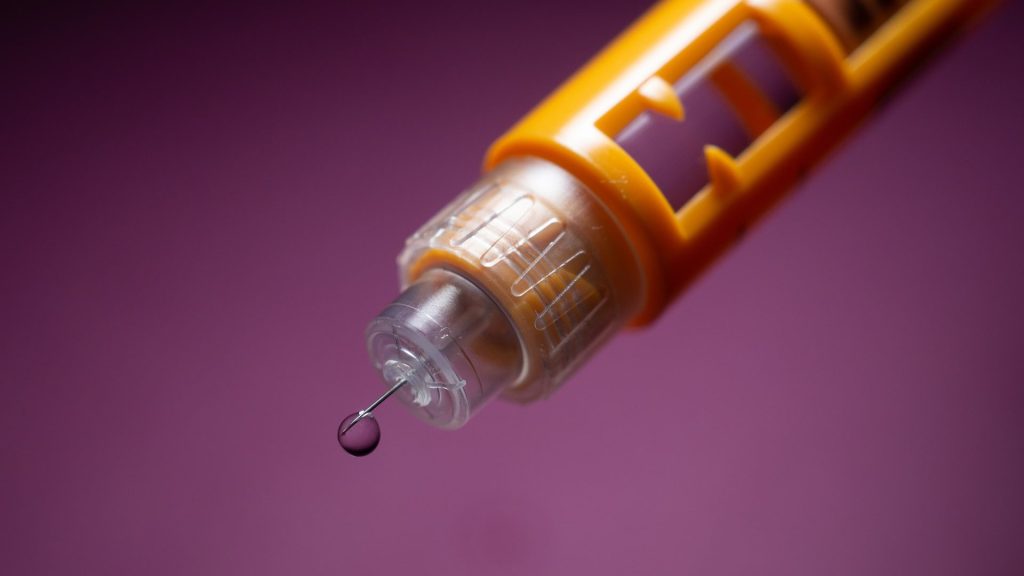
Treating newly diagnosed Type 1 diabetes patients with semaglutide may drastically reduce or even eliminate their need for injected insulin, according to the remarkable findings of a small University at Buffalo study reported in the New England Journal of Medicine.
“Our findings from this admittedly small study are, nevertheless, so promising for newly diagnosed Type 1 diabetes patients that we are now absolutely focused on pursuing a larger study for a longer period of time,” says Paresh Dandona, MD, PhD, professor and senior author on the paper.
A total of 10 patients at UB’s Clinical Research Center in the Division of Endocrinology were studied from 2020 to 2022, all of whom had been diagnosed in the past three to six months with Type 1 diabetes. The mean HbA1c level over 90 days at diagnosis was 11.7, far above the American Diabetes Association’s HbA1c recommendation of 7 or below.
The patients were treated first with a low dose of semaglutide while also taking meal-time (bolus) insulin and basal (background) insulin. As the study continued, semaglutide dosing was increased while mealtime insulin was reduced in order to avoid hypoglycaemia.
“Within three months, we were able to eliminate all of the mealtime insulin doses for all of the patients,” says Dandona, “and within six months we were able to eliminate basal insulin in 7 of the 10 patients. This was maintained until the end of the 12-month follow-up period.”
During that time, the patients’ mean HbA1c fell to 5.9 at six months and 5.7 at 12 months.
Applying Type 2 diabetes drugs to treat Type 1 diabetes
For more than a decade, Dandona has been interested in how drugs developed for Type 2 diabetes might be utilized in treating Type 1 diabetes as well.
He and his colleagues were the first to study how liraglutide, another drug for Type 2 diabetes, might work in patients with Type 1 diabetes in a study he published in 2011.
“As we extended this work, we found that a significant proportion of such diabetics still have some insulin reserve in the beta cells of their pancreas,” Dandona explains. “This reserve is most impressive at the time of diagnosis, when 50% of the capacity is still present. This allowed us to hypothesise that semaglutide, which works through stimulation of insulin secretion from the beta cell, could potentially replace mealtime insulin administration.”
From the outset, the goal of the current study was to see if semaglutide treatment could be used to replace mealtime insulin, thereby reducing the insulin dosage, improving glycaemic control, reducing the HbA1c and eliminating potentially dangerous swings in blood sugar and hypoglycaemia.
The most common side effects for patients were nausea and vomiting as well as appetite suppression, which led a number of patients to experience weight loss, an outcome that Dandona says is generally an advantage since 50% of patients with Type 1 diabetes in the US are overweight or obese.
“As we proceeded with the study, we found that even the dose of basal insulin could be reduced or eliminated altogether in a majority of these patients,” he says. “We were definitely surprised by our findings and also quite excited. If these findings are borne out in larger studies over extended follow-up periods, it could possibly be the most dramatic change in treating Type 1 diabetes since the discovery of insulin in 1921.”
Early findings of a pair of studies from the University of Michigan Rogel Cancer Center shed light on new ways to anticipate recurrence in HPV-positive head and neck cancer sooner. The papers, published in Cancer and Oral Oncology, offer clinical and technological perspectives on how to measure if recurrence is happening earlier than current blood tests allow, and provide a framework for a new, more sensitive blood test that could help in this monitoring.
“When metastatic head and neck cancer returns, it impacts their quality of life and can be disfiguring, interfering with the ability to talk, swallow, and even breathe,” said Paul Swiecicki, MD, associate medical director for the Oncology Clinical Trials Support Unit at Rogel. “As of now, there’s no test to monitor for its recurrence except watching for symptoms or potentially using a blood test which may not detect cancer until shortly before it clinically recurs.”
The paper in Cancer aims to identify different clinical ways that providers can more strategically track for recurrence. To do this, Swiecicki and his team needed to first understand what patient population was at the highest risk to then figure out an appropriate monitoring pattern.
The team examined 450 patients with metastatic head and neck cancer, including people with HPV-positive and HPV-negative cancer. HPV-positive cancer is caused by the human papillomavirus and is increasingly more common in head and neck cancer patients. The team identified some predictors of when recurrences would happen, and to what organs the recurrent cancer would most commonly spread. Patients with HPV-positive cancers were found to develop recurrent disease significantly later than those that were HPV-negative, and also were more likely to spread to the lungs. Taken together, these characteristics may help create a “surveillance” method in the future that combines routine blood testing and imaging to hopefully catch these recurrences and intervene before it’s incurable.
Swiecicki is quick to mention that, at this point, the results of this study are largely theoretical and provide a helpful framework to direct further research. That’s where the newly developed blood test, highlighted in Oral Oncology, comes into play.
Current blood biomarker tests which test for pieces of tumour-shed DNA, may not be sensitive enough to detect a recurrence significantly earlier than clinical surveillance, though several studies with multiple types of tests are ongoing. A research team, led by Muneesh Tewari, MD, PhD, Swiecicki and Chad Brenner, PhD, aimed to create a highly sensitive blood test to detect cancer even when a smaller number of DNA fragments were present, with the intention of providing a better option for detecting cancer earlier in patients.
Not only is this test more sensitive and able to detect a smaller number of DNA fragments in blood, but it’s innovative in other ways too, says first author Chandan Bhambhani, PhD: “We achieved this level of sensitivity by looking for nine different pieces of the HPV genome DNA all at once,” Bhambhani says.
Tewari says this is a step towards a more proactive approach to tackling recurrence in head and neck cancer. “As of now, we only have the tools to react to symptoms when they recur. We want to find a way to be able to detect what’s causing the symptoms much, much sooner, even before the symptoms appear.”
As a clinician, Swiecicki agrees. “It’s exciting to have the ability to potentially detect cancer before it’s incurable and offer us a window for clinical trials to see if we could intervene on cancer to help give people both a better quality of life and perhaps longer quality of life, and even convert their disease from incurable to curable. We don’t know if that’s the case yet, but this is the first tool needed for that to develop.”
Researchers in South Korea have achieved a ground-breaking milestone in tissue regeneration with a technology that utilises autologous blood to produce three-dimensional microvascular implants. These implants hold immense potential for various applications requiring vascular regeneration, including the treatment of chronic wounds in conditions such as diabetes, as well as the potential for scarless healing.
Led by Professor Joo H. Kang from the Department of Biomedical Engineering at UNIST, the team successfully developed a microfluidic system capable of processing blood into an artificial tissue scaffold. Unlike previous methods based on cell-laden hydrogel patches using fat tissues or platelet-rich plasma, this innovative approach enables the creation of robust microcapillary vessel networks within skin wounds. The utilisation of autologous whole blood ensures compatibility and promotes effective wound healing.
Creating optimal stiffness
The technology, described in Advanced Materials, leverages microfluidic shear stresses to align bundled fibrin fibres along the direction of blood flow streamlines while activating platelets. This alignment and activation process results in moderate stiffness within the microenvironment – optimal conditions for facilitating endothelial cell maturation and vascularisation. When applied as patches to rodent dorsal skin wounds, these implantable vascularided engineered thrombi (IVETs) demonstrated superior wound closure rates (96.08 ± 1.58%), increased epidermis thickness, enhanced collagen deposition, hair follicle regeneration, reduced neutrophil infiltration, and accelerated wound healing through improved microvascular circulation.
Chronic wounds pose significant challenges as they often fail to heal properly over time and can lead to complications associated with diabetes and vascular diseases. In severe cases, they may result in sepsis due to insufficient oxygen supply and nutrients caused by loss of blood vessels.
By harnessing the power of microfluidic technology, Professor Kang’s team transformed autologous blood into IVETs suitable for transplantation. These IVETs were implanted into full-thickness skin wounds in experimental mice, resulting in rapid and scarless recovery of the entire damaged area. The study demonstrated successful regeneration of blood vessels within the wound site, facilitated movement of immune cells crucial for wound healing, and accelerated overall recovery.
Furthermore, the team evaluated the efficacy of IVET transplantation by infecting the skin damage area with methicillin-resistant Staphylococcus aureus (MRSA). When artificial blood clots made from autologous blood were implanted into infected mice, quick vascular recovery was observed alongside enhanced migration of proteins and immune cells to combat bacterial infection. Additionally, collagen formation and hair follicle regeneration occurred without scarring.
These ground-breaking findings pave the way for advanced techniques in tissue engineering and wound healing using autologous blood-based implants. With further development and refinement, this technology holds tremendous potential to revolutionise treatment strategies for chronic wounds while contributing to advancements in regenerative medicine.
Research on 70-year-olds carried out at the University of Gothenburg, found that nearly 5% had glaucoma – with half of whom were unaware that they had the disease. The study also confirmed hereditary factors were involved in the disease and that intraocular pressure was normal in two-thirds of those newly diagnosed.
Glaucoma is a common eye disease that damages the optic nerve and thereby the field of vision and can lead to blindness. One of the most common risk factors for it is raised intraocular pressure, exceeding the normal range of 11–21mmHg.
The research, published in Acta Ophthalmologica, was carried out by Lena Havstam Johansson, a PhD student at the University of Gothenburg and a specialist nurse at Sahlgrenska University Hospital. The study shows that 4.8% of the 560 study participants examined by eye specialists had glaucoma.
“Of those who were diagnosed with glaucoma via the study, 15 people – or 2.7% of all participants – were unaware that they had the disease before being examined,” says Lena Havstam Johansson. “So half of those who turned out to have glaucoma were diagnosed because they took part in the study.”
For those who were newly diagnosed, the discovery of the disease meant they could start treatment with daily eye drops to reduce intraocular pressure, slowing the progression of optic nerve damage.
Glaucoma impacts some areas of life – but not others
People with glaucoma had similar levels of physical activity to those without the disease and did not smoke more, or drink more alcohol. They rated their overall quality of life as being just as good as others, they were not more tired or more depressed.
“This was a positive surprise, and was a finding that I hope can bring comfort to many people who have been diagnosed with glaucoma. It’s hard to live with a disease that gradually impairs vision, but life can still be good in many ways.”
By contrast, people with glaucoma reported that their vision-related quality of life was poorer.
“It’s harder to climb stairs, see curbs in the evening, and notice things in your peripheral vision. This means that people with glaucoma may avoid visiting others, or going to restaurants or parties, and instead stay at home. They lose their independence, and may feel frustrated about it.”
Ongoing study of 70-year-olds
The research was carried out as part of the H70 study, examining the health of older people, which has been conducted at the University of Gothenburg for fifty years. The H70 study continuously invites all 70-year-olds born in a certain year in Gothenburg to attend several comprehensive physical and cognitive examinations. The 1203 70-year-olds included in the glaucoma study were born in 1944. For these studies, 1182 participants answered written questions about their eye health and the presence of glaucoma in their family. Eye specialists at Sahlgrenska University Hospital also examined 560 of the participants.
The findings confirm that there are hereditary factors behind the disease, as those diagnosed with glaucoma were more likely to have a close relative with the same diagnosis. The results also confirm that glaucoma involves higher intraocular pressure, although they also show that the majority of those who were newly diagnosed (67%) still had normal eye pressure.
During the early stages of the disease, the healthy eye can compensate for the loss of vision, meaning that many people believe their vision is as good as before. These studies confirm that glaucoma often does not initially involve a loss of visual acuity, which may make it harder to detect the disease.
The exercise stress test, which involves treadmill exercise test with electrocardiogram (ECG), is one of the most familiar tests in medicine. While exercise testing typically is focused on diagnosing coronary artery disease, a recent study from Mayo Clinic finds that exercise test abnormalities, such as low functional aerobic capacity, predicted non-cardiovascular causes of death such as cancer in addition to cardiovascular-related deaths. These new findings are published in Mayo Clinic Proceedings.
The exercise stress test is noninvasive, easily available and provides important diagnostic information. In addition to the ECG itself, the test produces data on functional aerobic capacity, heart rate recovery and chronotropic index, the standardised measure of heart rate during exercise that reflects age, resting heart rate and fitness.
“In our exercise testing cohort, non-cardiovascular deaths were more frequently observed than cardiovascular deaths,” says Thomas Allison, PhD, MPH, director of Mayo Clinic’s Integrated Stress Testing Center and the study’s senior author. “Though this was a cardiac stress test, we found that cancer was the leading cause of death, at 38%, whereas only 19% of deaths were cardiovascular. Exercise test results including low exercise capacity, low peak heart rate, and a slow recovery of the heart rate after exercise test were associated with increased mortality.”
The study looked at 13 382 patients who had no baseline cardiovascular issues or other serious diseases and who had completed exercise tests at Mayo Clinic between 1993 and 2010, then were followed closely for a median period of 12.7 years.
The findings suggest that clinicians should focus not only on ECG results but on data in the exercise test results such as low functional aerobic capacity, low chronotropic index and abnormal heart rate recovery. Patients should be encouraged to increase their physical activity if these results are atypical, even if the ECG results show no significant cardiovascular-related risk, Dr Allison says.
A study of twins who fought in World War II showed that concussion early in life is tied to having lower scores on tests of thinking and memory skills decades later as well as having more rapid decline in those scores than twins who did not have a concussion, or traumatic brain injury (TBI). The study is published in Neurology®, the medical journal of the American Academy of Neurology.
“These findings indicate that even people with traumatic brain injuries in earlier life who appear to have fully recovered from them may still be at increased risk of cognitive problems and dementia later in life,” said study author Marianne Chanti-Ketterl, PhD, MSPH, of Duke University in Durham, North Carolina. “Among identical twins, who share the same genes and many of the same exposures early in life, we found that the twin who had a concussion had lower test scores and faster decline than their twin who had never had a concussion.”
The study involved 8662 men who were World War II veterans. The participants took a test of thinking skills at the start of the study when they were an average age of 67 and then again up to three more times over 12 years. Scores for the test can range from zero to 50. The average score for all participants at the beginning of the study was 32.5 points.
A total of 25% of the participants had experienced a concussion in their life.
Twins who had experienced a concussion were more likely to have lower test scores at age 70, especially if they had a concussion where they lost consciousness or were older than 24 when they had their concussion. Those twins with traumatic brain injury with loss of consciousness, more than one traumatic brain injury and who had their injuries after age 24 were more likely to have faster cognitive decline than those with no history of traumatic brain injury.
For example, a twin who experienced a traumatic brain injury after age 24 scored 0.59 points lower at age 70 than his twin with no traumatic brain injury, and his thinking skills declined faster, by 0.05 points per year.
These results took into account other factors that could affect thinking skills, such as high blood pressure, alcohol use, smoking status and education.
“Although these effect sizes are modest, the contribution of TBI on late life cognition, in addition to numerous other factors with a detrimental effect on cognition, may be enough to trigger an evaluation for cognitive impairment,” Chanti-Ketterl said. “With the trend we are seeing with increased emergency room visits due to sports or recreation activity injuries, combined with the estimated half million members of the military who suffered a TBI between 2000 and 2020, the potential long-term impact of TBI cannot be overlooked. These results may help us identify people who may benefit from early interventions that may slow cognitive decline or potentially delay or prevent dementia.”
A limitation of the study was that traumatic brain injuries were reported by the participants, so not all injuries may have been remembered or reported accurately.
Females’ kidneys are known to be more resilient to disease and injury, so what about them can be applied to treat males’ kidneys? A new USC Stem Cell-led study published in Developmental Cell describes not only how sex hormones drive differences in male and female mouse kidneys, but also how lowering testosterone can “feminise” this organ and improve its resilience.
“By exploring how differences emerge in male and female kidneys during development, we can better understand how to address sex-related health disparities for patients with kidney diseases,” said Professor Andy McMahon, the study’s corresponding author, and the director of the Eli and Edythe Broad Center for Regenerative Medicine and Stem Cell Research at the Keck School of Medicine of USC.
First authors Lingyun “Ivy” Xiong and Jing Liu from the McMahon Lab and their collaborators identified more than 1000 genes with different levels of activity in male and female mouse kidneys, in a study supported by the National Institutes of Health. The differences were most evident in the section of the kidney’s filtering unit known as the proximal tubule, responsible for reabsorbing most of the nutrients such as glucose and amino acids back into the blood stream. Most of these sex differences in gene activity emerged as the mice entered puberty and became even more pronounced as they reached sexual maturity.
Because female kidneys tend to fare better in the face of disease or injury, the researchers were interested how the gene activity of kidneys becomes “feminised” or “masculinised” – and testosterone appeared to be the biggest culprit.
To feminize the kidneys of male mice, two strategies worked equally well: castrating males before puberty and thus lowering their natural testosterone levels, or removing the cellular sensors known as androgen receptors that respond to male sex hormones.
Intriguingly, three months of calorie restriction – which is an indirect way to lower testosterone – produced a similar effect. Accordingly, calorie restriction has already been shown to mitigate certain types of kidney injuries in mice.
To re-masculinize the kidneys of the castrated males, the researchers only needed to inject testosterone. Similarly, testosterone injection masculinised the kidneys of females who had their ovaries removed before puberty.
The scientists performed some similar experiments with mouse livers. Although this organ also displays sex-related differences, the hormones and underlying factors driving these differences are very different than those at play in the kidney. This suggests that these sex-related organ differences emerged independently during evolution.
To test whether the same genes are involved in sex-related kidney differences in humans, the scientists analysed a limited number of male and female donor kidneys and biopsies. When it came to genes that differed in their activity between the sexes, there was a modest overlap of the human genes with the mouse genes.
“There is much more work to be done in studying sex-related differences in normal human kidneys,” said McMahon. “Given the divergent outcomes for male and female patients with kidney disease and injury, this line of inquiry is important for making progress toward eventually closing the gap on these sex-related health disparities.”