Why Vaccines don’t Work as Well for Some Older People

Photo by Mufid Majnun on Unsplash

Age-related changes in the immune system also play a role in variable responses to vaccines and overall lower efficacy of vaccines compared to younger adults. Researchers at The Jackson Laboratory (JAX) and UConn Health are investigating why vaccines don’t work as well in some older adults, and have published their insights in Nature.

Protection against pneumococcal infections

Infants and older adults are at greatest risk for pneumococcal infections, and case-fatality rates increase with age for reasons still not well understood. Fortunately, several vaccines developed against the polysaccharides found on the surface of Streptococcus pneumoniae, including PPSV23 (Pneumovax), are generally effective in older adults, though less in younger adults. Conjugating the polysaccharide with a protein, such as a nontoxic variant of a diphtheria toxin, can induce additional adaptive immune activation, resulting in better protection. The strategy was used to develop a new class of FDA-approved conjugated vaccines (eg, PCV13, Prevnar). Despite these advances, responses to pneumococcal vaccines still decline with age. Moreover, it remains unclear which of these two vaccines are preferable in subpopulations of older adults.

To address these gaps in knowledge, a team led by JAX Associate Professor Duygu Ucar, PhD, UConn Health Professor George Kuchel, MD, CM, and Jacques Banchereau, PhD (Immunoledge, Montclair, NJ), compared pre- and post-vaccine immune characteristics. Their findings identify the biological traits underlying variable responses to the two different vaccines. Importantly, they also reveal distinct baseline (ie, pre-vaccination) predictors that have the potential to affect vaccination strategies and lead to interventions that are more effective, by virtue of being more specific.

Efficacy indicators

A cohort of 39 pneumococcal vaccine-naïve healthy adults, all aged 60 or above, received a single dose of PPSV23 or PCV13 from May to early fall. Blood was drawn before vaccination, then one, 10, 28 and 60 days after to provide longitudinal data. Following vaccination, the researchers developed measures to quantify vaccine responses and rank donors with respect to responsiveness within the cohort. While overall responses to both vaccines were comparable, there were clear differences in baseline immune phenotypes, separating the strong and weak responders.

The baseline abundance of two specific T cell types, Th1 and Th17 cells, played an important role in PCV13 responses. Th1 cells produce molecular signals to activate early innate immune responses to pathogens, while Th17 cells also contribute to the defence response by producing a different group of inflammatory signalling molecules. For PCV13 vaccine responses, higher levels of Th1 cells showed a positive association and higher levels of Th17 cells a negative association. Thus, a pre-vaccination Th1/ Th17 ratio can be predictive of PCV13 response strength. Interestingly, women have a higher frequency of Th1 and lower frequency of Th1 7 cells compared to men and responded more strongly to the PCV13 vaccine.

From the pre-vaccination gene expression data, the researchers uncovered a gene module that included cytotoxic genes that was associated with reduced PCV13 responses, called the CYTOX signature. Single cell profiling linked this gene expression signature to mature CD16+ Natural Killer (NK) cells. The abundance of mature CD16+ NK cells in blood was associated with responses to PCV13, where weak responders had more CD16+ NK cells than strong responders. The CYTOX signature was not associated with responses to the alternative PPSV23 vaccine, however – another, distinct gene set predicted responses to PPSV23.

“Our study offers a reminder that ‘one size fits all’ approaches do not work well for older patients,” says Kuchel. “Moreover, if our findings can be replicated in other populations, they may offer remarkable opportunities for implementing care models for older adults involving Precision Gerontology that are more effective by virtue of being more precise, ultimately matching individuals with those vaccines that work best for them. Precision Gerontology represents the thematic focus of the UConn Older Americans Independence ‘Pepper’ Center award from NIH.”

Implications for disease prevention

A surprising aspect of the study is that the baseline predictors for the two available classes of pneumococcal vaccines are quite distinct and independent from each other, despite both vaccines using the same bacterial polysaccharides to provoke the protective immune response. Importantly, however, the paper shows that responses to the two vaccines can be predicted in older adults based on specific pre-vaccination characteristics, and the findings imply that individuals can be readily stratified based on which vaccine is likely to work best for them. For example, older adults with low CYTOX/CD16+ NK cell levels will likely respond well to the PCV13 vaccine, while those with high CYTOX would more likely benefit from the PPSV23 vaccine. Overall, the results have important implications for more precise vaccination strategies for pneumococcal vaccines, and potentially for other vaccines as well, to better protect older adults from infection and disease.

Source: University of Connecticut

For Extremely Prem Babies’ Milk, Which Enrichment is Best?

Photo by Hush Naidoo on Unsplash

Infants born extremely prematurely need enrichment in addition to breast milk, but it wasn’t clear as to whether enrichments were made from breast milk or cow’s milk had an effect on the risk of severe complications. This has been investigated by a large clinical study led by Linköping University, Sweden, published in eClinicalMedicine.

Infants born extremely prematurely, between weeks 22 and 27 of pregnancy, are among the most vulnerable patients in healthcare, at high risk of serious complications and mortality.

There is strong research support for giving breast milk to these children rather than formula made from cow’s milk. Formula based on cow’s milk is known to increase severe the risks for intestinal inflammation and sepsis.

“In Sweden, all extremely preterm infants receive breast milk from their mother or donated breast milk. Despite this, almost one in ten children get a severe inflammation of the intestine called necrotising enterocolitis. It’s one of the worst diseases you can have. At least three out of ten children die and those who survive often have neurological problems afterwards,” says Thomas Abrahamsson, professor at Linköping University and senior physician at the neonatal department at the University Hospital in Linköping, who led the current study.

Historically, there have been very few studies on extremely preterm infants where treatments have been compared against each other.

Therefore, there is a great need for clinical studies that can provide scientific support for how these children should be treated to have better chances of survival and a good life.

In some countries, such as Sweden, infants are fed exclusively with either their mother’s breast milk or donated breast milk.

However, in order for extremely preterm infants to grow as well as possible, they need more nutrition than breast milk contains. This is why breast milk is supplemented with extra protein, so-called enrichment.

The enrichment has previously been made from cow’s milk. But there have been suspicions that cow’s milk-based enrichment increases the risk of severe complications. Today, there is enrichment that is based on donated breast milk, and which has begun to be used in healthcare in some places.

The big question is whether it can reduce the risk of diseases in extremely preterm infants.

The current study, called N-Forte (the Nordic study on human milk fortification in extremely preterm infants), is the largest that has been carried out to seek answers to this question.

The results have been eagerly awaited by paediatricians and others caring for these fragile infants.

“We concluded that it doesn’t matter whether extremely preterm infants get enrichment made from cow’s milk or made from donated breast milk,” says Thomas Abrahamsson.

Although the study indicates that there was no difference between the two options, its results can be useful – the breast milk enrichment is fairly expensive.

“On the one hand, we’re disappointed that we didn’t find a positive effect of enrichment based on breast milk. On the other hand, it’s a large and well-done study and we can now say with great certainty that it doesn’t have an effect in this patient group. This is also important knowledge, so that we don’t invest in expensive products that don’t have the desired effect,” says Thomas Abrahamsson.

The N-Forte study included 228 extremely preterm infants, randomised 1:1 to receive enrichment made from breast milk and cow’s milk respectively.

The researchers examined whether the two groups differed in the incidence of necrotising enterocolitis, sepsis and death.

Of the children treated with breast milk-based enrichment, 35.7% had these complications, while the corresponding proportion was 34.5% in the group receiving cow’s milk-based enrichment, which means that there was no difference between the groups.

The results of the study are in line with a smaller study from Canada published in 2018, where researchers also saw no difference between the two types of enrichment on necrotising enterocolitis and severe sepsis.

Source: Linköping University

Researchers Figure out Why Cancer Immunotherapy can Cause Colitis

Gastrointestinal inflammation. Credit: Scientific Animations CC4.0

Researchers have identified a mechanism behind immunotherapy sometimes causing colitis. They also found a way to deliver immunotherapy’s cancer-killing impact without the unwelcome side effect. The researchers, from the University of Michigan Health Rogel Cancer Center, published their findings in Science.

“This is a good example of how understanding a mechanism helps you to develop an alternative therapy that’s more beneficial. Once we identified the mechanism causing the colitis, we could then develop ways to overcome this problem and prevent colitis while preserving the anti-tumour effect,” said senior study author Gabriel Nunez, MD, professor of pathology at Michigan Medicine.

Immunotherapy is a promising treatment for several types of cancer. But immune checkpoint inhibitors can also cause severe side effects, including colitis. Colitis can cause severe gastrointestinal discomfort, causing some patients to discontinue their cancer treatment because of it.

The problem facing researchers was that while patients were developing colitis, the laboratory mice were not, preventing them from studying the cause of this side effect.

To get past this, the Rogel team, led by first author Bernard C. Lo, PhD, created a new mouse model, injecting microbiota from wild-caught mice into the traditional mouse model.

In this model, the mice did develop colitis after administration of antibodies used for tumour immunotherapy. Now, researchers could trace back the mechanism to see what was causing this reaction.

In fact, colitis developed because of the composition of the gut microbiota, which caused immune T cells to be hyper-activated while regulatory T cells that put the brakes on T cell activation were deleted in the gut. This was happening within a specific domain of the immune checkpoint antibodies.

Researchers then removed that domain, which they found still resulted in a strong anti-tumour response but without inducing colitis.

“Previously, there were some data that suggested the presence of certain bacteria correlated with response to therapy. But it was not proven that microbiota were critical to develop colitis. This work for the first time shows that microbiota are essential to develop colitis from immune checkpoint inhibition,” Nunez said.

To follow up what they saw in mice, researchers reanalysed previously reported data from studies of human cells from patients treated with immune checkpoint antibodies, which reinforced the role of regulatory T cells in inducing colitis.

The Rogel team plans additional studies to further understand the mechanisms causing colitis and seeks clinical partners to move this knowledge to a clinical trial.

Source: Michigan Medicine – University of Michigan

Opinion piece: Specialist TES Providers Optimising Healthcare Operations – a Prescription for Patient Care Success

By Sandra Sampson, Director at Allmed

The healthcare sector in South Africa is beset with numerous challenges, ranging from high turnover rates to skilled staffing shortages and complex regulations in addition to stressful working environments, and communication barriers. Despite these formidable obstacles, patients have the right to expect top-tier care from their medical facilities. Here, specialised Temporary Employment Services (TES) providers can become indispensable partners, adeptly assisting medical facilities to navigate these challenges in their quest to ensure a seamless continuum of care.

Streamlining healthcare staffing to counter shortages

Specialist TES providers offer a multifaceted remedy to the relentless staffing challenges in healthcare. Capable of promptly supplying temporary staff to bridge immediate gaps, TES providers ensure that all resources have already been rigorously screened, recruiting qualified professionals to function as a buffer against high turnover and staffing scarcities. Through tailored training, specialist providers ensure that their temporary staff placements align seamlessly with organisational expectations to consistently uphold care standards. Furthermore, specialist TES providers alleviate the burden of complex healthcare regulations on management and staff by taking on the responsibility of handling the entire employment relationship, from end to end, including managing human resources and labour relations components, as well as payroll. This provides significant relief for healthcare facilities giving them the staffing resources that they need, without the additional administrative complexities involved with recruiting, on-boarding and managing such resources.

Addressing skills gaps to raise the bar on healthcare resources

Maintaining consistent levels of patient care without compromising quality is challenging in the face of staffing shortages and high turnover rates. With so many specialised healthcare staff, including ICU personnel, leaving for better opportunities abroad due to financial considerations, such an exodus necessitates urgent strategies to retain and fill gaps within healthcare facilities. Specialist TES providers are already playing a critical role in addressing these concerns by focusing on nurse competencies and facilitating targeted courses to upskill their resources. These courses address critical gaps in patient safety and empower nurses to provide better care. Through the development of these essential courses, such as ECG interpretation and cannulation, TES providers are taking significant steps to ensure nurses possess the necessary skills and knowledge. This proactive approach not only enhances patient care at a facility level, but also contributes to nurse competence and job satisfaction, ultimately benefiting the healthcare ecosystem.

The strategic advantages of enhancing workforce dynamics

In addition to operational bolstering and sector-specific upskilling, specialist healthcare TES providers present strategic benefits for healthcare facilities. Access to a diverse, extensive talent pool makes it simpler for medical organisations to find the ideal fit for each role, effectively mitigating the risk of hiring mismatches usually associated with permanent placements. Medical facilities also benefit from the cost-effectiveness of the TES operating model, which aligns with the dynamic nature of healthcare to optimise resource allocation. This is particularly important in hospitals where patient occupancy levels fluctuate daily. Many healthcare organisations now operate with a 50/50 ratio of permanent placements and temporary resources, which gives them the flexibility to accommodate the ever-shifting demands of patient care staffing, while safeguarding the delivery of quality care. By efficiently managing both permanent and agency staff, TES providers optimise recruitment efforts and ensure that the right candidates are placed in suitable roles, benefiting the healthcare organisation’s operations and patient care. TES providers uphold patient confidentiality and provide comprehensive training, ensuring staff are cognisant of privacy protocols and handle sensitive information appropriately.

Boosting patient care excellence: the vital role of specialist TES providers

In an era where healthcare value is intricately tied to workforce excellence, TES providers play a pivotal role in elevating the sector by helping medical facilities conquer their industry-specific challenges, enabling the fundamental mission of enhancing patient well-being. Ultimately, Specialist TES providers represent a crucial element in the healthcare sector’s quest for excellence, as their strategic approach to staffing not only addresses immediate needs but also upholds patient care standards, while easing administrative burdens, and enhancing workforce competencies. As such, collaboration with specialist TES providers is a progressive strategy that medical organisations should prioritise to effectively navigate the intricate challenges of the healthcare landscape today while significantly enhancing patient care outcomes.

A New Way to Prevent Cognitive Decline from Radiotherapy

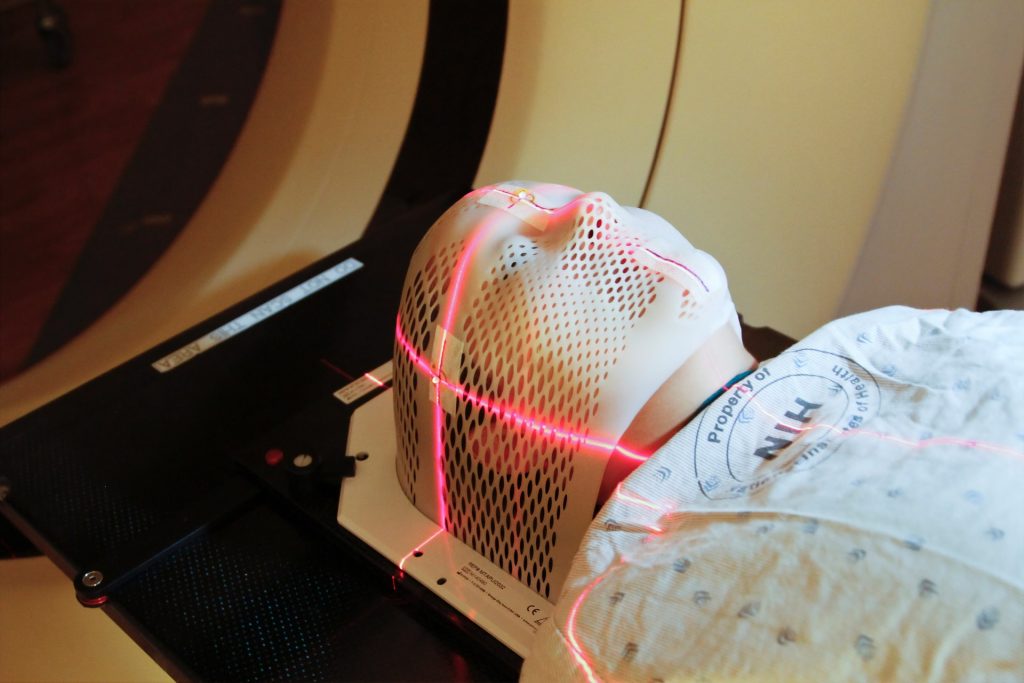
Photo by National Cancer Institute on Unsplash

Microglia, the brain’s immune cells, can trigger cognitive deficits after radiation exposure and may be a key target for preventing these symptoms, University of Rochester researchers have found. Their work, published in the International Journal of Radiation Oncology Biology Biophysics, builds on previous research showing that after radiation exposure microglia damage synapses, the connections between neurons that are important for cognitive behaviour and memory.

“Cognitive deficits after radiation treatment are a major problem for cancer survivors,” M. Kerry O’Banion, MD, PhD, professor of Neuroscience, member of the Wilmot Cancer Institute, and senior author of the study said.

“This research gives us a possible target to develop therapies to prevent or mitigate against such deficits in people who need brain radiotherapy.”

Using several behavioural tests, researchers investigated the cognitive function of mice before and after radiation exposure.

Female mice performed the same throughout, indicating a resistance to radiation injury but Male mice could not remember or perform certain tasks after radiation exposure.

This cognitive decline correlates with the loss of synapses and evidence of potentially damaging microglial over-reactivity following the treatment.

Researchers then targeted the pathway in microglia important to synapse removal. Mice with these mutant microglia had no cognitive decline following radiation. And others that were given the drug, Leukadherin-1, which is known to block this same pathway, during radiation treatment, also had no cognitive decline.

“This could be the first step in substantially improving a patient’s quality of life and need for greater care,” said O’Banion. “Moving forward, we are particularly interested in understanding the signals that target synapses for removal and the fundamental signaling mechanisms that drive microglia to remove these synapses. We believe that both avenues of research offer additional targets for developing therapies to help individuals receiving brain radiotherapy.”

O’Banion also believes this work may have broader implications because some of these mechanisms are connected to Alzheimer’s and other neurodegenerative diseases.

Source: University of Rochester Medical Center

Yet Another Impact of High-fat Diets: Immune Changes

Photo by Patrick Fore on Unsplash

A new study from UC Riverside has added more reasons to stick to New Year’s diet resolutions: it showed that that high-fat diets affect genes linked not only to obesity, colon cancer and irritable bowels, but also to the immune system, brain function, and potentially COVID risk.

While other studies have examined the effects of a high-fat diet, this one is unusual in its scope. UCR researchers fed mice three different diets over the course of 24 weeks where at least 40% of the calories came from fat. Then, they looked not only at the microbiome, but also at genetic changes in all four parts of the intestines.

One group of mice ate a diet based on saturated fat from coconut oil, another got a monounsaturated, modified soybean oil, a third got an unmodified soybean oil high in polyunsaturated fat. Compared to a low-fat control diet, all three groups experienced concerning changes in gene expression, the process that turns genetic information into a functional product, such as a protein.

Plant-based or not, high-fat is bad

“Word on the street is that plant-based diets are better for you, and in many cases that’s true. However, a diet high in fat, even from a plant, is one case where it’s just not true,” said Frances Sladek, a UCR cell biology professor and senior author of the new study.

The study, published in Scientific Reports, documents the many impacts of high-fat diets. Some of the intestinal changes did not surprise the researchers, such as major changes in genes related to fat metabolism and the composition of gut bacteria. For example, they observed an increase in pathogenic E. coli and a suppression of Bacteroides, which helps protect the body against pathogens.

Other observations were more surprising, such as changes in genes regulating susceptibility to infectious diseases. “We saw pattern recognition genes, ones that recognise infectious bacteria, take a hit. We saw cytokine signalling genes take a hit, which help the body control inflammation,” Sladek said. ‘So, it’s a double whammy. These diets impair immune system genes in the host, and they also create an environment in which harmful gut bacteria can thrive.”

The team’s previous work with soybean oil documents its link to obesity and diabetes, both major risk factors for COVID. This paper now shows that all three high-fat diets increase the expression of ACE2 and other host proteins that are used by COVID spike proteins to enter the body.

Additionally, the team observed that high-fat food increased signs of stem cells in the colon. “You’d think that would be a good thing, but actually they can be precursors to cancer,” Sladek said.

In terms of effects on gene expression, coconut oil showed the greatest number of changes, followed by the unmodified soybean oil. Differences between the two soybean oils suggest that polyunsaturated fatty acids in unmodified soybean oil, primarily linoleic acid, play a role in altering gene expression.

Negative changes to the microbiome in this study were more pronounced in mice fed the soybean oil diet. This was unsurprising, as the same research team previously documented other negative health effects of high soybean oil consumption.

Soybeans are fine, but watch the oil

In 2015, the team found that soybean oil induces obesity, diabetes, insulin resistance, and fatty liver in mice. In 2020, the researchers team demonstrated the oil could also affect genes in the brain related to conditions like autism, Alzheimer’s disease, anxiety, and depression.

Interestingly, in their current work they also found the expression of several neurotransmitter genes were changed by the high fat diets, reinforcing the notion of a gut-brain axis that can be impacted by diet.

The researchers have noted that these findings only apply to soybean oil, and not to other soy products, tofu, or soybeans themselves. “There are some really good things about soybeans. But too much of that oil is just not good for you,” said UCR microbiologist Poonamjot Deol, who was co-first author of the current study along with UCR postdoctoral researcher Jose Martinez-Lomeli.

Also, the studies were conducted using mice, and mouse studies do not always translate to the same results in humans. However, humans and mice share 97.5% of their working DNA. Therefore, the findings are concerning, as soybean oil is the most commonly consumed oil in the United States, and is increasingly being used in other countries, including Brazil, China, and India.

By some estimates, Americans tend to get nearly 40% of their calories from fat, which mirrors what the mice were fed in this study. “Some fat is necessary in the diet, perhaps 10 to 15%. Most people though, at least in this country, are getting at least three times the amount that they need,” Deol said.

Readers should not panic about a single meal. It is the long-term high-fat habit that caused the observed changes. Recall that the mice were fed these diets for 24 weeks. “In human terms, that is like starting from childhood and continuing until middle age. One night of indulgence is not what these mice ate. It’s more like a lifetime of the food,” Deol said.

That said, the researchers hope the study will cause people to closely examine their eating habits.

Source: University of California – Riverside

Macrophages Light up Mild Brain Injuries for MRI

Coup and contrecoup brain injury. Credit: Scientific Animations CC4.0

Researchers have created a new brain imaging method that allows to be diagnosed, even when existing imaging techniques like magnetic resonance imaging (MRI) The technique involves loading gadolinium, a standard MRI contrast agent, into ‘backpacks’ that are attached macrophages. mTBIs cause inflammation, attracting macrophages there. Coupling the gadolinium contrast agent to these cells enables MRI to reveal brain inflammation and increase the number of correctly diagnosed mTBI cases, improving patient care. The method is described in a new paper in Science Translational Medicine.

“70-90% of reported TBI cases are categorised as ‘mild,’ yet as many as 90% of mTBI cases go undiagnosed, even though their effects can last for years and they are known to increase the risk of a host of neurological disorders including depression, dementia, and Parkinson’s disease,” said senior author Samir Mitragotri, PhD, in whose lab the research was performed. “Our cell-based imaging approach exploits immune cells’ innate ability to travel into the brain in response to inflammation, enabling us to identify mTBIs that standard MRI imaging would miss.”

Using immune cells to identify inflammation

Most of us know someone who has had a concussion (another name for an mTBI), sometimes even more than one. But the vast majority of people who experience an mTBI are never properly diagnosed. Without that diagnosis, they can exacerbate their injuries by returning to normal activity before they’re fully recovered, which can lead to further damage. Some studies even suggest that repeated mTBIs can lead to chronic traumatic encephalopathy (CTE), the neurodegenerative disease that has been found to afflict more than 90% of professional American football players.

Because the effects of mTBI are believed to be caused by “invisible” brain inflammation, members of the Mitragotri lab decided to leverage their experience with immune cells to create a better diagnostic. “Our previous projects have focused on controlling the behaviour of immune cells or using them to deliver drugs to a specific tissue. We wanted to exploit another innate ability of immune cells – homing to sites of inflammation in the body – to carry imaging agents into the brain, where they can provide a visible detection signal for mTBI,” said first author Lily Li-Wen Wang, Ph.D.. Wang is a former Research Fellow in the Mitragotri Lab at the Wyss Institute and SEAS who is now a scientist at Landmark Bio.

Gadolinium needs water to show up on MRI

The team planned to use their cellular backpack technology to attach gadolinium molecules to macrophages, known to infiltrate the brain in response to inflammation. But right away, they ran into a problem: in order to function as a contrast agent for MRI scans, gadolinium needs to interact with water. Their original backpack microparticles are made of a hydrophobic polymer called PLGA. So Wang and her co-authors started developing a new backpack made out of a hydrogel material that could be manufactured at a large scale in the lab.

After years of hard work, they finally created a new hydrogel backpack that could produce a strong gadolinium-mediated MRI signal, attach stably to both mouse and pig macrophages, and maintain their cargo for a sustained period of time in vitro. They named their new microparticles M-GLAMs, short for “macrophage-hitchhiking Gd(III)-Loaded Anisotropic Micropatches.” Now, it was time to test them in a more realistic setting, for which they partnered with researchers and clinicians at Boston Children’s Hospital.

First, they injected mouse M-GLAMs macrophages into mice to see if they could visualize them in vivo. They were especially interested to see if they accumulated in the kidney, as existing gadolinium-based contrast agents like Gadavist® can cause health risks for patients with kidney disease. Their M-GLAMs did not accumulate in the mice’s kidneys, but persisted in their bodies for over 24 hours with no negative side effects. In contrast, mice injected with Gadavist® showed substantial accumulation of the contrast agent in their kidneys within 15 minutes of injection, and the substance was fully cleared from their bodies within 24 hours.

Then, they tested porcine M-GLAMs in a pig model of mTBI. They injected the M-GLAMs into the animals’ blood two days after a mock mTBI, then used MRI to evaluate the concentration of gadolinium in the brain. They focused on a small region called the choroid plexus, which is known as a major conduit of immune cells into the brain. Pigs that received the M-GLAMs displayed a significant increase in the intensity of gadolinium present in the choroid plexus, while those injected with Gadavist® did not, despite confirmation of increased inflammation macrophage density in the brains of both groups. The animals showed no toxicity in any of their major organs following administration of the treatments.

“Another important aspect of our M-GLAMs is that we are able to achieve better imaging at a much lower dose of gadolinium than current contrast agents – 500-1000-fold lower in the case of Gadavist®,” said Wang. “This could allow the use of MRI for patients who are currently unable to tolerate existing contrast agents, including those who have existing kidney problems.”

Source: Wyss Institute for Biologically Inspired Engineering at Harvard

Promising Results for Epilepsy Drug in Slowing Osteoarthritis

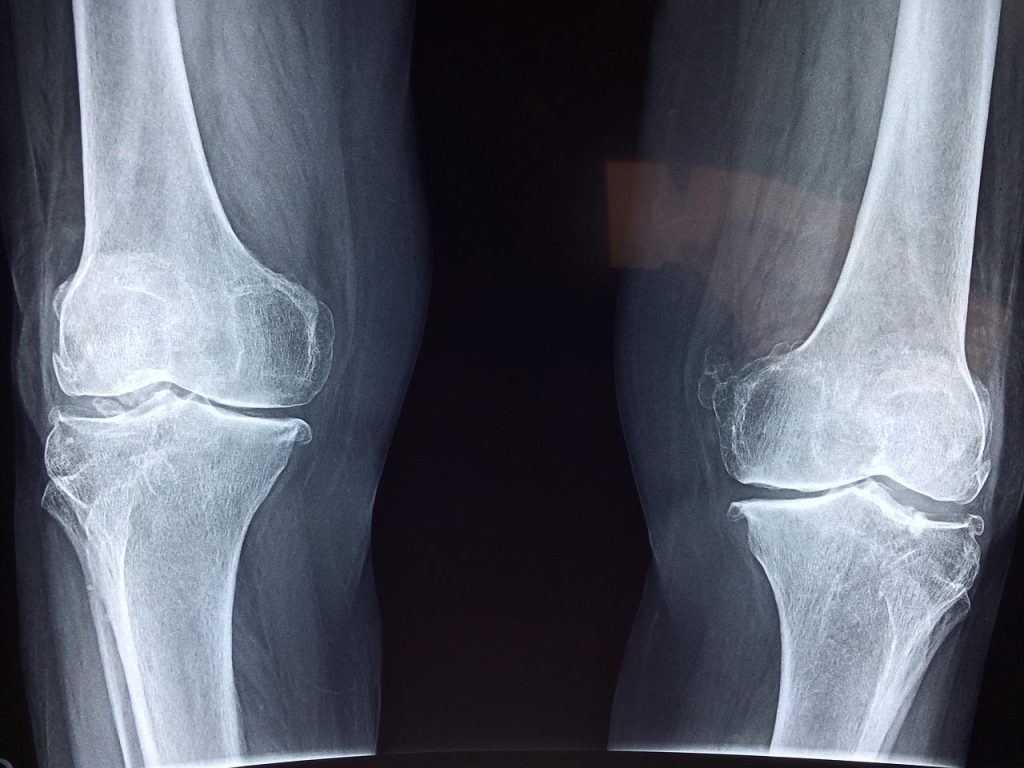
Source: CC0

Yale researchers report in the journal Nature that they have identified a drug target that may alleviate joint degeneration associated with osteoarthritis.

The most common therapies for the degenerative disease have been pain relievers and lifestyle changes, to reduce pain and stiffness, but there is a pressing need for therapies that can prevent joint breakdown that occurs in osteoarthritis, which occurs as a result of the breakdown of cartilage in the joints.

Sodium channels found in cell membranes produce electrical impulses in “excitable” cells within muscles, the nervous system, and the heart. And in previous research, Yale’s Stephen G. Waxman identified the key role of one particular sodium channel, called Nav1.7, in the transmission of pain signals.

Now, the labs of Chuan-Ju Liu, professor of orthopaedics, and Waxman, professor neurology, neuroscience and pharmacology, have found that the same Nav1.7 channels are also present in non-excitable cells that produce collagen and help maintain the joints in the body. These channels can be targeted by existing drugs to block them.

In the new study, the researchers deleted Nav1.7 genes from these collagen-producing cells and significantly reduced joint damage in two osteoarthritis models in mice.

They also demonstrated that drugs used to block Nav1.7 – including carbamazepine, a sodium channel blocker currently used to treat epilepsy and trigeminal neuralgia – also provided substantial protection from joint damage in the mice.

“The function of sodium channels in non-excitable cells has been a mystery,” Waxman said.

“This new study provides a window on how small numbers of sodium channels can powerfully regulate the behaviour of non-excitable cells.”

“The findings open new avenues for disease-modifying treatments,” added Wenyu Fu, a research scientist in the Liu laboratory and first author of the study.

Source: Yale University

Older Adults’ Migraine Diagnosis Linked to Tripled Risk of Vehicle Crash

Photo by Pixabay

A new study from researchers at the University of Colorado Anschutz Medical Campus finds that older adult drivers who are recently diagnosed with migraines are three times as likely to experience a motor vehicle crash. Older adult drivers who reported having ever had migraines in the past were no more likely to have a motor vehicle crash than those without migraines.

The study, published in the Journal of the American Geriatrics Society, also explored the relationships medications commonly prescribed for migraine management have with increased crash risk.

“Migraine headaches affect more than 7% of US adults over the age of 60,” says Carolyn DiGuiseppi, MPH, PhD, MD, professor with the Colorado School of Public Health and study lead author.

“The US population is aging, which means increasing numbers of older adult drivers could see their driving abilities affected by migraine symptoms previously not experienced. These symptoms include sleepiness, decreased concentration, dizziness, debilitating head pain and more.”

Researchers conducted a five-year longitudinal study of more than 2500 active drivers aged 65-79 in five sites across the United States.

Participants were categorised as having previously been diagnosed with migraine symptoms (12.5%), no previous diagnosis but experienced symptoms during the study timeframe (1.3%) or never migraine respondents.

Results indicate those with previous diagnosis did not have a different likelihood of having crashes after baseline, while those with new onset migraines were three times as likely to experience a crash within one year of diagnosis.

Previously diagnosed drivers nevertheless had experienced more hard braking events compared to adults who had never experienced a migraine.

Additionally, researchers examined the role medications commonly prescribed for migraines have in motor vehicle events and found that there was no impact on the relationship between migraines and either crashes or driving habits.

Few participants in the study sample were using acute migraine medications, however.

“These results have potential implications for the safety of older patients that should be addressed,” says DiGuiseppi. “Patients with a new migraine diagnosis would benefit from talking with their clinicians about driving safety, including being extra careful about other risks, such as distracted driving, alcohol, pain medication and other factors that affect driving.”

Source: University of Colorado Anschutz Medical Campus

Two Types of CBT are Equally Effective in Treating Fibromyalgia

Photo by Andrea Piacquadio

There does not appear to be any profound differences between so-called exposure-based CBT and traditional CBT in the treatment of fibromyalgia, according to a study led by researchers at Karolinska Institutet. Both forms of treatment produced a significant reduction in symptoms in people affected by the disease. The study, one of the largest to date to compare different treatment options for fibromyalgia, is published in the journal PAIN.

About 2–4% of people live with fibromyalgia, a long-term pain syndrome that causes great suffering for patients through widespread pain, fatigue, and stiffness in the body. There is no cure for fibromyalgia and existing drugs often have insufficient effect, raising the need for more effective treatment methods.

Cognitive behavioural therapy (CBT) has shown some effect, but there is a lack of trained CBT practitioners. There is also a lack of knowledge about which form of CBT is most effective.

The study compared two different forms of internet-delivered cognitive behavioral therapy in terms of how well they reduce the symptoms and functional impact of fibromyalgia.

In brief, exposure-based CBT involves the participant systematically and repeatedly approaching situations, activities, and stimuli that the patient has previously avoided because the experiences are associated with pain, psychological discomfort, or symptoms such as fatigue and cognitive problems.

In traditional CBT, the participant is presented with several different strategies to work on during treatment, such as relaxation, activity planning, physical exercise, or strategies for managing negative thoughts and improving sleep.

The study showed that traditional CBT was by and large equivalent to the newer treatment form of exposure-based CBT.

“This result was surprising because our hypothesis, based on previous research, was that the new exposure-based form would be more effective. Our study shows that the traditional form can provide an equally good result and thus contributes to the discussion in the field,” says Maria Hedman-Lagerlöf, licensed psychologist and researcher at the Center for Psychiatry Research at the Department of Clinical Neuroscience, Karolinska Institutet.

The randomized study involved 274 people with fibromyalgia, who were randomly assigned to be treated with traditional or exposure-based CBT.

The treatments were delivered entirely online and all participants had regular contact with their therapist.

Participants answered questions about their mood and symptoms before, during, and after treatment.

After the 10-week treatment, 60% of those who received exposure-based CBT and 59% of those who received traditional CBT reported that their treatment had helped them.

“The fact that both treatments were associated with a significant reduction in the participants’ symptoms and functional impairment and that the effects were sustained for 12 months after completion of the treatment, indicates that the internet as a treatment format can be of great clinical benefit for people with fibromyalgia,” says Maria Hedman-Lagerlöf. “This is good news because it enables more people to access treatment.”

The study is the second largest to compare different psychological treatment options for fibromyalgia, according to the researchers.

“Our study is also one of the first to compare with another active, established psychological treatment,” says Maria Hedman-Lagerlöf.

Source: Karolinska Institutet