Tag: fibromyalgia

TENS Shown to Improve Pain and Fatigue in Fibromyalgia

Real-world trial finds long-lasting benefit for TENS with physical therapy in reducing movement pain, fatigue
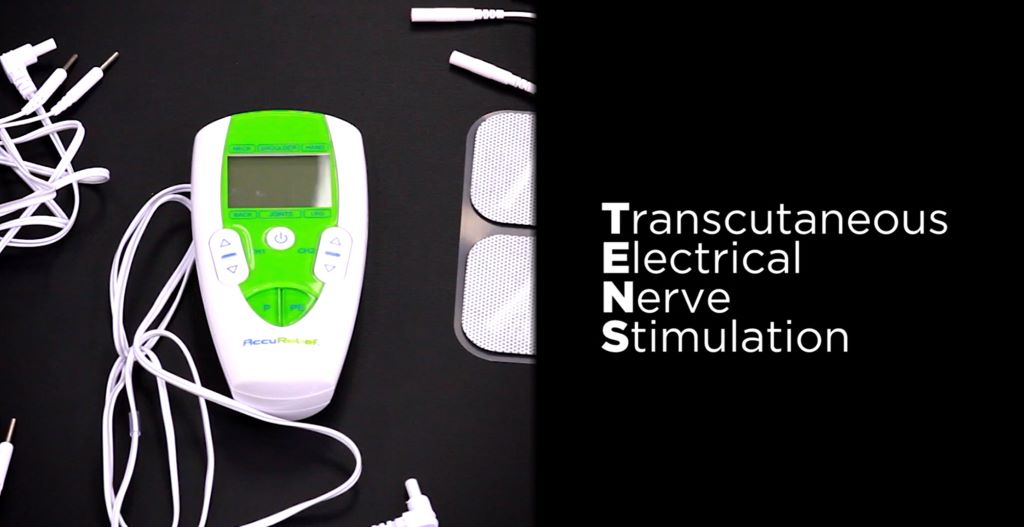
Credit: University of Iowa

Adding TENS (transcutaneous electrical nerve stimulation) to outpatient physical therapy reduced movement-based pain and fatigue in patients with fibromyalgia, and the effects lasted for at least six months, according to a new study led by researchers at University of Iowa Health Care.  

The study, led by Kathleen Sluka, PT, PhD, is the first real-world trial of TENS for fibromyalgia. The findings, published on March 27 in the journal JAMA Network Open, show that TENS is a safe, effective, inexpensive, and readily available treatment for fibromyalgia, a chronic condition that causes pain, tenderness, and fatigue throughout the body. 

“It is one of the few treatments that specifically targets movement-evoked pain and fatigue, which are major barriers to participation in daily activities,” says Sluka, UI professor of physical therapy and rehabilitation science. 

TENS uses a small device with adhesive electrodes to send mild electrical pulses through the skin to block or reduce pain. The study found that the effect of TENS for reducing pain was similar, if not better, than current FDA-approved medications for fibromyalgia. 

“We were excited to see that patients also had less fatigue,” Sluka added. “Right now, there are no good treatments for fatigue. So, the fact that we had anything that touched the fatigue was pretty powerful.”

Fibromyalgia: complicated, misunderstood, and hard to treat 

Fibromyalgia affects about 4% to 7% of the population. It significantly impacts a person’s physical function, cognitive abilities, and sleep. In addition to chronic pain, a key feature of the condition is whole-body fatigue, which interferes with day-to-day life and contributes to patients’ inability to concentrate and perform functional activities. 

Exercise is often the first line of treatment recommended to people with fibromyalgia, and research has shown that it can be beneficial. However, fibromyalgia causes fatigue and pain, which is a key reason why the research team focused on alleviating pain with movement. 

“Pain with movement hinders a person’s ability to participate in an effective exercise program and do their day-to-day activities.” Sluka says.  

Science translated to real-world benefit 

Sluka and her colleagues have spent decades studying the biological mechanisms affected by TENS, developing the ideal parameters of TENS stimulation and testing the efficacy of TENS for treating chronic pain and fatigue in human trials. 

They have previously shown that under the ideal conditions of a randomized, controlled clinical trial, TENS in conjunction with physical therapy can significantly decrease movement pain. 

The new Fibromyalgia TENS in Physical Therapy (FM-TIPS) study was designed to test the effect of TENS under real-world conditions. The study was conducted in 28 outpatient physical therapy clinics across six health care systems in the Midwest, and included 384 people of different ages, education levels, and socioeconomic backgrounds. Almost 50% of the participants were from rural areas.  

“It was a challenge to recruit participants for this study, but the clinics and the physical therapists we worked with were great. This would never have happened without them,” Sluka says.

The clinics were randomised to provide either physical therapy (PT) with TENS or physical therapy alone. In the PT-TENS group, participants were asked to use TENS for two hours a day for six months. That time could be split into short periods or done all at once. The TENS electrodes were placed on the upper and lower back and delivered a mixed frequency signal at an intensity as strong as the participant could tolerate. 

After 60 days, movement-evoked pain during TENS treatment was significantly improved in the PT-TENS group. Adding TENS also significantly reduced resting pain and resting and movement-fatigue. In contrast, participants who received only physical therapy had no change in their movement-evoked pain. 

When we gave the PT-only patients the TENS unit and they started using it, we also saw the same improvements as the PT with TENS patients, which is powerful. – Kathleen Sluka, PT, PhD

The response also was dose-dependent, with people who used TENS daily for 60 days having the best outcomes. 

Unlike many pain-relieving drugs that can become less effective over time as the body develops a tolerance for the medication, the study shows that over time, TENS maintained its ability to improve pain and fatigue at a significant level. 

After the primary endpoint at day 60, the PT-only group was also given TENS, and all the participants continued in the study for another four months. 

“When we gave the PT-only patients the TENS unit and they started using it, we also saw the same improvements as the PT with TENS patients, which is powerful,” Sluka says. 

Overall, the study showed that 80% of patients found TENS helpful. At six months, 80% were still using TENS once a week, and over 70% reported they felt better after using TENS. 

TENS adds benefit

Dana Dailey, PT, PhD, UI assistant research scientist and the first author of the study, notes that it’s important for people to realize that the benefit of TENS comes from using it as a part of a total treatment plan that includes physical therapy.  

“Using TENS on its own will not give the same benefits,” Dailey says. “However, the study shows that TENS provides an added benefit on top of any relief from other treatments. All the study participants were also using pain medications and receiving physical therapy, yet TENS still provided additional relief.” 

Fibromyalgia often needs multiple interventions to help patients feel less pain and fatigue and improve their overall function. The new findings suggest that TENS could be particularly helpful as a part of a multipronged approach because it can be safely and easily used as a self-management tool that uniquely targets movement-associated pain and fatigue. 

“Often, when you move a randomised, controlled clinical trial into a real-world setting, it doesn’t work because there are too many confounding factors. But this intervention still works,” Sluka says. “Not only did the treatment reduce movement pain and fatigue during the testing period, but patients continued to use it at six months.” 

By Jennifer Brown

Source: University of Iowa

Two Types of CBT are Equally Effective in Treating Fibromyalgia

Photo by Andrea Piacquadio

There does not appear to be any profound differences between so-called exposure-based CBT and traditional CBT in the treatment of fibromyalgia, according to a study led by researchers at Karolinska Institutet. Both forms of treatment produced a significant reduction in symptoms in people affected by the disease. The study, one of the largest to date to compare different treatment options for fibromyalgia, is published in the journal PAIN.

About 2–4% of people live with fibromyalgia, a long-term pain syndrome that causes great suffering for patients through widespread pain, fatigue, and stiffness in the body. There is no cure for fibromyalgia and existing drugs often have insufficient effect, raising the need for more effective treatment methods.

Cognitive behavioural therapy (CBT) has shown some effect, but there is a lack of trained CBT practitioners. There is also a lack of knowledge about which form of CBT is most effective.

The study compared two different forms of internet-delivered cognitive behavioral therapy in terms of how well they reduce the symptoms and functional impact of fibromyalgia.

In brief, exposure-based CBT involves the participant systematically and repeatedly approaching situations, activities, and stimuli that the patient has previously avoided because the experiences are associated with pain, psychological discomfort, or symptoms such as fatigue and cognitive problems.

In traditional CBT, the participant is presented with several different strategies to work on during treatment, such as relaxation, activity planning, physical exercise, or strategies for managing negative thoughts and improving sleep.

The study showed that traditional CBT was by and large equivalent to the newer treatment form of exposure-based CBT.

“This result was surprising because our hypothesis, based on previous research, was that the new exposure-based form would be more effective. Our study shows that the traditional form can provide an equally good result and thus contributes to the discussion in the field,” says Maria Hedman-Lagerlöf, licensed psychologist and researcher at the Center for Psychiatry Research at the Department of Clinical Neuroscience, Karolinska Institutet.

The randomized study involved 274 people with fibromyalgia, who were randomly assigned to be treated with traditional or exposure-based CBT.

The treatments were delivered entirely online and all participants had regular contact with their therapist.

Participants answered questions about their mood and symptoms before, during, and after treatment.

After the 10-week treatment, 60% of those who received exposure-based CBT and 59% of those who received traditional CBT reported that their treatment had helped them.

“The fact that both treatments were associated with a significant reduction in the participants’ symptoms and functional impairment and that the effects were sustained for 12 months after completion of the treatment, indicates that the internet as a treatment format can be of great clinical benefit for people with fibromyalgia,” says Maria Hedman-Lagerlöf. “This is good news because it enables more people to access treatment.”

The study is the second largest to compare different psychological treatment options for fibromyalgia, according to the researchers.

“Our study is also one of the first to compare with another active, established psychological treatment,” says Maria Hedman-Lagerlöf.

Source: Karolinska Institutet

Autoimmune Problems May Cause Fibromyalgia

Photo by Sasun Bughdaryan on Unsplash

New research has shown that many fibromyalgia syndrome (FMS) symptoms are caused by antibodies that increase the activity of pain-sensing nerves throughout the body.

The results show that fibromyalgia is a disease of the immune system, rather than the currently held view that it originates in the brain.

Characterised by widespread muskoleskeletal pain, as well as fatigue and emotional distress, fibromyalgia is estimated to affect1 in 40 people (80% of which are women). It most commonly develops between the ages of 25 and 55, although children can also get it.  

The study by Institute of Psychiatry, Psychology & Neuroscience (IoPPN) at King’s College London, in collaboration with the University of Liverpool and the Karolinska Institute,, demonstrates that the increased pain sensitivity, muscle weakness, reduced movement, and reduced number of small nerve-fibres in the skin that are typical of FMS are all a consequence of patient antibodies.

The researchers injected mice with antibodies from people living with FMS and saw that the mice became more sensitive to pressure and cold, as well as displaying reduced movement grip strength. In contrast, those injected with antibodies from healthy people were unaffected, showing that patient antibodies cause at least part of the disease.

Furthermore, the mice injected with fibromyalgia antibodies recovered after a few weeks, when antibodies had been cleared from their system. This finding strongly suggests that therapies which reduce antibody levels in patients are likely to be effective treatments. Such therapies are already available and are used to treat other disorders that are caused by autoantibodies.

Primary investigator Dr David Andersson, from King’s IoPPN said: “The implications of this study are profound. Establishing that fibromyalgia is an autoimmune disorder will transform how we view the condition and should pave the way for more effective treatments for the millions of people affected. Our work has uncovered a whole new area of therapeutic options and should give real hope to fibromyalgia patients.

“Previous exploration of therapies has been hampered by our limited understanding of the illness. This should now change. Treatment for FMS is focussed on gentle aerobic exercises, as well as drug and psychological therapies designed to manage pain, although these have proven ineffective in most patients and have left behind an enormous unmet clinical need.”

Dr. Andreas Goebel, the study’s principle clinical investigator from the University of Liverpool said, “When I initiated this study in the UK, I expected that some fibromyalgia cases may be autoimmune. But David’s team have discovered pain-causing antibodies in each recruited patient. The results offer amazing hope that the invisible, devastating symptoms of fibromyalgia will become treatable.”

Professor Camilla Svensson, the study’s primary investigator from Karolinska Institute said, “Antibodies from people with FMS living in two different countries, the UK and Sweden, gave similar results, which adds enormous strength to our findings. The next step will be to identify what factors the symptom-inducing antibodies bind to. This will help us not only in terms of developing novel treatment strategies for FMS, but also of blood-based tests for diagnosis, which are missing today.

Dr Craig Bullock, Research Discovery and Innovations Lead at Versus Arthritis said: “This research shows that antibodies found in human blood can cause fibromyalgia-like symptoms in mice, suggesting that these antibodies play a crucial role in the condition. Further research is needed but this offers hope to the millions of people with fibromyalgia that an effective treatment could be found in the relatively near future.”  

Source: Medical Xpress

Journal information: More information: Andreas Goebel et al, Passive transfer of fibromyalgia symptoms from patients to mice, Journal of Clinical Investigation (2021). DOI: 10.1172/JCI144201