Two Types of CBT are Equally Effective in Treating Fibromyalgia

Photo by Andrea Piacquadio

There does not appear to be any profound differences between so-called exposure-based CBT and traditional CBT in the treatment of fibromyalgia, according to a study led by researchers at Karolinska Institutet. Both forms of treatment produced a significant reduction in symptoms in people affected by the disease. The study, one of the largest to date to compare different treatment options for fibromyalgia, is published in the journal PAIN.

About 2–4% of people live with fibromyalgia, a long-term pain syndrome that causes great suffering for patients through widespread pain, fatigue, and stiffness in the body. There is no cure for fibromyalgia and existing drugs often have insufficient effect, raising the need for more effective treatment methods.

Cognitive behavioural therapy (CBT) has shown some effect, but there is a lack of trained CBT practitioners. There is also a lack of knowledge about which form of CBT is most effective.

The study compared two different forms of internet-delivered cognitive behavioral therapy in terms of how well they reduce the symptoms and functional impact of fibromyalgia.

In brief, exposure-based CBT involves the participant systematically and repeatedly approaching situations, activities, and stimuli that the patient has previously avoided because the experiences are associated with pain, psychological discomfort, or symptoms such as fatigue and cognitive problems.

In traditional CBT, the participant is presented with several different strategies to work on during treatment, such as relaxation, activity planning, physical exercise, or strategies for managing negative thoughts and improving sleep.

The study showed that traditional CBT was by and large equivalent to the newer treatment form of exposure-based CBT.

“This result was surprising because our hypothesis, based on previous research, was that the new exposure-based form would be more effective. Our study shows that the traditional form can provide an equally good result and thus contributes to the discussion in the field,” says Maria Hedman-Lagerlöf, licensed psychologist and researcher at the Center for Psychiatry Research at the Department of Clinical Neuroscience, Karolinska Institutet.

The randomized study involved 274 people with fibromyalgia, who were randomly assigned to be treated with traditional or exposure-based CBT.

The treatments were delivered entirely online and all participants had regular contact with their therapist.

Participants answered questions about their mood and symptoms before, during, and after treatment.

After the 10-week treatment, 60% of those who received exposure-based CBT and 59% of those who received traditional CBT reported that their treatment had helped them.

“The fact that both treatments were associated with a significant reduction in the participants’ symptoms and functional impairment and that the effects were sustained for 12 months after completion of the treatment, indicates that the internet as a treatment format can be of great clinical benefit for people with fibromyalgia,” says Maria Hedman-Lagerlöf. “This is good news because it enables more people to access treatment.”

The study is the second largest to compare different psychological treatment options for fibromyalgia, according to the researchers.

“Our study is also one of the first to compare with another active, established psychological treatment,” says Maria Hedman-Lagerlöf.

Source: Karolinska Institutet

Losing a Parent in Childhood and Separation Anxiety in Women

Photo by Joice Kelly on Unsplash

Women who lost a parent as children may be more likely to experience separation anxiety with romantic partners during adulthood, according to a study published in Stress and Health. In addition to feeling distressed when separated from their partners, these women may also experience anxious attachment, or worry that significant others will not be available at times of need.

The study included 60 women who lost one or both parents in their youth and 60 who had living parents. Based on participants’ answers to questionnaires, women who lost a parent reported higher levels of anxious attachment and adult separation anxiety from a partner. The groups did not differ, however, in terms of avoidant attachment, or the desire to maintain autonomy and emotional distance from their parents during childhood and from their partners during adulthood.

In women who lost a parent, adult separation anxiety and anxious attachment peaked in the initial five years of romantic relationships and gradually declined after a decade.

“A future study is suggested to delve into how the duration of a romantic relationship impacts separation anxiety and anxious attachment among women who have experienced early parental loss in childhood,” said corresponding author Ora Peleg, PhD, of the Max Stern Yezreel Valley College and the Academic College Emek Yezreel, in Israel.

Source: Wiley

No Mental Health Benefit from Bariatric Surgery for Young Patients

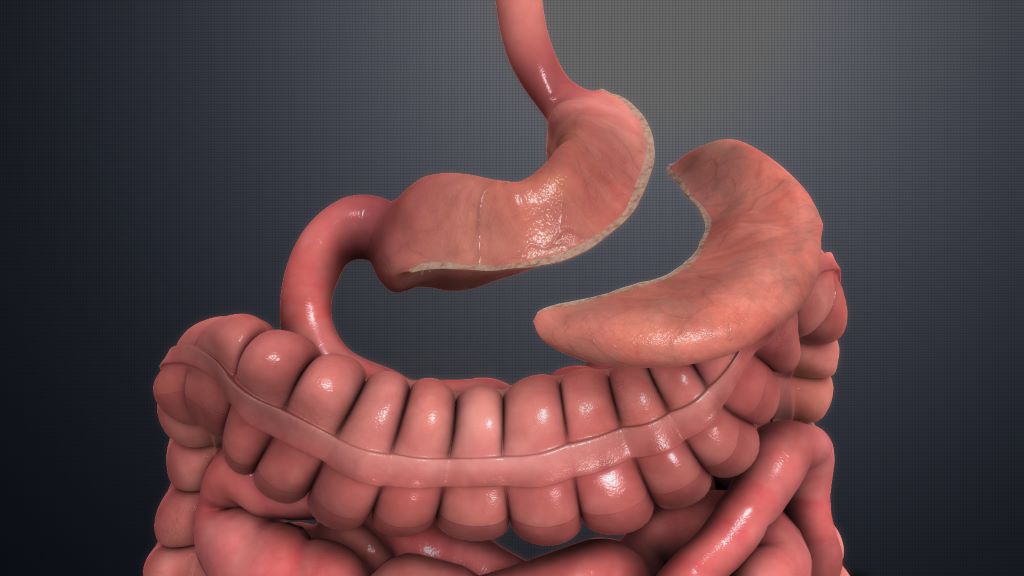
Sleeve gastrectomy. Credit: Scientific Animations CC4.0

Young people who have had surgery for obesity do not improve their mental health despite significant and permanent weight loss. At the same time, bariatric surgery also increases the risk of early alcohol problems. This is according to the largest long-term study of young people who have undergone bariatric surgery, the results of which were published in Lancet Child and Adolescent Health.

The researchers studied mental health problems – before and after surgery – among all young people in Sweden who underwent bariatric surgery between 2007 and 2017. The study was conducted using register data, which enabled the scope of the study and facilitated comparisons with other groups in society. 

The study recruited 1554 adolescents (< 21 years) with severe obesity underwent bariatric surgery between 2007 and 2017, 1169 (75%) of whom were female. At time of surgery, the mean age was 19·0 years [SD 1·0], and the mean BMI was 43·7 kg/m2 (SD 5·5). They were matched with 15 540 adolescents from the general population.

It was found that young people who underwent surgery were more likely to have received treatment and medication for mental health problems already five years before the surgery.

“Although mental illness generally increases between the ages of 15 and 21, for this group the need for treatment increased faster than for young people in general”, says Kajsa Järvholm, Associate Professor of Psychology at Lund University.

Unfortunately, this pattern continued even after obesity surgery; the young people who had the surgery continued to have a greater need for mental health treatment than their peers. 

“Obesity surgery has very positive effects on weight, blood sugar and blood pressure control, but when it comes to mental health, it does not get better or worse after bariatric surgery”, says Martin Neovius, Professor of Clinical Epidemiology at Karolinska Institutet.

Additional findings from the new study include an increase in dependency diagnoses, particularly on alcohol, in the surgical group, both in comparison to pre-surgery and to young people in general.

The study is the largest long-term study in the world of young people who have had obesity surgery.

Source: Karolinska Institutet

Air Conditioning Kept Heat-related Deaths Down in Spain – for Those who Could Afford it

Photo by Fandy Much

Air conditioning and heating systems have contributed considerably to reducing mortality linked to extreme temperatures in Spain, according to a new observational study. The findings, published in Environment International, provide valuable insights for designing policies to adapt to climate change.

Rising temperatures but lower mortality

Spain, like many parts of the world, has experienced rising temperatures in recent decades, with the average annual mean temperature increasing at an average rate of 0.36°C per decade.

The warming trend is even more pronounced in the summer months (0.40°C per decade). Surprisingly, this increase in temperature has coincided with a progressive reduction in mortality associated with heat.

In addition, cold-related mortality has also decreased.

“Understanding the factors that reduce susceptibility to extreme temperatures is crucial to inform health adaptation policies and to combat the negative effects of climate change,” says first author of the study, Hicham Achebak, researcher at ISGlobal and Inserm (France) and holder of a Marie Sklodowska-Curie Postdoctoral Fellowship from the European Commission.

Effective societal adaptations

In this study led by the Barcelona Institute for Global Health (ISGlobal), Achebak and colleagues analysed the demographic and socioeconomic factors behind the observed reduction in heat and cold-related mortality, despite rising temperatures.

They found that the increase in air conditioning (AC) prevalence in Spain was associated with a reduction in heat-related mortality, while the rise in heating prevalence was associated with a decrease in cold-related mortality.

Specifically, AC was found to be responsible for about 28.6% of the decline in deaths due to heat and 31.5% of the decrease in deaths due to extreme heat between the late 1980s and the early 2010s.

Heating systems contributed significantly, accounting for about 38.3% of the reduction in cold-related deaths and a substantial 50.8% decrease in extreme cold-related fatalities during the same period.

The decrease in mortality due to cold would have been larger had there not been a demographic shift towards a higher proportion of people aged over 65, who are more susceptible to cold temperatures.

The authors conclude that the reduction in heat-related mortality is largely the result of the country’s socioeconomic development over the study period, rather than specific interventions such as heat-wave warning systems.

Four decades of data

For the statistical analysis, the research team collected data on daily mortality (all causes) and weather (temperature and relative humidity) for 48 provinces in mainland Spain and the Balearic Islands, between January 1980 and December 2018.

These data were then linked to 14 indicators of context (demographic and socioeconomic variables such as housing, income and education) for these populations over the same period.

Implications for climate adaptation

The results of the study extend previous findings on heat-related mortality in Spain and underscore the importance of air conditioning and heating as effective adaptation measures to mitigate the effects of heat and cold.

“However, we observed large disparities in the presence of AC across provinces. AC is still unaffordable for many Spanish households,” says Achebak.

The authors also point out that the widespread use of AC could further contribute to global warming depending on the source of electricity generation, which is why other cooling strategies, such as expanding green and blue spaces in cities, are also needed.

“Our findings have important implications for the development of adaptation strategies to climate change. They also inform future projections of the impact of climate change on human health,” concludes Joan Ballester, ISGlobal researcher and study coordinator.

Source: Barcelona Institute for Global Health (ISGlobal)

Could Stimulating Gamma Brain Waves Help Treat Alzheimer’s?

Photo by JD Mason on Unsplash

A review in the Journal of Internal Medicine explores the potential of non-invasive interventions such as light, sound, and magnets to stimulate gamma brain waves for the treatment of Alzheimer’s disease. Such strategies may be beneficial because Alzheimer’s disease is characterised by reduced fast brain oscillations in the gamma range (30–100Hz).

The authors note that recent studies reveal that it is feasible and safe to induce 40Hz brain activity in patients with Alzheimer’s disease through a range of methods. Also, preliminary evidence suggests that such treatment can yield beneficial effects on brain function, disease pathology, and cognitive function in patients.

Various cells in the brain beyond neurons, including microglial cells, astrocytes and vascular cells, seem to be involved in mediating these effects.

“We found that increased gamma activity elicited by the non-invasive 40Hz sensory stimulation profoundly alters the cellular state of various glial cell types,” said corresponding author Li-Huei Tsai, PhD, of MIT. “We are actively investigating the mechanism by which the 40Hz brain activity recruits diverse cell types in the brain to provide neuroprotective effects.”

Source: Wiley

Night Owls have Nearly Double the Incidence of Atherosclerosis

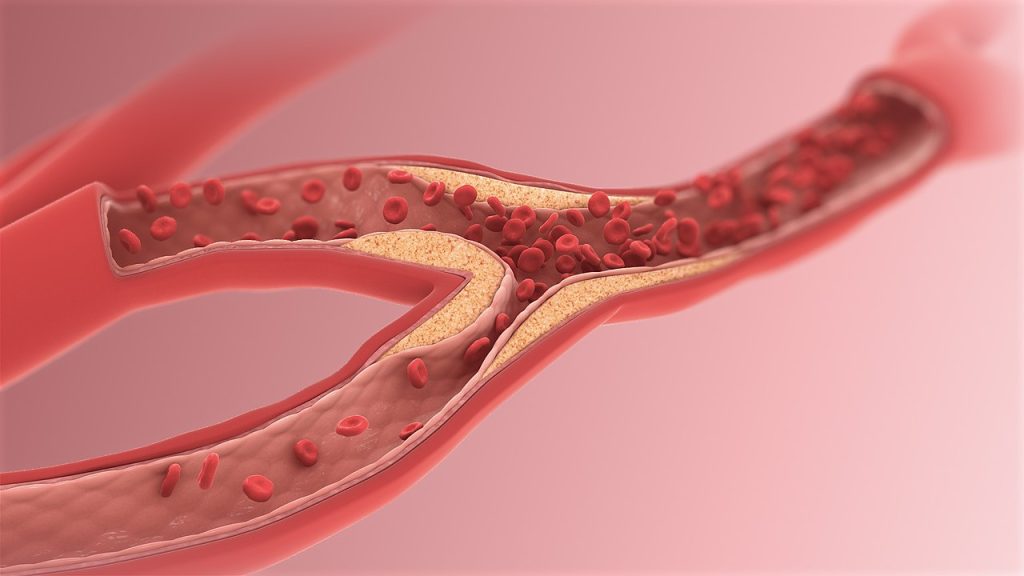
Image by Scientific Animations, CC4.0

Atherosclerosis is almost twice as common in night owls compared to early birds, according to a study from the University of Gothenburg, Sweden. Circadian function appears to be particularly important during the early stages of cardiovascular disease.

Atherosclerosis involves fatty deposits gradually accumulating on the inside of the arteries, making it harder for blood to pass through. The disease is usually not noticed until it leads to blood clots causing angina, heart attack, or stroke.

Previous research has shown that people with late-night habits have an increased risk of cardiovascular disease, but this is the first study to show how circadian rhythms specifically affect calcification of the arteries.

Coronary artery calcification

The study, which has been published in the journal Sleep Medicine, involved 771 men and women aged between 50 and 64, all of whom are part of the larger population study SCAPIS.

The degree of artery calcification in the heart’s coronary arteries was examined using computer tomography.

Participants themselves indicated their so called chronotype on a five-point scale: extreme morning type, moderate morning type, intermediate type, moderate evening type, or extreme evening type.

Of the 771 participants, 144 identified as extreme morning types, and 128 as extreme evening types.

Among the group who were most alert in the morning, 22.2% had pronounced artery calcification — the lowest proportion of all five chronotypes.

The extreme evening type group had the highest prevalence of severe coronary artery calcification, at 40.6%.

The first author of the study is Mio Kobayashi Frisk, a doctoral student at Sahlgrenska Academy, University of Gothenburg:

“Our results indicate that extreme evening chronotype may be linked not only to poorer cardiovascular health in general, but also more specifically to calcification in the coronary arteries calcification and atherosclerosis,” Mio Kobayashi Frisk says.

Preventive treatment

The statistical analysis considered a range of other factors that can affect the risk of atherosclerosis, including blood pressure, blood lipids, weight, physical activity, stress level, sleep, and smoking.

The last author of the study is Ding Zou, a researcher at Sahlgrenska Academy, University of Gothenburg:

“As well as the previously known factors, the individual circadian rhythm also appears to be an important risk factor for atherosclerosis. We interpret our results as indicating that circadian rhythms are more significant early in the disease process. It should therefore particularly be considered in the preventive treatment of cardiovascular diseases,” says Ding Zou.

Self-reported chronotype

Those who had experienced a heart attack were excluded from the study, meaning that the study participants were healthier than the general population.

Another weakness identified by the researchers is that participants themselves provided their chronotype.

Each chronotype can be said to have an average time when half of the night’s sleep has passed.

In a previous study on the same population, though not necessarily the same individuals, this time occurred at 02:55 AM for the extreme morning type group and at 04:25 AM for the extreme evening type group.

With the remaining chronotype groups’ mid-sleep times were somewhere in between these extremes.

Source: University of Gothenburg

Vikings: Terrifying Raiders With a Good Dental Plan

Photo by Gioele Fazzeri on Unsplash

The Vikings, famous as raiders who terrorised many parts of Europe, may have been quite ruthless, but their society seems to have had access to surprisingly advanced dental care for the era. A University of Gothenburg analysis of Viking Age teeth showed that although caries and toothache were widespread, there was also evidence of dental practices not too dissimilar from modern ones.

The study examined 3293 teeth from 171 individuals among the Viking Age population of Varnhem in Västergötland, Sweden.

The site is known for extensive excavations of Viking and medieval environments, including tombs where skeletons and teeth have been preserved well in favourable soil conditions.

The research team from the University of Gothenburg’s Institute of Odontology worked with an osteologist from Västergötland’s Museum. The skulls and teeth underwent clinical examinations at Gothenburg using standard dentistry tools under bright light.

A number of X-ray examinations were also performed using the same technique used in dentistry, where the patient bites down on a small square imaging plate in the mouth.

Caries and tooth loss

The results, which have been published in the journal PLOS ONE, show that 49% of the Viking population had one or more caries lesions.

Of the adults’ teeth, 13% were affected by caries – often at the roots. Children with milk teeth or a mix of milk and adult teeth, were entirely caries-free however. (Presumably sweets for the kids were not high on the Viking raiders’ lists.)

Tooth loss was also common among adults. The studied adults had lost an average of 6% of their teeth, excluding wisdom teeth, over their lifetimes. The risk of tooth loss increased with age.

The findings suggest that caries, tooth infections, and toothache were common among the Viking population in Varnhem – but the study also reveals examples of tooth care.

“There were several signs that the Vikings had modified their teeth, including evidence of using toothpicks, filing front teeth, and even dental treatment of teeth with infections,” says Carolina Bertilsson, a dentist and Associate Researcher, and the study’s first-named and corresponding author.

Not unlike today’s treatments

One sign of more sophisticated procedures was molars with filed holes, from the crown of the tooth and into the pulp, probably in order to relieve pressure and alleviate severe toothache due to infection.

“This is very exciting to see, and not unlike the dental treatments we carry out today when we drill into infected teeth. The Vikings seem to have had knowledge about teeth, but we don’t know whether they did these procedures themselves or had help.”

The filed front teeth may have been a form of identity marker. In both this and previous studies, the cases found were male.

Carolina Bertilsson continues: “This study provides new insights into Viking oral health, and indicates that teeth were important in Varnhem’s Viking culture. It also suggests that dentistry in the Viking Age was probably more sophisticated than previously thought.”

Source: University of Gothenburg

The Inability to Burp – A Rarely Discussed Condition that Affects Quality of Life

Photo by Kyle Glenn on Unsplash

The inability to burp, called retrograde cricopharyngeus dysfunction (R-CPD), is caused by failure of the throat’s cricopharyngeal muscle to relax to allow the outward passage of gas. An interview-based study in Neurogastroenterology & Motility reveals the impact of R-CPD on quality of life.

The study included 199 adults affected by the condition, most of whom reported abdominal bloating, socially awkward gurgling noises, excessive flatulence, and difficulty vomiting. Only half discussed their symptoms with their primary care clinician, and 90% felt they did not receive adequate help. Participants also reported embarrassment, anxiety/depression, negative impacts on relationships, and work disruption due to R-CPD.

“R-CPD encompasses more than just the physical challenge of being unable to burp; it also significantly impacts people’s daily lives, relationships, and mental well-being,” said corresponding author Jason N. Chen, a medical student at Texas Tech University Health Sciences Center. Future efforts should concentrate on raising awareness about R-CPD, which can help increase identification and treatment rates.”

Source: Wiley

Topical Corticosteroids Linked to Osteoporosis Risk

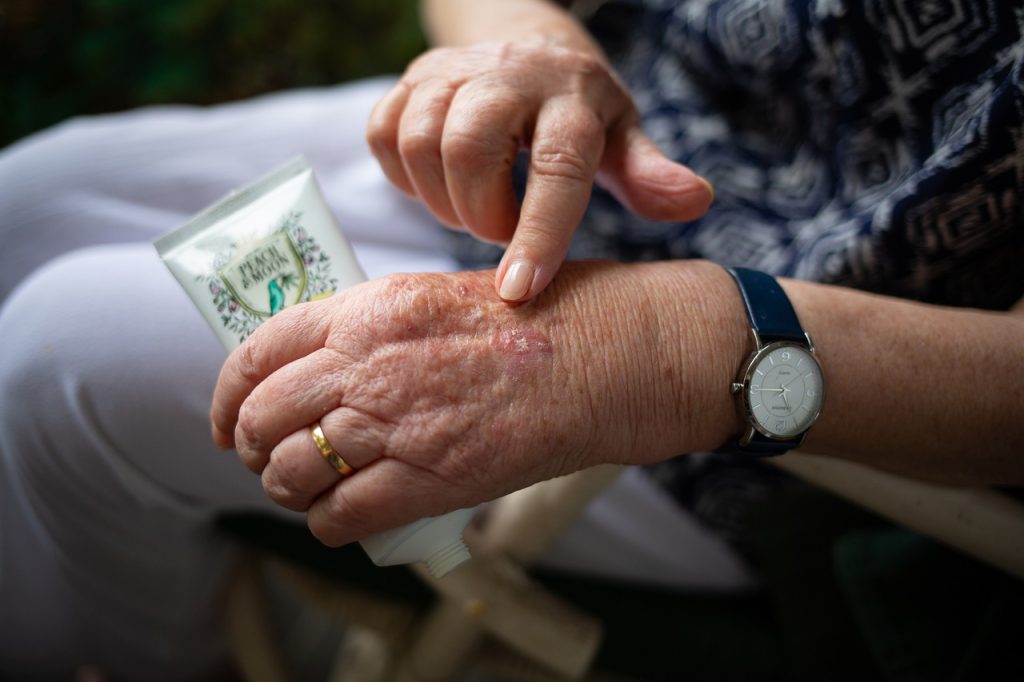
Source: Pixabay

New research indicates that higher doses of topical corticosteroids, commonly used to treat inflammatory skin conditions, are linked with elevated risks of osteoporosis and bone fractures associated with osteoporosis. The findings are published in the Journal of the European Academy of Dermatology and Venereology.

Drawing on the Taiwan National Health Insurance Research Database, the study’s investigators selected 129 682 osteoporosis cases and 34 999 major osteoporotic fracture (MOF) cases and matched them with 518 728 and 139 996 controls (without osteoporosis or MOF) by sex and age.

The team found clear dose–response relationships between long-term use of topical corticosteroids and osteoporosis and MOF, as well as differences in sex and age.

All topical corticosteroids prescriptions were converted to prednisolone equivalents (mg) according to their anti-inflammatory potency. Effects were not clear in exposure periods of six or 12 months, but effects were seen when analysis was extended to the longer term (three to five years). Compared with no doses, low, medium, and high cumulative of doses topical corticosteroids were associated with 1.22-, 1.26-, and 1.34-times higher odds of developing osteoporosis over five years. These respective doses were linked with 1.12-, 1.19-, and 1.29-times higher odds of experiencing MOF. Women had higher risks of osteoporosis and MOF than men. Also, younger people (under the age of 50 years) had a higher risk of osteoporosis compared with other age groups.

“This study emphasises that using topical corticosteroids to treat inflammatory skin conditions should be done very carefully and clinicians should be aware of these potential side effects,” said corresponding author Chia-Yu Chu, MD PhD, of National Taiwan University Hospital and National Taiwan University College of Medicine.

Source: Wiley

One of Cape Town’s Few Free Rehab Centres has Closed its Doors to Adults

Photo by Alex Green on Pexels

By Matthew Hirsch for GroundUp

The Kensington Treatment Centre, one of few in-patient rehabilitation centres in Cape Town, has stopped accepting adults because of financial constraints.

The Western Cape Department of Social Development (DSD) confirmed that the Kensington Treatment Centre no longer takes adults “due to the need to accommodate more children in secure care without any additional funds”.

In the past financial year, the facility had treated 120 people.

The department says it is necessary to focus on youth at risk.

Its budget for substance abuse programmes has been cut by R600 000 for the 2023/24 financial year.

New applications will be directed to other substance treatment centres funded by the department, which currently has six in-patient facilities: Metro South, North, East, Cape Winelands, Overberg and West Coast. Enquiries and admissions can be made through self-referral or external referrals.

There are also six outpatient treatment centres run by the City of Cape Town.

Bianca Rabbaney, who works for U-Turn Homeless Ministries, has personal experience of how difficult it is to access rehab facilities in times of need. She lived on the streets for more than 20 years, because her family couldn’t cope with her. For most of that time she had a substance use problem.

“My life just spiralled down to almost completely nothing, and in that time I did search for help,” she says.

“There are so many of us who want to come out of drug addiction but we can’t do that when we’re out on the street. From my personal experience when I walked my journey, there were so many places I went to that rejected me.”

“They used to send us away because we didn’t have money to come into the facility or we didn’t have a place to stay. It made it difficult for someone like me to access that kind of assistance,” she says.

Rabbaney eventually got help at the Matrix Rehabilitation Programme Parkwood. She has been abstinent for eight years now.

“I never forgot the struggle that I had to go through to get to a shelter, get myself into a rehabilitation program and to get my life back together. We don’t have many of those facilities at the moment.

“I would like to send a message out there that there is hope after addiction. There is hope after being homeless. We just need more facilities.”

Budget cuts

The provincial DSD is concerned about possible further cuts to its budget.

“We will only know the impact on this programme next year after the final budget allocation,” said Monique Mortlock-Malgas, spokesperson to MEC Sharna Fernandez.

The department is also looking to regulate illegal rehabilitation centres.

“This process may assist with the demand for services to the extent that DSD can help more centres provide proper quality services to the public. Centres that are unable to comply will, however, need to be closed,” said Mortlock-Malgas.

Lise van den Dool, chief programme officer at U-Turn, says there are also state-funded beds in registered facilities but there is a long waiting period for these and this is a problem because people may lose motivation. “When a person is ready to walk that journey you’ve got a short window period,” she said.

Van den Dool said the biggest issue is what happens after the rehabilitation process. She said work programmes are fundamental to recovery – not just preparing people to be ready for work, but helping them keep their jobs.

According to data from the 2022 census, after loss of income, substance abuse is the main cause of homelessness in the country. Some studies, including one by U-Turn, suggest that there are at least 14 000 homeless people in Cape Town.

Republished from GroundUp under a Creative Commons licence.

Source: GroundUp