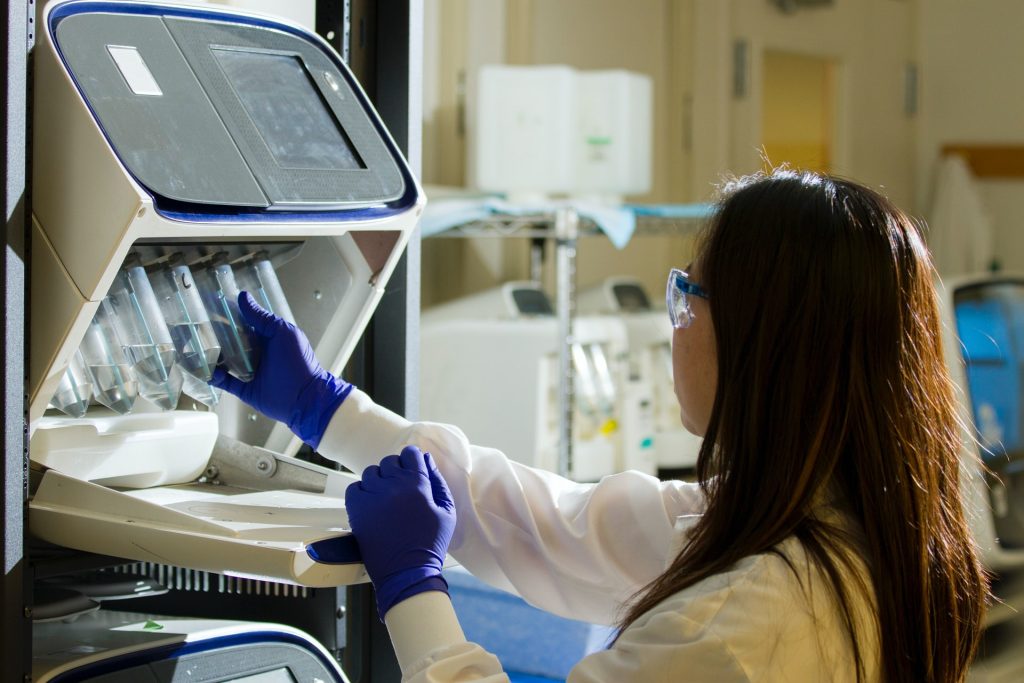
In Parkinson’s disease, a reduction in the gut bacteria of genes responsible for synthesising the essential B vitamins B2 and B7 was found. Credit: Reiko Matsushita
A study led by Nagoya University in Japan has revealed a link between gut microbiota and Parkinson’s disease (PD). The researchers found that the gut bacteria genes responsible for synthesising vitamins B2 and B7 were reduced. This gene reduction was also linked to low levels of agents that help maintain the integrity of the intestinal barrier, which when weakened causes the inflammation seen in PD. Their findings, published in npj Parkinson’s Disease, suggest that treatment with B vitamins to address these deficiencies can be used to treat PD.
PD is characterized by a variety of physical symptoms that hinder daily activities and mobility, such as shaking, slow movement, stiffness, and balance problems. While the frequency of PD may vary between different populations, it is estimated to affect approximately 1-2% of individuals aged 55 years or older.
Various physiological processes are heavily influenced by the microorganisms found in the gut, which are collectively known as gut microbiota. In ideal conditions, gut microbiota produce SCFAs and polyamines, which maintain the intestinal barrier that prevents toxins entering the bloodstream. Toxins in the blood can be carried to the brain where they cause inflammation and affect neurotransmission processes that are critical for maintaining mental health.
To better understand the relationship between the microbial characteristics of the gut in PD, Hiroshi Nishiwaki and Jun Ueyama from the Nagoya University Graduate School of Medicine conducted a metanalysis of stool samples from patients with PD from Japan, the United States, Germany, China, and Taiwan. They used shotgun sequencing, a technique that sequences all genetic material in a sample. This is an invaluable tool because it offers researchers a better understanding of the microbial community and genetic makeup of the sample.
They observed a decrease in the bacterial genes responsible for the synthesising of riboflavin (vitamin B2) and biotin (vitamin B7) in patients diagnosed with PD. Riboflavin and biotin, derived from both food and gut microbiota, have anti-inflammatory properties, which may counteract the neuroinflammation seen in diseases like PD.
B vitamins play crucial roles in the metabolic processes that influence the production and functions of short-chain fatty acids (SCFAs) and polyamines, two agents that help maintain the integrity of the intestinal barrier, preventing toxins entering the bloodstream. An examination of fecal metabolites revealed decreases of both in patients with PD.
The findings indicate a potential explanation for the progression of PD. “Deficiencies in polyamines and SCFAs could lead to thinning of the intestinal mucus layer, increasing intestinal permeability, both of which have been observed in PD,” Nishiwaki explained. “This higher permeability exposes nerves to toxins, contributing to abnormal aggregation of alpha-synuclein, activating the immune cells in the brain, and leading to long-term inflammation.”
He added, “Supplementation therapy targeting riboflavin and biotin holds promise as a potential therapeutic avenue for alleviating PD symptoms and slowing disease progression.”
The results of the study highlight the importance of understanding the complex relationship among gut microbiota, metabolic pathways, and neurodegeneration. In the coming years, customised therapy could potentially be based on patients’ unique microbiome profiles. By altering bacterial levels in the microbiome, doctors can potentially delay the onset of symptoms associated with diseases like PD.
“We could perform gut microbiota analysis on patients or conduct faecal metabolite analysis,” Nishiwaki said. “Using these findings, we could identify individuals with specific deficiencies and administer oral riboflavin and biotin supplements to those with decreased levels, potentially creating an effective treatment.”
The study, “Meta-analysis of shotgun sequencing of gut microbiota in Parkinson’s disease,” was published in npj Parkinson’s Disease on May 21, 2024, at DOI:10.1038/s41531-024-00724-z.
A breakthrough study published in The American Journal of Pathology describes a new machine-learning model that may improve accuracy in early diagnosis of hepatocellular carcinoma and monitoring the impact of treatment.
Early diagnosis of hepatocellular carcinoma (HCC) – one of the most fatal malignancies – is crucial to improve patient survival. In this breakthrough study, investigators report on the development of a serum fusion-gene machine-learning model. This important screening tool may increase the five-year survival rate of patients with HCC from 20% to 90% because of its improved accuracy in early diagnosis of HCC and monitoring the impact of treatment.
HCC is the most common form of liver cancer and accounts for around 90% of cases. Currently, the most common screening test for the HCC biomarker, serum alpha-foetal protein, is not always accurate, and up to 60% of liver cancers are only diagnosed in advanced stages, resulting in a survival rate of only around 20%.
Lead investigator Jian-Hua Luo, MD, PhD, Department of Pathology, High Throughput Genome Center, and Pittsburgh Liver Research Center, University of Pittsburgh School of Medicine, explained: “Early diagnosis of liver cancer helps save lives. However, most liver cancers occur insidiously and without many symptoms. This makes early diagnosis challenging. What we need is a cost-effective, accurate, and convenient test to screen early-stage liver cancer in human populations. We wanted to explore if a machine-learning approach could be used to increase the accuracy of screening for HCC based on the status of the fusion genes.”
In the search for a more effective and efficient diagnostic tool to predict non-HCC and HCC cases, investigators analysed a panel of nine fusion transcripts in serum samples from 61 patients with HCC and 75 patients with non-HCC conditions using real-time quantitative reverse transcription PCR (RT-PCR). Seven of the nine fusions were frequently detected in HCC patients. The researchers generated machine-learning models based on serum fusion-gene levels to predict HCC in the training cohort, using the leave-one-out cross-validation approach.
A four fusion gene logistic regression model produced an accuracy of 83% to 91% in predicting the occurrence of HCC. When combined with serum alpha-foetal protein, the two-fusion gene plus alpha-foetal protein logistic regression model produced 95% accuracy for all the cohorts. Furthermore, quantification of fusion gene transcripts in the serum samples accurately assessed the impact of the treatment and was able to monitor for the recurrence of the cancer.
Dr. Luo commented, “The fusion gene machine-learning model significantly improves the early detection rate of HCC over the serum alpha-fetal protein alone. It may serve as an important tool in screening for HCC and in monitoring the impact of HCC treatment. This test will find patients who are likely to have HCC.”
Dr. Luo concluded, “Early treatment of liver cancer has a 90% five-year survival rate, while late treatment has only 20%. The alternative to this test is to subject every individual with some risk of liver cancer to imaging analysis every six months, which is very costly and ineffective. In addition, when imaging results are ambiguous, this test will help to differentiate malignant versus benign lesions.”
One of the biggest stories in HIV in the last year was that a class of medicines called statins could help reduce cardiovascular disease in people living with the virus. In response, treatment guidelines in the United States were quickly updated, but the picture is more complicated in South Africa. Spotlight’s Elri Voigt explores why the case for widespread use of statins by people living with HIV is less compelling in South Africa than in some other countries.
People living with HIV, provided they are stable on antiretroviral therapy, are affected by the same diseases as those who don’t have HIV, including cardiovascular disease, says Professor Mpiko Ntsekhe, head of Cardiology at Groote Schuur Hospital in Cape Town.
The key difference, he says, is that although both groups of people get the same spectrum of diseases, people living with HIV get those diseases more frequently and earlier. One way to think about this, he explains, is to imagine twins who are identical in every way except one is living with HIV. The twin living with HIV is more likely to get cardiovascular disease than the other twin.
And these differences can be substantial. Current evidence shows that people living with HIV have a twofold increased risk of developing cardiovascular disease compared to people not living with HIV, says Professor Hans Strijdom. He is the Head of the Division of Medical Physiology and Deputy Director of the Centre for Cardio-Metabolic Research in Africa (CARMA) at Stellenbosch University. The cardiovascular risk attributable to HIV, Strijdom adds, is now believed to be equivalent to that posed by traditional risk factors such as smoking. This prompted an editorial in 2018 in one of the top cardiovascular journals, Circulation, advocating for HIV to be recognised as a major cardiovascular risk factor.
He explains that people living with HIV who are stable on treatment are living longer, making them susceptible to the normal risk posed by older age. They also have “modifiable risk factors, in other words lifestyle risk factors”, like a higher smoking and alcohol use incidence, as well as increasing rates of being overweight and obesity. Strijdom says that living with HIV, even when someone is stable on treatment, causes low-grade inflammation, which over time increases a person’s risk for cardiovascular disease. “That all in combination are the current theories [of] why we think that they have a bigger risk of cardiovascular disease,” he says.
Important study findings
Arguably, the biggest news from last year’s International AIDS Society (IAS) Conference in Australia was findings from a study on heart disease in people living with HIV. The trial, called REPRIEVE, showed that a class of cholesterol-busting drugs called statins can prevent a lot of cardiovascular disease events in people living with HIV whose cardiovascular disease (CVD) risk score meets a certain threshold. Spotlight previously reported on these findings, which showed that compared to placebo, daily treatment with 4mg oral pitavastatin – a specific statin – led to a 35% reduction in major adverse cardiovascular events (MACE) in people living with HIV classified to be at risk of cardiovascular disease.
When the findings were presented at the IAS conference, the study’s principal investigator, Dr Steven Grinspoon, said that while the researchers still have to assess more of the data collected to get a clearer picture of things, like the mechanisms driving cardiovascular disease across regions and conduct additional sub-group analyses, the study has already shown that using pitavastatin can save lives.
These sub-group analyses were discussed in greater detail at the Conference on Retroviruses and Opportunistic Infections (CROI) held in Denver in March this year. For the most part, the use of pitavastatin in the manner prescribed by REPRIEVE was considered a huge success, and the United States has since changed its guidelines to include the use of statins in the primary prevention of atherosclerotic cardiovascular disease.
Why it is different in South Africa
However, for low-and-middle-income countries like South Africa, the case for pitavastatin might not be as clear-cut. In fact, a panel discussion at CROI was dedicated to exploring the implications of the REPRIEVE findings for such countries.
Ntsekhe, who was a speaker on the CROI panel, tells Spotlight that data from REPRIEVE’s sub-group analyses reveal there was a striking difference in event rates – which in the case of the study are MACE in those who were getting the placebo – by country income status. He explains that as predicted in high-income countries, the event rates were high, while in low-and-middle income countries – particularly in Sub-Saharan Africa – event rates were very low.
He says one of the reasons for the difference in event rates was that the screening tool used in REPRIEVE worked well to identify those people living with HIV who might benefit from pitavastatin in high-income countries like the United States, but it did not work well in Sub-Saharan Africa.
This means using pitavastatin as part of a primary prevention strategy is a much more effective intervention in high-income countries than in low-and-middle income countries like in Sub-Saharan Africa because the cardiovascular disease profile is so different.
Ntsekhe explains the term cardiovascular disease itself is broad and all-encompassing and there are many forms, including valve disease, heart muscle disease, and vascular disease. The dominant form of cardiovascular disease in the high-income countries (which he refers to as the Global North) is known as atherosclerotic cardiovascular disease, which is characterised by a build-up of fatty deposits and plaque in the arteries.
In Sub-Saharan Africa though, Ntsekhe says “atherosclerotic cardiovascular disease is but one of many forms of cardiovascular disease”, taking the fourth or fifth place in the ranking of types of major heart disease.
Research conducted in high-income countries don’t always take differences in disease burden into account, according to Ntsekhe. This means that interventions researched in high-income countries and shown to be effective in that context won’t necessarily work as well in low-and-middle income countries like South Africa.
Strijdom concurs that while results from REPRIEVE in the global context were a game-changer, the findings are not easily transferable to South Africa’s context because pitavastatin is mainly aimed at reducing “bad cholesterol” and coronary artery disease (also called atherosclerosis).
‘Taking money away’
During the panel discussion at CROI, Ntsekhe asked whether Sub-Saharan Africa could justify taking money away from other health programmes that work in order to invest in pitavastatin.
“I said basically what should be a priority for us is a) finding tools that can better identify those at risk and b) continuing to focus on what our local data suggests are the priority areas,” Ntsekhe says.
“If your entire prevention strategy is aimed at atherosclerotic cardiovascular disease, but it isn’t the dominant cause of disease [in your country], you’re going to be treating a whole host of people to try and tackle this thing that affects very few in a sense,” he says.
“It was not anything about REPRIEVE, it was a wonderful study, the hypothesis was tested, and it was shown to be correct, the intervention we know works,” Ntsekhe says. “It really then comes down to regional areas to think very carefully about how best they’re going to get their biggest bang for their buck,” he says. “We have to carefully consider the local context, local burden, we have set local health priorities, and weigh benefit and cost before we adopt new interventions or recommendations.”
SA’s cardiovascular disease burden
While Strijdom says we don’t have great data, he points to a large systematic review and meta-analysis published in 2018 in Circulation, which estimates that around 15% of the total cardiovascular disease burden in South Africa is attributable to HIV. “It’s probably higher than that. I would say that probably about one in five people with heart disease have heart disease because of HIV in South Africa,” he says, adding “that figure is probably only going to increase”.
Because of this, he says, there is a need for proper and clear primary healthcare guidelines specifically aimed at managing cardiovascular disease in people living with HIV, which we don’t currently have.
Strijdom says what we have at the moment since the rollout of the 2019 National ART Clinical Guidelines is very basic guidelines. This involves screening someone who has just been diagnosed with HIV by taking their blood pressure, and testing urine for glucose and proteins, and an assessment of their general cardiovascular disease risk by taking their medical and family history. These guidelines, according to Strijdom, only make provision for routine screening at baseline, but screening guidelines at follow-up visits are insufficient.
“I am, however, aware of the fact that there is progress especially from the integrated chronic disease management model which is currently being piloted in South Africa – and hopefully with that will come much more definitive and universal guidelines,” he says. “The bottom line is that South Africa, in its public health [sector] especially, really very quickly needs to come up with very clear and more comprehensive guidelines to actively manage cardiovascular disease risk in people with HIV.”
Need for annual screening
Strijdom suggest that to improve screening for cardiovascular disease risk in people living with HIV, there needs to be annual screening of people’s weight, their measure of body fat based on height and weight, waist circumference, blood pressure, cholesterol and triglyceride levels as well as testing urine samples for kidney function. There also needs to be a thorough family and medical history conducted for each patient.
“It’s not really a very expensive or very exhaustive list of stuff that you have to do. Unless of course they have specific symptoms and signs that leads you in a specific direction that you then have to perhaps do an ECG [a test used to evaluate the functioning of the heart] or cardiac imaging but that is usually determined by what you get from their history and clinical examination,” he says.
Ntsekhe says public health strategies to combat the growing burden of non-communicable diseases (NCDs), including cardiovascular disease, in South Africa must be strengthened. These include screening and prevention tools like checking a patient’s blood pressure and blood glucose, advising against smoking and alcohol as well as promoting health lifestyle choices like exercise and weight loss. These interventions should be offered to everyone, regardless of whether they are living with HIV or not, he says.
“The thing about NCDs and cardiovascular disease, for the most part, they are diseases of lifestyle and behaviour. So, when you talk prevention, it’s not always about drug prevention,” he says. “It’s more about intensification of those [interventions] that are already in the public domain, are very effective, and cost very little. Many of the public health and primary healthcare guidelines do advise local ministries, local health authorities on what should be happening.”
In terms of public education, Stritjdom says people need to be aware that there is something like high blood pressure. “If people are aware they will come to the clinic and will say please measure my blood pressure,” he says.
“Our health system is understandably focused on infectious diseases, but if we are not careful, we will then be totally unprepared to tackle the epidemic that will have replaced it. Namely, cancer, heart disease, stroke, obesity, diabetes, and it will totally overwhelm our public healthcare system,” he says.
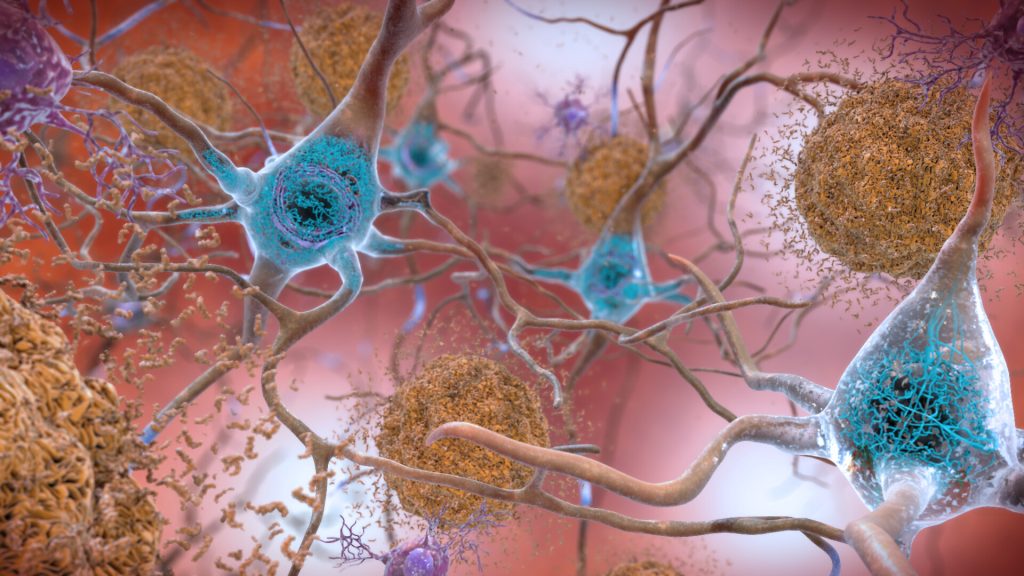
Neurons in the brain of an Alzheimer’s patient, with plaques caused by tau proteins. Credit: NIH
A new study by investigators from Mass General Brigham suggests that whether a person inherits risk of Alzheimer’s disease from their mother or father influences risk of biological changes in the brain that lead to disease. By evaluating 4400 cognitively unimpaired adults ages 65–85, the team found those with a history of Alzheimer’s disease (AD) on either their mother’s side or both parents’ sides had increased amyloid in their brains. Their results are published in JAMA Neurology.
“Our study found if participants had a family history on their mother’s side, a higher amyloid level was observed,” said senior corresponding author Hyun-Sik Yang, MD, a neurologist at Mass General Brigham.
Yang said that previous smaller studies have investigated the role family history plays in Alzheimer’s disease. Some of those studies suggested maternal history represented a higher risk of developing Alzheimer’s, but the group wanted to revisit the question with cognitively normal participants and access to a larger clinical trial data set.
The team examined the family history of older adults from the Anti-Amyloid Treatment in Asymptomatic Alzheimer’s (A4) study, a randomized clinical trial aimed at AD prevention. Participants were asked about memory loss symptom onset of their parents. Researchers also asked if their parents were ever formally diagnosed or if there was autopsy confirmation of Alzheimer’s disease.
“Some people decide not to pursue a formal diagnosis and attribute memory loss to age, so we focused on a memory loss and dementia phenotype,” Yang said.
Researchers then compared those answers and measured amyloid in participants. They found maternal history of memory impairment at all ages and paternal history of early-onset memory impairment was associated with higher amyloid levels in the asymptomatic study participants. Researchers observed that having only a paternal history of late-onset memory impairment was not associated with higher amyloid levels.
“If your father had early onset symptoms, that is associated with elevated levels in the offspring,” said Mabel Seto, PhD, first author and a postdoctoral research fellow in the Department of Neurology at the Brigham. “However, it doesn’t matter when your mother started developing symptoms – if she did at all, it’s associated with elevated amyloid.”
Seto works on other projects related to sex differences in neurology. She said the results of the study are fascinating because Alzheimer’s tends to be more prevalent in women. “It’s really interesting from a genetic perspective to see one sex contributing something the other sex isn’t,” Seto said. She also noted the findings were not affected by whether study participants were biologically male or female.
Yang noted one limitation of the study is some participants’ parents died young, before they could potentially develop symptoms of cognitive impairment. He said social factors like access to resources and education may have also played a role in when someone acknowledged cognitive impairment and if they were ever formally diagnosed.
“It’s also important to note a majority of these participants are non-Hispanic white,” Seto added. “We might not see the same effect in other races and ethnicities.”
Seto said the next steps are to expand the study to look at other groups and examine how parental history affects cognitive decline and amyloid accumulation over time and why DNA from the mother plays a role.
Reisa Sperling, MD, a co-author on the paper, principal investigator of the A4 Study and a neurologist at Mass General Brigham, said the findings could be used soon in clinical translation.
“This work indicates that maternal inheritance of Alzheimer’s disease may be an important factor in identifying asymptomatic individuals for ongoing and future prevention trials,” Sperling said.
When a magnet is heated up, it reaches a critical point where it becomes demagnetisated. Called “criticality,” this point of high complexity is reached when a physical object is transitioning smoothly from one phase into the next.
Now, a new Northwestern University study has discovered that the brain’s structural features reside in the vicinity of a similar critical point – either at or close to a structural phase transition. Surprisingly, these results are consistent across brains from humans, mice and fruit flies, which suggests the finding might be universal. Although the researchers don’t know what phases the brain’s structure is transitioning between, they say this new information could enable new designs for computational models of the brain’s complexity and emergent phenomena.
“The human brain is one of the most complex systems known, and many properties of the details governing its structure are not yet understood,” said Northwestern’s István Kovács, the study’s senior author. “Several other researchers have studied brain criticality in terms of neuron dynamics. But we are looking at criticality at the structural level in order to ultimately understand how this underpins the complexity of brain dynamics. That has been a missing piece for how we think about the brain’s complexity. Unlike in a computer where any software can run on the same hardware, in the brain the dynamics and the hardware are strongly related.”
“The structure of the brain at the cellular level appears to be near a phase transition,” said Northwestern’s Helen Ansell, the paper’s first author. “An everyday example of this is when ice melts into water. It’s still water molecules, but they are undergoing a transition from solid to liquid. We certainly are not saying that the brain is near melting. In fact, we don’t have a way of knowing what two phases the brain could be transitioning between. Because if it were on either side of the critical point, it wouldn’t be a brain.”
While researchers have long studied brain dynamics using functional magnetic resonance imaging (fMRI) and electroencephalograms (EEG), advances in neuroscience have only recently provided massive datasets for the brain’s cellular structure. These data opened possibilities for Kovács and his team to apply statistical physics techniques to measure the physical structure of neurons.
For the new study, Kovács and Ansell analysed publicly available data from 3D brain reconstructions from humans, fruit flies and mice. By examining the brain at nanoscale resolution, the researchers found the samples showcased hallmarks of physical properties associated with criticality.
One such property is the well-known, fractal-like structure of neurons. This nontrivial fractal-dimension is an example of a set of observables, called “critical exponents,” that emerge when a system is close to a phase transition.
Brain cells are arranged in a fractal-like statistical pattern at different scales. When zoomed in, the fractal shapes are “self-similar,” meaning that smaller parts of the sample resemble the whole sample. The sizes of various neuron segments observed also are diverse, which provides another clue. According to Kovács, self-similarity, long-range correlations and broad size distributions are all signatures of a critical state, where features are neither too organised nor too random. These observations lead to a set of critical exponents that characterise these structural features.
“These are things we see in all critical systems in physics,” Kovács said. “It seems the brain is in a delicate balance between two phases.”
Kovács and Ansell were amazed to find that all brain samples studied – from humans, mice and fruit flies – have consistent critical exponents across organisms, meaning they share the same quantitative features of criticality. The underlying, compatible structures among organisms hint that a universal governing principle might be at play. Their new findings potentially could help explain why brains from different creatures share some of the same fundamental principles.
“Initially, these structures look quite different – a whole fly brain is roughly the size of a small human neuron,” Ansell said. “But then we found emerging properties that are surprisingly similar.”
“Among the many characteristics that are very different across organisms, we relied on the suggestions of statistical physics to check which measures are potentially universal, such as critical exponents. Indeed, those are consistent across organisms,” Kovács said. “As an even deeper sign of criticality, the obtained critical exponents are not independent – from any three, we can calculate the rest, as dictated by statistical physics. This finding opens the way to formulating simple physical models to capture statistical patterns of the brain structure. Such models are useful inputs for dynamical brain models and can be inspirational for artificial neural network architectures.”
Next, the researchers plan to apply their techniques to emerging new datasets, including larger sections of the brain and more organisms. They aim to find if the universality will still apply.
Human colon cancer cells. Credit: National Cancer Institute
Results from a new trial indicate that immunotherapy could successfully be used to treat the most common form of colorectal cancer, also known as bowel cancer.
The findings of the new study, a phase 1 trial involving the immunotherapy drugs botensilimab and balstilimab, have been published in the journal Nature Medicine, and it is the first time that consistent and durable responses to immunotherapy have been reported in difficult-to-treat patients.
Co-authored by Professor Justin Stebbing of Anglia Ruskin University (ARU), who describes the results as “potentially game changing”, the study focused on the most common type of colorectal tumours, known as MSS mCRC, or microsatellite stable metastatic colorectal cancer.
Although immunotherapy has previously been shown to work on patients with specific mismatch repair deficient (dMMR) tumours, only a small percentage of colorectal cancer patients have this type of tumour, and immunotherapy has so far been ineffective in patients with more common MSS mCRC tumours.
The new study involved using the immunotherapy drug botensilimab in conjunction with balstilimab on a group of patients in the United States. These drugs are both monoclonal antibodies, which work by triggering the body’s immune system to attack the cancer.
Of the patients in the phase 1 trial, 101 took part in a six-month follow-up and of these, 61% of them saw their tumour shrink or remain stable after receiving a combination of botensilimab (BOT) and balstilimab (BAL). The most common side-effects, or treatment-related adverse events, were diarrhoea and fatigue.
Justin Stebbing, Professor of Biomedical Sciences at Anglia Ruskin University (ARU) and communicating author of the study, said:
“These results are incredibly exciting. Colorectal or bowel cancer is one of the most common forms of cancer worldwide and this is the first time there has been convincing evidence that immunotherapy can work in all forms of colorectal tumours, so this is potentially game changing.
“This is now progressing into later phase clinical trials and we hope the FDA in the United States approve its use very soon. And because this is such an important area, affecting so many people, we hope authorities in the UK are also able to move quickly.” Joint first author Dr Andrea Bullock, Assistant Professor in Medicine at Beth Israel Deaconess Medical Center, said:
“This study sheds light on the potential of the BOT/BAL combination to treat microsatellite stable metastatic colorectal cancer, the most common form of colorectal cancer which has historically not responded to immunotherapy, and we hope our results will offer new hope for those diagnosed.” Joint last author Dr Anthony El-Khoueiry, Associate Director of Clinical Research and Chief of Section of Developmental Therapeutics at the USC Norris Comprehensive Cancer Center, said:
“This phase 1 study of botensilimab highlights its promising anti-tumour activity that encompasses immunologically cold tumours such as MSS colorectal cancer. The efficacy noted highlights the potential of botensilimab through its broader engagement of anti-tumour immunity.”
The full open access paper, published in , is available here
Scientists from the University of Groningen in the Netherlands, together with colleagues from other European universities, have tested how a fever could affect the development of antimicrobial resistance. In laboratory experiments, they found that a small increase in temperature from 37 to 40 degrees Celsius drastically changed the mutation frequency in E. colibacteria, which facilitates the development of resistance. If these results can be replicated in human patients, fever control could be a new way to mitigate the emergence of antibiotic resistance.
There are two ways to fight the threat of antimicrobial resistance: by developing new drugs, or by preventing the development of resistance. ‘We know that temperature affects the mutation rate in bacteria’, explains Timo van Eldijk, co-first author of the paper published in JAC-Antimicrobial Resistance. ‘What we wanted to find out was how the increase in temperature associated with fever influences the mutation rate towards antibiotic resistance.’
‘Most studies on resistance mutations were done by lowering the ambient temperature, and none, as far as we know, used a moderate increase above normal body temperature,’ Van Eldijk reports. Together with Master’s student Eleanor Sheridan, he cultured E. coli bacteria at 37 or 40 degrees Celsius, and subsequently exposed them to three different antibiotics to assess the effect. ‘Again, some previous human trials have looked at temperature and antibiotics, but in these studies, the type of drug was not controlled.’ In their laboratory study, the team used three different antibiotics with different modes of action: ciprofloxacin, rifampicin, and ampicillin.
The results showed that for two of the drugs, ciprofloxacin and rifampicin, increased temperature led to an increase in the mutation rate towards resistance. However, the third drug, ampicillin, caused a decrease in the mutation rate toward resistance at fever temperatures. ‘To be certain of this result, we replicated the study with ampicillin in two different labs, at the University of Groningen and the University of Montpellier, and got the same result,’ says Van Eldijk.
The researchers hypothesized that a temperature dependence of the efficacy of ampicillin could explain this result, and confirmed this in an experiment. This explains why ampicillin resistance is less likely to arise at 40 degrees Celsius. ‘Our study shows that a very mild change in temperature can drastically change the mutation rate towards resistance to antimicrobials,’ concludes Van Eldijk. ‘This is interesting, as other parameters such as the growth rate do not seem to change.’
If the results are replicated in humans, this could open the way to tackling antimicrobial resistance by lowering the temperature with fever-suppressing drugs, or by giving patients with a fever antimicrobial drugs with higher efficacy at higher temperatures. The team concludes in the paper: ‘An optimized combination of antibiotics and fever suppression strategies may be a new weapon in the battle against antibiotic resistance.’
A widely available drug helps prevent upper gastrointestinal bleeding in critically ill adults on a breathing machine, according to the results of a global study and meta-analysis led by researchers at McMaster University.
The research, published on June 14, 2024 in The New England Journal of Medicine and NEJM Evidence, investigated the effect of the gastric acid suppressant pantoprazole, which is primarily used to treat heartburn caused by gastroesophageal reflux disease (GERD).
Patients in the intensive care unit (ICU) who need a breathing machine (mechanical ventilator) also receive pantoprazole to prevent upper gastrointestinal bleeding, caused by stress-induced ulcers in the stomach. Concerns emerged about whether this complication of critical illness had disappeared over the years, and about side effects of pantoprazole, including increased risk of death in the sickest patients. The research provides critical care teams with certainty about whether the medications should be used in practice.
“This is the largest randomized trial on this topic in the world, led by Canada. Physicians, nurses, and pharmacists working in the ICU setting will use this information in practice right away, and the trial results and the updated meta-analysis will be incorporated into international practice guidelines,” said lead author and principal investigator Deborah Cook, a professor in the Department of Medicine at McMaster.
Global randomized control trial
The Reevaluating the Inhibition of Stress Erosions (REVISE) Trial was a randomised control trial that compared the effect of pantoprazole to placebo in critically ill adults on a breathing machine. The trial was run in 68 centres in eight countries and over 4800 patients underwent randomization. Among patients undergoing invasive ventilation, pantoprazole resulted in a significantly lower risk of clinically important upper gastrointestinal bleeding than placebo but not in a lower risk of death.
Clinically important upper gastrointestinal bleeding occurred in 25 of 2417 patients (one per cent) receiving pantoprazole and in 84 of 2404 patients (nearly four per cent) receiving placebo. At 90 days, death was reported in 696 of 2390 patients (29 per cent) in the pantoprazole group and in 734 of 2379 patients (30 per cent) in the placebo group.
Updated systematic review
Researchers conducted a meta-analysis of 12 randomised trials of proton-pump inhibitors for GI bleeding prevention in 10 000 critically ill patients to summarise the current evidence on the outcomes of gastrointestinal bleeding, mortality, pneumonia and C. difficile infection.
The medications were associated with a reduced incidence of clinically important upper gastrointestinal bleeding and may have little or no effect on mortality. The evidence also showed the medications may have no effect on pneumonia and little or no effect on C. difficile infection.
The research was funded by the Canadian Institutes for Health Research, the Accelerating Clinical Trials Fund, Physicians Services Incorporated of Ontario, Hamilton Association of Health Sciences Organization, and the National Health Medical Research Council of Australia.
New research from CU Boulder shows that turning to junk food when we’re stressed out may backfire. The study found that in animals, a high-fat diet disrupts resident gut bacteria, alters behaviour and, through a complex pathway connecting the gut to the brain, influences brain chemicals in ways that fuel anxiety.
“Everyone knows that these are not healthy foods, but we tend to think about them strictly in terms of a little weight gain,” said lead author Christopher Lowry, a professor of integrative physiology at CU Boulder. “If you understand that they also impact your brain in a way that can promote anxiety, that makes the stakes even higher.”
For the study, published in the journal Biological Research in May, Lowry worked with first author Sylvana Rendeiro de Noronha, a doctoral student at the Federal University of Ouro Preto in Brazil.
In a previous study, the team found that rats fed a high-fat diet consisting primarily of saturated fat showed increases in neuroinflammation and anxiety-like behaviour.
While evidence is mixed, some human studies have also shown that replacing a high-fat, high-sugar, ultra-processed diet with a healthier one can reduce depression and anxiety.
The dark side of serotonin
To better understand what may be driving the fat-anxiety connection, Lowry’s team divided male adolescent rats into two groups: Half got a standard diet of about 11% fat for nine weeks; the others got a high-fat diet of 45% fat, consisting mostly of saturated fat from animal products.
The typical American diet is about 36% fat, according to the Centers for Disease Control and Prevention.
Throughout the study, the researchers collected faecal samples and assessed the animals’ gut microbiome. After nine weeks, the animals underwent behavioural tests.
When compared to the control group, the group eating a high-fat diet, not surprisingly, gained weight. But the animals also showed significantly less diversity of gut bacteria. Generally speaking, more bacterial diversity is associated with better health, Lowry explained. They also hosted far more of a category of bacteria called Firmicutes and less of a category called Bacteroidetes. A higher Firmicutes to Bacteroidetes ratio has been associated with the typical industrialised diet and with obesity.
The high-fat diet group also showed higher expression of three genes (tph2, htr1a, and slc6a4) involved in production and signalling of the neurotransmitter serotonin – particularly in a region of the brainstem known as the dorsal raphe nucleus cDRD, which is associated with stress and anxiety.
While serotonin is often billed as a “feel-good brain chemical,” Lowry notes that certain subsets of serotonin neurons can, when activated, prompt anxiety-like responses in animals. Notably, heightened expression of tph2, or tryptophan hydroxylase, in the cDRD has been associated with mood disorders and suicide risk in humans.
“To think that just a high-fat diet could alter expression of these genes in the brain is extraordinary,” said Lowry. “The high-fat group essentially had the molecular signature of a high anxiety state in their brain.”
A primal gut-brain connection
Just how a disrupted gut can change chemicals in the brain remains unclear. But Lowry suspects that an unhealthy microbiome compromises the gut lining, enabling bacteria to slip into the body’s circulation and communicate with the brain via the vagus nerve, a pathway from the gastrointestinal tract to the brain.
“If you think about human evolution, it makes sense,” Lowry said. “We are hard-wired to really notice things that make us sick so we can avoid those things in the future.”
Lowry stresses that not all fats are bad, and that healthy fats like those found in fish, olive oil, nuts and seeds can be anti-inflammatory and good for the brain.
But his research in animals suggests that exposure to an ultra-high-fat diet consisting of predominantly saturated fats, particularly at a young age, could both boost anxiety in the short-term and prime the brain to be more prone to it in the future.
His advice: Eat as many different kinds of fruits and vegetables as possible, add fermented foods to your diet to support a healthy microbiome and lay off the pizza and fries. Also, if you do have a hamburger, add a slice of avocado. Research shows that good fat can counteract some of the bad.
Rodrigo Cunha de Menezes, professor of physiology at Federal University of Ouro Preto in Brazil, is co- senior author on this paper.
While cancer survivors are increasing in countries like the United States, South Africa faces a different reality, with 4000 people dying from blood cancer every year. Dr Sharlene Parasnath, Head of the Department of Clinical Haematology and Stem Cell Transplant Unit at Inkosi Albert Luthuli Central Hospital and DKMS Africa board member, believes that this discrepancy is largely due to the quality of care provided to patients who rely on the state healthcare system.
Counting the costs
She explains that South Africa’s state sector relies predominantly on conventional chemotherapy to treat patients as opposed to newer targeted immunotherapies. “These may be accessible to some patients in the private sector and standard care in developed countries but are out of reach for public healthcare due to their unaffordability. Countries that use more targeted therapies not only improve overall survival but also decrease the undesirable adverse effects of cancer treatments. These therapies may be given with chemotherapy or on their own and work by attacking specific genetic mutations in cancer cells. Examples include monoclonal antibodies (MABs) and Bispecific T cell engagers (BiTES), which mimic the immune system to destroy cancer cells. There are also tyrosine kinase inhibitors (TKIs) which block the signals that promote cancer cell growth.”
“The prohibitive costs of these treatments are why stem cell transplants are being encouraged in South Africa since they offer those with blood cancers a chance of a cure,” points out Dr Parasnath. “However, this approach comes with challenges. For instance, the state will not pay for a transplant from an unrelated donor, despite two thirds of patients in need of a transplant being unable to find a suitable donor from within their family.”
Fewer nurses, fewer transplants
“Human resource constraints, particularly the shortage of specialist nurses, is another factor hindering more stem cell transplants from being carried out,” she notes. “Currently, there is no formalised training for nurses in haematology in South Africa. So, what tends to happen is that the majority of blood cancer patients end up being cared for either by oncology-trained nurses or registered general nurses with limited practical education and training in the kind of care they require. Important aspects of nursing which can improve patient outcomes include dietary restrictions, visitor guidelines, decreasing bleeding risk, infection control and early detection of potential complications such as graft rejection, graft vs. host disease and veno-occlusive disease that can develop following a stem cell transplant.”
She stresses that human resource constraints in terms of mental health support is also detrimental to patients with blood cancers. “Unfortunately, this tends to be the case both in the public and private sectors, as one out of three people diagnosed with cancer ends up struggling with a mental health disorder such as anxiety or depression as well, yet less than 10% of patients are referred to seek help. The South African Society of Psychiatrists has even warned that if left untreated or undiagnosed, this could impact the patient’s ability to function on a daily basis, including undergoing treatment.”
Dr Parasnath emphasises another glaring gap in mental health support. “NGOs offer on-site social workers for hospitalised children with blood cancer, but adults, especially those who are not members of medical aid schemes, often have no options available to them. Not only do they grapple with the emotional toll of their diagnosis and treatment side effects, but this is further complicated by anxieties around their finances and the wellbeing of their children.”
The Cancer Association of South Africa’s (CANSA) Fact Sheet on Cancer and Mental Health highlights that there remains a huge unmet need for mental health in cancer care, calling for more effective clinical integration of relevant services, which must be informed by patient choice and clinical need, and accessible throughout the patient’s whole cancer journey. It also stresses the need for measurement of patient quality of life as a marker of treatment effectiveness.
“The Department of Health must recognise clinical haematology as a discipline in its own right with its own unique needs. For too long, it has had to feed off of the limited oncology budget. But if we are to up the blood cancer survival rate, funding must be provided for necessities such as more modern treatments, unrelated stem cell transplantation and formalised training of nurses,” says Dr Parasnath.
She also urges South Africans to increase the pool of available stem cell donors either by registering themselves or supporting organisations like DKMS Africa which connects patients with potential matches by providing access to a global registry of over 12 million donors. Financial donations directly address two critical needs: funding the registration of new donors and assisting patients facing financial challenges as a result of the transplant process.”
“With focused efforts, South Africa can join the global trend of increasing blood cancer survival rates, offering a brighter future for patients and their families,” concludes Dr Parasnath.