Sanofi Commits to Affordable Insulin Pens for Diabetic Patients
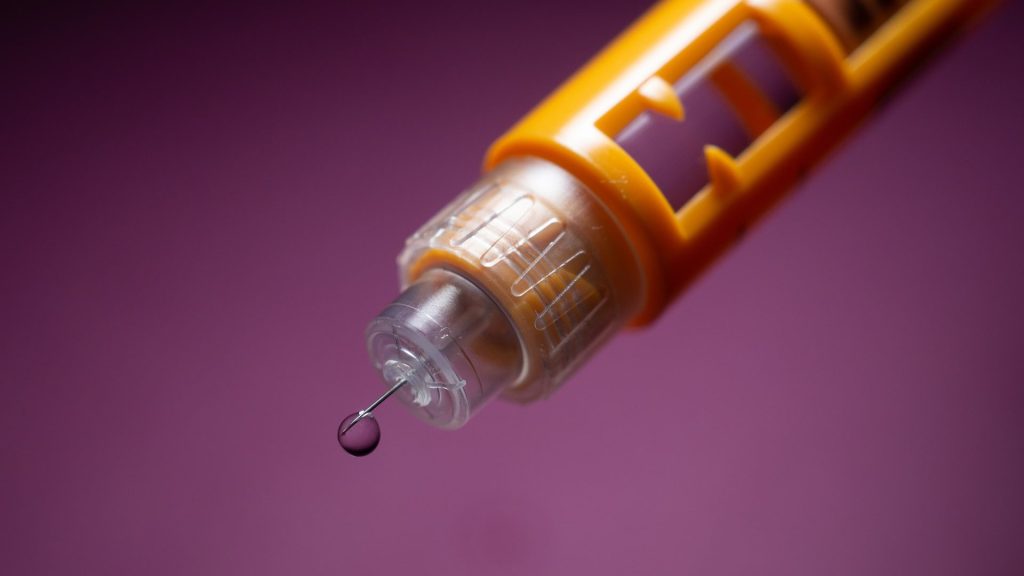
Novolog insulin pen. Photo by Dennis Klicker on Unsplash

Over the past few years, there has been a notable shift towards the use of insulin pens in the public sector, replacing traditional vials. This transition has been driven by the advantages insulin pens offer, including improved dosing accuracy, ease of use for patients, greater convenience, and better adherence to treatment.1

The move to basal insulin is in line with the National Strategic Plan for the Prevention and Control of Non-Communicable Diseases 2022-2027, which outlines specific targets for managing diabetes. This plan aims to improve early detection and treatment of diabetes by ensuring that 90% of people over 18 know their blood pressure and blood sugar levels. It also aims for 60% of those with high levels to receive treatment, and 50% of those treated to have their levels under control. These measures are designed to improve the management and outcomes of diabetes in the population.2

Since May 2023, the Department of Health has faced insulin pen rationing as the previous sole supplier opted not to tender. Nearly 50% of the insulin required for patients was expected to come in pen sets. To mitigate the impact, the health department has sourced a limited supply of insulin pens and analogues for vulnerable groups like the elderly, young children, and visually impaired individuals, despite the higher cost of insulin analogues, which offer more convenient and effective blood sugar management.3

In 2021, long-acting analogue insulins were added to the WHO Model List of Essential Medicines (EML) and have significantly reduced aligning with those of human insulin.3 Recognising this need, Sanofi has adjusted the price of its basal insulin to the cost of human insulin in South Africa.

Sanofi has been engaging with the National Department of Health to meet the needs of vulnerable patient groups,” says Dr Asafika Mbangata, Medical Advisor for Diabetes and Established Products, Sanofi. “A circular has been released by the department, identifying patient groups that would benefit from analogue insulins. This includes vulnerable groups like the elderly, young children, and visually impaired individuals. Sanofi is committed to ensuring that patients have access to treatment which will help control the disease by achieving adequate glycaemic control and eventually, prevention of complications in South Africa.”

Long-acting insulin analogues offer significant clinical benefits over human insulin, including prolonged duration of action,4 more stable glucose control with less hypoglycaemia, and reduced need for multiple daily doses.5 These benefits are particularly crucial for patients experiencing dangerously low blood glucose levels with human insulin.5 In addition, reductions in HbA1c (a key blood sugar indicator) are greater with all basal insulin analogues compared to human basal insulins.6

Diabetes Type 1

It’s estimated that more than 31 000 people in South Africa live with Type 1 diabetes and require full insulin replacement therapy, with multiple daily injections. Among them, 5000 are children.7

“Insulin pens, which are more accurate, user-friendly, and associated with less pain when used with short and fine needles, significantly enhance their quality of life,” says Dr. Mbangata. “This is particularly important for children, who are more likely to adhere to their treatment schedules with the easier-to-use and less painful pens.”

Diabetes Type 2

According to the International Diabetes Federation (IDF), 4.2 million South African adults are living with diabetes, primarily type 2.7 Of these, 84% access diabetes care in the public sector. Diabetes is the second leading cause of death in South Africa, following tuberculosis, and the leading cause of death among females.8

More than 9% of the South African population is 60 or older.9 Around 600 000 elderly individuals are living with diabetes, with approximately 500 000 of them accessing public sector healthcare.10

Treating diabetes in the elderly often requires a multidrug regimen, including insulin therapy. However, due to comorbidities such as dementia, vision loss, neuropathies, poor mobility, and manual dexterity issues, elderly patients are at increased risk of hypoglycaemia and dosing errors associated with insulin administration. Insulin pen devices have been shown to provide more reliable, accurate, and simplified dosing, making them a safer and more acceptable method of insulin delivery for the elderly population.11

Impaired vision

Diabetic retinopathy (impaired vision) is the third most common cause of blindness in South Africa, following cataracts and glaucoma​​.12 A pilot project screening for diabetic retinopathy in primary care at three Cape Town community healthcare centres assessed 400 patients living with diabetes. Over 80% had significantly reduced visual acuity, and 63% had retinopathy.12 These visually impaired patients would greatly benefit from using insulin pens, which make a clicking sound when the dial is turned, indicating the dose.

“Against the backdrop of these statistics, Sanofi continues in its efforts to make insulin pens more affordable and accessible, and our aim is to improve the quality of life and healthcare outcomes for South Africa’s diabetic population,” says Prudence Selani, External Affairs Head, Sanofi.

References

  1. Diabetes Spectr 2012;25(2):117–122
  2. Health Policy Watch. New WHO Essential Medicines List Includes Controversial Insulin Analogues. Available from: https://healthpolicy-watch.news/who-essential-medicines-insulin-analogues/
  3. Brunetti VC et al. Diabetes ObesMetab. 2022;1–13
  4. Sims EK et al. Nat Med. 2021;27:1154-64
  5. MannucciE et al. Endocrine. 2021;74:508-17
  6. IDF Diabetes Atlas 10th edition 2021
  7. Report-03-08-012018 (www.statssa.gov.za)
  8. StatsSA report: Marginalised Groups Series VI: The Social Profile of Older Persons, 2017–2021
  9. Werfalli M, Kassanjee R, Kalula S, Kowal P, Phaswana-Mafuya N, Levitt NS. Diabetes in South African older adults: prevalence and impact on quality of life and functional disability – as assessed using SAGE Wave 1 data. Glob Health Action. 2018;11(1):1449924. doi: 10.1080/16549716.2018.1449924. PMID: 29699475; PMCID: PMC5933282.
  10. Wright BM, Bellone JM, McCoy EK. A review of insulin pen devices and use in the elderly diabetic population. Clin Med Insights Endocrinol Diabetes. 2010;3:53-63. doi: 10.4137/CMED.S5534. Epub 2010 Nov 22. PMID: 22879787; PMCID: PMC3411523.
  11. Bertram MY, Jaswal AV, Van Wyk VP, Levitt NS, Hofman KJ. The non-fatal disease burden caused by type 2 diabetes in South Africa, 2009. Glob Health Action 2013;6:12944. [http://dx.doi.org/10.3402/gha.v6i0.19244]
  12. Cairncross JP, Steinberg WJ, Labuschagne MJ. Prevalence of eye pathology in a group of diabetic patients at National District Hospital Outpatient Department in Bloemfontein, South Africa. Afr J Prim Health Care Fam Med. 2017 Sep 27;9(1):e1-e7. doi: 10.4102/phcfm.v9i1.1440. PMID: 29041796; PMCID: PMC5645559.

The Ageing Process Makes Big Jumps in Our 40s and 60s

Photo by LOGAN WEAVER | @LGNWVR on Unsplash

If it’s ever felt like everything in your body is breaking down at once, that might not be your imagination. A new Stanford Medicine study shows that many of our molecules and microorganisms dramatically rise or fall in number during our 40s and 60s.

Researchers assessed many thousands of different molecules in people from age 25 to 75, as well as their microbiomes – the bacteria, viruses and fungi that live inside us and on our skin – and found that the abundance of most molecules and microbes do not shift in a gradual, chronological fashion. Rather, we undergo two periods of rapid change during our life span, averaging around age 44 and age 60. A paper describing these findings was published in the journal Nature Aging.

“We’re not just changing gradually over time; there are some really dramatic changes,” said Michael Snyder, PhD, professor of genetics and the study’s senior author. “It turns out the mid-40s is a time of dramatic change, as is the early 60s. And that’s true no matter what class of molecules you look at.”

Xiaotao Shen, PhD, a former Stanford Medicine postdoctoral scholar, was the first author of the study. Shen is now an assistant professor at Nanyang Technological University Singapore.

These big changes likely impact our health – the number of molecules related to cardiovascular disease showed significant changes at both time points, and those related to immune function changed in people in their early 60s.

Abrupt changes in number

Snyder, the Stanford W. Ascherman, MD, FACS Professor in Genetics, and his colleagues were inspired to look at the rate of molecular and microbial shifts by the observation that the risk of developing many age-linked diseases does not rise incrementally along with years. For example, risks for Alzheimer’s disease and cardiovascular disease rise sharply in older age, compared with a gradual increase in risk for those under 60.

The researchers used data from 108 people they’ve been following to better understand the biology of aging. Past insights from this same group of study volunteers include the discovery of four distinct “ageotypes,” showing that people’s kidneys, livers, metabolism and immune system age at different rates in different people.

The new study analysed participants who donated blood and other biological samples every few months over the span of several years; the scientists tracked many different kinds of molecules in these samples, including RNA, proteins and metabolites, as well as shifts in the participants’ microbiomes. The researchers tracked age-related changes in more than 135 000 different molecules and microbes, for a total of nearly 250 billion distinct data points.

They found that thousands of molecules and microbes undergo shifts in their abundance, either increasing or decreasing – around 81% of all the molecules they studied showed non-linear fluctuations in number, meaning that they changed more at certain ages than other times. When they looked for clusters of molecules with the largest changes in amount, they found these transformations occurred the most in two time periods: when people were in their mid-40s, and when they were in their early 60s.

Although much research has focused on how different molecules increase or decrease as we age and how biological age may differ from chronological age, very few have looked at the rate of biological aging. That so many dramatic changes happen in the early 60s is perhaps not surprising, Snyder said, as many age-related disease risks and other age-related phenomena are known to increase at that point in life.

The large cluster of changes in the mid-40s was somewhat surprising to the scientists. At first, they assumed that menopause or perimenopause was driving large changes in the women in their study, skewing the whole group. But when they broke out the study group by sex, they found the shift was happening in men in their mid-40s, too.

“This suggests that while menopause or perimenopause may contribute to the changes observed in women in their mid-40s, there are likely other, more significant factors influencing these changes in both men and women. Identifying and studying these factors should be a priority for future research,” Shen said.

Changes may influence health and disease risk

In people in their 40s, significant changes were seen in the number of molecules related to alcohol, caffeine and lipid metabolism; cardiovascular disease; and skin and muscle. In those in their 60s, changes were related to carbohydrate and caffeine metabolism, immune regulation, kidney function, cardiovascular disease, and skin and muscle.

It’s possible some of these changes could be tied to lifestyle or behavioural factors that cluster at these age groups, rather than being driven by biological factors, Snyder said. For example, dysfunction in alcohol metabolism could result from an uptick in alcohol consumption in people’s mid-40s, often a stressful period of life.

The team plans to explore the drivers of these clusters of change. But whatever their causes, the existence of these clusters points to the need for people to pay attention to their health, especially in their 40s and 60s, the researchers said. That could look like increasing exercise to protect your heart and maintain muscle mass at both ages or decreasing alcohol consumption in your 40s as your ability to metabolise alcohol slows.

“I’m a big believer that we should try to adjust our lifestyles while we’re still healthy,” Snyder said.

Source: Stanford Medicine

New, Inexpensive Medical Computers that Run on Air

Closeup of the pneumatic logic sensing device. (William Grover/UCR)

Medical engineers have developed a new, air-powered computer sets off alarms when certain medical devices fail. The invention is a more reliable and lower-cost way to help prevent blood clots and strokes – all without electronic sensors. 

Described in a paper in the journal Device, the computer not only runs on air, but also uses air to issue warnings. It immediately blows a whistle when it detects a problem with the lifesaving compression machine it is designed to monitor.

Intermittent pneumatic compression (IPC) devices are pneumatic leg sleeves that periodically squeeze a patient’s legs to increase blood flow. This prevents clots that lead to blocked blood vessels, strokes, or death. Typically, these machines are powered and monitored by electronics.

“IPC devices can save lives, but all the electronics in them make them expensive. So, we wanted to develop a pneumatic device that gets rid of some of the electronics, to make these devices cheaper and safer,” said William Grover, associate professor of bioengineering at UC Riverside and corresponding paper author.

Pneumatics move compressed air from place to place. Emergency brakes on freight trains operate this way, as do bicycle pumps, tire pressure gauges, respirators, and IPC devices. It made sense to Grover and his colleagues to use one pneumatic logic device to control another and make it safer.

This type of device operates in a similar way to electronic circuits, by making parity bit calculations. “Let’s say I want to send a message in ones and zeroes, like 1-0-1, three bits,” Grover said. “Decades ago, people realized they could send these three bits with one additional piece of information to make sure the recipient got the right message.” 

That extra piece of information is called a parity bit. The bit is a number – 1 if the message contains an odd number of ones, and 0 if the message contains an even number of ones. Should the number one appear at the end of a message with an even number of bits, then it is clear the message was flawed. Many electronic computers send messages this way. 

An air-powered computer uses differences in air pressure flowing through 21 tiny valves to count the number of ones and zeroes. If no error in counting has occurred, then the whistle doesn’t blow. 

If it does blow, that’s a sign the machine requires repairs. Grover and his students, in a video demonstrating the air computer, are shown damaging an IPC device with a knife, rendering it unusable. Seconds later, the whistle blows.

“This device is about the size of a box of matches. It replaces a handful of sensors as well as a computer,” Grover said. “So, we can reduce costs while still detecting problems in a device. And it could also be used in high humidity or high temperature environments that aren’t ideal for electronics.”

The IPC device monitoring is only one application for air computing. For his next project, Grover would like to design a device that could eliminate the need for a job that kills people every year: moving around grain at the top of tall silos. 

Tall buildings full of corn or wheat, grain silos are a common sight in the Midwest. Often times, a human has to go inside with a shovel to break up the grains and even out the piles inside. 

“A remarkable number of deaths occur because the grain shifts and the person gets trapped. A robot could do this job instead of a person. However, these silos are explosive, and a single electric spark could blow a silo apart, so an electronic robot may not be the best choice,” Grover said. “I want to make an air-powered robot that could work in this explosive environment, not generate any sparks, and take humans out of danger.” 

Air-powered computing is an idea that has been around for at least a century. People used to make air-powered pianos that could play music from punched rolls of paper. After the rise of modern computing, engineers lost interest in pneumatic circuits.

“Once a new technology becomes dominant, we lose awareness of other solutions to problems,” Grover said. “One thing I like about this research is that it can show the world that there are situations today when 100-plus-year-old ideas can still be useful.”

Source: University of California Riverside

Less Sleep and Later Bedtime in Childhood Linked to Future Substance Use

Photo by cottonbro on Pexels

A good night’s sleep is essential for children’s health and development, but childhood sleep patterns may also be linked to future substance use. A new study, led by a team of Penn State researchers, found that adolescents were more likely to have consumed alcohol or tried marijuana by age 15 if they went to bed later and slept fewer hours during childhood and adolescence. The team published their findings in Annals of Epidemiology.

“The study suggests that there might be some critical ages when sleep can be a target for intervention,” said Anne-Marie Chang, associate professor of biobehavioural health at Penn State and senior author of the paper. “If we improve sleep in the school-age population, not only could that show improvements in sleep health but in other aspects like the decision to engage in risky behaviours like alcohol and other substance use.”

The research team explored childhood sleep at different developmental stages within the same sample of children to see if there’s an impact on later substance use, which few studies have investigated. They focused on two different facets of sleep health – total duration of sleep and time of sleep or bedtime. The researchers explained that if children, especially school-aged children, go to bed later, it could affect their ability to sleep well.

“Sleep is multifaceted. It’s important for children because it helps with growth and development. The brain is more plastic during younger ages and you want healthy sleep to support neural development,” said David Reichenberger, co-lead author and who earned his doctoral degree in biobehavioural health at Penn State during the time of the research. “Poor sleep health could have downstream effects on their physical health as well as decision making, which could in turn be related to their decision to engage in substance use.”

The study drew on data from 1514 children in the Future of Families and Child Wellbeing Study, a diverse longitudinal birth cohort of children from 20 cities across the United States. Parents reported their child’s regular weekday bedtime at ages three, five and nine. They also reported their child’s sleep duration at ages five and nine.

When the research team evaluated the relationship between childhood bedtime and sleep duration with future alcohol and marijuana use as teens, they found a longitudinal association. Teens were 45% more likely to try alcohol by age 15 if they had a later bedtime at age nine when compared to other children with earlier bedtimes at age nine. However, bedtime at age five wasn’t associated with future alcohol use, nor was sleep duration at ages five or nine. When it came to marijuana use, later bedtime at age five was associated with 26% increased odds of trying marijuana by age 15, while sleeping an hour less at age nine was associated with 19% increased odds of trying marijuana by age 15.

The research team also examined data from adolescents at age 15, who self-reported their bedtime, sleep duration and alcohol and marijuana use. They found that teens with a later bedtime had a 39% greater chance of drinking alcohol and a 34% greater chance of trying marijuana. Sleeping one hour less was associated with 28% increased odds of ever trying alcohol but wasn’t associated with marijuana use.

“Sleep at ages closer to adolescence is the most crucial in terms of future substance use risk. It’s that stage of development when children are rapidly changing and their brain is maturing,” Reichenberger said, noting that previous research by other groups suggests that shorter sleep duration and later bedtimes may increase impulsivity and impair decision making, which could influence substance use choices.

The findings highlight the critical role of sleep across multiple aspects of long-term health and wellbeing, researchers said. For school-age children, creating an environment that’s conducive for sleep and establishing an age-appropriate bedtime are key elements for cultivating good sleep.

“Exploring the connection between sleep and substance use is a critical area of research because we continue to struggle with an epidemic of opioid addiction and substance use,” Chang said. “It’s an important area to continue to research and to disseminate our research findings to the broader population, families and health care professionals.”

Source: University of Pennsylvania

Faster Detection of Pancreatic Cancer

Glycopeptide probes detect tumour-associated antibodies in blood samples

Pancreatic cancer. Credit: Scientific Animations CC BY-SA 4.0

Pancreatic cancer is one of the most lethal forms of cancer, primarily because it is usually diagnosed very late. Current markers are too insensitive and unspecific for early detection screenings. In the journal Angewandte Chemie, a research team has now introduced a new method that could lead to a significantly more precise and reliable diagnosis. It is based on the selective detection of specific antibodies in blood samples.

Tumours produce certain proteins (tumour-associated antigens) that draw the attention of our constantly “patrolling” immune system and trigger an immune response. As a consequence, antibodies directed against the tumours (tumour-associated autoantibodies) are formed, circulating in the blood at very early stages of the disease – which makes them useful for early detection. An international team led by Roberto Fiammengo and Giovanni Malerba at the University of Verona (Italy) as well as Alfredo Martínez at the Center for Biomedical Research of La Rioja (Logroño, Spain) and Francisco Corzana at the Universidad de La Rioja, has now developed an approach to diagnostic testing for pancreatic cancer that is based on the detection of such special tumour-associated autoantibodies.

They chose to use autoantibodies directed against the tumour-associated form of mucin-1 (TA-MUC1). Mucin-1 is a heavily glycosylated protein (a protein with sugar components) that occurs, for example, in glandular tissue. In many types of tumours, including pancreatic cancer, it is found in significantly elevated concentrations. In addition, the pattern of glycosylation is different from the normal form. The team’s goal was to detect autoantibodies that are directed specifically against TA-MUC1 and are a clear indicator of pancreatic cancer.

Based on structural analyses and computer simulations of known antibodies against TA-MUC1 (SM3 and 5E5), the team designed a collection of synthetic glycopeptides that mimic different segments (epitopes) of TA-MUC1. They also made unnatural modifications to increase the chances of identifying autoantibody subgroups indicative of the disease. The team immobilised these model antigens on gold nanoparticles achieving probes suitable for a serological assay (dot-blot assay). The diagnostic assay was validated with real samples from patients with pancreatic cancer and a healthy control group. Some of the nanoparticle probes could differentiate very well between samples from diseased and healthy individuals demonstrating they detected tumour associated autoantibodies. Notably, these specific autoantibodies displayed significantly better correct positive/false positive ratios than current clinical biomarkers for pancreatic cancer.

Probes with smaller glycopeptide antigens that correspond to only a single epitope, gave better results than larger probes that mimic multiple epitopes – an advantage for easier synthetic production. A short glycopeptide with an unnatural modification to its sugar component was found to be particularly effective for the detection of discriminating autoantibodies. This new structure-based approach could help in the selection of autoantibody subgroups with higher tumour specificity.

Source: Wiley

Could a New Role for Propofol be Treating Epilepsy?

Photo by Anna Shvets on Pexels

The general anaesthetic propofol may hold the keys to developing new treatment strategies for epilepsy and other neurological disorders, according to a study led by researchers at Weill Cornell Medicine and Linköping University in Sweden.

In their study, published in Nature, the researchers determined the high-resolution structural details of how propofol inhibits the activity of HCN1, an ion channel protein found on many types of neurons. Drug developers consider inhibiting HCN1 a promising strategy for treating neurologic disorders including epilepsy and chronic pain. The researchers also found, to their surprise, that when HCN1 contains either of two epilepsy-associated mutations, propofol binds to it in a way that restores its functionality.

“We might be able to exploit propofol’s unique way of binding to HCN1 for the treatment of these drug-resistant epilepsies and other HCN1-linked disorders, either by directly repurposing propofol or by designing new, more selective drugs that have the same mechanism of action,” said study co-senior author Dr Crina Nimigean, professor of physiology and biophysics in anaesthesiology at Weill Cornell Medicine.

The study’s first author was Dr Elizabeth Kim, a postdoctoral research associate in the Nimigean laboratory.  

HCN ion channels in humans come in four basic forms, HCN1 to HCN4, and are found especially on cells in the heart and nervous system. They work as switches to control the electrical voltage across the cell membrane, opening to admit an inward flow of positively charged potassium and sodium ions – thus “depolarising” the cell – when the voltage reaches a certain threshold. This function underpins much of the rhythmic activity of brain and heart muscle cells, which is why HCN channels are also called pacemaker channels.

In the study, the researchers used cryo-electron microscopy and other methods to determine, at near-atomic scale, how propofol reduces HCN1 activity – which it does with selectivity for HCN1 over other HCNs. They found that the drug inhibits HCN1 by binding within a groove between two elements of the channel protein’s central pore structure, making it harder for the pore to open.

As they investigated propofol’s action on HCN1, the researchers examined how the drug affects different known mutants of the channel, including mutants that leave it excessively open and are associated with hard-to-treat epilepsy syndromes such as early infantile epileptic encephalopathy (EIEE). The researchers were surprised to find that for two different HCN1 mutations that cause EIEE, propofol restores the mutant channels to normal or near-normal function.

From their experiments, the researchers derived a model in which the mutations decouple HCN1’s voltage-sensing and pore mechanisms, while propofol effectively recouples them, allowing membrane voltage to control ion flow again.

The results suggest at least two possibilities for translation to therapies. One is simply to use propofol, an existing, approved drug, to treat these HCN1-mutation epilepsies and potentially other HCN1-linked disorders. Propofol is a potent anesthetic that requires careful monitoring by anaesthesiologists, but it might be able to restore HCN1 function at doses below those used for general anaesthesia.

The other possibility, the researchers said, is to use the new structural data on propofol’s binding to design modified, non-anesthetic versions of propofol, or even completely different compounds, that bind to HCN1 with a similar effect but much more selectively—in other words, without binding to other channels, including other HCNs, in the body and thereby potentially causing unwanted side effects.

“For that we will need a better understanding of how propofol inhibits HCN1 better than other HCN channels,” Dr Kim said.

Source: Weill Cornell Medicine

Unique Genetic Pattern can Predict Severe Side Effects of Melanoma Immunotherapy

Melanoma Cells. Credit: National Cancer Institute

An activity pattern in certain genes responsible for building proteins known as spleen tyrosine kinases can predict which melanoma patients are likely to have severe side effects from immunotherapy designed to treat the most deadly skin cancer, as shown by a new study published in the journal Clinical Cancer Research.

Led by researchers at NYU Langone Health and its Perlmutter Cancer Center, the latest experiments focused on checkpoint inhibitors, drugs that have in the last decade become a mainstay of treating melanoma. This form of skin cancer kills nearly 10 000 Americans annually.

The drugs work by blocking molecules (checkpoints) that sit on the surface of immune T which the immune system uses to recognise and protect healthy cells. Cancer cells are able to hijack and turn off immune cell surveillance, evading detection. Immunotherapy drugs like nivolumab and ipilimumab are designed to block checkpoints, making cancer cells more “visible” again to T cells.

More than a third of melanoma patients given checkpoint inhibitors develop side effects so severe that they compromise their quality of life and ability to continue therapy. Side effects most often involve some form of inflammation, a sign of an overactive immune response. Patients may experience severe skin rashes, diarrhoea, or hyperthyroidism. More-severe side effects can include liver toxicity, colitis, and rheumatoid arthritis.

In the new study researchers found that even before treatment began in their test subjects, the activity of genes controlling the production of spleen tyrosine kinases predicted 83% of melanoma patients who eventually developed severe side effects from combined immunotherapy with nivolumab and ipilimumab.

Moreover, the researchers found that this heightened gene signature, as evidenced by the production of spleen tyrosine kinases, or the SYK pathway, did not interfere with the effectiveness of therapies in preventing recurrence of melanoma. The impact was connected only to side effects.

“Predictive information of this kind is critically important to oncologists and patients to help guide their immunotherapy decisions, to either minimize these side effects by taking additional precautions or to choose alternative immunotherapies,” said study co-senior investigator Tomas Kirchhoff, PhD.

“Our study results show that increased gene activity in the spleen tyrosine kinase pathway could be the basis of a possible blood test that identifies those melanoma patients most susceptible to having severe side effects from immunotherapy, and well before they start treatment,” said study co-lead investigator Kelsey Monson, PhD. 

For the study, researchers analysed immune system cell samples from 212 men and women with melanoma participating in the CheckMate-915 trial. The trial was designed to test whether combined therapy with nivolumab and ipilimumab worked better than single therapy with nivolumab in preventing postsurgical recurrence of melanoma. All immune cell samples were taken prior to the start of immunotherapy. Both drugs are manufactured by the pharmaceutical company Bristol Myers Squibb, which sponsored the CheckMate-915 trial, and provided the patient specimens and data used in the analysis.

When researchers looked at what genes were more active than others in patients who experienced side effects from their immunotherapy, they found a specific pattern among 24 genes tied to the production of spleen tyrosine kinases. Further statistical analyses showed that increased or decreased activity (transcription) of only five of these genes – CD22, PAG1, CD33, HNRNPU, and FCGR2C – along with patients’ age and the stage severity of their melanoma served as the best predictors of who would experience side effects from immunotherapy.

Study co-senior investigator Jeffrey S. Weber, MD, PhD, says that the SYK pathway has previously been linked to other autoimmune diseases, including lupus, rheumatoid arthritis, and colitis. He also points out that immunotherapy side effects were also most common in areas affected by these autoimmune diseases, including the skin, colon, and liver.

Dr Weber says the team next plans to investigate if an activated SYK pathway is predictive of side effects in patients treated with ipilimumab alone or with other combination immunotherapies.

“If our future research can explain how an activated spleen tyrosine kinase pathway leads to increased risk of side effects from immunotherapy, then it could also potentially help us to design better cancer immunotherapies and potentially other treatments for autoimmune diseases,” said Dr Kirchhoff.

Source: NYU Langone Health / NYU Grossman School of Medicine

Strong Link Between Haem Iron in Red Meat and Type 2 Diabetes Risk

Photo by Jose Ignacio Pompe on Unsplash

Higher intake of haem iron, the type found in red meat and other animal products – as opposed to non-haem iron, found mostly in plant-based foods – was associated with a higher risk of developing type 2 diabetes (T2D) in a new study published in Nature Metabolism. While the link between haem iron and T2D has been reported previously, the findings from this study, which was led by Harvard T.H. Chan School of Public Health, more clearly establish and explain the link.

“Compared to prior studies that relied solely on epidemiological data, we integrated multiple layers of information, including epidemiological data, conventional metabolic biomarkers, and cutting-edge metabolomics,” said lead author Fenglei Wang, research associate in the Department of Nutrition. “This allowed us to achieve a more comprehensive understanding of the association between iron intake and T2D risk, as well as potential metabolic pathways underlying this association.”

The researchers assessed the link between iron and T2D using 36 years of dietary reports from 206 615 adults (79% female) enrolled in the Nurses’ Health Studies I and II and the Health Professionals Follow-up Study. They examined participants’ intake of various forms of iron – total, haem, non-haem, dietary (from foods), and supplemental (from supplements) – and their T2D status, controlling for other health and lifestyle factors.

The researchers also analysed the biological mechanisms underpinning haem iron’s relationship to T2D among smaller subsets of the participants. They looked at 37 544 participants’ plasma metabolic biomarkers, including those related to insulin levels, blood sugar, blood lipids, inflammation, and two biomarkers of iron metabolism. They then looked at 9024 participants’ metabolomic profiles – plasma levels of small-molecule metabolites.

The study found a significant association between higher haem iron intake and T2D risk. Participants in the highest intake group had a 26% higher risk of developing T2D than those in the lowest intake group. In addition, the researchers found that haem iron accounted for more than half of the T2D risk associated with unprocessed red meat and a moderate proportion of the risk for several T2D-related dietary patterns. In line with previous studies, the researchers found no significant associations between intakes of non-haem iron from diet or supplements and risk of T2D.

The study also found that higher haem iron intake was associated with blood metabolic biomarkers associated with T2D. A higher haem iron intake was associated with higher levels of biomarkers such as C-peptide, triglycerides, C-reactive protein, leptin, and markers of iron overload, as well as lower levels of beneficial biomarkers like HDL cholesterol and adiponectin.

The researchers also identified a dozen blood metabolites – including L-valine, L-lysine, uric acid, and several lipid metabolites – that may play a role in the link between haem iron intake and TD2 risk. These metabolites have been previously associated with risk of T2D.

On a population level, the study findings carry important implications for dietary guidelines and public health strategies to reduce rates of diabetes, according to the researchers. In particular, the findings raise concerns about the addition of heme to plant-based meat alternatives to enhance their meaty flavor and appearance. These products are gaining in popularity, but health effects warrant further investigation.

“This study underscores the importance of healthy dietary choices in diabetes prevention,” said corresponding author Frank Hu, Fredrick J. Stare Professor of Nutrition and Epidemiology. “Reducing haem iron intake, particularly from red meat, and adopting a more plant-based diet can be effective strategies in lowering diabetes risk.”

The researchers noted that the study had several limitations, including the potential for incomplete accounting for confounders and measurement errors in the epidemiological data. In addition, the findings – based on a study population that was mostly white – need to be replicated in other racial and ethnic groups.

Source: Harvard T.H. Chan School of Public Health

Parents’ Eating Behaviour Influences how Their Children Respond to Food

Photo by Vanessa Loring on Pexels

Young children often display similar eating behaviour as their parents, with a parent’s own eating style influencing how they feed their children, research at Aston University has shown.

The work, published in the journal Appetite, suggests that parents can help to shape healthy eating behaviour in their children both by how they themselves eat, as well as how they feed their children.

A team led by Professor Jacqueline Blissett at Aston University, asked parents to assess their own eating behaviour and looked for associations between those behaviours and those of their children.

The team grouped parents into four eating styles – ‘typical eating’, ‘avid eating’, ‘emotional eating’ and ‘avoidant eating’. Typical eaters, who made up 41.4% of the sample, have no extreme behaviours. Avid eaters (37.3%) have high food approach traits such as eating in response to food cues in the environment and their emotions, rather than hunger signals. Emotional eaters (15.7%) also eat in response to emotion but do not enjoy food as much as avid eaters. Avoidant eaters (5.6%) are extremely selective about food and have a low enjoyment of eating.

The direct links between child and parent behaviour were particularly clear in parents with avid or avoidant eating behaviours, whose children tended to have similar eating behaviour. Parents who had avid or emotional eating styles were more likely to use food to soothe or comfort a child, who then in turn displayed avid or emotional eating traits. Where parents with avid or emotional eating traits provided a balanced and varied range of foods, the child was less likely to display the same behaviour.

The research follows on from previous work by the team, which identified the four main types of eating behaviour in children and linked parental feeding practices to those traits.

Dr Abigail Pickard, the lead researcher on the project, said:

“Parents are a key influence in children’s eating behaviour but equally, parents have the perfect opportunity to encourage a balanced diet and healthy eating from a young age in their children. Therefore, it is important to establish how a parent’s eating style is associated with their children’s eating style and what factors could be modified to encourage healthy relationships with food.”

She and the team will now look at developing an intervention to support parents to use other ways to regulate emotions, model healthy eating, and create a healthy home food environment. This could help to prevent less favourable eating behaviours being passed down the generations from parent to child.

Source: Aston University

Turning off Pro-inflammatory Cytokine IL-11 Extends Healthy Lifespan in Mice

Credit: MRC LMS, Duke-NUS Medical School

Scientists have discovered that ‘turning off’ the cytokine IL-11 can significantly increase the healthy lifespan of mice by almost 25%.

The scientists, at the Medical Research Council Laboratory of Medical Science (MRC LMS), Imperial College London and Duke-NUS Medical School in Singapore, tested the effects of IL-11 by creating mice with the gene for IL-11 (interleukin 11) deleted. This extended the lives of the mice by over 20% on average. The cytokine has for years been misidentified as an anti-inflammatory and anti-fibrotic.

They also treated 75-week-old mice, equivalent to the age of about 55 years in humans, with an injection of an anti-IL-11 antibody, a drug that stops the effects of the IL-11 in the body.

Median lifespan extended

The results, published in Nature, were dramatic, with mice given the anti-IL-11 drug from 75 weeks of age until death having their median lifespan extended by 22.4% in males and 25% in females. The mice lived for an average of 155 weeks, compared with 120 weeks in untreated mice.

The treatment largely reduced deaths from cancer in the animals, as well as reducing the many diseases caused by fibrosis, chronic inflammation and poor metabolism, which are hallmarks of ageing. There were very few side effects observed.

Fewer cancers and free from the usual signs of ageing and frailty

Professor Stuart Cook, who was co-corresponding author, from MRC LMS, Imperial College London and Duke-NUS Medical School in Singapore, said:

These findings are very exciting. The treated mice had fewer cancers, and were free from the usual signs of ageing and frailty, but we also saw reduced muscle wasting and improvement in muscle strength. In other words, the old mice receiving anti-IL11 were healthier.

Previously proposed life-extending drugs and treatments have either had poor side-effect profiles, or don’t work in both sexes, or could extend life, but not healthy life, however this does not appear to be the case for IL-11.

While these findings are only in mice, it raises the tantalising possibility that the drugs could have a similar effect in elderly humans. Anti-IL-11 treatments are currently in human clinical trials for other conditions, potentially providing exciting opportunities to study its effects in ageing humans in the future.

The researchers have been investigating IL-11 for many years and in 2018 they were the first to show that IL-11 is a pro-fibrotic and pro-inflammatory protein, overturning years of incorrect characterisation as anti-fibrotic and anti-inflammatory.

Levels of IL-11 increases with age

Assistant Professor Anissa Widjaja, who was co-corresponding author, from Duke-NUS Medical School, Singapore, said:

This project started back in 2017 when a collaborator of ours sent us some tissue samples for another project. Out of curiosity, I ran some experiments to check for IL-11 levels. From the readings, we could clearly see that the levels of IL-11 increased with age and that’s when we got really excited!

We found these rising levels contribute to negative effects in the body, such as inflammation and preventing organs from healing and regenerating after injury. Although our work was done in mice, we hope that these findings will be highly relevant to human health, given that we have seen similar effects in studies of human cells and tissues.

This research is an important step toward better understanding ageing and we have demonstrated, in mice, a therapy that could potentially extend healthy ageing, by reducing frailty and the physiological manifestations of ageing.

Previously, scientists have posited that IL-11 is an evolutionary hangover in humans, as while it is vital for limb regeneration in some animal species, it is thought to be largely redundant in humans.

IL-11 linked to chronic inflammation and frailty

However, after about the age of 55 in humans, more IL-11 is produced and past research has linked this to chronic inflammation, fibrosis in organs, disorders of metabolism, muscle wasting (sarcopaenia), frailty, and cardiac fibrosis. These conditions are many of the signs we associate with ageing.

When two or more such conditions occur in an individual, it is known as multimorbidity, which encompasses a range of conditions including lung disease, cardiovascular disease, diabetes, vision and hearing decline and a host of other conditions.

Professor Cook said:

The IL-11 gene activity increases in all tissues in the mouse with age. When it gets turned on it causes multimorbidity, which is diseases of ageing and loss of function across the whole body, ranging from eyesight to hearing, from muscle to hair, and from the pump function of the heart to the kidneys.

Multimorbidity among biggest global healthcare challenges

Multimorbidity and frailty are acknowledged to be among the biggest global healthcare challenges of the 21st century, according to many leading health bodies, including the NHS and the World Health Organization.

Currently, no treatment for multimorbidity is available, other than to try to treat the separate multiple underlying causes individually.

The scientists caution that the results in this study were in mice and the safety and effectiveness of these treatments in humans need further establishing in clinical trials before people consider using anti-IL-11 drugs for this purpose.

Source: UK Research & Innovation