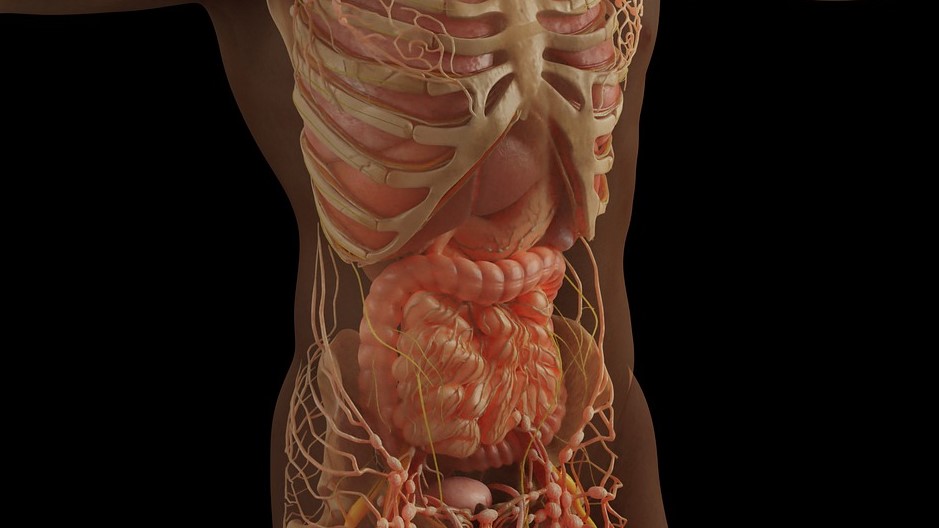
Risk of mortality during cancer treatment in relation to BMI. For non-small cell lung cancer treatment, immunotherapy seems to pose less risk for persons under a certain BMI, while conventional chemotherapy appears optimal for persons who might be overweight or obese. Credit: Osaka Metropolitan University
While being overweight increases the risk of developing lifestyle-related diseases, there is a phenomenon known as the obesity paradox where a decreased risk of death has been seen during cancer therapy. However, that paradox might not hold true for all cancer therapies, an Osaka Metropolitan University team reports in JAMA Network Open, a publication of the American Medical Association.
Led by graduate student Mr Yasutaka Ihara and Professor Ayumi Shintani of the Graduate School of Medicine’s Department of Medical Statistics, the team used a Japanese administrative claims database of more than 500 000 lung cancer patients and examined the relation between body mass index (BMI) and the risk of mortality during immunotherapy and conventional chemotherapy.
Focusing only on patients with advanced non-small cell lung cancer, the team found that the higher the BMI, the lower the risk of mortality when undergoing both immunotherapy and chemotherapy, though it does a U-turn around a BMI of 24. Patients with a BMI under 28 showed lower risk of mortality when undergoing immunotherapy compared to conventional chemotherapy, but for those at or over that figure, the risk increases with immunotherapy while it continues to get lower with chemotherapy.
“Immunotherapy might not always be the optimal treatment method for obese patients with advanced non-small cell lung cancer, so the use of conventional chemotherapy should also be considered,” Mr. Ihara stated. “In addition to BMI, age, hormones, and gut microbiota have been reported as factors that influence the effectiveness of immunotherapy. Evaluation of whether immunotherapy or conventional chemotherapy improves survival in the presence of these factors is expected to contribute to the development of precision medicine.”
Squamous cancer cell being attacked by cytotoxic T cells. Image by National Cancer Institute on Unsplash
Cancer has been described as “a wound that does not heal,” implying that the immune system is unable to wipe out invading tumour cells. A new discovery reported in PNAS confirms that a key molecule can reprogram immune cells into turncoats that promote cancer growth.
Studying the behaviour of these “pro-tumour” immune cells is important because they could be targets for therapies that block their harmful activity, said Minsoo Kim, PhD, corresponding author of the study and a research leader at the Wilmot Cancer Institute.
Kim led a team of scientists investigating the dynamic interactions that occur between cells in the tumor environment, and the underlying factors that cause the harmful transformation of immune cells from good to bad.
They found that PAF (platelet-activating factor) is the key molecule that controls the destiny of the immune cells. PAF not only recruits cancer-promoting cells, but it also suppresses the immune system’s ability to fight back. In addition, they found that multiple cancers rely on the same PAF signals.
“This is what could be most significant,” said Kim. “Because if we find a treatment that could interfere with PAF, it could potentially apply to many types of cancer.”
Much of the team’s work focused on pancreatic cancer cells. It is one of the most deadly cancers, with a five-year survival rate of about 12%, and is notoriously hard to treat because pancreatic tumours are surrounded by a toxic stew of proteins and other tissues that protect the cancer from the immune system’s natural role to attack invaders. They also studied breast, ovarian, colorectal, and lung cancer cells, using advanced 3D imaging technology to watch the behaviour of immune cells as they swarmed to the cancerous region.
Researchers at Umeå University and Tartu University have found that a history of repeated antibiotic use causes defects in the normally protective mucus barrier of the gut, due to antibiotic-driven alterations in the microbiota. In a further study in a different collaboration, the researchers found a bacteria-independent mechanism through which antibiotics can damage the mucus barrier directly.
“Together, these two studies suggest that antibiotics can damage the mucus layer through at least two independent mechanisms, and that they may have long-lasting effects through an altered gut bacteria. This further supports the notion that antibiotics should be administered in a responsible manner,” says Björn Schröder, Docent in Infection Biology in the Department of Molecular Biology at Umeå University.
Previous research has shown the consequences of short-term antibiotic treatments on the intestinal environment, but it is less clear how repeated antibiotic use in past years can affect our guts.
To address this question, Björn Schröder and his group at Umeå University teamed up with a research group at Tartu University in Estonia, who have built a deeply characterised cohort of individuals that provided stool samples and health records.
The researchers selected individuals who had taken at least five courses of antibiotics in the past, but not within six months before the stool collection, and compared their microbiota composition to individuals who had not taken any antibiotics within the last 10 years.
“The analysis revealed changes to the gut bacteria composition, even though the antibiotics were taken a long time ago. These results indicate that repeated antibiotic use has a lasting effect on gut bacteria composition that can persist at least months after the last treatment,” says Kertu-Liis Krigul, PhD student at Tartu University.
After transplantation of the human microbiota into mice and using specialised methods to analyse the mucus function in the gut, the researchers found that the function of the mucus layer was disrupted in mice transplanted with bacteria from humans with a history of repeated antibiotic use. Expansion of the mucus was reduced, and the mucus layer became penetrable, allowing bacteria to move closer to the intestinal lining.
“Looking at the bacteria present in the gut in more detail, we could see that bacteria known to feed on the mucus layer were present at higher levels in these mice. This further supports a role for the gut bacteria in determining how well the mucus barrier can function,” says Rachel Feeney, PhD student at the Department of Molecular Biology at Umeå University.
A separate study carried out in another international collaboration, further showed that antibiotics can also directly disrupt the mucus barrier in a gut bacteria-independent manner.
By giving the antibiotic vancomycin to normal and ‘bacteria-free’ mice, the researchers were able to show that this antibiotic can act directly on the mucus barrier, independent of the gut bacteria. Complementary experiments on intestinal tissue were carried out at Umeå University and showed that the antibiotic could disrupt the mucus expansion within a few minutes of application.
Melanoma rates differ consistently between men and women in terms of the ages at which melanomas occur and the locations on the body where they occur. Over time, melanoma rates have increased in both men and women, but the trends differ by body site. A new study in theJournal of Investigative Dermatology, published by Elsevier, presents the findings from a large-scale, long-term melanoma data analysis investigating incidence trends by age, sex, and anatomic site.
Lead investigator David C. Whiteman, MBBS, PhD, Cancer Control Group, QIMR Berghofer Medical Research Institute, and Faculty of Medicine, The University of Queensland, Brisbane, Australia, explains, “There has been a general observation in numerous populations that melanomas appear to arise at different rates in men and women. We decided to investigate this observation rigorously and assess whether these differences have been constant through time or across generations by using large-scale data from population registries to investigate long-term melanoma trends in men and women.”
The research team analysed more than 40 years of melanoma data from Queensland, Australia, the USA, and Scotland. These three populations were chosen because historically they have had high (Queensland), moderate (USA), and low (Scotland) rates of melanoma. Over time, the rates of melanoma increased in all three populations, especially among women. In women in all populations, melanomas arise most commonly on the limbs, whereas in men, melanomas arise most commonly on the trunk and head and neck. In both sexes, there has been a steady increase in melanomas on the head and neck with increasing age.
Researchers found that in virtually all investigated populations, women experience higher rates of melanoma than men in early life (up to age ~45 years), but men develop melanomas at higher rates than women later in life (from ages ≥ 65 years). Furthermore, these sex-specific trends reflect complex patterns of incidence across body sites that vary consistently with age. Thus, in early life, women experience higher rates of lower limb melanomas than men, which persists into older ages. Also, on the upper limbs, women experience substantially higher rates than men from young ages until middle age (45–64 years), after which men experience higher rates. In contrast, on the head and neck and the trunk, melanomas occur at higher incidence in men than in women early in life. On all body sites, the rate at which melanoma incidence rises with age is much more rapid for men than for women.
The study confirms that men and women experience melanoma in different ways. While this is most likely driven by different patterns of sun exposure between men and women, there appear to be inherent differences in the ways in which melanomas develop at different body sites in women compared with men. Understanding the underlying biological differences could provide important clues about the etiology of this enigmatic cancer.
New findings from McGill University researchers could help clinicians understand the course of delusions in youth and young adults that signal the need for a timely intervention to prevent a full relapse of psychosis.
Delusions – strong beliefs that don’t align with commonly accepted reality – are a defining symptom of psychosis but are not sufficiently understood.
For the first time, researchers studied whether delusion themes, such as paranoia or grandiosity, stay the same or shift between psychotic episodes in youth and young adults undergoing early intervention treatment.
The importance of timely treatment
Notably, most patients did not relapse at all following their first episode, showing the efficacy of early intervention and highlighting the need for improved access, said the researchers. An estimated 75% of children with mental disorders do not use specialised treatment services, according to Youth Mental Health Canada.
“Early intervention is essential if we want to give young people the best chance at lasting recovery,” said lead author Gil Grunfeld, a recent master’s graduate from McGill’s Department of Psychiatry and a current doctoral student at Boston University.
Detecting patterns in delusions
The study, published in JAMA Psychiatry, found that in the less likely instances of relapse, patients almost always had the same type of delusion as their first episode.
“The return of similar narratives potentially suggests the mind may be reflecting the same patterns seen in earlier episodes,” said Grunfeld.
“Recognizing this pattern of delusions in those who go on to relapse could help clinicians understand the experience of their patients and adjust the care they provide,” said Dr Jai Shah, an Associate Professor in McGill’s Department of Psychiatry and a researcher at the Douglas Hospital Research Centre.
Delusions often persisted even as other symptoms improved, suggesting delusions may require different treatment strategies, he added.
“Delusions are often highly distressing and difficult to define, which makes closing the gap in research all the more crucial. There is a great deal of future work to be done,” said Grunfeld.
The researchers followed about 600 patients ages 14 to 35 for up to two years. All were receiving treatment at an early-intervention service for psychosis in Montreal.
Bioactive glasses, a filling material which can bond to tissue and improve the strength of bones and teeth, has been combined with gallium to create a potential treatment for bone cancer. Tests in labs have found that bioactive glasses doped with the metal have a 99% success rate of eliminating cancerous cells and can even regenerate diseased bones.
In laboratory tests 99% of osteosarcoma (bone cancer) cells were killed off without destroying non-cancerous normal human bone cells. The researchers also incubated the bioactive glasses in a simulated body fluid and after seven days they detected the early stages of bone formation.
Gallium is highly toxic, and the researchers found that the ‘greedy’ cancer cells soak it up and self-kill, which prevented the healthy cells from being affected. Their research appears in the journal Biomedical Materials.
Osteosarcoma is the mostly commonly occurring primary bone cancer and despite the use of chemotherapy and surgery to remove tumours survival rates have not improved much since the 1970s. Survival rates are dramatically reduced for patients who have a recurrence and primary bone cancer patients are more susceptible to bone fractures.
Despite extensive research on different types of bioactive glass or ceramics for bone tissue engineering, there is limited research on targeted and controlled release of anti-cancer agents to treat bone cancers.
Professor Martin said: “There is an urgent need for improved treatment options and our experiments show significant potential for use in bone cancer applications as part of a multimodal treatment.
“We believe that our findings could lead to a treatment that is more effective and localised, reducing side effects, and can even regenerate diseased bones.
“When we observed the glasses, we could see the formation of a layer of amorphous calcium phosphate/ hydroxy apatite layer on the surface of the bioactive glass particulates, which indicates bone growth.” The glasses were created in the Aston University labs by rapidly cooling very high temperature molten liquids (1450°C) to form glass. The glasses were then ground and sieved into tiny particles which can then be used for treatment.
In previous research the team achieved a 50% success rate but although impressive, this was not enough to be a potential treatment. The team are now hoping to attract more research funding to conduct trials using gallium.
Dr Lucas Souza, research laboratory manager for the Dubrowsky Regenerative Medicine Laboratory at the Royal Orthopaedic Hospital, Birmingham worked on the research with Professor Martin. He added: “The safety and effectiveness of these biomaterials will need to be tested further, but the initial results are really promising.
“Treatments for a bone cancer diagnosis remain very limited and there’s still much we don’t understand. Research like this is vital to support in the development of new drugs and new methodologies for treatment options.”
Four plants eaten by gorillas, also used in Gabonese traditional medicine, have antibacterial effects
Four plants consumed by wild gorillas in Gabon and used by local communities in traditional medicine show antibacterial and antioxidant properties, find Leresche Even Doneilly Oyaba Yinda from the Interdisciplinary Medical Research Center of Franceville in Gabon and colleagues in a new study publishing September 11 in the open-access journal PLOS ONE.
Wild great apes often consume medicinal plants that can treat their ailments. The same plants are often used by local people in traditional medicine.
To investigate, researchers observed the behavior of western lowland gorillas (Gorilla gorilla gorilla) in Moukalaba-Doudou National Park in Gabon and recorded the plants they ate. Next, they interviewed 27 people living in the nearby village of Doussala, including traditional healers and herbalists, about the plants that were used in local traditional medicine. The team identified four native plant species that are both consumed by gorillas and used in traditional medicine: the fromager tree (Ceiba pentandra), giant yellow mulberry (Myrianthus arboreus), African teak (Milicia excelsa) and fig trees (Ficus). They tested bark samples of each plant for antibacterial and antioxidant properties and investigated their chemical composition.
The researchers found that the bark of all four plants had antibacterial activity against at least one multidrug-resistant strain of the bacterium Escherichia coli. The fromager tree showed “remarkable activity” against all tested E. coli strains. All four plants contained compounds that have medicinal effects, including phenols, alkaloids, flavonoids, and proanthocyanidins. However, it’s not clear if gorillas consume these plants for medicinal or other reasons.
Biodiverse regions, such as central Africa, are home to a huge reservoir of unexplored and potentially medicinal plants. This research provides preliminary insights about plants with antibacterial and antimicrobial properties, and the four plants investigated in this study might be promising targets for further drug discovery research – particularly with the aim of treating multidrug-resistant bacterial infections.
The authors add: “Alternative medicines and therapies offer definite hope for the resolution of many present and future public health problems. Zoopharmacognosy is one of these new approaches, aimed at discovering new drugs.”
Patients with throat problems were less able to regulate their blood pressure in a new study published in JAMA Otolaryngology. The baroreflex is a crucial part of the autonomic nervous system which detects changes in blood pressure, adjusting heart rate and blood vessel tone accordingly to maintain stable blood pressure. It is what prevents fainting when standing up.
Researchers from the University of Southampton and University Hospitals of Dorset Foundation Trust believe the findings could be explained by the Vagas nerve (which controls the autonomic nervous system) prioritising protection of the airways over less urgent functions, such as blood pressure regulation.
“Our immediate survival depends on the throat being able to separate air and food passages each time we swallow,” says the lead author of the study Reza Nouraei, Professor of Laryngology and Clinical Informatics at the University of Southampton.
“The throat does this using delicate reflexes, but when these reflexes are disturbed, for example, due to a viral infection like Covid or exposure to reflux affecting nerves in this region, the control of this critical junction becomes compromised, giving rise to symptoms like the feeling of a lump in the throat, throat clearing and coughing.
“To compensate for a faulty throat, the autonomic control system must expend significant amounts of energy to maintain a safe airway. We found that in patients with a faulty throat, the heart, specifically a function called baroreflex, is less well controlled. This is one of the Peters that has been robbed to pay Paul.
“The problem with robbing this Peter is that it likely impacts long-term survival, as patients with reduced baroreflex function are more likely to die of a heart attack or stroke in years to come.”
The researchers compared the heart rates, blood pressure and baroreflex sensitivity of 23 patients admitted to Ear, Nose and Throat (ENT) surgery with aerodigestive (laryngopharyngeal) symptoms and 30 patients admitted to Gastroenterology with digestive (oesophagogastric) symptoms at University Hospitals of Dorset NHS Foundation Trust.
Reflux was a common cause of symptoms in both groups – making up the majority of digestive group cases. Other causes like thinning of the vocal cord were present in the aerodigestive group.
The team found patients in the aerodigestive group had a higher resting heart rate, lower resting blood pressure, and lower baroreflex sensitivity, than those in the digestive group.
“Now, and especially since Covid which damages nerves, we are seeing more patients with throat symptoms,” says Professor Nouraei.
“Reduced baroreflex sensitivity impacts survival independent of other cardiovascular risks, so if the association we’ve discovered is confirmed by future studies, the need to make timely and accurate diagnoses and provide early and definitive treatments will become more pressing.”
The study adds to the increasing interest in the Vaus nerve and holistic health. As well as regulating blood pressure through the baroreflex, the Vagus nerve controls our heart rate, digestion, respiration, mood and a host of other bodily functions which affect our health and wellbeing.
Professor Nouraei says: “This study helps us to think about patients more holistically. As a clinician, if you can fix a problem in the throat that is potentially taking away bandwidth from the Vagus, then it frees up the nerve to give to the rest of the body.
“If there is a chance that throat problems can affect functions like the baroreflex, or have a wider impact on overall wellbeing, then they need more consideration.”
The researchers will now look at the long-term impacts of throat conditions on autonomic health and the effects of treatment.
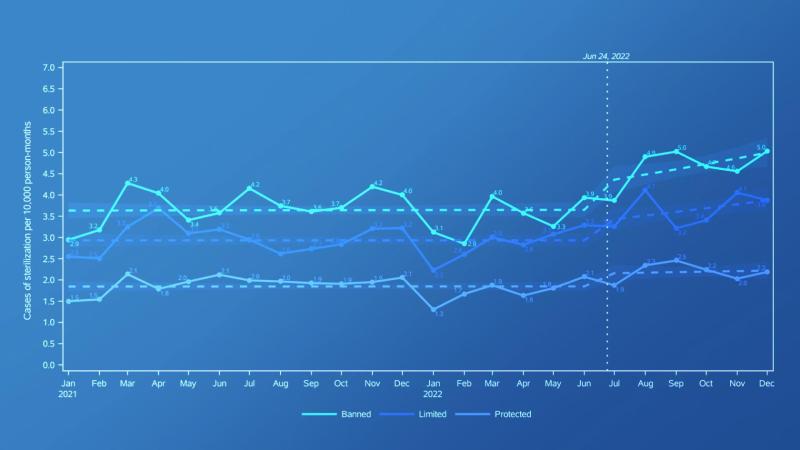
Tubal sterilisation rates in states that banned, limited, or protected abortion access after Dobbs v Jackson Women’s Health decision, both before and after the decision. Source: Columbia University Irving Medical Center
Surgical sterilisation rates among women increased in the United States after a 2022 Supreme Court ruling (Dobbs vs Jackson Women’s Health) overturned the constitutional right to abortion, found researchers at Columbia University Vagelos College of Physicians and Surgeons. The study was published September 11 in JAMA.
Surgical sterilisation – tying, cutting, or removing the fallopian tubes – is a highly effective but essentially irreversible method of preventing pregnancy.
Before the Supreme Court decision, the rate of surgical sterilisation in the United States had declined from a peak in the mid-1970s as effective reversible contraceptive methods became more accessible.
The study looked at the use of surgical sterilisation before and after the Dobbs decision among roughly 4.8 million women in 36 states and Washington, DC.
In the first month after the ruling, sterilisation rates in all states included in the study increased from stable rates in the prior year and a half.
In the six months after the ruling, surgical sterilizations continued to rise by 3% per month in states where abortion was banned after Dobbs. A similar but not statistically significant trend was seen in states that limited access to abortion after Dobbs; no further increase was seen in states that protected abortion access.
“Our study suggests that the Dobbs ruling and subsequent state laws banning or limiting access to abortion may affect a woman’s choice of contraception,” says Xiao Xu, a health outcomes researcher who led the study. “The findings also warrant attention because tubal sterilisation is an irreversible method of contraception.”
The impact of concussion while playing sport is different in those who don’t play professionally, says new research.
Sports-related concussions (SRC) may not be associated with long-term cognitive risks for non-professional athletes, a study led by a UNSW medical researcher suggests. In fact, study participants who had experienced an SRC had better cognitive performance in some areas than those who had never suffered a concussion, pointing to potential protective effects of sports participation.
Published in the Journal of Neurology, Neurosurgery and Psychiatry, the research reveals that individuals who reported experiencing any SRC during their lifetime had a marginally better cognitive performance than those who reported no concussions.
The study, a collaboration between researchers at UNSW Sydney, the University of Oxford, the University of Exeter and Harvard University, analysed data from more than 15 000 participants from the UK-based PROTECT study of 50- to 90-year-olds. This ongoing research aims to understand brain ageing and cognitive decline.
“Our findings suggest that there is something about playing sport, even though a person may experience concussion, that may be beneficial for long-term cognitive outcomes,” says lead author Dr Matt Lennon MD, PhD, at UNSW Medicine & Health.
“While it may be that those who play sports have had access to better education and more resources, we controlled for these factors in the analysis, so that doesn’t explain the result. We hypothesise that there may be physical, social and long-term behavioural effects of sport that may make for healthier adults in late-life,” said Dr Lennon.
Largest study of long-term effects of sports concussions
The study is the largest to date examining the long-term cognitive effects of SRC. Researchers collected lifetime concussion histories from 15 214 participants using the Brain Injury Screening Questionnaire.Among them, 6227 (39.5%) reported at least one concussion and 510 (3.2%) at least one moderate-severe concussion. On average, participants reported suffering their last head injury an average of 29 years prior to the study and their first head injury an average of 39 years earlier.
Researchers then compared cognitive function among individuals with 0, 1, 2 and 3+ SRCs and 0, 1, 2 and 3+ non-sports-related concussions (nSRCs) (i.e. from falls, car accidents, assaults and other causes). The SRC group showed 4.5 percentile rank better working memory than those who hadn’t experienced an SRC, and 7.9% better reasoning capacity than those without concussions.
Those with one SRC also had better verbal reasoning and attention compared to those with no SRC.
Conversely, participants with 3+ nSRCs – so things like accident and assaults – had worse processing speed and attention, and a declining trajectory of verbal reasoning with age.
“This study suggests that there could be long term benefits from sport which could outweigh any negative effects of concussions, which could have important implications for policy decisions around contact sport participation. It may also be that non-sports related head injuries lead to greater brain damage than sports-related concussions,” said senior author Professor Vanessa Raymont from the University of Oxford and Oxford Health NHS Foundation Trust.
The researchers say the study had some limitations.
“The retrospective design of the study, with elderly participants often recalling details of events over three decades in the past, may have affected the reporting of head injuries, even though we used a well-validated head injury screening tool,” said Prof. Raymont.
Study implications
The study looked at mid-to-late-life people who experienced SRC years earlier, whereas most other studies on SRC focus on younger athletes in the immediate period after their head injuries, where cognitive effects are most salient.
“While these results do not indicate the safety of any sport in particular, they do indicate that overall sports may have greater beneficial effects for long-term cognitive health than the damage it causes, even in those who have experienced concussion,” said Dr Lennon.
“This finding should not be overstated – the beneficial effects were small and in people who had two or more sports-related concussions there was no longer any benefit to concussion. Additionally, this study does not apply to concussions in professional athletes whose head injuries tend to be more frequent, debilitating and severe.”
Anne Corbett, Professor at Exeter University and the lead investigator of the PROTECT study, said: “What we see emerging is a completely different profile of brain health outcomes for people who have concussions as a result of sport compared to those that are not related to sport. Concussions that occur during sport do not lead to brain health concerns whereas other concussion types do, especially when people experience multiple concussions. In fact, people who take part in sport seem to have better brain health regardless of whether they have had a concussion whilst taking part or not.”