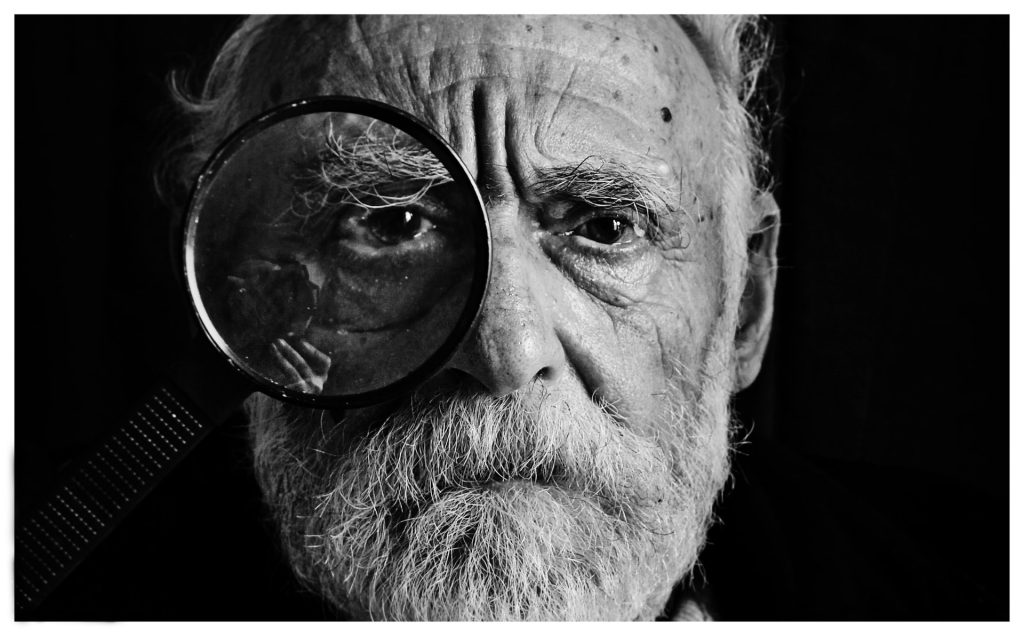
Substituting NHS Doctors with Physician Associates is not Necessarily Safe

Source: Pixabay CC0

Researchers say they can find no convincing evidence that physician associates add value in UK primary care or that anaesthetic associates add value in anaesthetics, and some evidence suggested that they do not.

In a special paper published by The BMJ, Professors Trisha Greenhalgh and Martin McKee say the absence of safety incidents in a handful of small studies “should not be taken as evidence that deployment of physician associates and anaesthetic associates is safe.”

New research is urgently needed “to explore staff concerns, examine safety incidents, and inform a national scope of practice for these relatively new and contested staff roles,” they add.

Physician associates and anaesthetic associates are being introduced in the UK to work alongside doctors and nurses. They are graduates – usually with a health or life sciences degree – who complete two years of extra training, but there has been much debate about the effectiveness and safety of these new roles.

As a result, the UK government has commissioned an independent review into the scope and safety of these roles in the NHS and their place in providing care to patients.

To inform this review, the researchers trawled three electronic research databases (PubMed, CINAHL, Cochrane Library) for any studies of physician associates and anaesthetic associates in UK healthcare published between 2015 and January 2025.

In all, 52 papers were eligible (48 on physician associates, 4 on anaesthetic associates), of which 29 (all from England) met their inclusion criteria of trustworthiness, generalisability, and relevance to current UK policy.

They found that the total number of physician associates studied was very small, especially in primary care, and no studies reported direct assessment of anaesthetic associates.

Only one study, of four physician associates, involved any assessment by a doctor of their clinical competence by direct observation, and no studies examined safety incidents.

Some studies among the 29 suggested that physician associates could support the work of ward based teams and work in emergency departments when appropriately deployed and supervised in low risk clinical settings, but the number of individuals and settings studied was small, so these findings should be considered preliminary.

However, studies reported that physician associates seemed to struggle in primary care because the role was more autonomous, the case mix was more diverse, decisions were more uncertain, institutional support was more limited, and supervision arrangements were more challenging.

Patients’ views of physician associates were mostly positive or neutral, whereas staff expressed concern about physician associates’ and anaesthetic associates’ competence to manage undifferentiated, clinically complex, or high dependency patients; order scans; or prescribe. Physician associates reported a range of experiences and desired a clear role within the team.

Overall, the researchers found no evidence that physician associates add value in primary care or that anaesthetic associates add value in anaesthetics and some evidence suggested that they do not.

They acknowledge some limitations, such as not including evidence on similar roles in other countries, and stress that their findings should be interpreted in the context of the wider international evidence base. But say their focus on UK based research, detailed search and analysis of the most influential papers, and identification of gaps in existing research, provide robust conclusions to help inform this policy review.

“Very few UK studies have assessed the clinical competence and safety of physician associates or anaesthetic associates,” they write. “Findings of apparent non-inferiority in non-randomised studies may obscure important unmeasured differences in quality of care.”

In a linked editorial, Professor Kieran Walshe at the University of Manchester, asks how did the NHS end up in this mess, and what should we do about it?

He points to massive underinvestment in research on the healthcare workforce, ambiguous and largely uncosted future plans for workforce expansion, and statutory arrangements for regulating the health professions that are not fit for purpose.

“It seems likely that a messy compromise will be found to resolve the debacle over physician associates and anaesthetic associates,” he writes. But says “we need to do these kinds of workforce reforms much better in the future—both for the safety of patients and for the wellbeing of staff.”

Source: The BMJ

Drug More than Doubles Survival Time for Glioblastoma Patients

MRI scan showing brain cancer. Credit: Michelle Monje, MD, PhD, Stanford University

A drug developed at The University of Texas Health Science Center at San Antonio (UT Health San Antonio) has been shown to extend survival for patients with glioblastoma, the most common primary brain tumour in adults.

Results of a trial led by the university and reported in Nature Communications revealed that a unique investigational drug formulation called Rhenium Obisbemeda (186RNL) more than doubled median survival and progression-free time, compared with standard median survival and progression rates, and with no dose-limiting toxic effects.

“As a disease with a pattern of recurrence, resistance to chemotherapies and difficulty to treat, glioblastoma has needed durable treatments that can directly target the tumour while sparing healthy tissue,” said lead author Andrew J. Brenner, MD, PhD, professor and chair of neuro-oncology research with Mays Cancer Center at UT Health San Antonio. “This trial provides hope, with a second trial under way and planned for completion by the end of this year.”

Brenner said that the median overall survival time for patients with glioblastoma after standard treatment fails with surgery, radiation and chemotherapy is only about 8 months. More than 90% of patients have a recurrence of the disease at its original location.

Rhenium Obisbemeda enables very high levels of a specific activity of rhenium-186 (186Re), a beta-emitting radioisotope, to be delivered by tiny liposomes, referring to artificial vesicles or sacs having at least one lipid bilayer. The researchers used a custom molecule known as BMEDA to chelate or attach 186Re and transport it into the interior of a liposome where it is irreversibly trapped.

In this trial, known as the phase 1 ReSPECT-GBM trial, scientists set out to determine the maximum tolerated dose of the drug, as well as safety, overall response rate, disease progression-free survival and overall survival.

After failing one to three therapies, 21 patients who were enrolled in the study between March 5, 2015, and April 22, 2021, were treated with the drug administered directly to the tumours using neuronavigation and convection catheters.

The researchers observed a significant improvement in survival compared with historical controls, especially in patients with the highest absorbed doses, with a median survival and progression-free time of 17 months and 6 months, respectively, for doses greater than 100Gy.

Importantly, they did not observe any dose-limiting toxic effects, with most adverse effects deemed unrelated to the study treatment.

“The combination of a novel nanoliposome radiotherapeutic delivered by convection-enhanced delivery, facilitated by neuronavigational tools, catheter design and imaging solutions, can successfully and safely provide high absorbed radiation doses to tumours with minimal toxicity and potential survival benefit,” Brenner concluded.

Source: University of Texas Health Science Center at San Antonio

Scientists Upend the Current Understanding of How PARP Inhibitors Kill Cancer

Breast cancer cells. Image by National Cancer Institute

Research by UMass Chan Medical School scientists poses a new explanation for how PARP inhibitor drugs attack and destroy BRCA1 and BRCA2 tumour cells. Published in Nature Cancer, this study illustrates how a small DNA nick – a break in one strand of the DNA – can expand into a large single-stranded DNA gap, killing BRCA mutant cancer cells, including drug-resistant breast cancer cells. These findings identify a novel vulnerability that may be a potential target for new therapeutics. 

Mutations in BRCA1 and BRCA2, tumour suppressor genes that play a crucial role in DNA repair, substantially increase the likelihood of cancer. These cancers are, however, quite sensitive to anticancer drugs such as poly (ADP-ribose) polymerase inhibitors (PARPi). When successful, these cancer treatments cause enough DNA damage to trigger cancer cell death. However, the array of different damages potentially induced by these drugs makes it difficult to pinpoint the exact cause of cell death. Additionally, PARPi resistance does occur, complicating treatment and leading to recurrent cancer.

“The conventional thinking has been that single-stranded DNA breaks from PARPi ultimately generated DNA double-strand breaks, and that was what was killing the BRCA mutant cancer cells,” said Sharon Cantor, PhD, professor of molecular, cell and cancer biology. “Yet, there wasn’t much in the literature that experimentally confirmed this belief. We decided to go back to the beginning and use genome engineering tools to see how these cells dealt with single-strand nicks to their DNA.” 

Using CRISPR technology, Cantor and Jenna M. Whalen, PhD, a postdoctoral researcher in the Cantor lab, introduced small, single strand breaks into several breast cancer cell lines, such as those with the BRCA1 and BRCA2 mutation, as well BRCA-proficient cells. They found that cells with BRCA1 or BRCA2 deficiency were uniquely sensitive to nicks. They also found that breast cancer cells that lose components of the complex that protects DNA from unnecessary DNA end cuts become resistant to chemotherapy drugs such as PARP inhibitors. However, restoring double strand DNA repair functions in breast cancer cells did not save the cells from dying, thus demonstrating that these repair functions are not critical for breast cancer cell survival. Instead, the cells become even more sensitive to single strand nicks, which then accumulate and form large gaps.  

“Our findings reveal that it is the resection of a nick into a single-stranded DNA gap that drives this cellular lethality,” said Whalen. “This highlights a distinct mechanism of cytotoxicity, where excessive resection, rather than failed DNA repair by homologous recombination, underpins the vulnerability of BRCA-deficient cells to nick-induced damage.” 

The findings suggest that PARPi may also work by generating nicks in BRCA1 and BRCA2 cancer cells, exploiting their inability to effectively process these lesions. For cancers that have developed PARPi-resistance, nick-inducing therapies provide a promising mechanism to bypass resistance and selectively target resection-dependent vulnerabilities.  

“Importantly, our findings suggest a path forward for treating PARPi-resistant cells that regained homologous recombination repair: to kill these cells, nicks could be induced such as through ionizing radiation,” said Cantor. “By targeting nicks in this way, therapies could effectively exploit the persistent vulnerabilities of these resistant cancer cells.”

Source: UMass Chan Medical School

Low-carb Diet’s Colorectal Cancer Risk is Mediated by the Gut Microbiome

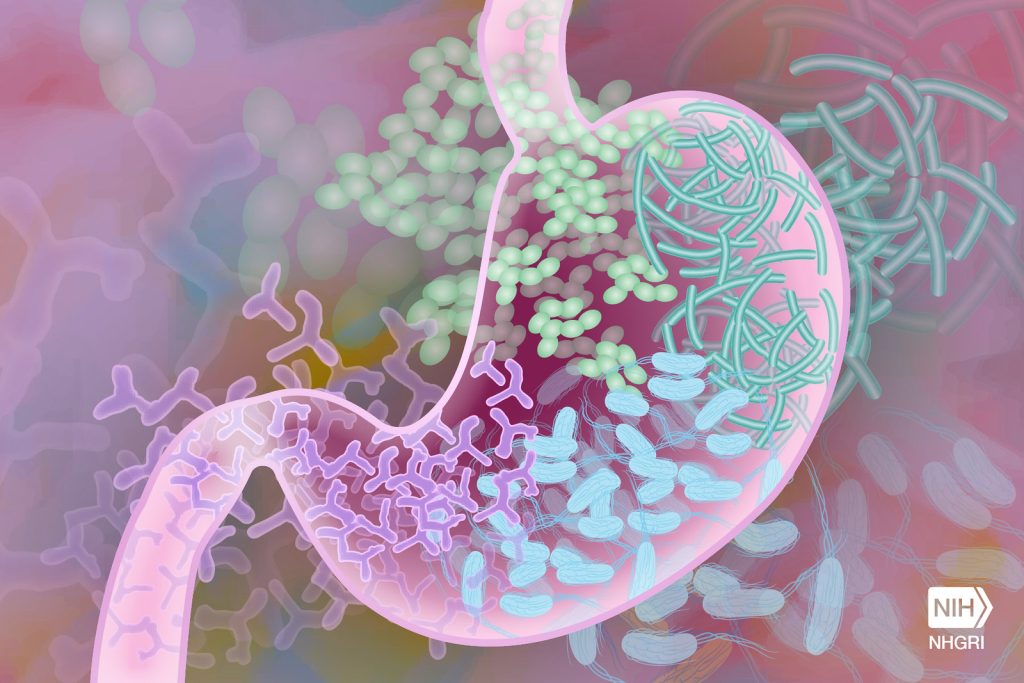
Gut Microbiome. Credit Darryl Leja National Human Genome Research Institute National Institutes Of Health

Researchers from the University of Toronto have shown how a low-carbohydrate diet can worsen the DNA-damaging effects of some gut microbes to cause colorectal cancer.

The study, published in the journal Nature Microbiology, compared the effects of three different diets: normal, low-carb, or Western-style with high fat and high sugar, each in combination with specific gut bacteria on colorectal cancer development in mice.

They found that a unique strain of E. coli bacteria, when paired with a diet low in carbs and soluble fibre, drives the growth of polyps in the colon, which can be a precursor to cancer.

“Colorectal cancer has always been thought of as being caused by a number of different factors including diet, gut microbiome, environment and genetics,” says senior author Alberto Martin, a professor of immunology at U of T’.

“Our question was, does diet influence the ability of specific bacteria to cause cancer?”

To answer this question, the researchers, led by postdoctoral fellow Bhupesh Thakur, examined mice that were colonized with one of three bacterial species that had been previously linked to colorectal cancer and fed either a normal, low-carb or Western-style diet.

Only one combination, a low-carb diet paired with a strain of E. coli that produces the DNA-damaging compound colibactin, led to the development of colorectal cancer.

The researchers found that a diet deficient in fibre increased inflammation in the gut and altered the community of microbes that typically reside there, creating an environment that allowed the colibactin-producing E. coli to thrive.

They also showed that the mice fed a low-carb diet had a thinner layer of mucus separating the gut microbes from the colon epithelial cells. The mucus layer acts as a protective shield between the bacteria in the gut and the cells underneath. With a weakened barrier, more colibactin could reach the colon cells to cause genetic damage and drive tumour growth. These effects were especially strong in mice with genetic mutations in the mismatch repair pathway that hindered their ability to fix damaged DNA.

While both Thakur and Martin emphasize the need to confirm these findings in humans, they are also excited about the numerous ways in which their research can be applied to prevent cancer.

Defects in DNA mismatch repair are frequently found in colorectal cancer, which is the fourth most commonly diagnosed cancer in Canada. An estimated 15 per cent of these tumours having mutations in mismatch repair genes. Mutations in these genes also underlie Lynch syndrome, a genetic condition that significantly increases a person’s risk of developing certain cancers, including colorectal cancer.

“Can we identify which Lynch syndrome patients harbour these colibactin-producing microbes?” asks Martin. He notes that for these individuals, their findings suggest that avoiding a low-carb diet or taking a specific antibiotic treatment to get rid of the colibactin-producing bacteria could help reduce their risk of colorectal cancer.

Martin points out that a strain of E. coli called Nissle, which is commonly found in probiotics, also produces colibactin. Ongoing work in his lab is exploring whether long-term use of this probiotic is safe for people with Lynch syndrome or those who are on a low-carb diet.

Thakur is keen to follow up on an interesting result from their study showing that the addition of soluble fibre to the low-carb diet led to lower levels of the cancer-causing E. coli, less DNA damage and fewer tumours.

“We supplemented fibre and saw that it reduced the effects of the low-carb diet,” he says. “Now we are trying to find out which fibre sources are more beneficial, and which are less beneficial.”

To do this, Thakur and Martin are teaming up with Heather Armstrong, a researcher at the University of Alberta, to test whether supplementation with a soluble fibre called inulin can reduce colibactin-producing E. coli and improve gut health in high-risk individuals, like people with inflammatory bowel disease.

 “Our study highlights the potential dangers associated with long-term use of a low-carb, low-fibre diet, which is a common weight-reducing diet,” says Martin.

“More work is needed but we hope that it at least raises awareness.”

Source: University of Toronto

Prosthetic Hand ‘Knows’ What it’s Touching, Grasps Like a Human

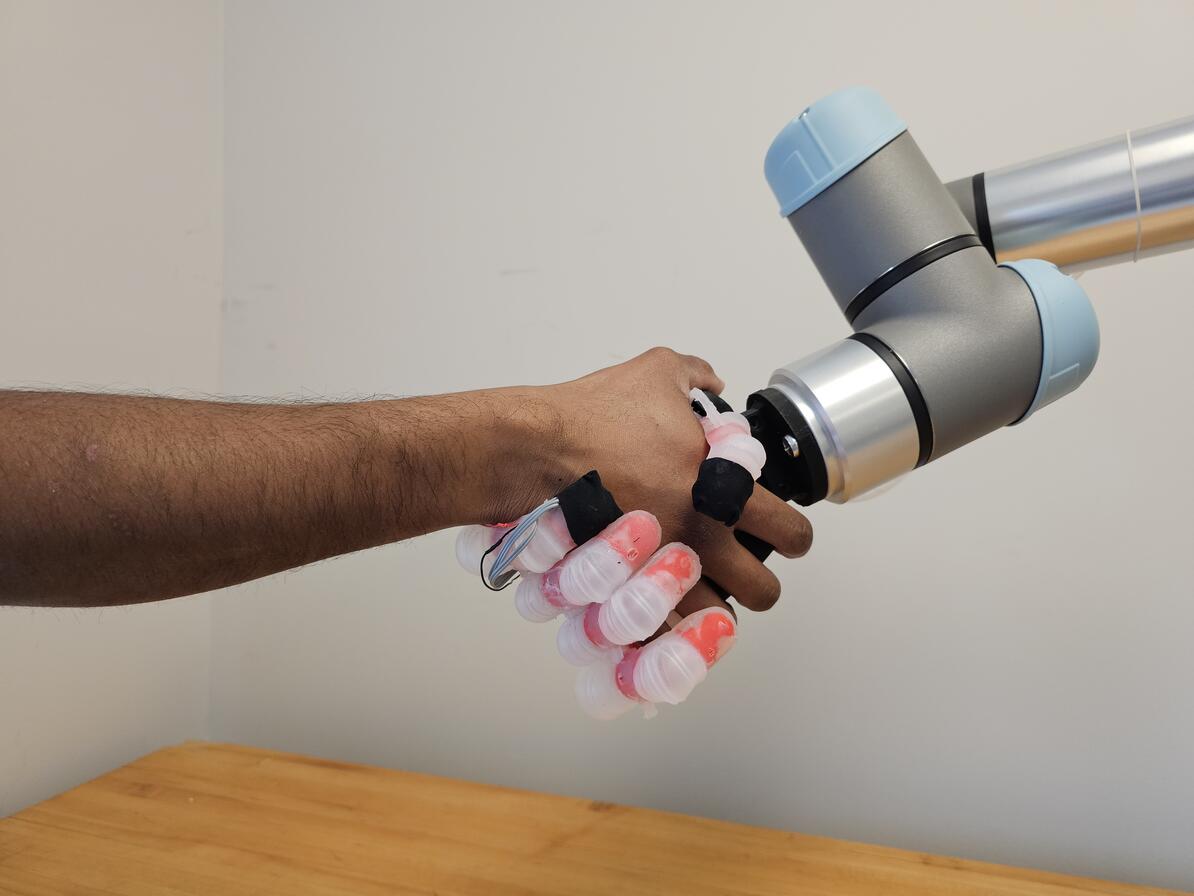
Sriramana Sankar/Johns Hopkins University.

Johns Hopkins University engineers have developed a pioneering prosthetic hand that can grip plush toys, water bottles, and other everyday objects like a human, carefully conforming and adjusting its grasp to avoid damaging or mishandling whatever it holds.

The system’s hybrid design is a first for robotic hands, which have typically been too rigid or too soft to replicate a human’s touch when handling objects of varying textures and materials. The innovation offers a promising solution for people with hand loss and could improve how robotic arms interact with their environment.

Details about the device appear in Science Advances.

“The goal from the beginning has been to create a prosthetic hand that we model based on the human hand’s physical and sensing capabilities—a more natural prosthetic that functions and feels like a lost limb,” said Sriramana Sankar, a Johns Hopkins PhD student in biomedical engineering who led the work. “We want to give people with upper-limb loss the ability to safely and freely interact with their environment, to feel and hold their loved ones without concern of hurting them.”

The device, developed by the same Neuroengineering and Biomedical Instrumentations Lab that in 2018 created the world’s first electronic “skin” with a humanlike sense of pain, features a multifinger system with rubberlike polymers and a rigid 3D-printed internal skeleton. Its three layers of tactile sensors, inspired by the layers of human skin, allow it to grasp and distinguish objects of various shapes and surface textures, rather than just detect touch. Each of its soft air-filled finger joints can be controlled with the forearm’s muscles, and machine learning algorithms focus the signals from the artificial touch receptors to create a realistic sense of touch, Sankar said.

“The sensory information from its fingers is translated into the language of nerves to provide naturalistic sensory feedback through electrical nerve stimulation,” Sankar said.

In the lab, the hand identified and manipulated 15 everyday objects, including delicate stuffed toys, dish sponges, and cardboard boxes, as well as pineapples, metal water bottles, and other sturdier items. In the experiments, the device achieved the best performance compared with the alternatives, successfully handling objects with 99.69% accuracy and adjusting its grip as needed to prevent mishaps. The best example was when it nimbly picked up a thin, fragile plastic cup filled with water, using only three fingers without denting it.

“We’re combining the strengths of both rigid and soft robotics to mimic the human hand,” Sankar said. “The human hand isn’t completely rigid or purely soft—it’s a hybrid system, with bones, soft joints, and tissue working together. That’s what we want our prosthetic hand to achieve. This is new territory for robotics and prosthetics, which haven’t fully embraced this hybrid technology before. It’s being able to give a firm handshake or pick up a soft object without fear of crushing it.”

To help amputees regain the ability to feel objects while grasping, prostheses will need three key components: sensors to detect the environment, a system to translate that data into nerve-like signals, and a way to stimulate nerves so the person can feel the sensation, said Nitish Thakor, a Johns Hopkins biomedical engineering professor who directed the work.

“The goal from the beginning has been to create a prosthetic hand that we model based on the human hand’s physical and sensing capabilities—a more natural prosthetic that functions and feels like a lost limb.”

Sriramana Sankar

PhD student, Biomedial engineering

The bioinspired technology allows the hand to function this way, using muscle signals from the forearm, like most hand prostheses. These signals bridge the brain and nerves, allowing the hand to flex, release, or react based on its sense of touch. The result is a robotic hand that intuitively “knows” what it’s touching, much like the nervous system does, Thakor said.

“If you’re holding a cup of coffee, how do you know you’re about to drop it? Your palm and fingertips send signals to your brain that the cup is slipping,” Thakor said. “Our system is neurally inspired—it models the hand’s touch receptors to produce nervelike messages so the prosthetics’ ‘brain,’ or its computer, understands if something is hot or cold, soft or hard, or slipping from the grip.”

While the research is an early breakthrough for hybrid robotic technology that could transform both prosthetics and robotics, more work is needed to refine the system, Thakor said. Future improvements could include stronger grip forces, additional sensors, and industrial-grade materials.

“This hybrid dexterity isn’t just essential for next-generation prostheses,” Thakor said. “It’s what the robotic hands of the future need because they won’t just be handling large, heavy objects. They’ll need to work with delicate materials such as glass, fabric, or soft toys. That’s why a hybrid robot, designed like the human hand, is so valuable—it combines soft and rigid structures, just like our skin, tissue, and bones.”

Time of Injury Matters: Circadian Rhythms Affect Muscle Repair

Photo by Mat Napo on Unsplash

Circadian rhythms doesn’t just dictate when we sleep — it also determines how quickly our muscles heal. A new Northwestern Medicine study in mice, published in Science Advances, suggests that muscle injuries heal faster when they occur during the body’s natural waking hours.

The findings could have implications for shift workers and may also prove useful in understanding the effects of aging and obesity, said senior author Clara Peek, assistant professor of biochemistry and molecular genetics at Northwestern University Feinberg School of Medicine.

The study also may help explain how disruptions like jetlag and daylight saving time changes impact circadian rhythms and muscle recovery.

“In each of our cells, we have genes that form the molecular circadian clock,” Peek said. “These clock genes encode a set of transcription factors that regulate many processes throughout the body and align them with the appropriate time of day. Things like sleep/wake behaviour, metabolism, body temperature and hormones — all these are circadian.”

How the study was conducted

Previous research from the Peek laboratory found that mice regenerated muscle tissues faster when the damage occurred during their normal waking hours. When mice experienced muscle damage during their usual sleeping hours, healing was slowed.

In the current study, Peek and her collaborators sought to better understand how circadian clocks within muscle stem cells govern regeneration depending on the time of day.

For the study, Peek and her collaborators performed single-cell sequencing of injured and uninjured muscles in mice at different times of the day. They found that the time of day influenced inflammatory response levels in stem cells, which signal to neutrophils — the “first responder” innate immune cells in muscle regeneration.

“We discovered that the cells’ signalling to each other was much stronger right after injury when mice were injured during their wake period,” Peek said. “That was an exciting finding and is further evidence that the circadian regulation of muscle regeneration is dictated by this stem cell-immune cell crosstalk.”

The scientists found that the muscle stem cell clock also affected the post-injury production of NAD+, a coenzyme found in all cells that is essential to creating energy in the body and is involved in hundreds of metabolic processes.

Next, using a genetically manipulated mouse model, which boosted NAD+ production specifically in muscle stem cells, the team of scientists found that NAD+ induces inflammatory responses and neutrophil recruitment, promoting muscle regeneration.  

Why it matters

The findings may be especially relevant to understanding the circadian rhythm disruptions that occur in aging and obesity, Peek said.

“Circadian disruptions linked to aging and metabolic syndromes like obesity and diabetes are also associated with diminished muscle regeneration,” Peek said. “Now, we are able to ask: do these circadian disruptions contribute to poorer muscle regeneration capacity in these conditions? How does that interact with the immune system?”

What’s next

Moving forward, Peek and her collaborators hope to identify exactly how NAD+ induces immune responses and how these responses are altered in disease.

“A lot of circadian biology focuses on molecular clocks in individual cell types and in the absence of stress,” Peek said. “We haven’t had the technology to sufficiently look at cell-cell interactions until recently. Trying to understand how different circadian clocks interact in conditions of stress and regeneration, is really an exciting new frontier.”

Source: Northwestern University

Over-the-counter Pain Relievers Linked to Improved Recovery from Concussion

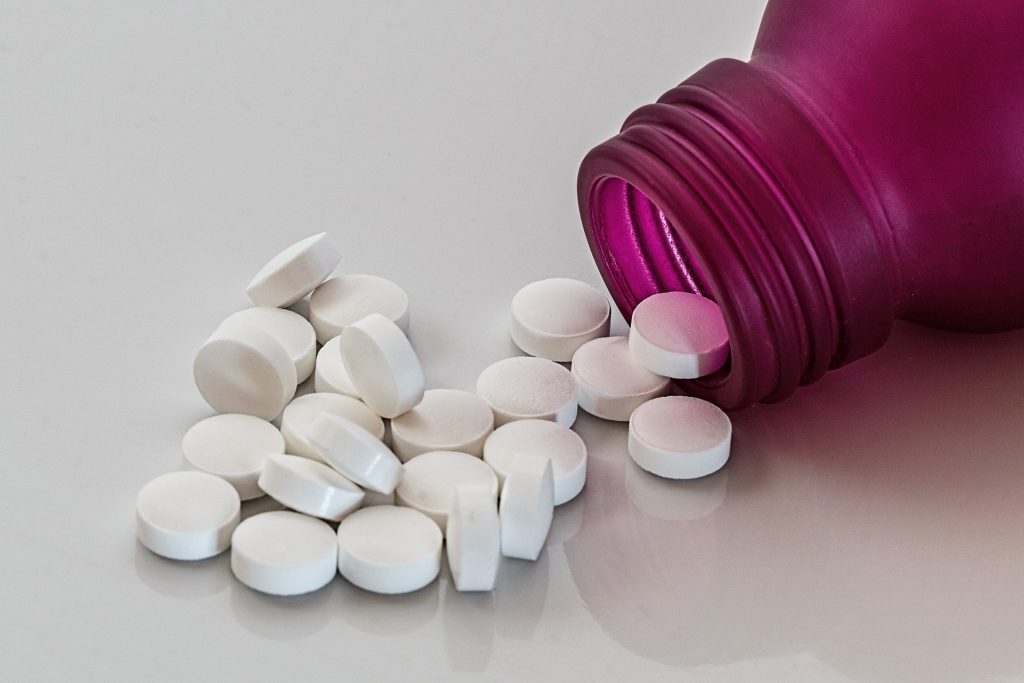
Credit: Pixabay CC0

People who take over-the-counter pain relievers after a concussion may recover faster than those who do not take pain relievers, according to a preliminary study that will be presented at the American Academy of Neurology’s 77th Annual Meeting taking place April 5–9, 2025.

The study does not prove that pain relievers improve recovery after concussion; it only shows an association.

“These results are exciting as there are limited treatment options for concussion, and over-the-counter pain relievers are readily available and inexpensive,” said study author Kyle Arnold, MD, of the University of Washington in Seattle and a member of the American Academy of Neurology.

“If these results can be confirmed by a controlled study, they could guide us to possible treatment options for people after a concussion.”

The cohort study was conducted by the NCAA and US Department of Defense CARE Consortium and looked at NCAA athletes and military cadets who had concussions. A total of 813 people took over-the-counter pain relievers such as acetaminophen or ibuprofen and other non-steroidal anti-inflammatory drugs after their concussion and 848 people did not take any pain relievers.

Researchers looked at the amount of time it took the athletes to be cleared to return to activities with no restrictions at both 50% recovery and 90% recovery, meaning when 50% of the athletes in the study recovered and then later when 90% recovered.

People who took the pain relievers were 20% more likely to have a faster time before they were cleared to return to activities with no restrictions than those who did not take pain relievers. Those who took the medications were cleared at 50% recovery an average of two days faster, and at 90% recovery an average of seven days faster than those who took no medication.

People who took pain relievers were also about 15% more likely to return to having no symptoms more quickly than those who did not take pain relievers. At 50% recovery, those taking the medications had no symptoms one day sooner than those not taking the medications. At 90% recovery, they had no symptoms three days sooner.

Those who took pain relievers also had lower scores on tests of how severe their symptoms were overall and how severe their headaches were. The researchers also found that the earlier people took the pain relievers after the injury, the faster they recovered. For instance, at 50% recovery, those who started using pain relievers on the first day of their injury returned to play and had resolution of symptoms approximately eight days faster than those who started taking them after five or more days.

There was no difference between the type of pain reliever taken and how quickly people recovered.

“Early medication use appeared to be linked to shorter recovery times, but these findings require further validation through controlled trials,” Arnold said. “In the meantime, these preliminary results may help inform potential treatment options for people recovering from concussions, but additional studies are needed to provide more definitive recommendations.”

Source: American Academy of Neurology

Lifestyle and Environmental Factors Affect Health and Ageing More than Genes

Photo by Mari Lezhava on Unsplash

A new study led by researchers from Oxford Population Health has shown that a range of environmental factors, including lifestyle (smoking and physical activity) and living conditions, have a greater impact on health and premature death than our genes.

The researchers used data from nearly half a million UK Biobank participants to assess the influence of 164 environmental factors and genetic risk scores for 22 major diseases on ageing, age-related diseases, and premature death. The study is published in Nature Medicine.

Key findings:

  • environmental factors explained 17% of the variation in risk of death, compared to less than 2% explained by genetic predisposition (as we understand it at present);
  • of the 25 independent environmental factors identified, smoking, socioeconomic status, physical activity, and living conditions had the most impact on mortality and biological ageing;
  • smoking was associated with 21 diseases; socioeconomic factors such as household income, home ownership, and employment status, were associated with 19 diseases; and physical activity was associated with 17 diseases;
  • 23 of the factors identified are modifiable;
  • early life exposures, including body weight at 10 years and maternal smoking around birth, were shown to influence ageing and risk of premature death 30-80 years later;
  • environmental exposures had a greater effect on diseases of the lung, heart and liver, while genetic risk dominated for dementias and breast cancer.

Professor Cornelia van Duijn, St Cross Professor of Epidemiology at Oxford Population Health and senior author of the paper, said, “Our research demonstrates the profound health impact of exposures that can be changed either by individuals or through policies to improve socioeconomic conditions, reduce smoking, or promote physical activity.

“While genes play a key role in brain conditions and some cancers, our findings highlight opportunities to mitigate the risks of chronic diseases of the lung, heart and liver which are leading causes of disability and death globally. The early life exposures are particularly important as they show that environmental factors accelerate ageing early in life but leave ample opportunity to prevent long-lasting diseases and early death.”

The authors used a unique measure of ageing (a new ‘ageing clock’) to monitor how rapidly people are ageing using blood protein levels. This enabled them to link environmental exposures that predict early mortality with biological ageing. This measure was previously shown to detect age-related changes, not only in the UK Biobank but also in two other large cohort studies from China and Finland.

Dr Austin Argentieri, lead author of the study at Oxford Population Health and Research Fellow at Massachusetts General Hospital, said “Our exposome approach allowed us to quantify the relative contributions of the environment and genetics to ageing, providing the most comprehensive overview to date of the environmental and lifestyle factors driving ageing and premature death. These findings underscore the potential benefits of focusing interventions on our environments, socioeconomic contexts, and behaviours for the prevention of many age-related diseases and premature death.”

Professor Bryan Williams, Chief Scientific and Medical Officer at the British Heart Foundation, added ‘Your income, postcode and background shouldn’t determine your chances of living a long and healthy life. But this pioneering study reinforces that this is the reality for far too many people.

“We have long known that risk factors such as smoking impact our heart and circulatory health, but this new research emphasises just how great the opportunity is to influence our chances of developing health problems, including cardiovascular disease, and dying prematurely. We urgently need bold action from Government to target the surmountable barriers to good health that too many people in the UK are facing.”

The research shows that whilst many of the individual exposures identified played a small part in premature death, the combined effect of these multiple exposures together over the life course (referred to as the exposome) explained a large proportion of premature mortality variation. The insights from this study pave the way for integrated strategies to improve the health of ageing populations by identifying key combinations of environmental factors that shape risk of premature death and many common age-related diseases simultaneously.

Professor van Duijn said, “Studies on environmental health have tended to focus on individual exposures based on a specific hypothesis. While this approach has seen many successes, the method has not always yielded reproducible and reliable findings. Instead, we have followed a ‘hypothesis free’ exposome approach and studied all available exposures to find the major drivers of disease and death.

“We have made a big leap forward in understanding how to provide accurate evidence on the causes and consequences of age-related diseases by combining novel computational methods with clinical and epidemiological knowledge to explore the interplay between multiple exposures. In an ever-changing environment, it is critical that we combine these techniques with novel advances in smart technology to monitor lifestyle and environment, as well as with biological data, to understand the impact of the environment over time. There are a lot of questions still to be answered related to diet, lifestyle, and exposure to new pathogens (such as bird flu and COVID-19) and chemicals (think of pesticides and plastics), and the impact of environmental and genetic factors in different populations.”

The paper. ‘Integrating the environmental and genetic architectures of aging and mortality‘. can be ready in Nature Medicine.

Source: University of Oxford

Engineered Cartilage from Nasal Septum Cells helps Treat Complex Knee Injuries

Researchers grow cartilage replacements from cells of the nasal septum to repair cartilage injuries in the knee. (Photo: University of Basel, Christian Flierl)

An unlucky fall while skiing or playing football can spell the end of sports activities. Damage to articular cartilage does not heal by itself and increases the risk of osteoarthritis. Researchers at the University of Basel and the University Hospital Basel have now shown that even complex cartilage injuries can be repaired with replacement cartilage engineered from cells taken from the nasal septum.

A team at the Department of Biomedicine led by Professor Ivan Martin, Dr Marcus Mumme and Professor Andrea Barbero has been developing this method for several years. It involves extracting the cells from a tiny piece of the patient’s nasal septum cartilage and then allowing them to multiply in the laboratory on a scaffold made of soft fibres. Finally, the newly grown cartilage is cut into the required shape and implanted into the knee joint.

Earlier studies have already shown promising results. “Nasal septum cartilage cells have particular characteristics that are ideally suited to cartilage regeneration,” explains Professor Martin. For example, it has emerged that these cells can counteract inflammation in the joints.

More mature cartilage shows better results

In a clinical trial involving 98 participants at clinics in four countries, the researchers compared two experimental approaches. One group received cartilage grafts that had matured in the lab for only two days before implantation – similar to other cartilage replacement products. For the other group, the grafts were allowed to mature for two weeks. During this time, the tissue acquires characteristics similar to native cartilage.

For 24 months after the procedure, the participants self-assessed their well-being and the functionality of the treated knee through questionnaires. The results, published in the scientific journal Science Translational Medicine, showed a clear improvement in both groups. However, patients who received more mature engineered cartilage continued to improve even in the second year following the procedure, overtaking the group with less mature cartilage grafts.

Magnetic resonance imaging (MRI) further revealed that the more mature cartilage grafts resulted in better tissue composition at the site of the implant, and even of the neighbouring cartilage. “The longer period of prior maturation is worthwhile,” emphasizes Anke Wixmerten, co-lead author of the study. The additional maturation time of the implant, she points out, only requires a slight increase in effort and manufacturing costs, and gives much better results.

Particularly suited to larger and more complex cartilage injuries

“It is noteworthy that patients with larger injuries benefit from cartilage grafts with longer prior maturation periods,” says Professor Barbero. This also applies, he says, to cases in which previous cartilage treatments with other techniques have been unsuccessful.

“Our study did not include a direct comparison with current treatments,” admits Professor Martin. “However, if we look at the results from standard questionnaires, patients treated with our approach achieved far higher long-term scores in joint functionality and quality of life.”

Based on these and earlier findings, the researchers now plan to test this method for treating osteoarthritis – an inflammatory disease that causes joint cartilage degeneration, resulting in chronic pain and disability.

Two large-scale clinical studies, funded by the Swiss National Science Foundation and the EU research framework programme Horizon Europe, are about to begin. These studies will explore the technique’s effectiveness in treating a specific form of osteoarthritis affecting the kneecaps (ie, patellofemoral osteoarthritis). The activities will further develop in Basel the field of cellular therapies, strategically defined as a priority area for research and innovation at the University of Basel and University Hospital Basel.

Source: University of Basel

Össur South Africa Launches ‘What’s Your Epic?’ to Further Empower Those Living with Limb Loss

Transform Lives, Break Barriers, Redefine Possibilities

Dane Wilson, Michael Stevens and Reuben van Niekerk of Jumping Kids, a nonprofit that supports young amputees.

Ahead of this year’s Cape Epic, Össur South Africa has announced the launch of its ‘What’s Your Epic?’ initiative. In partnership with Aramex, this campaign supports three nonprofit organisations (NPOs) – all of which provide hope, mobility, and independence to individuals with limited movement. ‘What’s Your Epic?’ aims to further empower amputees to overcome barriers, move freely, and live life to the fullest.

“Movement is a fundamental right. While not everyone may be an elite athlete, everyone deserves the freedom to move,” says Blignaut Knoetze, MD of Össur South Africa, a global provider of non-invasive orthopaedics. “We are committed to improving people’s mobility so that they can live their life without limitations. Our efforts and expertise are focused on helping those living with limb loss to be confident, safe and mobile, regardless of injuries or conditions that could compromise their quality of life.”

To help drive awareness for these NPOs and the valuable work that they do, so closely aligned with its own mission, Össur South Africa has entered three teams into the prestigious Cape Epic mountain bike race, with each team representing and raising funds for one of the selected NPOs. These teams not only showcase the resilience of their riders but also shine a light on the important and essential work carried out by these organisations.

The NPOs and Riders Making a Difference

Rejuvenate SA
After an elective amputation in 2020, Travis Warwick-Oliver turned to adaptive sports and co-founded Rejuvenate SA with prosthetist Luvan Cass. Their nonprofit provides mobility aids and vocational training to underprivileged individuals, particularly in rural KwaZulu-Natal. As they gear up for another Cape Epic, they see it as more than just a race – it’s an opportunity to raise awareness and inspire involvement. “We’re not just trying to get people moving; we’re trying to create a better future and give them the opportunity to fend for themselves,” explains Cass. Their journey embodies resilience, community, and the belief that movement is the key to opportunity and dignity.

Jumping Kids
Led by director Michael Stevens, Jumping Kids supports young amputees by providing prosthetics, education, and sporting opportunities – equipping children with limb loss with the prosthetic technology they need to run, play, and chase their dreams. Ambassadors Reuben van Niekerk and Dane Wilson (both amputees) advocate for mobility solutions, emphasising that the ‘What’s Your Epic?’ campaign is about more than just sports—it’s about redefining possibilities. “Whether through donations, raising awareness, or inspiring others, every action helps build a future where children with disabilities can thrive,” says Stevens.

Zimele NPC
Rentia Retief lost her leg in a 2023 cycling accident. Just a year later, she is set to compete in the Cape Epic alongside teammate Jackie Church. Supporting Zimele NPC (‘independence’ in Xhosa), a nonprofit dedicated to empowering adult amputees to lead independent lives, Rentia is proving that disability does not define potential. “Being part of this experience is truly inspiring,” says Church, an Össur South Africa employee. “Rentia is showing others what’s possible and breaking barriers for amputees everywhere.”

“These three NPOs are lifelines for those who often lack essential resources or healthcare,” says Knoetze, Össur South Africa aims to support them by raising vital funds, thereby helping them to expand their impact and, in turn, help ensure that more amputees have the freedom to move, dream, and live fully.

“’What’s Your Epic?’ is more than a fundraising initiative—it’s a movement to shift perceptions, raise awareness, and advocate for individuals with limb loss,” adds Knoetze. “Movement changes lives. Together, we can empower amputees to overcome challenges, dream boldly, and achieve the extraordinary.”

What’s your Epic?

To support these heroes taking part in the upcoming Cape Epic, and help to extend the impact of these three NPOs (Rejuvenate SA, Jumping Kids and Zimele), please visit GivenGain:  https://www.givengain.com/event/ossur-sa-giving-back.