Category: Surgeries & Procedures

Making Neurosurgeons Even Better at Removing Brain Tumours

In a leap for personalised medicine, scientists have discovered a simple and valuable way to improve brain cancer surgeries.

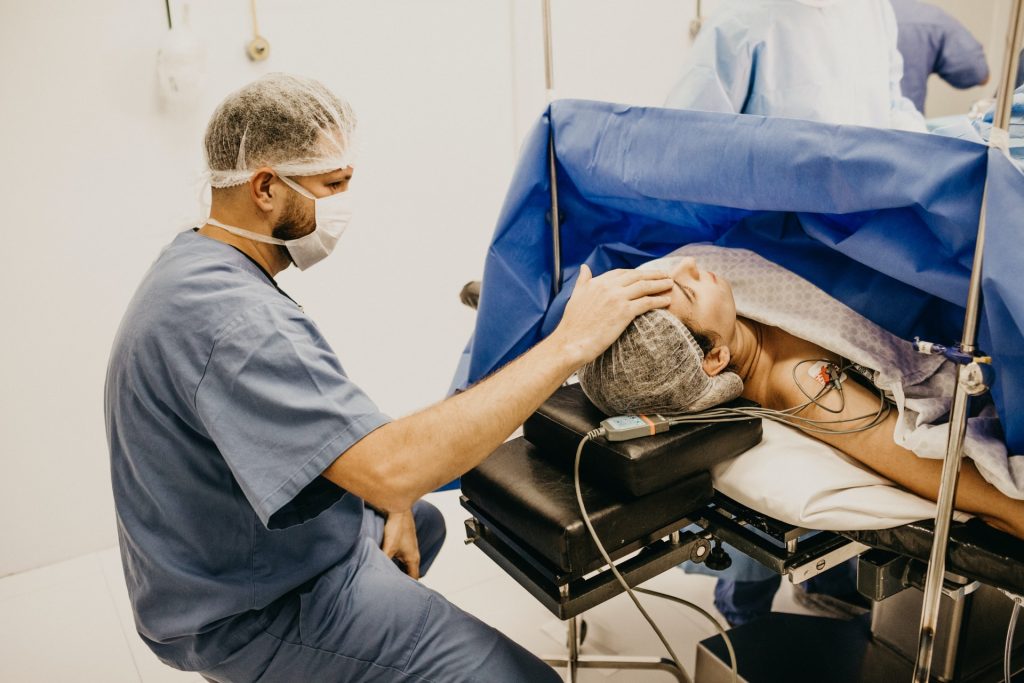
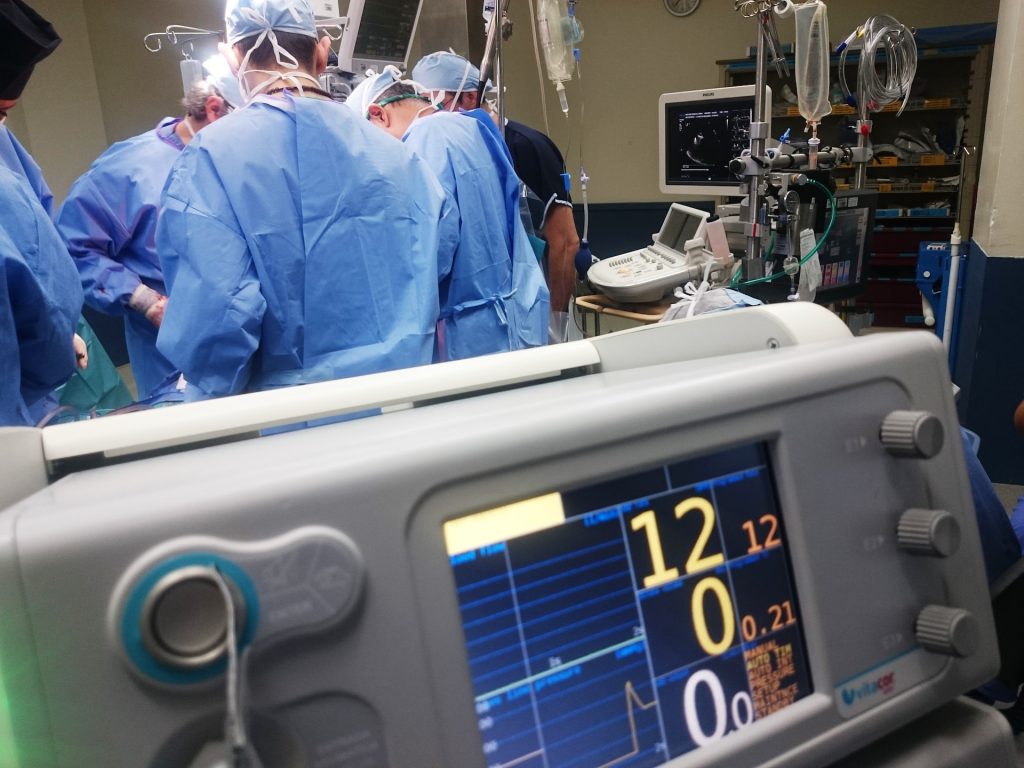
Taylor Furst, MD, observes a brain mapping procedure in progress at the University of Rochester’s Strong Memorial Hospital. Credit: Matt Wittmeyer

When removing cancerous tissue in the brain, neurosurgeons often use “awake brain mapping” to minimise the risk of causing unintended disruptions to a patient’s quality of life while removing as much tumour as possible. This practice, which has been used for decades, involves waking a patient up mid-surgery to test their neurocognitive functions in real time by stimulating the brain surface and assessing for functional changes.

A new study published in the journal Science Advances details a promising new avenue toward improving awake brain mapping results by investigating the tiny, nearly imperceptible variabilities in patient behaviour that occur during the procedure. This work, led by Carnegie Mellon University researchers, points to a future where brain surgeries are not just safer, but more precisely tailored to protect each patient’s speech, movement and quality of life.

How awake brain mapping works

As cancer grows in the brain, it rarely keeps to itself. Cancerous cells can be found in the seemingly healthy brain tissue surrounding a tumour, presenting neurosurgeons with a dilemma. They need to remove as much tissue infiltrated by cancer as possible, but they also need to avoid the removal of too much tissue since it can cause permanent harm to a patient’s ability to hold a fork or a conversation.

During awake brain mapping, surgeons gently stimulate the brain with small electrical impulses while the patient completes planned tasks. One of the most common applications of awake brain mapping is to identify where language is represented in a patient’s brain, which is done by having the patient name pictures or read words while their brain is being stimulated. If the patient can respond quickly and correctly, the clinicians know the part of the brain they stimulated can be safely removed. If the patient slurs or becomes unable to speak, then that part of the brain may be essential for language. Surgeons require a significant amount of experience to understand the nuances of this complex technique.  

While the method may sound extreme, the brain has no sensory nerves, so patients do not feel their brain surgery as it is happening. Recent research also shows that for some types of brain cancer, improving a patient’s quality of life after surgery extends their expected survival into the future. This means that anything that can make awake brain mapping even more effective will translate into improved outcomes for brain cancer patients.

New measures show how slight changes in procedure affect patient behaviour

Based on a decade of research, the study authors uncovered new insights from examining the answers patients get wrong – and right – while undergoing awake brain mapping.

“We found that if you measure both the types of errors that patients make, as well as how fast they respond even when they do not make errors, more granular inferences can be drawn about language organization from an awake brain mapping procedure,” said Bradford Mahon, a cognitive neuroscientist at CMU’s Neuroscience Institute and Department of Psychology and senior author of the study. “We also found that physical parameters of the direct electrical stimulation delivered to the patient’s brain – such as its duration, and when it started and stopped relative to the task the patient is performing – were tightly related to small changes in patient behaviour that we could measure.”

Mahon and his team don’t yet know exactly what combination of parameters should be used to maximise the effect of direct electrical stimulation mapping. But they have discovered an intriguing signal hidden inside of the data that, until now, has gone unnoticed.

“What we have measured and formalised in our study is how slight changes in the awake mapping procedure can cause slight changes in patient behaviour. This is exciting because it is a new and meaningful signal that can be extracted from the data already being generated during awake brain mapping procedures,” said Mahon.

A new level of personalised medicine

The new study suggests that awake brain mapping may offer more informative and more personalized guidance for surgery than has been possible in the past.

“Stimulation has traditionally been treated as a binary test – either it causes an error, or it doesn’t,” said Raouf Belkhir, lead author and a psycholinguist who is completing the University of Pittsburgh-Carnegie Mellon University Medical Scientist Training Program. “But in reality, these effects are often more continuous than binary.”

For example, stimulating a particular area of the brain might reliably cause an error, never affect behaviour at all, or – more subtly – slow a patient’s response without causing an obvious mistake. In some cases, stimulation may affect behaviour at one moment, but not when tested again just seconds later.

“In other words, brain mapping isn’t always black or white,” said Belkhir. “Sometimes the most important information lives in the grey area.”

The nuance matters because every brain is different, which means every surgery is different, too. Understanding why stimulation has variable effects across different patients, and even within the same patient from one part of the surgery to another part of the surgery, may be key to protecting outcomes for future patients.

“Surgeons are seeking to optimise the balance between removing all of the cancerous tissue while preserving critical functions that may be represented by nearby brain regions,” said Mahon. “This research shows that by measuring aspects of patient performance that were previously not considered relevant for awake brain mapping, even better predictive models of brain organisation can be developed.”  

If clinical teams have better predictive models personalised to each patient, then the consequences of different surgical approaches on postoperative neurocognitive function can be simulated. This allows for patients and their caregivers to personalise decisions to what is most important to the patient.

In other words, Mahon said, a business manager may consent to a surgery that may diminish their motor skills, but not their speech, whereas a concert violinist may prefer the opposite.

Bringing standardisation to awake brain mapping surgery

Another important development from this research is the startup company MindTrace, which has built an integrated software platform that supports neurocognitive testing before, during and after surgery. It is working to build a longitudinal dataset of patient outcomes that will be used to train forecasting models. 

Tyler Schmidt, MD, study co-author and neurosurgeon at the University of Rochester, has used MindTrace in over a dozen awake surgeries since its release this year.

“In the beginning of brain tumour surgery, it used to be, ‘Can we remove any of this tumour safely?’” said Schmidt. ”But now in some brain tumour cases it’s, ‘Can we get you back to work potentially? Can we keep your quality of life close to what it was prior to your diagnosis? Can we hone in on the things that are most important to you and then try and protect them while getting the same oncological outcome?’” said Schmidt. “I think it’s a positive paradigm shift in how we take care of this patient population.”

The options today are measurably better than they were even 20 years ago. Clinicians now understand how to maximise the likelihood that patients have the best possible outcomes from brain cancer surgery.

“Ultimately, we are contributing toward the set of tools that clinicians will have that will enable them to map the brain with even greater confidence and precision, and personalised to each patient,” said Mahon. “The big goal is to translate scientific insights into solutions that improve people’s lives. We will meet that goal by building tools that enable the best possible outcomes in neurosurgery patients, both in terms of neurocognitive function and quality of life, and ultimately, in terms of survival.”

Source: Carnegie Mellon University

Method Spots Early Signs of Infection in Post-mastectomy Reconstruction

Rapid detection, treatment of infections could avoid complications, additional surgeries after mastectomy

Many of those women opt to have their breasts surgically reconstructed, most commonly with implants, but a relatively high percentage develop infections after implant surgery, requiring intravenous antibiotics and often removal of the implant. This can lead to additional surgeries, delays in cancer care and increased costs, as well as added emotional distress for women already under strain from cancer diagnosis and treatment.

To address this problem, researchers at Washington University School of Medicine in St. Louis have developed a new tool to detect reconstruction-related infections early, before they cause symptoms. This method, reported in the Journal of Clinical Investigation, could allow for preemptive treatment that preserves implants, improves patient outcomes and reduces the psychological and financial burden on patients.

Led by Jeffrey P. Henderson, MD, PhD, a WashU Medicine professor, the study identified biomarkers of infection in fluid drained from reconstruction patients’ breasts days or even weeks before symptoms appeared. This represents a major opportunity for improvement over existing diagnostic methods, which rely heavily on clinical symptoms, such as redness and inflammation, that take time to appear and can overlap with normal reactions to surgery.

The findings are available online and will publish in print Feb. 16 in the Journal of Clinical Investigation.

“The ability to identify with a molecular signature early on that a patient will go on to have an infection opens up the possibility of surveillance as part of standard care,” Henderson said. “This has the potential to enable earlier treatment that would be far more effective – and potentially curative – in patients who would otherwise progress to prolonged courses of treatment and surgery, or even implant removal and reconstructive failure.”

Small molecules, big impact

The study originated when Henderson’s WashU Medicine colleague Margaret A. Olsen, PhD, a retired professor of medicine in the Division of Infectious Diseases who studies hospital infections, noticed high rates of infection among US patients who had reconstruction with implants after mastectomy. The discovery prompted Henderson and Olsen, a co-author on the study, to ask WashU Medicine plastic surgeons who performed breast reconstruction what they would need to improve outcomes in these patients. Their answer was simple: a clear yes/no test for infection.

To develop such a test, Henderson and lead author John A. Wildenthal, an MD/PhD student, leveraged their expertise in metabolomics, the study of metabolites that are created or broken down during cellular processes in the body. Metabolites can indicate the presence of an infection because they include byproducts of both the body’s response to pathogens and the metabolic activity of the pathogens themselves. By analysing changes in metabolite levels, scientists can identify patterns that are characteristic of infections, enabling early diagnosis.

Henderson and colleagues coordinated with WashU Medicine plastic surgeons to obtain fluid samples from 50 patient volunteers during several routine follow-up visits after surgery. The patients included women who later developed infections after post-mastectomy reconstruction and those who did not.

The researchers analysed the samples for differences between the two groups and identified metabolites that were significantly associated with infection and that appeared days to weeks before clinical signs and symptoms of infection. Further, they found that the presence of certain metabolites indicated more serious infections that might require more aggressive treatment.

“Originating from clinical intuition and validated through a clinical study, the evidence in this paper now supports proactive, targeted interventions to predict and address infections before they become clinically significant,” said Justin M. Sacks, MD, a co-author on the paper. “Such interventions can substantially reduce the burden of complications, implant loss and reconstructive failures in these patients.”

For instance, the findings could lead to the development of a point-of-care test that could be provided during a woman’s routine post-operative visits, noted co-author Terence M. Myckatyn, MD, a professor of surgery at WashU Medicine, who performs plastic and reconstructive surgery for breast cancer patients.

“If the test is positive, antibiotics can be started preemptively in these select patients to thwart infection,” Myckatyn said. “And perhaps just as important, we would not give antibiotics to those with a negative test, thereby adhering to a thoughtful approach for antibiotic stewardship.” Such careful use of antibiotics is important for preventing antibiotic resistance, he said.

In the near term, the team is planning additional studies to validate the results. Then a diagnostic tool could be developed and tested in clinical practice. In the future, the broader metabolomic findings about the development of tissue infection in humans could allow physicians to more selectively target a variety of post-surgical infections, for example, by revealing new drug targets.

“While better techniques are always being sought, the reality is that infections still occur despite a meticulous surgical approach,” said Myckatyn. “To be able to identify biomarkers that can portend an infection days before it develops is huge.”

Source: Washington University

Cancer Treatment Moving Towards Earlier Immunotherapy

Killer T cells surround a cancer cell. Credit: Alex Ritter, Jennifer Lippincott Schwartz and Gillian Griffiths, National Institutes of Health (CC BY 2.0).

Immunotherapy given before or after surgery is increasingly used across several cancer areas. In an article published in the Journal of Internal Medicine, researchers at Karolinska Institutet present a comprehensive review of studies across seven tumour areas, showing how the field is moving towards earlier treatment.

For several years, immunotherapy has transformed the treatment of advanced cancer that can no longer be removed surgically. It is now used more frequently in earlier stages of disease as well – before surgery, known as neoadjuvant treatment, or after surgery, known as adjuvant treatment. In the new article, the researchers summarise findings from studies on several cancer diagnoses, grouped into seven tumour areas: skin cancer, lung cancer, breast cancer, gastrointestinal cancer, gynaecological cancer, head and neck cancer, and urological cancer.

Suggested benefits of treatment both before and after surgery

Several studies in recent years have shown that adjuvant immunotherapy after surgery can reduce the risk of the disease returning. Additional studies indicate that neoadjuvant treatment, given while the tumour is still in place, in many cases can provide the immune system with better conditions to recognise tumour cells. In several tumour areas, the results also suggest that immunotherapy given both before and after surgery may offer advantages compared with adjuvant treatment alone. 

At the same time, the authors emphasise that the results vary between different cancer types and that the treatment involves challenges, such as the risk of side effects and the possibility that some patients may receive more treatment than necessary if surgery alone would have been sufficient.

“We see that immunotherapy in early stages of disease is developing rapidly across many tumour areas. By bringing together studies from many cancer types, it becomes clearer how the field is evolving and what experiences can be shared between different specialties,” says last author Hildur Helgadottir, researcher at the Department of Oncology-Pathology at Karolinska Institutet.

How the researchers carried out the review

The work behind the article is a collaboration between 14 researchers at the Department of Oncology-Pathology, Karolinska Institutet. All of them also work with cancer treatment in clinical care. Because the researchers come from seven different tumour areas, the article gathers experiences from many parts of cancer care.

“It is valuable that we have come together from so many different tumour areas. This gives a broader understanding of how immunotherapy is used across cancer care and can, in the long term, support both clinical decision-making and future research,” says Hildur Helgadottir.

The researchers also point to areas where more knowledge is needed. One of these is the development of biomarkers, measurable characteristics that can help healthcare determine which patients benefit from immunotherapy, both before and after surgery. They also discuss how introducing immunotherapy at earlier stages raises questions about costs, side effects, and whether healthcare resources will be sufficient, questions that current studies do not yet clearly answer.

Information about funders and potential conflicts of interest can be found in the scientific publication.

Publication

Perioperative immune checkpoint inhibitor therapy across tumors: Insights and shared lessons from a rapidly evolving field.
Björkström K, Matikas A, Svedman FC, Björgvinsson E, Zupancic M, Villabona L, Eriksson H, Skribek M, Fernebro J, Lindskog M, Frödin JE, Ullén A, Ekman S, Helgadottir H
J Intern Med 2026 Feb;():

Source: Karolinska Institutet

Novel Laser Therapy Device Shows Promise in Prostate Cancer Clinical Trial

Credit: Darryl Leja National Human Genome Research Institute National Institutes Of Health

Because treatment of the whole prostate can lead to long-term side effects in patients with prostate cancer, interest in minimally invasive, focal treatment options has been growing for certain patients. A clinical trial published in BJU International generated promising results for a type of focal therapy, which directly targets the cancer and spares the remainder of the unaffected prostate gland.

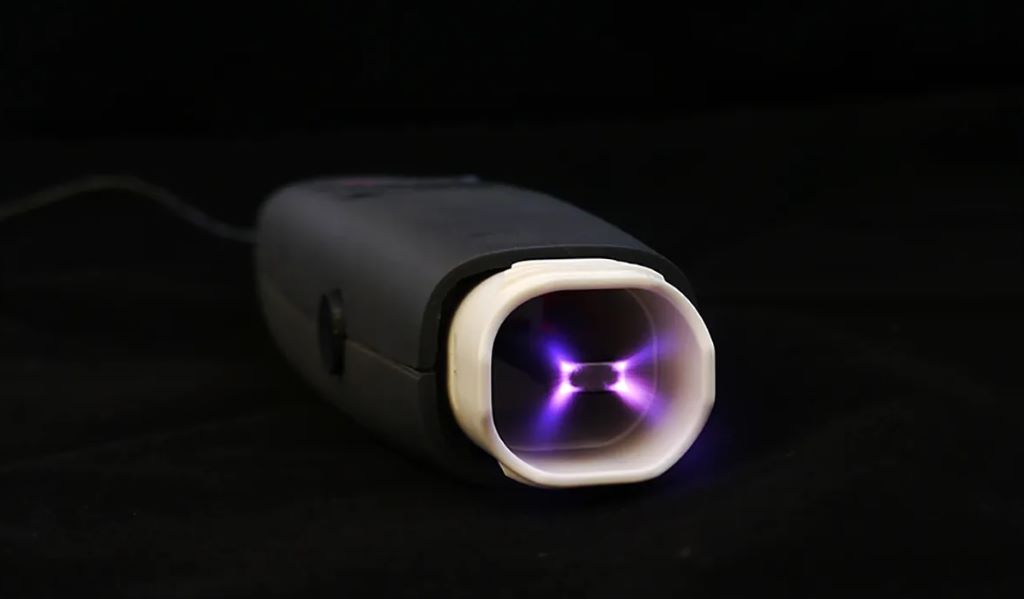
The ProFocal Laser Therapy for Prostate Tissue Ablation (PFLT-PC) trial is the first pivotal trial of ProFocal®, a novel, cooled laser focal therapy device for prostate cancer treatment.

In the 100-participant trial, 84% of patients had no clinically significant prostate cancer on their 3-month post-treatment biopsy. The treatment provided similar cancer-related outcomes to those that have been reported for other focal therapy devices, but with an improved safety profile and low rates of incontinence.

“This new technology is very promising with excellent cancer control while preserving patients’ quality of life,” said corresponding author Jonathan Kam, MD, of Nepean Hospital, in Australia. “Traditional radical prostatectomy and radiotherapy for prostate cancer results in very high rates of incontinence and erectile dysfunction. With this new technology, patients can have their prostate cancer treated with very low risk of suffering the side effects associated with traditional prostate cancer treatments.”

Source: Wiley

New Neurosurgical Classification Reveals Pivotal Role of Glioma Volume Reduction

International team develops system for a standardised assessment of operative success in treating certain brain tumours

Photo by cottonbro studio

Low-grade brain tumours known as IDH-mutant gliomas CNS WHO grade 2 are life-threatening despite their slow growth. Neurosurgeons across the globe are faced with the question as to striking the correct balance between a “radical” tumour resection and avoiding further neurological damage. An international research team from the RANO working group involving Friedrich-Alexander-Universität Erlangen-Nürnberg (FAU) and Uniklinikum Erlangen has developed a new classification that records the extent to which any residual tumour tissue influences the progression of the disease. The results were published in The Lancet Oncology.

As a rule, the initial treatment for an IDH-mutated glioma CNS WHO grade 2 is surgery. The aim is to remove as much of the tumour as possible without jeopardising important neurological functions. As the results of the operation only become apparent many years later, there has been a lack of clear data, which has led to a number of different approaches. “On the one hand, this is due to the fact that we must be very careful to weigh up the chances of potentially boosting a patient’s chance of survival against avoiding neurological deficits. On the other hand, there has been a lack of clear criteria for assessing the risk of surgery until now, meaning that recommendations for treatment range from taking as little tissue as possible for diagnostic purposes to removing as much tumour tissue as possible,” explains Prof Dr Oliver Schnell from Uniklinikum Erlangen.

New basis for assessing success of surgery

In order to standardise therapeutic decisions, the RANO working group has conducted a large international study and assessed the data of 1391 patients from 16 neuro-oncological specialist units.

Based on the comprehensive data collected, the new RANO classification categorises the extent of the surgery based on the volume of the tumour that remains visible in a special MRI sequence (T2-FLAIR) after the operation. “Until now, there was no common language available for describing surgical outcomes,” explains PD Dr Philipp Karschnia from Uniklinikum Erlangen. “The new classification provides clarity, as it is guided exclusively by the residual tumour tissue.”

Less residual tumor means longer survival

The analysis of the RANO working group shows: A low volume of residual tumor after the initial operation is one of the most important factors for the further progression of the disease. A positive effect was also demonstrated for removing as much of the tumor as possible in the case of oligodendrogliomas, that tend to have a more favourable progression and are highly sensitive to chemo and radiation therapy. “We were surprised to discover that even follow-up treatments such as chemotherapy or radiation therapy were not able to replace the influence of the operation,” admits PD Dr Karschnia.

Internationally verified and useful in a wide range of scenarios

The results were confirmed in an independent patient group at the University of California in San Francisco. The new classification supports surgeons in making more accurate decisions and paves the way for future studies: “The new RANO classification is a milestone that will make a significant impact on neuro-oncological research and care in the long term,” according to Prof Schnell.

The Response Assessment in Neuro-Oncology (RANO) Working Group is an international, multidisciplinary collaboration between experts from various disciplines who have been working together to develop standardised criteria for assessing brain tumours for more than a decade now. Experts involved in the study from Erlangen were Prof Dr Oliver Schnell and PD Dr Philipp Karschnia, who has been leading the surgical focus group of the RANO Working Group since 2024, Dr Nico Teske and Alfred Gramelt from the Department of Neurosurgery at Uniklinikum Erlangen.

Source: Friedrich–Alexander University Erlangen–Nurnberg

TXA Reduced Number of Blood Transfusions for Non-cardiac Surgery

Photo by Charliehelen Robinson on Pexels

When hospitals were randomly assigned to treat patients undergoing higher-risk non-cardiac surgery with tranexamic acid (TXA) or a placebo, patients who received TXA needed significantly fewer blood transfusions and saw no increase in potentially life-threatening blood clots (thrombosis) after 90 days of follow-up, according to research presented at the 67th American Society of Hematology (ASH) Annual Meeting and Exposition.

“Our findings confirm that TXA reduces the need for blood transfusion in patients undergoing higher-risk non-cardiac surgery,” said lead study author Brett Houston, MD, PhD, an assistant professor at the University of Manitoba and a scientist with the Paul Albrechtsen Research Institute in Winnipeg, Canada. “We were also able to show that giving TXA is safe and does not increase the occurrence of dangerous blood clots within the three-month high-risk period after surgery.”

TXA is a generic drug that promotes blood clotting, which is essential to stop blood loss from injuries or during surgery, but blood clots can be life-threatening.

2019 international study of 40 000 patients found major bleeding to be the most common life-threatening complication following non-cardiac surgery. Another large international randomised trial, known as POISE-3, showed that, compared with patients who received a placebo, patients who received TXA immediately before and after non-cardiac surgery had significantly less serious bleeding and needed fewer blood transfusions, with no significant increase in heart attacks, strokes, or blood clots at 30 days.

The current study, known as TRACTION, was designed to build on the findings of POISE-3, Dr Houston said. Participating hospitals – 10 medical centres in Canada – were randomly assigned to administer either TXA or a placebo to adult patients undergoing major non-cardiac surgical procedures that posed an elevated risk for post-surgical bleeding complications and blood clots. Every four weeks, hospitals in the TXA group switched to the placebo group and vice versa.

Patients received a first dose of TXA or the placebo intravenously within minutes of surgery initiation. At the discretion of the attending anaesthesiologist, they then received a second dose either at the conclusion of the operation or as a continuous infusion throughout the procedure.

The study’s primary endpoints were the number of patients needing blood transfusions during their hospital stay and the number diagnosed with blood clots within 90 days.

Secondary endpoints included the number of units of blood transfused; the number of patients diagnosed with a heart attack, stroke, or blood clot while in the hospital; the number of patients admitted to intensive care; the number surviving at 90 days after surgery; and patients’ length of stay in the hospital.

The study’s results are based on the evaluation of 8273 patients treated across the 10 participating hospitals. More than 60% of the patients underwent cancer surgery. Among patients treated with TXA, 7.4% received a blood transfusion while in the hospital compared with 9.8% of those treated with the placebo, a statistically significant difference. Patients treated with TXA needed significantly fewer units of blood (0.34 units on average) than those in the placebo group (2.5 units on average). The proportion of patients diagnosed with blood clots within 90 days was the same (2.1%) in both the TXA and placebo groups. No significant differences were seen in any of the secondary endpoints.

The finding that TXA use does not increase risk for blood clots during the 90-day post-surgical period of elevated risk may reassure many practitioners who have previously been hesitant to adopt the drug, Dr Houston said. “We hope this data will also set practitioners’ minds at rest that giving the drug is safe,” she said.

Although the study was limited to Canada, it evaluated bleeding risk across a broad range of types of higher-risk non-cardiac surgery, Dr Houston said, including gynaecologic, urologic, spinal, blood-vessel, and cancer surgery. In addition, participating hospitals included both academic medical centres and community hospitals.

A limitation of the study is that participation was restricted to hospitals with sophisticated electronic medical records systems in place to transmit study data.

Findings from other studies suggest that the use of TXA could be successfully introduced as a hospital-level policy in the same way that other surgical safety practices, such as antibiotic administration to prevent infection and the use of surgical checklists have been adopted, Dr Houston said. As a next step, she and her colleagues plan to work on educating physicians about the TRACTION findings and promoting the adoption of TXA administration as a standard practice during higher-risk non-cardiac surgery.

Source: American Society of Hematology

Targeted Radiation During Surgery Reduces Pancreatic Cancer Recurrence

Image of a what is targeted with radiation. Red represents the pancreatic tumor, which is contacting with a major nearby artery. Yellow represents the Baltimore Triangle, which is now targeted in all patients, in addition to red volume. Credit: Amol Narang, M.D.

Using targeted radiation during surgery – referred to as intraoperative radiation – to eliminate pancreatic cancer cells that have spread to areas around the pancreas, investigators at Johns Hopkins have been able to reduce the recurrence rate around the pancreas to 5%. This is believed to be the lowest ever reported for this population of patients, according to a preliminary study by the team from the Johns Hopkins Kimmel Cancer Center.

The study was presented at the American Society for Radiation Oncology annual meeting in September 2025.

The study enrolled 20 patients with borderline resectable or locally advanced pancreatic cancer. Patients received presurgical chemotherapy and radiation targeted to shrink the tumours away from the blood vessels. Then, during surgery to remove their tumours, patients received another dose of precisely targeted radiation using a robotic device that carries small radioactive beads inserted through catheters. The device enabled the team to pinpoint a triangular area near the pancreas, where recurrences commonly occur. Only one of the 20 patients experienced a recurrence around the pancreas at the 24-month mark – a major achievement for a cancer that, until recently, had lagged behind other cancers in treatment success.

By the time most pancreatic cancers are diagnosed, the tumours have spread to affect important blood vessels around the pancreas. Historically, patients with pancreatic cancers whose blood vessels were affected could not undergo surgical removal of their tumours. But in the past decade, clinicians at the Johns Hopkins Kimmel Cancer Center’s Skip Viragh Center for Pancreas Cancer Clinical Research and Patient Care have pioneered new approaches that use chemotherapy and radiation to shrink the tumours away from blood vessels, enabling more patients to undergo surgical removal of their tumours.

However, many of these patients continued to experience tumor recurrences, and Amol Narang, M.D., associate professor of radiation oncology and molecular radiation sciences, and his colleagues sought to determine why.

The team learned that the pancreatic cancer cells were spreading along nerves near the pancreas to a fatty, nerve-dense triangular area just above the pancreas, which Narang calls the “Baltimore triangle.” When he and his colleagues started targeting the Baltimore triangle with radiation before surgery to kill these stray cancer cells, pancreatic cancer recurrence rates in their patients dropped from 47% to 12% at two years post-surgery. Yet, in the 12% who experienced recurrences around the pancreas, the recurrences continued to occur in the Baltimore triangle.

To further lower recurrence rates, Narang and his colleagues decided to deliver an additional round of Baltimore triangle-targeted radiation to patients during surgery after removal of the pancreatic tumour. He explained that, during the surgery, surgeons remove a part of the duodenum, next to the pancreas, making it easier to access the Baltimore triangle without risking harm to surrounding organs. The combination of radiation targeted to the Baltimore Triangle prior to surgery as well as intraoperative radiation to the triangle during surgery allowed Narang to deliver ablative doses of radiation to this region.

“The combination of intraoperative radiation and targeting the Baltimore triangle has gotten us to a 5% recurrence rate, which is the lowest-ever reported recurrence rate around the pancreas for this population of patients to our knowledge. But I think we can drop to 0% in our next study,” Narang says. “We must do whatever we can to prevent recurrences from happening, because when pancreatic cancer comes back, it is often incurable. These results give us hope, though, that this can be done for a cancer where even decade ago, most thought this wasn’t possible.”

The only recurrence in the study occurred in the part of the Baltimore triangle that the team had difficulty reaching during the intraoperative treatment. Currently, the team is developing strategies to target this hard-to-reach part of the triangle, with the hopes of reducing recurrences to zero. Once they’ve mastered that refined approach, they would like to team up with other cancer centres across the US to run a larger clinical trial to confirm their results. 

Source: Johns Hopkins Medicine

Complications After Stent Surgery Are More Common in Individuals with Diabetes

Percutaneous coronary intervention.
Percutaneous coronary intervention. Credit: Scientific Animations CC4.0

Patients with diabetes have an increased risk of complications after stent implantation, according to a study from Karolinska Institutet published in Diabetes Care. The study emphasises the importance of tailoring treatment strategies for this specific patient group.

Researchers have conducted a comprehensive study to investigate the risk of stent complications in patients with diabetes. The study consists of data from over 160 000 patients who received drug-eluting stents (small tubes placed in the coronary arteries of the heart that slowly release drugs to reduce the risk of the vessel becoming blocked again) between 2010 and 2020. The patients were divided into three groups: type 1 diabetes, type 2 diabetes, and patients without diabetes.

Highest risk in type 1 diabetes

The results show that patients with type 1 diabetes have more than twice the risk of stent complications compared to patients without diabetes. For patients with type 2 diabetes, the risk is also elevated, but not as significantly. Complications include both narrowing of the artery in the stent and blood clots in the stent.

“Our results show that people with diabetes, especially type 1 diabetes, have a much higher risk of stent complications. Therefore, it is important to carefully consider how we treat these patients,” says first author Irene Santos-Pardo, researcher at the Department of Clinical Science and Education, Södersjukhuset, Karolinska Institutet.

Tailored treatment strategies

The study also shows that the risk of stent complications is highest during the first few months after stent implantation. During the first month, the incidence of stent complications was 9.27 per 100 person-years for patients with type 1 diabetes, compared with 4.34 for patients without diabetes. After six months, the risk decreased but remained higher for patients with diabetes.

“We need to continue to investigate how we can improve treatment for patients with diabetes who undergo stent implantation. Our results indicate that there is a need to adapt treatment and follow-up for them,” says last author Thomas Nyström, professor at the Department of Clinical Science and Education, Södersjukhuset, Karolinska Institutet, and senior physician at Södersjukhuset,

Source: Karolinska Institutet

No Increased Safety Risk for Obese Patients Undergoing Shoulder Replacement Surgery

Underweight patients may face higher risk of poor outcomes after surgery

Source: Pixabay CC0

Higher BMI is not linked to increased risk of death or other complications following shoulder replacement surgery, according to a new study by Epaminondas Markos Valsamis from the University of Oxford, UK, and colleagues publishing November 20th in the open-access journal PLOS Medicine.

Joint replacement surgeries – including hip, knee and shoulder replacements – can significantly improve quality of life. Many patients with obesity are denied these procedures despite a lack of formal recommendations from national organisations. Evidence on the risks of joint replacement surgery in patients with obesity is limited and mixed.

In this study, researchers analysed more than 20 000 elective shoulder replacement surgeries performed across the UK and Denmark to see whether BMI was associated with death or other complications.

Compared to patients with a healthy BMI (21.75 kg/m2), patients with obesity (BMI 40 kg/m2) had a 60% lower risk of death within the year following surgery. Those considered underweight (BMI <18.5 kg/m2) had a slightly higher risk of death. The study does not support restricting patients with a high BMI from having elective shoulder replacement surgery, contrary to evidence that some hospitals are starting to restrict patients.

One main limitation of this study was the small sample size of the underweight population (131 for the UK data, 70 for the Denmark data). However, this was a large study that consistently showed a lower risk of death and complications in patients with obesity undergoing shoulder replacement surgery across multiple outcomes and two countries. The results can help patients, surgeons, and policymakers make informed decisions about who should be considered fit for these surgeries.

Lead author Epaminondas Markos Valsamis says, “Shoulder replacements offer patients the opportunity for excellent pain relief and improved quality of life. Our research shows that patients with a higher BMI do not have poorer outcomes after shoulder replacement surgery.”

Senior author Professor Jonathan Rees adds, “While BMI thresholds have been used to limit access to joint replacement surgery, our findings do not support restricting higher BMI patients from accessing shoulder replacement surgery.”

Provided by PLOS

Surgeons Perform ‘Miraculous’ Reattachment of 2-year-old’s Severed Spinal Cord

Oliver Staub, 2, smiles while recovering from two complex spinal cord surgeries at UChicago Medicine Comer Children’s Hospital that reattached his head to his spinal cord. Image credit: University of Chicago Medicine

With monitors quietly beeping and multiple tubes going into his small body, Oliver Staub lay in a hospital bed as his parents tearfully started saying goodbye.

On April 17, an armoured car going 70mph (112kph) slammed into the family’s minivan during their vacation in Mexico. Everyone in the car was injured, but no one more than Oliver.

The impact disconnected the 2-year-old’s head from his spine, resulting in a transection of his spinal cord.

Doctors offered a grim prognosis. They told Oliver’s parents, Laura and Stefan, that their son’s neck was broken, he was a quadriplegic, brain dead and would die in a matter of days.

But following a surreal turn of events – which included support from German soccer star Toni Kroos, viral Instagram posts, and traveling more than 2,000 miles for two risky spinal cord surgeries at the University of Chicago Medicine Comer Children’s Hospital — Oliver is now talking, laughing, smiling, moving his fingers and toes and starting to breathe on his own.

“To see someone survive an injury like this? Nothing like this has ever been reported in neurosurgery or spinal cord injuries,” said Mohamad Bydon, MD, Chair of the Department of Neurological Surgery at UChicago Medicine and health system leader for Neurological Surgery, who performed Oliver’s surgeries in July with a multidisciplinary team of surgeons.

“We didn’t think he’d ever be able to move, and now he’s moving all four limbs,” Bydon said. “This is a unique and special case. It’s beyond our wildest expectations.”

‘We have a reason to fight’

As family members gathered at the Mexico City hospital to say goodbye, something incredible happened: Oliver began to show signs of recovery.

His eyes would follow his parents when they were in the room. Stefan and Laura raised the issue with his doctors, who ultimately determined that their son did, in fact, have brain function. They kept his life-sustaining ventilator on.

“It was at that moment that I thought, ‘We have a reason to fight,’” Laura said. “My son was there.”

When doctors could do nothing more for Oliver, they trained his parents on how to care for him and operate his ventilator. Wearing a neck collar and vest to stabilise his head – which, internally, was not connected to his body – Oliver was moved to his grandparents’ home eight hours away, near Morelia, Mexico.

With help from a daily nurse visit, Oliver survived for two months without moving and once having an incident of cardiac arrest. Bydon finds this astounding, given how unlikely it is that someone with an unstable, transected spine could survive at all, much less under the care of his parents.

“If Oliver’s parents and caretakers had made one wrong move in those two months, it could have resulted in death,” Bydon said.

A journey to Chicago

Stefan and Laura researched treatments for severe spinal cord injuries, hoping to provide a better life for their son. They contacted top spinal cord specialists around the world, including Bydon, whose groundbreaking stem cell therapy research impressed them.

They were repeatedly told that surgery, and the travel involved, would be too risky. But Bydon saw hope, in part because Oliver had survived this long.

“You should never count out a 2-year-old. They can surprise you,” Bydon said. “But it would require a complex multidisciplinary team, which is where the University of Chicago could help.”

The surgery needed to be done as soon and safely as possible, Bydon told them.

But travel to the United States for the surgery would be difficult and expensive. The Staubs received aid from family, friends and charities, but were still far short of what they needed.

Global outreach and support

A friend encouraged them to write to the Toni Kroos Foundation, the soccer player’s charity which helps seriously ill children. Stefan and Laura knew it was a long shot.

Two days later, the phone rang at midnight. It was foundation director Claudia Bartz. She’d seen Oliver’s journey on Instagram and was so moved by his story, she decided the foundation would cover the cost of Oliver’s surgery and transport to Chicago.

“We cried and cried. We couldn’t believe it,” Laura said, adding that they only posted on Instagram to keep their friends and family updated on Oliver. “None of this would have been possible without Toni Kroos.”

Oliver soon became a top-trending news story in Germany and their Instagram account blew up, going from a few hundred followers to more than 100 000. Strangers across the world continue to hold fundraisers and prayer vigils, sending the family encouraging messages and donations for his medical expenses.

“We would gladly trade all of this to go back to our normal life,” said Laura, who still has large scars on her head from the accident. “What I’m seeing here? It’s miraculous. We call it ‘The Oliver Effect.’ This is bigger than us.”

‘Harrowing’ surgery, major recovery

When Oliver arrived at Comer in July via medical jet, Bydon performed the first surgery, an occipital cervical fusion, with a team of UChicago Medicine surgeons.

This surgery for a 2-year-old is risky, not only because of how long it is, but also because a toddler cannot tolerate blood loss.

The surgery involved reconstructing Oliver’s spine, repairing his spinal cord and stabilising the back of his head to his cervical spine using titanium rods and screws.

The second surgery, two days later, stabilised the front of his spinal cord and repaired a spinal cord herniation.

“Those first few days after the surgeries were harrowing,” Bydon said. “His heart stopped at one point, and he had swelling in the brain.”

But about five days later, Oliver was making progress and smiled for the first time since the accident. One month later, he was able to grab his mom’s hand, push someone away and recognise the sensation that he needs to urinate. Most impressively, Bydon said, he can now take breaths on his own.

“We know the spine is communicating with the brain and body again,” Bydon said.

Moving forward with family

Oliver was discharged from Comer Children’s on August 15. The family will permanently move from Germany to Mexico, near Laura’s family, and now have hope for the future.

Oliver will have regular physical therapy and take medications for inflammation. In about six months, he’ll be able to remove his neck brace, Bydon said.

Laura and Stefan plan to return to Comer in spring 2026, when Bydon may be able to use novel stem cell therapy clinical trials to improve Oliver’s physical functions, pending special FDA approval.

Stefan and Laura said they’ll always be grateful to Bydon and UChicago Medicine.

“He didn’t promise us a miracle,” Laura said, “but he delivered one.”

Source: University of Chicago Medicine