Category: New Compounds and Treatments

Side-effect Free Cannabinoid Offers Hope for Pain Relief

Researchers at WashU Medicine and Stanford University developed a compound that relieves pain in mice but doesn’t affect the brain, thereby avoiding mind-altering side effects and abuse potential. The custom-designed molecule, derived from cannabis, may provide an alternative to opioids for treating chronic pain. The compound is illustrated here in cyan, nestled within a protein (green and purple) involved in sensing pain. Credit: Tasnia Tarana

In the quest to develop a safe, effective alternative to opioids, researchers have developed a compound that mimics a natural molecule found in the cannabis plant, harnessing its pain-relieving properties without causing addiction or mind-altering side effects in mice.

While more studies are needed, the compound shows promise as a nonaddictive pain reliever. The study, from Washington University School of Medicine in St. Louis and Stanford University, appears in Nature.

“There is an urgent need to develop nonaddictive treatments for chronic pain, and that’s been a major focus of my lab for the past 15 years,” said the study’s senior author Susruta Majumdar, PhD, a professor of anaesthesiology at WashU Medicine. “The custom-designed compound we created attaches to pain-reducing receptors in the body but by design, it can’t reach the brain. This means the compound avoids psychoactive side effects such as mood changes and isn’t addictive because it doesn’t act on the brain’s reward centre.”

Opioids dull the sensation of pain in the brain and hijack the brain’s reward system, triggering the release of dopamine and feelings of pleasure, which make the drugs so addictive. Despite widespread public health warnings and media attention focused on the dangers of opioid addiction, numerous overdose deaths still occur. In 2022, some 82 000 deaths in the U.S. were linked to opioids.

“For millennia, people have turned to marijuana as a treatment for pain,” explained co-corresponding author Robert W. Gereau, PhD, professor of anaesthesiology and director of the WashU Medicine Pain Center. “Clinical trials also have evaluated whether cannabis provides long-term pain relief. But inevitably the psychoactive side effects of cannabis have been problematic, preventing cannabis from being considered as a viable treatment option for pain. However, we were able to overcome that issue.”

The mind-altering properties of marijuana stem from natural molecules found in the cannabis plant referred to as cannabinoid molecules. They bind to a receptor, called cannabinoid receptor one (CB1), on the surface of brain cells and on pain-sensing nerve cells throughout the body.

Working with collaborators at Stanford University, co-first author Vipin Rangari, PhD, a WashU Medicine postdoctoral research associate in Majumdar’s laboratory, designed a cannabinoid molecule with a positive charge, preventing it from crossing the blood-brain barrier into the brain while allowing the molecule to engage CB1 receptors elsewhere in the body. By modifying the molecule such that it only binds to pain-sensing nerve cells outside of the brain, the researchers achieved pain relief without mind-altering side effects.

They tested the modified synthetic cannabinoid compound in mouse models of nerve-injury pain and migraine headaches, measuring hypersensitivity to touch as a proxy for pain. Applying a normally non-painful stimulus allows researchers to indirectly assess pain in mice. In both mouse models, injections of the modified compound eliminated touch hypersensitivity.

For many pain relievers, particularly opioids, tolerance to the medications over time can limit their long-term effectiveness and require higher doses of medication to achieve the same level of pain relief. In this study, the modified compound offered prolonged pain relief – the animals showed no signs of developing tolerance despite twice-daily treatments with the compound over the course of nine days. This is a promising sign that the molecule could be used as a nonaddictive drug for relief of chronic pain, which requires continued treatment over time.

Eliminating the compound’s tolerance resulted from the bespoke design of the compound. The Stanford collaborators performed sophisticated computational modeling that revealed a hidden pocket on the CB1 receptor that could serve as an additional binding site. The hidden pocket, confirmed by structural models, leads to reduced cellular activity related to developing tolerance compared to the conventional binding site, but it had been considered inaccessible to cannabinoids. The researchers found that the pocket opens for short periods of time, allowing the modified cannabinoid compound to bind, thus minimizing tolerance.

Designing molecules that relieve pain with minimal side effects is challenging to accomplish, said Majumdar. The researchers plan to further develop the compound into an oral drug that could be evaluated in clinical trials.

Source: WashU Medicine

Drug More than Doubles Survival Time for Glioblastoma Patients

MRI scan showing brain cancer. Credit: Michelle Monje, MD, PhD, Stanford University

A drug developed at The University of Texas Health Science Center at San Antonio (UT Health San Antonio) has been shown to extend survival for patients with glioblastoma, the most common primary brain tumour in adults.

Results of a trial led by the university and reported in Nature Communications revealed that a unique investigational drug formulation called Rhenium Obisbemeda (186RNL) more than doubled median survival and progression-free time, compared with standard median survival and progression rates, and with no dose-limiting toxic effects.

“As a disease with a pattern of recurrence, resistance to chemotherapies and difficulty to treat, glioblastoma has needed durable treatments that can directly target the tumour while sparing healthy tissue,” said lead author Andrew J. Brenner, MD, PhD, professor and chair of neuro-oncology research with Mays Cancer Center at UT Health San Antonio. “This trial provides hope, with a second trial under way and planned for completion by the end of this year.”

Brenner said that the median overall survival time for patients with glioblastoma after standard treatment fails with surgery, radiation and chemotherapy is only about 8 months. More than 90% of patients have a recurrence of the disease at its original location.

Rhenium Obisbemeda enables very high levels of a specific activity of rhenium-186 (186Re), a beta-emitting radioisotope, to be delivered by tiny liposomes, referring to artificial vesicles or sacs having at least one lipid bilayer. The researchers used a custom molecule known as BMEDA to chelate or attach 186Re and transport it into the interior of a liposome where it is irreversibly trapped.

In this trial, known as the phase 1 ReSPECT-GBM trial, scientists set out to determine the maximum tolerated dose of the drug, as well as safety, overall response rate, disease progression-free survival and overall survival.

After failing one to three therapies, 21 patients who were enrolled in the study between March 5, 2015, and April 22, 2021, were treated with the drug administered directly to the tumours using neuronavigation and convection catheters.

The researchers observed a significant improvement in survival compared with historical controls, especially in patients with the highest absorbed doses, with a median survival and progression-free time of 17 months and 6 months, respectively, for doses greater than 100Gy.

Importantly, they did not observe any dose-limiting toxic effects, with most adverse effects deemed unrelated to the study treatment.

“The combination of a novel nanoliposome radiotherapeutic delivered by convection-enhanced delivery, facilitated by neuronavigational tools, catheter design and imaging solutions, can successfully and safely provide high absorbed radiation doses to tumours with minimal toxicity and potential survival benefit,” Brenner concluded.

Source: University of Texas Health Science Center at San Antonio

New Drug may Delay Need for Aortic Valve Surgeries by Slowing Disease Progression

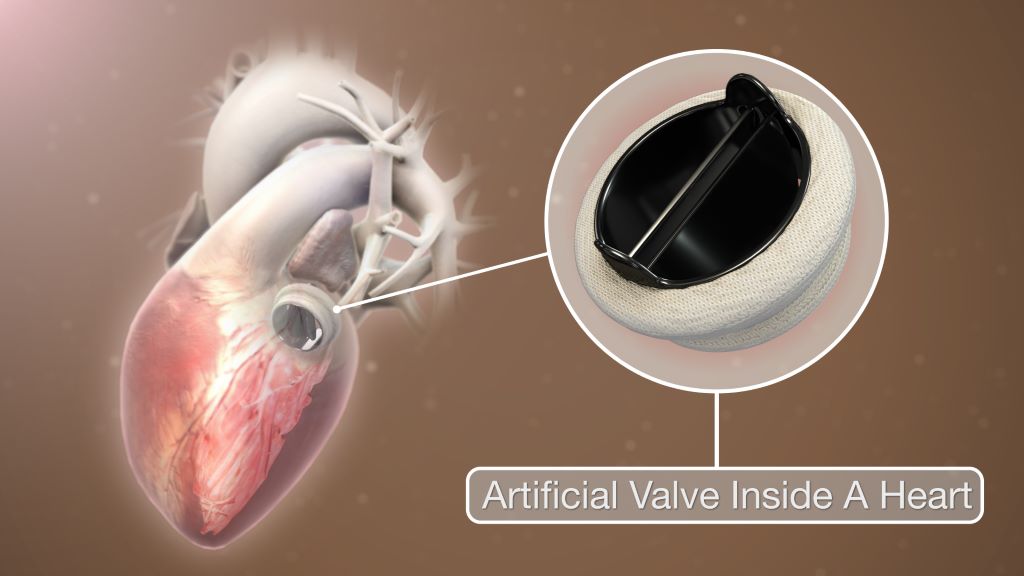
Artificial heart valve. Credit: Scientific Animations CC4.0

Researchers at Mayo Clinic are exploring the use of a new drug called ataciguat to manage aortic valve stenosis (AVS). Results from preclinical and clinical studies, published in Circulation, show that ataciguat has the potential to significantly slow disease progression. The final step to establish the drug’s long-term effectiveness and safety is a phase 3 trial, and efforts to launch that pivotal trial are soon to be underway with an industry partner.

In AVS, calcium deposits build up and narrow the aortic valve, forcing the heart to work harder to move blood. The condition typically progresses over time, with symptoms like chest pain, shortness of breath and fatigue affecting people over age 65. The current standard of care, watchful waiting, often leads to reduced quality of life before the condition is severe enough for the patient to have a surgical or interventional valve replacement.

“This research represents a significant advancement in the treatment of aortic valve stenosis,” says Jordan Miller, PhD, director of the Cardiovascular Disease and Aging Laboratory at Mayo Clinic.  “Ataciguat has the potential to substantially delay or even prevent the need for valve replacement surgery, significantly improving the lives of millions.”

Dr Miller notes that the impact extends beyond simply delaying surgery. Younger patients with aggressive disease or congenital valve defects may develop symptoms in midlife. If a patient requires valve replacement before the age of 55, there is a more than 50% likelihood they will require multiple valve replacement surgeries over their lifetime due to recalcification of the implanted valve. Ataciguat, which slowed progression of native aortic valve calcification in the clinical trial, offers the potential for a once-in-a-lifetime procedure if they can reach the age of 65. The older a patient is, the less likely the implanted valve is to calcify.

Over the past decade, Mayo Clinic’s research revealed that ataciguat reactivates a pathway crucial in preventing valvular calcification and stenosis. Preclinical studies in mice showed that this drug substantially slowed disease progression even when treatment began after the disease was established.  

Clinical trials in patients with moderate AVS demonstrated that once-daily ataciguat dosing was well tolerated, with minimal side effects compared to placebo. This latest phase 2 trial in 23 patients showed a 69.8% reduction in aortic valve calcification progression at six months compared to placebo, and patients receiving ataciguat tended to maintain better heart muscle function. Crucially, the research team confirmed that, despite its profound effect on slowing valve calcification, ataciguat did not negatively impact bone formation.

Source: Mayo Clinic

A Protein from Tardigrades may Blunt the Effects of Radiotherapy

A tardigrade, otherwise known as a “water bear”. Credit: NIH

Drawing inspiration from a tiny organism that can withstand huge amounts of radiation, researchers have developed a new strategy that may protect patients from this kind of damage. Their approach makes use of a protein from tardigrades, often also called “water bears,” which are usually less than a millimetre in length. 

When the researchers injected messenger RNA encoding this protein into mice, they found that it generated enough protein to protect cells’ DNA from radiation-induced damage. If developed for use in humans, this approach could benefit many cancer patients, the researchers say.

“Radiation can be very helpful for many tumours, but we also recognise that the side effects can be limiting. There’s an unmet need with respect to helping patients mitigate the risk of damaging adjacent tissue,” says Giovanni Traverso, an associate professor of mechanical engineering at MIT and a gastroenterologist at Brigham and Women’s Hospital.

Traverso and James Byrne, an assistant professor of radiation oncology at the University of Iowa, are the senior authors of the study, which appears in Nature Biomedical Engineering. The paper’s lead authors are Ameya Kirtane, an instructor in medicine at Harvard Medical School and a visiting scientist at MIT’s Koch Institute for Integrative Cancer Research, and Jianling Bi, a research scientist at the University of Iowa.

Extreme survival

Radiation is often used to treat cancers of the head and neck, where it can damage the mouth or throat, making it very painful to eat or drink. It is also commonly used for gastrointestinal cancers, which can lead to rectal bleeding. Many patients end up delaying treatments or stopping them altogether.

“This affects a huge number of patients, and it can manifest as something as simple as mouth sores, which can limit a person’s ability to eat because it’s so painful, to requiring hospitalization because people are suffering so terribly from the pain, weight loss, or bleeding. It can be pretty dangerous, and it’s something that we really wanted to try and address,” Byrne says.

Currently, there are very few ways to prevent radiation damage in cancer patients. There are a handful of drugs that can be given to try to reduce the damage, and for prostate cancer patients, a hydrogel can be used to create a physical barrier between the prostate and the rectum during radiation treatment.

For several years, Traverso and Byrne have been working on developing new ways to prevent radiation damage. In the new study, they were inspired by the extraordinary survival ability of tardigrades. Found all over the world, usually in aquatic environments, these organisms are well known for their resilience to extreme conditions. Scientists have even sent them into space, where they were shown to survive extreme dehydration and cosmic radiation.

One key component of tardigrades’ defence systems is a unique damage suppressor protein called Dsup, which binds to DNA and helps protect it from radiation-induced damage. This protein plays a major role in tardigrades’ ability to survive radiation doses 2000 to 3000 times higher than what a human being can tolerate.

When brainstorming ideas for novel ways to protect cancer patients from radiation, the researchers wondered if they might be able to deliver messenger RNA encoding Dsup to patient tissues before radiation treatment. This mRNA would trigger cells to transiently express the protein, protecting DNA during the treatment. After a few hours, the mRNA and protein would disappear.

For this to work, the researchers needed a way to deliver mRNA that would generate large amounts of protein in the target tissues. They screened libraries of delivery particles containing both polymer and lipid components, which have been used separately to achieve efficient mRNA delivery. From these screens, they identified one polymer-lipid particle that was best-suited for delivery to the colon, and another that was optimized to deliver mRNA to mouth tissue.

“We thought that perhaps by combining these two systems – polymers and lipids – we may be able to get the best of both worlds and get highly potent RNA delivery. And that’s essentially what we saw,” Kirtane says. “One of the strengths of our approach is that we are using a messenger RNA, which just temporarily expresses the protein, so it’s considered far safer than something like DNA, which may be incorporated into the cells’ genome.”

Protection from radiation

After showing that these particles could successfully deliver mRNA to cells grown in the lab, the researchers tested whether this approach could effectively protect tissue from radiation in a mouse model.

They injected the particles into either the cheek or the rectum several hours before giving a dose of radiation similar to what cancer patients would receive. In these mice, the researchers saw a 50 percent reduction in the amount of double-stranded DNA breaks caused by radiation.

The researchers also showed that the protective effect of the Dsup protein did not spread beyond the injection site, which is important because they don’t want to protect the tumour itself from the effects of radiation. To make this treatment more feasible for potential use in humans, the researchers now plan to work on developing a version of the Dsup protein that would not provoke an immune response, as the original tardigrade protein likely would.

If developed for use in humans, this protein could also potentially be used to protect against DNA damage caused by chemotherapy drugs, the researchers say. Another possible application would be to help prevent radiation damage in astronauts in space.

Source: MIT

Why the Road for New Heart Cell Treatments is so Long

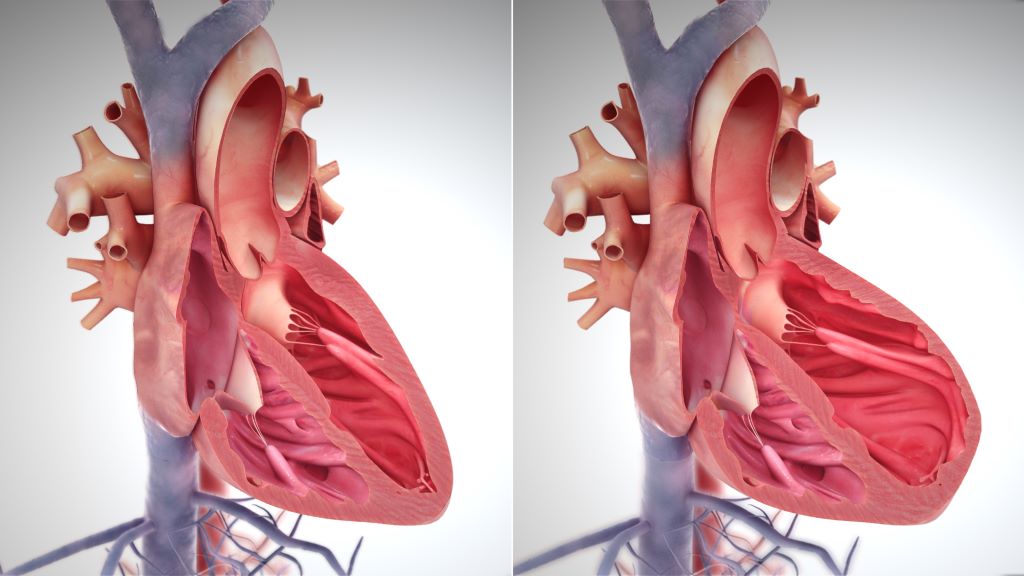
Right side heart failure. Credit: Scientific Animations CC4.0

Pathways to new treatments for heart failure take time – as long as four decades for two now accepted therapies. So, new attempts to repair scar tissue in infarcted hearts using cells or cell products need more time to develop clinical therapies that can reduce risk of death from heart failure after a heart attack.

This message is part of a critical review of cell-based and cell product-based therapies for the treatment of heart failure. The review details 20 years of completed and ongoing clinical trials. While none has gained medical approval, they have proven safe and some have shown beneficial effects.

More importantly, the reviewers note, it took longer, nearly 40 years, to optimise two current therapies to reduce mortality in heart failure: implantable cardioverter–defibrillators and guideline-directed medical therapy.

“The history of the development of life-saving medical therapies for heart failure serves as an important lesson that we should remain hopeful of the promise of cell therapy in heart failure,” Jianyi “Jay” Zhang, MD, PhD, and colleagues write in the review, “Trials and tribulations of cell therapy for heart failure: an update on ongoing trials,” published in Nature Reviews Cardiology. Zhang is professor and chair of the University of Alabama at Birmingham Department of Biomedical Engineering.

Heart failure is responsible for 13% of deaths worldwide. Half of patients with heart failure die within five years. The most common cause of heart failure is blockage of coronary arteries leading to death of the cardiomyocyte heart muscle cells. When that muscle tissue is replaced by dense scar tissue with little blood circulation, the infarcted heart loses contractile power, leading to heart enlargement, progressive loss of pumping ability, increased chance of ventricular arrhythmias and clinical end-stage heart failure.

The problem is that shortly after birth, human heart muscle cells lose their ability to divide, so a damaged infarcted heart cannot repair itself by growing new muscle cells. Thus, the simple idea behind initial cell therapies was to add or inject replacement cells to the scar area to restore muscle tissue.

The two decades since has been a long road, with bumps and turns. The three parts of the Nature Reviews Cardiology paper describe the journey. 

First is a history of the slow development, obstacles, setbacks and scepticism for two current heart failure therapies, implantable cardioverter–defibrillators and guideline-directed medical therapy. The next two sections, and main focus of the review, survey 13 completed clinical trials published in the last 12 years and 10 very recently initiated and ongoing clinical trials that are based on the lessons learned from the past 20 years of research, to assess the safety and efficacy of cell- and cell products-based therapy approaches.

While several randomised, double-blind, multicentre phase II or III trials published in the past 20 years support the concept that even a single dose of cell products has beneficial effects in patients with heart failure on optimal medical therapy, the ongoing trial are taking novel directions, Zhang says. 

These include:

  • New cell types — pluripotent stem cell-derived cardiomyocytes/ spheroids and umbilical cord-derived mesenchymal stem cells
  • Repeated intravenous injections as a noninvasive cell delivery method
  • New cell products, such as engineered epicardial cardiomyocyte patches
  • Novel cell-free products — extracellular vesicle-enriched or exosome-enriched secretomes.

“The results of these trials will continue to define and refine our understanding of cell and cell product therapy as a novel addition in the treatment of patients with heart failure,” Zhang said. 

The review acknowledges scientific criticism during the slow but consistent progress and evolution of cell therapy. Some have questioned the use of public funding to support cell therapy research for heart failure treatment, due to poorly designed or underpowered clinical trials and very modest improvements in cardiac function in preclinical studies that are not always substantiated in large-scale clinical trials.

“These criticisms must be addressed in future trials that are adequately powered and rigorously designed to ensure continued progress of the field,” Zhang said. “Critique is an essential part of science, and the basis for growth, innovation and evolution – this is no less true for the field of cell therapy.” 

Yet Zhang is confident that current research will yield clinical translation. “In the past 20 years, cell therapy has emerged and evolved as a promising avenue for cardiac repair and regeneration,” he said. “Cell therapy has encountered substantial barriers in both preclinical studies and clinical trials, but the field continues to progress and evolve through lessons learned from such research.”

Source: University of Alabama at Birmingham

Microbial Therapy Offers New Hope for Vitiligo Patients

Photo by Hanen BOUBAHRI on Unsplash

A natural compound derived from gut-friendly bacteria significantly slows the progression of vitiligo and may restore pigmentation, reports a new Northwestern University pre-clinical study in mice. 

The findings, published in the Journal of Investigative Dermatology, could offer hope to millions affected by the autoimmune disease, which causes visible patches of skin discoloration and carries profound emotional and physical consequences.

“The results in our model were astonishing,” said senior study author I. Caroline Le Poole, a professor of dermatology and microbiology-immunology at Northwestern University Feinberg School of Medicine. 

“We found that administering a microbial compound weekly to vitiligo-prone mice significantly suppressed disease progression. It made a spectacular difference in an aggressive model of the disease.”

What is vitiligo?

Vitiligo affects 0.5% to 2% of the global population and is linked to other health challenges, including higher risks of cardiovascular disease, psychological distress and endocrine disorders.

Discoloration often appears on the face, scalp, hands and arms, as well as around body openings like the mouth and genitals. Many individuals with vitiligo also have at least one other autoimmune condition.

How the study was conducted

Le Poole and her colleagues administered a microbial product weekly to vitiligo-prone mice over an 18-week period. By the end, pigment loss on the mice’s backs was reduced by 74%.

The product reduced killer T cells that attack the skin’s pigment and increased protective regulatory T cells, which are typically scarce in vitiligo patients.

“This simple microbial compound could work as a standalone therapy, or in synergy with existing treatments,” Le Poole said.

Existing therapy has limitations

In 2022, the FDA approved the first re-pigmentation therapy for vitiligo: Opzelura (ruxolitinib) cream. Clinical trials found that only 30% of patients using the cream regained 75% or more skin re-pigmentation on the face.

“Our findings about the effectiveness of microbial therapy could give hope to patients who are not well-served by existing treatments,” Le Poole said.

Vitiligo is more severe in patients with darker skin

Le Poole, who has spent more than 30 years studying vitiligo, said the disease has been found to be more severe in people with darker skin tones. The visibility of the discolouration in people with darker skin can also amplify stigma and emotional distress. 

“Patients often feel powerless as they watch their disease progress, unsure how they will look next month,” Le Poole said. “For many, stabilising the disease would be life changing.” 

While the disease can affect self-esteem – particularly for adolescents navigating social pressures – some people embrace it.

“We’ve seen beautiful models with vitiligo challenging societal norms, and that’s wonderful,” Le Poole added. “But for those who want treatment, it’s important to provide real options that can halt disease progression.”

Next steps

The next challenge is adapting the microbial product for human use. “Weekly injections could work, but we need to explore simpler options, like a food additive or ointment,” said Le Poole. “We also need to understand how long the effects last and the best timing for treatment.”

Le Poole added that the same microbial compound she and her colleagues injected in mice could potentially treat other autoimmune conditions, particularly those involving killer T cells in the skin.  

“Our next step is collaborating with scientists from several institutions to refine the compound, understand its mechanisms and determine whether it works alongside existing treatments for auto-immune disease.”

Source: Northwestern University

New Potential Treatment for Inherited Blinding Disease Retinitis Pigmentosa

Researchers used a computer screening approach to identify two compounds that could help prevent vision loss in people with a genetic eye disease

Photoreceptor cells in the retina. Credit: Scientific Animations

Two new compounds may be able to treat retinitis pigmentosa, a group of inherited eye diseases that cause blindness. The compounds, described in a study published January 14th in the open-access journal PLOS Biology by Beata Jastrzebska from Case Western Reserve University, US, and colleagues, were identified using a virtual screening approach.

In retinitis pigmentosa, the retina protein rhodopsin is often misfolded due to genetic mutations, causing retinal cells to die off and leading to progressive blindness. Small molecules to correct rhodopsin folding are urgently needed to treat the estimated 100 000 people in the United States with the disease. Current experimental treatments include retinoid compounds, such as synthetic vitamin A derivatives, which are sensitive to light and can be toxic, leading to several drawbacks.

In the new study, researchers utilised virtual screening to search for new drug-like molecules that bind to and stabilise the structure of rhodopsin to improve its folding and movement through the cell. Two non-retinoid compounds were identified which met these criteria and had the ability to cross the blood-brain and blood-retina barriers. The team tested the compounds in the lab and showed that they improved cell surface expression of rhodopsin in 36 of 123 genetic subtypes of retinitis pigmentosa, including the most common one. Additionally, they protected against retinal degeneration in mice with retinitis pigmentosa.

“Importantly, treatment with either compound improved the overall retina health and function in these mice by prolonging the survival of their photoreceptors,” the authors say. However, they note that additional studies of the compounds or related compounds are needed before testing the treatments in humans.

The authors add, “Inherited mutations in the rhodopsin gene cause retinitis pigmentosa (RP), a progressive and currently untreatable blinding disease. This study identifies small molecule pharmacochaperones that suppress the pathogenic effects of various rhodopsin mutants in vitro and slow photoreceptor cell death in a mouse model of RP, offering a potential new therapeutic approach to prevent vision loss.”

Provided by PLOS

Noble Intentions: Xenon Gas might Protect against Alzheimer’s

By Alchemist-hp (talk) (www.pse-mendelejew.de) – Own work, FAL

Most treatments being pursued today to protect against Alzheimer’s disease focus on amyloid plaques and tau tangles that accumulate in the brain, but new research from Mass General Brigham and Washington University School of Medicine in St. Louis points to a novel – and noble – approach: using xenon gas. The study found that xenon gas inhalation suppressed neuroinflammation, reduced brain atrophy, and increased protective neuronal states in mouse models of Alzheimer’s disease. Results are published in Science Translational Medicine, and a phase 1 clinical trial of the treatment in healthy volunteers will begin in early 2025.

“It is a very novel discovery showing that simply inhaling an inert gas can have such a profound neuroprotective effect,” said senior and co-corresponding author Oleg Butovsky, PhD, at Brigham and Women’s Hospital (BWH). “One of the main limitations in the field of Alzheimer’s disease research and treatment is that it is extremely difficult to design medications that can pass the blood-brain barrier – but senon gas does. We look forward to seeing this novel approach tested in humans.”

“It is exciting that in both animal models that model different aspects of Alzheimer’s disease, amyloid pathology in one model and tau pathology in another model, that Xenon had protective effects in both situations,” said senior and co-corresponding author David M. Holtzman, MD, from Washington University School of Medicine in St. Louis.

The causes of Alzheimer’s disease are not fully understood; there is currently no cure, and more effective treatments are desperately needed. Characterised by protein buildups in the brain, including tau and amyloid, Alzheimer’s disease disrupts nerve cell communication and causes progressive brain abnormalities that lead to neuronal damage and ultimately to death. Microglia, the brain’s primary and most prominent immune cells, act as ‘first responders’ when something goes awry in the brain, and they play a key role in regulating brain function in all phases of development. Microglial dysregulation is a key component of Alzheimer’s disease. Butovsky’s lab previously designed a way to study how microglia respond to neurodegeneration and confirmed that a specific phenotype of microglia can be modulated in a way that is protective in Alzheimer’s disease.

In this study, mouse models of Alzheimer’s disease were treated with xenon gas that has been used in human medicine as an anesthetic and as a neuroprotectant for treating brain injuries. Xenon gas penetrates the blood-brain barrier, passing from the bloodstream directly into the fluid surrounding the brain. The team found that xenon gas inhalation reduced brain atrophy and neuroinflammation and improved nest-building behaviours in the Alzheimer’s disease mouse models. It also induced and increased a protective microglial response that is associated with clearing amyloid and improving cognition. Together, these findings identify the promising potential of xenon inhalation as a therapeutic approach that could modify microglial activity and reduce neurodegeneration in Alzheimer’s disease.

The clinical trial at Brigham and Women’s Hospital, which will initially only enrol healthy volunteers, is set to begin in the next few months.

As early phases of the clinical trial get underway to establish safety and dosage, the research team plans to continue to study the mechanisms by which xenon gas achieves its effects in addition to its potential for treating other diseases such as multiple sclerosis, amyotrophic lateral sclerosis, and eye diseases that involve the loss of neurons. The team is also devising technologies to help use xenon gas more efficiently as well as potentially recycle it.

“If the clinical trial goes well, the opportunities for the use of Xenon gas are great,” said co-author Howard Weiner, MD, co-director of the Ann Romney Center for Neurologic Diseases at BWH and principal investigator of the upcoming clinical trial. “It could open the door to new treatments for helping patients with neurologic diseases.”

Source: Mass General Brigham

New Drug Shows Promise against Duchenne Muscular Dystrophy

Photo by Jon Tyson on Unsplash

A novel drug holds promise for treating Duchenne muscular dystrophy (DMD), a rare genetic disorder that causes severe muscle degeneration.

McGill University researchers have discovered that an experimental compound called K884 can boost the natural repair abilities of muscle stem cells. Current treatments can slow muscle damage, but don’t address the root problem.

DMD affects about one in 5000 boys worldwide, often leading to wheelchair dependence by the teenage years and life-threatening complications in early adulthood.

“By strengthening muscle repair rather than just slowing degeneration, therapies that stimulate muscle stem cell function have the potential to improve quality of life for DMD patients. It may help restore muscle function and, ultimately, offer greater independence,” said senior author Natasha Chang, Assistant Professor in McGill’s Department of Biochemistry.

Building stronger muscles from stem cells

Biotechnology company Kanyr Pharma originally developed the drug for cancer and metabolic diseases, but it has not yet been approved for any specific use. This preclinical study marks the first time the drug has been tested in DMD cells.

The researchers put DMD-affected muscle stem cells from humans and mice under the microscope to see how they responded to the drug. They observed that experimental drug blocks specific enzymes, allowing muscle stem cells to develop into functional muscle tissue.

“What makes K884 particularly promising is its precision. It targets DMD-affected cells without affecting healthy muscle stem cells,” said Chang.

Unlike gene therapy, which targets specific genetic mutations and isn’t suitable for all patients, K884 works at the cellular level, restoring muscle repair regardless of the mutation causing the disease. This makes it a potential treatment option for all DMD patients, she added.

A new understanding of DMD

The findings, published in Life Science Allianceadd to a growing body of evidence that challenges previous assumptions about DMD’s root cause.

“This disease has historically been seen as a muscle problem caused by a missing protein called dystrophin,” said Chang. “But new research, including our own, shows that restoring stem cell function is just as critical for repairing muscle.”

The team plans to keep testing the drug, focusing on its safety and long-term effects, while also exploring other related compounds, some of which are already involved in early human trials.

Source: McGill University

Magnetic Fields Boost Doxorubicin Uptake in Breast Cancer Treatment

Colourised scanning electron micrograph of a breast cancer cell. Credit: NIH

Researchers at the National University of Singapore (NUS) have developed a non-invasive method to improve the effectiveness of chemotherapy while reducing its harmful side effects.

By applying brief, localised pulses of magnetic fields, the team demonstrated a significant increase in the uptake of doxorubicin (DOX), a widely used chemotherapy drug, into breast cancer cells, with minimal impact on healthy tissues. This selective uptake enables more precise targeting of cancer cells, potentially improving treatment outcomes and reducing the adverse effects often associated with chemotherapy.

The study, led by Associate Professor Alfredo Franco-Obregón at NUS, is the first to systematically show how pulsed magnetic fields enhance DOX uptake in cancer cells. The team also showed that this approach could suppress tumours at lower drug doses.

The team’s research was published in the journal Cancers. It builds on earlier work from 2022, which first revealed that certain cancer cells are more vulnerable to magnetic field therapy.

Better chemotherapy outcomes and fewer side effects

DOX is a commonly used chemotherapy drug for breast cancer. It works by binding to DNA components and disrupting cell replication and respiration, which then kills off cancer cells. Despite its efficacy, it is a non-selective drug, which means it can also damage healthy tissues, leading to side effects ranging from mild to severe, including cardiomyopathy and muscle atrophy.

To address these challenges, the NUS researchers developed a novel approach that uses brief pulses of magnetic fields to selectively increase DOX uptake into breast cancer cells. Their study revealed the role of a calcium ion channel known as TRPC1, which is often found in aggressive cancers, including breast cancer. Magnetic field exposure activates TRPC1, enhancing its ability to facilitate the entry of DOX into cancer cells.

The researchers conducted experiments comparing the effects of the magnetic field therapy on human breast cancer cells and healthy muscle cells. They found that breast cancer cells took in significantly more DOX when exposed to magnetic pulses, while normal tissues were not targeted as much. A 10-minute magnetic field exposure reduced the drug concentration needed for similar amount of cancer killing by half, particularly at low doses of the drug.

In contrast, healthy muscle cells did not show an increase in cell death in response to the combination of DOX and magnetic pulses indicating greater protection for non-cancerous tissues.

The team also demonstrated that reducing TRPC1 expression or blocking its activity eliminated this effect, which confirms the crucial role of TRPC1 channels in the process. “Importantly, when we increased the amount of TRPC1, we observed an increase in DOX uptake – this means that TRPC1 can be used as a viable therapeutic target for aggressive cancers,” said first author Mr Viresh Krishnan Sukumar, PhD candidate at NUS Centre for Cancer Research (N2CR).

“What’s promising is that this mechanism works strongest at low drug concentrations, enabling us to target cancer cells more effectively while reducing the burden of chemotherapy on healthy tissues,” Assoc Prof Franco-Obregón added.

With breast cancer remaining the leading cause of cancer-related deaths among women worldwide, the need for novel treatment strategies is urgent. “The majority of women who undergo chemotherapy experience side effects from treatment, and in some cases, doses of chemotherapy need to be reduced, or in severe cases, stopped prematurely,” said Assistant Professor Joline Lim, Principal Investigator at N2CR and Senior Consultant, Department of Haematology-Oncology, National University Cancer Institute, Singapore. “Moreover, prolonged exposure to high-dose chemotherapy can also lead to drug resistance. This targeted approach represents an excellent opportunity to potentially improve treatment outcomes while preserving patients’ quality of life.”

Advancing the frontier of precision oncology

The team’s magnetic-assisted approach addresses one of the biggest challenges of chemotherapy, namely its toxic effects on healthy tissues. By selectively enhancing drug uptake into cancer cells, this method has the potential to drastically reduce the systemic side effects often experienced by breast cancer patients. This not only improves treatment outcomes and quality of life, but also encourages earlier treatment for those hesitant about treatment side effects. The study also underscores the role of biomarkers, such as elevated TRPC1 expression, in transforming cancer care by enabling precision-driven treatment options.

Future work will focus on translating these findings into clinical practice by localising magnetic field exposure specifically to tumours in patients. This would further validate the potential to reduce systemic DOX doses while maximising localised drug delivery in cancer cells.

“Our approach will be patented and form the foundation for a startup specialising in breast cancer treatment. We are currently in discussions with potential investors in Southeast Asia and the United States to translate this technology from bench to bedside,” shared Assoc Prof Franco-Obregón. National University Cancer Institute, Singapore. “Moreover, prolonged exposure to high-dose chemotherapy can also lead to drug resistance. This targeted approach represents an excellent opportunity to potentially improve treatment outcomes while preserving patients’ quality of life.”

Source: National University of Singapore