Category: Metabolic Disorders

Artificial Pancreas Successfully Trialled for Type 2 Diabetes

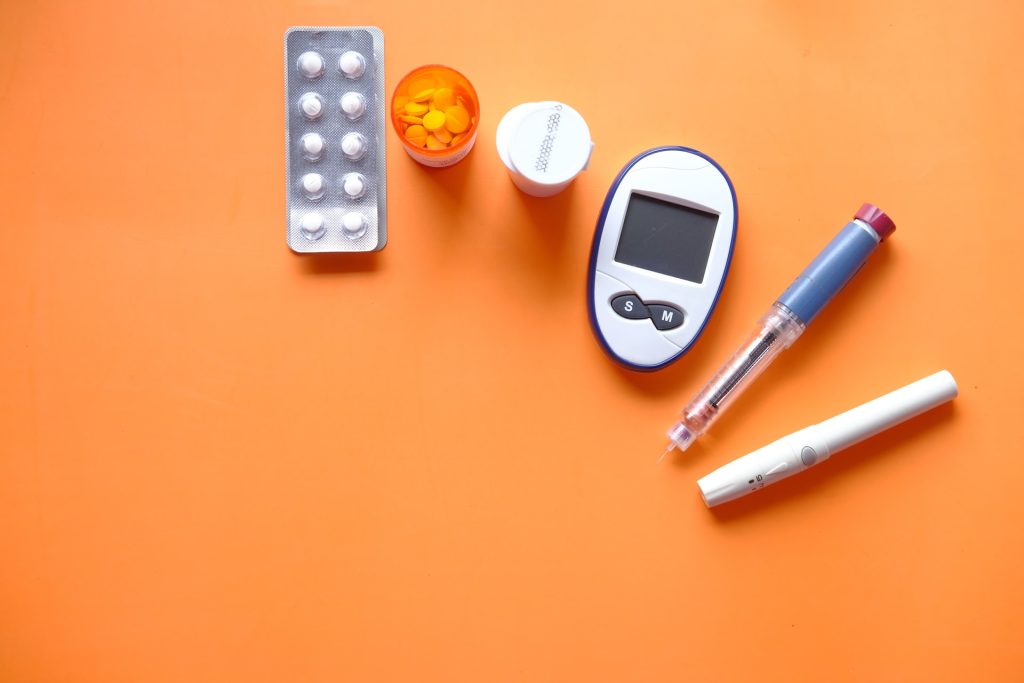
Diabetes - person measures blood glucose
Photo by Photomix Company from Pexels

Cambridge scientists have successfully trialled an artificial pancreas for use by patients living with type 2 diabetes. They report in Nature Medicine that the device doubled the amount of time patients were in the target range for glucose compared to standard treatment and halved the time spent experiencing high glucose levels.

The artificial pancreas developed by University of Cambridge researchers combines an off-the-shelf glucose monitor and insulin pump with an app developed by the team, known as CamAPS HX. This app is run by an algorithm that predicts how much insulin is required to maintain glucose levels in the target range.

The researchers have previously shown that an artificial pancreas run by a similar algorithm is effective for patients living with type 1 diabetes, from adults through to very young children. They have also successfully trialled the device in patients with type 2 diabetes who require kidney dialysis.

Today, in Nature Medicine, the team report the first trial of the device in a wider population living with type 2 diabetes (not requiring kidney dialysis). Unlike the artificial pancreas used for type 1 diabetes, this new version is a fully closed loop system, whereas patients with type 1 diabetes need to tell their artificial pancreas that they are about to eat to allow adjustment of insulin, for example, with this version they can leave the device to function entirely automatically.

The researchers recruited 26 patients who were randomised to one of two groups – the first group would trial the artificial pancreas for eight weeks and then switch to the standard therapy of multiple daily insulin injections; the second group would take this control therapy first and then switch to the artificial pancreas after eight weeks.

The team used several measures to assess how effectively the artificial pancreas worked. The first was the proportion of time that patients spent with their glucose levels within a target range of between 3.9 and 10.0mmol/L. On average, patients using the artificial pancreas spent two-thirds (66%) of their time within the target range, compared to control (32%).

A second measure was the proportion of time spent with glucose levels above 10.0mmol/L. Over time, high glucose levels raise the risk of potentially serious complications. Patients taking the control therapy spent two-thirds (67%) of their time with high glucose levels — this was halved to 33% when using the artificial pancreas.

Average glucose levels fell from 12.6mmol/L when taking the control therapy to 9.2mmol/L while using the artificial pancreas.

The app also reduced levels of a molecule known as glycated haemoglobin, or HbA1c. Glycated haemoglobin develops when haemoglobin, a protein within red blood cells that carries oxygen throughout the body, joins with glucose in the blood, becoming ‘glycated’. By measuring HbA1c, clinicians are able to get an overall picture of what a person’s average blood sugar levels have been over a period of weeks or months. For people with diabetes, the higher the HbA1c, the greater the risk of developing diabetes-related complications. After the control therapy, average HbA1c levels were 8.7%, while after using the artificial pancreas they were 7.3%.

No patients experienced dangerously-low blood sugar levels (hypoglycaemia) during the study. One patient was admitted to hospital while using the artificial pancreas, due to an abscess at the site of the pump cannula.

Dr Charlotte Boughton from the Wellcome-MRC Institute of Metabolic Science at the University of Cambridge, who co-led the study, said: “Many people with type 2 diabetes struggle to manage their blood sugar levels using the currently available treatments, such as insulin injections. The artificial pancreas can provide a safe and effective approach to help them, and the technology is simple to use and can be implemented safely at home.”

Dr Aideen Daly, also from the Wellcome-MRC Institute of Metabolic Science, said: “One of the barriers to widespread use of insulin therapy has been concern over the risk of severe ‘hypos’ — dangerously low blood sugar levels. But we found that no patients on our trial experienced these and patients spent very little time with blood sugar levels lower than the target levels.”

Feedback from participants suggested that participants were happy to have their glucose levels controlled automatically by the system, and nine out of ten (89%) reported spending less time managing their diabetes overall. Users highlighted the elimination of the need for injections or fingerprick testing, and increased confidence in managing blood glucose as key benefits. Downsides included increased anxiety about the risk of hypoglycaemia, which the researchers say may reflect increased awareness and monitoring of glucose levels, and practical annoyances with wearing of devices.

The team now plan to carry out a much larger multicentre study to build on their findings and have submitted the device for regulatory approval with a view to making it commercially available for outpatients with type 2 diabetes.

Source: University of Cambridge

Why Obesity’s Health Impacts are Worse for Males

Toilet sign male and female
Photo by Tim Mossholder on Unsplash

A newly published study in iScience sheds light on the biological underpinnings in sex differences in obesity-related disease, with researchers observing “striking” differences in the cells that build blood vessels in the fatty tissue of male versus female mice.

Men are more likely than women to develop conditions associated with obesity such as cardiovascular disease, insulin resistance and diabetes, says study leader Professor Tara Haas at York University.

“People have used rodent models to study obesity, and the diseases that are associated with obesity – like diabetes – but they’ve typically always studied male rodents, because females are resistant to developing the same kinds of diseases,” says Haas. “We were really interested in exploring that difference because, to us, it spoke of something really fascinating happening in females that protects them.”

In earlier work, Haas and her team saw that when mice become obese, females grow a lot of new blood vessels to supply the expanding fat tissue with oxygen and nutrients, whereas males grow a lot less. For this study, Haas and her co-authors focused on differences in the endothelial cells that make up the building blocks of these blood vessels in fat tissue.

The team used software to help sift through thousands of genes to zero in on the ones that would be associated with blood vessel growth. They discovered that processes associated with the proliferation of new blood vessels were high in the female mice, whereas the males had a high level of processes associated with inflammation.

“It was very striking the extent of inflammation-associated processes that were prevalent in the males,” Haas recalls. “Other studies have shown that when endothelial cells have that kind of inflammatory response, they’re very dysfunctional, and they don’t respond to stimuli properly.”

York PhD student Alexandra Pislaru, who works in Haas’ lab and is a co-first author of the study, participated in this project as part of her dissertation.

“It is exciting to observe the continuing resilience that female endothelial cells display even when stressed by a long-term high-fat diet,” Pislaru says. “The findings from our study can help researchers to get a better understanding of why obesity manifests differently in men and women.”

The researchers also examined the behaviour of the endothelial cells when they were taken out of the body and studied in petri dishes.

“Even when we take them out of the body where they don’t have the circulating sex hormones or other kinds of factors, male and female endothelial cells still behave very differently from each other,” Haas explains.

Female endothelial cells replicated faster, while male endothelial cells displayed greater sensitivity to an inflammatory stimulus. By comparing with previously published data sets, the researchers found endothelial cells from aged male mice also displayed a more inflammatory profile compared to female cells.

“You can’t make the assumption that both sexes are going to respond to the same series of events the same way,” says Haas. “This isn’t just an obesity related issue – I think it’s a much broader conceptual problem that also encompasses healthy aging. One implication of our findings is that there will be situations where the treatment that is ideal for men is not going to be ideal for women and vice-versa.”

While humans and mice have different genes that may be turned up or down, Haas believes the general findings would likely apply and is interested studying the same cells in humans in future research.

Source: York University

New Guidelines Recommend Aggressive Intervention in Childhood Obesity

Photo by Patrick Fore on Unsplash

New clinical guidelines from the American Academy of Pediatrics (AAP) advise “immediate, intensive obesity treatment to each patient” upon diagnosis of childhood obesity. Published in the journal Pediatrics, these recommendations stands in marked contrast from other, previous guidelines.

The guidelines are summarised in key action statements, some of which recommend children ages 6 and up (and sometimes 2 to 5) with overweight or obesity to intensive health behaviour and lifestyle therapy.

In children 12 and older, the guidelines advise consideration of weight-loss pharmacotherapy. In case of severe obesity (BMI ≥35 or 120% of the 95th percentile for age and sex, whichever is lower) for adolescents 13 and older, clinicians should offer referrals for evaluation for metabolic and bariatric surgery.

Author Sarah Armstrong, MD, co-director of the Duke Center for Childhood Obesity Research told Medpage Today that “This is one of the most important messages that differentiates our current clinical practice guidelines from the prior recommendations, and that is to say 15 years of data have taught us that ‘watchful waiting’ only leads to greater increase in child BMI, accumulation of comorbidities, and more challenges in trying to reverse some of this.”

The guidelines also recommend regularly screening children ages 2 years and up for obesity, and comprehensively evaluating children and adolescents with overweight and obesity for related comorbidities.

Clinicians are also advised to treat children and adolescents for overweight/obesity and comorbidities concurrently, in line with principles of the chronic care model, using a non-stigmatising approach centred around the family.

The guidelines are based on a comprehensive evidence review of controlled and comparative effectiveness trials and high-quality longitudinal and epidemiologic studies. In a pair of accompanying technical reports, the authors give detailed descriptions of the evidence review behind the development of the guidelines.

Gut Bacteria may Contribute to Type 2 Diabetes

Gut microbiome. Credit: Darryl Leja, NIH

One type of bacteria found in the gut may contribute to the development of Type 2 diabetes, while another may protect from the disease, according to a study published in the journal Diabetes.

The study found people with higher levels of a bacterium called Coprococcus tended to have higher insulin sensitivity, while those whose microbiomes had higher levels of the bacterium Flavonifractor tended to have lower insulin sensitivity.

Studies of the gut microbiome have found that people who don’t process insulin properly have lower levels of a certain type of bacteria that produce a type of fatty acid called butyrate.

Mark Goodarzi, MD, PhD, the director of the Endocrine Genetics Laboratory at Cedars-Sinai, is leading an ongoing study that is following and observing people at risk for diabetes to learn whether those with lower levels of these bacteria develop the disease.

“The big question we’re hoping to address is: Did the microbiome differences cause the diabetes, or did the diabetes cause the microbiome differences?” said Goodarzi, who is the senior author of the study and principal investigator of the Microbiome and Insulin Longitudinal Evaluation Study (MILES).

An earlier cohort study from the MILES trial found that birth by caesarean section is associated with a higher risk for developing prediabetes and diabetes. For the present study, investigators analysed data from 352 people without known diabetes.

Study participants were asked to attend three clinic visits and collect stool samples prior to the visits. Investigators analysed data collected at the first visit. They conducted genetic sequencing on the stool samples, for example, to study the participants’ microbiomes, and specifically look for bacteria that earlier studies have found to be associated with insulin resistance. Each participant also filled out a diet questionnaire and took an oral glucose tolerance test, which was used to determine ability to process glucose.

Investigators found 28 people had oral glucose tolerance results that met the criteria for diabetes. They also found that 135 people had prediabetes, a condition in which a person’s blood-sugar levels are higher than normal but not high enough to meet the definition of diabetes.

The research team analysed associations between 36 butyrate-producing bacteria found in the stool samples and a person’s ability to maintain normal levels of insulin. They controlled for factors that could also contribute to a person’s diabetes risk, such as age, sex, body mass index and race. Coprococcus and related bacteria formed a network of bacteria with beneficial effects on insulin sensitivity. Despite being a producer of butyrate, Flavonifractor was associated with insulin resistance; prior work by others have found higher levels of Flavonifractor in the stool of people with diabetes.

Investigators are continuing to study samples from patients who participated in this study to learn how insulin production and the composition of the microbiome change over time. They also plan to study how diet may affect the bacterial balance of the microbiome.

Goodarzi emphasised, however, that it is too early to know how people can change their microbiome to reduce their diabetes risk.

“As far as the idea of taking probiotics, that would really be somewhat experimental,” said Goodarzi, who is also the Eris M. Field Chair in Diabetes Research at Cedars-Sinai. “We need more research to identify the specific bacteria that we need to be modulating to prevent or treat diabetes, but it’s coming, probably in the next five to 10 years.”

Source: Cedars-Sinai Medical Center

In Some Diabetes Patients, Intermittent Fasting Induces Remission

Photo by Towfiqu Barbhuiya on Unsplash

After an intermittent fasting diet intervention, patients achieved complete diabetes remission, defined as an HbA1c level of < 6.5% at least one year after stopping diabetes medication, according to a new study published in the Journal of Clinical Endocrinology & Metabolism.

Intermittent fasting diets, which involve restricting eating to a specific window of time, have become popular in recent years as an effective weight loss method. Previous studies have shown that intermittent fasting can lower the risk of diabetes and heart disease.

“Type 2 diabetes is not necessarily a permanent, lifelong disease. Diabetes remission is possible if patients lose weight by changing their diet and exercise habits,” said Dongbo Liu, PhD, of Hunan Agricultural University in China. “Our research shows an intermittent fasting, Chinese Medical Nutrition Therapy (CMNT), can lead to diabetes remission in people with type 2 diabetes, and these findings could have a major impact on the over 537 million adults worldwide who suffer from the disease.”

The researchers conducted a 3-month intermittent fasting diet intervention among 36 people with diabetes and found almost 90% of participants, including those who took blood sugar-lowering agents and insulin, reduced their diabetes medication intake after intermittent fasting. Fifty-five percent of these people experienced diabetes remission, discontinued their diabetes medication and maintained it for at least one year.

The study challenges the conventional view that diabetes remission can only be achieved in those with a shorter diabetes duration (0–6 years). Sixty-five percent of the study participants who achieved diabetes remission had a diabetes duration of more than six years (6–11 years).

“Diabetes medications are costly and a barrier for many patients who are trying to effectively manage their diabetes. Our study saw medication costs decrease by 77% in people with diabetes after intermittent fasting,” Liu said.

Source: The Endocrine Society

Difficulty Sleeping Linked to Indicators of Poor Cardiometabolic Health

Sleeping man
Photo by Mert Kahveci on Unsplash

In the first study of its kind, University of South Australia researchers report that people who reported trouble sleeping were on average more likely to have indicators of poor cardiometabolic health – inflammatory markers, cholesterol and body weight – which can contribute to type 2 diabetes. The study was published in The Science of Diabetes Self-Management and Care.

Type 2 diabetes affects more than 422 million people around the globe.

As the Christmas season starts to ramp up, the UniSA researchers are reminding people to prioritise a good night’s sleep as new research shows that a troubled sleep may be associated with risk factors for type 2 diabetes.

UniSA researcher Dr Lisa Matricciani says different aspects of sleep are associated with risk factors for diabetes.

“Everyone knows that sleep is important. But when we think about sleep, we mainly focus on how many hours of sleep we get, when we should also be looking at our sleep experience as a whole,” Dr Matricciani says.

“How soundly we sleep, when we go to bed and get up, and how regular our sleep habits are, may be just as important as sleep duration.”

“In this study, we examined the association of different aspects of sleep, and risk factors for diabetes, and found a connection between those who had troubled sleep and those who were at risk of type 2 diabetes.”

The study assessed more than 1000 Australian adults* with a median age of 44.8 years. Researchers examined a range of sleep characteristics: self-report trouble sleeping, duration, timing, efficiency, and day-to-day sleep length variability.

“People who reported having trouble sleeping were also more likely to have a higher body mass index, as well as blood markers of cholesterol and inflammation,” Dr Matricciani says.

“When it comes down to the crunch, we know we must prioritise our sleep to help stay in good health. More research is needed, but as this study shows, it’s important to think about sleep as a whole, not just as one aspect.”

Notes

  • *Most participants (87%) were mothers.
  • 48% of all participants reported that they never had troubled sleep.

Source: University of South Australia

New Material Speeds up Diabetic Wound Healing

Photo by Diana Polekhina on Unsplash

University of Nottingham researchers have discovered a new class of polymer that can aid healing in hard-to-treat diabetic wounds by providing instructions to both immune and non-immune cells. This new material that can be applied to diabetic wounds to accelerated healing with just one application. The findings have been published in Advanced Materials.

Wound healing is a complex biological process that involves various cell types working together, with a cell type called fibroblasts playing a critical role in forming new tissue required for healing. Diabetes can disrupt these processes in cells making wound healing slow and difficult to treat. This can lead to infection and in extreme cases the need for amputation.

Experts from the School of Life Sciences and Pharmacy screened 315 different polymer surfaces, examining the different chemical make-up of each until they identified a polymer type that actively drives fibroblasts and immune cells to promote healing. A team from the School of Engineering made small particles that are decorated with this polymer on their surface. These particles could be directly applied to the wound area.

The long, repeating chain structure of polymers gives them unique properties that can be tailored for different uses. Using polymer microparticles the team showed how this new material, when delivered to a wound on an animal model, produces three times more fibroblast activity over a period of up to 96 hours and achieved more than 80% wound closure.

This new polymer could be applied as a coating to standard wound dressings to provide a fast and effective treatment.

Source: University of Nottingham

Metabolic Syndrome Increases Gout Risk Nearly Four-fold

Doctor shows an X-ray of a foot
Photo by Tima Miroshnichenko on Pexels

In a population-based study published in Arthritis & Rheumatology, researchers found that men with metabolic syndrome (MetS) and those who developed MetS – especially those with the MetS components of elevated triglycerides and abdominal obesity – were at higher risk of developing gout.

Gout is one of the most common causes of chronic inflammatory arthritis, characterised by monosodium urate (MSU) monohydrate crystals deposition in the tissues. 

Dietary sources that can contribute to hyperuricemia and gout include the consumption of animal food such as seafood (eg, shrimp, lobster), organs (eg, liver and kidney), and red meat (pork, beef). Some drinks like alcohol and sweetened drinks may also contribute to this disease. Epidemiological studies reported an increased disease burden of gout, which is largely explained by lifestyle changes like increased protein consumption and a sedentary lifestyle. 

The study included nearly 1.3 million men aged 20–39 years who participated in three serial health check-ups at two-year intervals. Among these participants, 18 473 developed gout, and those with MetS at all checkups had a nearly four-fold higher risk than participants who were MetS-free. Development of MetS more than doubled the risk of incident gout. Conversely, recovery from MetS reduced incident gout risk by nearly half.

Among MetS components, changes in elevated triglycerides and abdominal obesity displayed the greatest association with altered risk of incident gout. Age was also a factor: associations among MetS changes and incident gout were more pronounced in subjects in their 20s than subjects in their 30s and in subjects who were under- or normal weight.

“This is the first large-scale study to explore the association between dynamic changes in MetS and risk of gout,” said co–corresponding author Jaejoon Lee, MD, PhD of the Sungkyunkwan University School of Medicine, in South Korea. “Prevention and recovery from MetS can significantly lower the risk of gout in young adults.”

Source: Wiley

Surprising Reasons for Hospitalisation among Type 2 Diabetes Patients

Photo by Andrea Piacquadio on Unsplash

Findings from a new study published in Diabetes Research and Clinical Practice reveal that some unexpected conditions such as iron deficiency anaemia are leading to more hospitalisations in people living with type 2 diabetes compared to the general population.

The emergence of iron deficiency anaemia, mental health disorders and gastrointestinal disorders as leading reasons for excess hospitalisation  among those with type 2 diabetes compared to the general population came as a surprise.

The study from Baker Heart and Diabetes Institute found that people with type 2 diabetes are far more likely to be hospitalised with iron deficiency anaemia than those without diabetes.

“We’ve never seen this result described before,” said lead researcher, Professor Dianna Magliano. “The burden of anaemia in those with type 2 diabetes was one of the most surprising observations. While it’s known that diabetes can contribute to anaemia through reduced iron absorption, gastrointestinal bleeding and through complications that cause anaemia, it was unexpected to see the association between diabetes and iron deficiency anaemia feature so significantly as a complication.”

The study used data from 456 265 people with type 2 diabetes registered in the National Diabetes Services Scheme between 2010–2017. Previous studies have assessed hospitalisations by disease group but this study is the first of its kind to delve into the specifics of hospitalisations for people living with type 2 diabetes.

“Because we now have better diabetes management, the proportion of those presenting to hospital with cardiovascular disease and kidney disease is reducing,” Prof Magliano said. “But we are now seeing a diversification of diabetes complications.

“This is an important clinical finding as it means we may have to reassess diabetes management to include treatment and prevention of these other rising conditions.”

Prof Magliano’s team will conduct further studies using other datasets to validate the recent findings and explore the mechanisms underpinning these findings.

“Our findings suggest the possibility of a biological link between type 2 diabetes and iron deficiency anaemia, but further research is required to confirm this,” she said.

Iron deficiency anaemia can cause fatigue, dizziness, a rapid or irregular heartbeat, and can put extra stress on the heart. It is usually easily treatable.

“Recognising that this is an issue, and working out what is causing the problem, will help us to identify and treat iron deficiency before it gets to a stage of needing a hospital admission,” said co-author Professor Jonathan Shaw.

The leading cause of excess hospitalisations for men living with type 2 diabetes was cellulitis, a well-known complication of diabetes. Other well-known complications that were responsible for large numbers of excess hospitalisations included heart failure, heart attack and angina.

However, mental health disorders, including stress disorders, depression, and schizophrenia, had levels of hospitalisations that in some cases exceeded the top-ranked traditional diabetes complications. 

“In men, stress disorders accounted for the highest number of excess admissions of all diagnoses, with the exception of cellulitis,” Prof Magliano said. “This reinforces the evidence that mental health disorders are also an emerging complication of diabetes.”

Asthma was also associated with a high number of hospitalisations in women. While this is a novel finding, there is evidence suggesting a link between obesity, diabetes, and asthma, which is thought to be related to high cholesterol, high insulin levels and physical inactivity.

“What our study has shown is that people with type 2 diabetes are at greater risk of hospitalisation for most medical conditions compared to the general population, including conditions not commonly associated with diabetes,” Prof Magliano said. “These are important findings that demonstrate the need to revise diabetes management to account for the changing spread of complications.”

Source: Baker Heart and Diabetes Institute

Anti-hyperglycaemic Drugs Raise or Lower MS Risk Depending on Age

Image source: Pixabay CC0

A new study published in the journal Heliyon found that people older than 45 whose Type 2 diabetes (T2D) was treated with anti-hyperglycaemic drugs had an increased risk of multiple sclerosis (MS), especially women, while the reverse was true in under 45s.

“Our findings reinforce the need for a precision medicine approach to preventing MS in these vulnerable populations,” said lead researcher Kathleen Rodgers, PhD, associate director of translational neuroscience at the Center for Innovation in Brain Science.

Multiple sclerosis (MS) is an unpredictable autoimmune neurological disorder that affects the central nervous system and leads to severe physical and cognitive disability. It is estimated that more than 2.8 million worldwide are living with MS.

For people with T2D, growing evidence links metabolic disorders and MS through a common driver of increased autoimmunity. This brings into question the impact of anti-hyperglycaemic therapeutics used to treat T2D, including insulin, on the incidence of MS.

“Previous research has shown a neuroprotective effect of anti-hyperglycaemic medications in Alzheimer’s disease and other related dementias,” Dr Rodgers said. “For MS, we wanted to further examine age and sex differences, particularly among men and women under 45 with Type 2 diabetes.”

They found that men older than 45 years old had a slightly significant increase of MS risk and women older than 45 years exhibited a significant increase in MS incidence after anti-hyperglycaemic exposure. In addition to age differences, the risk analysis by drug class showed that exposure to insulin in patients older than 45 years old was associated with a greater increased risk compared with other therapies.

In patients younger than 45, anti-hyperglycaemic exposure was protective against the development of MS.

The study drew on a US-based insurance claims database of 151 million participants to identify more than 5 million patients with a diagnosis of T2D and either early-onset or late-onset MS. Researchers segmented the data by age – T2D diagnosis before or after age 45 – and sex to decode the factors driving MS risk in both populations, especially in women over 45 years of age.

Source: University of Arizona Health Sciences