Category: Metabolic Disorders

More Metabolic Imbalances in Paediatric T1D Diagnoses in the Pandemic

Photo by Towfiqu Barbhuiya on Unsplash

During the COVID pandemic, significantly more children and young people had already developed diabetic ketoacidosis when diagnosed with type 1 diabetes (T1D) than in previous years. These findings were reported in The Lancet Diabetes & Endocrinology,

If children and young people have already developed metabolic imbalances (diabetic ketoacidosis) at the time of diagnosis of T1D, this can result in complications such as extended stays in hospital, poorer long-term control of blood sugar levels, brain enema, or even a higher mortality rate.

During the COVID pandemic, diabetes centres around the world saw an increased prevalence of diabetic ketoacidosis in diagnosed cases of T1D. DZD researchers, together with international colleagues, investigated whether the number of diabetic ketoacidosis cases associated with the diagnosis of paediatric T1D increased more than expected. To achieve this, they analysed the number of diabetic ketoacidosis cases before and during the pandemic.

The team evaluated data from 13 national diabetes registers, with 104 290 children and young people aged between 6 months and 18 years old who were diagnosed with T1D between 1 January 2006 and 31 December 2021. The observed prevalence of diabetic ketoacidosis during 2020 and 2021 was compared with predictions based on the years before the pandemic (2006–2019).

Increase greater than expected

Between 2006 and 2019, 23 775 of 87 228 children had diabetic ketoacidosis when diagnosed with T1D (27.3%). The mean annual increase in the prevalence of diabetic ketoacidosis for the entire cohort between 2006 and 2019 was 1.6%. During the pandemic, the numbers were significantly above the predicted prevalence. In 2020, the adjusted observed prevalence of diabetic ketoacidosis was 39.4% (predicted prevalence 32.5%) and 38.9% in 2021 (predicted prevalence 33.0%).

“The increasing prevalence of diabetic ketoacidosis associated with the diagnosis of type 1 diabetes in children is a global problem. There was already an increase in prevalence before the COVID-19 pandemic. During the pandemic, this increase was even greater,” notes DZD scientist Prof. Reinhard W. Holl from Ulm University.

The authors suggest that providing a comprehensive explanation of the classic symptoms of T1D in childhood to the general public, those active in the childcare or daycare settings, and primary care physicians could help raise awareness of the symptoms of T1D. Furthermore, public health measures could be used, eg, implementing a general islet-cell autoantibodies screening program for children to reduce the number of dangerous metabolic imbalances.

Source: Deutsches Zentrum fuer Diabetesforschung DZD

High-fat Diet can Cause Pain Sensitivity without Obesity or Diabetes

Woman holding her wrist in pain

A new study using a mouse model suggests that a short-term exposure to a high-fat diet may be linked to pain sensations, such as from a light touch, even without a prior injury or a pre-existing condition like obesity or diabetes. This finding may help in part explain the severity of the opioid crisis.

The study, published in Scientific Reports, compared the effects of eight weeks of different diets on two cohorts of mice. One group received normal chow, while the other was fed a high-fat diet in a way that did not precipitate the development of obesity or high blood sugar, both of which are conditions that can result in diabetic neuropathy and other types of pain.

The researchers found that the high-fat diet induced hyperalgesic priming – a neurological change that represents the transition from acute to chronic pain – and allodynia, which is pain resulting from stimuli that do not normally provoke pain.

“This study indicates you don’t need obesity to trigger pain; you don’t need diabetes; you don’t need a pathology or injury at all,” said Dr Michael Burton, assistant professor of neuroscience and corresponding author of the article. “Eating a high-fat diet for a short period of time is enough – a diet similar to what almost all of us in the US eat at some point.”

The study also compared obese, diabetic mice with those that just experienced dietary changes.

“It became clear, surprisingly, that you don’t need an underlying pathology or obesity. You just needed the diet,” Burton said. “This is the first study to demonstrate the influential role of a short exposure to a high-fat diet to allodynia or chronic pain.”

Diet itself caused markers of neuronal injury.

Western diets are rich in fats – in particular saturated fats, which have proved to be responsible for an epidemic of obesity, diabetes and associated conditions. Individuals who consume high amounts of saturated fats – like butter, cheese and red meat – have high amounts of free fatty acids circulating in their bloodstream that in turn induce systemic inflammation.

Recently, scientists have shown that these high-fat diets also increase existing mechanical pain sensitivity in the absence of obesity, and that they can also aggravate pre-existing conditions or imped injury recovery. To date, no studies have explained how high-fat diets alone can be a sensitising factor in inducing pain from nonpainful stimuli, such as a light touch on the skin, Burton said.

“We’ve seen in the past that, in models of diabetes or obesity, only a subsection of the people or animals experience allodynia, and if they do, it varies across a spectrum, and it isn’t clear why,” Burton said. “We hypothesized that there had to be other precipitating factors.”

The researchers examined blood levels of fatty acids in the mice. They found that a fatty acid called palmitic acid, the most common saturated fatty acid in animals, binds to a particular receptor on nerve cells, a process that results in inflammation and mimics injury to the neurons.

“The metabolites from the diet are causing inflammation before we see pathology develop,” Burton said. “Diet itself caused markers of neuronal injury.

The mechanism behind this transition is important because it is the presence of chronic pain – from whatever source – that is fuelling the opioid epidemic

“Now that we see that it’s the sensory neurons that are affected, how is it happening? We discovered that if you take away the receptor that the palmitic acid binds to, you don’t see that sensitising effect on those neurons. That suggests there’s a way to block it pharmacologically.”

Burton said the next step will be to focus on the neurons themselves – how they are activated and how injuries to them can be reversed. It is part of a larger effort to understand better the transition from acute to chronic pain.

“The mechanism behind this transition is important because it is the presence of chronic pain – from whatever source – that is fuelling the opioid epidemic,” he said. “If we figure out a way to prevent that transition from acute to chronic, it could do a lot of good.”

Burton said he hopes his research encourages health care professionals to consider the role diet plays in influencing pain.

“The biggest reason we do research like this is because we want to understand our physiology completely,” he said. “Now, when a patient goes to a clinician, they treat a symptom, based off of an underlying disease or condition. Maybe we need to pay more attention to how the patient got there: Does the patient have diabetes-induced or obesity-induced inflammation; has a terrible diet sensitised them to pain more than they realized? That would be a paradigm shift.”

Source: University of Texas at Dallas

Bariatric Surgery Slashes Risk of Cardiovascular Events

Obesity
Image source: Pixabay CC0

A study of obese adults with nonalcoholic fatty liver disease (NAFLD) and morbid obesity has shown that those who underwent bariatric surgery suffered far fewer extreme cardiovascular events subsequently.

Reporting their results in JAMA Network Open, the researchers, reported that these obese patients (BMI > 40) undergoing bariatric surgery had a 49% lower risk of developing adverse cardiovascular events.

“The findings provide evidence in support of bariatric surgery as an effective therapeutic tool to lower elevated risk of cardiovascular disease for select individuals with obesity and NAFLD,” said Vinod K. Rustgi, profesor at Rutgers Robert Wood Johnson Medical School. “These finding are tremendously impactful for many reasons.”

NAFLD, and a more advanced form known as NASH, are rapidly increasing causes of liver disease which occur because of excessive fat storage in the liver. As such it is common in obesity and type 2 diabetes.

In the study, researchers analysed outcomes data, using a medical insurance database, from 2007 to 2017. Of 230 million covered individuals, 86 964 adults between the ages of 18 and 64 who had obesity and NAFLD were identified. Of those, 68% were female, 35% underwent bariatric surgery and 65% received nonsurgical care.

Bariatric surgery patients experienced a 49% decrease in the risk of developing major cardiovascular events such as heart attacks, heart failure or ischemic strokes. They were also far less likely to experience angina, atherosclerotic events or arterial blood clots.

The association between bariatric surgery and risk reduction of developing cardiovascular disease has not been studied to this level of detail before, the researchers said.

There is growing evidence that bariatric surgery, because of the weight reduction it brings about in patients, offers definitive health benefits. A study conducted by Rustgi and colleagues, published in the journal Gastroenterology in March 2021, showed that bariatric surgery can also significantly reduce the risk of cancer, especially obesity-related, in obese individuals with NAFLD. Importantly, these cancers included colorectal, pancreatic, endometrial, thyroid cancer, multiple myeloma and hepatocellular carcinoma.

“Although bariatric surgery is a more aggressive approach than lifestyle modifications, it may be associated with other benefits, such as improved quality of life and decreased long-term health care burden,” Rustgi said.

Source: Rutgers University

High BMI in Adolescent Males Predicts AF Risk

Photo by Towfiqu Barbhuiya on Pexels

A recent analysis of Swedish military conscripts found that increased body mass index (BMI) in adolescent men is strongly linked developing early atrial fibrillation (AF) as well as with subsequent worse clinical outcomes after being diagnosed with AF.

The study, published in the Journal of the American Heart Association, included 1 704 467 young men (average age of 18.3 years) enrolled in compulsory military service in Sweden from 1969 through 2005. During a median follow-up of 32 years, 36 693 cases of atrial fibrillation were recorded, at an average age of 52.4 years at diagnosis. Compared with men with a baseline BMI of 18.5–<20.0 kg/m2, men with a BMI of 20.0–<22.5 kg/m2 had a 1.06-times higher risk of developing atrial fibrillation and those with a BMI of 40.0–50.0 kg/ m2 had a 3.72-times higher risk.

In men diagnosed with atrial fibrillation who were followed for a median of approximately 6 years, investigators identified 3767 deaths, 3251 cases of heart failure, and 921 cases of ischaemic stroke. Compared with those with a baseline BMI of <20 kg/m2, those with a baseline BMI of >30 kg/m2 had 2.86-times, 3.42-times, and 2.34-times higher risks of these outcomes, respectively.

“Whether screening for atrial fibrillation in early adulthood among individuals with long-standing obesity and more robust follow-up and initiation of anticoagulants in people with long-standing obesity and atrial fibrillation may improve survival needs to be addressed in future randomised trials” said corresponding author Demir Djekic, MD, PhD, of Sahlgrenska University Hospital/Östra, in Sweden.

Source: Wiley

How Late-night Eating Triggers Weight Gain and Diabetes

Photo by Ernest Brillo on Unsplash

Northwestern Medicine scientists have uncovered the mechanism behind why eating late at night is linked to weight gain and diabetes. The findings, published in the journal Science, may also help inform chronic care, especially with gastric feeding tubes.

Eating time, sleep and obesity have a well-known but poorly understood link, with research showing that over-nutrition can disrupt circadian rhythms and change fat tissue.

This new Northwestern University research has shown for the first time that energy release may be the molecular mechanism through which the body’s internal clocks control energy balance. From this understanding, the scientists also found that daytime is the ideal time in the light environment of the Earth’s rotation when it is most optimal to dissipate energy as heat. These findings have broad implications from dieting to sleep loss and the way we feed patients who require long-term nutritional assistance.

“It is well known, albeit poorly understood, that insults to the body clock are going to be insults to metabolism,” said corresponding study author Dr. Joseph T. Bass, a professor at Northwestern University Feinberg School of Medicine.

“When animals consume Western style cafeteria diets – high fat, high carb – the clock gets scrambled,” Dr Bass said. “The clock is sensitive to the time people eat, especially in fat tissue, and that sensitivity is thrown off by high-fat diets. We still don’t understand why that is, but what we do know is that as animals become obese, they start to eat more when they should be asleep. This research shows why that matters.”

Scrambling the internal clock

In the study, mice, who are nocturnal, were fed a high-fat diet either exclusively during their inactive (light) period or during their active (dark) period. Within a week, mice fed during light hours gained more weight compared to those fed in the dark. The team also set the temperature to 30 degrees, where mice expend the least energy, to mitigate the effects of temperature on their findings.

“We thought maybe there’s a component of energy balance where mice are expending more energy eating at specific times,” said first author Dr Chelsea Hepler, a postdoctoral fellow in Dr Bass’s lab. “That’s why they can eat the same amount of food at different times of the day and be healthier when they eat during active periods versus when they should be sleeping.”

The increase in energy expenditure led the team to look into metabolism of fat tissue to see if the same effect occurred within the endocrine organ. They found that it did, and mice with genetically enhanced thermogenesis prevented weight gain and improved health.

Dr Hepler also identified futile creatine cycling, in which creatine (a molecule that helps maintain energy) undergoes storage and release of chemical energy, within fat tissues, implying creatine may be the mechanism underlying heat release.

Intermittent fasting and gastric feeding tubes

The science is underpinned by research done by Dr Bass and colleagues at Northwestern more than 20 years ago that found a relationship between the internal molecular clock and body weight, obesity and metabolism in animals.

The challenge for Dr Bass’s lab, which focuses on using genetic approaches to study physiology, has been figuring out what it all means, and finding the control mechanisms that produce the relationship. This study brings them a step closer.

The findings could inform chronic care, Dr Bass said, especially in cases where patients have gastric feeding tubes. Patients are commonly fed at night while they sleep, when they’re releasing the least amount of energy. Rates of diabetes and obesity tend to be high for these patients, and Bass thinks this could explain why. He also wonders how the research could impact Type II Diabetes treatment. Should meal times be considered when insulin is given, for example?

Dr Hepler will continue to research creatine metabolism. “We need to figure out how, mechanistically, the circadian clock controls creatine metabolism so that we can figure out how to boost it,” she said. “Clocks are doing a lot to metabolic health at the level of fat tissue, and we don’t know how much yet.”

Source: Northwestern University

Strengthening the Case for the ‘Trigger Finger’ and Diabetes Link

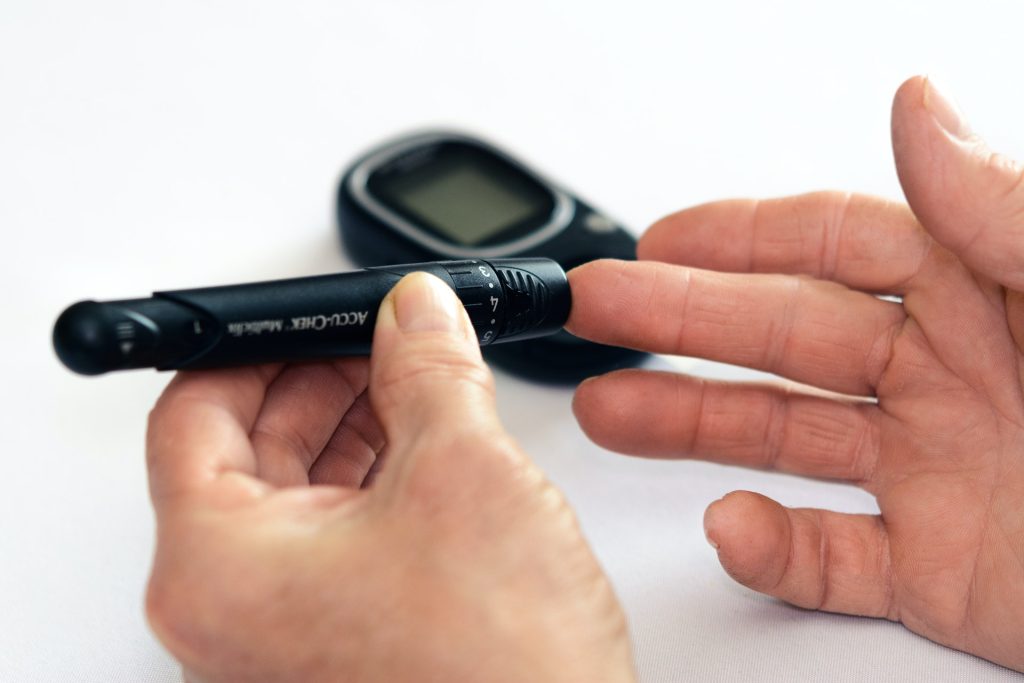
Diabetes - person measures blood glucose
Photo by Photomix Company from Pexels

Locked fingers, known as ‘trigger finger’, are more common among people with diabetes than in the general population, finds a study published in Diabetes Care. A study led by Lund University in Sweden shows that the risk of being affected increases with hyperglycaemia.

Trigger finger means that one or more fingers, often the ring finger or thumb, ends up in a bent position that is difficult to straighten out. It is due to the thickening of tendons, which bend the finger, and their connective tissue sheath, which means that the finger becomes fixed in a bent position towards the palm. It is a painful condition that can often be treated with cortisone injections, but sometimes requires surgery.

“At the hand surgery clinic, we have noted for a long time that people with diabetes, both type 1 and type 2, are more often affected by trigger finger. Over 20 percent of those who require surgery for this condition are patients who have, or will develop, diabetes,” says Mattias Rydberg, doctoral student at Lund University, resident physician at Skåne University Hospital and first author of the study.

To study whether blood sugar dysregulation increases the risk of trigger finger, the researchers examined two registers. The prevalence of trigger finger in the general population 1–1.5%, but is 10-15% among those who have diabetes, particularly in type 1 diabetes.

The study added to the evidence for a link between blood sugar and trigger finger. Hyperglycaemia increased the risk of being affected by trigger finger among both men and women in the groups with type 1 diabetes and type 2 diabetes. The group of men with the worst regulated blood sugar (HbA1c > 64) had up to 5 times as high a risk of being affected than men with well-regulated (HbA1c < 48) blood sugar.

“However, we can’t know for certain if any of the groups seek healthcare more often than others which could be a factor that affects the results,” said Mattias Rydberg.

The mechanism, or mechanisms, behind the increased risk are unknown, but there are theories that high blood sugar makes both the flexor tendons and their connective tissue sheaths thicker, thus causing them to lock more easily. It was previously known that those with unregulated blood sugar are more prone to nerve entrapments in the hand.

“It is important to draw attention to the complications from diabetes and how they can arise in order to discover them early, which enables faster treatment and thus a better outcome. In addition to nerve compressions and trigger finger, there may also be a link with thickening of the connective tissue in the palm (Dupuytren’s contracture), impairment of joint movement and the risk of arthritis at the base of the thumb. The mechanisms behind these complications probably differ in the case of diabetes. The results of this study are interesting, as we can show that blood sugar dysregulation has a connection with the development of trigger finger,” said Lars B. Dahlin, professor at Lund University and consultant in hand surgery at Skåne University Hospital.

Future research will measure the effectiveness of operating on patients with diabetes who are affected by trigger finger.

“From our experience at the clinic, surgery goes well and there are few complications, but it takes a little longer for patients with type 1 and type 2 diabetes to regain full movement and function. We want to investigate this hypothesis further. Another interesting idea is to see if trigger finger could be a warning signal for type 2 diabetes. It is far from all who are affected by trigger finger that have diabetes, but it would be interesting to see if by using modern registers we can discover those who are in the risk zone for developing diabetes,” concluded Mattias Rydberg.

Source: Lund University

Arthritis Drug Auranofin may Improve Diabetes Symptoms

Photo by Towfiqu Barbhuiya on Unsplash

Researchers have found that rheumatoid arthritis drug auranofin can potentially be repurposed to improve diabetes-associated symptoms. The study, which used a mouse model, appeared in the journal Cell Metabolism.

Although clear links have been identified between inflammation in white adipose tissue and insulin resistance in humans and rodents, broad anti-inflammatory treatments lack durable clinical efficacy on diabetes. In the current study, the researchers delved deeper into this association between inflammation and diabetes by looking for existing drugs that might affect both conditions.

“We computationally screened a small-molecule dataset and identified auranofin, an FDA-approved drug that has been used to treat rheumatoid arthritis, a condition involving inflammation,” said first and co-corresponding author Dr Aaron R. Cox, instructor of medicine-endocrinology, diabetes and metabolism at Baylor. “Auranofin exerts anti-inflammatory properties, which many people suspected would be beneficial in obesity and diabetes; however, nothing was really known about how it might affect metabolism.”

The team evaluated the metabolic effects of auranofin in a mouse model of diabetes in which the animals consume a high-fat diet.

“We discovered that auranofin has anti-inflammatory and anti-diabetic effects that are independent from each other,” said co-corresponding author Dr Sean Hartig, associate professor at Baylor. “Auranofin improved insulin sensitivity, or the body’s ability to respond to insulin to keep blood sugar at healthy levels. The drug also normalised obesity-associated changes such as hyperinsulinaemia in the mouse model. In addition, we found that auranofin accumulation in white adipose tissue reduced inflammatory responses without altering body composition in obese mice.”

Looking into the mechanism of these metabolic changes, the team discovered that auranofin’s anti-diabetic effects involved reduction of leptin levels. Leptin is a hormone whose levels markedly increase in obesity, contributing to insulin resistance and diabetes. In addition, auranofin restored white adipose tissue’s ability to respond to catecholamines, which are signals that increase metabolic activities in adipose tissue, triggering the burning of lipids at a higher rate.

“These changes coupled together contribute to the overall improvement in insulin sensitivity of the mice, leading to blood glucose control, which is the ultimate goal of diabetes treatments,” Dr Cox said. “High levels of glucose in the blood are detrimental to many tissues in the body. Uncontrolled, diabetes can lead to organ failure.”

Source: Baylor College of Medicine

Metabolite Discovery Could Turn ‘Bad’ Fat to ‘Good’ Fat

Obesity
Image source: Pixabay CC0

Metabolites are the substances made and used during the body’s metabolic processes – or, as a new discovery out of Scripps Research and its drug development arm, Calibr, indicates, they could also be potent molecules for treating severe diseases.

In a study published in the journal Metabolites, the researchers used novel drug discovery technologies to uncover a metabolite that converts white adipocytes (‘bad’ fat cells) to brown adipocytes (‘good’ fat cells). This discovery suggests a pathway to treating metabolic disorders such as obesity, type 2 diabetes and cardiovascular disease. This creative drug discovery method could also identify countless other potential therapeutics.

“The reason many types of molecules don’t go to market is because of toxicity,” said co-senior author Gary Siuzdak, PhD. “With our technology, we can pull out endogenous metabolites – meaning the ones that the body makes on its own – that can have the same impact as a drug with less side effects. The potential of this approach is even evidenced by the FDA’s recent approval of Relyvrio, the combination of two endogenous metabolites for the treatment of amyotrophic lateral sclerosis (ALS).”

Metabolic diseases are often caused by an imbalance in energy homeostasis. This is why certain therapeutic approaches have centred around converting white adipocytes into brown adipocytes. White adipocytes store excess energy and can eventually result in metabolic diseases like obesity, while brown adipocytes dissolve this stored energy into heat – ultimately increasing the body’s energy expenditure and helping bring balance.

To uncover a therapy that could stimulate the production of brown adipocytes, the researchers searched through Calibr’s ReFRAME drug-repurposing collection – a library of 14 000 known drug compounds that have been approved by the FDA for other diseases or have been extensively tested for human safety. Using high-throughput screening – an automated drug discovery method for searching through large pools of information –the scientists scanned ReFRAME for a drug with these specific capabilities.  

This is how they uncovered zafirlukast, an FDA-approved drug used for treating asthma. Through a set of cell culture experiments, they found zafirlukast could turn adipocyte precursor cells (known as preadipocytes) into predominantly brown adipocytes, as well as convert white adipocytes into brown adipocytes.

Unfortunately, zafirlukast is toxic at higher doses, and it wasn’t entirely clear how zafirlukast was converting the adipocytes. This is when the researchers partnered with Dr Siuzdak and his team of metabolite experts.

“We needed to use additional tools to break down the chemicals in zafirlukast’s mechanism,” explained Kristen Johnson, PhD, co-senior author of the paper. “Framed another way, could we find a metabolite that was providing the same functional effect that zafirlukast was, but without the side effects?”

Dr Siuzdak and his team designed a novel set of experiments, known as drug-initiated activity metabolomics (DIAM) screening, to help answer Johnson’s question. DIAM uses technologies such as liquid chromatography (a tool that separates components in a mixture) and mass spectrometry (an analytical technique that separates particles by weight and charge) to pool through thousands of molecules and identify specific metabolites. In this case, the researchers were searching through adipose tissue for metabolites that could lead to brown adipocyte cell production.

After reducing 30 000 metabolic features to just 17 metabolites, they came upon myristoylglycine – an endogenous metabolite that prompted the creation of brown adipocytes, without harming the cell. Of the thousands of metabolic features measured in the analysis, only myristoylglycine had this special characteristic, even among nearly structurally identical metabolites.

“Identifying myristoylglycine among the thousands of other molecules speaks to the power of Siuzdak’s approach and these technologies,” added Dr Johnson. “Our findings illustrate what happens when an analytical chemistry team and a drug discovery group closely collaborate with each other.”

Source: Scripps Research

Late Night Snacks Impact Hunger, Metabolism and Adipose Tissue

Photo by Aaron Burden on Unsplash

While popular diets discourage midnight snacking, few studies have examined the simultaneous effects of late eating on the weight gain trifecta regulation of calorie intake, the number of calories burnt, and molecular changes in fat tissue. Now, a new study published in Cell Metabolism has found that timing of food intake significantly impacts energy expenditure, appetite, and molecular pathways in adipose tissue.

“We wanted to test the mechanisms that may explain why late eating increases obesity risk,” explained senior author Frank A. J. L. Scheer, PhD, Director of the Medical Chronobiology Program in the Brigham’s Division of Sleep and Circadian Disorders. “Previous research by us and others had shown that late eating is associated with increased obesity risk, increased body fat, and impaired weight loss success. We wanted to understand why.”

“In this study, we asked, ‘Does the time that we eat matter when everything else is kept consistent?'” said first author Nina Vujovic, PhD, a researcher in the Medical Chronobiology Program in the Brigham’s Division of Sleep and Circadian Disorders. “And we found that eating four hours later makes a significant difference for our hunger levels, the way we burn calories after we eat, and the way we store fat.”

Vujovic, Scheer and their team studied 16 patients with a body mass index (BMI) in the overweight or obese range. Each participant completed two laboratory protocols: one with a strictly scheduled early meal schedule, and the other with the exact same meals, each scheduled about four hours later in the day. In the last two to three weeks before starting each of the in-laboratory protocols, participants maintained fixed sleep and wake schedules, and in the final three days before entering the laboratory, they strictly followed identical diets and meal schedules at home. In the lab, participants regularly documented their hunger and appetite, provided frequent small blood samples throughout the day, and had their body temperature and energy expenditure measured. To measure how eating time affected molecular pathways involved in adipogenesis, or how the body stores fat, investigators collected biopsies of adipose tissue from a subset of participants during laboratory testing in both the early and late eating protocols, to enable comparison of gene expression patterns/levels between these two eating conditions.

Results revealed that eating later had profound effects on hunger and appetite-regulating hormones leptin and ghrelin, which influence our drive to eat. Specifically, levels of the hormone leptin, which signals satiety, were decreased across the 24 hours in the late eating condition compared to the early eating conditions. When participants ate later, they also burned calories at a slower rate and exhibited adipose tissue gene expression towards increased adipogenesis and decreased lipolysis, which promote fat growth. Notably, these findings convey converging physiological and molecular mechanisms underlying the correlation between late eating and increased obesity risk.

Vujovic explained that these findings are not only consistent with a large body of research suggesting that eating later increases risk of developing obesity, but they shed new light on how this might occur. By using a randomised crossover study, and tightly controlling for behavioural and environmental factors such as physical activity, posture, sleep, and light exposure, investigators were able to detect changes the different control systems involved in energy balance, a marker of how our bodies use the food we consume.

Future studies will include more female participants. Despite only five female participants, the study was set up to control for menstrual phase, reducing confounding but making recruiting women more difficult. Going forward, Scheer and Vujovic are also interested in better understanding the effects of the relationship between meal time and bedtime on energy balance.

“This study shows the impact of late versus early eating. Here, we isolated these effects by controlling for confounding variables like caloric intake, physical activity, sleep, and light exposure, but in real life, many of these factors may themselves be influenced by meal timing,” said Scheer. “In larger scale studies, where tight control of all these factors is not feasible, we must at least consider how other behavioural and environmental variables alter these biological pathways underlying obesity risk. “

Source: Brigham and Women’s Hospital

Resilient Mindset Helps Older People with Type 2 Diabetes

Old man
Source: JD Mason on Unsplash

New research suggests that psychological resilience, ie having attitudes and behaviours that help people bounce back after stressful challenges, may help older individuals with type 2 diabetes to experience fewer hospitalisations and have better physical functioning, lower disability, better mental quality of life, and a lower likelihood of becoming frail.

The study, published in published in the Journal of the American Geriatrics Society, recruited 3199 participants, average age 72.2 years, 61% female, 61% white, and followed them for 14 years. The association of resilience with some metrics (grip strength and self-reported disability) varied based on recent hospitalisation history, and results suggested that some associations may differ based on race/ethnicity.

“This study suggests that individuals who report being psychologically resilient also report fewer aging-related concerns,” said lead author KayLoni L. Olson, PhD, of the Warren Alpert Medical School of Brown University. “This study is preliminary but points to the potential role of psychological resilience in helping individuals feel better mentally and physically, which can ultimately enhance their later years of life.”

Source: Wiley