Category: Metabolic Disorders

Quarter of Teens with Obesity Treated with Semaglutide Fell to Normal Weight

Photo by Andres Ayrton on Pexels

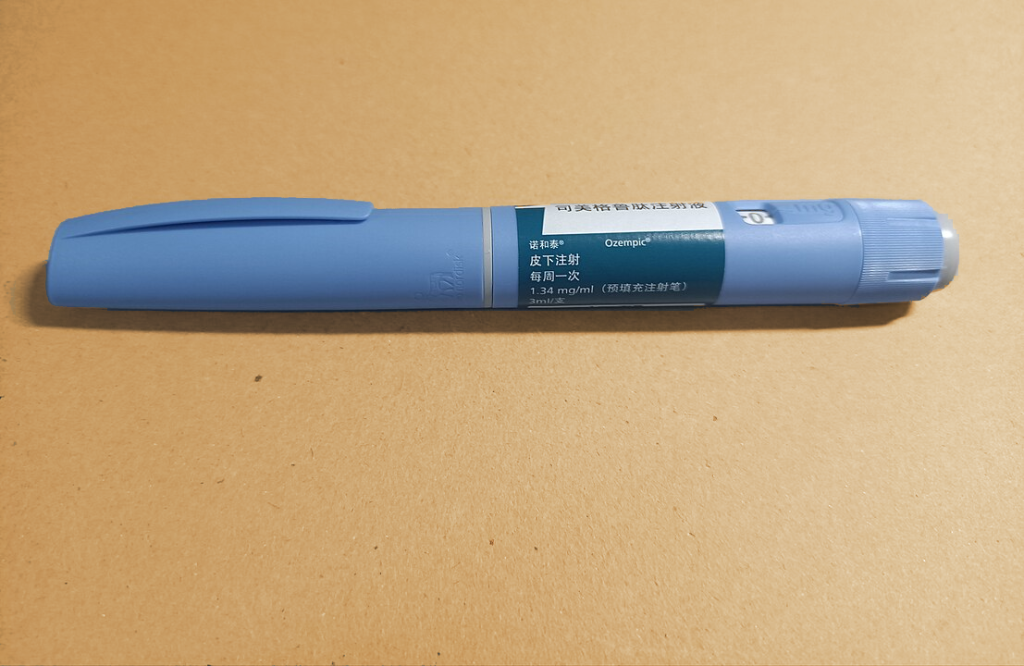
A secondary analysis of a trial of 2.4mg semaglutide (Wegovy) found nearly half of the teenage participants with obesity returned to normal weight or fell below the obesity threshold. The trial, results of which were published in Obesity, added semaglutide to dietary advice and a daily goal of 60 minutes of moderate- to high-intensity physical activity.

During the 68-week STEP TEENS trial, 44.9% of participants (aged 12–18 with obesity) returned to either normal weight or went down to the overweight category while on treatment compared with only 12.1% of those on placebo. At the end of the trial, 25% of the treatment group dropped to normal weight compared to just 2% for placebo.

“These results underscore the high degree of clinical effectiveness of semaglutide in adolescents with obesity,” said first author Aaron S. Kelly, PhD, in a statement. “In a practical sense, we see that semaglutide reduced weight to a level below what is defined as clinical obesity in nearly 50% of the teens in our trial, which is historically unprecedented with treatments other than bariatric surgery.”

An ‘important piece to the puzzle’ of the obesity problem

“A question I get a lot is, ‘Is this going to solve the obesity problem? Should we just give it to everybody’?” said Kelly, who is at the University of Minesota. “No and no. It’s not going to solve the obesity problem, but it’s an important piece to the puzzle in helping to solve it, especially for those who already have obesity.”

The trial’s initial results saw a an average BMI reduction 16.1% with semaglutide compared with a 0.6% increase with placebo at week 68. On average, participants on semaglutide lost 15.3 kg, while those on placebo gained 2.4 kg.

“The degree of body weight reduction is unprecedented,” lead study author Daniel Weghuber, MD, of Paracelsus Medical University, told MedPage Today at the ObesityWeek meeting, when the results were presented. “After years of frustration, all of a sudden patients were actually losing weight. They’d never seen that before.”

These results led to the approval for ages 12 and older by the FDA in December 2022, after being approved for adults in June 2021. The study also found a slightly superior but non-significant effect in females than males, despite not being set up to measure sex differences. The same was true for ages 12–14 vs 15–18.

Source: MedPage Today

New WHO Guideline Advises Against Non-sugar Sweeteners for Weight Management

The World Health Organization (WHO) has released a new guideline on non-sugar sweeteners (NSS), which recommends against using NSS to control body weight or reduce the risk of noncommunicable diseases (NCDs).

This comes as WHO conducts its first review of obesity management guideline in more than two decades. Last week, Francesco Branca, WHO director of nutrition and food safety, had also warned that weight-loss drugs such as Wegovy are “not a silver bullet” in tackling obesity.

The recommendation is based on the findings of a systematic review of the available evidence which suggests that use of NSS does not confer any long-term benefit in reducing body fat in adults or children. Results of the review also suggest that there may be potential undesirable effects from long-term use of NSS, such as an increased risk of type 2 diabetes, cardiovascular diseases, and mortality in adults.

“Replacing free sugars with NSS does not help with weight control in the long term. People need to consider other ways to reduce free sugars intake, such as consuming food with naturally occurring sugars, like fruit, or unsweetened food and beverages,” says Francesco Branca, WHO Director for Nutrition and Food Safety. “NSS are not essential dietary factors and have no nutritional value. People should reduce the sweetness of the diet altogether, starting early in life, to improve their health.”

The recommendation applies to all people except individuals with pre-existing diabetes and includes all synthetic and naturally occurring or modified non-nutritive sweeteners that are not classified as sugars found in manufactured foods and beverages, or sold on their own to be added to foods and beverages by consumers. Common NSS include acesulfame K, aspartame, advantame, cyclamates, neotame, saccharin, sucralose, stevia and stevia derivatives.

The recommendation does not apply to personal care and hygiene products containing NSS, such as toothpaste, skin cream, and medications, or to low-calorie sugars and sugar alcohols (polyols), which are sugars or sugar derivatives containing calories and are therefore not considered NSS.

Because the link observed in the evidence between NSS and disease outcomes might be confounded by baseline characteristics of study participants and complicated patterns of NSS use, the recommendation has been assessed as conditional, following WHO processes for developing guidelines. This signals that policy decisions based on this recommendation may require substantive discussion in specific country contexts, linked for example to the extent of consumption in different age groups.

The WHO guideline on NSS is part of a suite of existing and forthcoming guidelines on healthy diets that aim to establish lifelong healthy eating habits, improve dietary quality and decrease the risk of NCDs worldwide.

Source: WHO

Sons Born to Women with PCOS Can Also Encounter Health Problems

Photo by Annie Spratt on Unsplash

Sons of women with polycystic ovary syndrome (PCOS) have a twofold increased risk to develop obesity, according to a study published in Cell Reports Medicine. The findings highlight a previously unknown risk of passing PCOS-related health problems across generations through the male side of a family, say the the researchers from Karolinska Institutet.

PCOS is caused by overproduction of testosterone by the ovaries and affects around 15% of women of childbearing age worldwide, impacting fertility. In addition, the disease is associated with various health problems such as diabetes, obesity, and mental illness. 

Daughters of women with PCOS have a fivefold risk of developing the same disease. Although it is not yet clear how sons of women with PCOS are affected, research suggests that they are more likely to have weight and hormone problems

The researchers used both registry data and mouse models in the newly published study to determine if and how PCOS-like traits are passed from mothers to their sons. Just over 460 000 sons born in Sweden between July 2006 and December 2015 were included in the registry study. Of these, roughly 9000 had mothers with PCOS. The researchers then identified which of the children were obese. 

“We discovered that sons of women with PCOS have a twofold increased risk of obesity and of having high levels of “bad” cholesterol, which increases the risk of developing insulin resistance and type 2 diabetes later in life”, says study leader Elisabet Stener-Victorin, professor at Karolinska Institutet. 

These findings were confirmed in the mouse study, where the researchers examined male offspring of female mice that before and during pregnancy were fed either a standard diet or a diet rich in fat and sugar, and were exposed to high levels of the male sex hormone dihydrotestosterone during pregnancy to mimic the pregnancy of normal weight individuals and obese women with PCOS. 

The male mice were then fed a standard diet until adulthood when their fat distribution and metabolism were examined. 

“We could see that these male mice had more fat tissue, larger fat cells, and a disordered basal metabolism, despite eating a healthy diet”, says Elisabet Stener-Victorin.

To investigate the reproductive function of the offspring and whether physiological characteristics can be passed on from generation to generation, the first-generation male mice were mated with healthy female mice that were not exposed to male sex hormones or a diet rich in fat and sugar. The whole process was repeated in the second generation to reach the third generation which is the first generation that was not affected by the mother condition.  
 
“Through these experiments, we can show that obesity and high levels of male hormones in the woman during pregnancy can cause long-term health problems in the male offspring. Their fat tissue function, metabolism, and reproductive function deteriorate, which in turn affects future generations”, says Qiaolin Deng, associate professor at the same department and one of the researchers behind the study.
 
“These findings are important because they highlight the risk of passing health problems down through the male side of a family, highlight the risk of passing this kind of health problem, and they may help us in the future to find ways to identify, treat and prevent reproductive and metabolic diseases at an early stage,” says Elisabet Stener-Victorin.

Source: Karolinska Institutet

Meal Skipping, Diet Prescription Pills Least Effective Weight Loss Habits

Photo by Andres Ayrton on Pexels

A new study in the Journal of the American Heart Association links a healthier diet and increased exercise to weight loss that reduces heart disease risk – while associating skipping meals and taking prescription diet pills with minimal weight loss, weight maintenance or weight gain.

For many in the study sample of more than 20 000, losing a “clinically significant” 5% of their body weight did not eliminate their risk factors for cardiovascular disease, results showed. In fact, the average composite score on eight risk factors for heart disease was the same across the entirety of the study population – regardless of weight loss or gain.

The study is the first to compare weight-loss strategies and results in the context of the American Heart Association’s “Life’s Essential 8,” a checklist promoting heart disease risk reduction through the pursuit of recommended metrics for body weight, blood pressure, cholesterol, blood sugar, smoking, physical activity, diet and sleep.

The Ohio State University researchers found that overall, US adults had an average score of 60 out of 100 on the Essential 8 suggesting there is plenty of room for improvement even among those whose diet and exercise behaviours helped move the needle on some metrics.

“The Life’s Essential 8 is a valuable tool that provides the core components for cardiovascular health, many of which are modifiable through behaviour change,” said senior study author Colleen Spees, associate professor of medical dietetics in the School of Health and Rehabilitation Sciences at Ohio State.

“Based on the findings in this study, we have a lot of work to do as a country,” she said. “Even though there were significant differences on several parameters between the groups, the fact remains that as a whole, adults in this country are not adopting the Life’s Essential 8 behaviours that are directly correlated with heart health.”

Data for the analysis came from 20 305 U.S. adults aged 19 or older (average age of 47) who participated in the National Health and Nutrition Examination Survey (NHANES) between 2007 and 2016. Participants reported their smoking status, physical activity, average hours of sleep per night, weight history and weight loss strategy, and what they had eaten in the previous 24 hours. Health exams and lab tests measured their body mass index, blood pressure, LDL (bad) cholesterol and blood glucose.

The Ohio State researchers used the data to determine individuals’ values for Life’s Essential 8 metrics and assessed their diet quality according to the Healthy Eating Index, which gauges adherence to US Dietary Guidelines for Americans.

Of the sample, 17 465 participants had lost less than 5% of their body weight, maintained their weight or gained weight in the past year. The remaining 2840 reported intentional loss of at least 5% of their body weight in the same time frame.

“Clinically significant weight loss results in improvements in some health indices,” Spees said. “People should feel hopeful in knowing that losing just 5% of their body weight is meaningful in terms of clinical improvements. This is not a huge weight loss. It’s achievable for most, and I would hope that incentives people instead of being paralysed with a fear of failure.”

In this study, adults with clinically significant weight loss reported higher diet quality, particularly with better scores on intakes of protein, refined grains and added sugar, as well as more moderate and vigorous physical activity and lower LDL cholesterol than the group without clinically significant weight loss. On the other hand, the weight-loss group also had a higher average BMI and HbA1c blood sugar measure and fewer hours of sleep – all metrics that would bring down their composite Life’s Essential 8 score.

A greater proportion of people who did not lose at least 5% of their weight reported skipping meals or using prescription diet pills as weight-loss strategies. Additional strategies reported by this group included low-carb and liquid diets, taking laxatives or vomiting, and smoking.

“We saw that people are still gravitating to non-evidence-based approaches for weight loss, which are not sustainable. What is sustainable is changing behaviours and eating patterns,” Spees said.

Source: Ohio State University

The Body’s Safety Valve Against Insulin Shock

Novolog insulin pen. Photo by Dennis Klicker on Unsplash

Insulin is an important treatment for people with type 1 or 2 diabetes, but excessive insulin can cause hypoglycaemia, leading to convulsions, coma and possibly death – a collection of conditions that defines insulin shock.

In a new study published in Cell Metabolism, a team of scientists at the University of California San Diego School of Medicine, with colleagues elsewhere, describe a key component in the mechanism that regulates against excessive insulin.

“Although insulin is one of the most essential hormones, whose insufficiency can result in death, too much insulin can also be deadly,” said senior study author Professor Michael Karin, PhD, at UC San Diego School of Medicine.

In the new study, Karin, first author Li Gu, PhD, a postdoctoral scholar in Karin’s lab, and colleagues describe “the body’s natural defence or safety valve” that reduces the risk of insulin shock.

That valve is a metabolic enzyme called fructose-1,6-bisphosphate phosphatase or FBP1, which acts to control gluconeogenesis, a process in which the liver synthesises glucose, during sleep and secretes it to maintain steady supply of glucose in the bloodstream.

Some antidiabetic drugs, such as metformin, inhibit gluconeogenesis but without apparent ill effect. Children born with a rare, genetic disorder in which they do not produce sufficient FBP1 can also remain healthy and live long lives.

But in other cases, when the body is starved for glucose or carbohydrates, an FBP1 deficiency can result in severe hypoglycaemia, leading to convulsions, coma and possibly death.

Compounding and confounding the problem, FPB1 deficiency combined with glucose starvation produces adverse effects unrelated to gluconeogenesis, such as an enlarged, fatty liver, mild liver damage and elevated blood lipids or fats.

To better understand the roles of FBP1, researchers created a mouse model with liver specific FBP1 deficiency, accurately mimicking the human condition. Like FBP1-deficient children, the mice appeared normal and healthy until fasted, which quickly resulted in the severe hypoglycaemia and the liver abnormalities and hyperlipidaemia described above.

Gu and her colleagues discovered that FBP1 had multiple roles. Beyond playing a part in the conversion of fructose to glucose, FBP1 had a second non-enzymatic but critical function: It inhibited the protein kinase AKT, which is the primary conduit of insulin activity.

“Basically, FBP1 keeps AKT in check and guards against insulin hyper-responsiveness, hypoglycaemic shock and acute fatty liver disease,” said first author Gu.

Working with Yahui Zhu, a vising scientist from Chongqing University in China and second author of the study, Gu developed a peptide (a string of amino acids) derived from FBP1 that disrupted the association of FBP1 with AKT and another protein that inactivates AKT.

“This peptide works like an insulin mimetic, activating AKT,” said Karin. “When injected into mice that have been rendered insulin resistant, a highly common pre-diabetic condition, due to prolonged consumption of high-fat diet, the peptide (nicknamed E7) can reverse insulin resistance and restore normal glycaemic control.”

Karin said the researchers would like to further develop E7 as a clinically useful alternative to insulin “because we have every reason to believe that it is unlikely to cause insulin shock.”

Source: University of California – San Diego

Gastric Surgery for Weight Loss Harms Adolescents’ Bone Development

In sleeve gastrectomy (SG), about 80% of the stomach is removed to reduce obesity and its complications. It has been observed to be associated with bone loss in adolescents, prompting a prospective study published in the Journal of Bone and Mineral Research, that revealed through imaging tests that SG decreases strength and bone mineral density of the lumbar spine in adolescents and young adults.

The researchers followed 29 adolescents and young adults with obesity underwent SG and 30 were without surgery over 12 months. At baseline and 12 months, participants underwent computed tomography of the lumbar spine for bone assessments and magnetic resonance imaging of the abdomen and thigh for body composition assessments.

Participants in the SG group lost an average of 34.3 kg 12 months after surgery, whereas weight was unchanged in controls. There were significant reductions in abdominal fat tissue and thigh muscle in the SG group compared with controls. Also, bone strength and bone mineral density decreased in the SG group compared with controls. Reductions in bone strength and bone mineral density were associated with reductions in body mass index, abdominal fat tissue, and muscle.

“Weight loss surgery is very effective in treating obesity and obesity-associated comorbidities in adolescents and young adults with obesity; however, it can cause loss of bone density and strength. We hope that our study raises awareness of the importance of bone health after weight loss surgery, so physicians can make sure that children eat a healthy diet with enough calcium and vitamin D and engage in weight-bearing activity to build up muscle mass, which is good for bones,” said corresponding author Miriam A. Bredella, MD, of Massachusetts General Hospital. 

Source: Wiley

Autism in Children Linked to Diabetes, Dyslipidaemia

Photo by Peter Burdon on Unsplash

Studies have shown that children with autism spectrum disorder (ASD) have an increased risk of obesity. In turn, obesity has been linked to increased risks for diabetes, dyslipidaemia and other cardiometabolic disorders. However, the question of whether or not there is an association between autism, cardiometabolic disorders and obesity remains largely unanswered.

To help provide an insight into the possible link between ASD and cardiometabolic diseases, Texas Tech University researchers conducted a systematic review and meta-analysis. Their findings were published in JAMA Pediatrics.

In this latest meta-analysis, the researchers evaluated 34 studies that included 276 173 participants who were diagnosed with ASD and 7 733 306 who were not. The results indicated that ASD was associated with greater risks of developing diabetes overall, including both type 1 and type 2 diabetes.

The meta-analysis also determined that autism is associated with increased risks of dyslipidaemia and heart disease, though there was no significant increased risk of hypertension and stroke associated with autism. However, meta-regression analyses revealed that children with autism were at a greater associated risk of developing diabetes and hypertension when compared with adults.

Study leader Chanaka N. Kahathuduwa, MD, PhD, said the overall results demonstrate the associated increased risk of cardiometabolic diseases in ASD patients, which should prompt clinicians to more closely monitor these patients for potential contributors, including signs of cardiometabolic disease and their complications.

“We have established the associations between autism and obesity, as well as autism and cardiometabolic disease, including diabetes and dyslipidaemia,” Kahathuduwa said. “We don’t have data to support a conclusion that autism is causing these metabolic derangements, but since we know that a child with autism is more likely to develop these metabolic complications and derangements down the road, I believe physicians should evaluate children with autism more vigilantly and maybe start screening them earlier than the usual.”

Kahathuduwa also believes the study shows that physicians should think twice before prescribing medications such as olanzapine that are well known to have metabolic adverse effects to children with autism.

“Our findings should also be an eye opener for patients with autism and parents of kids with autism to simply be mindful about the higher risk of developing obesity and metabolic complications,” Kahathuduwa added. “Then they can talk with their physicians about strategies to prevent obesity and metabolic disease.”

Kahathuduwa said the next logical step for the collaborative team would be to generate evidence that either supports or rejects causality with regard to the observed associations.

Source: Texas Tech University Health Sciences Center

Dimming the Lights Could Help Reduce Gestational Diabetes Risk

Photo by Shvets Productions on Pexels

Researchers at Northwestern Medicine suggest that pregnant persons should dim the lights in their home and turn off or at least dim their screens (computer monitors and smartphones) a few hours before bedtime to reduce the risk of gestational diabetes mellitus.

In their study published in the American Journal of Obstetrics and Gynecology Maternal Fetal Medicine, women who developed gestational diabetes mellitus in the multi-site study had greater light exposure in the three hours before sleep onset. They did not differ in their light exposure during daytime or sleep or in their activity levels compared to those who did not develop it.

“Our study suggests that light exposure before bedtime may be an under-recognised yet easily modifiable risk factor of gestational diabetes,” said lead study author Dr Minjee, Northwestern Medicine neurologist.

While exposure to light at night before bedtime may be linked to impaired glucose regulation in non-pregnant adults, little is known about the effect of evening light exposure during pregnancy on the risk of developing gestational diabetes.

This is believed to be one of the first multi-site studies to examine light exposure before sleep on the risk of developing gestational diabetes, a serious health complication for mother and child.

‘Alarming’ global rise in gestational diabetes

Gestational diabetes is on the rise in the U.S. and globally. About 4.5% of first-time pregnant women with a baby born between 2011 and 2013 developed gestational diabetes, which has been increasing on average 3.4% per three-year period until 2019. In 2020, the rate of gestational diabetes was 7.8% of all births in the US.

“It’s alarming,” Kim said. “Gestational diabetes is known to increase obstetric complications, and the mother’s risk of diabetes, heart disease and dementia. The offspring also are more likely to have obesity and hypertension as they grow up.”

Data show that women who have gestational diabetes are nearly 10 times more likely to develop type 2 diabetes mellitus compared to those do not have glucose issues during pregnancy, Kim said.

Bright light exposure prior to sleep can come from bright indoor lighting and from device screens.

“We don’t think about the potential harm of keeping the environment bright from the moment we wake up until we go to bed,” Kim said. “But it should be pretty dim for several hours before we go to bed. We probably don’t need that much light for whatever we do routinely in the evening.”

Scientists don’t know which source of bright light causes the problem, but it might all add up, Kim said.

“Try to reduce whatever light is in your environment in those three hours before you go to bed,” Kim said. “It’s best not to use your computer or phone during this period. But if you have to use them, keep the screens as dim as possible,” Kim said, suggesting people use the night light option and turn off the blue light.

If pregnant persons develop gestational diabetes with the first pregnancy, they are more likely to have it with the next pregnancy.

Pre-sleep light exposure increases heart rate, with knock-on effects

Pre-sleep light exposure may affect glucose metabolism through sympathetic overactivity, meaning the heart rate goes up before bed when it should go down. “It seems there is inappropriate activation of the fight or flight response when it is time to rest,” Kim said.

Data shows the sympathetic overactivity may lead to cardiometabolic disease, which is a cluster of conditions including abdominal obesity, insulin resistance, increased blood pressure and an imbalance of lipids, all leading to cardiovascular disease.

The study of 741 women in their second trimester was conducted at eight clinical U.S. sites between 2011 and 2013. The participants’ light exposure was measured by an actigraph worn on their wrists. The women were measured during the second trimester of pregnancy, the time when they receive routine screening for gestational diabetes.

After adjusting separately for age, BMI, race/ethnicity, education, commercial insurance, employment schedule, season, sleep duration, sleep midpoint, sleep regularity index, and daytime light exposure, pre-sleep light exposure remained significantly associated with gestational diabetes.

The growing rate of gestational diabetes has been partially attributed to increasing body mass index and the older age of pregnant persons.

“But even after adjusting for BMI and age, gestational diabetes is still rising,” Kim said. “We have a lot to prove, but my personal worry is that light may be silently contributing to this problem without most people realising the potential harm.”

Losing body weight and exercising also reduce the risk of developing gestational diabetes, which are important but take some effort.

Turning down lights is an easy fix

“Turning down the lights is an easy modification you can make,” Kim said.

“Now I’m the light police at home,” Kim said. “I see all this light I never thought about before. I try to dim the light as much as possible. Just for evening activities such as dinner and bathing the kids, you don’t need bright light.”

“This study highlights the importance of reducing light exposure in the hours before bedtime” said senior author Kathryn Reid, research professor of neurology at Feinberg.

Source: Northwestern University

Bempedoic Acid Could be a Viable Alternative to Statins

Photo by Towfiqu Barbhuiya on Unsplash

Bempedoic acid, a new cholesterol-lowering drug, has the potential to be an effective substitute for patients who can’t tolerate statins. Bempedoic acid is an ATP citrate lyase inhibitor that reduces low-density lipoprotein (LDL) cholesterol levels and is associated with a low incidence of muscle-related adverse events. Its effects on cardiovascular outcomes were uncertain, so researchers used a double-blind, randomised, placebo-controlled trial to determine outcomes on a variety of cardiovascular measures in statins-intolerant patients.

The study, published in the New England Journal of Medicine, recruited patients aged 18–85 years at increased cardiovascular risk and unable or unwilling to take statins due to adverse effects. Patients were first tested with placebo over a 4-week run-in period, and were not randomised if they experience unacceptable adverse effects or if adherence was less than 80%. The 13 970 patients who successfully completed run-in were randomised to receive bempedoic acid 180mg orally per day or matching placebo. 

The mean LDL cholesterol level at baseline was 139.0mg/dL in both groups, and after 6 months, the reduction in the level was greater with bempedoic acid than with placebo by 29.2mg/dL; the observed difference in the percent reductions was 21.1 percentage points in favour of bempedoic acid.

Compared to placebo, risk of fatal or nonfatal stroke, death from cardiovascular causes, and death from any cause after significantly were lower by 13%, after a median of 40.6 months of follow-up. The risk of death from cardiovascular causes, nonfatal stroke, or nonfatal myocardial infarction was 15% lower with bempedoic acid than with placebo, and the risks of fatal or nonfatal myocardial infarction and coronary revascularisation were 23% lower and 19% lower, respectively.

The researchers noted that the LDL-cholesterol lowering effects were similar in magnitude and predicted reduction in cardiovascular risks to that observed with statins. In addition, bempedoic acid did not increase glycated haemoglobin levels or the incidence of new-onset diabetes, unlike statins. Due to the demonstrated benefits, those taking placebo were offered the chance to transition to taking bempedoic acid.

A trial limitation was that it only included patients with statins intolerance, and who therefore had higher LDL cholesterol levels at baseline.

Childhood Obesity is a Risk Factor for Blood Clots in Adulthood

Source: CC0

Being overweight in childhood and in early adulthood are discrete risk factors for blood clots (thrombi) later in life, according to a study using school health care and military service records, according to a study published in the Journal of Internal Medicine.

The association between obesity and blood clots is already established. However, to date it has been unclear how much influence a raised BMI in childhood and puberty exerts. Thrombi usually arise in the legs, often starting in a blood vessel in the calf. Swelling, pain and redness are common symptoms. Though easily treated if caught early, they can result pulmonary embolism may be life-threatening.

The present study comprises 37 672 men in Sweden, born between 1945 and 1961. It is based on information about height, weight, and BMI from the men’s records, first from school health care services (at the age of 8 years) and, second, from medical examinations on enrolment in the Armed Services (at age 20), along with register data on any blood clots up to age 62 on average.

Distinctly elevated thrombus risk

The results showed that BMI at both ages 8 and 20, independently of each other, can be linked to venous blood clots. These may occur in, for example, the leg (deep vein thrombosis, DVT) or the lung (pulmonary embolism).

In adulthood, two groups were found to be at a significantly increased risk of venous thrombi. The first was individuals who had been overweight both as children and as young adults, while the second was composed of those whose weight in childhood was normal and who became overweight only in early adulthood.

Moreover, being overweight in both childhood and young adulthood was found to raise the risk of arterial thrombi – clots resulting from constricted blood vessels with fatty deposits and inflammation. Since there were few cases of arterial blood clots in the study, however, further studies are needed to confirm these findings. All comparisons in the study were made with the control group, whose weight was normal at both 8 and 20 years of age.

Overweight in puberty an important factor

The first and corresponding author of the study is Lina Lilja, a doctoral student at Sahlgrenska Academy, University of Gothenburg, and paediatrician. At the time of the study, she worked at the Kungshöjd paediatric clinic in Gothenburg. Today, she is a senior physician in child health care in Region Västra Götaland.

“Our study shows that both overweight in childhood and overweight in young adulthood increase the risk of venous blood clots later in life. The latter, overweight when the men were young adults, proved to be a more influential factor than overweight when they were children,” Lilja notes.

The study includes data from the BMI Epidemiology Study (BEST) in Gothenburg, a population study, and from Swedish national registers.

Source: University of Gothenburg