Depression is widely reported to be more common in women than in men, with women twice as likely to receive a diagnosis than men. A new study published in Nature has found that there are differences between male and female genes and how they relate to depression.
In a genome-wide association(GWA} study, the McGill University researchers analysed the genomes of more than 270 000 individuals. They found that sex-specific prediction methods were more accurate in forecasting an individual’s genetic risk of developing depression than prediction methods that did not specify sex. The researchers found 11 areas of DNA that were linked to depression in females, and only one area in males.
In both males and females, genetic correlations were significant between the broad depression GWA and other psychopathologies; however, correlations with educational attainment and metabolic features including body fat, waist circumference, waist-to-hip ratio and triglycerides were significant only in females. Gene-based analysis showed 147 genes significantly associated with broad depression in the total sample, 64 in the females and 53 in the males.
Despite the biological processes involved in depression being similar in males and females, researchers found that different genes were involved for each sex. This information can be useful to identify future sex-specific treatments for depression. “This is the first study to describe sex-specific genetic variants associated with depression, which is a very prevalent disease in both males and females. These findings are important to inform the development of specific therapies that will benefit both men and women while accounting for their differences,” says Dr Patricia Pelufo Silveira, lead author and Associate Professor in the Department of Psychiatry. “In the clinic, the presentation of depression is very different for men and women, as well as their response to treatment, but we have very little understanding of why this happens at the moment.”
Regular physical activity can improve young adolescents’ mental health and help with behavioural difficulties, suggests research published in Mental Health and Physical Activity. Investigators found that engaging in regular moderate to vigorous physical activity at age 11 was associated with better mental health between the ages of 11 and 13.
Physical activity was also associated with reduced hyperactivity and behavioural problems, such as loss of temper, fighting with other children, lying, and stealing, in young people.
Researchers from the Universities of Edinburgh, Strathclyde, Bristol, and Georgia in the United States explored data from the Children of the 90s study (also known as the Avon Longitudinal Study of Parents and Children; ALSPAC). They looked at the levels of physical activity of 4755 11-year-olds which was measured using devices.
The devices recorded levels of moderate physical activity, typically defined as brisk walking or cycling, as well as vigorous activity which boosts heart rate and breathing, such as aerobic dancing, jogging or swimming.
The young people and their parents reported on their levels of depressive symptoms from age 11 and at age 13 years. Participants’ parents and teachers were also quizzed about the young people’s general behaviour and emotional difficulties.
In analysing the impact of moderate to vigorous exercise on the young people’s mental health and behaviour, the team also considered factors such as age, sex and socio-economic status.
They found that higher levels of moderate or intense physical activity had a small but detectable association with decreases in depressive symptoms and emotional difficulties.
Regular exercise had a small but detectable association with reduced behavioural problems, even after controlling for other possible influences, the study found.
The findings suggest regular moderate and intense physical activity may have a small protective influence on mental health in early adolescence, researchers say.
Dr Josie Booth, of the University of Edinburgh’s Moray House School of Education and Sport, said: “This study adds to the increasing evidence base about how important physical activity is for all aspects of young people’s development – it can help them feel better, and do better at school. Supporting young people to lead healthy active lives should be prioritised.”
Researchers say the study is the first to offer such a comprehensive approach to examining mental health and exercise in young people.
Professor John Reilly, at the University of Strathclyde, said: “While it might seem obvious that physical activity improves mental health the evidence for such a benefit in children and young people has been scarce, so the study findings are important. The findings are also important because levels of moderate-to-vigorous intensity activity globally are so low in pre-teens globally – less than a third achieve the 60 minutes per day recommended by the WHO and UK Health Departments.”
The study is a long-term health-research project that enrolled more than 14 000 pregnant women in 1991 and 1992.
Children of the 90s has been following the health and development of the parents and their children in detail and is currently recruiting the children and the siblings of the original children into the study. It receives core funding from the Medical Research Council, the Wellcome Trust and the University of Bristol.
University of South Australia researchers are calling for exercise to be a mainstay approach for managing depression as a new study shows that physical activity is 1.5 times more effective than counselling or the leading medications.
Published in the British Journal of Sports Medicine, the review is the most comprehensive to date, encompassing 97 reviews, 1039 trials and 128 119 participants. It shows that physical activity is extremely beneficial for improving symptoms of depression, anxiety, and distress.
Specifically, the review showed that exercise interventions that were 12 weeks or shorter were the most effective at reducing mental health symptoms, highlighting the speed at which physical activity can make a change.
The largest benefits were seen among people with depression, pregnant and postpartum women, healthy individuals, and people diagnosed with HIV or kidney disease.
Lead UniSA researcher, Dr Ben Singh, says physical activity must be prioritised to better manage the growing cases of mental health conditions.
“Physical activity is known to help improve mental health. Yet despite the evidence, it has not been widely adopted as a first-choice treatment,” Dr Singh says.
“Our review shows that physical activity interventions can significantly reduce symptoms of depression and anxiety in all clinical populations, with some groups showing even greater signs of improvement.
“Higher intensity exercise had greater improvements for depression and anxiety, while longer durations had smaller effects when compared to short and mid-duration bursts.
“We also found that all types of physical activity and exercise were beneficial, including aerobic exercise such as walking, resistance training, Pilates, and yoga.
“Importantly, the research shows that it doesn’t take much for exercise to make a positive change to your mental health.”
Senior researcher, UniSA’s Prof Carol Maher, says the study is the first to evaluate the effects of all types of physical activity on depression, anxiety, and psychological distress in all adult populations.
“Examining these studies as a whole is an effective way for clinicians to easily understand the body of evidence that supports physical activity in managing mental health disorders.
“We hope this review will underscore the need for physical activity, including structured exercise interventions, as a mainstay approach for managing depression and anxiety.”
When using psychedelic drugs to treat mental illness, it’s all down to location when rapidly rebuilding connections between nerve cells. In their paper published in Science, scientists show that engaging serotonin 2A receptors inside neurons promotes growth of new connections – but engaging the same receptor on the surface of nerve cells does not.
The findings will help guide efforts to discover new drugs for depression, PTSD and other disorders, according to senior author David E. Olson, associate professor at the University of California, Davis.
Drugs such as LSD, MDMA and psilocybin show great promise for treating a wide range of mental disorders that are characterised by a loss of neural connections. In laboratory studies, a single dose of these drugs can cause rapid growth of new dendrites from nerve cells, and formation of new spines on those dendrites.
Olson calls this group of drugs “psychoplastogens” because of their ability to regrow and remodel connections in the brain.
Earlier work from Olson’s and other labs showed that psychedelic drugs work by engaging the serotonin 2A receptor (5-HT2AR). But other drugs that engage the same receptor, including serotonin, do not have the same growth effects.
Maxemiliano Vargas, a graduate student in Olson’s lab, Olson and colleagues experimented with chemically tweaking drugs and using transporters to make it easier or harder for compounds to slip across cell membranes. Serotonin itself is polar, meaning it dissolves well in water but does not easily cross the lipid membranes that surround cells. The psychedelics, on the other hand, are much less polar and can easily enter the interior of a cell.
They found that the growth-promoting ability of compounds was correlated with the ability to cross cell membranes.
Drug receptors are usually thought of as being located on the cell membrane, facing out. But the researchers found that in nerve cells, serotonin 2A receptors were concentrated inside cells, mostly around a structure called the Golgi body, with some receptors on the cell surface. Other types of signalling receptors in the same class were on the surface.
The results show that there is a location bias in how these drugs work, Olson said. Engaging the serotonin 2A receptor when it is inside a cell produces a different effect from triggering it when it is on the outside.
“It gives us deeper mechanistic insight into how the receptor promotes plasticity, and allows us to design better drugs,” Olson said.
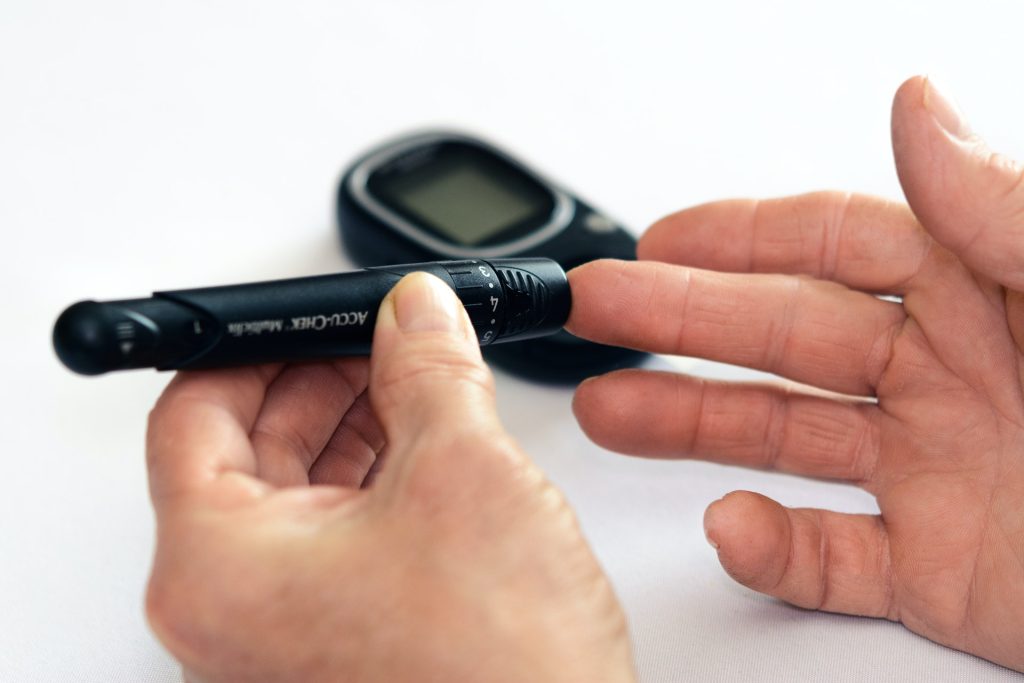
Because of their illness, patients with chronic medical conditions may experience self-stigma, or negative beliefs, emotional reactions, and behaviours towards themselves. New research published in the Journal of Diabetes Investigation found a link between self-stigma and glycated haemoglobin (HbA1c) in adults with type 1 diabetes.
The study included 109 adults in Japan with type 1 diabetes who completed questionnaires that generated scores based on a self-stigma scale. Although the findings support a link between self-stigma and sub-optimal HbA1c, additional studies are needed to show whether this is a causal relationship.
“We focused on this issue through clinical experiences with people with type 1 diabetes, whose glycaemic management improved markedly by social supports of eliminating diabetes-related stigma. Although the finding of an association between self-stigma and HbA1c is significant, further longitudinal research is required to determine whether self-stigma leads to sub-optimal HbA1c,” said corresponding author Yukiko Onishi MD, PhD, of the Institute of Medical Science, Asahi Life Foundation, in Tokyo. “This research does support and highlight the importance of eliminating self-stigma when treating people with type 1 diabetes.”
In a recent study published in The Journal of Advanced Nursing that included pregnant Black women from multiple US states, feeling upset by experiences of racism in the 12 months prior to delivery was associated with significantly higher odds of depression during pregnancy.
Perinatal depression is defined as major or minor depressive episodes that occur during pregnancy or in the first 12 months after birth. Mothers with perinatal depression often report symptoms including depressed mood; loss of interest or pleasure in daily activities; changes in weight, appetite and sleep; poor concentration; feelings of hopelessness; and suicidal ideations. Non-Hispanic Black women are twice as likely to experience symptoms of depression and suicidal ideations during the perinatal period than White women.
For this study, 7328 women answered survey questions. The findings showed that 11.4% of respondents reported feeling upset due to experiences of racism, and 11.4% reported experiencing depression during pregnancy. After adjusting for confounding factors, respondents who reported feeling upset due to the experience of racism had over two-fold higher odds of experiencing depression during pregnancy compared with respondents who did not report feeling upset due to the experience of racism.
“Our findings reinforce the importance of respectful maternity care, given the mental health impacts of experiences of racism during the perinatal period,” the authors wrote. “Racism is a powerful structural determinant of health with roots in a historical system of oppression that persists today in health care practices and policies. Perinatal health care providers, in collaboration with public health and other health disciplines, are ideally positioned to address inequities in maternal and child health that are rooted in racism.”
Most people remember emotional events, like their wedding day, very clearly, but researchers are not sure how the human brain prioritises emotional events in memory. In a study published in Nature Human Behaviour, Joshua Jacobs, associate professor of biomedical engineering at Columbia Engineering, and his team identified a specific neural mechanism in the human brain that tags information with emotional associations for enhanced memory.
The team demonstrated that high-frequency brain waves in the amygdala, a hub for emotional processes, and the hippocampus, a hub for memory processes, are critical to enhancing memory for emotional stimuli. Disruptions to this neural mechanism, brought on either by electrical brain stimulation or depression, impair memory specifically for emotional stimuli.
Rising prevalence of memory disorders
The rising prevalence of memory disorders such as dementia has highlighted the damaging effects that memory loss has on individuals and society. Disorders such as depression, anxiety, and post-traumatic stress disorder (PTSD) can also feature imbalanced memory processes, especially with the COVID pandemic. Understanding how the brain naturally regulates what information gets prioritised for storage and what fades away could provide critical insight for developing new therapeutic approaches to strengthening memory for those at risk of memory loss, or for normalising memory processes in those at risk of dysregulation.
“It’s easier to remember emotional events, like the birth of your child, than other events from around the same time,” says Salman E. Qasim, lead author of the study, who started this project during his PhD in Jacobs’ lab at Columbia Engineering. “The brain clearly has a natural mechanism for strengthening certain memories, and we wanted to identify it.”
The difficulty of studying neural mechanisms in humans
Most investigations into neural mechanisms take place in animals such as rats, because such studies require direct access to the brain to record brain activity and perform experiments that demonstrate causality, such as careful disruption of neural circuits. But it is difficult to observe or characterise a complex cognitive phenomenon like emotional memory enhancement in animal studies.
To study this process directly in humans. Qasim and Jacobs analysed data from memory experiments conducted with epilepsy patients undergoing direct, intracranial brain recording for seizure localisation and treatment. During these recordings, epilepsy patients memorised lists of words while the electrodes placed in their hippocampus and amygdala recorded the brain’s electrical activity.
Studying brain-wave patterns of emotional words
Qasim found that participants remembered more emotionally rated words, such as “dog” or “knife,” better than more neutral words, such as “chair.” Whenever participants successfully remembered emotional words, high-frequency neural activity (30-128 Hz) would become more prevalent in the amygdala-hippocampal circuit, a pattern which was absent when participants remembered more neutral words, or failed to remember a word altogether. Analysing 147 participant, they found a clear link between participants’ enhanced memory for emotional words and the prevalence in their brains of high-frequency brain waves across the amygdala-hippocampal circuit.
“Finding this pattern of brain activity linking emotions and memory was very exciting to us, because prior research has shown how important high-frequency activity in the hippocampus is to non-emotional memory,” said Jacobs. “It immediately cued us to think about the more general, causal implications – if we elicit high-frequency activity in this circuit, using therapeutic interventions, will we be able to strengthen memories at will?”
Electrical stimulation disrupts memory for emotional words
In order to establish whether this high-frequency activity actually reflected a causal mechanism, Jacobs and his team formulated a unique approach to replicate the kind of experimental disruptions typically reserved for animal research. First, they analysed a subset of these patients who had performed the memory task while direct electrical stimulation was applied to the hippocampus for half of the words that participants had to memorise. They found that electrical stimulation, which has a mixed history of either benefiting or diminishing memory depending on its usage, clearly and consistently impaired memory specifically for emotional words.
Uma Mohan, another PhD student in Jacobs’ lab at the time and co-author on the paper, noted that this stimulation also diminished high-frequency activity in the hippocampus. This provided causal evidence that, by knocking out the brain activity pattern correlating with emotional memory, stimulation was also selectively diminishing emotional memory.
Depression acts similarly to brain stimulation
Qasim further hypothesized that depression, which can involve dysregulated emotional memory, might act similarly to brain stimulation. He analyzed patients’ emotional memory in parallel with mood assessments the patients took to characterize their psychiatric state. And, in fact, in the subset of patients with depression, the team observed a concurrent decrease in emotion-mediated memory and high-frequency activity in the hippocampus and amygdala.
“By combining stimulation, recording, and psychometric assessment, they were able to demonstrate causality to a degree that you don’t always see in studies with human brain recordings,” said Bradley Lega, a neurosurgeon and scientist at the University of Texas Southwestern Medical Center and not an author on the paper. “We know high-frequency activity is associated with neuronal firing, so these findings open new avenues of research in humans and animals about how certain stimuli engage neurons in memory circuits.”
Next steps
Qasim is now investigating how individual neurons in the human brain fire during emotional memory processes. Qasim and Jacobs hope that their work might also inspire animal research exploring how this high-frequency activity is linked to norepinephrine, a neurotransmitter linked to attentional processes that they theorise might be behind the enhanced memory for emotional stimuli. They also hope that future research will target high-frequency activity in the amygdala-hippocampal circuit to protect memory.
“Our emotional memories are one of the most critical aspects of the human experience, informing everything from our decisions to our entire personality,” Qasim added. “Any steps we can take to mitigate their loss in memory disorders or prevent their hijacking in psychiatric disorders is hugely exciting.”
A twin study of the relatively newly described eating disorder ARFID has found that it is strongly influenced by genetic factors. The study, perfomed by researchers at Karolinska Institutet, has been published in the journal JAMA Psychiatry.
An estimated 1 to 5% of people suffer from an eating disorder that few are even aware exists. Avoidant/restrictive food intake disorder (ARFID) is a serious eating disorder that leads to malnutrition and nutritional deficiencies, and is a relatively new diagnosis only introduced to the World Health Organization’s ICD-11 this year.
Unlike anorexia, ARFID is not about the patient’s experience of their own body and fear of gaining weight. Instead, the disease is characterised by the avoidance of certain types of food due to a sensory discomfort because of the characteristics or appearance of food, or for example, the fear of choking, a food poisoning phobia or lack of appetite.
17 000 twin pairs involved in the study
Researchers at Karolinska Institutet have now investigated the importance of genetic factors for developing ARFID. A cohort of almost 17 000 pairs of twins in Sweden born between 1992 and 2010 participated in the study. A total of 682 children with ARFID between the ages of six and 12 years could be identified.
The researchers used the twin method to determine the influence of genes and the environment on the onset of the disease.
“We know that identical twins share all genes and that fraternal twins share about half of their genes that make people different. When we then see that a certain trait is more common in both members of identical twin pairs than in fraternal twin pairs, it is an indication that there is a genetic influence. We can then estimate the degree to which a trait is influenced by genetic factors,” says Lisa Dinkler, a postdoctoral researcher at the Department of Medical Epidemiology and Biostatistics at Karolinska Institutet.
The genetic component for developing ARFID was high, 79%.
“This study suggests that ARFID is highly heritable. The genetic component is higher than that of other eating disorders and on par with that of neuropsychiatric disorders such as autism and ADHD,” says Lisa Dinkler.
The findings are important, says Lisa Dinkler, because an increased understanding of what causes the disease can make it easier for those affected and their relatives.
“I hope that the results can reduce stigma and guilt, which is a big problem with eating disorders. A child does not choose to develop ARFID, nor can a parent cause it in a child. That is important to remember.”, says Lisa Dinkler.
Possible connections with other conditions
The next step in Lisa Dinkler’s research is to study the extent to which ARFID is associated with other psychiatric diagnoses, such as anxiety and depression, neurodevelopmental disorders, and gastrointestinal problems.
“We will use twin studies to test the extent to which ARFID shares underlying genetic and environmental factors with these conditions,” says Lisa Dinkler.
ARFID is a relatively new diagnosis. In 2013, the disorder was included in the Diagnostic and Statistical Manual of Mental Disorders, DSM-5, and this year it was included in the World Health Organization’s diagnostic manual ICD. The latest edition, ICD-11, will be introduced to the Swedish healthcare system in a couple of years, consequently, the diagnosis is not an official part of Swedish health and medical care yet.
A team of researchers at Kyoto University’s Graduate School of Medicine has now found that mindfulness meditation does reduce anxieties associated with anorexia nervosa. Results from the study, published in BHPsych Open, show changes in the activity of brain regions involved in anxiety.
Anorexia nervosa (AN) is a severe psychiatric illness associated with intense anxieties concerning weight, shape, and self-esteem. AN is characterised by food restriction, voluntary vomiting, and extreme emaciation. Mindfulness meditation has already become a globally recognised method for addressing AN but its effectiveness in clinically treating neurogenic emaciation has not been studied yet.
The team’s mindfulness meditation program has seen a significant decrease in obsessive thoughts about test subject’s self-image and brain activity associated with related emotions.
“Our results suggest that the participants in the study became better at accepting their anxiety as it is,” says lead author Tomomi Noda.
Mindfulness and meditation work hand-in-hand. The former teaches practitioners to hone their awareness of their present experience and their ability to not judge and rather accept their circumstances. The latter is the medium by which mindfulness can be approached.
“We focused on the possibility that patients with AN try to avoid their crippling anxiety about weight gain and self-image by restricting food or vomiting,” adds co-author Masanori Isobe.
A 4-week mindfulness intervention program examined neural changes using tasks designed to induce weight-related anxiety. The researchers then regulated this anxiety by helping patients accept their current situations and experiences at face value, instead of avoiding them.
The researchers used functional magnetic resonance imaging (fMRI) to analyse attention regulation in relation to eating disorders. The study’s results support the subjective experiences of the researchers, although it was unexpected to them that several global events, such as the COVID pandemic and the Russo-Ukrainian war, were significant factors in patients’ anxieties.
“We anticipate practical implications of our results in clinical psychiatry and psychology and broader research into mitigating suffering through mindfulness, using the strategy of self-acceptance to regulate attention,” concludes group leader Toshiya Murai.
In the public mind, eating disorders are associated mainly with girls from wealthy backgrounds. Now, a new study on twins published in the Journal of Psychopathology and Clinical Science has found that boys living in disadvantaged circumstances are at an increased risk for disordered eating – particularly if they have underlying genetic risk factors.
“This is critical information for health care providers who might not otherwise screen for or recognize disordered eating in this population,” said Megan Mikhail, lead author of the study and Ph.D. candidate in the MSU Clinical Psychology program. “It is also important for the public to recognize that eating disorders can affect everyone, including people who do not fit the historical stereotypes.”
The study from Michigan State University, is the first to look at associations between multiple forms of disadvantage and risk for disordered eating in boys, as well as how disadvantage may interact with biological risks to impact disordered eating in boys.
Using a large population-based sample of male twins from the Michigan State University Twin Registry, the researchers found that boys from more disadvantaged backgrounds reported greater disordered eating symptoms and had earlier activation of genetic influences on disordered eating, which could lead to increased long-term risk.
By using population-based sample, the researchers could avoid overlooking those unable to afford mental health care. They examined factors such as parental income, education and neighbourhood disadvantage to see how those factors related to disordered eating symptoms in the boys. Since all the participants were twins, researchers were also able to study genetic influences on disordered eating.
“This research is particularly relevant following the COVID pandemic when many families experienced financial hardship,” said Kelly Klump, MSU Foundation Professor of Psychology and co-author of the study. “Those financial stressors are putting many young people at risk for an eating disorder, so it’s vital that there be increased screening and access to care for these young people.”