Category: IT in Healthcare

Analysis of Repeat Mammograms Improves Cancer Prediction

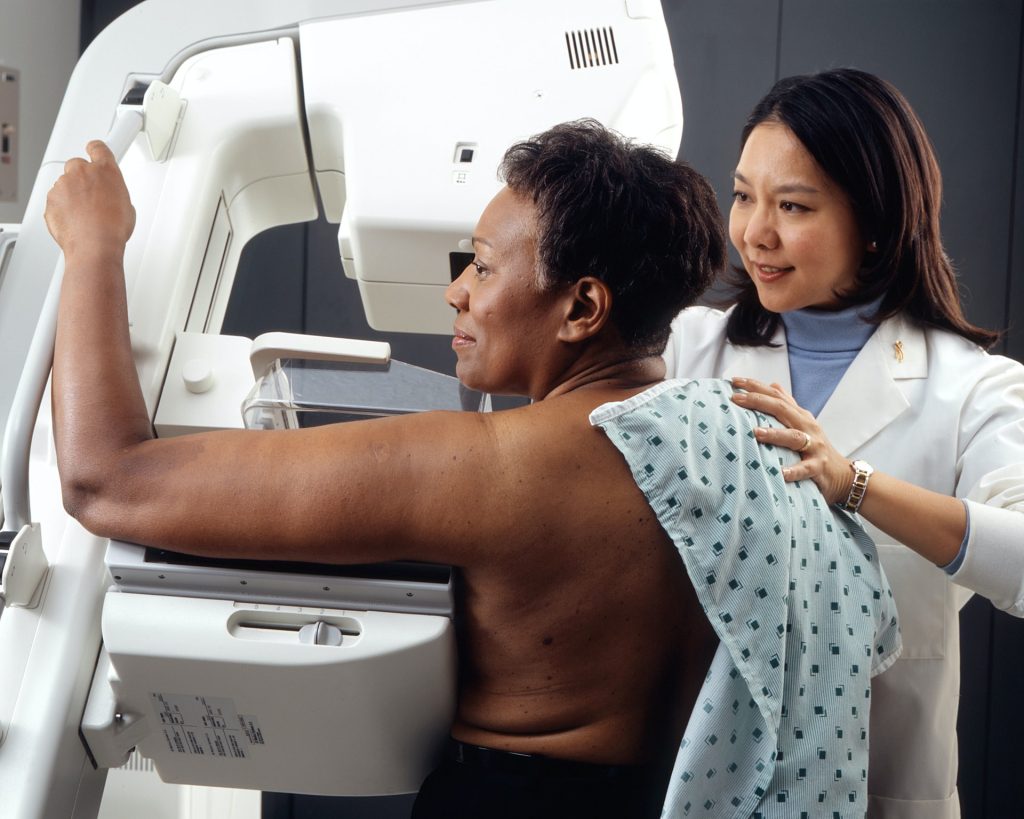
Photo by National Cancer Institute on Unsplash

A new study describes an innovative method of analysing mammograms that significantly improves the accuracy of predicting the risk of breast cancer development over the following five years. Using up to three years of previous mammograms, the new method identified individuals at high risk of developing breast cancer 2.3 times more accurately than the standard method, which is based on questionnaires assessing clinical risk factors alone, such as age, race and family history of breast cancer.

The study, from Washington University School of Medicine in St. Louis, appears in JCO Clinical Cancer Informatics.

“We are seeking ways to improve early detection, since that increases the chances of successful treatment,” said senior author Graham A. Colditz, MD, DrPH, associate director, prevention and control, of Siteman Cancer Center, based at Barnes-Jewish Hospital and WashU Medicine. “This improved prediction of risk also may help research surrounding prevention, so that we can find better ways for women who fall into the high-risk category to lower their five-year risk of developing breast cancer.”

This risk-prediction method builds on past research led by Colditz and lead author Shu (Joy) Jiang, PhD, a statistician, data scientist and associate professor at WashU Medicine. The researchers showed that prior mammograms hold a wealth of information on early signs of breast cancer development that can’t be perceived even by a well-trained human eye. This information includes subtle changes over time in breast density, which is a measure of the relative amounts of fibrous versus fatty tissue in the breasts.

For the new study, the team built an algorithm based on artificial intelligence that can discern subtle differences in mammograms and help identify those women at highest risk of developing a new breast tumour over a specific timeframe. In addition to breast density, their machine-learning tool considers changes in other patterns in the images, including in texture, calcification and asymmetry within the breasts.

“Our new method is able to detect subtle changes over time in repeated mammogram images that are not visible to the eye,” said Jiang, yet these changes hold rich information that can help identify high-risk individuals.

At the moment, risk-reduction options are limited and can include drugs such as tamoxifen that lower risk but may have unwanted side effects. Most of the time, women at high risk are offered more frequent screening or the option of adding another imaging method, such as an MRI, to try to identify cancer as early as possible.

“Today, we don’t have a way to know who is likely to develop breast cancer in the future based on their mammogram images,” said co-author Debbie L. Bennett, MD, an associate professor of radiology and chief of breast imaging for the Mallinckrodt Institute of Radiology at WashU Medicine. “What’s so exciting about this research is that it indicates that it is possible to glean this information from current and prior mammograms using this algorithm. The prediction is never going to be perfect, but this study suggests the new algorithm is much better than our current methods.”

AI improves prediction of breast cancer development

The researchers trained their machine-learning algorithm on the mammograms of more than 10 000 women who received breast cancer screenings through Siteman Cancer Center from 2008–2012. These individuals were followed through 2020, and in that time 478 were diagnosed with breast cancer.

The researchers then applied their method to predict breast cancer risk in a separate set of 18 000 women who received mammograms from 2013–2020. Subsequently, 332 women were diagnosed with breast cancer during the follow-up period, which ended in 2020.

According to the new prediction model, women in the high-risk group were 21 times more likely to be diagnosed with breast cancer over the following five years than were those in the lowest-risk group. In the high-risk group, 53 out of every 1000 women screened developed breast cancer over the next five years. In contrast, in the low-risk group, 2.6 women per 1000 screened developed breast cancer over the following five years. Under the old questionnaire-based methods, only 23 women per 1000 screened were correctly classified in the high-risk group, providing evidence that the old method, in this case, missed 30 breast cancer cases that the new method found.

The mammograms were conducted at academic medical centres and community clinics, demonstrating that the accuracy of the method holds up in diverse settings. Importantly, the algorithm was built with robust representation of Black women, who are usually underrepresented in development of breast cancer risk models. The accuracy for predicting risk held up across racial groups. Of the women screened through Siteman, most were white, and 27% were Black. Of those screened through Emory, 42% were Black.

Source: Washington University School of Medicine in St. Louis

HealthONE Oncology: A New Era in Oncology

As November highlights prostate cancer awareness, it’s important to remember that cancer is far more than mere statistics. It represents deeply personal journeys marked by uncertainty, fear and hope. With countless people facing a cancer diagnosis in their lifetimes, the call for human-centred and innovative care is more urgent than ever. It is imperative that we support individuals on this challenging journey, ensuring they receive the comprehensive care they deserve.

Leading this transformation is the HealthONE Oncology solution, created by Altron HealthTech in partnership with a leading Oncologist Dr. Ziad Seedat and supported by Dis-Chem Oncology. This innovative solution aims to redefine oncology care by streamlining processes and enhancing the treatment experience for both patients and healthcare providers.  Dr. Ziad Seedat, whose expertise as a dedicated advocate for cancer patients has significantly shaped the design and functionality of the platform. His insights ensure that the technology aligns with the real needs of both patients and healthcare practitioners. This has a positive knock-on impact throughout the healthcare ecosystem.

Timely treatment matters

Timely treatment is essential in the fight against cancer. Unfortunately, the healthcare system can be burdened by extensive approvals and administrative requirements, causing delays that can negatively impact patient outcomes. Research indicates that when cancer care is delayed or inaccessible there is a lower chance of survival, greater problems associated with treatment and higher costs of care.1

The HealthOne Oncology solution addresses these challenges by integrating patients’ medical histories, treatment plans and appointment schedules into one accessible platform.  Dis-Chem Oncology enhances this initiative by working with patients, doctors and medical aids to provide medication and supplies. The tailored support ensures that patients receive medication and support throughout their treatment journey. Their direct oncology pharmacies, providing specialised care and support for cancer patients on‑site at hospitals or private oncology practices, further enhances the value.

Innovative solutions with HealthOne

The HealthOne Oncology solution distinguishes itself through its thoughtful design, developed in consultation with clinicians, including Dr. Seedat. He emphasises the importance of minimising administrative burdens, stating, “Patients should focus on their care, not be overwhelmed by paperwork.” This philosophy is foundational to the platform, which integrates feedback from healthcare providers to address the unique challenges of cancer treatment.

HealthOne Oncology is an integrated electronic health records (EHR) platform that works seamlessly with the HealthOne Practice Management application, saving time and improving productivity. By enabling appointment scheduling, storing existing patient data, automating treatment plans and submitting backlogged claims from a centralised, user-friendly interface, HealthOne empowers practitioners to prioritise patient care. The platform also tracks medical aid authorisations, including treatment expiry dates, helping healthcare providers manage treatment timelines effectively. Standardisation and tracking is crucial; the application monitors every intervention, ensuring that each step in the patient’s journey is documented, including signatures for consent.

Addressing financial challenges

The financial burden of cancer treatment can be overwhelming.  In South Africa treatment costs vary significantly, influenced by factors such as the timing of diagnosis and the specific therapies needed.  Many patients experience substantial financial distress due to medical bills and other cancer associated costs, highlighting the urgent need for effective and affordable solutions to support those facing this challenge. 

The HealthOne Oncology platform aims to standardise workflows and clinical protocols to maintain quality care whilst improving efficiency and reducing costs.

The future of digital health in oncology

Looking ahead, the potential for digital health technologies in oncology is vast. By addressing barriers such as interoperability and complex workflows, the HealthOne Oncology platform aims to create a more cohesive, patient-centred model of care. This partnership between Altron HealthTech, Dis-Chem Oncology and the expertise of Dr Seedat marks a pivotal shift in cancer care, embracing innovation while prioritising patient well-being. In a world where cancer diagnoses are on the rise, the HealthOne Oncology platform is your partner in empowering healthcare providers to deliver exceptional care. Imagine transforming patient experiences, streamlining workflows and significantly reducing costs – all while ensuring that each patient’s journey through cancer is filled with hope, empowerment and improved outcomes.  For medical practitioners eager to elevate their practice and make a meaningful difference in the lives of their patients, adopting this innovative platform is not just a choice; it’s a game changer. Join us in the vital fight against cancer and be part of a brighter, more compassionate future for oncology care.

To read more about Altron HealthTech’s solutions, visit https://eu1.hubs.ly/H0dwmNR0

Sources

  1. Promoting cancer early diagnosis, World Health Organization ↩︎

Dr Jessica Voerman Highlights Key Healthcare Trends to Watch for in 2025 

Source: Pixabay CC0

The healthcare landscape is rapidly evolving, and 2025 is poised to bring significant changes driven by technological advancements and shifting patient needs. As the sector faces ongoing challenges such as rising costs, limited access, and increasing demand for mental health services, innovative solutions will be key to addressing these issues. From the rise of virtual healthcare and wearable technologies to the growing influence of artificial intelligence, these trends are reshaping how care is delivered and experienced.

“The healthcare sector must embrace innovation to address challenges like affordability and accessibility while leveraging technologies such as AI, virtual healthcare, and wearables to reshape how we deliver care,” said Dr Jessica Voerman, Chief Clinical Officer at SH Inc. Healthcare.

KEY TRENDS POISED TO DEFINE HEALTHCARE IN 2025

  1. RISING HEALTHCARE COSTS AND ACCESS CHALLENGES
    As we approach 2025, the escalation of healthcare costs is expected to persist, with medical aid contributions outpacing inflation and the general expense of healthcare services becoming increasingly burdensome. This growing financial pressure is placing significant strain not only on patients, but also on healthcare providers and the broader healthcare system. In response, identifying and implementing innovative solutions to alleviate this looming financial crisis remains a critical priority for healthcare businesses nationwide. For many South Africans, the rising cost of healthcare is exacerbating issues of accessibility and affordability, with an increasing number of individuals unable to access necessary medical care. In light of this, we anticipate a strong focus on policy reform aimed at addressing these inequalities. As such, addressing healthcare disparities will continue to be a central theme in the ongoing development of healthcare policies and initiatives in the coming years. 
  2. INCREASING DEMAND FOR MENTAL HEALTHCARE SERVICES
    One of the most prominent shifts anticipated in the healthcare landscape by 2025 is the significant rise in demand for mental healthcare services. The recognition that mental health is integral to overall well-being has led to a growing push to integrate mental health services into primary healthcare systems. Such integration is proving to be both preventative and curative, as early intervention can improve long-term outcomes. Furthermore, mental healthcare is particularly well-suited for the adoption of digital health tools, such as virtual consultations, which can enhance access to care, particularly in underserved or rural areas. The increased focus on mental health will likely continue to drive growth in this sector, as more individuals seek professional support to manage mental health challenges. 
  3. EXPANSION OF VIRTUAL HEALTHCARE
    The trend towards virtual healthcare is expected to continue its upward trajectory in 2025, as more patients turn to telemedicine as either a primary or supplementary means of accessing healthcare services. According to a McKinsey report, telemedicine is projected to account for more than 20% of outpatient consultations by 2025. This shift is expected to be particularly pronounced in areas such as primary healthcare, chronic disease management, dermatology, and mental healthcare. Virtual consultations offer patients the convenience of receiving care remotely, which can help to reduce barriers related to distance, time, and accessibility. For healthcare providers, virtual healthcare offers opportunities to streamline services, increase operational efficiency, and reach a broader patient population. 
  4. THE ROLE OF WEARABLES AND HEALTH DATA COLLECTION
    Wearable health technologies, including biosensors capable of monitoring, transmitting, and analysing vital signs, represent another exciting frontier in digital health. These devices have the potential to revolutionise the management of both acute and chronic conditions by providing continuous, real-time data that can inform clinical decision-making. With their ability to track everything from heart rate and blood glucose levels to oxygen saturation and sleep patterns, wearables offer unprecedented insights into an individual’s health status. This wealth of data has the potential to improve patient outcomes, empower individuals to take a more proactive role in managing their health, and help healthcare providers tailor interventions more precisely. As these technologies evolve, they will become an increasingly important tool in both disease prevention and management. 
  5. THE GROWING IMPACT OF ARTIFICIAL INTELLIGENCE (AI)
    Artificial intelligence (AI) continues to make significant strides in healthcare, particularly in areas such as clinical decision-making, diagnostics, and operational efficiency. AI algorithms have demonstrated their ability to improve the speed, accuracy, and reliability of diagnoses, enabling healthcare professionals to make more informed decisions. Furthermore, AI-driven tools are improving clinical workflows, optimizing resource allocation, and enhancing the overall patient experience. In the realm of surgery, robotic-assisted technologies are increasingly being used to improve the precision of procedures, reduce the risk of human error, and shorten recovery times for patients. Additionally, the use of virtual and augmented reality technologies in medical training and physical rehabilitation is gaining traction, offering immersive, interactive experiences that improve learning outcomes and accelerate recovery for patients.

Looking ahead to 2025, healthcare is set to evolve rapidly, driven by technological advancements and growing demand for accessible, affordable care. Key trends such as rising costs, expanded mental health access, virtual healthcare, wearable technologies, and artificial intelligence are reshaping the sector.

For businesses and policymakers, staying ahead of these changes is crucial to ensuring sustainable, equitable, and effective care. By embracing digital tools, AI, and data-driven solutions, the healthcare system can improve both patient outcomes and overall efficiency. Collaboration and innovation across all sectors will be essential to meeting the evolving needs of patients and society.

Is AI a Better Doctors’ Diagnostic Resource than Traditional Ones?

With hospitals already deploying artificial intelligence (AI) to improve patient care, a new study has found that using Chat GPT Plus does not significantly improve the accuracy of doctors’ diagnoses when compared with the use of usual resources. 

The study, from UVA Health’s Andrew S. Parsons, MD, MPH and colleagues, enlisted 50 physicians in family medicine, internal medicine and emergency medicine to put Chat GPT Plus to the test. Half were randomly assigned to use Chat GPT Plus to diagnose complex cases, while the other half relied on conventional methods such as medical reference sites (for example, UpToDate©) and Google. The researchers then compared the resulting diagnoses, finding that the accuracy across the two groups was similar.

That said, Chat GPT alone outperformed both groups, suggesting that it still holds promise for improving patient care. Physicians, however, will need more training and experience with the emerging technology to capitalise on its potential, the researchers conclude. 

For now, Chat GPT remains best used to augment, rather than replace, human physicians, the researchers say.

“Our study shows that AI alone can be an effective and powerful tool for diagnosis,” said Parsons, who oversees the teaching of clinical skills to medical students at the University of Virginia School of Medicine and co-leads the Clinical Reasoning Research Collaborative. “We were surprised to find that adding a human physician to the mix actually reduced diagnostic accuracy though improved efficiency. These results likely mean that we need formal training in how best to use AI.”

Chat GPT for Disease Diagnosis

Chatbots called “large language models” that produce human-like responses are growing in popularity, and they have shown impressive ability to take patient histories, communicate empathetically and even solve complex medical cases. But, for now, they still require the involvement of a human doctor. 

Parsons and his colleagues were eager to determine how the high-tech tool can be used most effectively, so they launched a randomized, controlled trial at three leading-edge hospitals – UVA Health, Stanford and Harvard’s Beth Israel Deaconess Medical Center.

The participating docs made diagnoses for “clinical vignettes” based on real-life patient-care cases. These case studies included details about patients’ histories, physical exams and lab test results. The researchers then scored the results and examined how quickly the two groups made their diagnoses. 

The median diagnostic accuracy for the docs using Chat GPT Plus was 76.3%, while the results for the physicians using conventional approaches was 73.7%. The Chat GPT group members reached their diagnoses slightly more quickly overall – 519 seconds compared with 565 seconds.

The researchers were surprised at how well Chat GPT Plus alone performed, with a median diagnostic accuracy of more than 92%. They say this may reflect the prompts used in the study, suggesting that physicians likely will benefit from training on how to use prompts effectively. Alternately, they say, healthcare organisations could purchase predefined prompts to implement in clinical workflow and documentation.

The researchers also caution that Chat GPT Plus likely would fare less well in real life, where many other aspects of clinical reasoning come into play – especially in determining downstream effects of diagnoses and treatment decisions. They’re urging additional studies to assess large language models’ abilities in those areas and are conducting a similar study on management decision-making. 

“As AI becomes more embedded in healthcare, it’s essential to understand how we can leverage these tools to improve patient care and the physician experience,” Parsons said. “This study suggests there is much work to be done in terms of optimising our partnership with AI in the clinical environment.”

Following up on this groundbreaking work, the four study sites have also launched a bicoastal AI evaluation network called ARiSE (AI Research and Science Evaluation) to further evaluate GenAI outputs in healthcare. Find out more information at the ARiSE website.

Source: University of Virginia Health System

Opinion Piece: Business Continuity and Data Management – a Life-or-death Situation in Healthcare

Photo by Nahel Abdul on Unsplash

By Hemant Harie, Group CTO at DMP SA / Gabsten Technologies

Ransomware attacks are a growing concern for healthcare facilities worldwide, with attacks wreaking havoc, including encrypting complex patient records, cancelling appointments, delaying life-saving surgeries, and even rerouting ambulances. The critical nature of healthcare services, combined with the sensitive personal and medical data they handle, makes hospitals and healthcare providers a prime target for cybercriminals.

When these systems are compromised, the impact is severe, jeopardising patient safety, disrupting service delivery and causing financial strain. It has become imperative for healthcare facilities to adopt more robust cybersecurity measures, including effective data management strategies as part of an overall business continuity approach. Partnering with an expert third-party service provider can assist healthcare facilities in ensuring continuity of care and business operations even in the face of cyberattacks.

Attractive targets with unique vulnerabilities

Digital transformation within the healthcare space, while vital for improving patient care,  can also introduce significant cybersecurity risks. Many hospitals and healthcare facilities are at different stages in their digital transformation , and legacy infrastructure is a common challenge, alongside immature cybersecurity posture and processes, making them more susceptible to attacks.

Cybercriminals often target these systems because they handle vast amounts of sensitive data, including Personal Health Information (PHI), which is highly valuable on the black market. In addition, these facilities often lack the dedicated IT and cybersecurity specialists they need to adequately defend against or recover from ransomware incidents.

The nature of information housed within healthcare and the consequences of a breach mean the stakes are high. This, combined with the fact that healthcare facilities are legally bound by regulations such as the Protection of Personal Information Act (PoPIA), Health Insurance Portability and Accountability Act (HIPAA) and General Data Protection Regulation (GDPR) to protect this information, means potential breaches could have catastrophic consequences.

The impact of ransomware on healthcare

Ransomware attacks can have devastating effects on healthcare organisations, leading to significant downtime that directly threatens patient care. Operations may be postponed or cancelled, disrupting treatment schedules and putting patients’ lives at risk. Additionally, the exposure of PHI can result in severe legal and ethical repercussions, including costly regulatory fines and lawsuits. Financial losses also extend to ransom payments, the cost of recovery, and reputational damage, all of which can linger long after the attack is resolved.

Moreover, a ransomware attack on one healthcare facility can damage the reputation of the entire network, as trust is critical in healthcare. Patients may be less likely to seek care from a hospital they perceive as insecure, leading to long-term financial and operational challenges.

Data management mitigates ransomware risks

To effectively combat ransomware, healthcare organisations must prioritise data management and cyber resilience. This starts with classifying and understanding the types of data being processed and stored , such as medical records, surgical files, and other critical patient information. Once this data is properly categorised, healthcare facilities can implement security controls that ensure the integrity and availability of the data.

Regular, automated backups stored offline are essential for mitigating ransomware risks. These backups allow facilities to restore their systems quickly without paying a ransom, minimising downtime and ensuring continuity of care. In addition to regular backups, hospitals should adopt advanced security measures such as multi-factor authentication, firewalls, and intrusion detection systems to safeguard against unauthorised access.

An expert partner enhances data management and security

Third-party service providers offer critical expertise and comprehensive solutions that healthcare organisations may lack in-house. These providers specialise in data management, backup, and disaster recovery, ensuring that hospitals have access to the latest technologies and best practices for defending against cyber threats. These experts bring valuable experience from handling multiple cyber incidents across various sectors, which can inform and improve the healthcare facility’s own data management practices. In addition to providing technical expertise, third-party providers can offer ongoing education, helping healthcare staff stay informed about the latest cybersecurity threats and recovery processes.

One of the key services offered by third-party providers is automated backup and disaster recovery solutions. These services typically include offsite storage, secure cloud options, and regular backups, all of which are vital for restoring data and reducing downtime during a ransomware attack. Offsite storage and cloud solutions also protect data from physical threats like floods or fires, adding an extra layer of security. In addition to traditional backup services, advanced tools can enhance data protection by providing early warning systems and simulating real-time production environments, which allow healthcare facilities to detect and respond to potential threats before they can cause damage. For example, scanning tools can identify which versions of data are clean and free from malware, enabling faster and more effective recovery.

Partnering with a third-party provider ensures that healthcare organisations have access to continuous support and the latest innovations in data protection. These providers not only help mitigate ransomware risks but also assist in compliance with industry regulations and offer scalable solutions to meet the growing needs of healthcare facilities.

As ransomware threats continue to rise, healthcare organisations must take proactive steps to safeguard their systems and protect patient data. Effective data management, including regular backups and disaster recovery plans, is essential for mitigating these risks. By partnering with third-party service providers, healthcare facilities can leverage specialised expertise and advanced technologies to enhance their cybersecurity defences and maintain continuity of care, even in the face of growing cyber threats.

Researchers Find Persistent Problems with AI-assisted Genomic Studies

Photo by Sangharsh Lohakare on Unsplash

In a paper published in Nature Genetics, researchers are warning that artificial intelligence tools gaining popularity in the fields of genetics and medicine can lead to flawed conclusions about the connection between genes and physical characteristics, including risk factors for diseases like diabetes.

The faulty predictions are linked to researchers’ use of AI to assist genome-wide association studies, according to the University of Wisconsin–Madison researchers. Such studies scan through hundreds of thousands of genetic variations across many people to hunt for links between genes and physical traits. Of particular interest are possible connections between genetic variations and certain diseases.

Genetics’ link to disease not always straightforward

Genetics play a role in the development of many health conditions. While changes in some individual genes are directly connected to an increased risk for diseases like cystic fibrosis, the relationship between genetics and physical traits is often more complicated.

Genome-wide association studies have helped to untangle some of these complexities, often using large databases of individuals’ genetic profiles and health characteristics, such as the National Institutes of Health’s All of Us project and the UK Biobank. However, these databases are often missing data about health conditions that researchers are trying to study.

“Some characteristics are either very expensive or labour-intensive to measure, so you simply don’t have enough samples to make meaningful statistical conclusions about their association with genetics,” says Qiongshi Lu, an associate professor in the UW–Madison Department of Biostatistics and Medical Informatics and an expert on genome-wide association studies.

The risks of bridging data gaps with AI

Researchers are increasingly attempting to work around this problem by bridging data gaps with ever more sophisticated AI tools.

“It has become very popular in recent years to leverage advances in machine learning, so we now have these advanced machine-learning AI models that researchers use to predict complex traits and disease risks with even limited data,” Lu says.

Now, Lu and his colleagues have demonstrated the peril of relying on these models without also guarding against biases they may introduce. In their paper, they show that a common type of machine learning algorithm employed in genome-wide association studies can mistakenly link several genetic variations with an individual’s risk for developing Type 2 diabetes.

“The problem is if you trust the machine learning-predicted diabetes risk as the actual risk, you would think all those genetic variations are correlated with actual diabetes even though they aren’t,” says Lu.

These “false positives” are not limited to these specific variations and diabetes risk, Lu adds, but are a pervasive bias in AI-assisted studies.

New statistical method can reduce false positives

In addition to identifying the problem with overreliance on AI tools, Lu and his colleagues propose a statistical method that researchers can use to guarantee the reliability of their AI-assisted genome-wide association studies. The method helps remove bias that machine learning algorithms can introduce when they’re making inferences based on incomplete information.

“This new strategy is statistically optimal,” Lu says, noting that the team used it to better pinpoint genetic associations with individuals’ bone mineral density.

AI not the only problem with some genome-wide association studies

While the group’s proposed statistical method could help improve the accuracy of AI-assisted studies, Lu and his colleagues also recently identified problems with similar studies that fill data gaps with proxy information rather than algorithms.

In another recently published paper appearing in Nature Genetics, the researchers sound the alarm about studies that over-rely on proxy information in an attempt to establish connections between genetics and certain diseases.

For instance, large health databases like the UK Biobank have a ton of genetic information about large populations, but they don’t have very much data regarding the incidence of diseases that tend to crop up later in life, like most neurodegenerative diseases.

For Alzheimer’s disease specifically, some researchers have attempted to bridge that gap with proxy data gathered through family health history surveys, where individuals can report a parent’s Alzheimer’s diagnosis.

The UW–Madison team found that such proxy-information studies can produce “highly misleading genetic correlation” between Alzheimer’s risk and higher cognitive abilities.

“These days, genomic scientists routinely work with biobank datasets that have hundreds of thousands of individuals; however, as statistical power goes up, biases and the probability of errors are also amplified in these massive datasets,” says Lu. “Our group’s recent studies provide humbling examples and highlight the importance of statistical rigor in biobank-scale research studies.”

Source: University of Wisconsin-Madison

AI Eye to Eye with Ophthalmologists in Diagnosing Corneal Infections

Photo by Victor Freitas on Pexels

A Birmingham-led study has found that AI-powered models match ophthalmologists in diagnosing infectious keratitis, offering promise for global eye care improvements.

Infectious keratitis (IK) is a leading cause of corneal blindness worldwide. This new study finds that deep learning models showed similar levels of accuracy in identifying infection.

In a meta-analysis study published in eClinicalMedicine, Dr Darren Ting from the University of Birmingham conducted a review with a global team of researchers analysing 35 studies that utilised Deep Learning (DL) models to diagnose infectious keratitis.

AI models in the study matched the diagnostic accuracy of ophthalmologists, exhibiting a sensitivity of 89.2% and specificity of 93.2%, compared to ophthalmologists’ 82.2% sensitivity and 89.6% specificity.

The models in the study had analysed a combined total of more than 136 000 corneal images, and the authors say that the results further demonstrate the potential use of artificial intelligence in clinical settings.

Dr Darren Ting, Senior author of the study, Birmingham Health Partners (BHP) Fellow and Consultant Ophthalmologist, University of Birmingham said: “Our study shows that AI has the potential to provide fast, reliable diagnoses, which could revolutionise how we manage corneal infections globally. This is particularly promising for regions where access to specialist eye care is limited, and can help to reduce the burden of preventable blindness worldwide.”

The AI models also proved effective at differentiating between healthy eyes, infected corneas, and the various underlying causes of IK, such as bacterial or fungal infections.

While these results highlight the potential of DL in healthcare, the study’s authors emphasised the need for more diverse data and further external validation to increase the reliability of these models for clinical use.

Infectious keratitis, an inflammation of the cornea, affects millions, particularly in low- and middle-income countries where access to specialist eye care is limited. As AI technology continues to grow and play a pivotal role in medicine, it may soon become a key tool in preventing corneal blindness globally.

Source: University of Birmingham

AI Tools Can’t Revolutionise Public Health if They Stick to Old Patterns

As tools powered by artificial intelligence increasingly make their way into health care, the latest research from UC Santa Cruz Politics Department doctoral candidate Lucia Vitale takes stock of the current landscape of promises and anxieties. 

Proponents of AI envision the technology helping to manage health care supply chains, monitor disease outbreaks, make diagnoses, interpret medical images, and even reduce equity gaps in access to care by compensating for healthcare worker shortages. But others are sounding the alarm about issues like privacy rights, racial and gender biases in models, lack of transparency in AI decision-making processes that could lead to patient care mistakes, and even the potential for insurance companies to use AI to discriminate against people with poor health. 

Which types of impacts these tools ultimately have will depend upon the manner in which they are developed and deployed. In a paper for the journal Social Science & Medicine, Vitale and her coauthor, University of British Columbia doctoral candidate Leah Shipton, conducted an extensive literature analysis of AI’s current trajectory in health care. They argue that AI is positioned to become the latest in a long line of technological advances that ultimately have limited impact because they engage in a “politics of avoidance” that diverts attention away from, or even worsens, more fundamental structural problems in global public health. 

For example, like many technological interventions of the past, most AI being developed for health focuses on treating disease, while ignoring the underlying determinants of health. Vitale and Shipton fear that the hype over unproven AI tools could distract from the urgent need to implement low-tech but evidence-based holistic interventions, like community health workers and harm reduction programs. 

“We have seen this pattern before,” Vitale said. “We keep investing in these tech silver bullets that fail to actually change public health because they’re not dealing with the deeply rooted political and social determinants of health, which can range from things like health policy priorities to access to healthy foods and a safe place to live.”

AI is also likely to continue or exacerbate patterns of harm and exploitation that have historically been common in the biopharmaceutical industry. One example discussed in the paper is that the ownership of and profit from AI is currently concentrated in high-income countries, while low- to middle-income countries with weak regulations may be targeted for data extraction or experimentation with the deployment of potentially risky new technologies. 

The paper also predicts that lax regulatory approaches to AI will continue the prioritization of intellectual property rights and industry incentives over equitable and affordable public access to new treatments and tools. And since corporate profit motives will continue to drive product development, AI companies are also likely to follow the health technology sector’s long-term trend of overlooking the needs of the world’s poorest people when deciding which issues to target for investment in research and development. 

However, Vitale and Shipton did identify a bright spot. AI could potentially break the mold and create a deeper impact by focusing on improving the health care system itself. AI could be used to allocate resources more efficiently across hospitals and for more effective patient triage. Diagnostic tools could improve the efficiency and expand the capabilities of general practitioners in small rural hospitals without specialists. AI could even provide some basic yet essential health services to fill labor and specialization gaps, like providing prenatal check-ups in areas with growing maternity care deserts. 

All of these applications could potentially result in more equitable access to care. But that result is far from guaranteed. Depending on how and where these technologies are deployed, they could either successfully backfill gaps in care where there are genuine health worker shortages or lead to unemployment or precarious gig work for existing health care workers. And unless the underlying causes of health care worker shortages are addressed – including burnout and “brain drain” to high-income countries – AI tools could end up providing diagnosis or outbreak detection that is ultimately not useful because communities still lack the capacity to respond. 

To maximise benefits and minimise harms, Vitale and Shipton argue that regulation must be put in place before AI expands further into the health sector. The right safeguards could help to divert AI from following harmful patterns of the past and instead chart a new path that ensures future projects will align with the public interest.

“With AI, we have an opportunity to correct our way of governing new technologies,” Shipton said. “But we need a clear agenda and framework for the ethical governance of AI health technologies through the World Health Organization, major public-private partnerships that fund and deliver health interventions, and countries like the United States, India, and China that host tech companies. Getting that implemented is going to require continued civil society advocacy.”

Source: University of California – Santa Cruz

CareFirst Clinches Top Prize at Stuff Magazine App Awards

In a remarkable achievement, CareFirst, the innovative healthcare web app developed by First Care Solutions, has secured 1st place in the Health Section at the 2024 Stuff Awards. Held annually by Stuff Magazine, these prestigious awards recognise excellence in digital innovation and technological advancement.

CareFirst has quickly emerged as a game-changer in South Africa’s healthcare landscape, offering users:

  • Instant medical consultations with qualified doctors, available 24/7 – 365
  • AI-powered Vital Scanning: Advanced technology to monitor key health metrics including blood pressure, respiratory rate, and heart rate.
  • Comprehensive Medical Services: Convenient access to doctors’ consultations, prescriptions, sick notes, and referrals.

‘’I’m really proud of what our team has created. CareFirst is a platform that can really transform the way people access healthcare,’’ says Dr Steve Holt, Chief Executive Officer – at First Care Solutions.

CareFirst represents a shift towards more accessible, efficient and personalised care, promising a future where quality care is available to everyone, regardless of their location or time constraint and this award is a testament to that.

Applying AI to EHRs Ensures Better Outcomes and Insights

Photo by Christina Morillo

This week the GIBS, (Gordon Institute of Business Science), held an on-campus Healthcare Industry Insights Conference aimed at healthcare professionals and others with an interest in this field to hear from experts providing insightful discussion and frank debate. 

The sessions were each themed to different topics such as Innovation for Sustainable Access and Quality Care, Building a Skilled Workforce, navigating Public-Private Partnerships and Addressing Social Determinants. 

The day ended with a focus on Digital Transformation and advances in medical device manufacturing, were discussed. 

Dilip Naran, Vice President of Product Architecture at CompuGroup Medical South Africa, (an internationally leading MedTech provider), has over 25 years of dedicated service to the South African healthcare market, and was asked to share his thoughts on the next generation of digital health. 

Naran has been actively involved in shaping both billing and clinical applications and has been a key player in the creation of cutting-edge cloud-based solutions that have revolutionised the way healthcare professionals operate in South Africa. 

Improving workflow processes

The discussion focused on the AI and Electronic Health Records (EHRs), and how by harnessing the power of AI, healthcare providers can unlock unprecedented insights, enhance patient care and drive operational efficiencies.

The topical subject began by reminding the audience that AI has already improved the EHR data management. By extracting valuable insights from clinical notes, automation of repetitive tasks, analysing data to identify patterns and facilitating the seamless integration of multiple data sources. AI advances in HER and medical devices have reshaped the doctor / patient healthcare journey. 

To continue this growth, AI powered tools must be implemented in EHRs to enable functionality that enhance the Dr/Patient journey. Some benefits of AI powered EHRs include: 

  • Effective Clinical Decision Support 
  • Intelligent Automation. This includes improvement in workflow by automating certain tasks 
  • Smart Medication management . Ai can alert HCP to potential drug interactions and adverse effects 
  • Predictive Analytics that are personalised based on patient history 

Adoption in South Africa

Whilst some of the AI technologies are not yet available in South Africa, CGM’s recently launched Autoscriber solution which uses AI technologies such as Natural Language Processing NLP and a Large Language Model (LLM) has enabled South African HCPs to use this solution to create structured notes which includes diagnoses ICD10 and SNOMED coding. This assists the HCP in populating their HER without having to physically capture information. 

At the moment the adoption rate of EHR in practices is around 30% in the private sector, with oncology leading the way. 

With collaboration between government, private and public sector, existing technologies can forecast disease outbreaks, identify high-risk patients and optimise resource allocation. 

Dilip Naran concluded by saying: “The use of AI technologies and processes can facilitate the meaningful use of data in EHRs and lead to better patient outcomes”