Researchers have developed a new shoe insole technology that helps reduce the risk of diabetic foot ulcers, which can lead to hospitalisation and leg, foot or toe amputations. They describe the technology in The International Journal of Lower Extremity Wounds.
“The goal of this innovative insole technology is to mitigate the risk of diabetic foot ulcers by addressing one of their most significant causes: skin and soft tissue breakdown due to repetitive stress on the foot during walking,” said Muthu B.J. Wijesundara, principal research scientist at The University of Texas at Arlington Research Institute (UTARI).
Diabetes can damage the small blood vessels that supply blood to the nerves, leading to poor circulation and foot sores, also called ulcers. About one-third of people with diabetes develop foot ulcers during their lifetime. Those who have foot ulcers often die at younger ages than those without ulcers.
“Although many shoe insoles have been created over the years to try to alleviate the problem of foot ulcers, studies have shown that their success in preventing them is marginal,” Wijesundara said. “We took the research a step further by creating a pressure-alternating shoe insole that works by cyclically relieving pressure from different areas of the foot, thereby providing periods of rest to the soft tissues and improving blood flow. This approach aims to maintain the health of the skin and tissues, thereby reducing the risk of diabetic foot ulcers.”
In an article in the peer-reviewed International Journal of Lower Extremity Wounds, Wijesundara and UTA colleagues Veysel Erel, Aida Nasirian and Yixin Gu, along with Larry Lavery of UT Southwestern Medical Center, described their innovative insole technology. After this successful pilot project, the next step for the research team will be refining the technology to make it more accessible for users with varying weights and shoe sizes.
“Considering the impact of foot ulcers, it’s exciting that we may be able to make a real difference in the lives of so many people,” Wijesundara said.
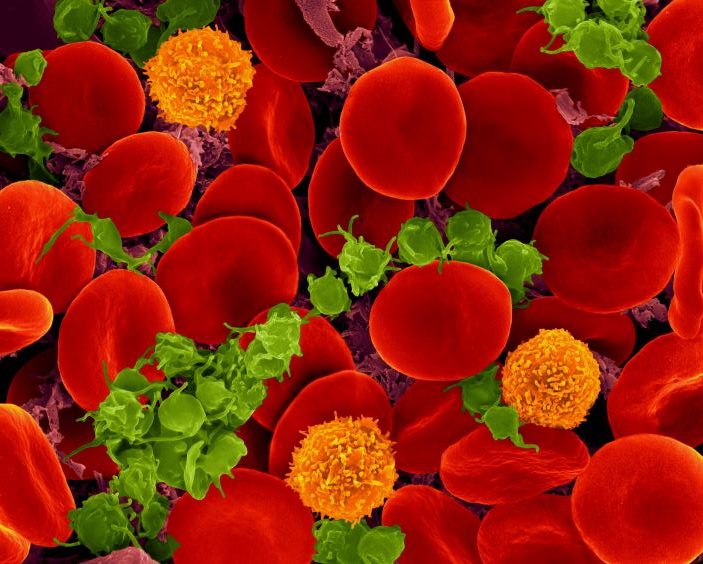
Scanning electron micrograph of red blood cells, T cells (orange) and platelets (green). Source: Wikimedia CC0
Researchers have developed hydrogel-based synthetic platelets that can be used to stop bleeding and, in animal models, has been shown to enhance healing at an injury site. The research is presented in Science Translational Medicine.
A number of medical situations require platelet transfusions – such as cases of severe bleeding, or for patients who are going into surgery or receiving chemotherapy. Currently, patients in any of those situations receive platelets harvested from blood donors, ideally from donors with a compatible blood type. This is challenging, because there is a very limited supply of platelets available, those platelets have a limited shelf life, and the platelets must be stored under controlled conditions.
“We’ve developed synthetic platelets that can be used with patients of any blood type and are engineered to go directly to the site of injury and promote healing,” says Ashley Brown, corresponding author of a paper on the synthetic platelets and biomedical engineering programme. “The synthetic platelets are also easy to store and transport, making it possible to give the synthetic platelets to patients in clinical situations sooner – such as in an ambulance or on the battlefield.”
The synthetic platelets are made of hydrogel nanoparticles that mimic the size, shape and mechanical properties of human platelets. Hydrogels are water-based gels that are composed of water and a small proportion of polymer molecules.
“Our synthetic platelets are deformable – meaning they can change shape – in the same way that normal platelets are,” Brown explains.
The researchers engineered the surface of the synthetic platelets to incorporate antibody fragments that bind to a protein called fibrin. When a body is injured, it synthesises fibrin at the site of the wound. The fibrin then forms a mesh-like substance to promote clotting.
“Because the synthetic platelets are coated with these antibody fragments, the synthetic platelets travel freely through the blood stream until they reach the wound site,” Brown says. “Once there, the antibody fragments bind to the fibrin, and the synthetic platelets expedite the clotting process.”
In addition to forming a clot within the fibrin network, the synthetic platelets act to contract the clot over time – just like normal platelets.
“This expedites the process of healing, allowing the body to move forward with tissue repair and recovery,” Brown says.
The researchers initially demonstrated the efficacy of the antibody fragments via in vitro testing, as well as demonstrating that the antibody fragments and synthetic platelets could be produced at scales that would make them viable for large-scale manufacturing.
The researchers then used a mouse model to determine the optimal dose of synthetic platelets necessary to stop bleeding.
Subsequent research in both mouse and pig models demonstrated that the synthetic platelets travelled to the site of a wound, expedited clotting, did not cause any clotting problems in areas outside of the wound, and accelerated healing.
“In the mouse and pig models, healing rates were comparable in animals that received platelet transfusions and synthetic platelet transfusions,” Brown says. “And both groups fared better than animals that did not receive either transfusion. We also found that the animals in both mouse and pig models were able to safely clear the synthetic platelets over time through normal kidney function. We didn’t see any adverse health effects associated with the use of the synthetic platelets.
“In addition, based on our preliminary estimates, we anticipate that the cost of the synthetic platelets – if they are approved for clinical use – would be comparable to the current cost of platelets,” Brown says.
“We are wrapping up preclinical efficacy testing and are in the process of securing funding for preclinical safety work that should allow us to obtain FDA approval to begin clinical trials within two years.”
Scientists have uncovered a key step in the wound healing process that becomes disabled in diseases like diabetes and ageing. Importantly, the research published in Nature reveals a molecule involved in the healing of tissues that leads to a drastic acceleration of wound closure, up to 2.5 times faster, and 1.6 times more muscle regeneration.
The immune system has a critical role in orchestrating tissue healing. As a result, regenerative strategies that control immune components have proved effective. This is particularly relevant when immune dysregulation that results from conditions such as diabetes or advanced age impairs tissue healing following injury. Nociceptive sensory neurons have a crucial role as immunoregulators and exert both protective and harmful effects depending on the context. However, how neuro–immune interactions affect tissue repair and regeneration following acute injury was unclear.
Lead researcher, Associate Professor Mikaël Martino, from Monash University’s Australian Regenerative Medicine Institute (ARMI) in Melbourne, Australia, said the discovery “could transform regenerative medicine, because it sheds light on the crucial role of sensory neurons in orchestrating the repair and regeneration of tissues, offering promising implications for improving patient outcomes.”
The cost of managing poorly healing wounds costs around $250 billion a year.
“In adults with diabetes alone – where poor blood flow can lead to quickly worsening wounds that are often very slow or impossible to heal – the lifetime risk of developing a diabetic foot ulcer (DFU), the most common diabetes-related wound, is 20 to 35 per cent and this number is rising with increased longevity and medical complexity of people with diabetes,” co-lead author, ARMI’s Dr Yen-Zhen Lu said.
Nociceptive sensory neurons, also called nociceptors, are the nerves in our body that sense pain.
These neurons alert us to potentially damaging stimuli in tissues by detecting dangers like tissue damage, inflammation, extremes in temperature, and pressure.
The researchers discovered that, during the healing process, sensory neuron endings grow into injured skin and muscle tissues, communicating with immune cells through a neuropeptide called calcitonin gene-related peptide (CGRP).
“Remarkably, this neuropeptide acts on immune cells to control them, facilitating tissue healing after injury,” Associate Professor Martino said.
Importantly they found that sensory neurons are crucial to the dissemination of CGRP because they showed that the selective removal of sensory neurons in mice reduce CGRP and significantly impairs skin wound healing and muscle regeneration following injury.
When the scientists administered an engineered version of CGRP to mice with neuropathy similar to that seen in diabetic patients, it led to rapid wound healing and muscle regeneration.
According to Associate Professor Martino, these findings hold significant promise for regenerative medicine, particularly for the treatment of poorly-healing tissues and chronic wounds.
“By harnessing neuro-immune interactions, the team aims to develop innovative therapies that address one of the root causes of impaired tissue healing, offering hope to millions,” he said.
“This study has uncovered significant implications for advancing our understanding of the tissue healing process after acute injury. Harnessing the potential of this neuro-immuno-regenerative axis opens new avenues for effective therapies, whether as standalone treatments or in combination with existing therapeutic approaches. “
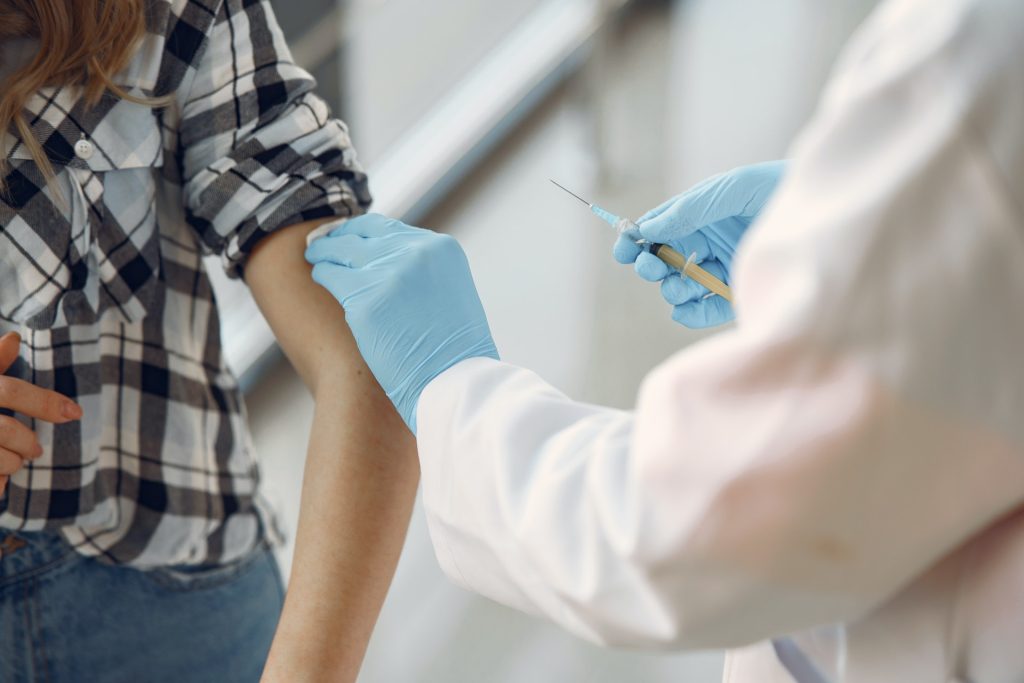
Simply asking patients to get the flu vaccine, and combining it with helpful video and print messages, is enough to persuade many who visit emergency departments to roll up their sleeves, according to a new study published in NEJM Evidence.
Researchers led by UC San Francisco found a 32% vaccine uptake in patients who were asked if they’d be interested in getting the flu shot and told their health providers would be informed.
They saw a 41% uptake for those who were asked about receiving a flu shot and received a pamphlet, watched a three-minute video of a physician with a similar ethnic background discussing the vaccine and were told about the benefits of the vaccine.
The researchers say this type of systematic approach could lead to more underserved people receiving vaccines, especially those whose primary health care occurs in emergency departments.
Flu can be fatal
Annual mortality rates from flu are typically in the tens of thousands in the U.S., especially when combined with pneumonia – but vaccination is particularly low among underserved populations and those whose primary care occurs in emergency departments.
Such patients often face general vaccine hesitancy or a lack of opportunities for the flu shot.
“This research arose from our desire to address the health disparities that we see every day in our emergency department, especially among homeless persons, the uninsured and immigrant populations,” said first author, Robert M. Rodriguez, MD, a professor of Emergency Medicine with the UCSF School of Medicine.
The researchers designed the clinical trial to span a single flu season between October 2022 and February 2023.
Investigators in the study created flu vaccine messaging – including a brief video, flyer and a scripted health provider question, “Would you be willing to accept the influenza vaccine?” – and assessed their effectiveness among nearly 800 patients in five cities: San Francisco, Houston, Philadelphia, Seattle and Durham, North Carolina.
The median age was 46, and more than half the participants in the trial were Black or Latino, 16 % lacked health insurance, nearly a third had no primary care and 9% were homeless or living in severely inadequate housing. These demographic characteristics are similar to patient populations often served by urban emergency departments.
“Overall, our study adds to the growing body of knowledge showing that a number of important public health interventions can and should be delivered to underserved populations in emergency departments,” said Rodriguez, whose previous research has found the effectiveness of delivering similar COVID-19 vaccine messaging to emergency department patients.
Adcock Ingram Critical Care (AICC), a leading manufacturer and supplier of hospital and critical care products in Southern Africa, is expanding its reach in Ostomy and Advanced Wound Care. On 1 February 2024, AICC and Convatec signed a sales, marketing and distribution agreement covering South Africa and neighbouring countries.
Convatec is a globally renowned medical products and technologies company focused on therapies for managing chronic conditions, with leading positions in advanced wound care, ostomy care, continence care, and infusion care.
Colin Sheen, MD at AICC says: “This strategic agreement will add an important new pillar to AICC’s business. As a key pharmaceutical company in Southern Africa, AICC takes its responsibility towards healthcare professionals and patients seriously. As part of our commitment and responsibility to healthcare providers and patients, this agreement between AICC and Convatec is aligned with our mission to provide quality products that improve the health and lives of people in the markets we serve.”
The agreement extends throughout South Africa and neighbouring countries, and includes the import and distribution of a range of finished products in Advanced Wound Care, Ostomy Care and Continence Care. Convatec’s solutions provide various clinical and economic benefits that include infection prevention, protection of at-risk skin, and improved patient outcomes.
Sameer Singla, Vice President – Asia, Middle-East, Africa (AMEA) at Convatec says: “Convatec is pleased to partner with AICC to extend the reach of our products and solutions for patients. Convatec is committed to supporting people living with challenging medical conditions, and to addressing the care gap between the support patients need and what healthcare professionals can provide, which underpins our ‘forever caring’ promise. We look forward to partnering with AICC to meet the needs of patients and healthcare professionals.”
Athletes often suffer injuries to ligaments in their knees, particularly to the anterior cruciate ligament or ACL. While surgery to replace these torn ligaments is becoming increasingly common around the world it often needs to be repeated. That’s because it has proved challenging to anchor fibrous, soft and wet ligament grafting material into hard bone.
Now, McGill University researchers have new information from the eggshell membrane in chicken eggs that could help change this picture thanks to the potential it offers for improvements in tissue engineering and biomaterial grafts.
Their findings also have the potential to reduce losses for commercial egg and poultry producers.
Anchoring soft and wet fibres by “nailing” them in place
The researchers discovered how the hard shell of a bird egg attaches to the underlying wet fibrous membrane of the egg (the thin membranous layer found inside the shell seen when peeling a hard-boiled egg). By using advanced 3D imaging X-ray and electron microscopes together with cryo-preservation methods the research team were able to peer into this interface in three dimensions to visualize and quantify the interlocking phenomenon.
“Until now, no one had considered how this interface between these two very dissimilar substances, one a hard biorock, and the other a soft fibrous membrane, might be secured at the nanoscale,” says Marc McKee, a professor in the Faculty of Dental Medicine and Oral Health Sciences, and in the Department of Anatomy and Cell Biology, and the principal investigator of the study conducted by doctoral student Daniel Buss and published recently in iScience. “What we found about this soft-hard interface is quite remarkable.”
Nanospikes increase the surface area of contact between soft and hard materials and ensure food safety
The McGill team discovered that, at a certain stage in the development of an egg prior to laying, the shell sends mineral nanospikes into the soft and compliant surface fibres of the underlying eggshell membrane.
This membrane surrounds the soft contents of the egg interior, being either the egg white and yolk from table eggs, or the developing chick embryo in a fertilized and incubated egg.
This nanospiking attachment process between two highly dissimilar materials substantially increases the surface area of the interface between the soft and wet organic fibres and the hard and largely dry inorganic mineral.
Such an attachment importantly anchors and secures this soft-hard interface to prevent slipping and sliding of the fibres within the shell.
Otherwise, detachment of the membrane from the shell can be lethal for the embryonic chick, can weaken the shell, and/or can allow the invasion of pathogens (such as salmonella) into the interior contents of the egg.
Food safety of the table egg relies on an intact shell that is well-integrated with its underlying membrane.
Implications for medical procedures and commercial egg production
With this new understanding of the shell-membrane interface as being a characteristic feature of strong, safe and healthy eggs, losses for table egg producers and poultry breeders might be reduced through the establishment of commercial genetic breeding programs that maintain or maximize this interfacial structure.
The findings might also potentially lead to new engineered, hybrid composite material designs, and to new procedures to improve the outcomes of various medical and dental reconstructive surgeries, both of which may require attaching soft wet fibres to hard materials.
A systematic review published in the Canadian Medical Association Journal revealed that while people had good odds of recovering from short term back pain, but if it becomes persistent, then the chances of recovery are greatly reduced. This has important implications for the treatment of chronic back pain, as it points to the pain from the original injury being replaced by pain hypersensitivity.
“The good news is that most episodes of back pain recover, and this is the case even if you have already had back pain for a couple of months,” University of South Australia Professor Lorimer Moseley says.
“The bad news is that once you have had back pain for more than a few months, the chance of recovery is much lower. This reminds us that although nearly everyone experiences back pain, some people do better than others, but we don’t completely understand why.”
The systematic review and meta-analysis, conducted by an international team of researchers, included 95 studies with the goal of understanding the clinical course of acute (< 6 weeks), subacute (six to less than 12 weeks) and persistent (12 to less than 52 weeks) low back pain.
For people with new back pain, pain and mobility problems lessened significantly in the first six weeks, but then recovery slowed.
This study filled a gap in a 2012 paper from the same research team, with new findings showing that many people with persistent low back pain (more than 12 weeks) continue to have moderate-to-high levels of pain and disability.
“These findings make it clear that back pain can persist even when the initial injury has healed,” Prof Moseley says.
“In these situations, back pain is associated with pain system hypersensitivity, not ongoing back injury. This means that if you have chronic back pain – back pain on most days for more than a few months – then it’s time to take a new approach to getting better.”
He notes that there are new treatments based on training both the brain and body that “focus on first understanding that chronic back pain is not a simple problem, which is why it does not have a simple solution, and then on slowly reducing pain system sensitivity while increasing your function and participation in meaningful activities.”
The authors state that identifying slowed recovery in people with subacute low back pain is important so that care can be escalated and the likelihood of persistent pain reduced.
Further research into treatments is needed to help address this common and debilitating condition, and to better understand it in people younger than 18 and older than 60 years.
Colourised electron micrograph image of a macrophage. Credit: NIH
Scientists have created a new treatment for traumatic brain injury (TBI). The new approach leverages macrophages, which can increase or decrease inflammation in response to infection and injury. The team attached “backpacks” containing anti-inflammatory molecules directly to the macrophages. These molecules kept the cells in an anti-inflammatory state when they arrived at the injury site in the brain, enabling them to reduce local inflammation and mitigate the damage caused. The research is reported in PNAS Nexus.
“Every year, millions of people suffer from a TBI, but there is currently no treatment beyond managing symptoms. We have applied our cellular backpack technology – which we previously used to improve macrophages’ inflammatory response to cancerous tumours – to deliver localised anti-inflammatory treatment in the brain, which helps mitigate the cascade of runaway inflammation that causes tissue damage and death in a human-relevant model,” said senior author Samir Mitragotri, PhD, in whose lab the research was performed.
Stopping a runaway inflammation train
There is currently no treatment for the damage caused to brain tissue during a traumatic brain injury (TBI), beyond managing a patient’s symptoms. One of the main drivers of TBI-caused damage is a runaway inflammatory cascade in the brain.
As cells die from the impact, they release a cocktail of pro-inflammatory cytokine molecules that attract immune cells to clean up the damage. But the same cytokine molecules can also disrupt the blood-brain barrier, which causes blood to leak into the brain. Blood accumulation in the brain causes swelling, impaired oxygen delivery, and increased inflammation, and creates a vicious cycle of bleeding and damage that drives even more cell death.
The Mitragotri lab saw an opportunity in this problem.
“It’s generally believed anti-inflammatory therapies can be effective for treating TBI, but so far, none of them have proven effective clinically. Our previous work with macrophages has shown us that we can use our backpack technology to effectively steer their behaviour when they arrive at the injury site. Since these cells are already active players in the body’s natural immune response to a TBI, we had a hunch we could augment that pre-existing biology to reduce the initial damage,” said co-first author Rick Liao, Ph.D., a Postdoctoral Fellow at the Wyss Institute and SEAS.
“Body, heal thyself”…with backpacks
Macrophages are very malleable cells and can “switch” between pro-inflammatory and anti-inflammatory states. While the team’s previous work in cancer had been focused on keeping macrophages in a pro-inflammatory state when they arrive at the inflammation-reducing microenvironment of a tumour, this new project would be trying to do the opposite: keep the macrophages “calm” in the inflammation-riddled setting of a brain injury.
To do so, they used a disc-shaped “backpack” they had previously designed to treat multiple sclerosis that contained layers of two anti-inflammatory molecules: dexamethasone, a steroid, and interleukin-4, a cytokine that encourages macrophages to adopt an anti-inflammatory state. They then incubated these microparticles with both human and pig macrophages in vitro and saw that the backpacks stably stuck to the cells without causing any negative effect. They also observed that application of their backpacks decreased the expression of pro-inflammatory biomarkers and increased the expression of anti-inflammatory biomarkers, retaining the pig macrophages in a healing state.
But to prove that this shift would work in the body, they had to test the backpack-bearing macrophages in vivo. They chose pigs as their model organism because their brains’ structures and responses to injury more closely mimic those of humans than mice.
“Probably our biggest challenge in this project was scaling up production to match what we needed to run the experiments. Our previous studies were done in rodents, which required about two million macrophages and four million backpacks administered per subject. For the porcine study, we needed 100 million macrophages and 200 million backpacks per subject – on the scale of what would be administered in humans – and lots of helping hands,” said co-first author Neha Kapate, PhD, a Postdoctoral Fellow at the Wyss Institute and SEAS.
Once they had generated enough backpack-wearing porcine macrophages, they infused them into the pigs’ bloodstreams four hours after a TBI. Seven days later, they analysed the animals’ brains. Pigs that had received the macrophage treatment showed a high concentration of the cells in the area immediately surrounding the injury site, their lesions were 56% smaller, and there was significantly less haemorrhaging than in untreated animals.
Local immune cells also displayed a lower amount of a pro-inflammatory activation marker called CD80, indicating that the macrophages had accomplished their damage control by reducing inflammation in the brain. Corroborating that data, the levels of two soluble biomarkers for inflammation in the blood and cerebrospinal fluid were lower in treated animals than in untreated animals. The macrophage treatment also did not cause any negative effects.
The team plans to conduct future studies that focus on elucidating exactly how their anti-inflammatory macrophage therapy affects the blood-brain barrier’s integrity to prevent bleeding, which could also hold promise for treating other conditions like hemorrhagic strokes.
“Macrophages’ susceptibility to their local environment has historically prevented scientists from taking full advantage of their immune-modulating capabilities. This impressive study describes a truly novel and potentially powerful macrophage-based therapy for treating the inflammation that is the root cause of so many human afflictions in an effective and non-invasive way that works with biology rather than against it,” said Wyss Founding Director Donald Ingber, MD, PhD.
In the event of an accident or an attack, members of the public can save lives by performing first aid measures until the arrival of emergency medical services. But those people willing and able to serve as first responders will also need access to first aid equipment.
“There must also be certain equipment available to manage major bleeding. The question then is where this equipment should be placed, so that people who want to help can quickly access bleeding control kits,” says Carl-Oscar Jonson, adjunct senior associate professor at the Department of Biomedical and Clinical Sciences at Linköping University and head of research at the Center for Disaster Medicine and Traumatology in Linköping.
The first recommendations
Until now, there have been no guidelines for where such bleeding control kits should be located to ensure maximal utility. The current study, published in the journal Disaster Medicine and Public Health Preparedness, now contributes research-based recommendations.
“We found that the largest number of lives saved correlated with bleeding control kits being placed in two or more locations on the premises, but most importantly they shouldn’t be placed at entrances. We also concluded that the equipment must be accessible within 90 seconds’ walking distance,” says Anna-Maria Grönbäck, doctoral student at the Department of Science and Technology at Linköping University, who was involved in developing the simulation.
This means that bleeding control kits should not be placed at entrances, which is often the case with automated external defibrillators (AEDs). The reason for this is that they may be difficult to reach in a situation where many people have to be evacuated at once, such as in the case of attack or major accident. According to attack statistics, roughly 20 injured people will need first aid including a bleeding control kit each. It may be helpful to locate bleeding control kits in the same places as clearly marked AEDs, as long as not located at the entrances.
Bomb consequences simulated
The recommendations are based on conclusions reached by the research team by developing a computer-based simulation of an explosion in a large shopping centre with thousands of simultaneous visitors. In their simulation, the researchers have looked at what happens right after an explosion. The majority of the simulated people try to get out of the premises and move towards the exits. Simulated people close to the blast suffer varying degrees of injury and start bleeding.
In the simulation, some individuals help those injured by applying direct pressure to reduce bleeding, or by trying to find equipment. It is a race against time. Depending on how long it takes to get the equipment, the simulated casualty may die from blood loss.
To find the best strategy for the placement of bleeding control kits, the researchers tested four different scenarios in their simulation. They weighed together the outcomes of the many simulated courses of events for each scenario and compared them to understand which placement of equipment saved the largest number of lives.
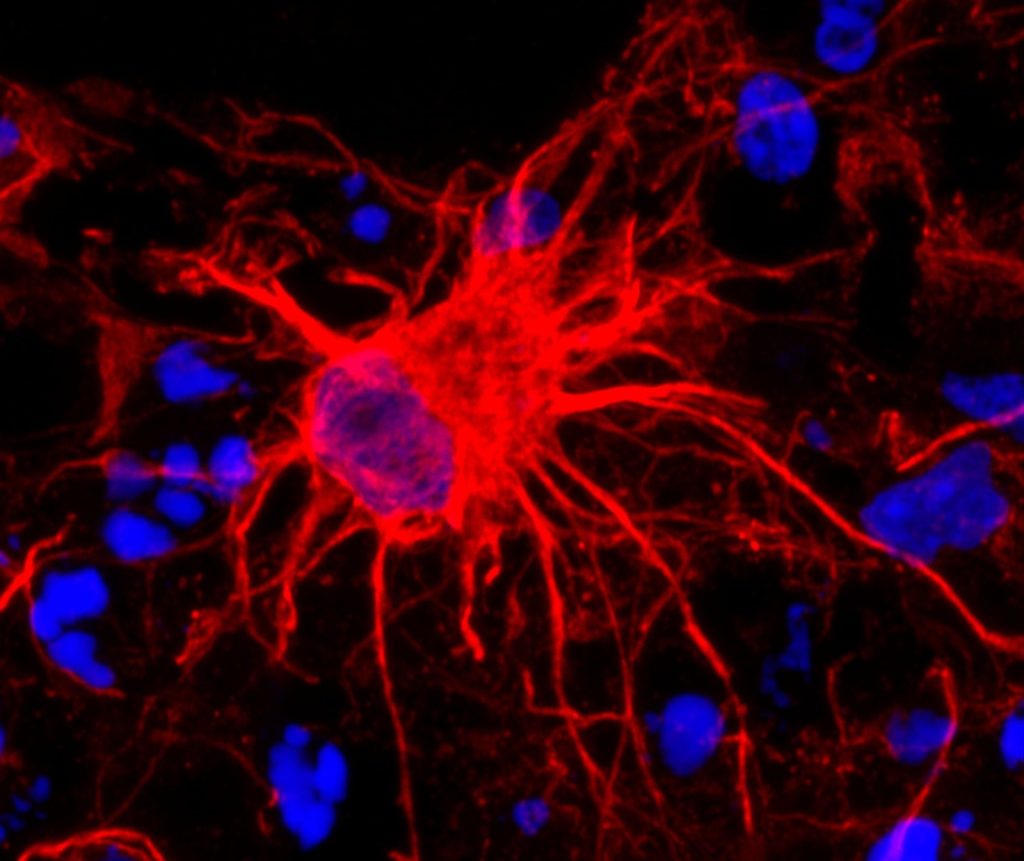
Image of an astrocyte, a subtype of glial cells. Glial cells are the most common cell in the brain.
Credit: Pasca Lab, Stanford University
NIH support from: NINDS, NIMH, NIGMS, NCATS
A new study published in PNAS Nexus provides a better understanding of how the brain responds to injuries. Researchers at the George Washington University discovered that a protein called Snail plays a key role in coordinating the response of brain cells after an injury.
The study shows that after an injury to the central nervous system (CNS), a group of localised cells start to produce Snail, a transcription factor or protein that has been implicated in the repair process. The GW researchers show that changing how much Snail is produced can significantly affect whether the injury starts to heal efficiently or whether there is additional damage.
“Our findings reveal the intricate ways the brain responds to injuries,” said senior author Robert Miller, the Vivian Gill Distinguished Research Professor and Vice Dean of the GW School of Medicine and Health Sciences.
“Snail appears to be a key player in coordinating these responses, opening up promising possibilities for treatments that can minimise damage and enhance recovery from neurological injuries.”
This study identified for the first time a special group of microglial-like cells that produce Snail. Microglial cells are found in the central nervous system. The researchers found that lowering the amount of Snail produced after an injury results in inflammation and increased cell death. During this process, the injury worsens and there are fewer connections or synapses between brain cells. In contrast, when Snail levels are increased the outcome of brain injury improves-suggesting this protein can help limit the spread of injury-induced damage.
The research raises questions about whether an experimental drug that affects Snail production could be used to limit the damage incurred after someone suffers a stroke or has been injured in an accident, Miller said.
Additional studies must be done to show that increasing Snail production could curtail injury or even promote healing of the brain.
Miller and his team also plan to study the regulation of Snail in diseases like multiple sclerosis, a disease resulting in damage to the myelin nerve sheath. If drugs targeting Snail could be used to stop that damage, many of the future symptoms of this disease could be eased, he says.
But researchers have years of work to do before new drugs targeting Snail can be tested in clinical trials. The payoff ultimately might be drugs that can lead to accelerated healing for stroke damage, head wounds and even neurodegenerative diseases like dementia.